4 5 7665 KM
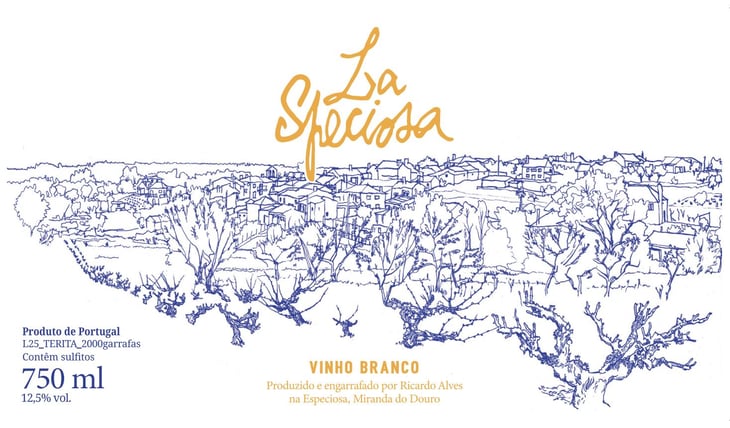
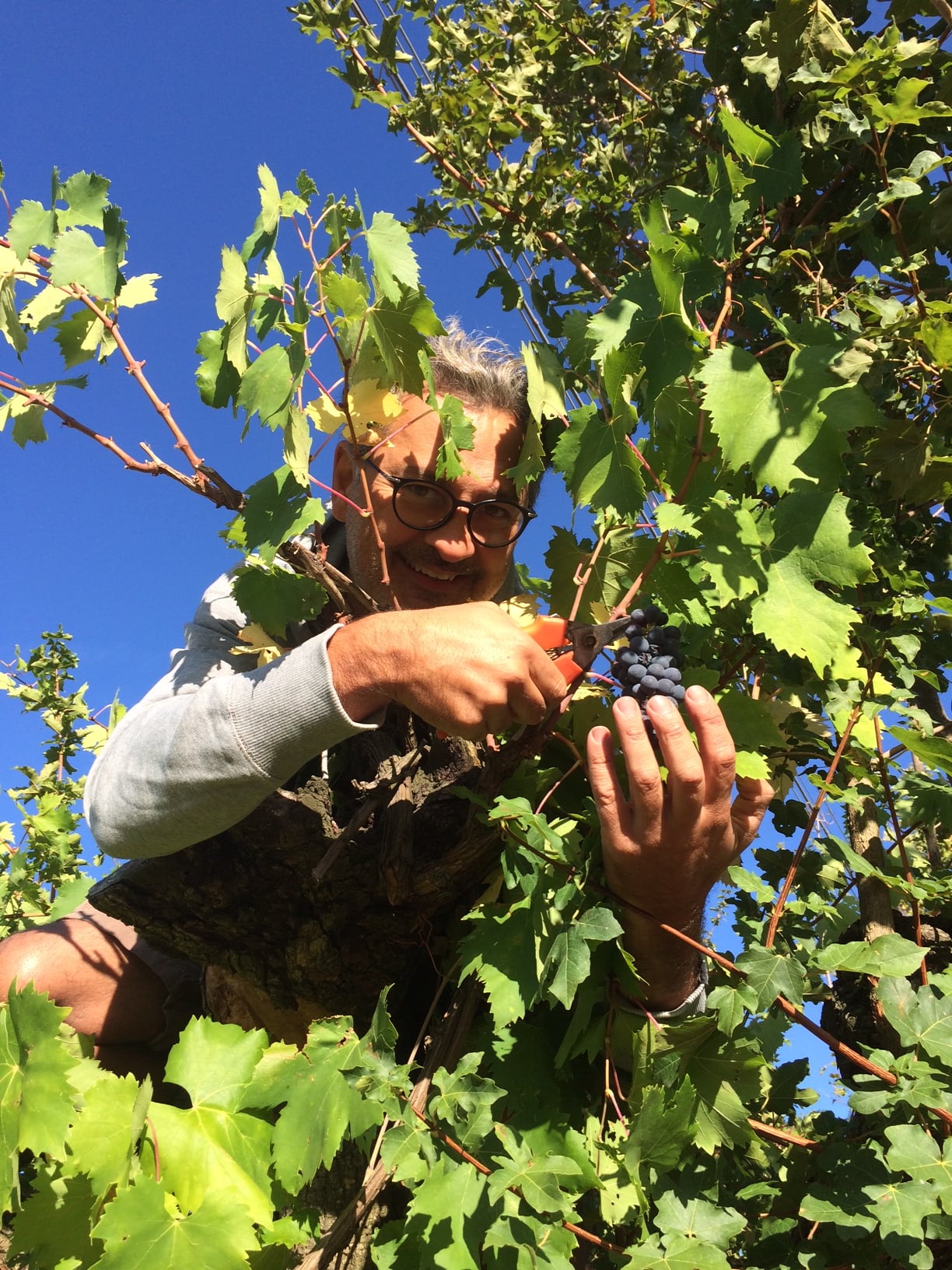
These ancient vines, rooted in granitic, quartz, and sedimentary soils, carry the genetic and cultural memory of the Mirandese Plateau. (https://maps.app.goo.gl/ZNE7aSgtomX8gLQQ7)
Half of the wines (50%) are made from grapes coming from these old farms and vineyards, which are between 70 and more than 100 years old. The other half comes from other old vineyards that I have been taking care of for more than four years, as their former owners are no longer able to do so.
The agriculture is also low-intervention. The climate, with very cold and long winters and extremely hot and short summers, creates conditions in which the diseases that are usually found on plants are almost non-existent. Therefore, treatments are limited to powdered sulphur after fruit set and one application per year of a mixture of copper sulphate and lime.
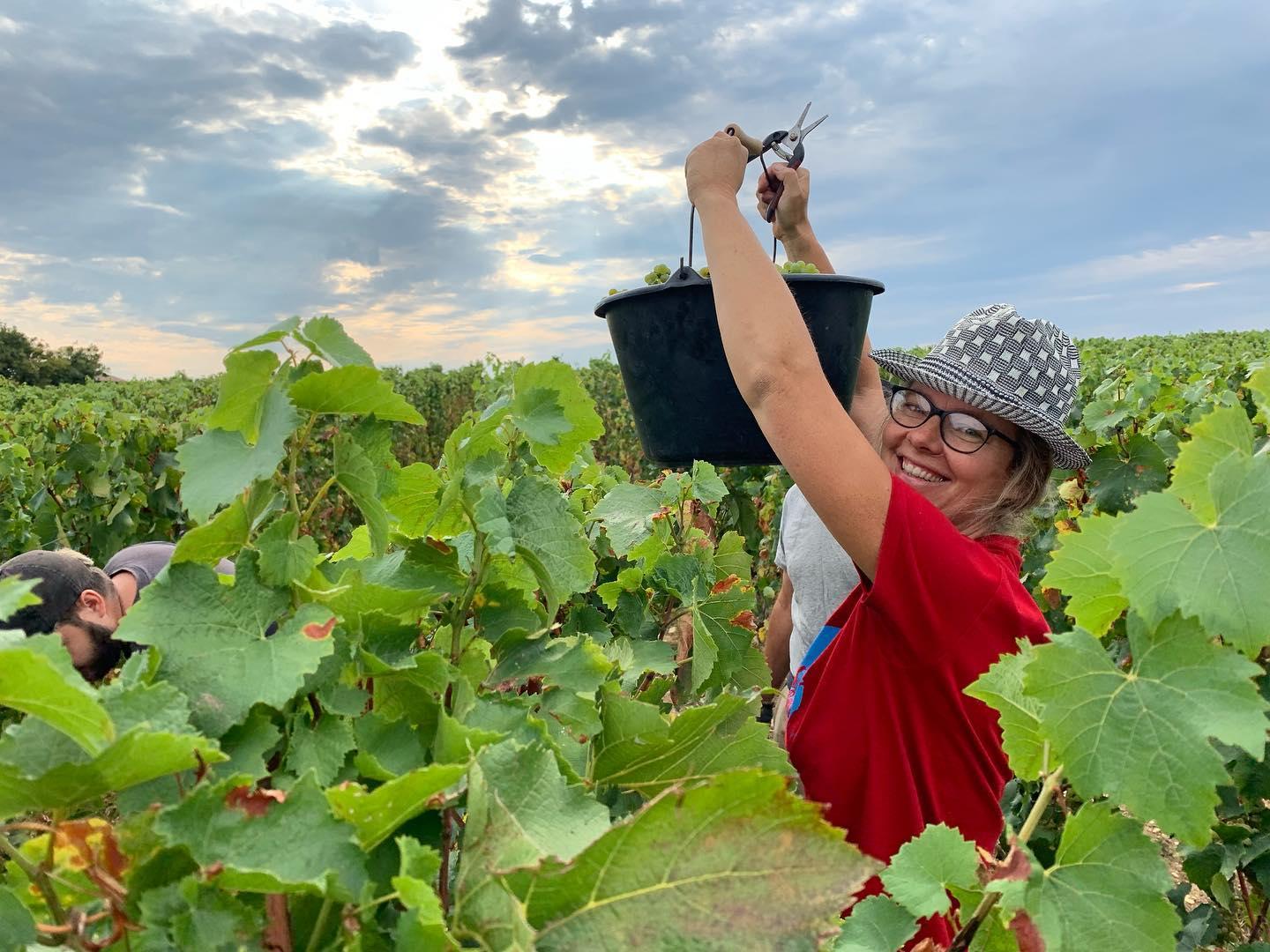
Harvesting is still carried out as a communitary activity involving people from the village, and takes place from mid-September onwards.
The work in the cellar is also performed traditionally. Grapes arrive at the winery in small harvest crates and are then crushed by foot. Fermentation takes place using native yeasts naturally present on the grapes and in the winery, with no temperature control. After fermentation, the wines are transferred to stainless steel tanks, followed by one racking after the end of winter and bottling without filtration in June or July.
The use of sulphur varies between the wines. In some wines, no sulphur is used at all. In others is added at grape crushing and at bottling in extremely small quantities.
The whole philosophy of this project is to create a dynamic within the village and the region: to protect the old genetic material of these plants, preserve ancestral traditions and agricultural techniques, and create wines that can make the project economically sustainable. At the same time, the aim is to encourage a small movement of new producers to join the natural wine community while helping to maintain rural life in this small region.
The maximum production was reached in 2025, with up to 7,000 bottles across four different types of wine.
No orange wines at the moment.
No sparkling wines at the moment.
FIND THE EVENT YOU ATTEND

Thursday August 20 - Monday September 14
ChapineríaSpain
6451 KM
Thursday August 20 - Saturday September 05
Saint-Gengoux-de-ScisséFrance
6773 KM

Friday August 21 - Wednesday September 30
Endingen am Kaiserstuhl
6876 KM
Friday August 21
Santo Stefano d'AvetoItaly
7195 KM

Friday August 21
Ho Chi Minh CityVietnam
14281 KM

Friday August 21
AlmatyKazakhstan
10546 KM
Friday August 21
The HagueNetherlands
6456 KM

Saturday August 22
Mókus krt.Hungary
7570 KM

Sunday August 23 - Saturday September 19
Entraygues-sur-TruyèreFrance
6719 KM
Sunday August 23 - Friday September 25
Castiglion Fiorentino
7434 KM


 Winemakers
 Restaurants
 Bars
Bars Wine Shops
 Accommodations
 Events