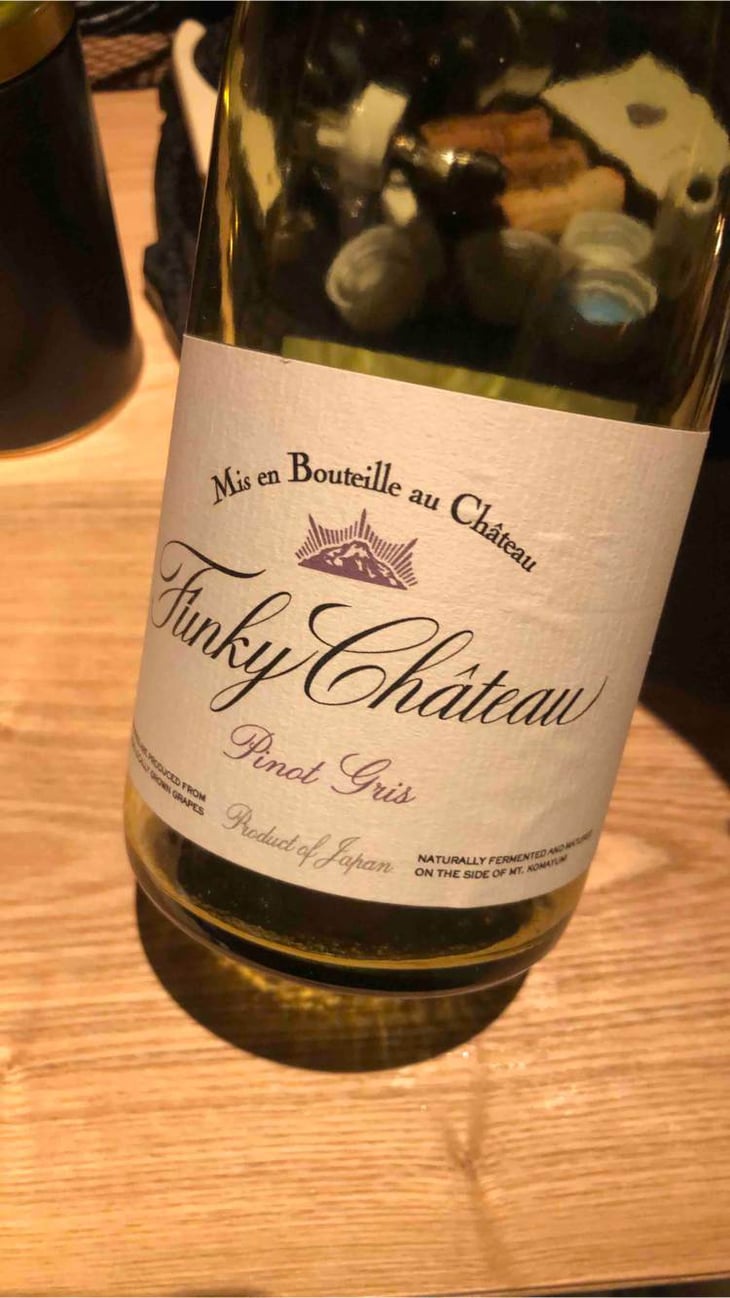
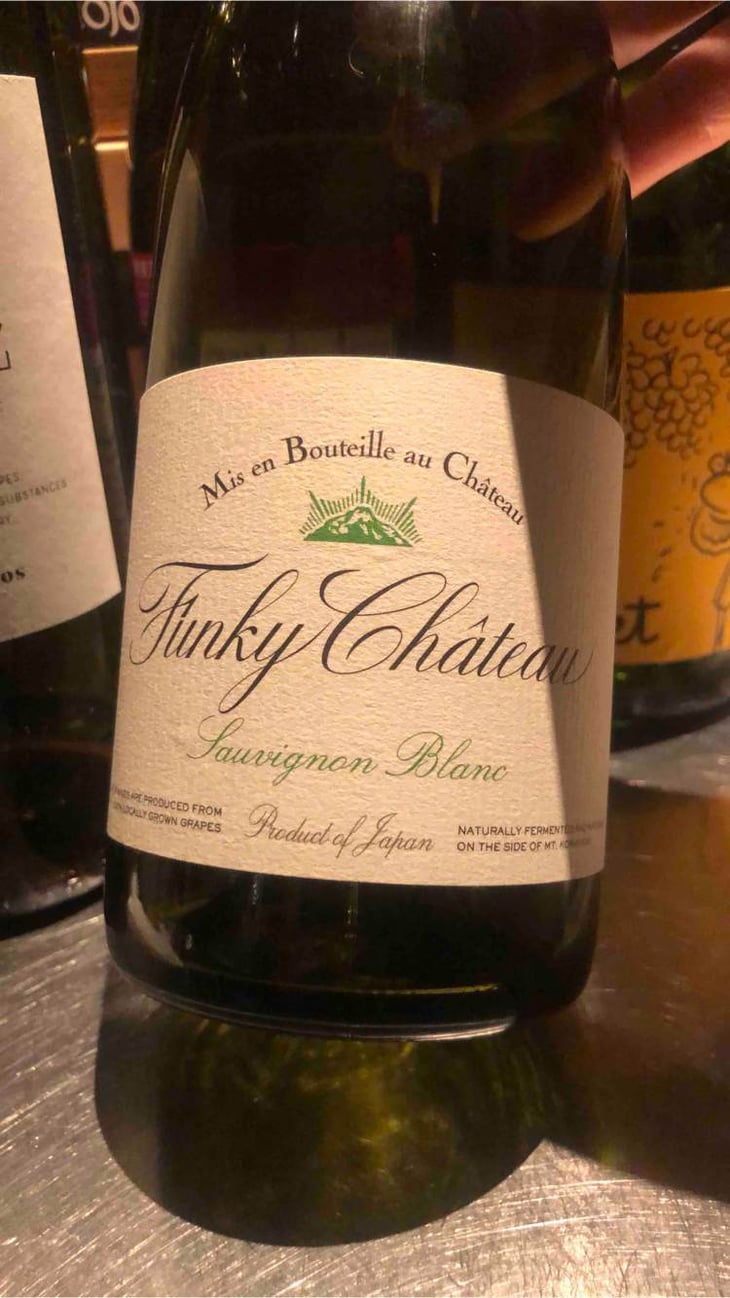
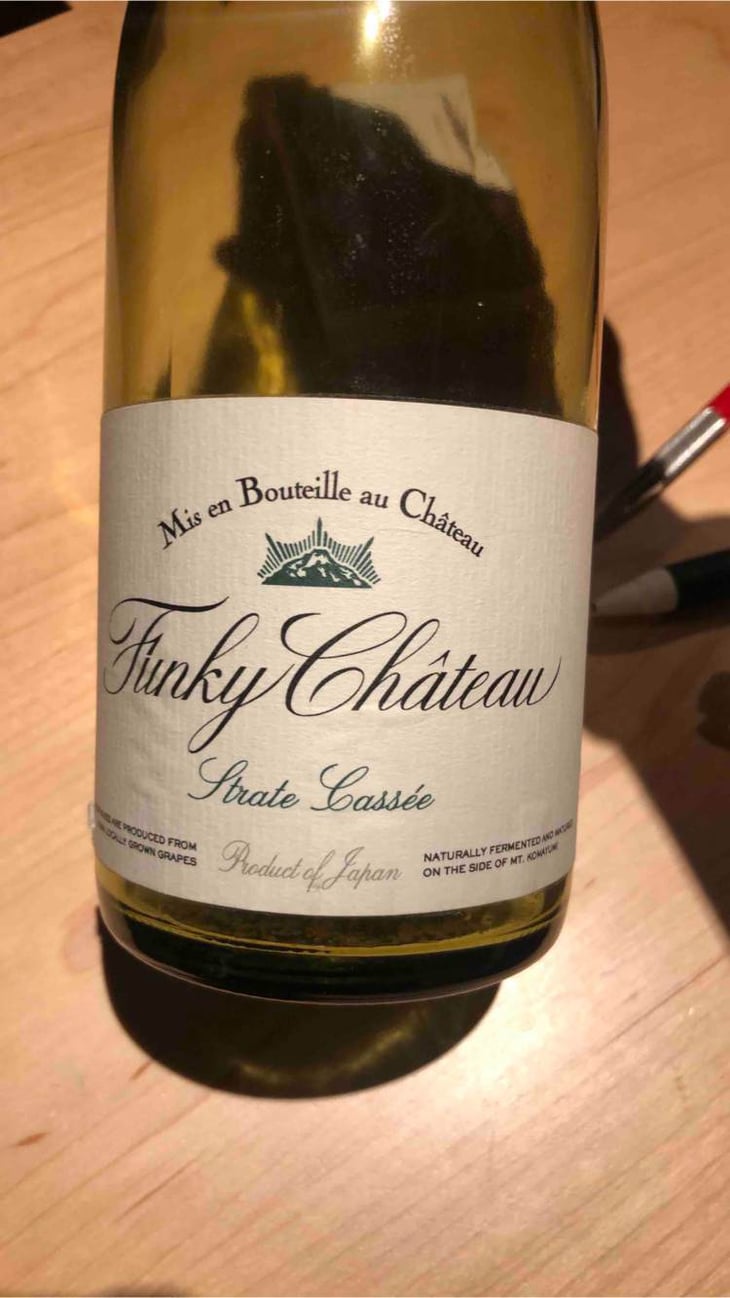
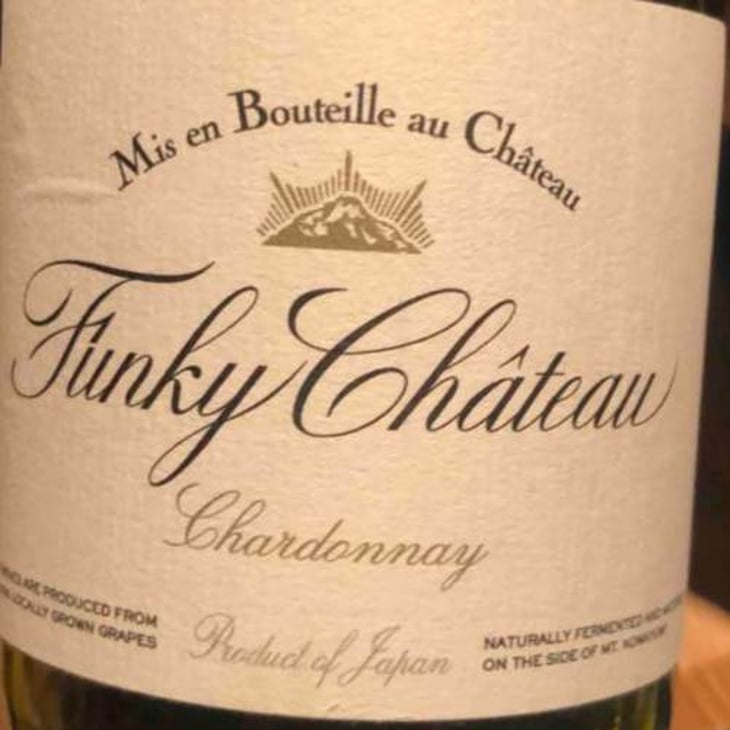
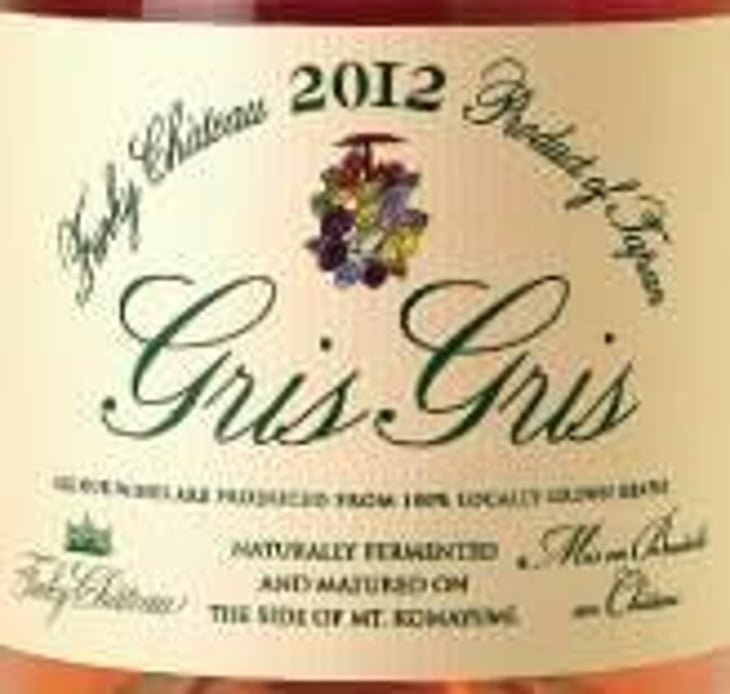
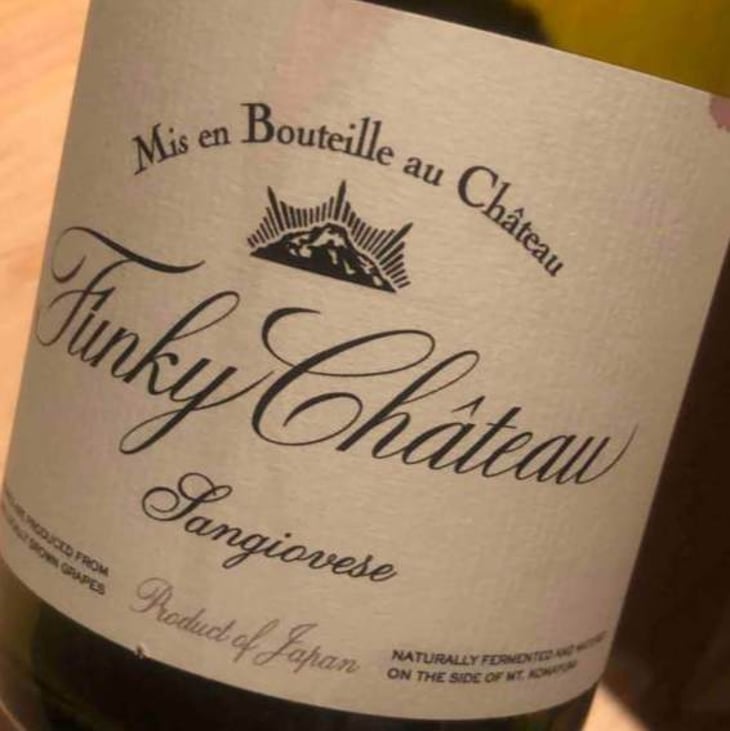
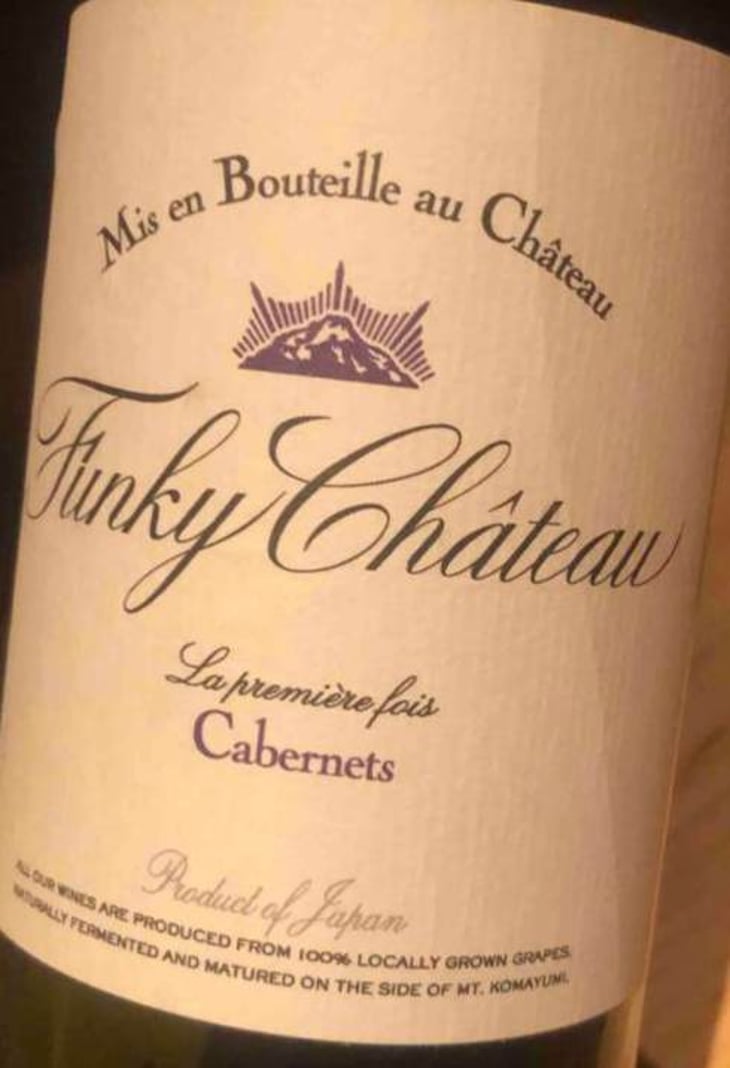
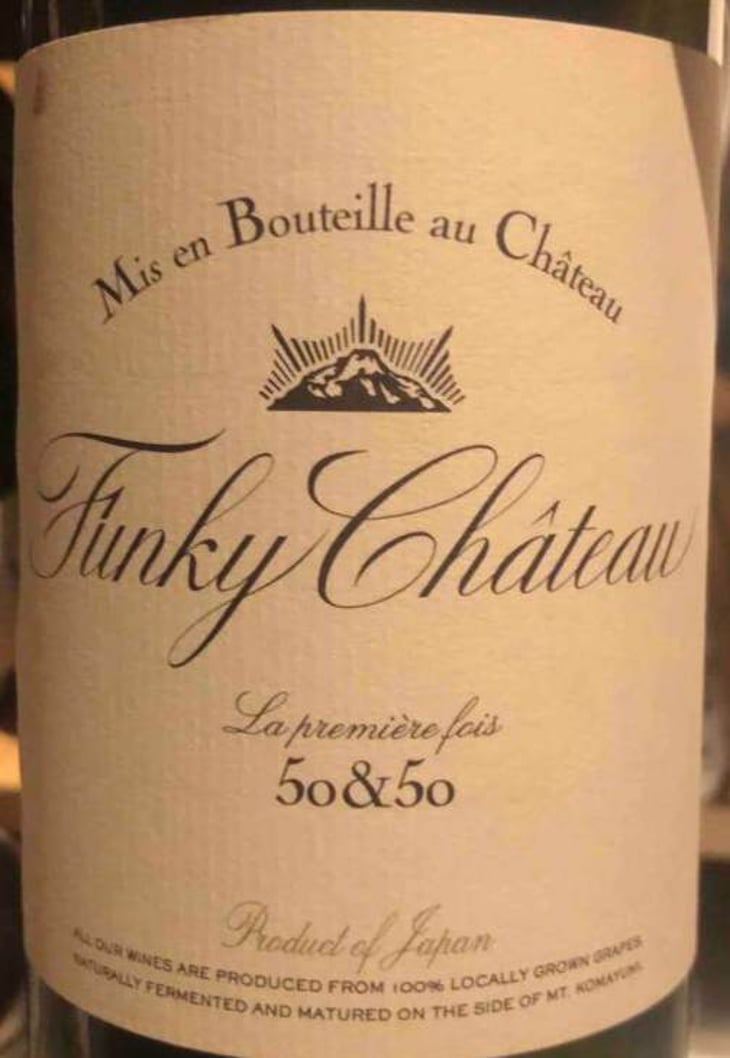
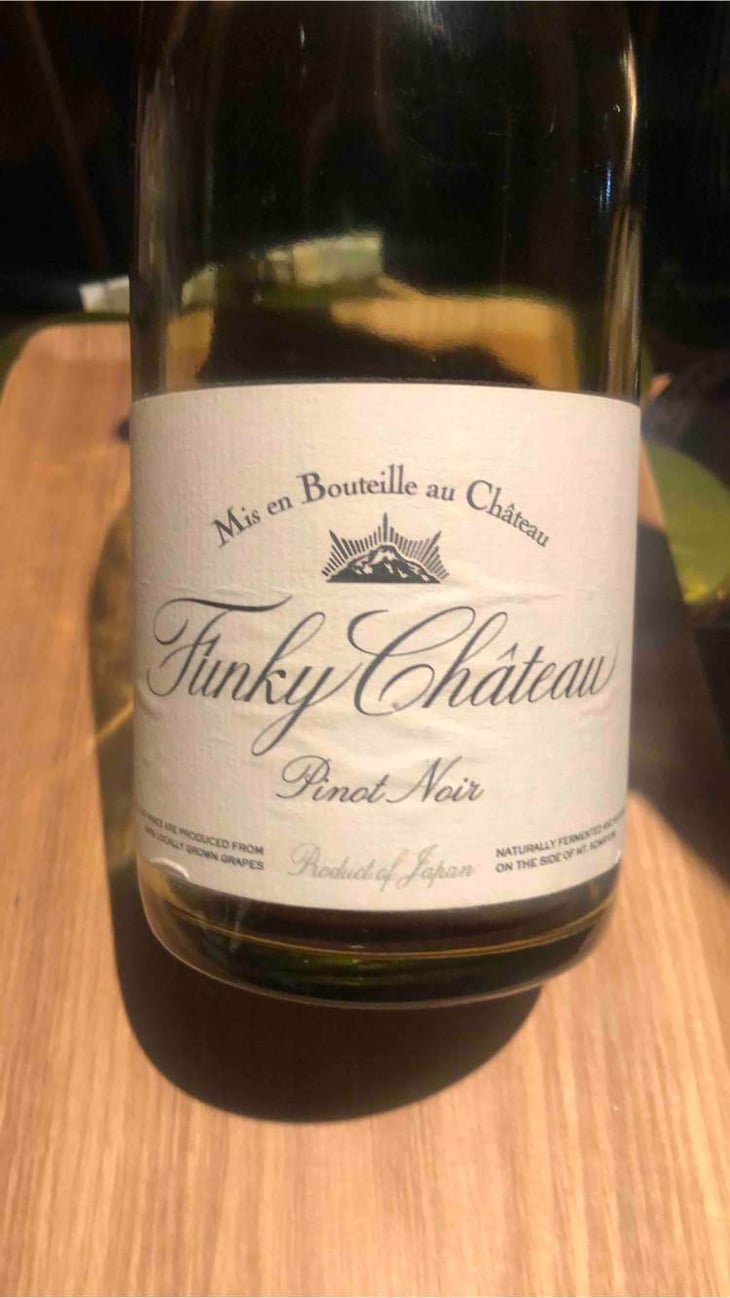
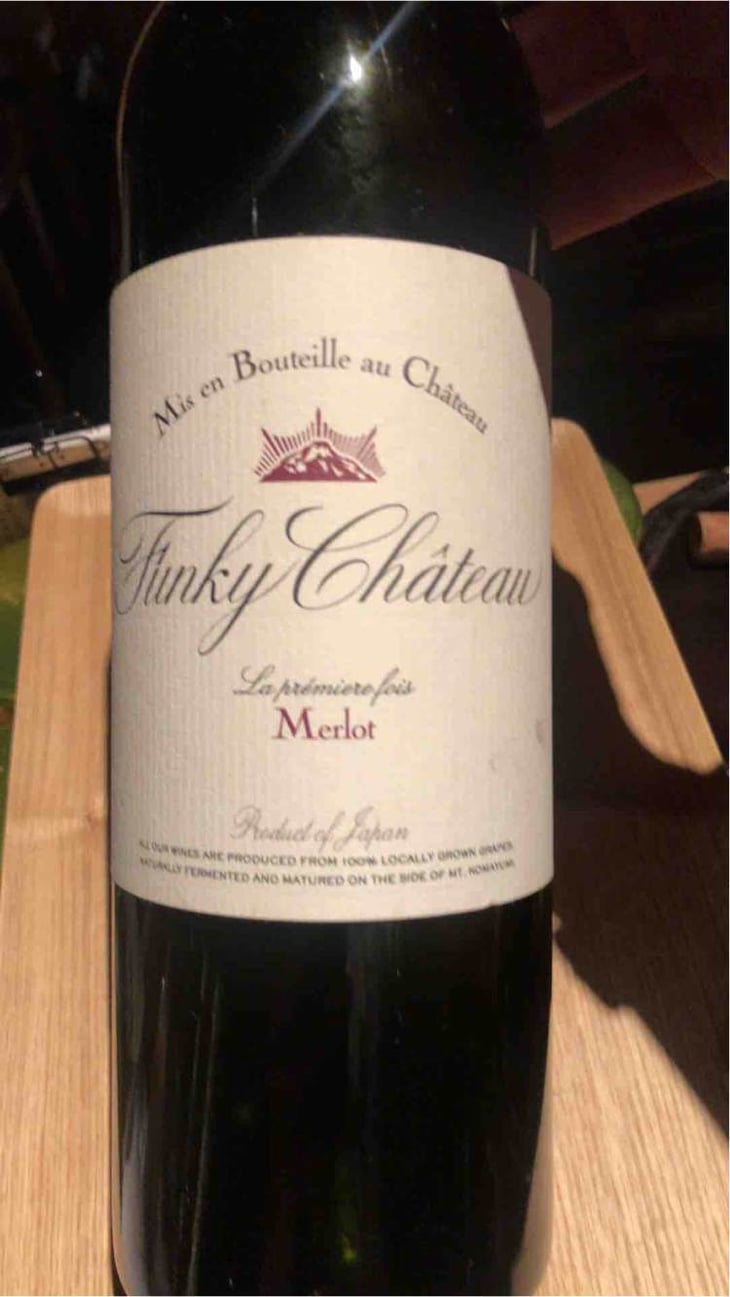
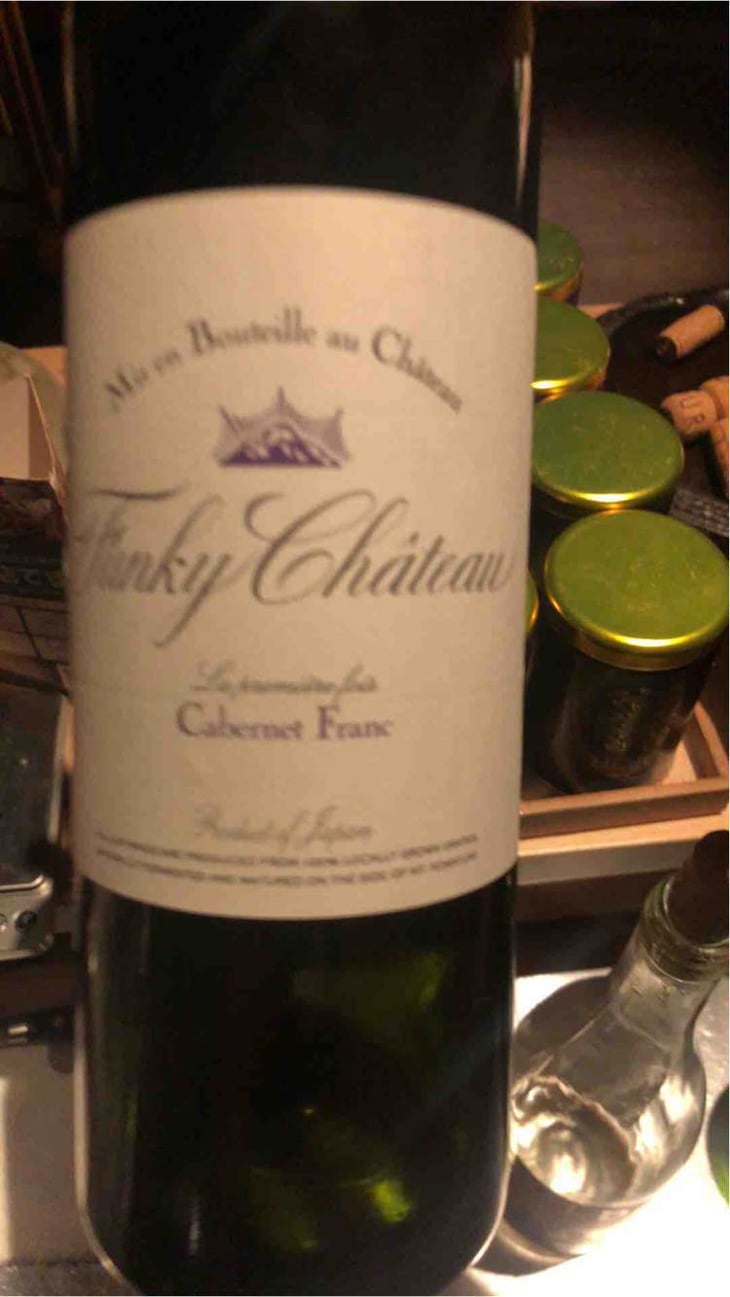
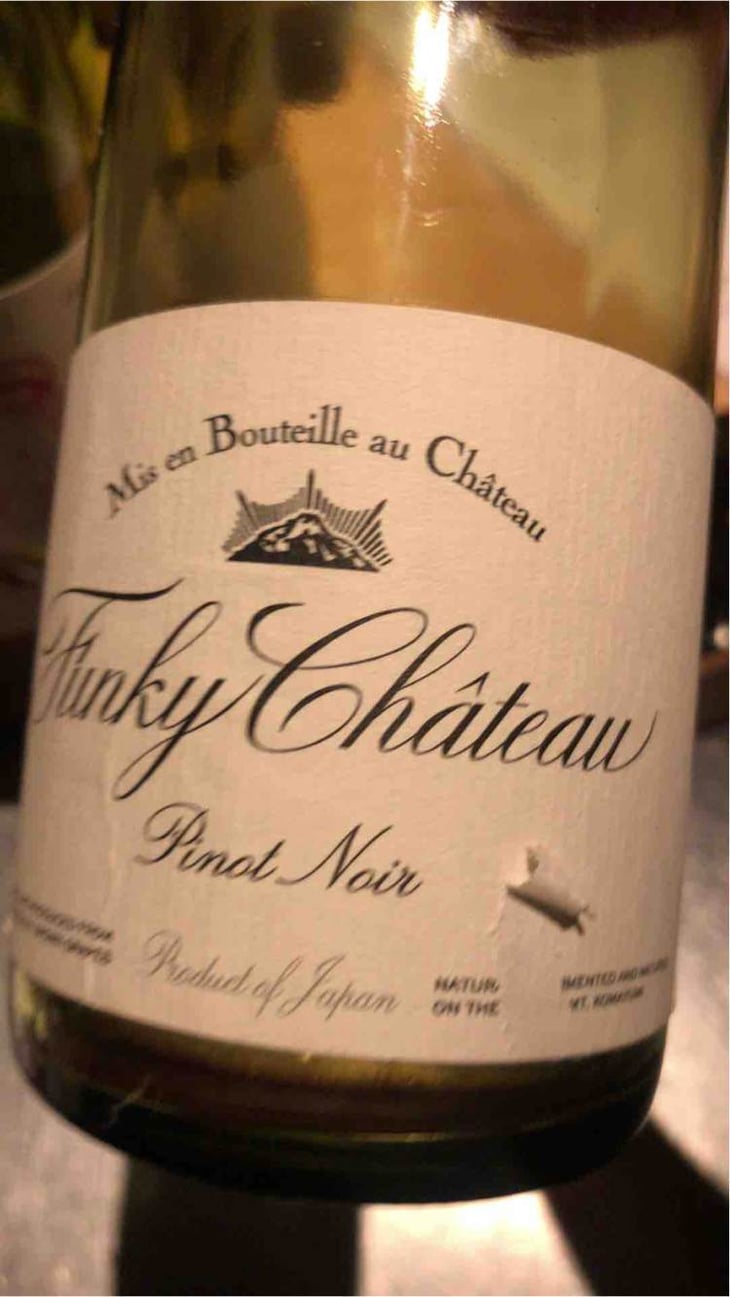
Funky Chateau - Toyohiko & Michiko Kanehashi
In the mid-2000s, Toyohiko and Michiko Kanehashi were at the height of their respective careers in music production and orthopedic medicine. Toyohiko had worked with the likes of John Legend and Frank Sinatra, producing music for TV commercials and film. Michiko held a lectureship at a Tokyo university and frequently attended conferences in the United States and Europe.
They met late in life — when Toyohiko broke his ankle and a friend referred him to Michiko for treatment — and discovered a shared passion for fine wine, in particular natural wines from Burgundy and Bordeaux. “Whenever we met, we drank wine,” Michiko says with a chuckle. “And more wine.”
The wine dates blossomed into marriage and then a self-taught journey, starting with both around age 50, from amateur oenophiles into producers of some of Japan’s most sought-after wines — at their vineyard Funky Chateau.
The name is inspired by Toyohiko’s love of soul, funk and R&B (his tastes range from Curtis Mayfield to Prince.) Funky Chateau also evokes the unconventional outlook of a husband-and-wife team that resisted pressure from “the experts” to deploy fertilizers and pesticides, in a quest for perfection in the natural wine style that was the leitmotif to their romance.
The Funky Chateau journey began with a mere eight vines (four merlot and four chardonnay) on a tiny plot at the foot of Komayumidake in Nagano Prefecture, a reizan (sacred mountain). The Kanehashis read any book they could find on winemaking, applying the learnings to their “moonshine” wine experiments. Gradually, they became experts (obtaining a winemaking qualification in 2011) and grew the estate to the eight hectares it commands today.
Legendary Burgundy vintner Henri Jayer’s guide to winemaking (“Tribute to the Great Wines of Burgundy”) became the bible of their wine education. From Jayer, the couple learned a method of forgoing chemical pesticides and fertilizers (called la lutte raisonnee or “well-considered struggle”), using only natural yeast, avoiding additives and keeping yields low to optimize concentration.





 Winemakers
 Restaurants
 Bars
 Wine Shops
 Accommodations
 Events