3 6 9444 KM
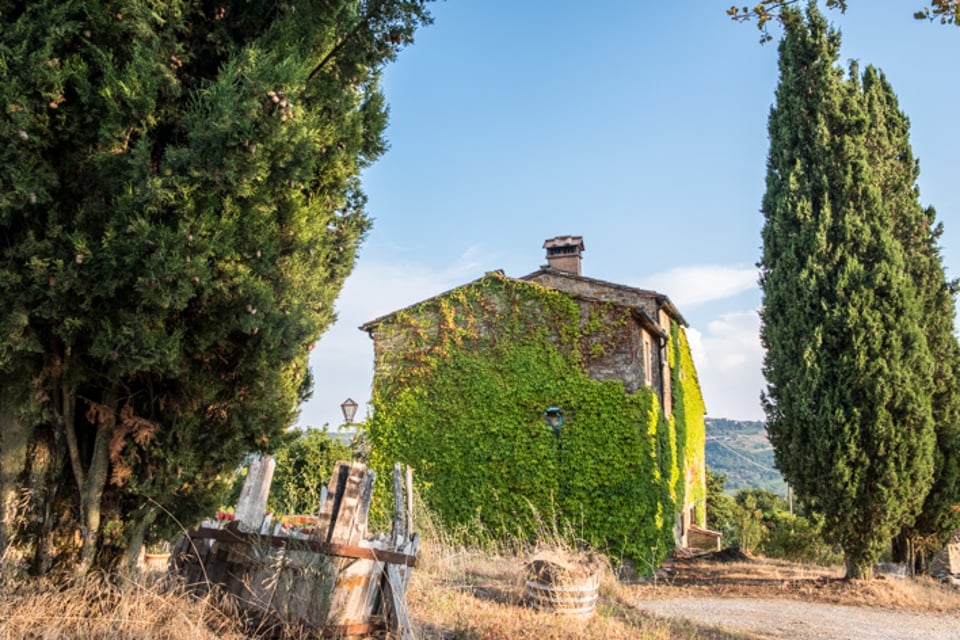
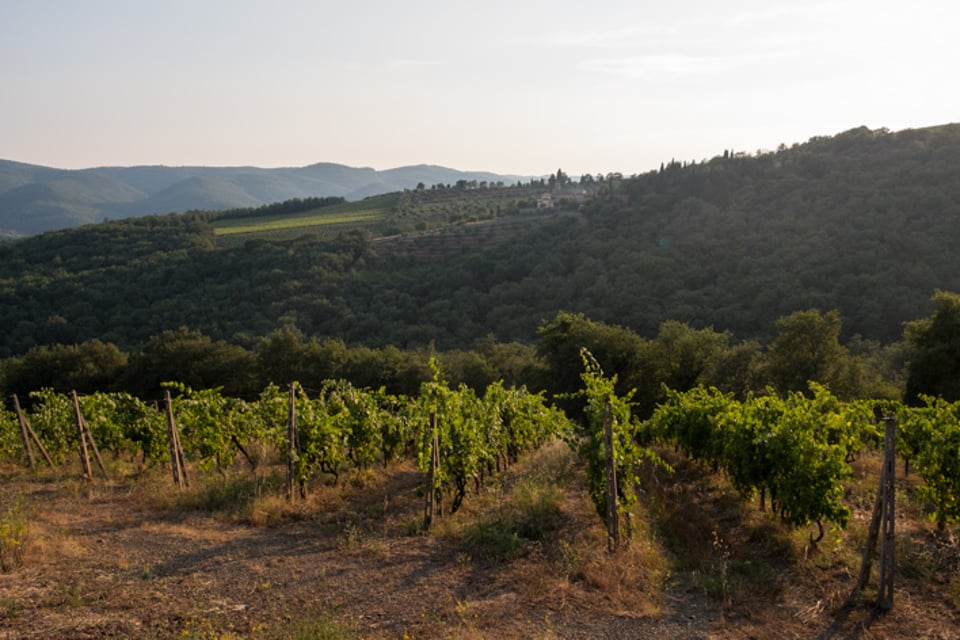
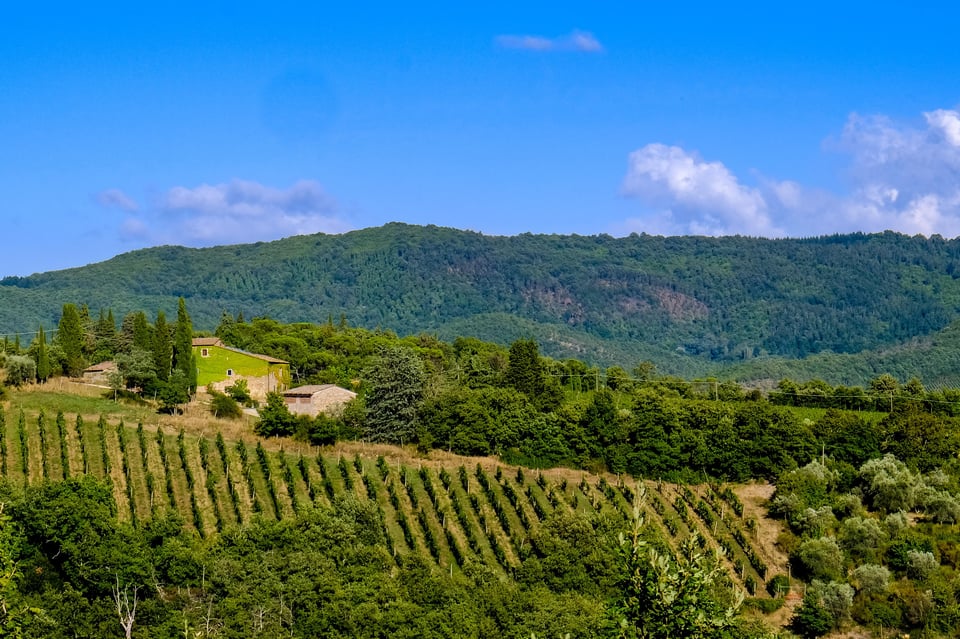
The highest vineyard was planted in 1972 and sits at 500 meters with a western exposure. The soil is more sandy, with a mix of Chianti stone and marl. Between the two is the youngest vineyard, planted in 2016 on soil that is intermediate in characteristics compared to the other plots. The grape varieties grown are Sangiovese, Merlot, Canaiolo Nero, and Ciliegiolo, along with a few plants of Foglia Tonda, Trebbiano Toscano, Canaiolo Bianco, and Malvasia del Chianti.
All three vineyards are completely grassed over, and tractor use is limited to what is strictly necessary, primarily for mechanical tillage of the rows, post-harvest loosening of the roadways, and for treatments, which are carried out with copper, sulfur, and natural tonics in an effort to minimize the use of the first two elements. Thanks to grassing, we do not use fertilizers, except for small amounts of manure or compost to occasionally strengthen plants that are showing signs of weakness. All plant operations are carried out manually, from pruning to harvesting.
In the winery, all fermentations are spontaneous, with no temperature control. Vinification takes place primarily in concrete vats, with frequent pumping over and delestage when greater extraction is required. Once malolactic fermentation is complete, the wine is moved to the cellar, where it ages in 30hl oak barrels for at least 20 months, during which the wine is "cleaned" with one or two rackings per year. The only oenological additive used is a modest amount of sulfites, usually added at the end of malolactic fermentation and before bottling.
No white wines at the moment.
No rose wines at the moment.
No orange wines at the moment.
No sparkling wines at the moment.
FIND THE EVENT YOU ATTEND
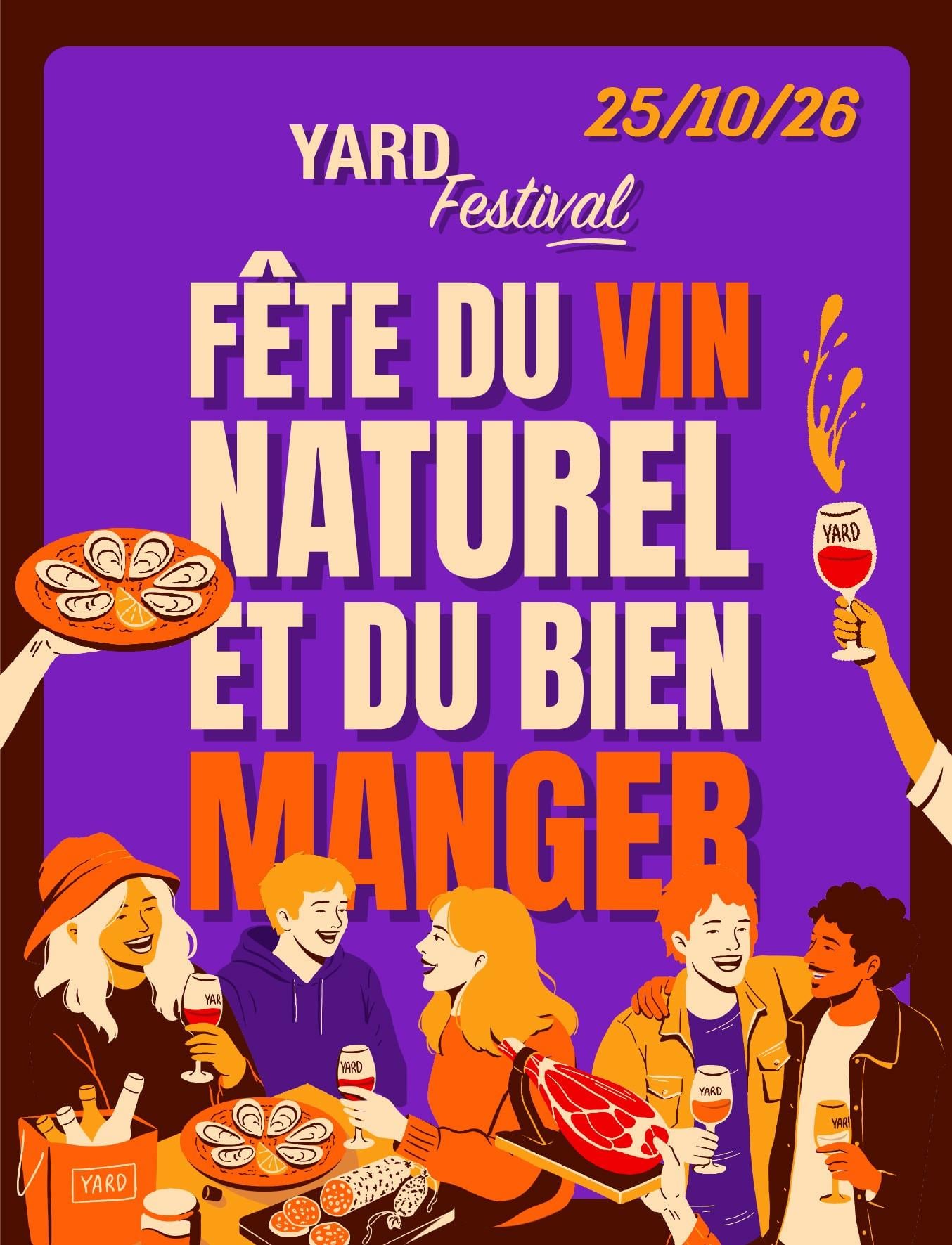
Sunday October 25
Paris
6492 KM
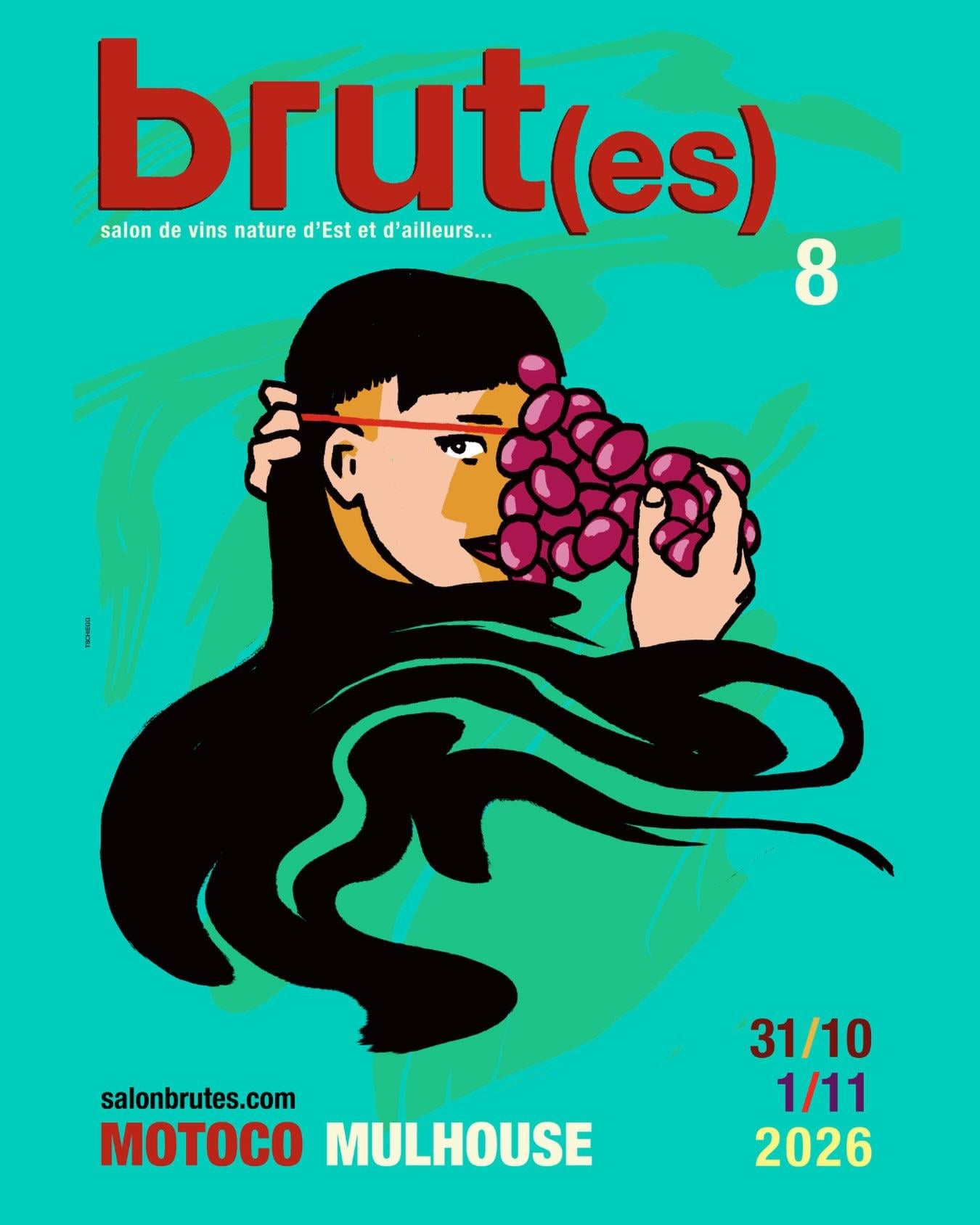
Saturday October 31 - Sunday November 01
Mulhouse
6872 KM

Saturday October 31 - Sunday November 01
Mulhouse
6872 KM

Monday November 02
Lille
6450 KM

Sunday November 08 - Monday November 09
Turin
7047 KM

Monday October 05
Paris
6491 KM
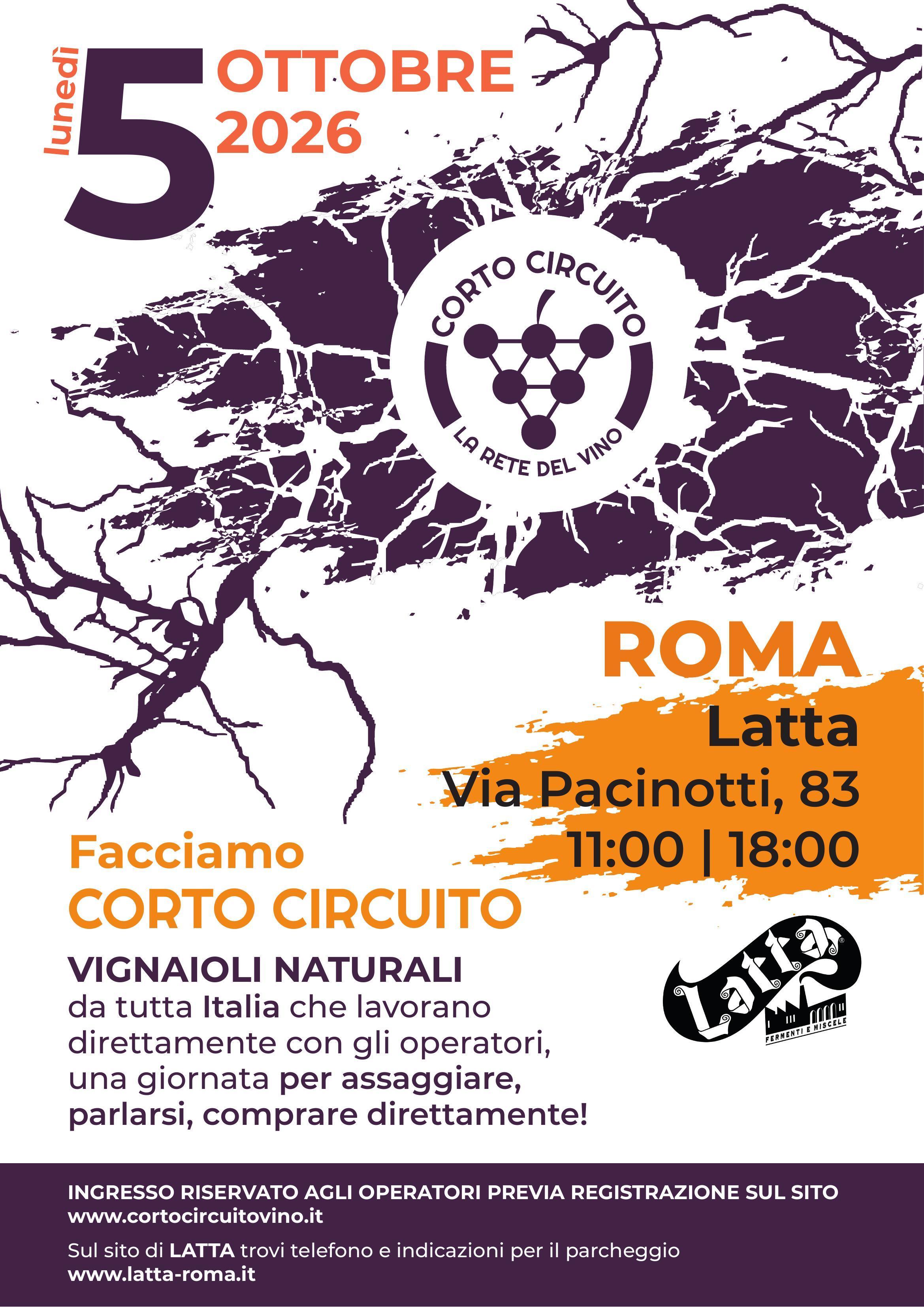
Monday October 05
Rome
7563 KM

Thursday October 08
RennesFrance
6256 KM

Thursday October 08
ParisFrance
6491 KM
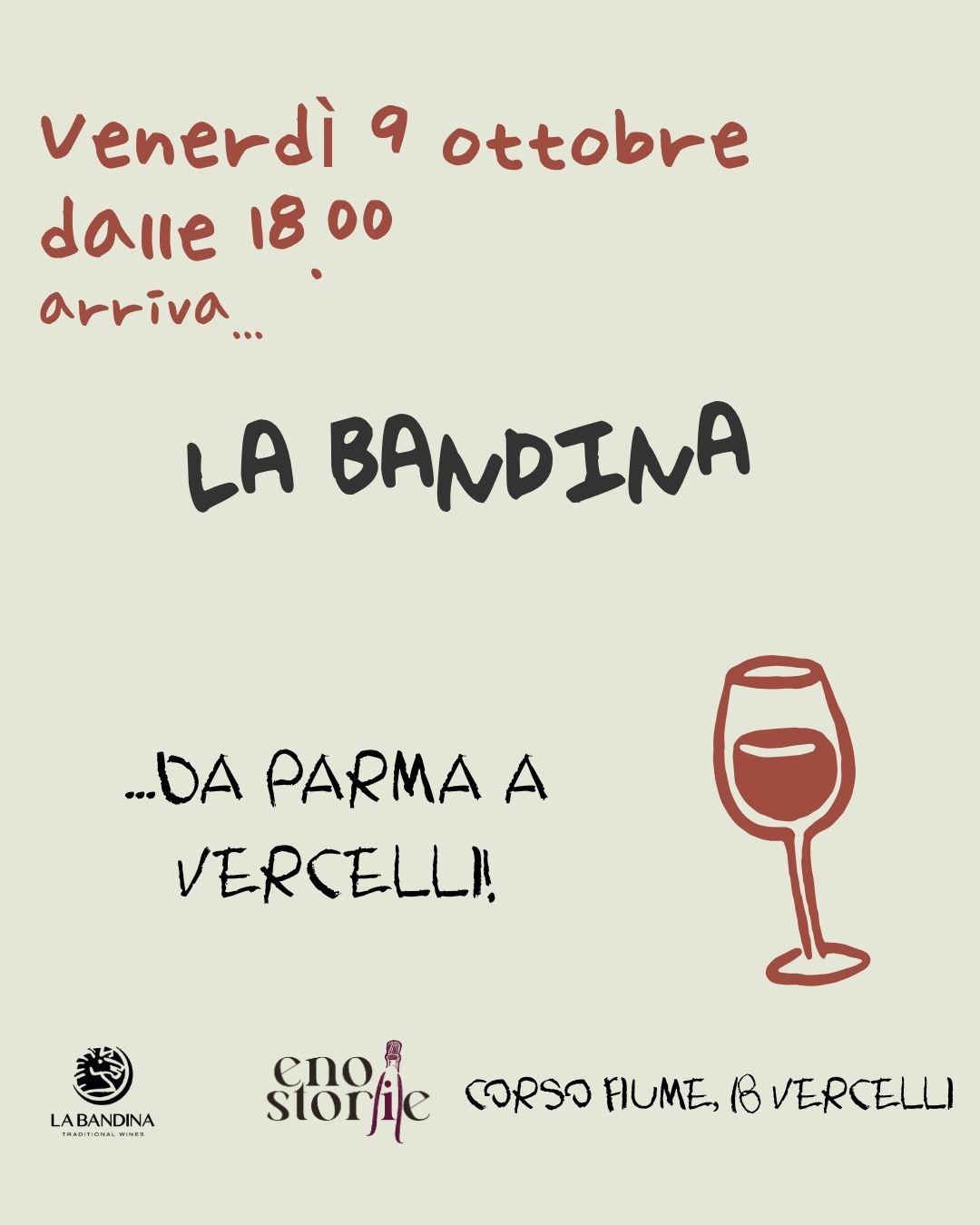
Friday October 09
VercelliItaly
7081 KM
6 0 6774 KM
ROOTS Vin Bar & Butik - Østerbro: a Bar and a Wine shop in Copenhagen with a selection of natural wines. Local, seasonal, organic food and natural wines.5 0 7779 KM
Just a little bit more than the biggest specialized wine store in Western Ukraine with wide selection of funky, cozy, crazy an… Winemakers
 Restaurants
 Bars
Bars Wine Shops
 Accommodations
 Events