5 17 9355 KM
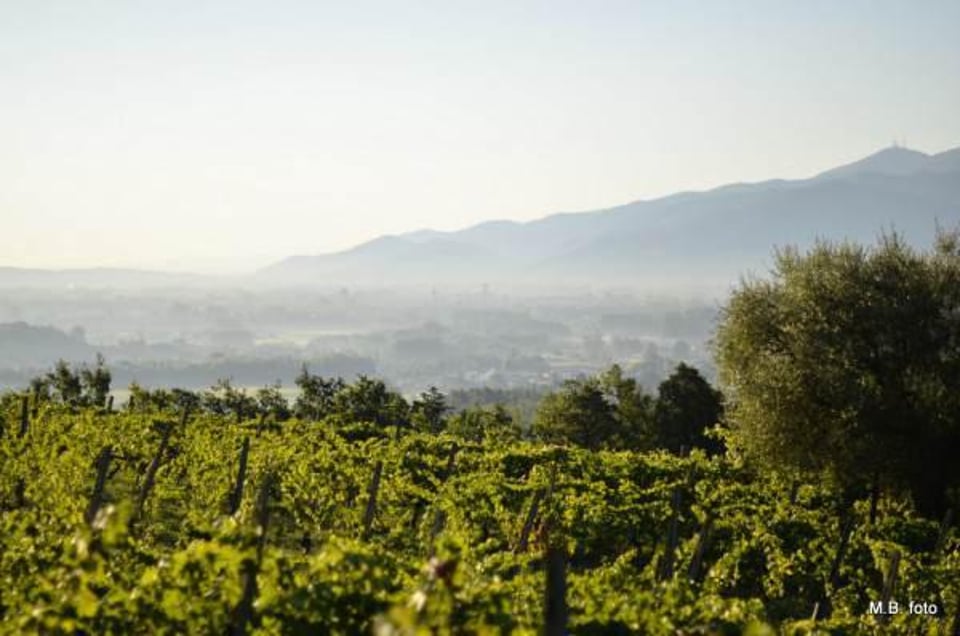
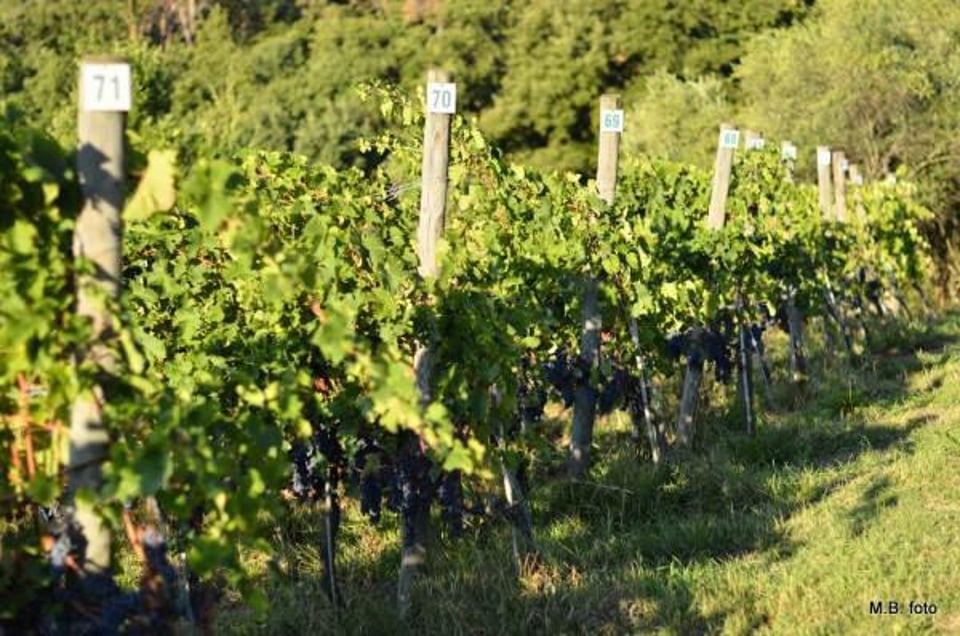
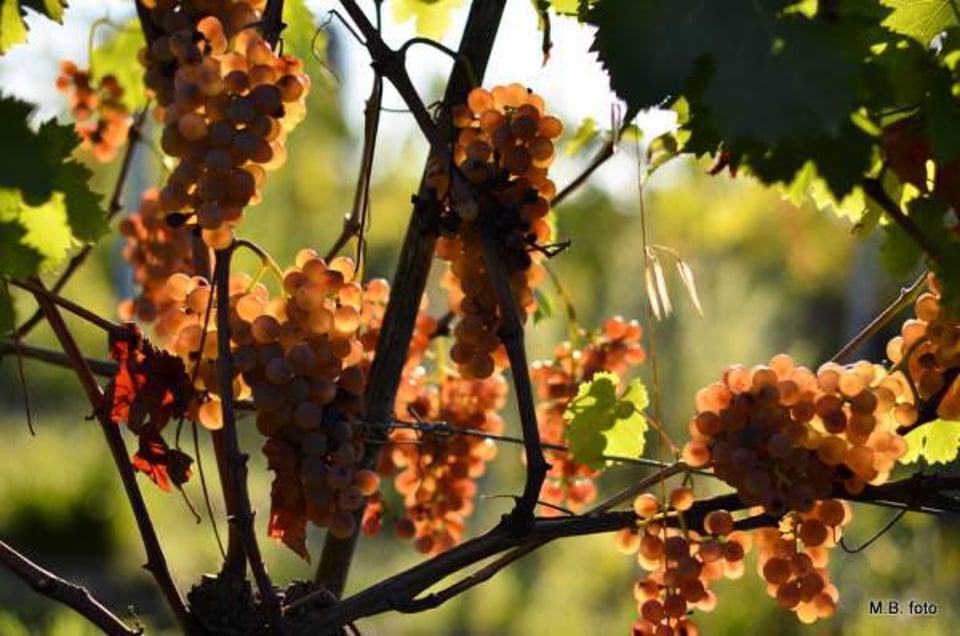
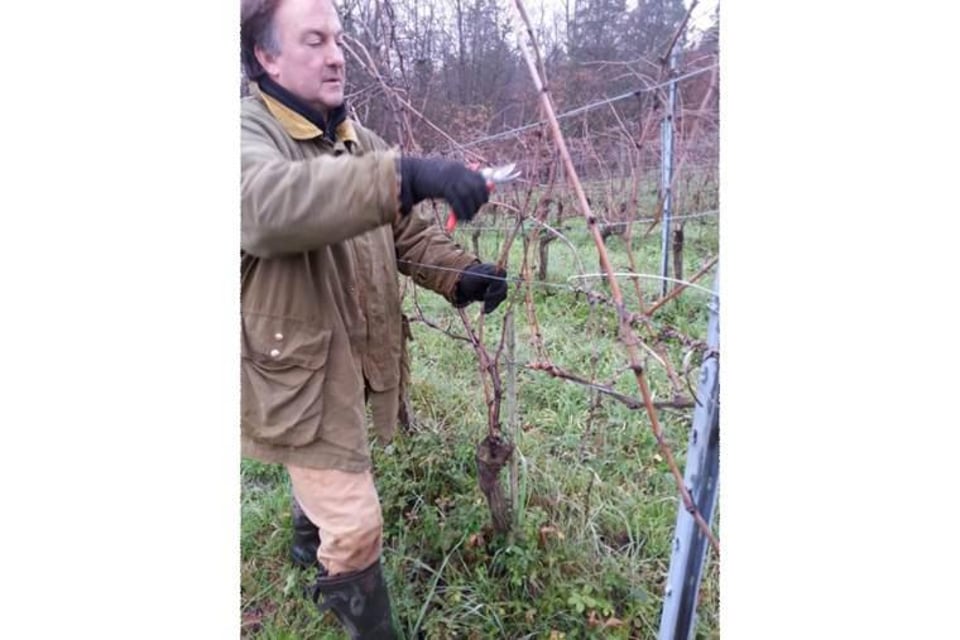
Biodynamic agriculture is based on a very close relationship between man and the vineyard. Without the use of fertilizers and chemicals, it's impossible to "guide" production, so we must carefully observe the plants and the soil and respect their timing. In a certain sense, the vines guide us, not the other way around. On our farm, we take into account the rhythms of the astral cycles and their influence on the plants. Using the biodynamic calendar, we plan the various agricultural activities to re-establish the proper connection between heaven and earth and obtain better products in terms of quality and health. To achieve this, we use biodynamic preparations, starters that promote the interaction between the soil and the vines. These are used at specific times of the year to energize and revitalize the soil and plants. Preparation 500 (horn manure), for example, is used to trigger the humus-forming processes, and 501 (horn silica) to stimulate the functions of light and heat. Both preparations are dynamized and then sprayed on the soil and plants. During the winter, when the soil is resting during the inhalation phase, we practice green manuring. This involves cultivating a mixture of herbs, each of which performs a specific regenerative and soil-improving function.
When we bring the grapes to the cellar, they are a pure expression of the terroir, and we want them to remain that way throughout the winemaking process, right up to bottling. This is why we don't use external yeasts, whether from laboratories or other sources. Fermentation, the transformation of grape sugars into alcohol, occurs naturally. We manage the cellar work without the use of additives or fining agents. Furthermore, the wine is generally unfiltered, and sulfur dioxide levels are kept to a minimum, preserving the authenticity and quality of our grapes. Biodynamic methods achieve expressions of vine maturity that are profoundly linked to the land, the vintage climate, and the varietal character of the plant. This expresses its entirety, a complexity of aromas and sugars, in a more complete and profound form, expressing a unique terroir that yields a unique and simply inimitable wine. The result in the bottle is an extremely pronounced character that always surprises with its rich, generally very direct taste experience. These are wines that vary from year to year, are never the same and are capable of astonishing even the most expert of tasters.
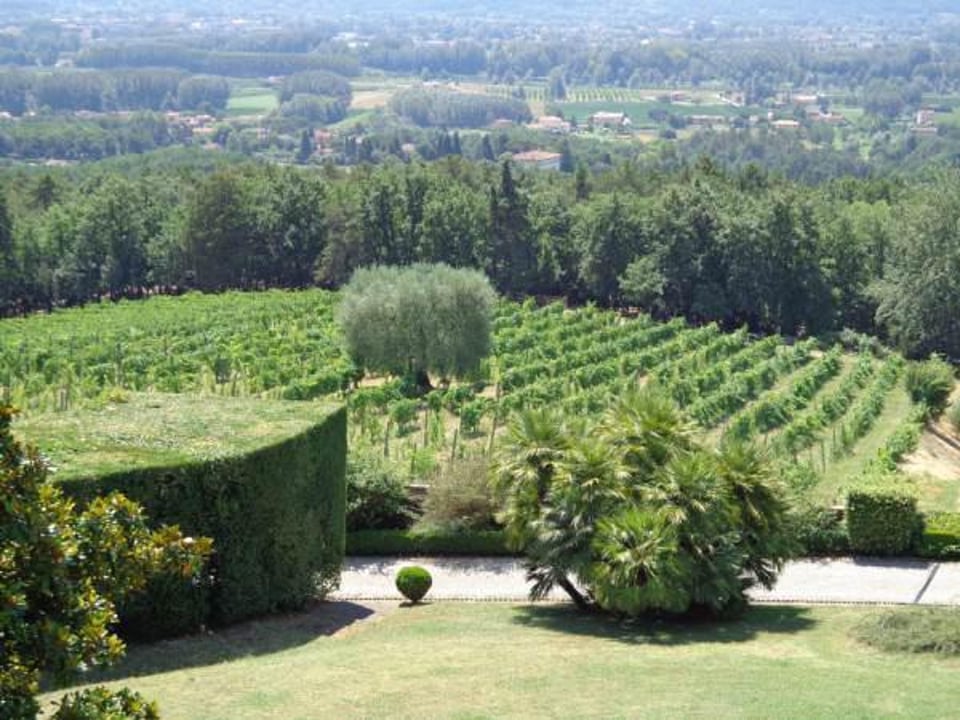
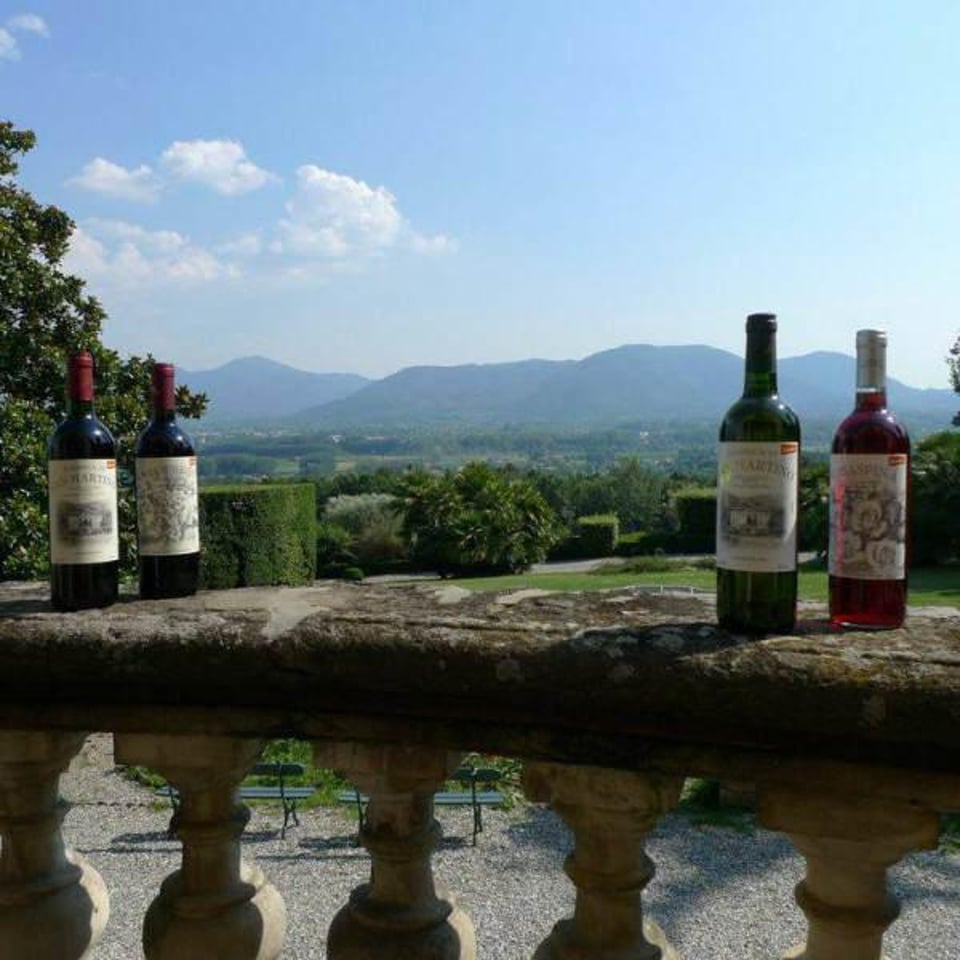
La Fabbrica di San Martino , on the hills of Lucca , offers rooms, suites and apartments immersed in the Tuscan countryside, just 5 km from the historic centre.
The 1751 residence, restored respecting the original style, combines authentic charm, privacy and comfort, with splendid views of the walls of Lucca and the surrounding hills.
No orange wines at the moment.
No sparkling wines at the moment.
FIND THE EVENT YOU ATTEND
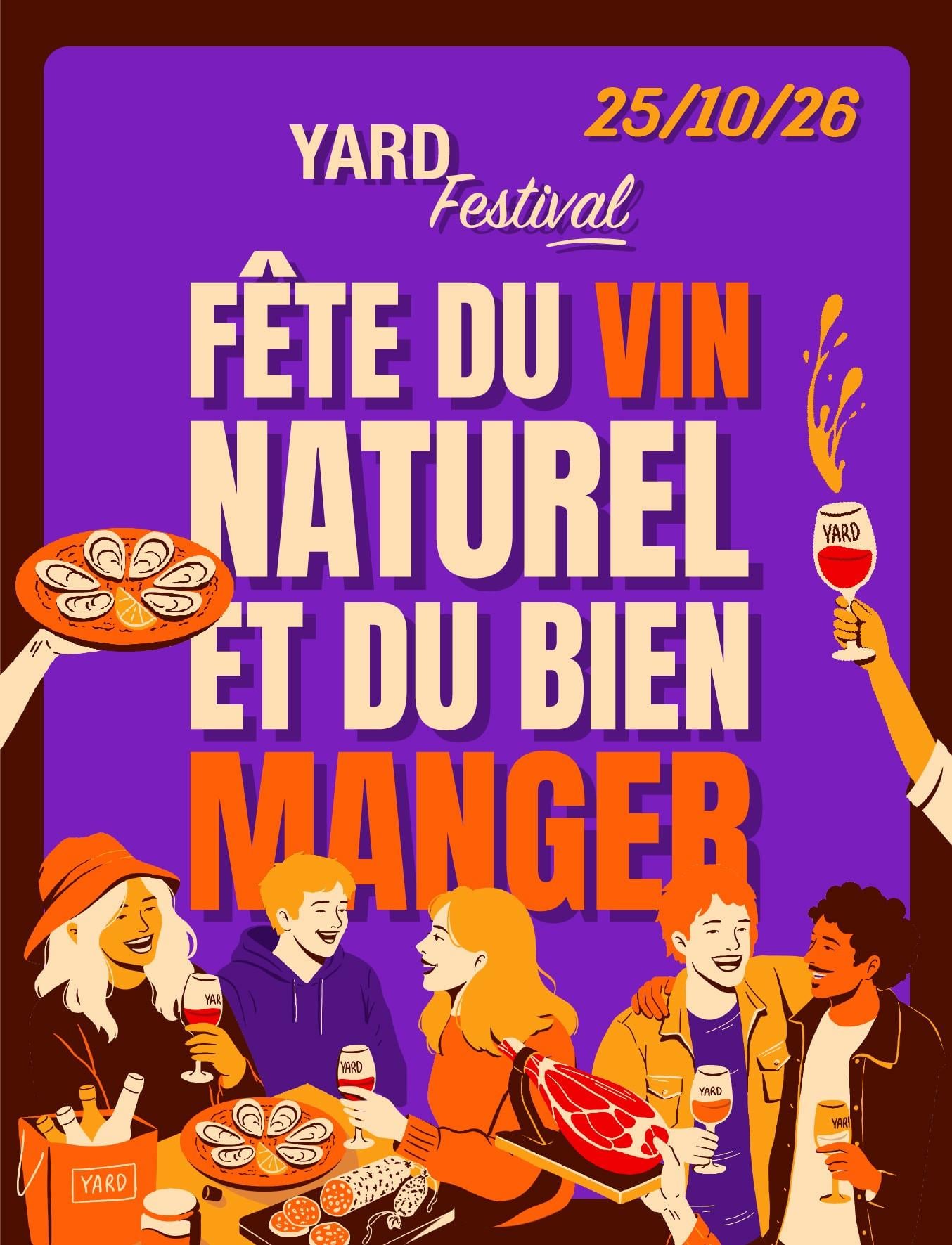
Sunday October 25
Paris
6492 KM

Saturday October 31 - Sunday November 01
Mulhouse
6872 KM

Saturday October 31 - Sunday November 01
Mulhouse
6872 KM

Sunday November 08 - Monday November 09
Turin
7047 KM
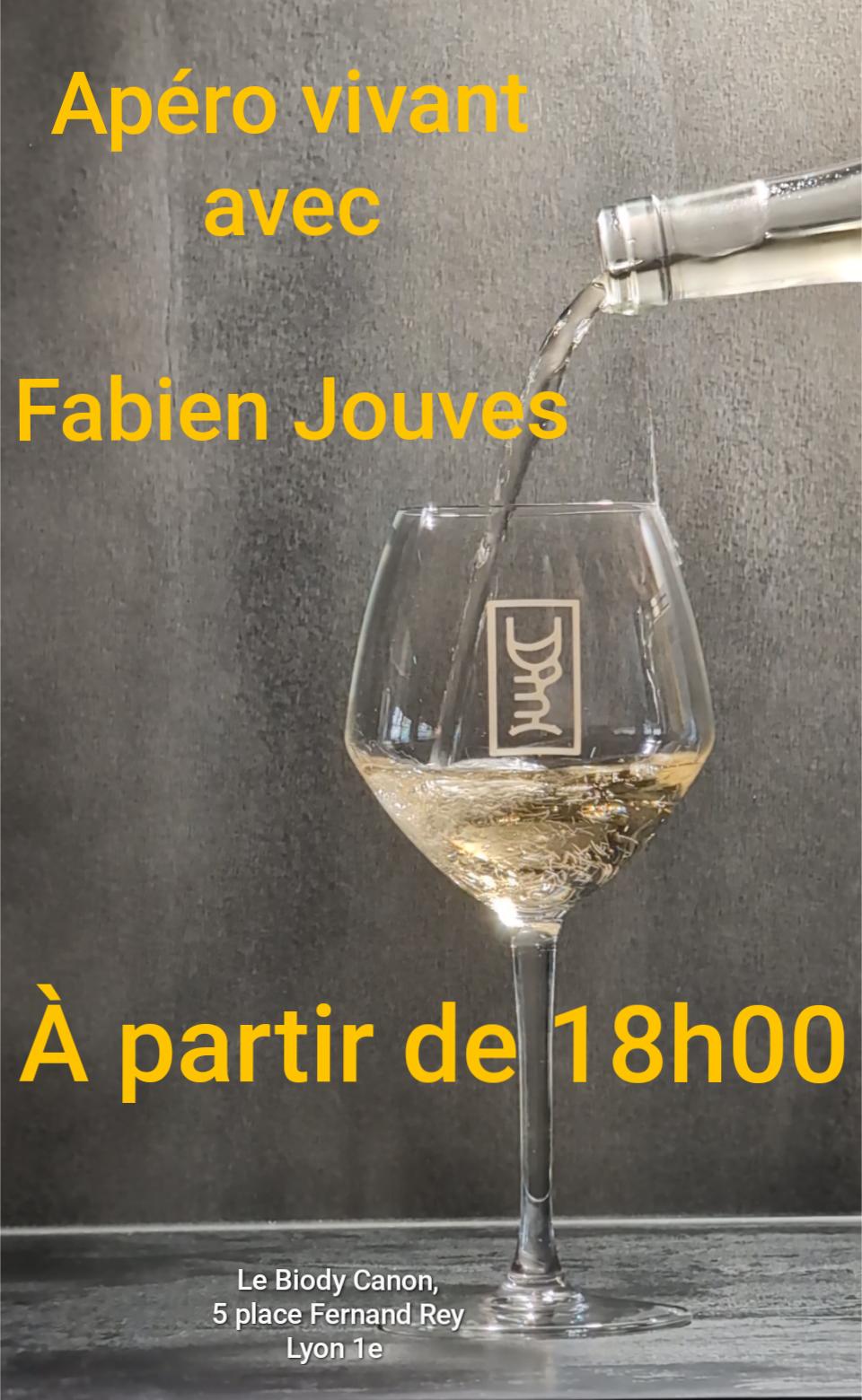
Wednesday September 23
LyonFrance
6814 KM
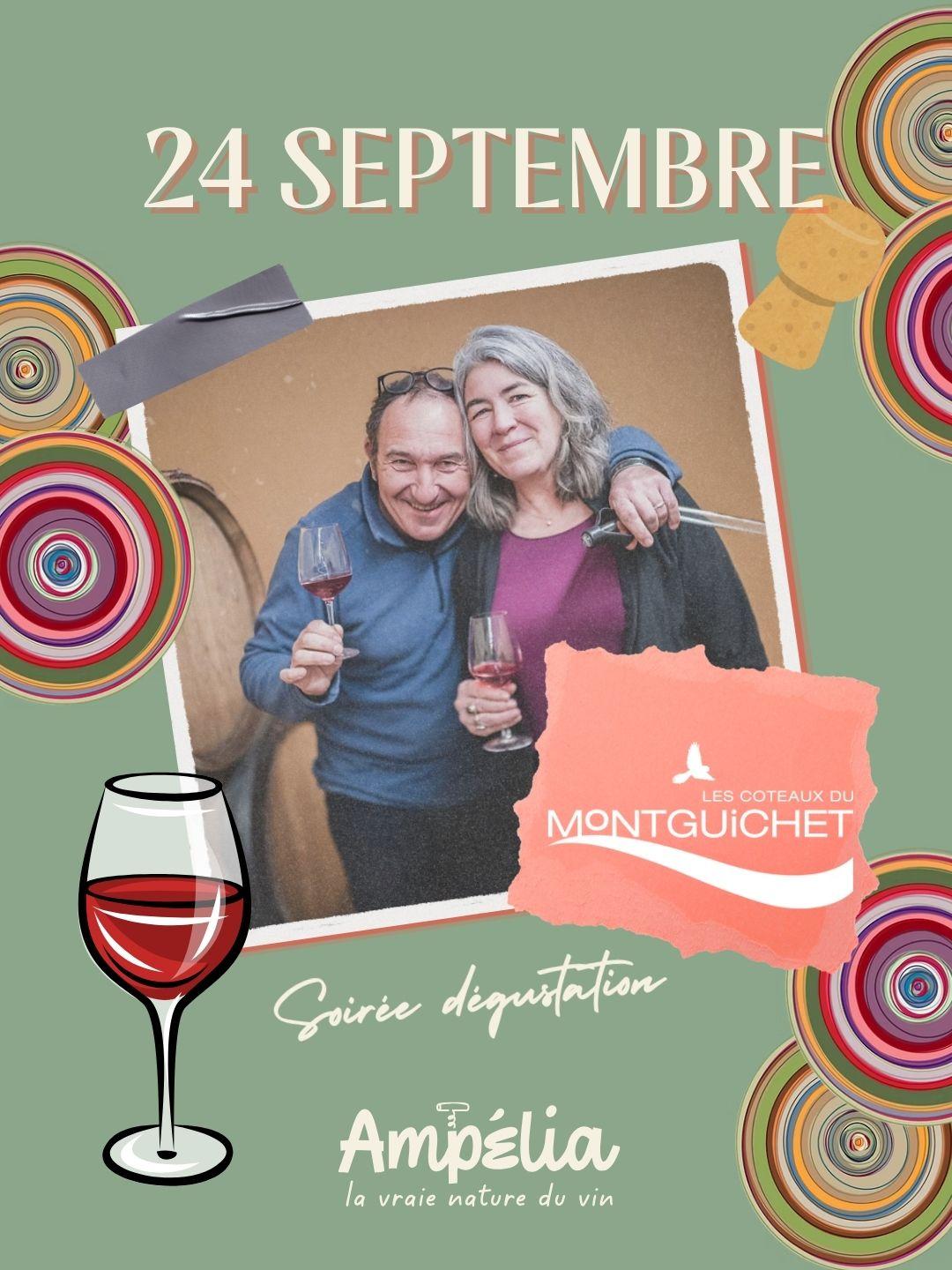
Thursday September 24
ParisFrance
6491 KM
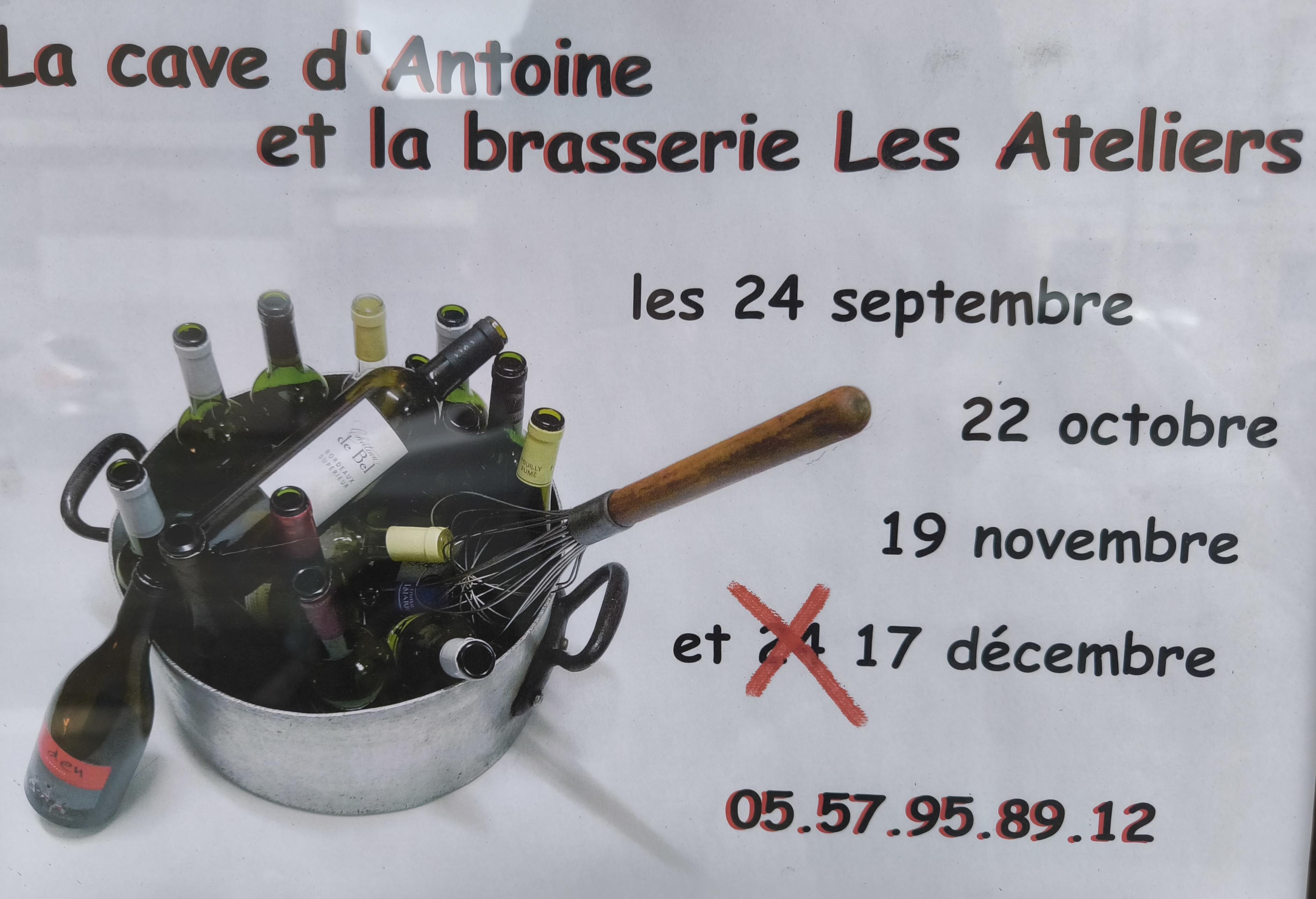
Thursday September 24
BordeauxFrance
6491 KM
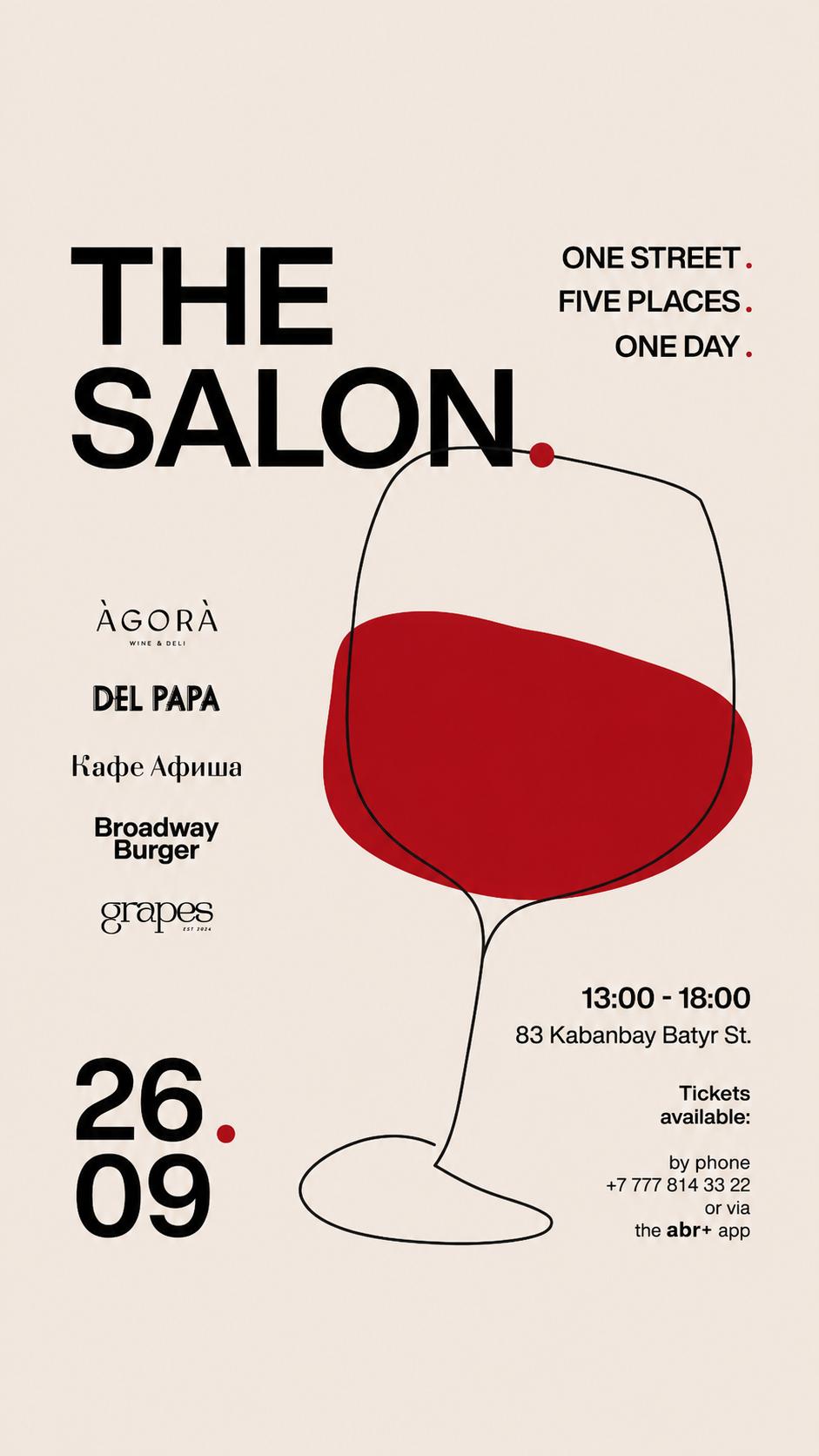
Saturday September 26
AlmatyKazakhstan
10546 KM
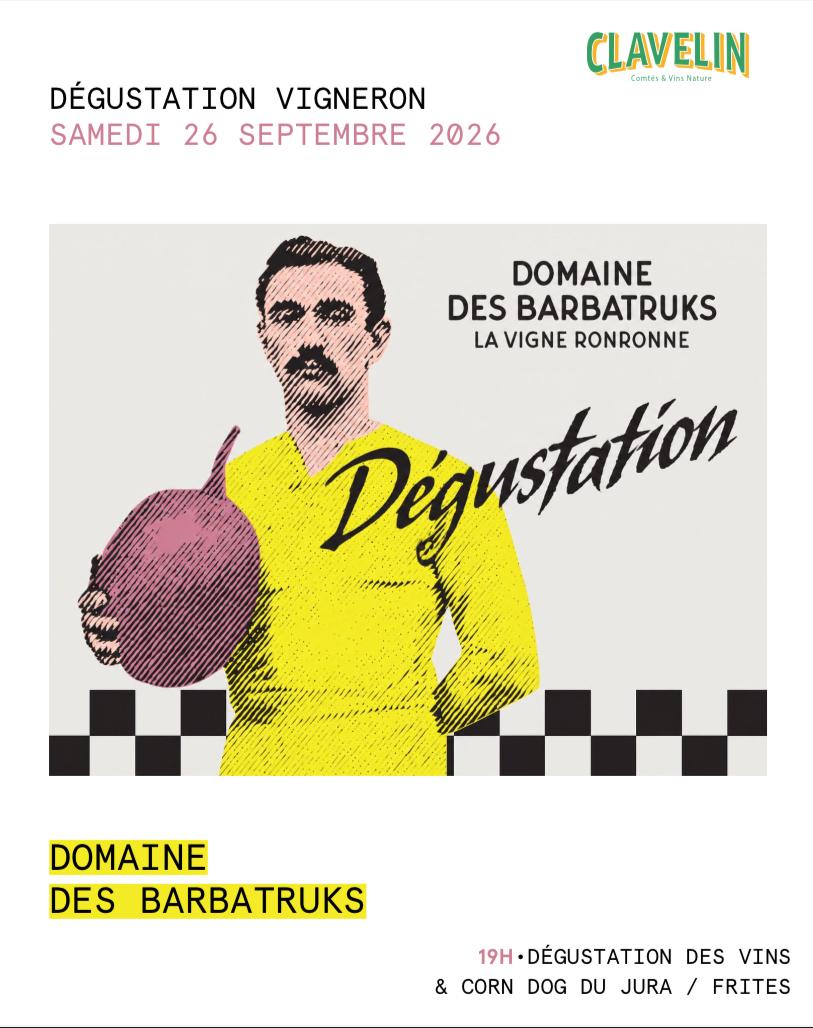
Saturday September 26
Paris
6488 KM

Saturday September 26
Ierapetra Municipal UnitGreece
8946 KM
 Winemakers
 Restaurants
 Bars
Bars Wine Shops
 Accommodations
 Events