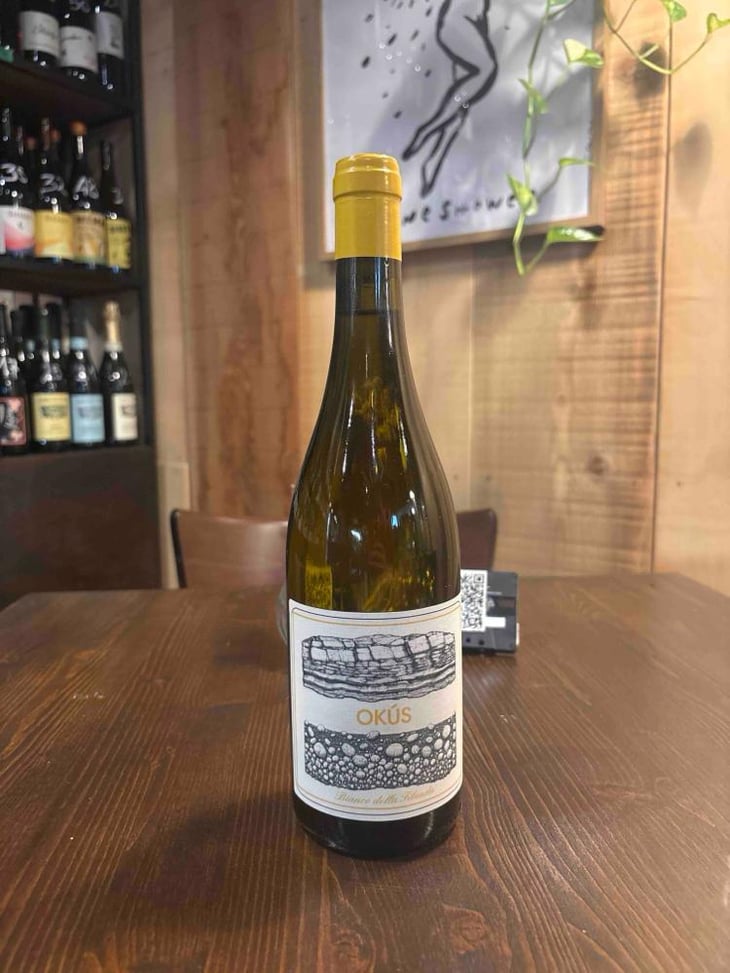
3 2 9680 KM
I manage bud load and vine vigor to avoid thinning, topping, and defoliation. The permanent grass cover is cut late to encourage pollinators, benefiting the vineyard and the surrounding nature. I carefully monitor the weather and the vineyard for disease, so I use sulfur and copper sparingly and only when truly necessary. The soil texture is loose, with frequent gravel and an impenetrable layer at a depth of 60 cm that limits root penetration. All this allows for frequent and moderate water stress, which favors the development of quality grapes.
I harvest the grapes by hand and destem them before starting the maceration on the skins. Three days before harvest, I prepare a pied de cuve to ensure a clean and regular alcoholic fermentation using indigenous yeasts. After maceration, which varies in length depending on the characteristics of the grapes and the vintage, the skins are briefly pressed and the wine is left to mature in stainless steel tanks until March. In early spring, when nature reactivates itself thanks to rising temperatures, I perform a single racking and then let the wine settle and clarify before bottling at the end of July. During racking, I add a very small amount of sulfites to prevent the wine from oxidizing. Bottling is done by hand with a semi-manual gravity filler, without the use of pumps and without filtration or the addition of sulfites.
No rose wines at the moment.
No orange wines at the moment.
No sparkling wines at the moment.
FIND THE EVENT YOU ATTEND
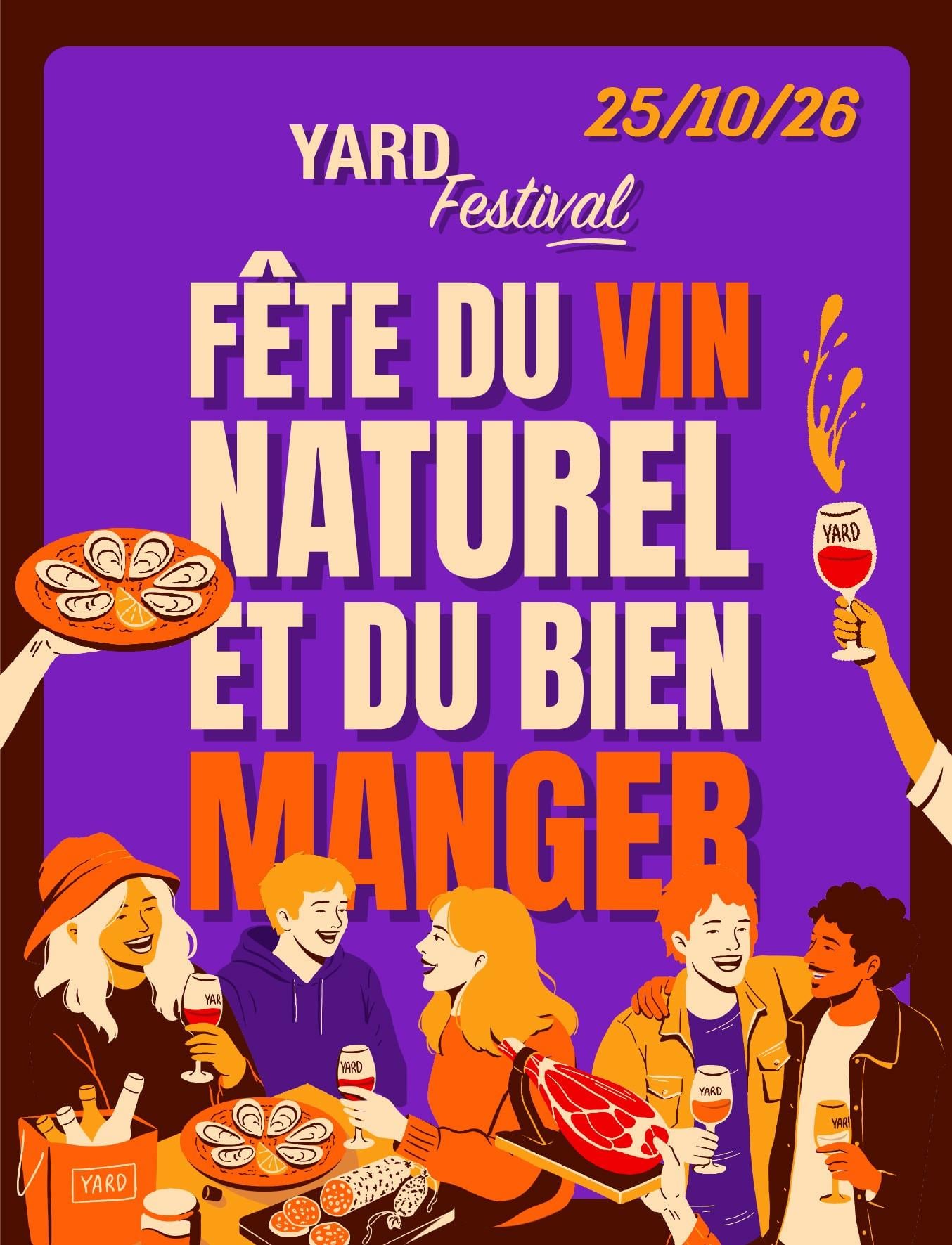
Sunday October 25
Paris
6492 KM

Saturday October 31 - Sunday November 01
Mulhouse
6872 KM

Saturday October 31 - Sunday November 01
Mulhouse
6872 KM

Monday November 02
Lille
6450 KM

Sunday November 08 - Monday November 09
Turin
7047 KM

Monday October 05
Paris
6491 KM
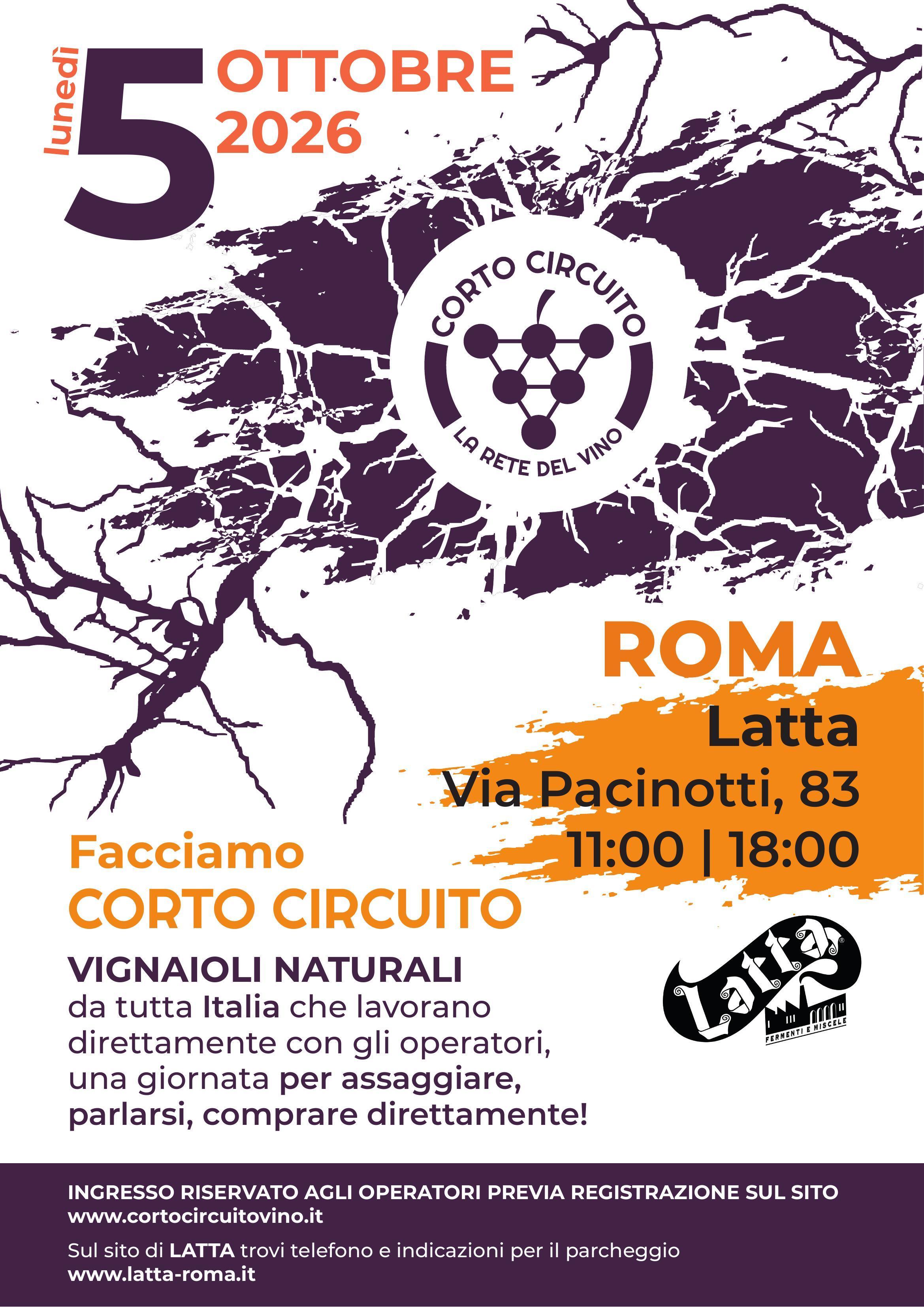
Monday October 05
Rome
7563 KM

Thursday October 08
RennesFrance
6256 KM

Thursday October 08
ParisFrance
6491 KM
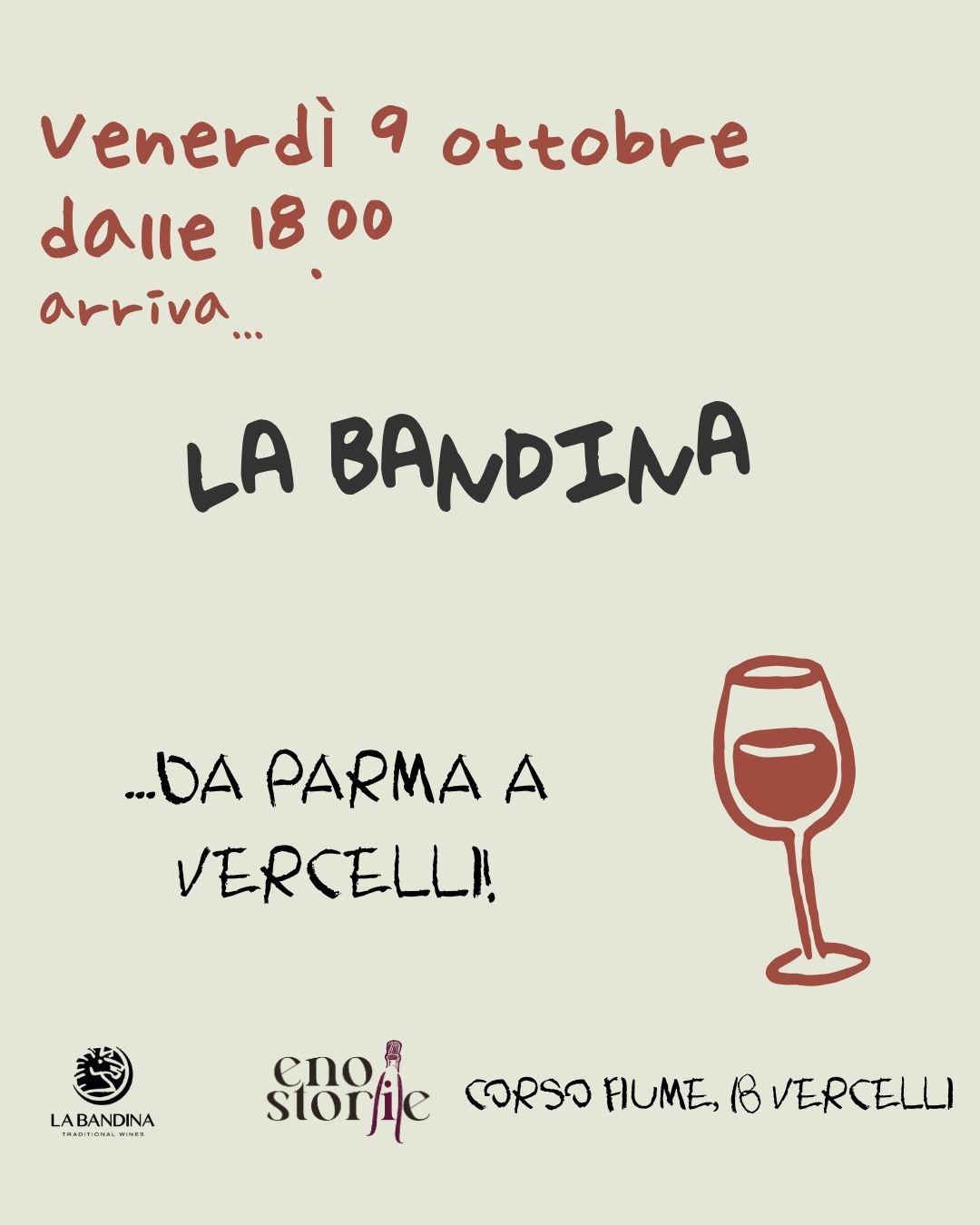
Friday October 09
VercelliItaly
7081 KM


 Winemakers
 Restaurants
 Bars
Bars Wine Shops
 Accommodations
 Events