10 0 9382 KM
The origins: a story of family and place
The name "San Giacomo" wasn't chosen by chance: it comes from Via San Giacomo Maggiore, in Cognento di Campagnola Emilia, the address where it all began. There, Andrea's parents had built a small farm out of pure passion, producing Lambrusco wine and other local produce. In the barn of that house, the series of barrels started by previous generations already rested, because in these parts it was common practice to keep a little balsamic vinegar in the attic, as a gift for those who would come after.
Each family had its own techniques, its own customs, almost like private recipes. There was no single, codified method: balsamic vinegar was a domestic, intimate affair, deeply rooted in the rural culture of Emilia.
Transmission: the profound meaning of tradition
In 1994, with the passing of the head of the family, the time for succession began. The word tradition, which carries enormous weight in the vinegar factory, derives from the Latin tradere: to deliver, to transmit. That's exactly what happened: Andrea, a law student in Modena, took over the legacy.
By the early 2000s, the vinegar factory already had 110 small barrels for the Traditional vinegar and a dozen larger barrels for the condiment: they began to sell the excess product, with a good dose of artisan courage.
The headquarters: the Faragosa Court in Novellara
As the vinegar factory grew, it needed space. After a long period of rest in the Cognento countryside, the barrels were moved to the Corte Faragosa barn in Novellara: a large rural farmhouse that had been abandoned for decades. This bold choice, compared to a more economical industrial warehouse, was fully consistent with the vinegar factory's values: respect for time, nature, and agricultural culture. Since 2005, Corte Faragosa has annually welcomed curious travelers from around the world and is a teaching facility for the University of Gastronomic Sciences in Pollenzo.
The mission: profit as a means, not an end
From the very beginning, Acetaia San Giacomo has written a phrase on its price lists that might seem paradoxical for a company: "There are companies that don't work just for profit." Profit is a means, not an end. The true business is cultural: conveying values, conveying a thought, contributing to something that goes beyond the mere commercial transaction.
In 2017, the vinegar factory was selected by the Emilia-Romagna Region as a model company for Social Corporate Responsibility. In 2021, the mission statement was formalized in writing, signed by all members of the working group and available for consultation at the vinegar factory, following the principles of Ari Weinzweig (Writing a Vision of Greatness). Since 2022, an external dimension has also been added: to have a tangible positive impact on the local area and farmers, starting with that year's harvest.
The production method: the real difference
The philosophical and technical heart of the vinegar factory lies in its method. Acetaia San Giacomo produces exclusively vinegars obtained from lengthy natural static fermentation using the ancestral method, the same one it has always been.
The fundamental distinction the vinegar producer makes is this: 99% of commercially available balsamic vinegars are not fermented at all. They are simply blends of vinegar and concentrated and/or cooked must, therefore sweet and sour. Flat, two-dimensional, lacking depth. The balsamic vinegar produced in San Giacomo, on the other hand, is a single-ingredient product: cooked must from local organic grapes, never from concentrated musts, never with the addition of wine vinegar. It undergoes two radical fermentations: first alcoholic fermentation, then acetic bioxidation. These two steps alone require at least a year. The acidity is produced by acetobacteria in the barrel; it is not forced into the product.
The resulting acetified cooked must is then subjected to a long aging process in series of small barrels, during which its aromatic components are sublimated. If it ages for more than 12 years, it becomes the prized Traditional Balsamic Vinegar. But the method is the key to understanding the product, even before the geographical origin or the length of aging.
Fire is the quintessential cultural element: cooked vinegars are made from raw materials subjected to direct cooking; raw vinegars are made from raw materials used as is, without thermal transformation.
Raw wine vinegars
Alongside balsamic vinegar, Acetaia San Giacomo produces raw vinegars: wine, rice, apple, and other sugary beverages fermented and acetified spontaneously in barrels, without prior cooking.
Three fundamental principles guide this production:
-Raw ingredients, which must be of good quality and not waste, most of the time they are natural or at least organic wines because a mediocre wine can only produce a mediocre vinegar.
They work with winemakers of the caliber of Vigneti Massa, Emidio Pepe, Foradori, Cascina degli Ulivi, Angiolino Maule, Arianna Occhipinti, Orsi Vigneto San Vito, Nino Barraco, La Stoppa, Villa Venti, Cantine Ribelà, Raina, Villa Spalletti, Monte dall'Ora, Tenuta delle Ripalte.
No rose wines at the moment.
No orange wines at the moment.
No sparkling wines at the moment.
FIND THE EVENT YOU ATTEND
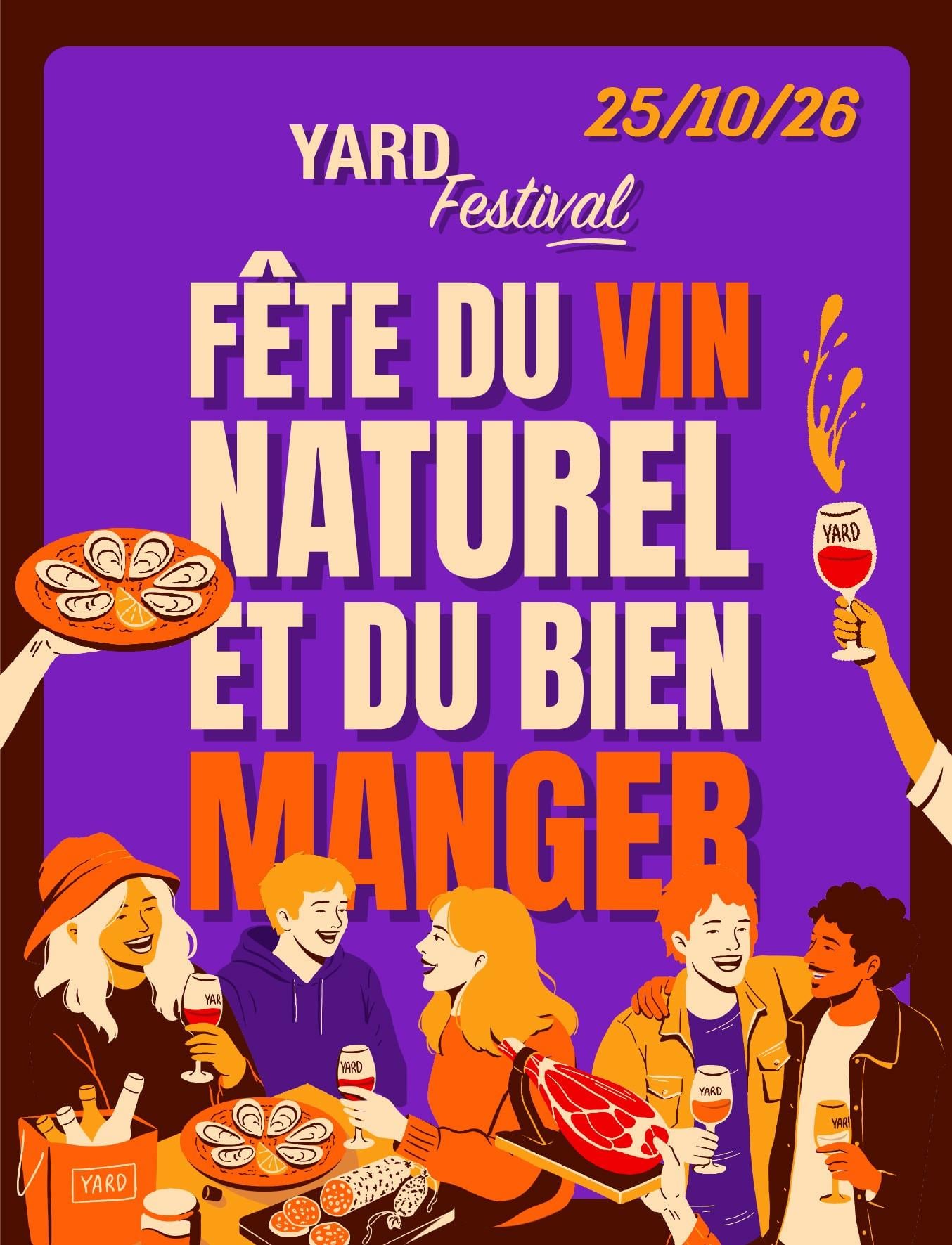
Sunday October 25
Paris
6492 KM

Saturday October 31 - Sunday November 01
Mulhouse
6872 KM

Saturday October 31 - Sunday November 01
Mulhouse
6872 KM

Sunday November 08 - Monday November 09
Turin
7047 KM
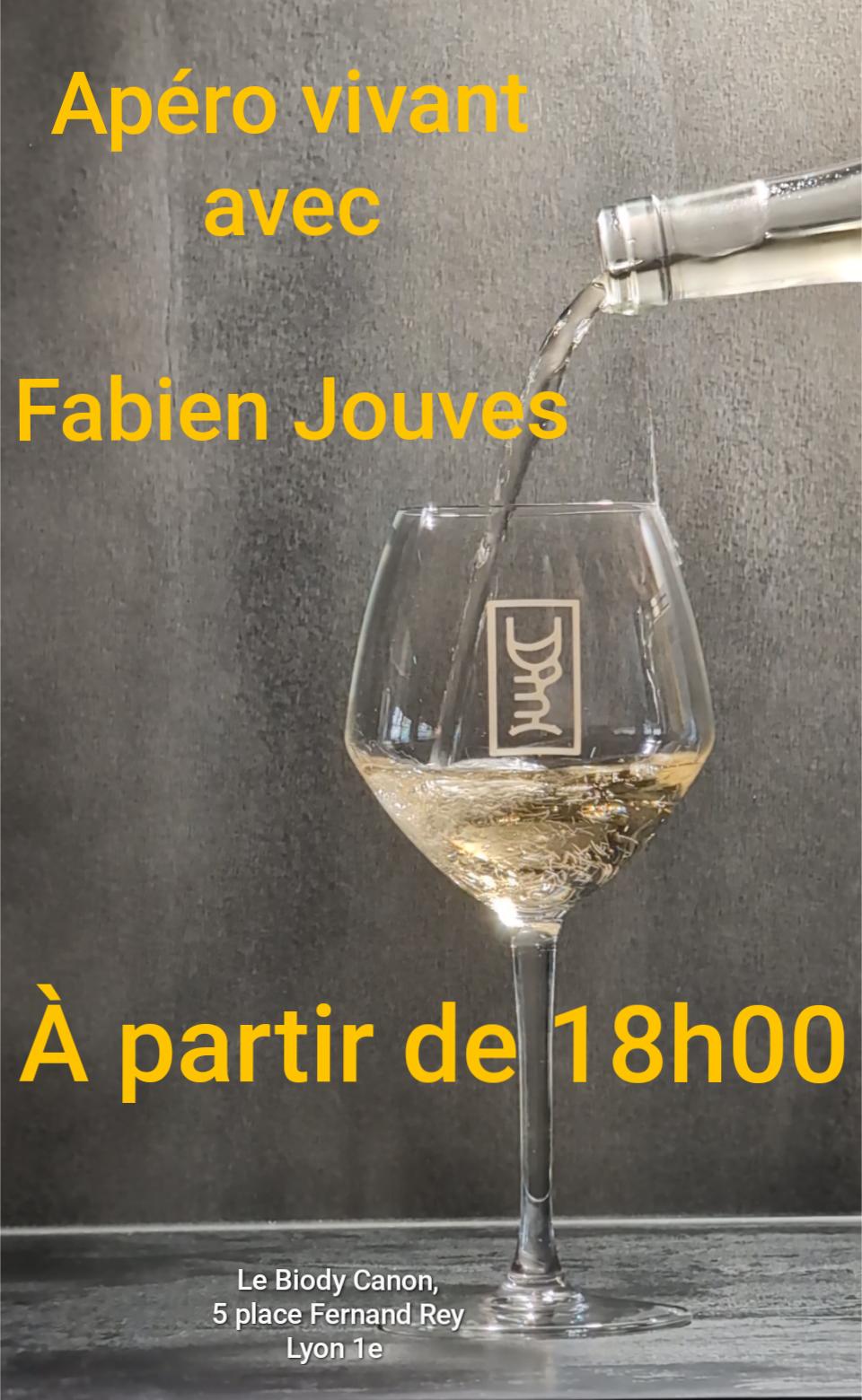
Wednesday September 23
LyonFrance
6814 KM
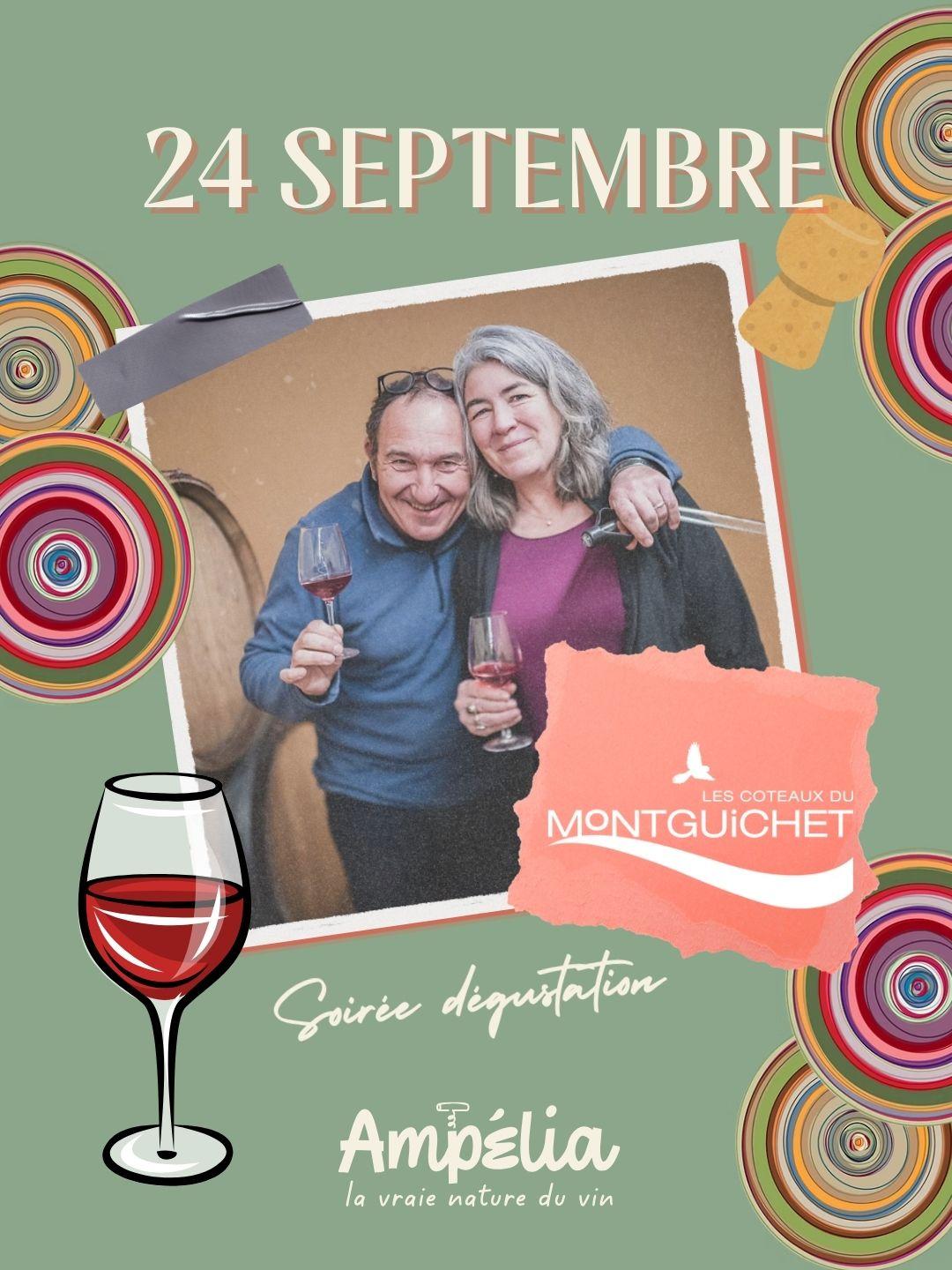
Thursday September 24
ParisFrance
6491 KM
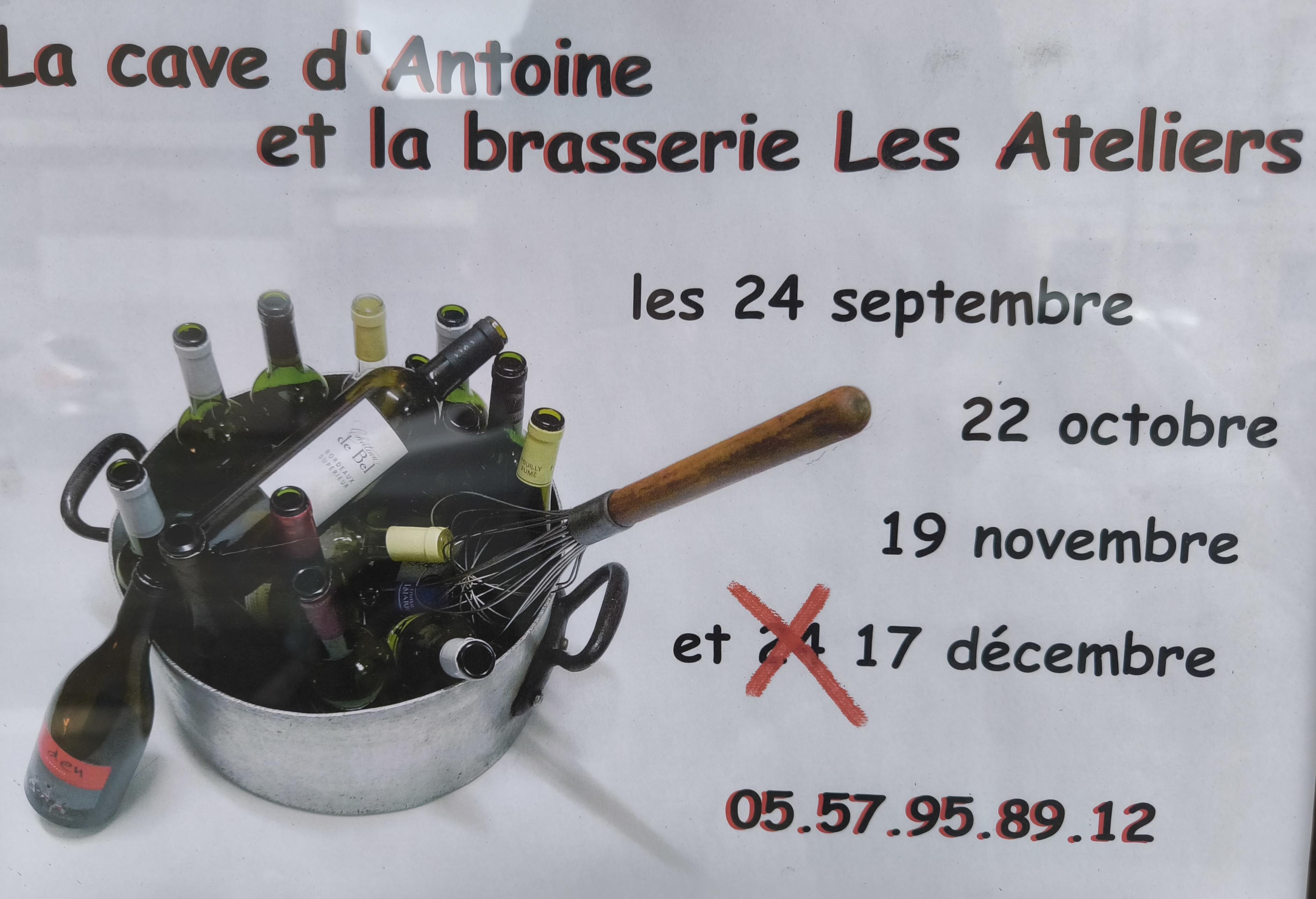
Thursday September 24
BordeauxFrance
6491 KM
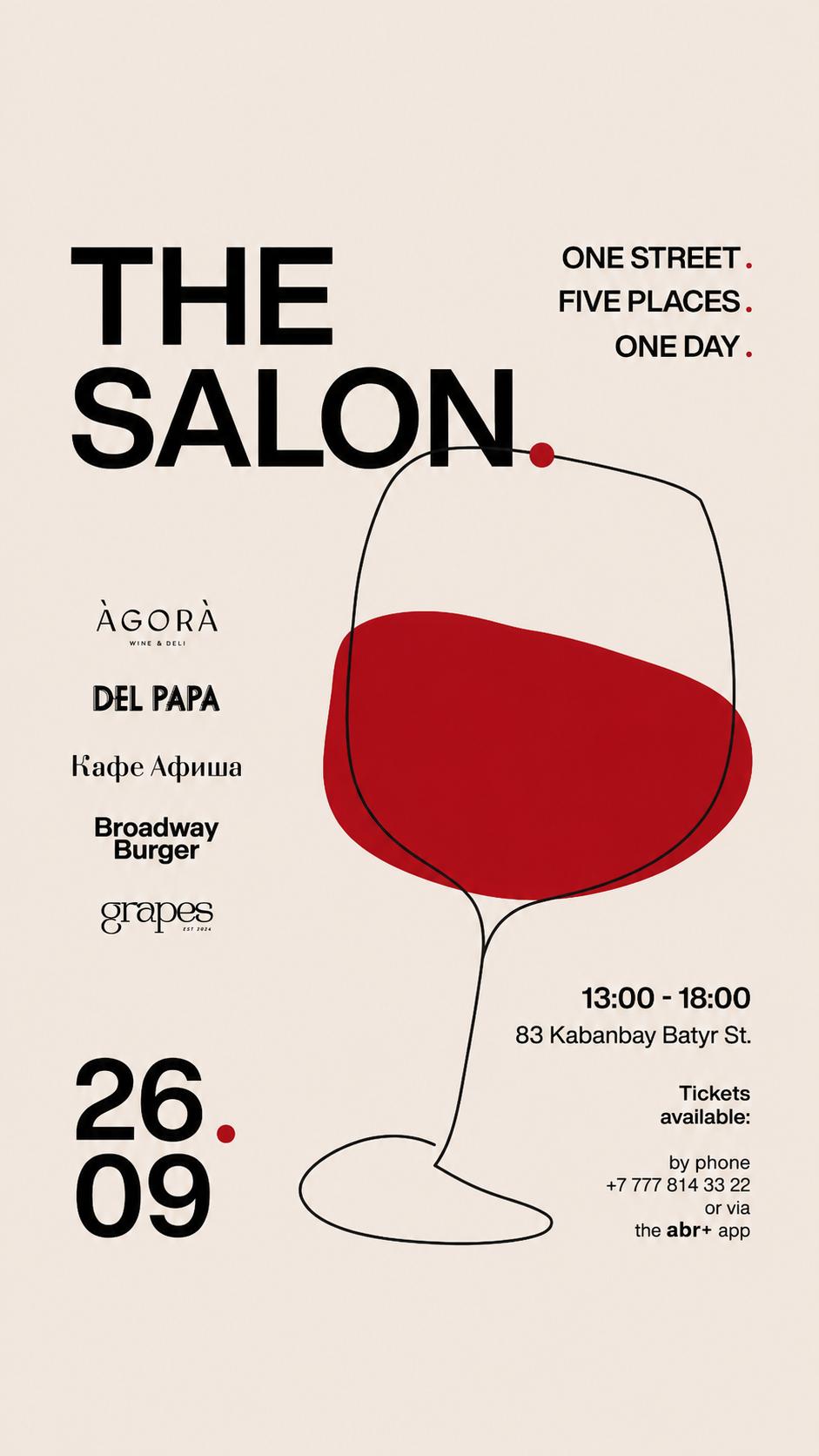
Saturday September 26
AlmatyKazakhstan
10546 KM
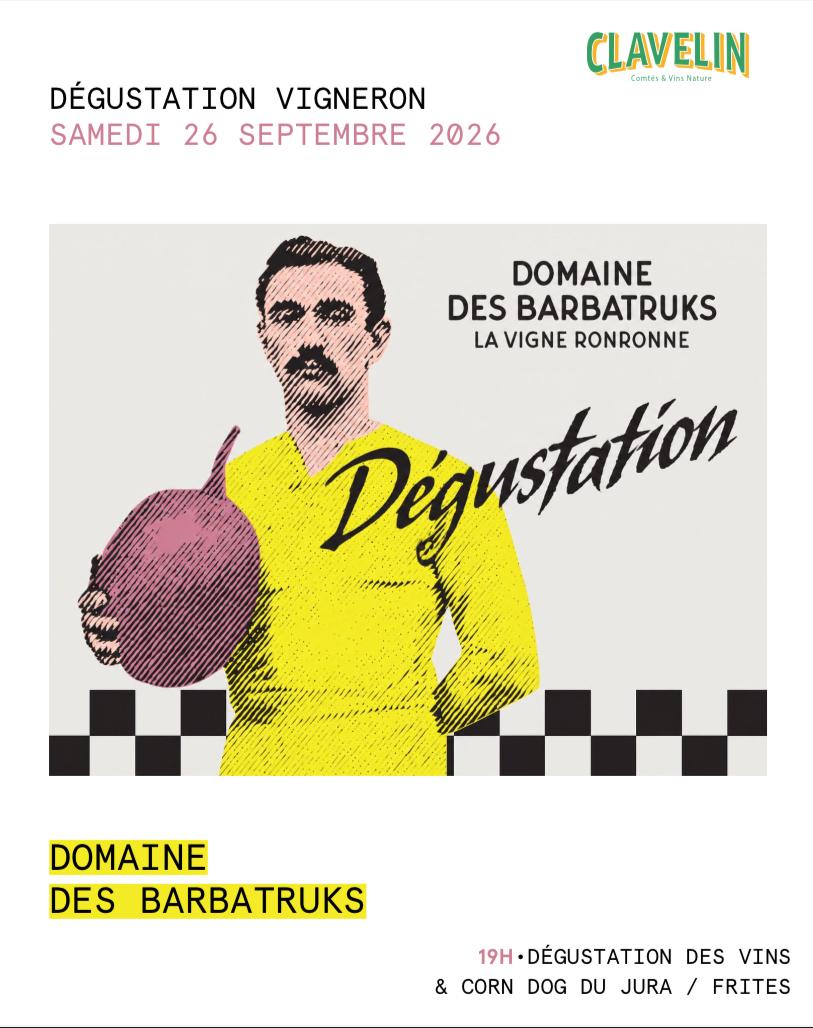
Saturday September 26
Paris
6488 KM

Saturday September 26
Ierapetra Municipal UnitGreece
8946 KM


 Winemakers
 Restaurants
 Bars
Bars Wine Shops
 Accommodations
 Events