9 3 9679 KM
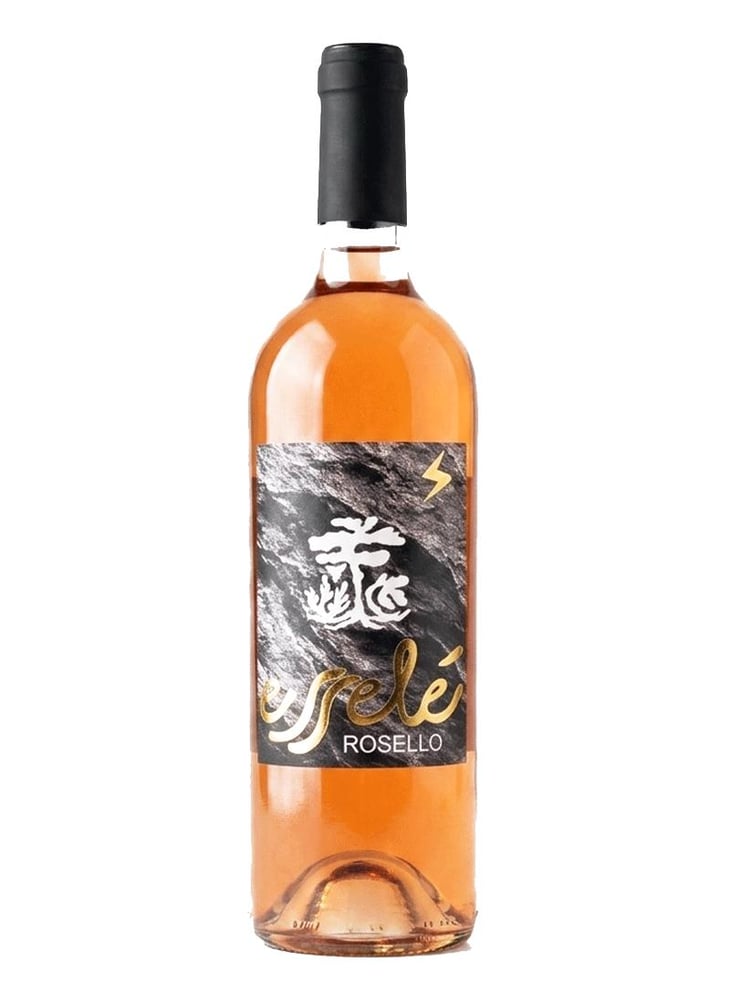
At Esselè, the goal is to produce, in a natural way, the typical wines of the mountainous Abruzzo of the Peligna Valley and the upper Tirino, areas of viticulture since Roman times.
The company has showroom, reception, and storage facilities in the center of the village of Ofena (AQ), where the winery will also be built in the near future.
Already at the beginning of 2023, before the company was established, vineyards were identified in the municipalities of Vittorito, Corfinio and Ofena with altitudes varying between 300 and 450 m above sea level.
These are historic vineyards, over 50 years old, in a state of total or semi-abandoned state, which we intend to bring back to life. This is consistent with our mission because:
a) Invests in land care;
b) It offers us terroirs historically suited to the cultivation of vines and native varieties;
c) It allows us to start from “neglected” lands, which have not been treated for years and are rich in the biodiversity and “life” we seek.
Technical direction is entrusted to a consultant and friend, a professional agronomist with a passion for natural wine and unparalleled experience across the entire supply chain, from agronomy to cellar work, to product and market knowledge.
Vineyard work is primarily carried out by contractors, with the growing supervision and direct participation of the members, using only minimal amounts of copper and sulfur. The vineyards are grassed and thinned exclusively by mechanical means once or twice a year. No fertilizer was used in 2024; in January 2025, we gently loosened the soil, feeding it with STALFERT TOP N 2.5 BIO.
In the initial years, winemaking will take place at a third-party winery, but the renovation of a facility in Ofena, already rented by Esselè for this purpose, is planned soon. Production will hopefully be moved there as early as next year.
The grapes, harvested by hand in 18 kg crates, arrive at the winery within 2-3 hours and are immediately destemmed and pressed. The must ferments in steel tanks, where it remains in contact with the skins for a variable amount of time depending on the type of wine. Fermentation is strictly spontaneous. A minimal amount of metabisulfite is added to the freshly pressed must, with a sulfur dioxide content of less than 20 mg/l. At the end of alcoholic fermentation, the wines are deoxygenated. Regular tastings are conducted during the maturation phase, with mechanical racking only as necessary to remove the lees (the wine is never filtered) or in the event of undesirable development.
In spring, if we deem the wine ready upon tasting, we proceed with laboratory analyses. If the parameters confirm what the palate anticipated, we bottle it between April and May. This is followed by a period of aging in bottle, the length of which depends solely on our tasting and whether we deem the wine ready.
No sparkling wines at the moment.
FIND THE EVENT YOU ATTEND
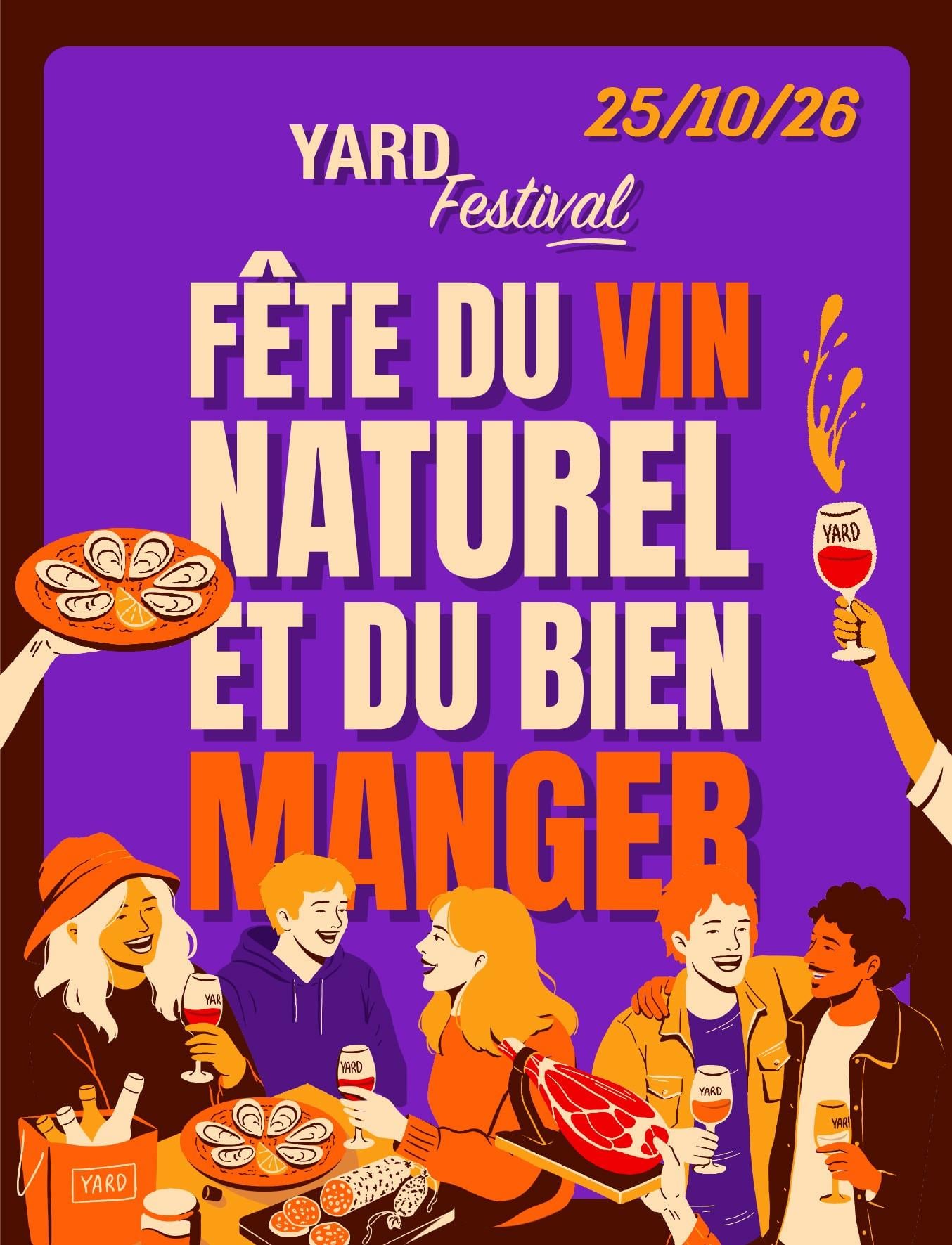
Sunday October 25
Paris
6492 KM

Saturday October 31 - Sunday November 01
Mulhouse
6872 KM

Saturday October 31 - Sunday November 01
Mulhouse
6872 KM

Sunday November 08 - Monday November 09
Turin
7047 KM
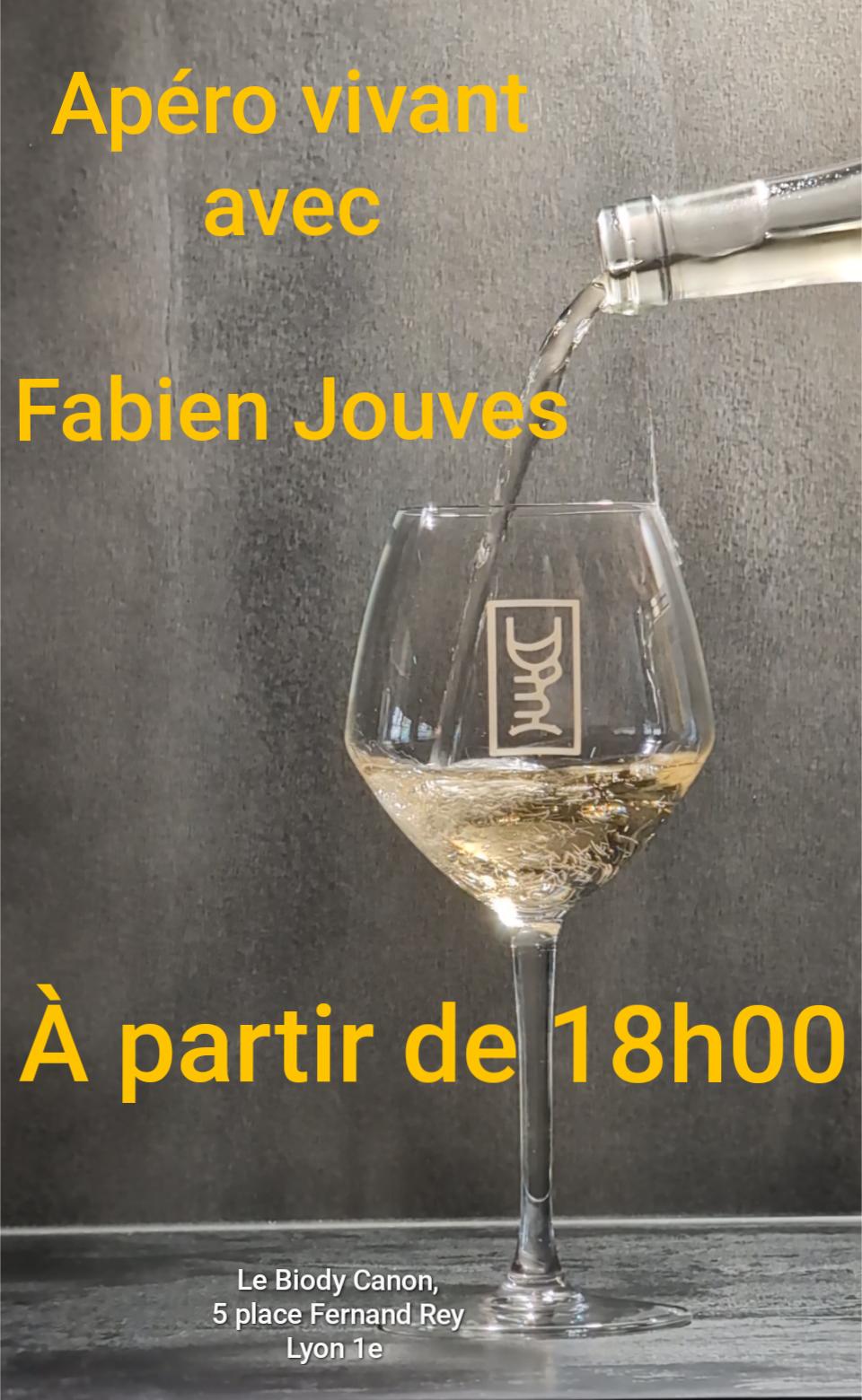
Wednesday September 23
LyonFrance
6814 KM
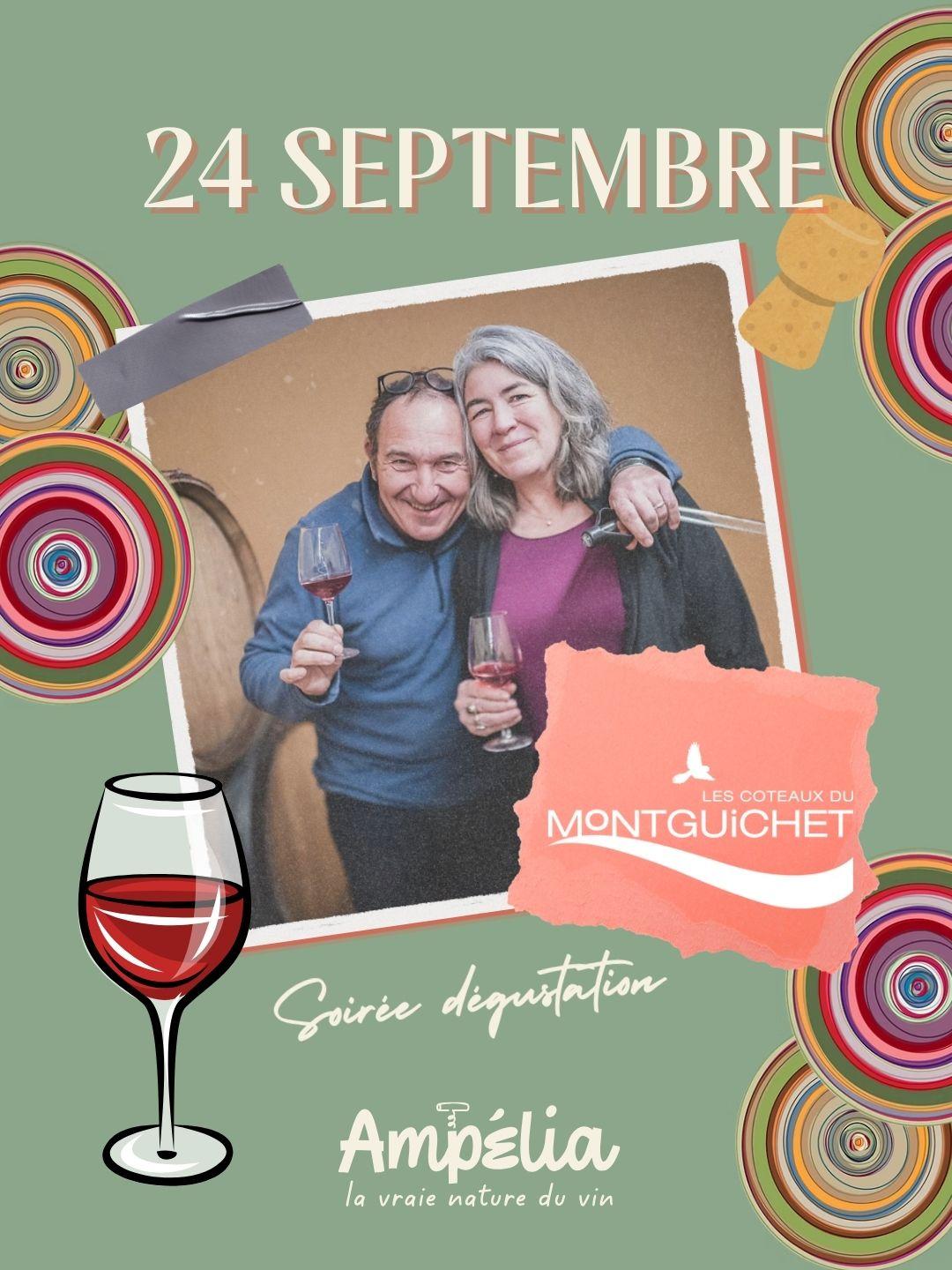
Thursday September 24
ParisFrance
6491 KM
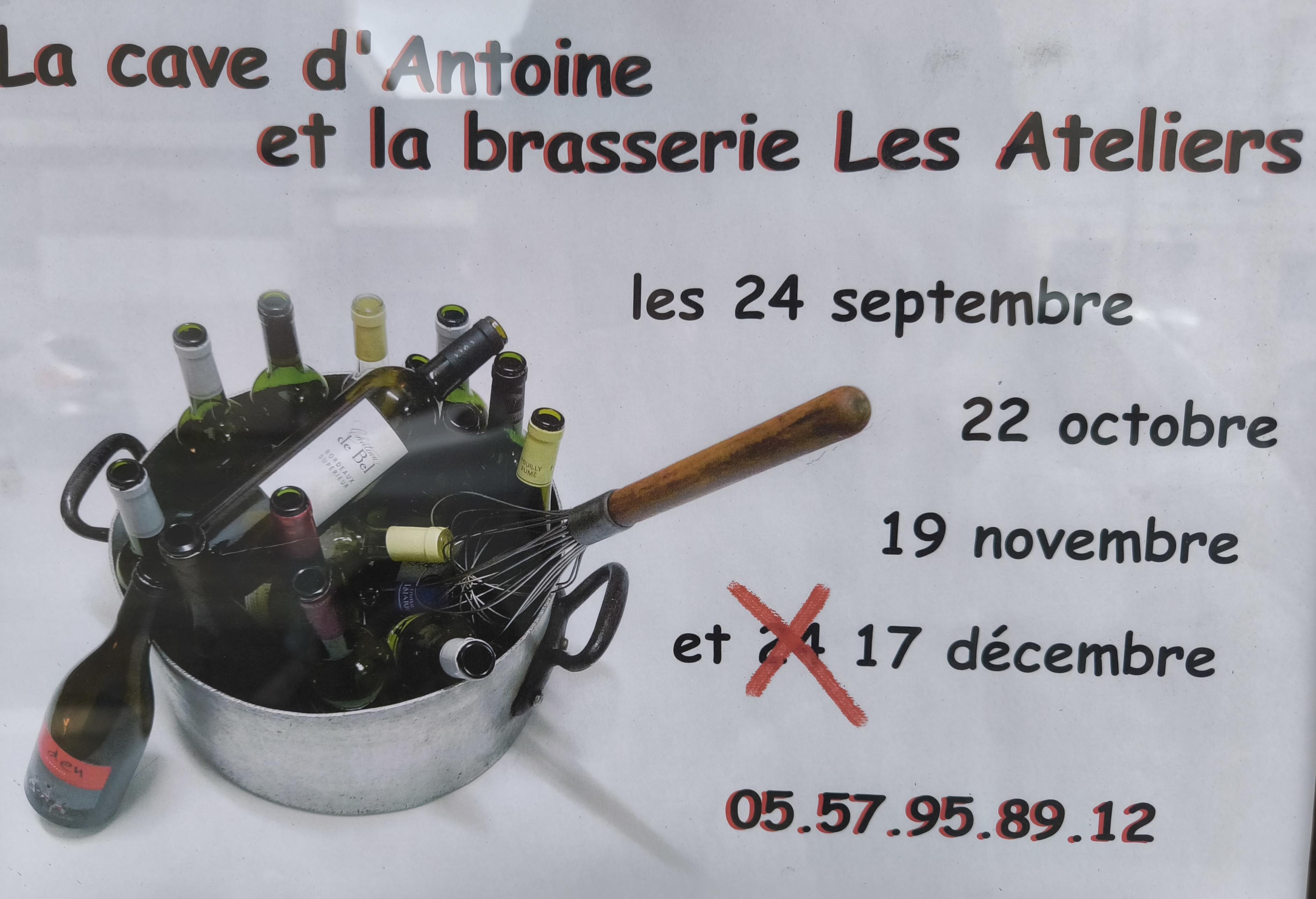
Thursday September 24
BordeauxFrance
6491 KM

Saturday September 26
AlmatyKazakhstan
10546 KM
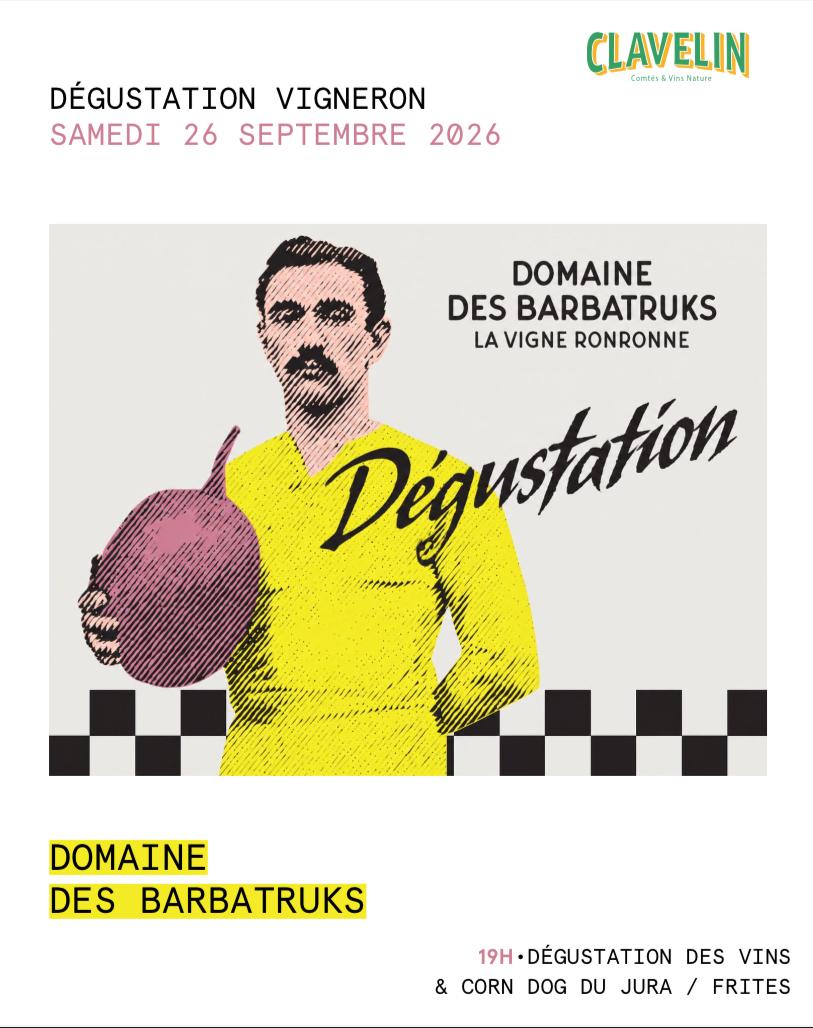
Saturday September 26
Paris
6488 KM

Saturday September 26
Ierapetra Municipal UnitGreece
8946 KM


 Winemakers
 Restaurants
 Bars
Bars Wine Shops
 Accommodations
 Events