5 9 10084 KM
Since the hill is a volcanic hill, the soil is primarily basalt and limestone. Currently, we work on 1.5 hectares with an additional 3 hectares lying fallow.
All work, both in the vineyard and the cellar, is done by just the two of us. The cellar, the wines and all our vineyards are certified organic, and we only process certified organic grapes. Any grapes we purchase are also exclusively from certified organic sources.
Organic farming is very important to us — we do not use herbicides or synthetic pesticides.
We have a small Japanese tractor for mechanical tasks. Plough every second row while in the uncultivated rows various leguminous plants grow. For spraying, we use sulfur, orange oil, and if necessary, minimal copper.
Currently, we work with international and indigenous varieties as well, such as Traminer, Juhfark, Olaszrizling, Furmint, Pinot Noir, and Kékfrankos. Our long-term goal is to work exclusively with grape varieties that are native to the Carpathian Basin.
Our winemaking process is quite simple.
All of our grapes are harvested by hand. For pressing, we use a traditional basket press. We use whole-cluster pressing for the white grapes and we also press the red ones directly with the whole cluster. Some of the reds are semi carbonic macerated for a short period (15 days).
Up until the 2024 vintage, we primarily focused on making pét-nats — including white, rosé, and red styles.
The pét-nats ferment in stainless steel tanks, though we’ve also experimented with barrel-fermented pét-nats. We do not disgorge any of the pét-nats.
Starting in 2024, we’ve begun producing still wines aged in barrels as well. Our red wines ferment and age in small, 225-liter used French oak barrels.
Our wines ferment spontaneously, are unfiltered and unfined, and contain zero or minimal added sulfur.(before bottling 15 mg/l)
In vintage 2025 we’ll reach around 9000 bottles.
No white wines at the moment.
No rose wines at the moment.
No orange wines at the moment.
FIND THE EVENT YOU ATTEND
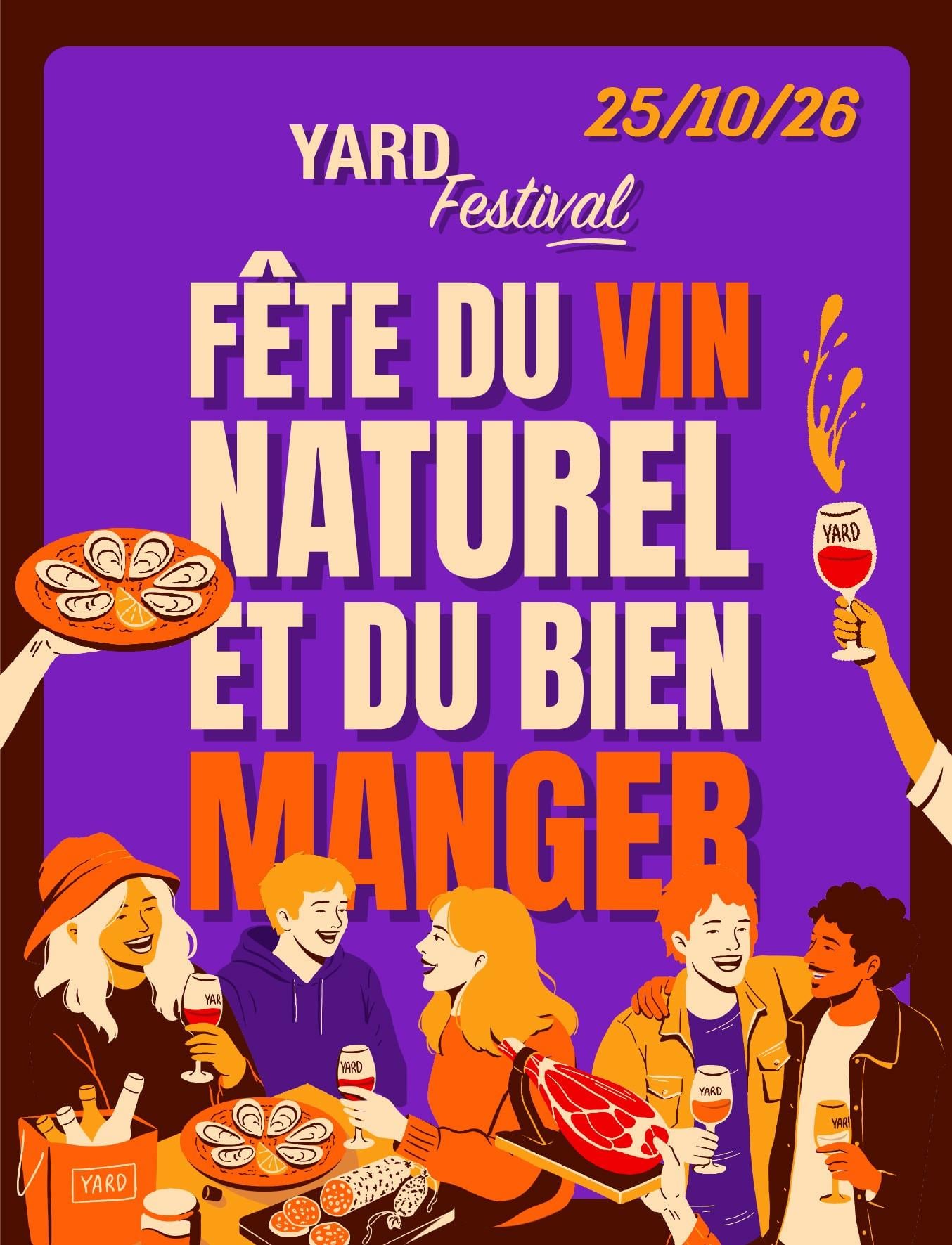
Sunday October 25
Paris
6492 KM
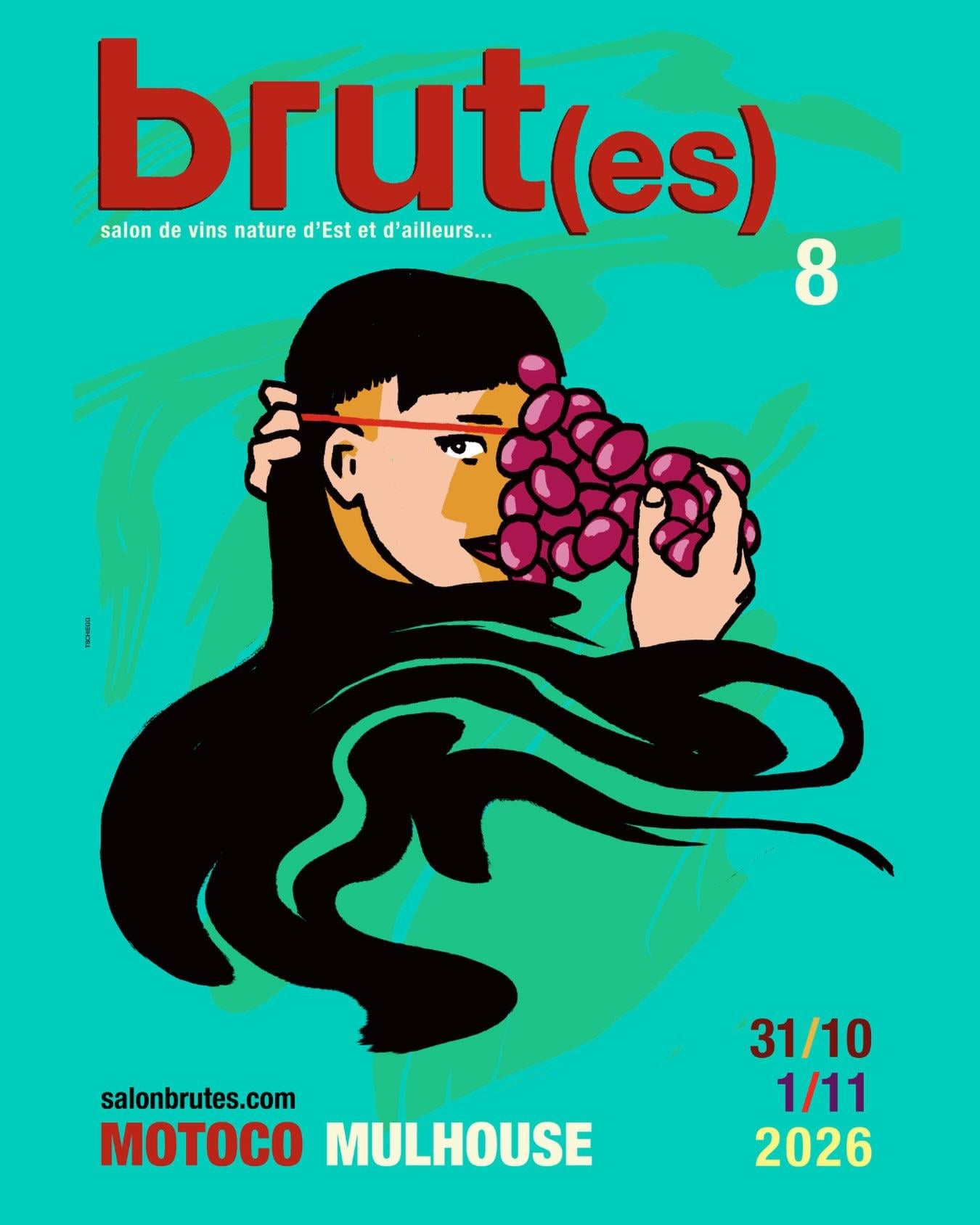
Saturday October 31 - Sunday November 01
Mulhouse
6872 KM
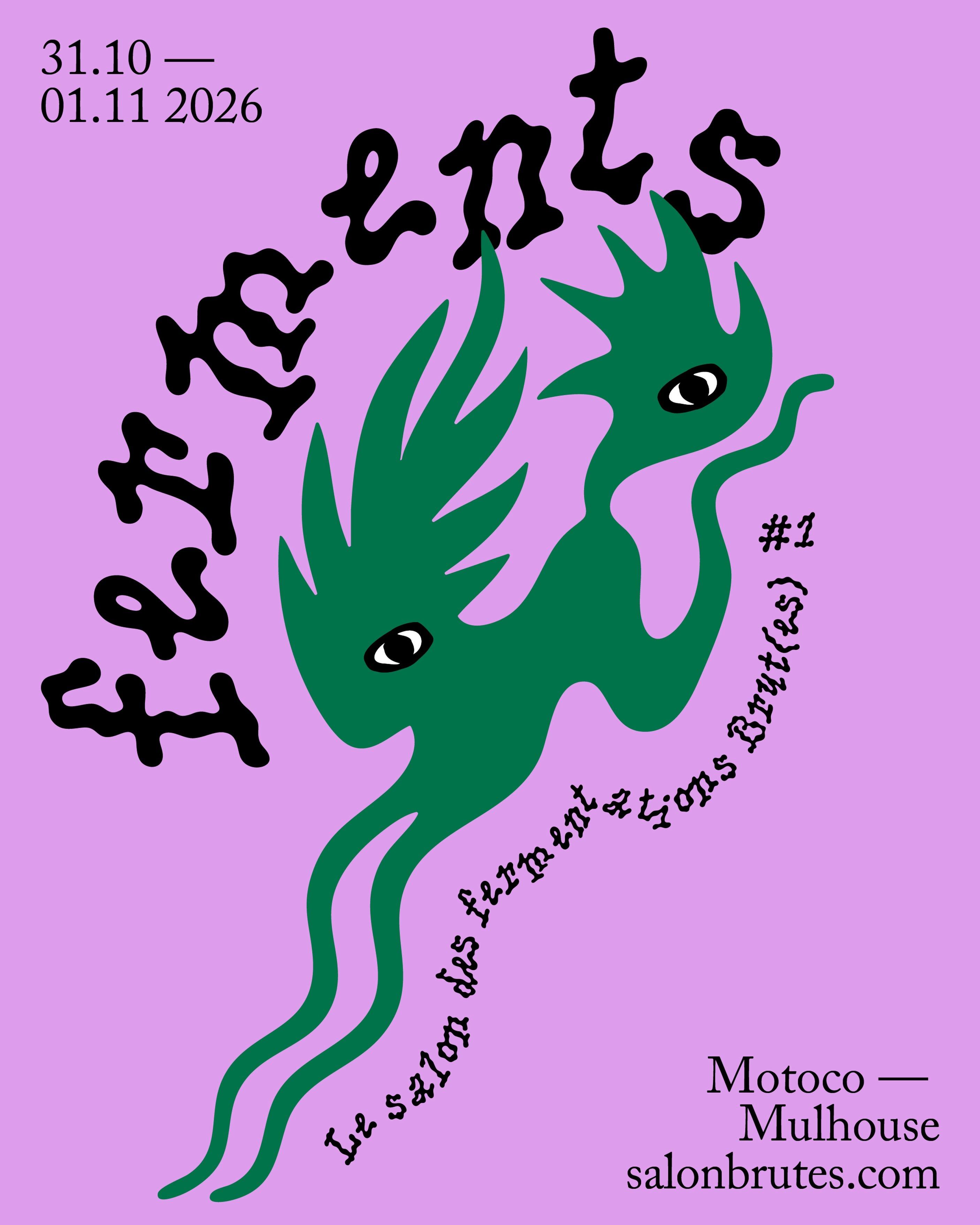
Saturday October 31 - Sunday November 01
Mulhouse
6872 KM
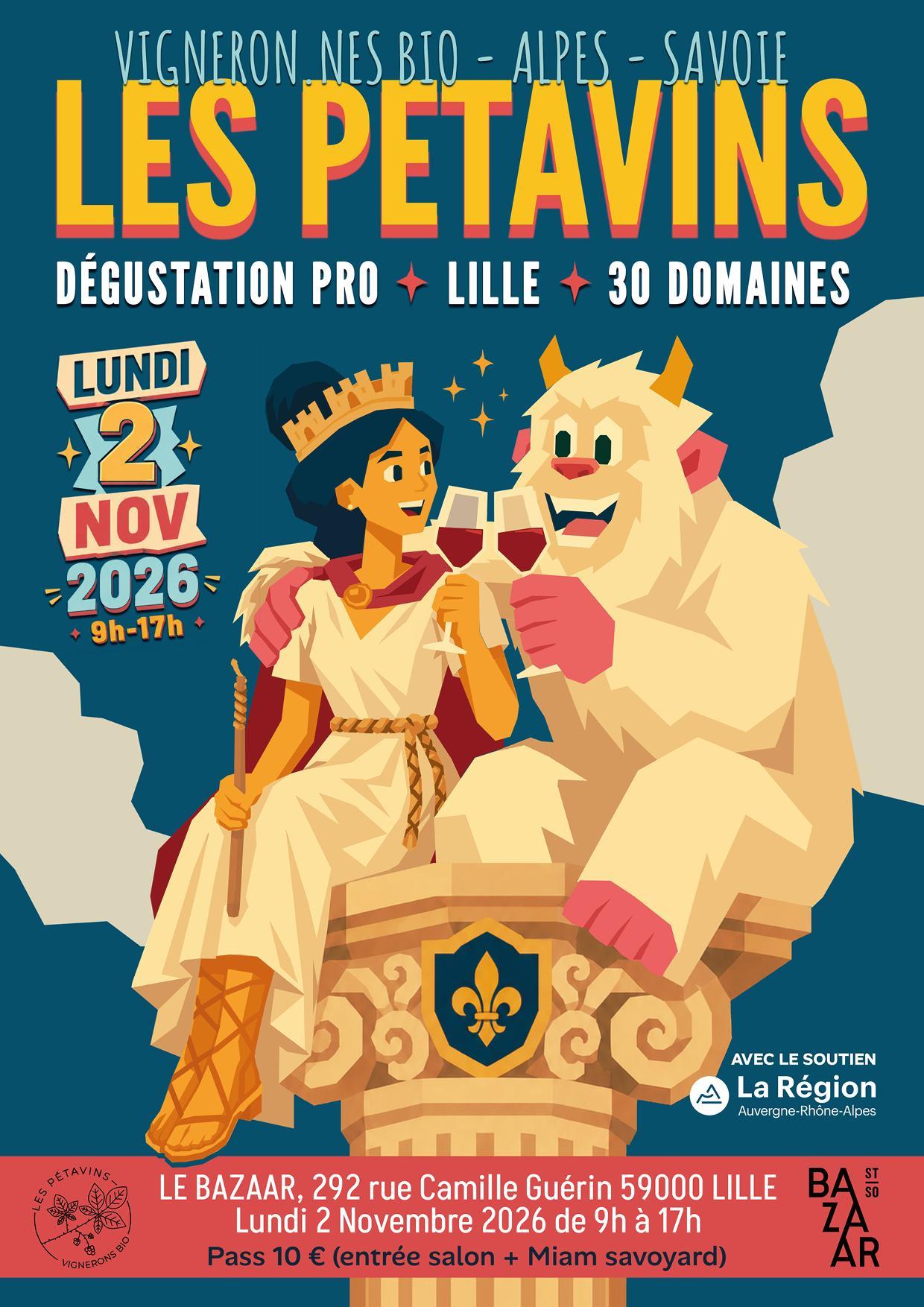
Monday November 02
Lille
6450 KM

Sunday November 08 - Monday November 09
Turin
7047 KM
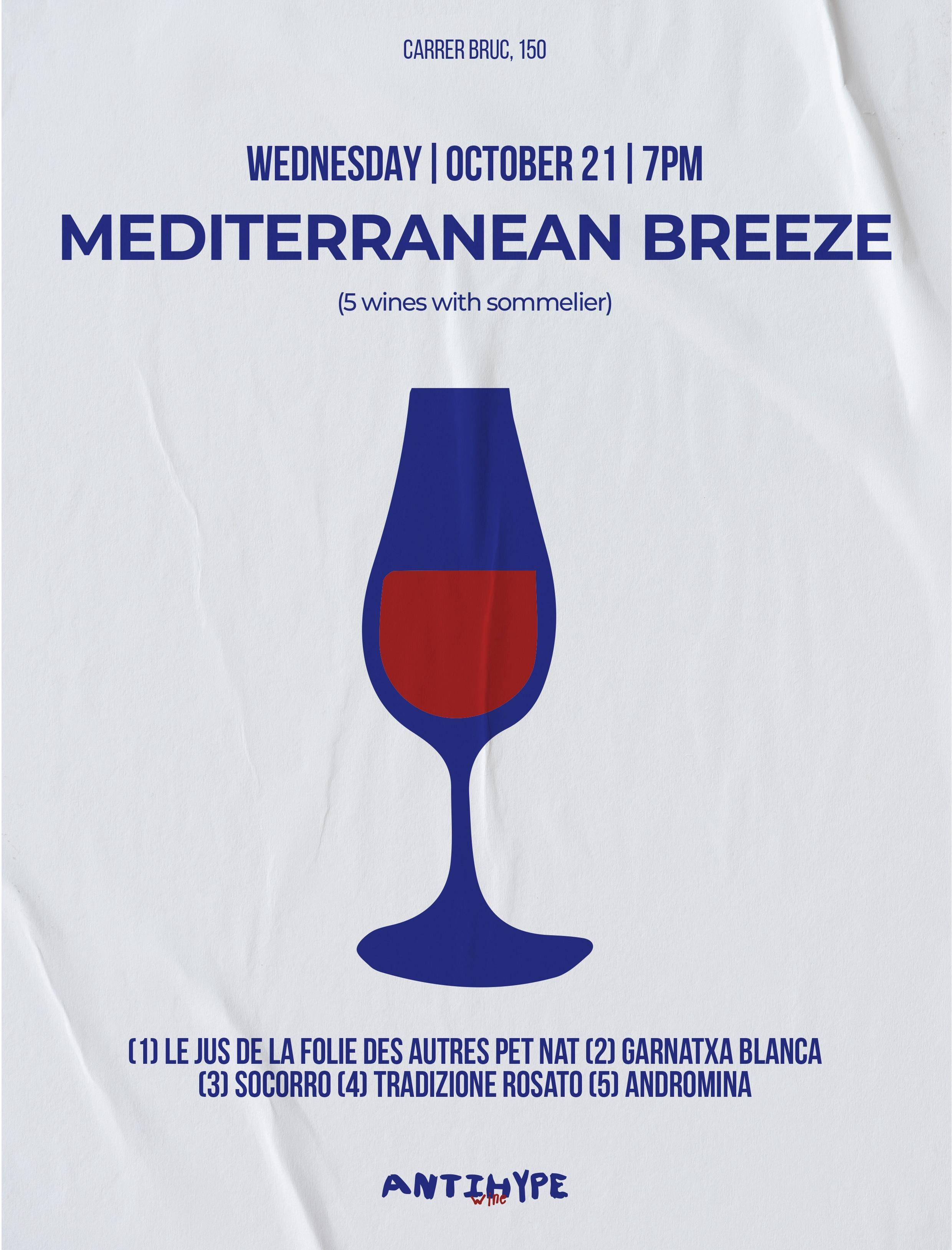
Wednesday October 21
Barcelona
6867 KM
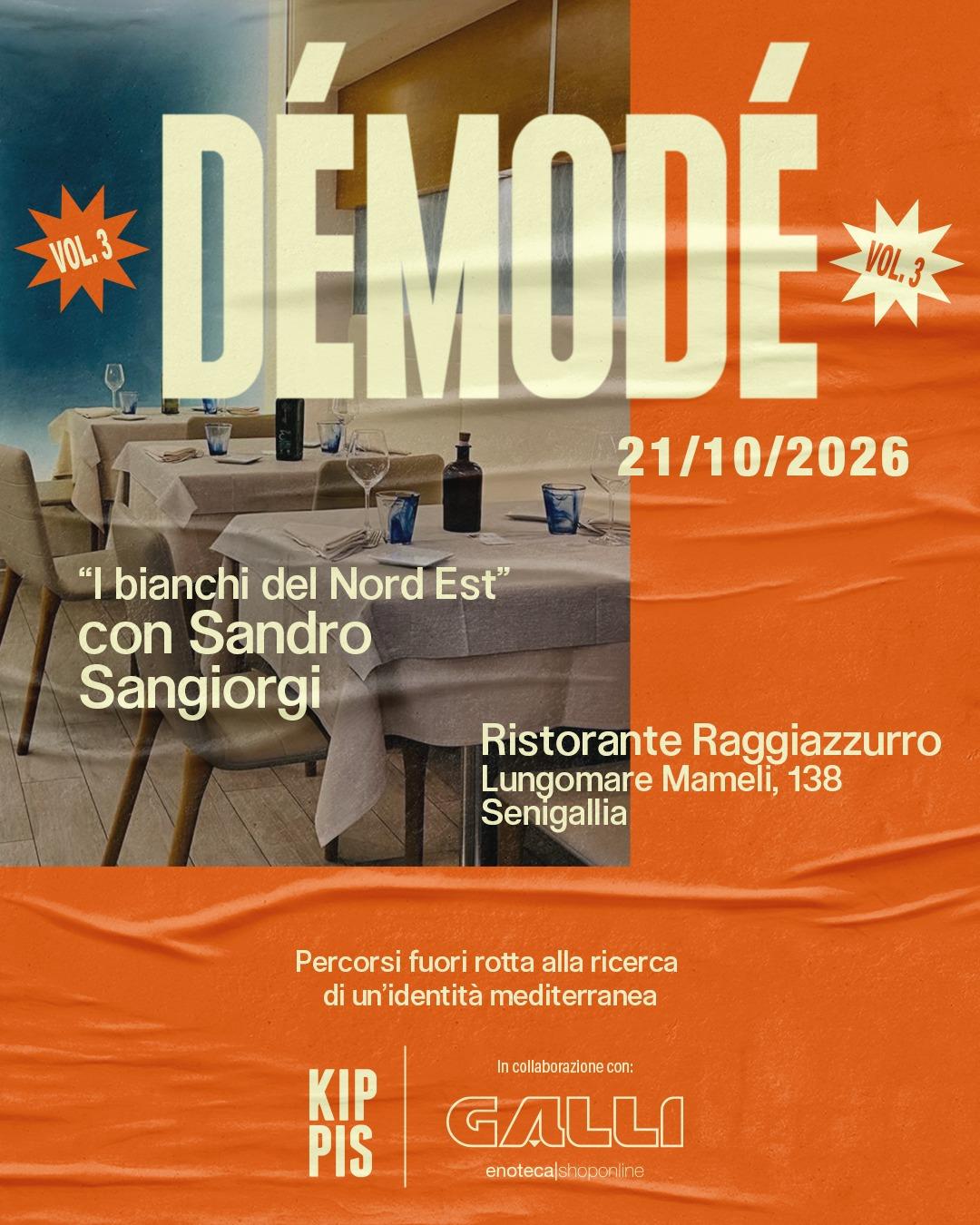
Wednesday October 21
SenigalliaItaly
7496 KM
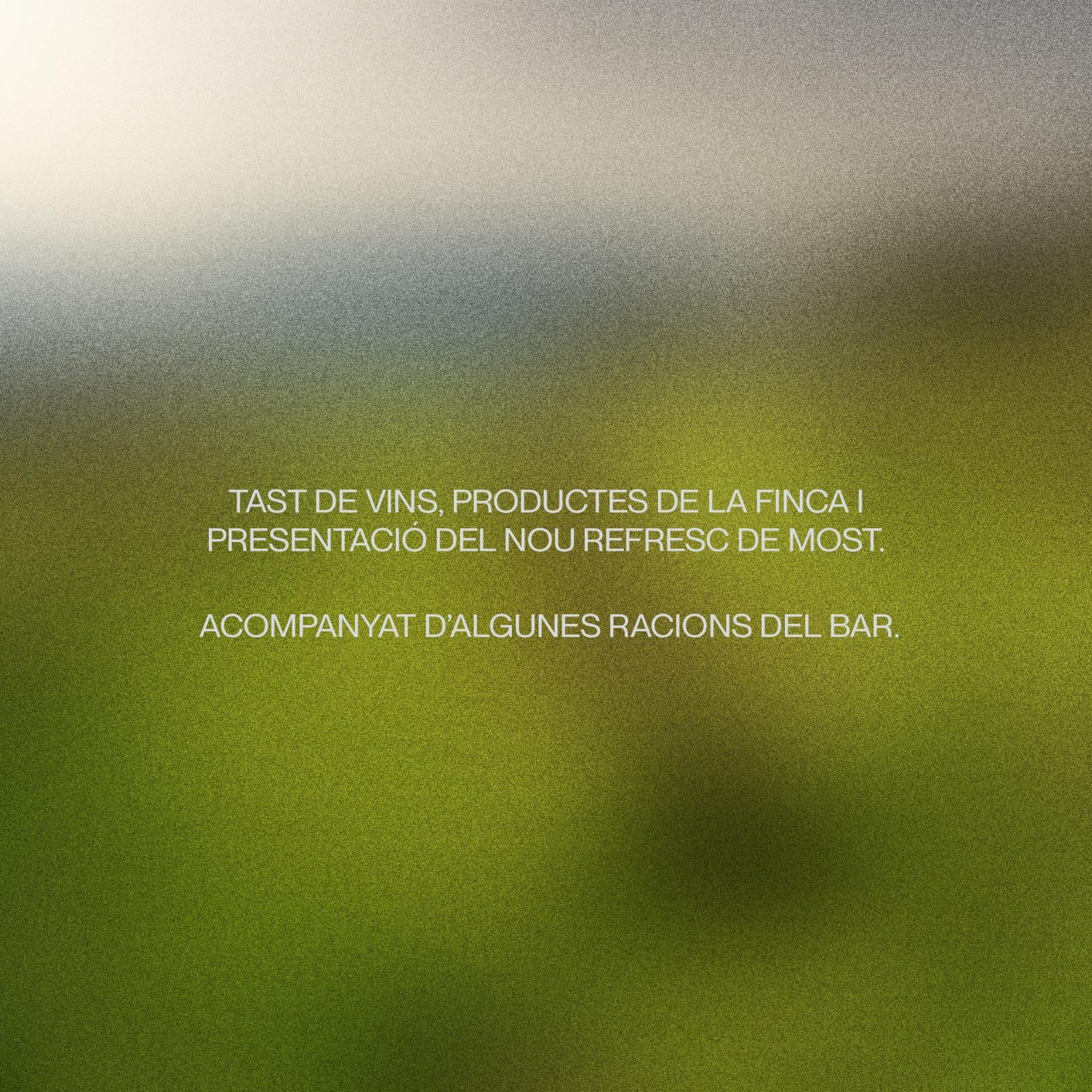
Wednesday October 21
BarcelonaSpain
6869 KM
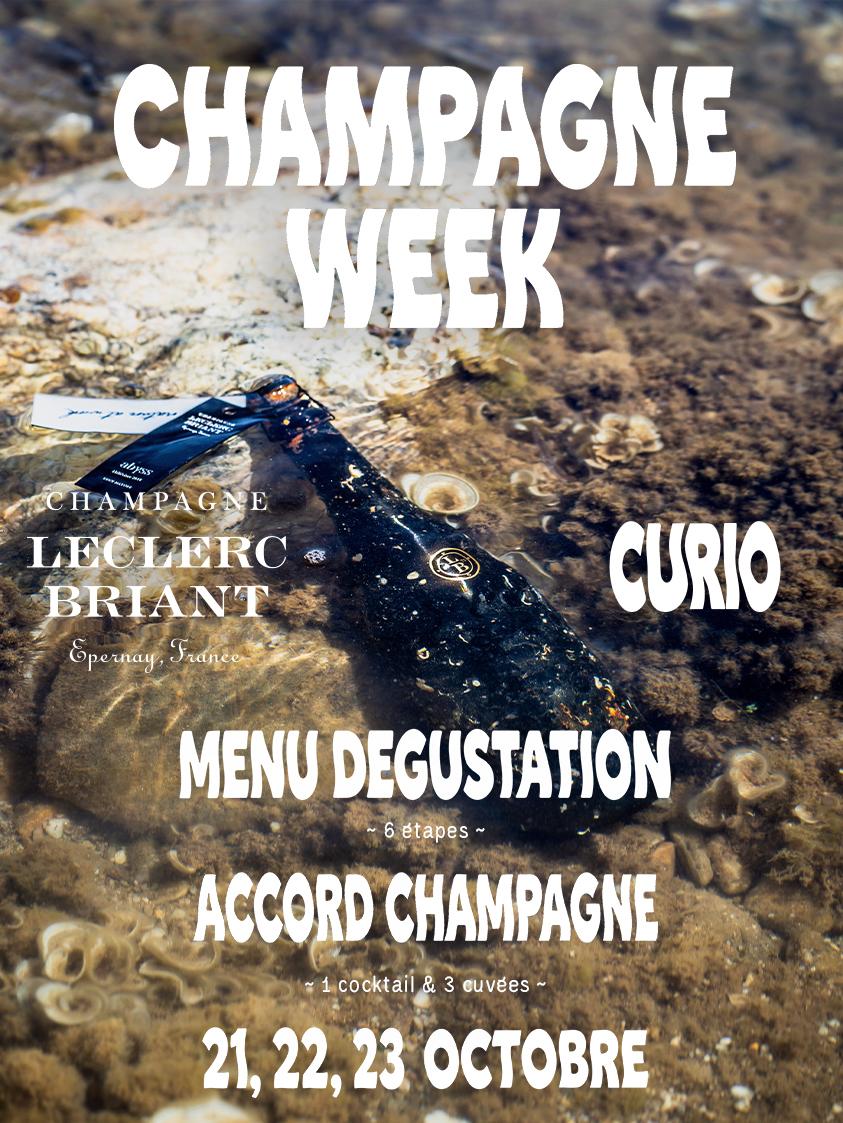
Wednesday October 21 - Friday October 23
ParisFrance
6491 KM
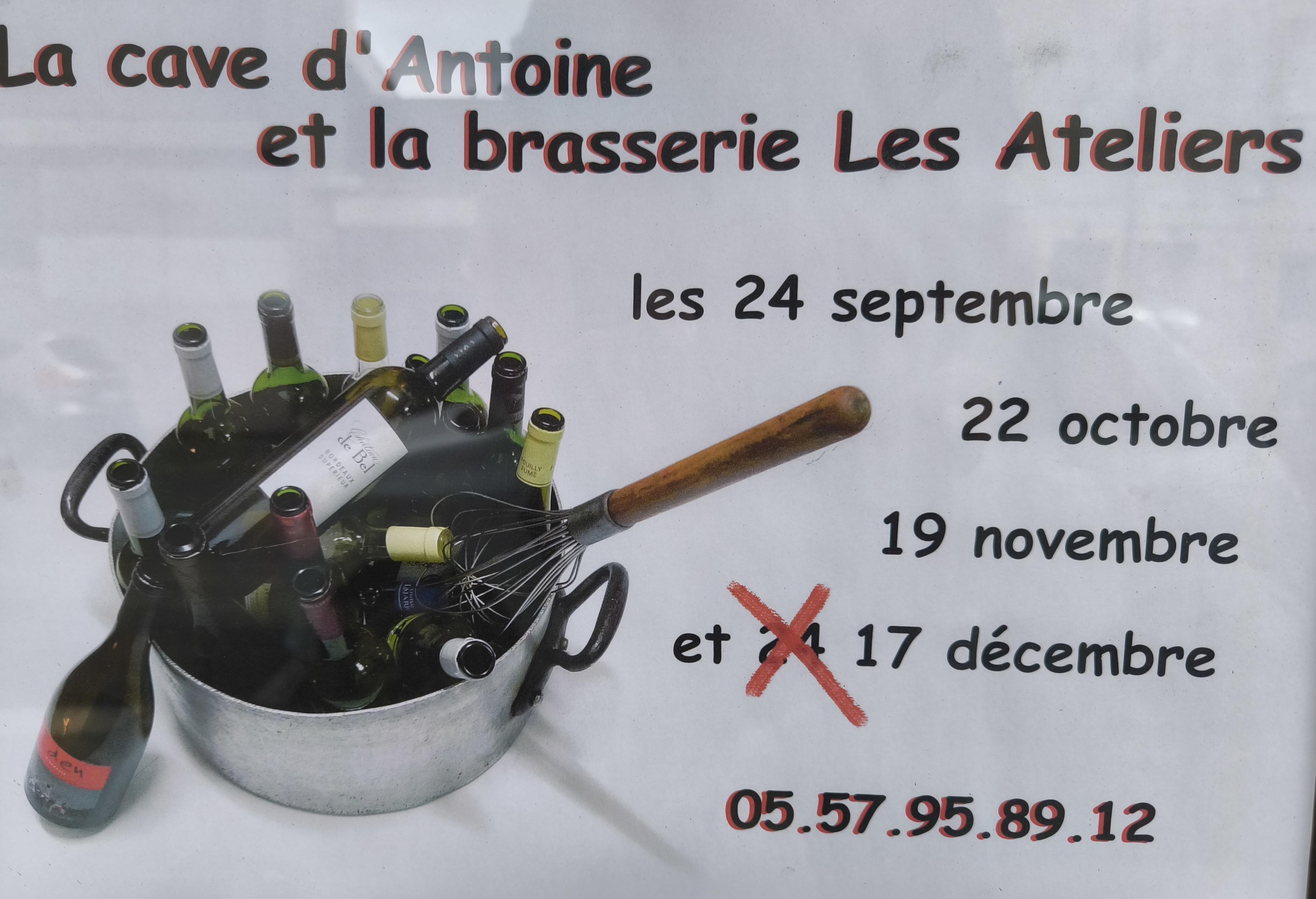
Thursday October 22 - Thursday December 17
BordeauxFrance
6492 KM


 Winemakers
 Restaurants
 Bars
Bars Wine Shops
 Accommodations
 Events