
13 26 8843 KM
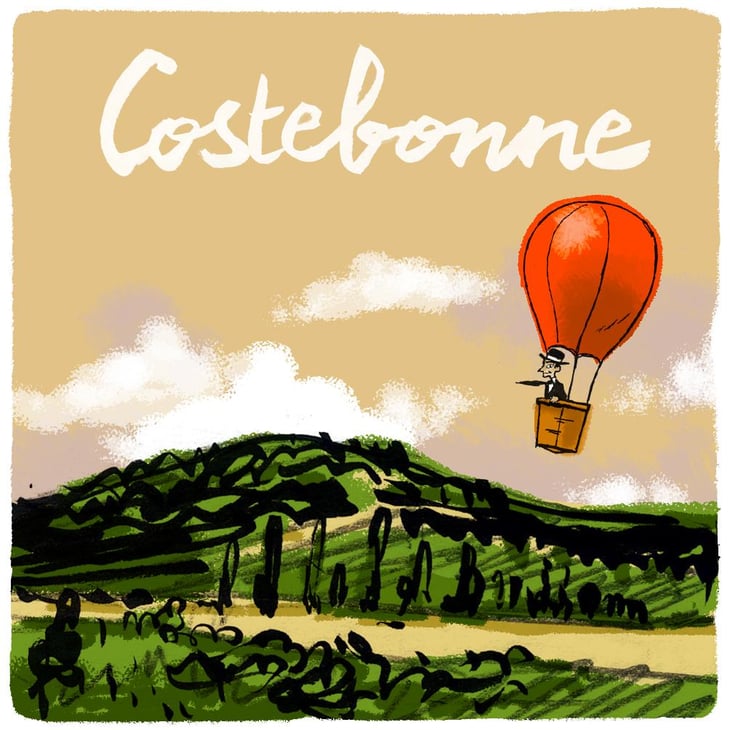
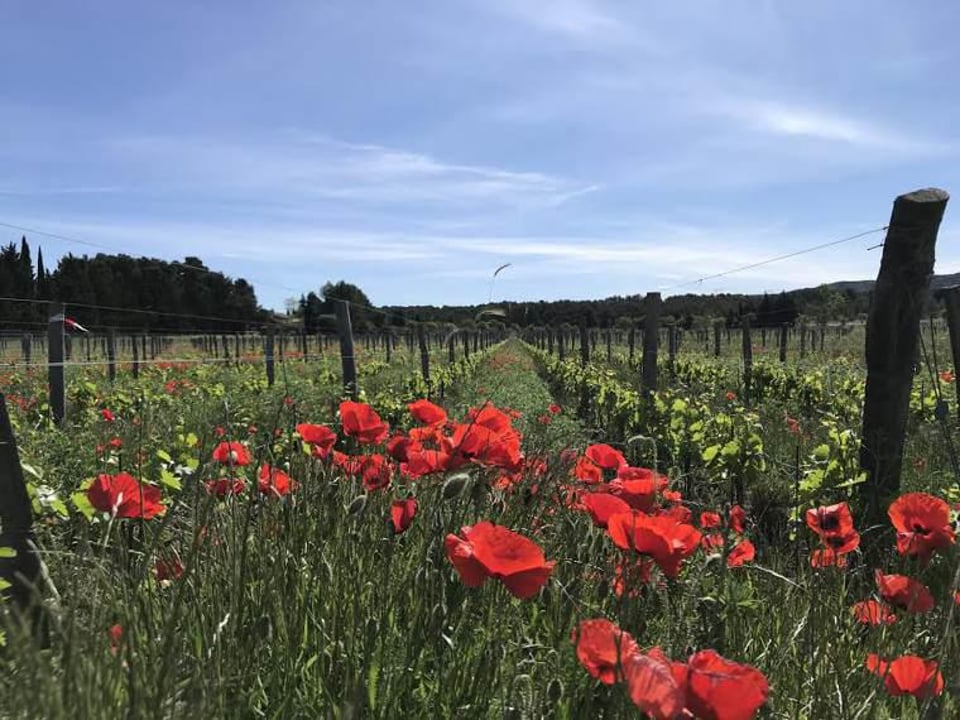
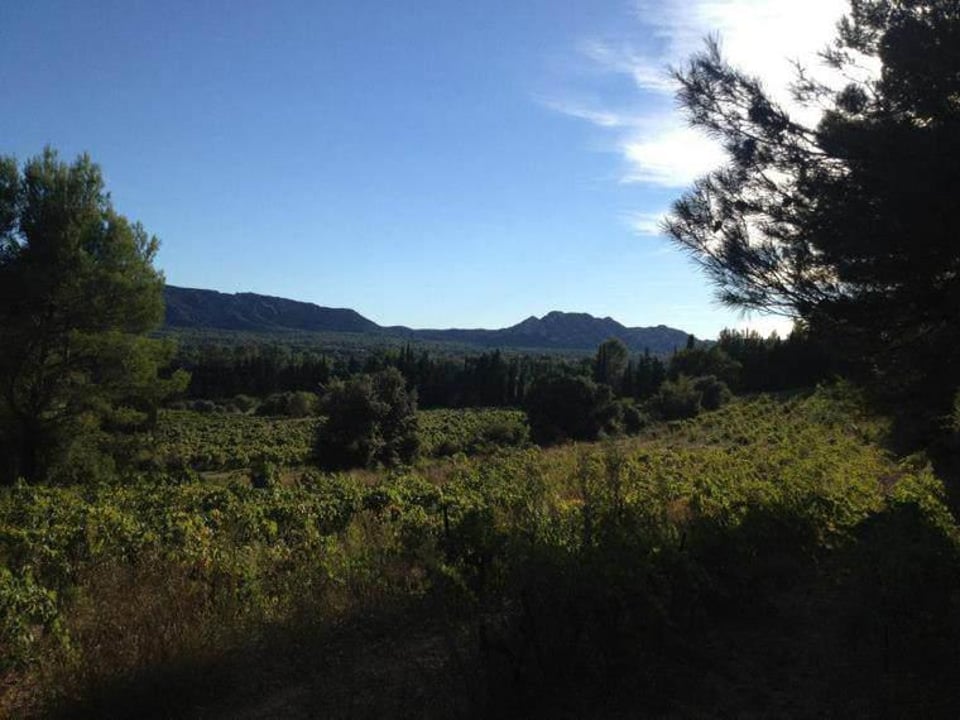
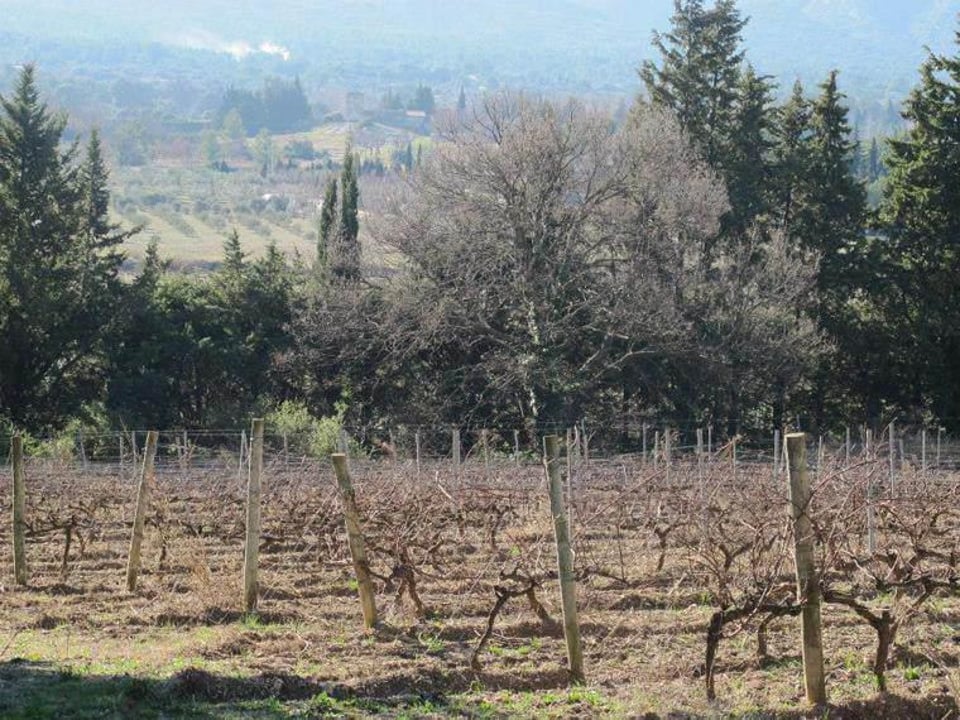
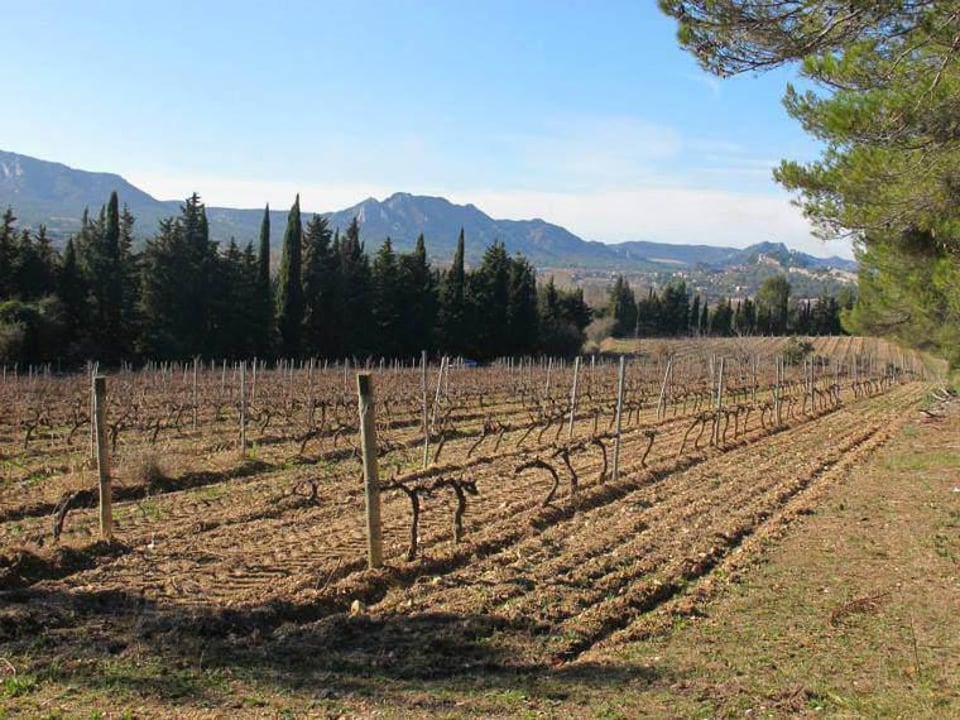
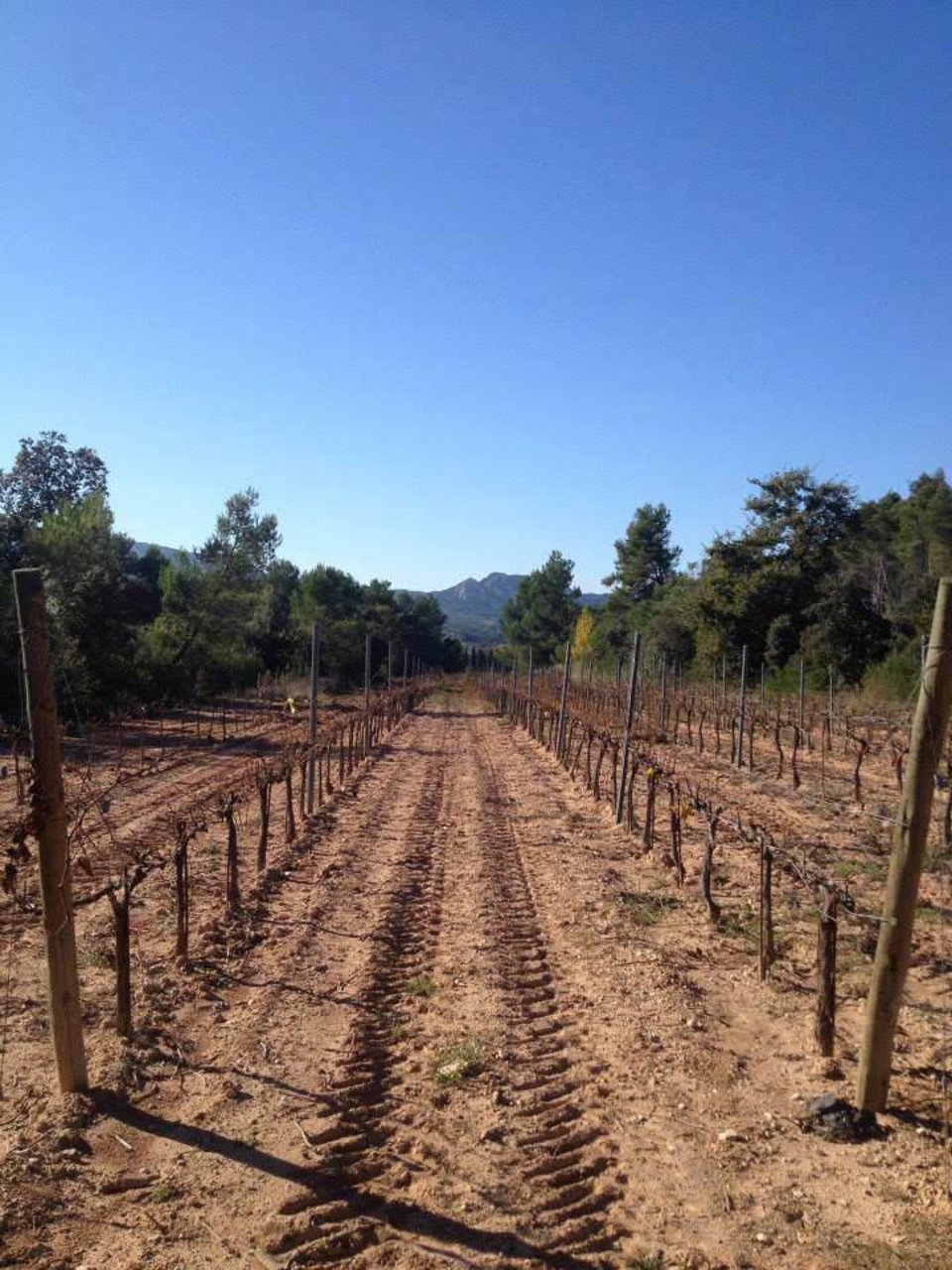
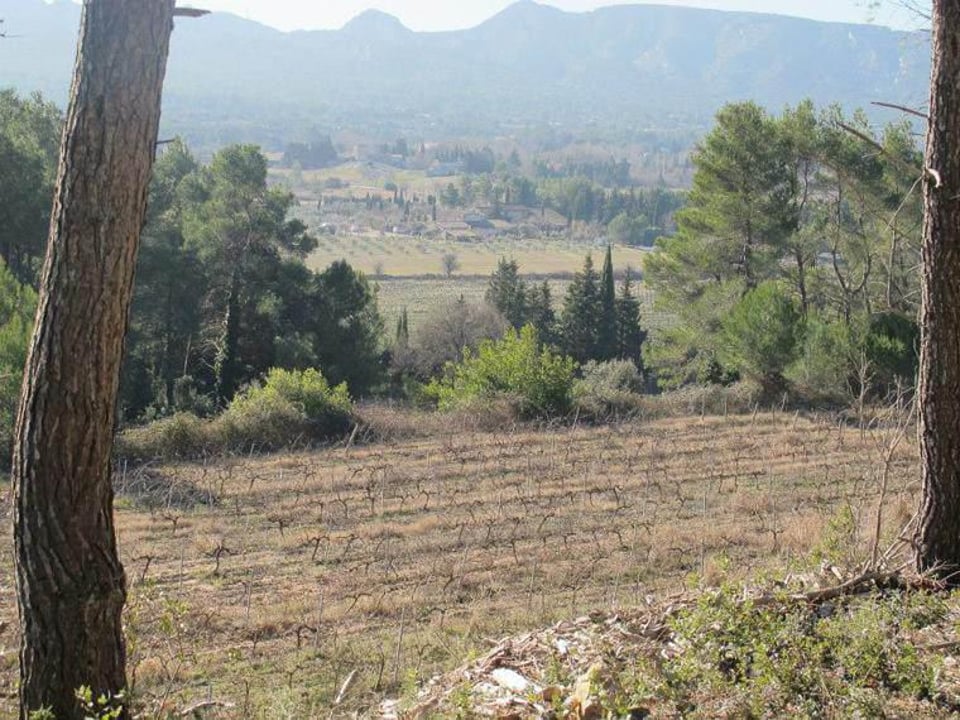
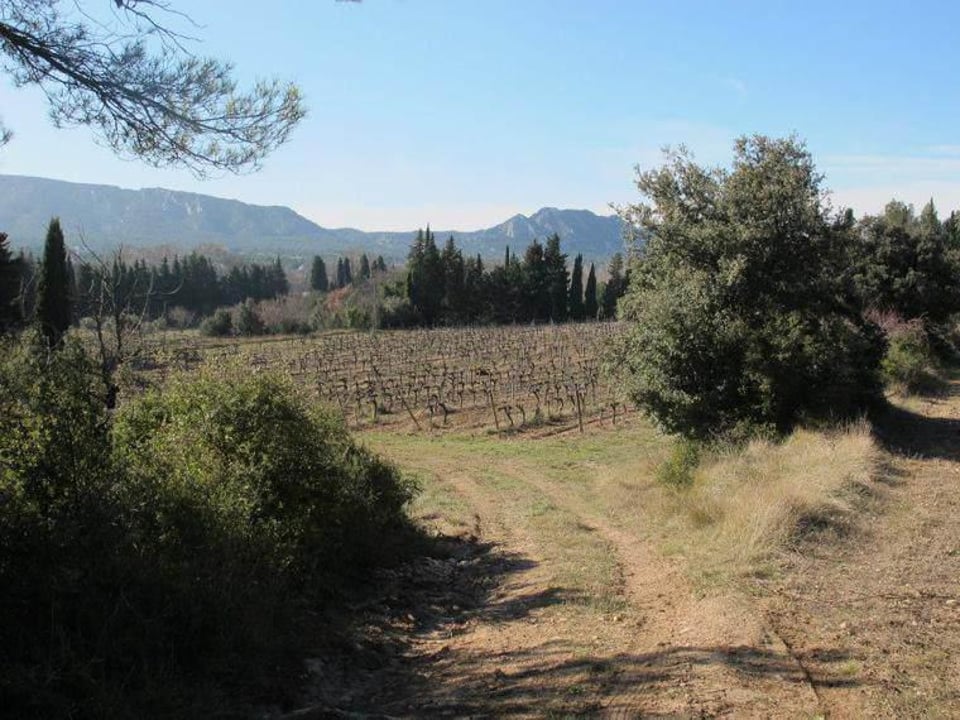
The vineyards are located in the commune of Eygalières (near Saint-Rémy-de-Provence ) and are situated on a spur of the Alpilles mountain range, in the locality of Costebonne (the good hillside in Provençal). Facing south, the plots are composed of limestone, marl, and clay and rise in terraces up to the forest covering the upper part of Coste-Bonne.
The vines have been cultivated organically since 1998, the year of the earliest planting. Following the discovery of a significant outbreak of flavescence dorée in the area in 2013, the previous owner carried out extensive uprooting, a process that continued after the takeover until 2016. At that time, the estate comprised only 2 hectares of vines, including 1 hectare of Syrah planted in 1998, which forms the basis of the "Décrocher la Lune" cuvée. Simultaneously, Franck leased a few vineyards in the commune on short-term contracts to act as a buffer while the estate was being replanted. From 2016 to 2018, approximately ten hectares were replanted: Grenache, Cinsault, Syrah, Mourvèdre, and Carignan for the reds; and Vermentino, Grenache Blanc, Clairette, and Bourboulenc for the whites. The new plantings are based on mass selection, either using grafted vines (in collaboration with nurseryman Lilian Berillon ) or field grafting (in collaboration with Marc Birebent's grafters). Grafting work is still underway and will be completed this year (Cinsault and Syrah).
Soil work is almost entirely done on horseback. Two local workers handle maintenance under the vines (hilling and burying). Work on the vines themselves is done by tractor (treatments and sowing of cover crops). All the vineyards are grassed (half naturally, half sown). The cover crops are flattened after flowering with a Rolofaca (Editor's note: a machine for flattening plant cover to the ground to stop sap flow) to add organic matter to the soil and protect it from the sun while retaining moisture.
The treatments (3 to 4 per year) are based on copper (0.2 to 0.5 kg per year to combat midge), sulfur (against powdery mildew) and plant extracts (horsetail, nettle, comfrey, fern, kelp, yarrow), which strengthen the vine and reduce the need for copper and sulfur.
Franck is assisted by a full-time employee, Erwan Picart, who has been with the estate since the beginning. Three to four seasonal workers, present from January to June, carry out the important training and maintenance work necessary for the young vines. Pruning is done in two stages to limit frost damage on the lower part of the vineyard (selection of canes from January to March, then shortening to two buds in early April). The vines are trained in goblet or palmette styles (a type of Royat cordon in a V-shape). Bud thinning completes the pruning process, balancing the crop load and vigor of the vines. From June onwards, the vines are braided to avoid topping and maintain good health. The mistral wind, very prevalent in the Alpilles, is a valuable ally!
The harvest is done by hand by about ten pickers. The grapes are sorted on the plot to ensure only perfectly healthy ones are selected. The harvest takes place over three weeks due to the significant variations in ripeness across the estate (early in the upper section, later in the lower), generally from the end of August to mid-September. The harvest is stored in small 10 kg crates under cold conditions to prevent the bunches from becoming overcrowded, then shipped to Marseille, to L'Abri, the winery located above the Old Port. After selling the grapes fresh for four years, from 2015 to 2018, Franck decided to establish his winery in the heart of Marseille , on Boulevard de la Corderie. The wines are made using indigenous yeasts in stainless steel tanks, without fining or filtration. Only a pinch of sulfur is added at bottling (10 mg/l).
No orange wines at the moment.
FIND THE EVENT YOU ATTEND

Saturday January 31 - Sunday February 01
Angers
6363 KM
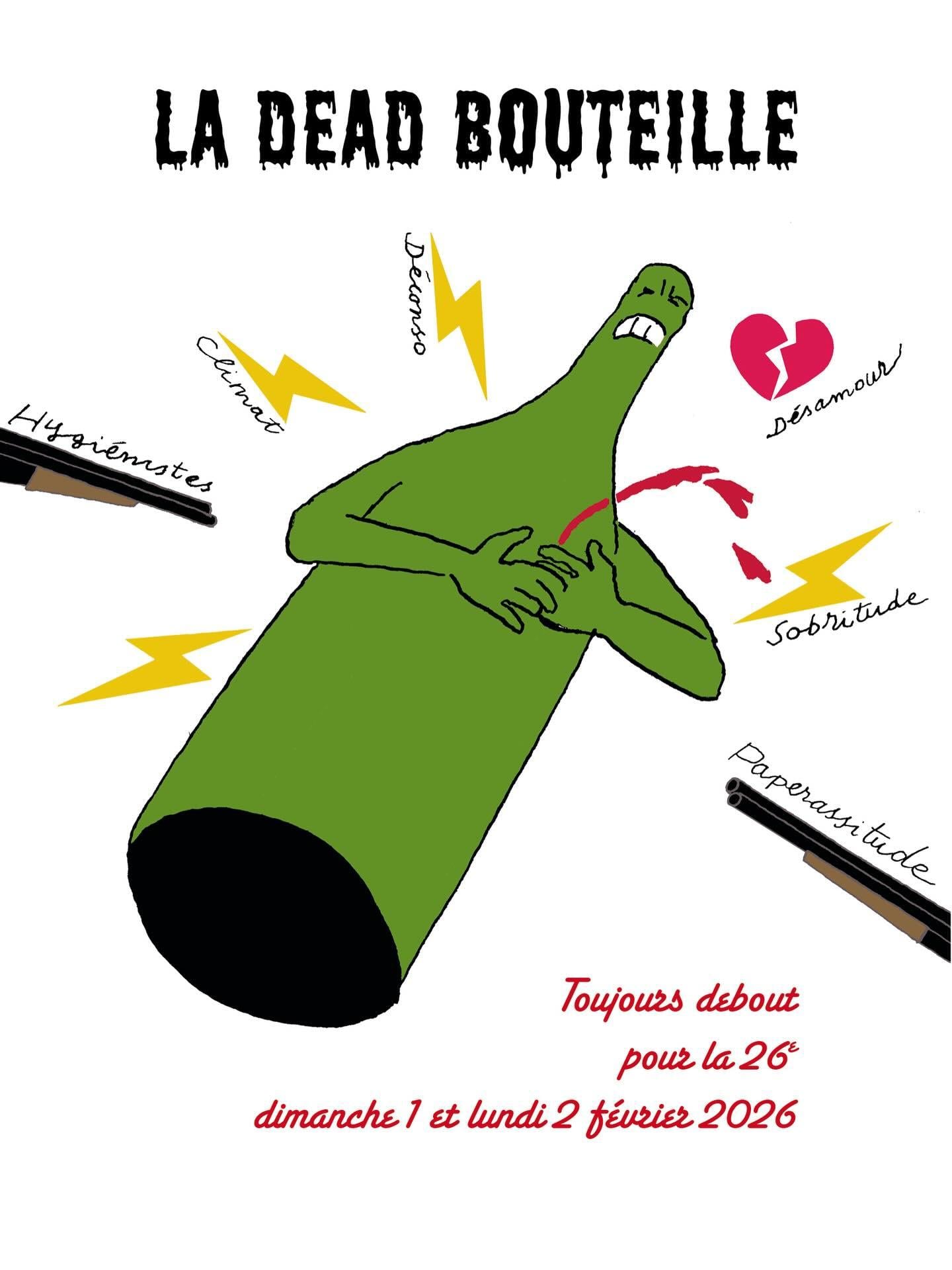
Sunday February 01 - Monday February 02
Saumur
6402 KM
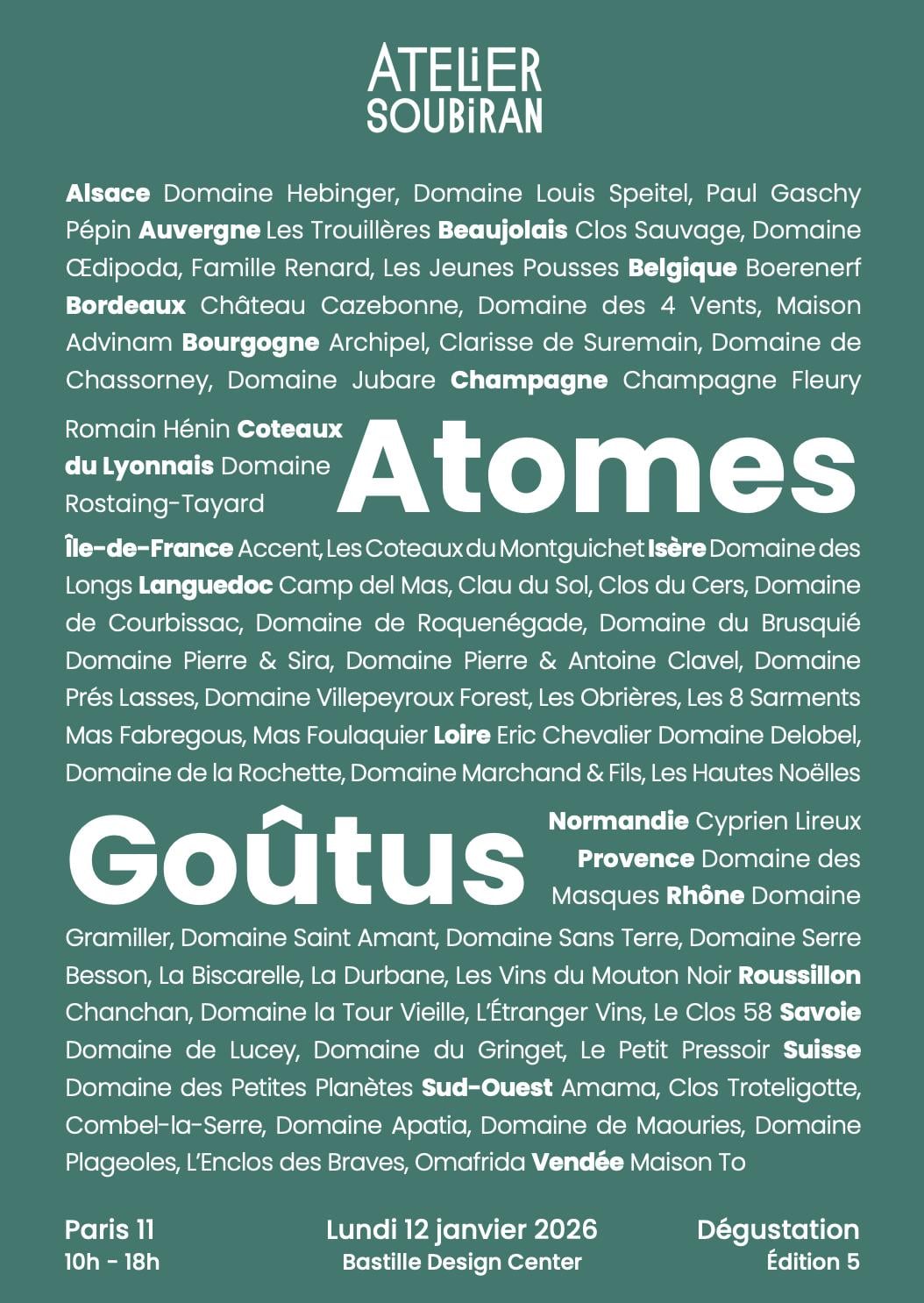
Monday January 12
Paris
6491 KM
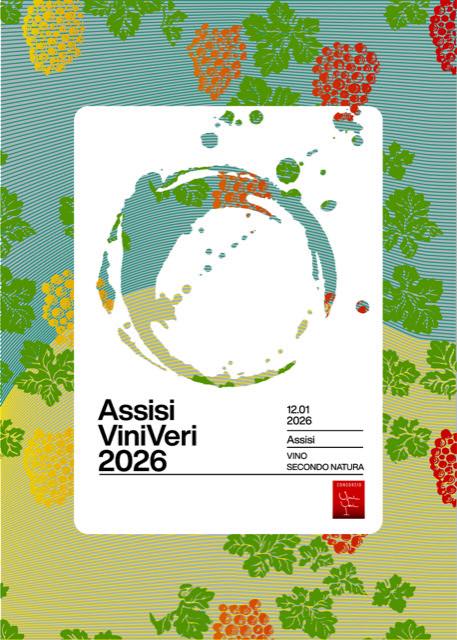
Monday January 12
Santa Maria degli Angeli
7496 KM
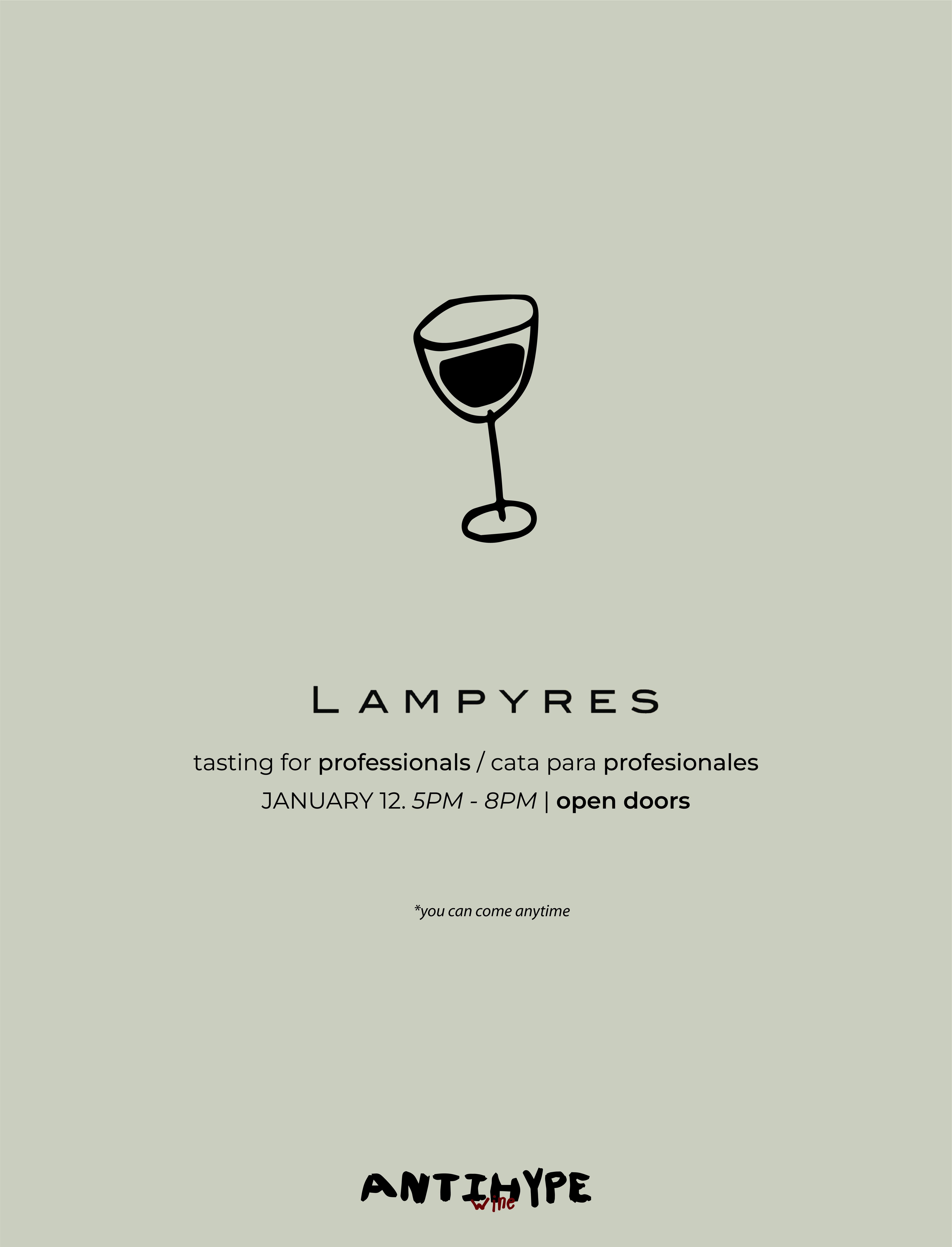
Monday January 12
BarcelonaSpain
6867 KM
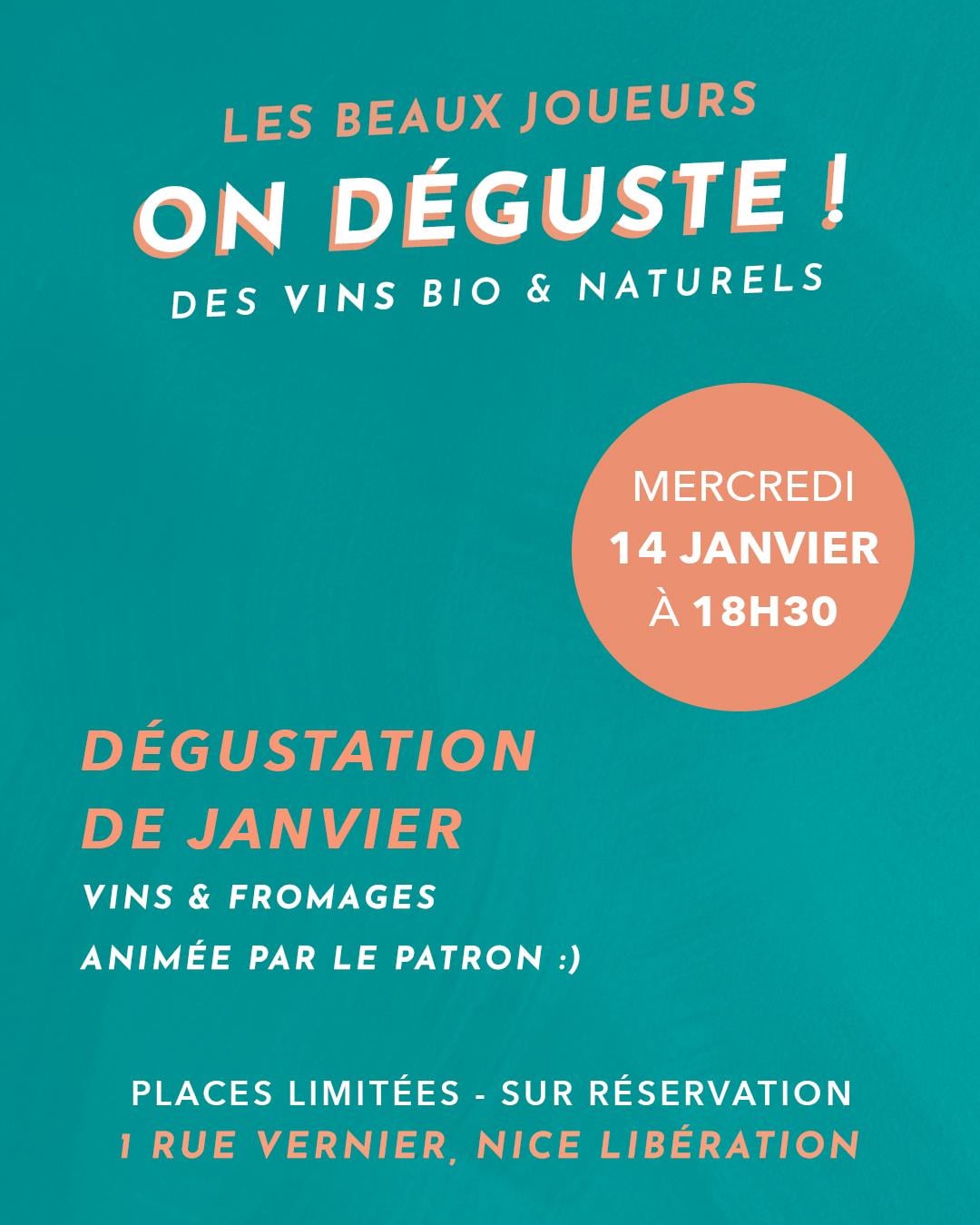
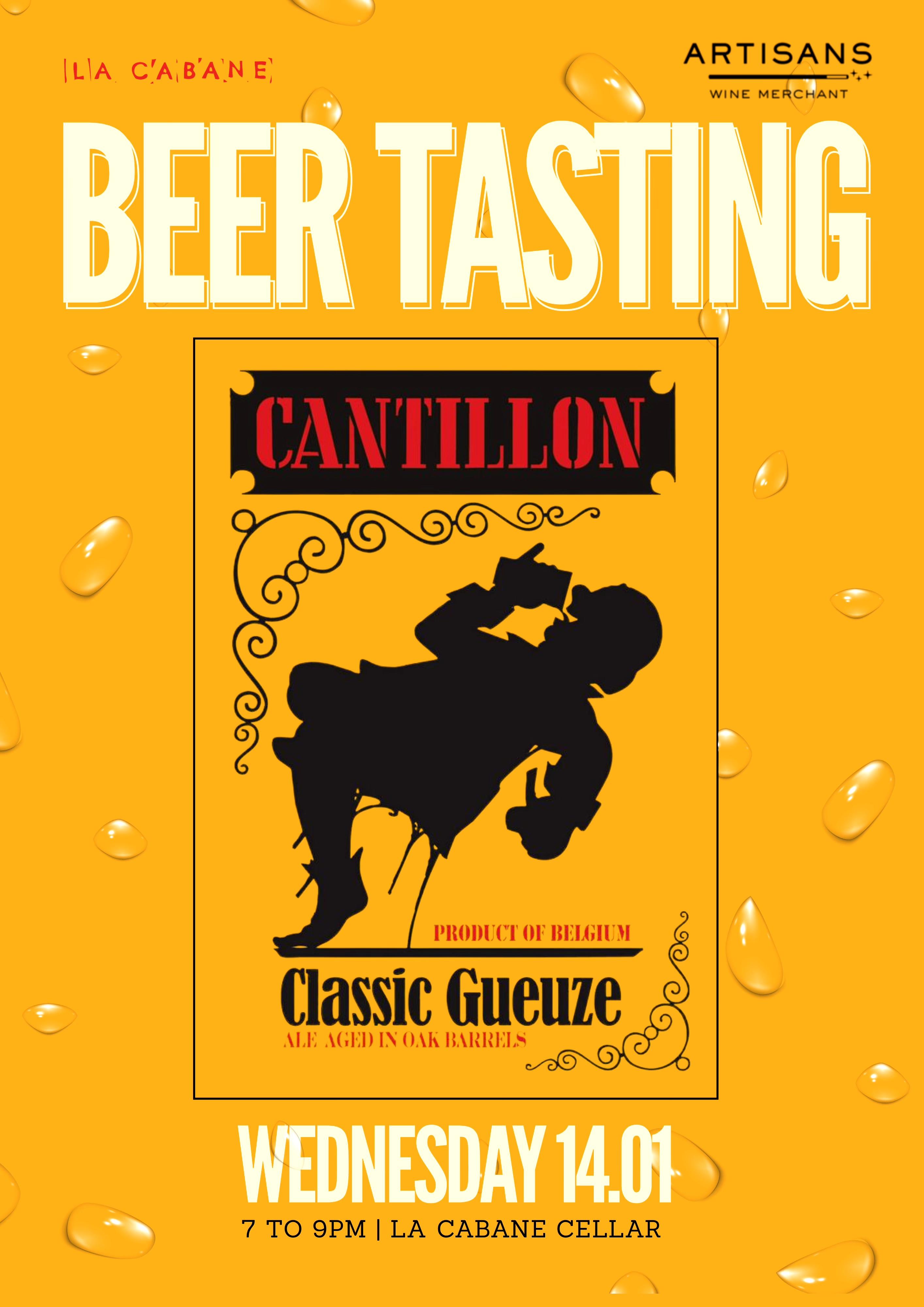
Wednesday January 14
Nice
7096 KM
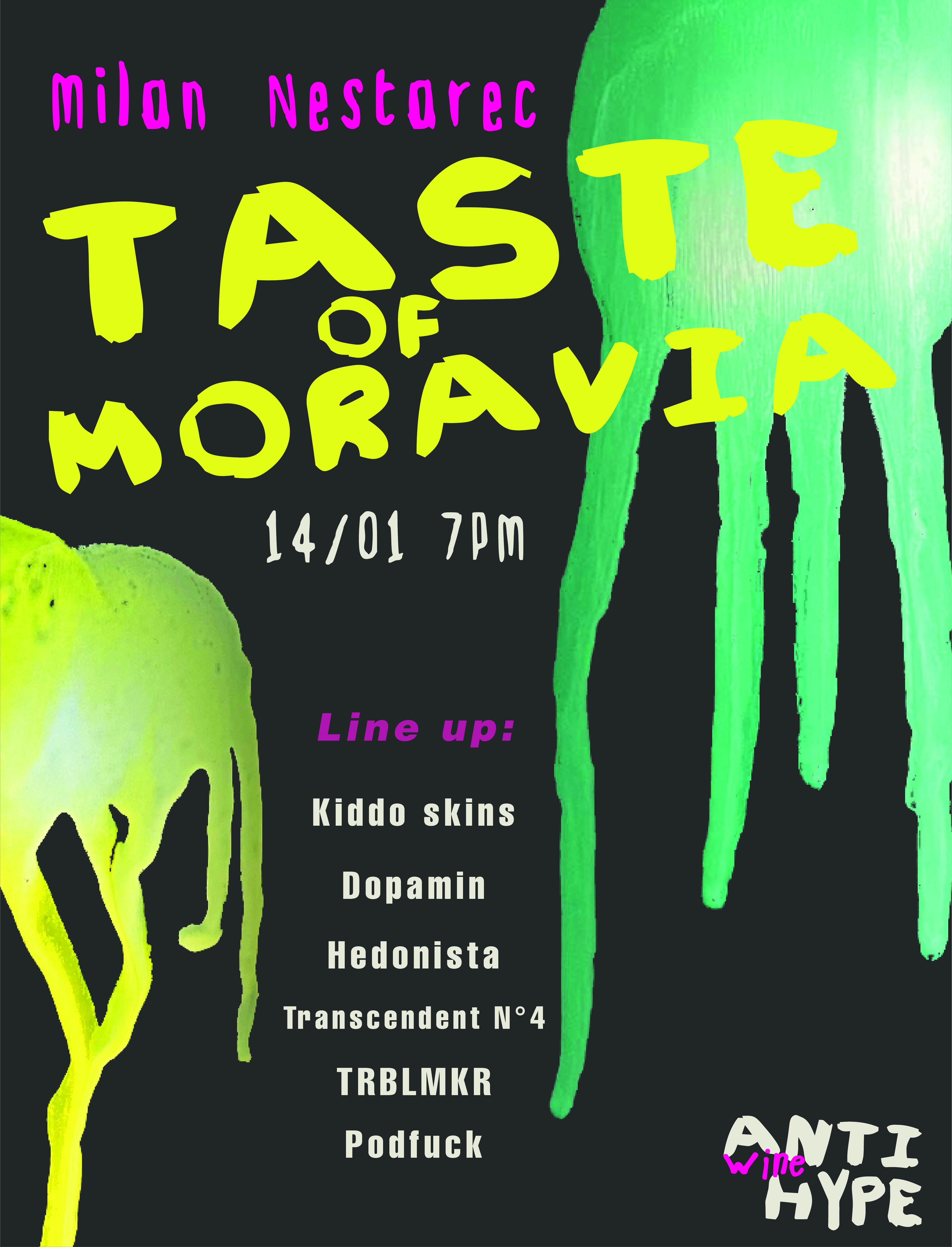
Wednesday January 14
Hong KongChina
12869 KM
Wednesday January 14
BarcelonaSpain
6867 KM

Thursday January 15
LyonFrance
6817 KM
Friday January 16 - Saturday January 17
Tábor
7237 KM
24 3 6321 KM
De la vigne au verre, naturellement !Nombreuses références en vins naturels, français ou étrangers. Spiritueux, bières bio et …8 0 6323 KM
Cellar with organic, biodynamic and natural wines, gourmet delicatessen, designer and quality products, snacking at lunchtime!…6 5 6422 KM
+ 250 références de vins et 40 références en magnum ; c'est la cave à vins à boire et à manger incontournable de Saumur Créée …15 2 6467 KM
Bar à vins - Bistrot - Cuisine Végétaliennne, Végétarienne, Fait maison, Produits frais13 3 6483 KM
R - Restaurante Bar A Bar and a Restaurant in San Sebastián with a selection of natural wines. Local, seasonal, organic food and natural wines.13 3 6504 KM
Capsule A wine shop Located In Clamart with a selection of natural wines. Local, seasonal, organic food and natural wines.6 1 6655 KM
Chez Convives, il fait bon vivre. Notre envie : créer un lieu simple et accueillant, où l’on partage un repas, un cocktail o…76 22 7007 KM
Urban winery restaurant: in the dining room or on the terrace, enjoy Mediterranean plates to share - with a wide selection of … Winemakers
 Restaurants
 Bars
Bars Wine Shops
 Accommodations
 Events