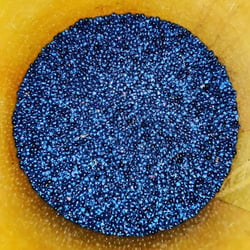
10 10 8758 KM
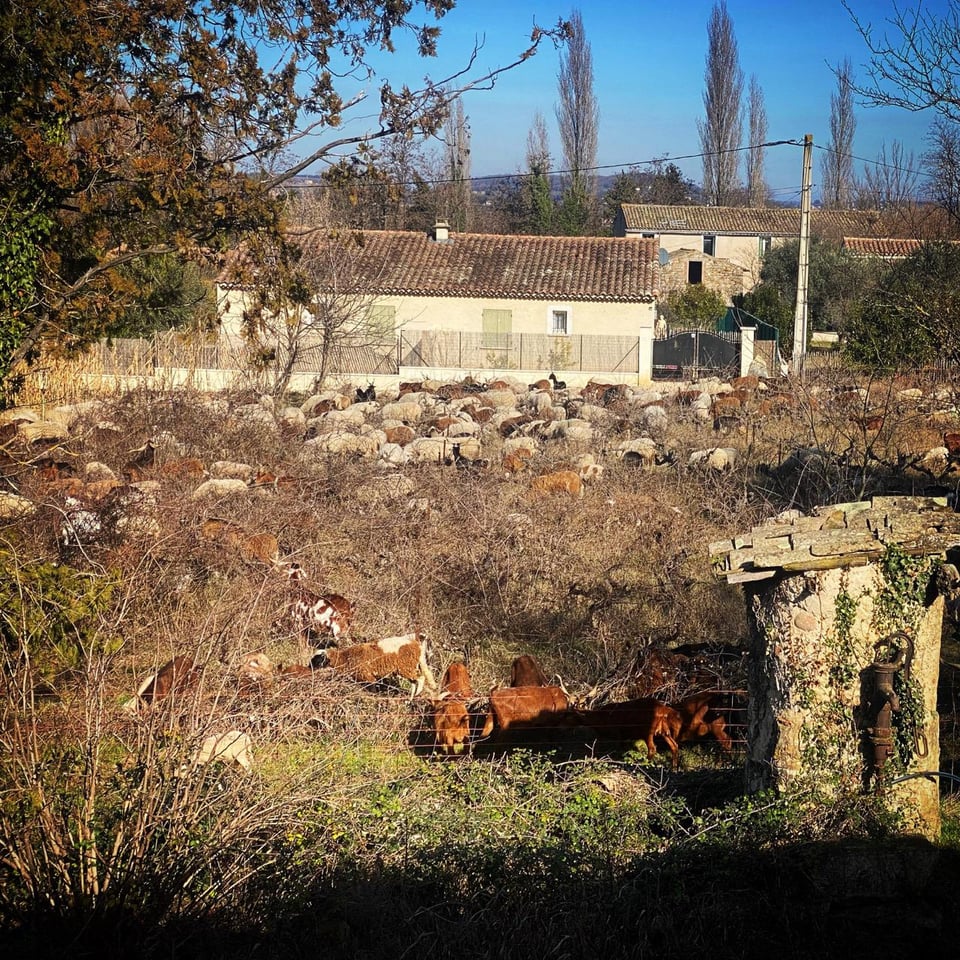
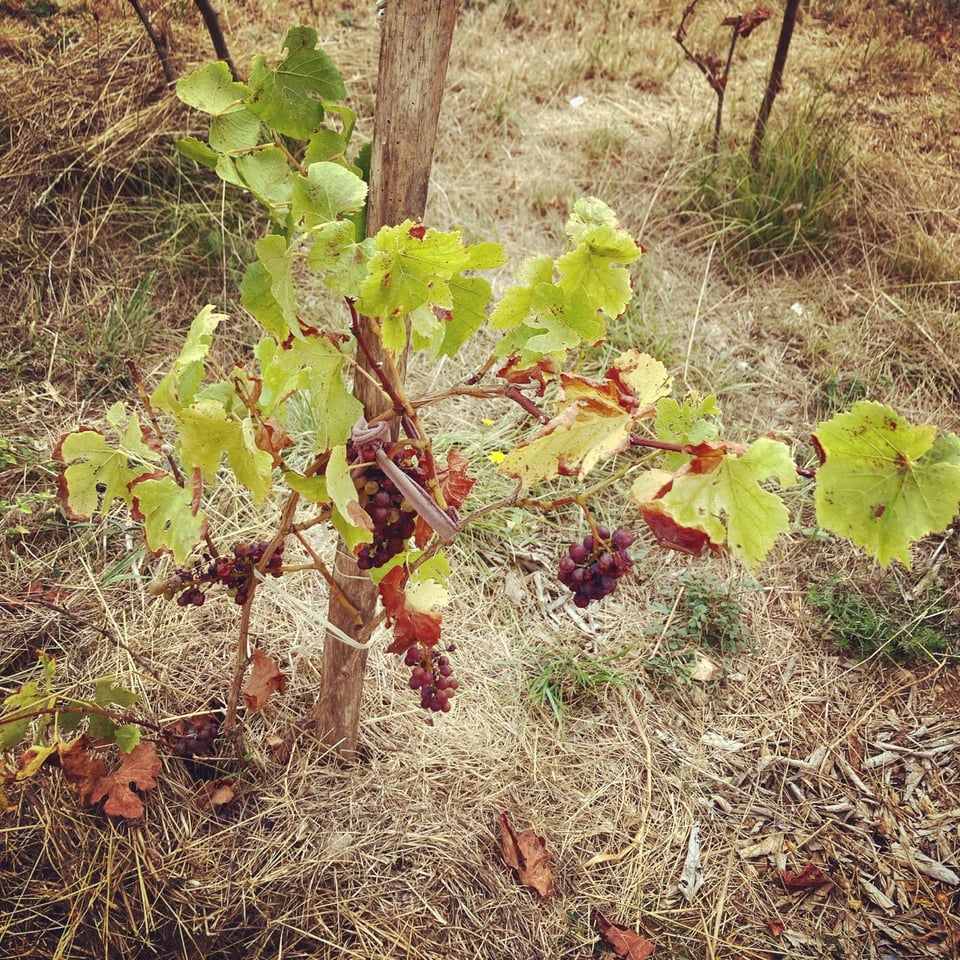
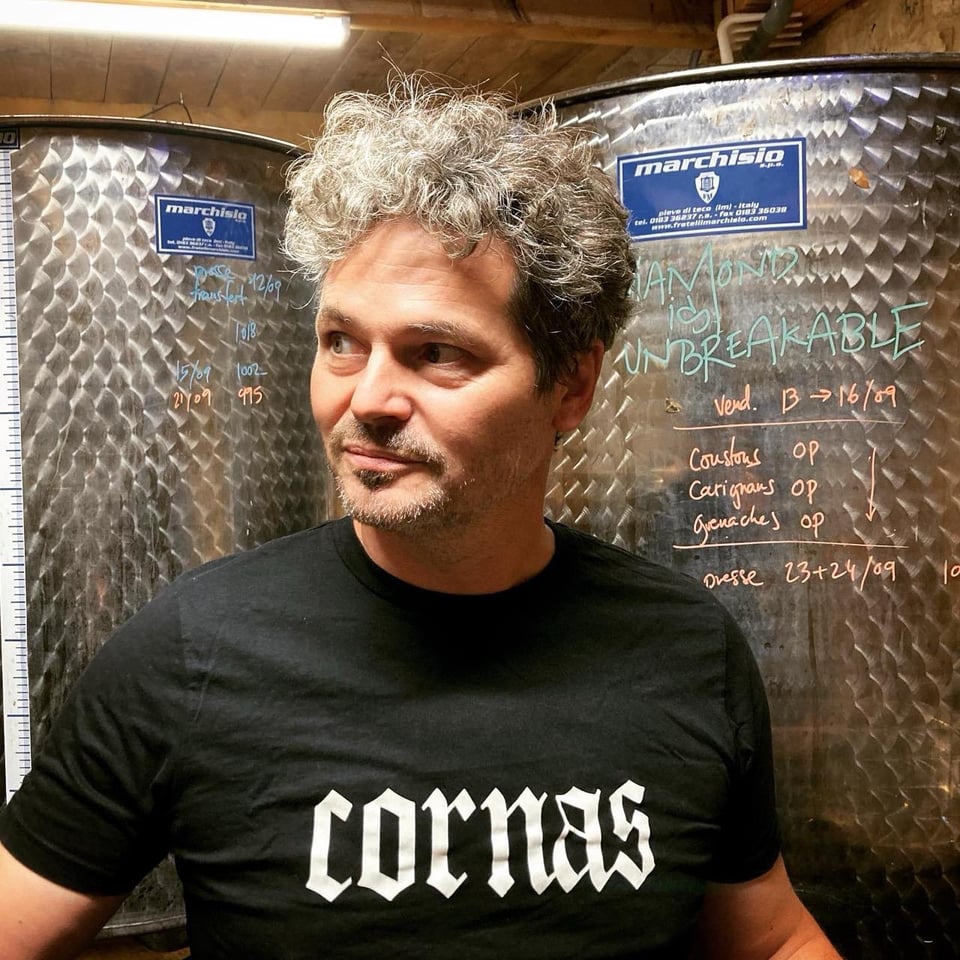
We have half a hectare of Carignan vines in a jungle-like environment and a few Coudercs 13 vines. For the other grapes, we work with quality winegrowers who allow us to harvest grapes directly from plots or rows, depending on our needs. Some cuvées are consistent, because they always come from the same plots, while others are ephemeral, opportunistic, and based on chance encounters.
The harvests of Syrah (Vénéjan), Carignan (Saint-Julien-de-Peyrolas and Tresques), Couston and Ugni Blanc (Tresques) are recurring and represent between 1.5 and 2 tonnes of grapes. The others, approximately 500 kg.
Everything is clean, certified organic or not. Purchased and personal grapes are blended.
In Vin de France, we have freedom regarding grape varieties and blends, but we cannot specify grape varieties or vintages without paperwork and financial compensation that we consider unnecessary, given that wine merchants and sommeliers know how to do this by building a relationship with both amateurs and professionals. The same applies to certification: it's up to the chemists to declare what they add. "Grapes and nothing else" is our motto. 3 series:
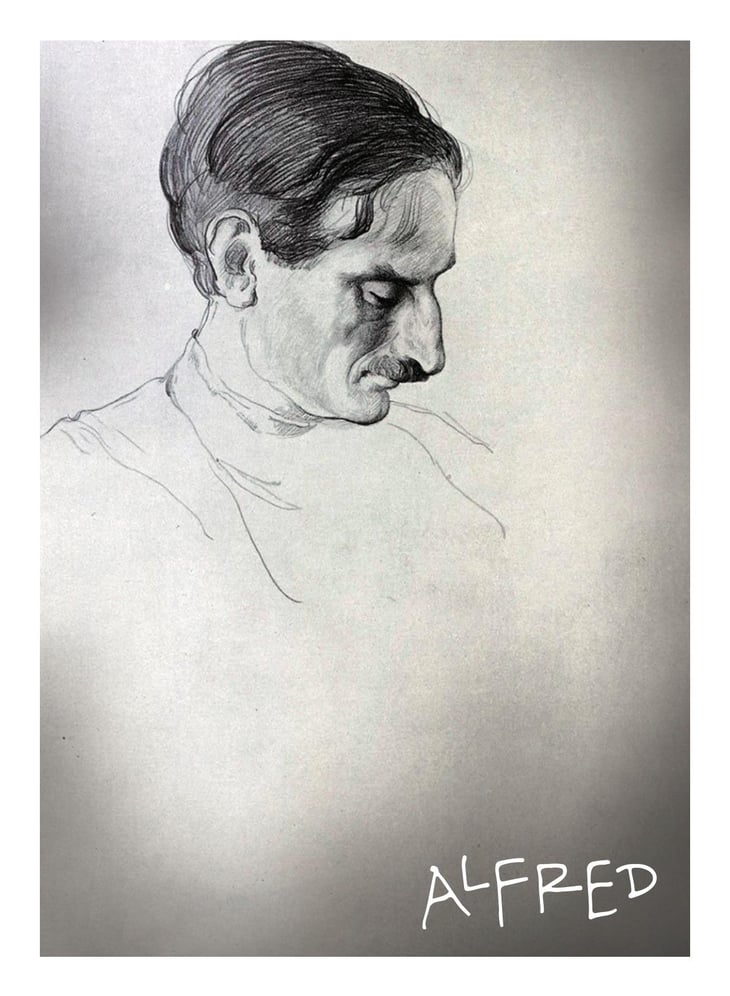
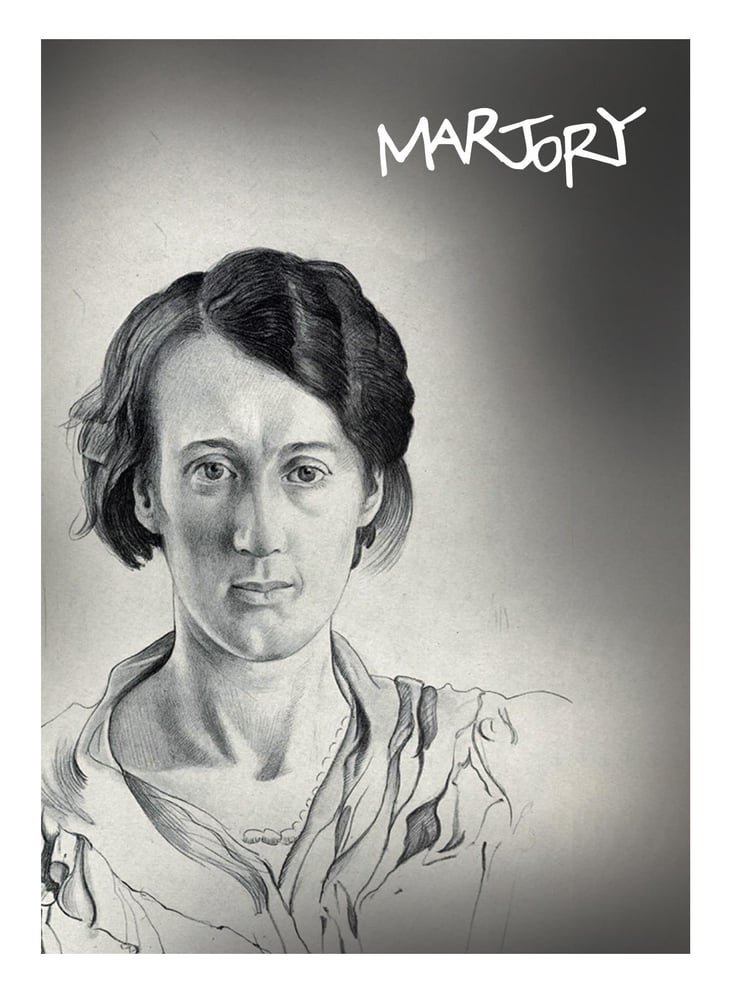
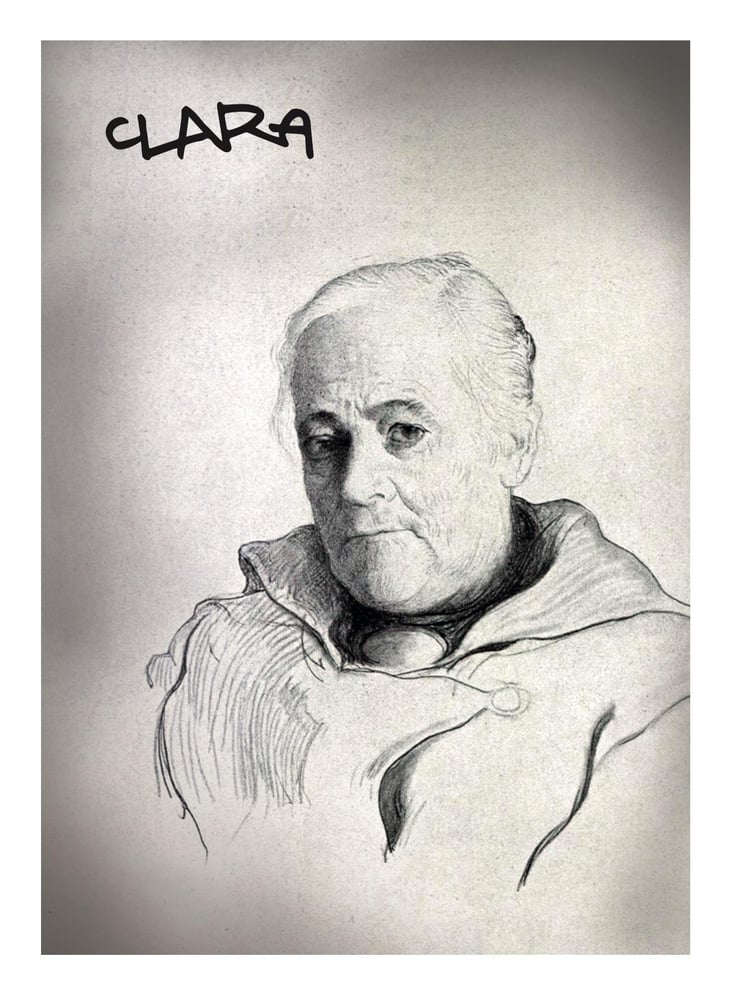
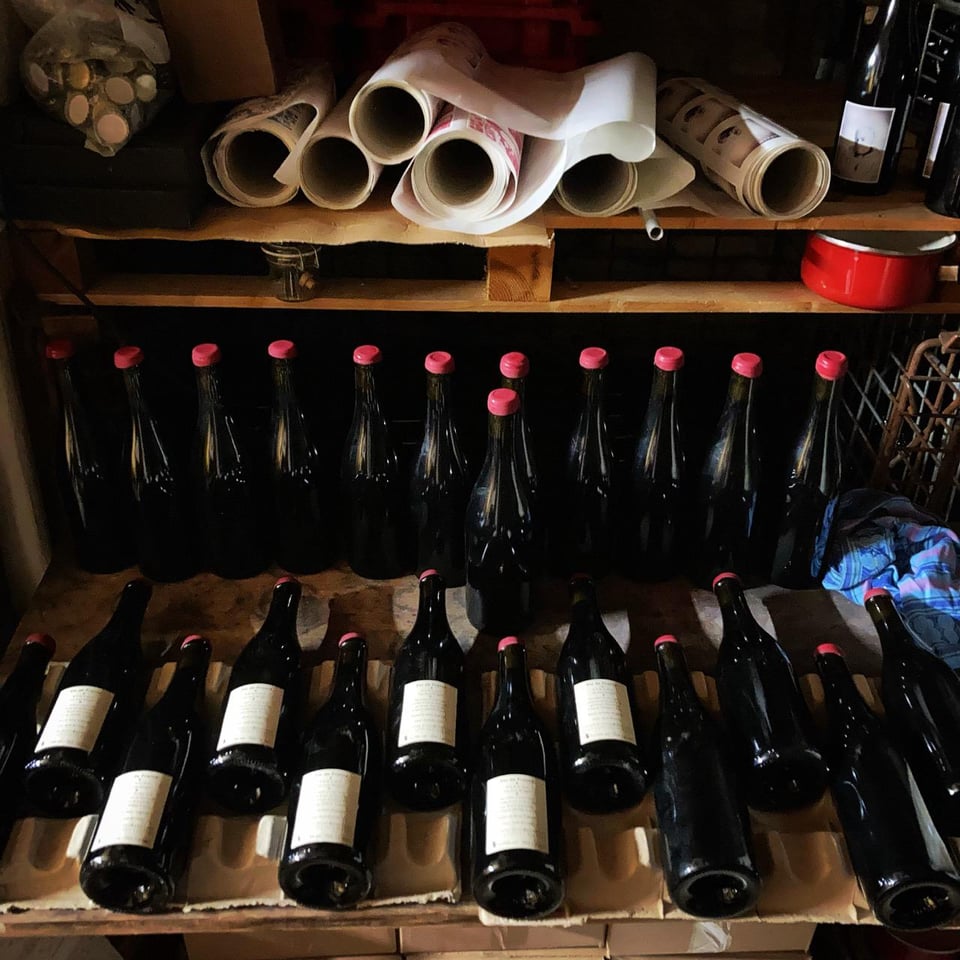
- The real reds are wines labeled with portraits of people from the working class who held free-thinking social views in the 20th century. They are old-fashioned wines, often made with whole bunches, representing the South. They are "dad-friendly": your father-in-law will think that at least these aren't sulfite-free, left-wing wines, and you'll be yelling "CHEH" behind him.
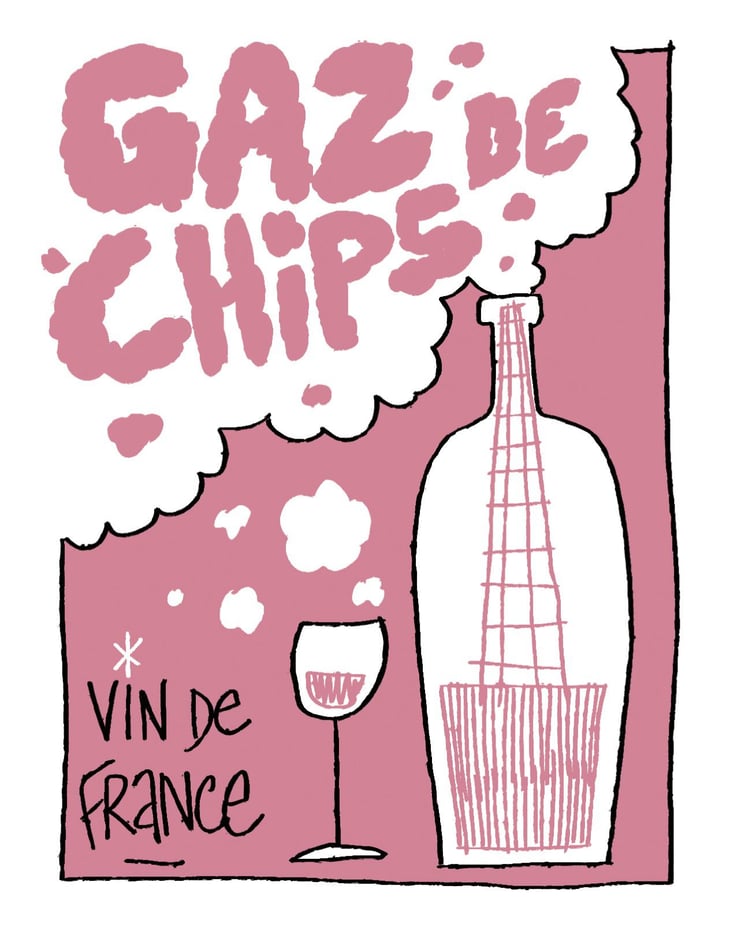
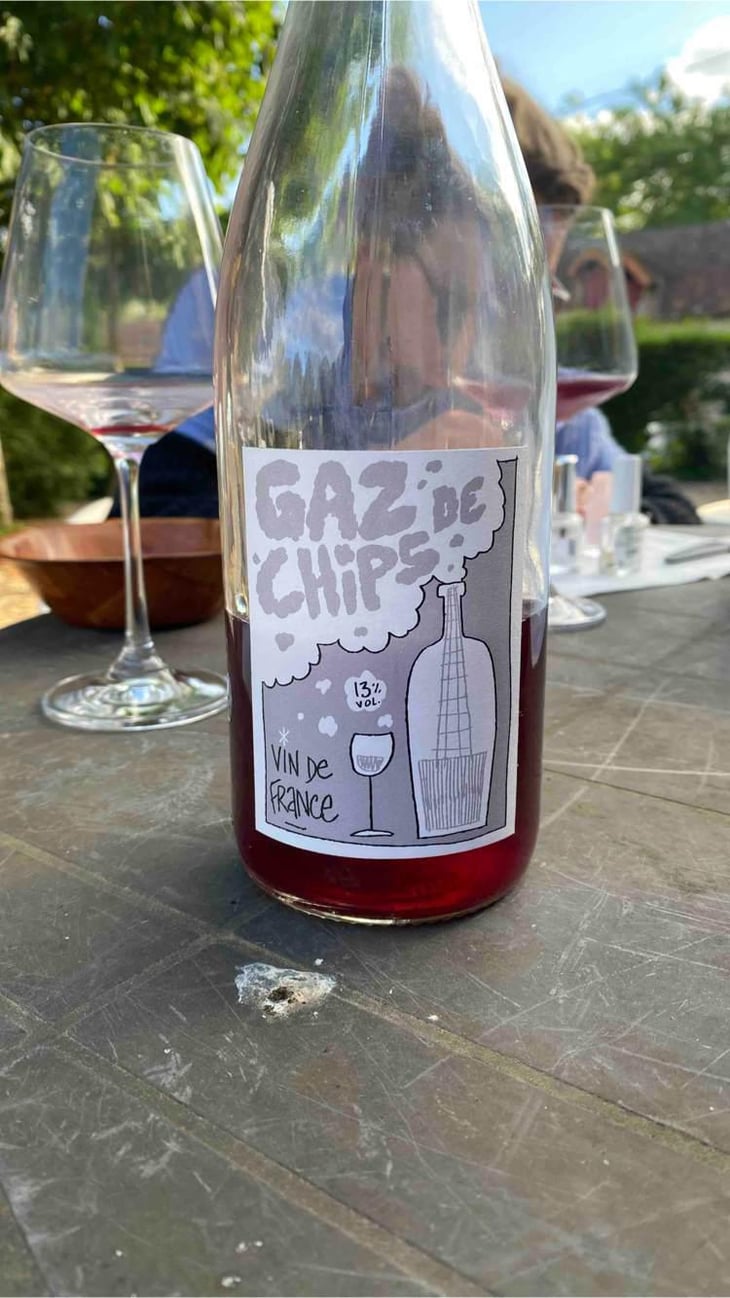
- Les Gaz de Chips are designed for aperitifs and are a tribute to the anti-shale gas resistance in our region. Since this method of hydrocarbon extraction is somewhat unsound and exploits raw materials of average quality, these wines also aim to showcase modest terroirs or grape varieties to create a pleasant, sometimes slightly sparkling, beverage.
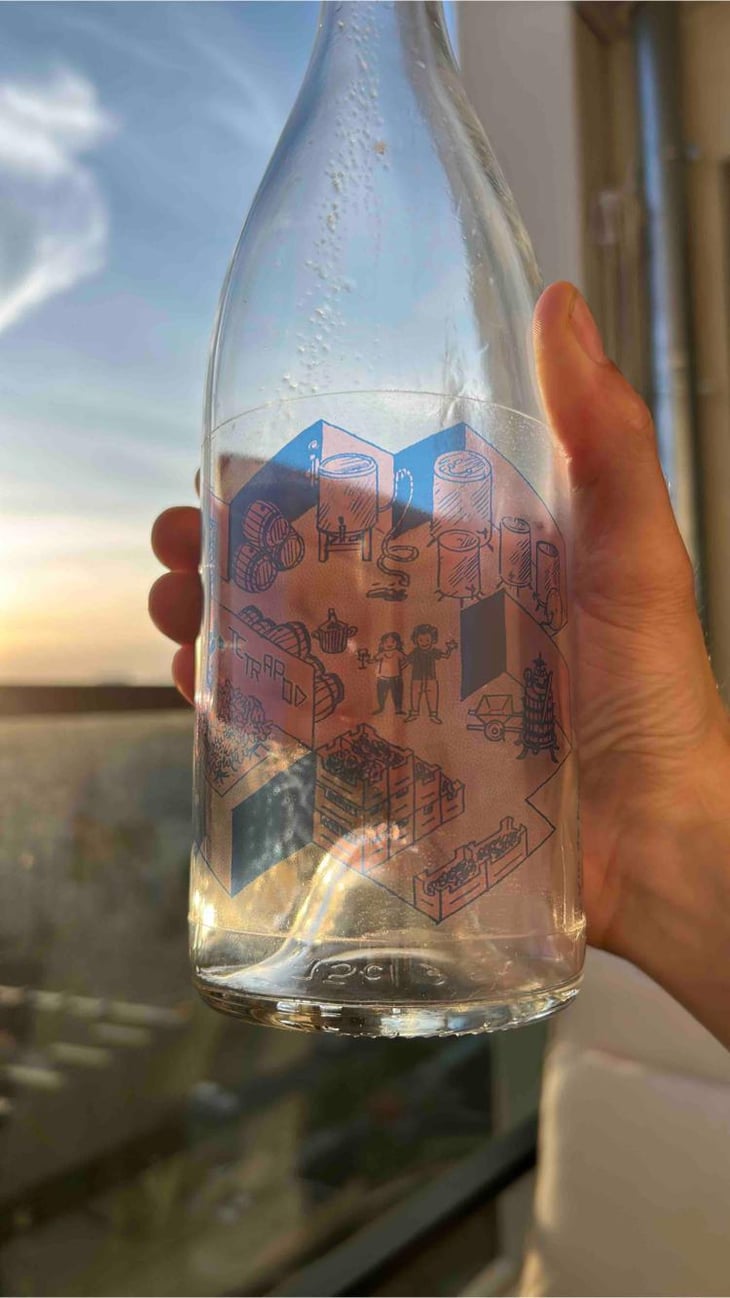
- The white wines are illustrated with drawings by various but talented artists (Yuriko, Bonaventure, my grandmother...) and are our projeeeeeet, with half a hectare of vines. Quantities are tiny (smallest batch: 26 bottles).
The wines are made without additives. We don't rule out treating a wine that's already flawed, but we don't use preventative treatments. So far, only one tank has received SO2 (2g/hectoliter).
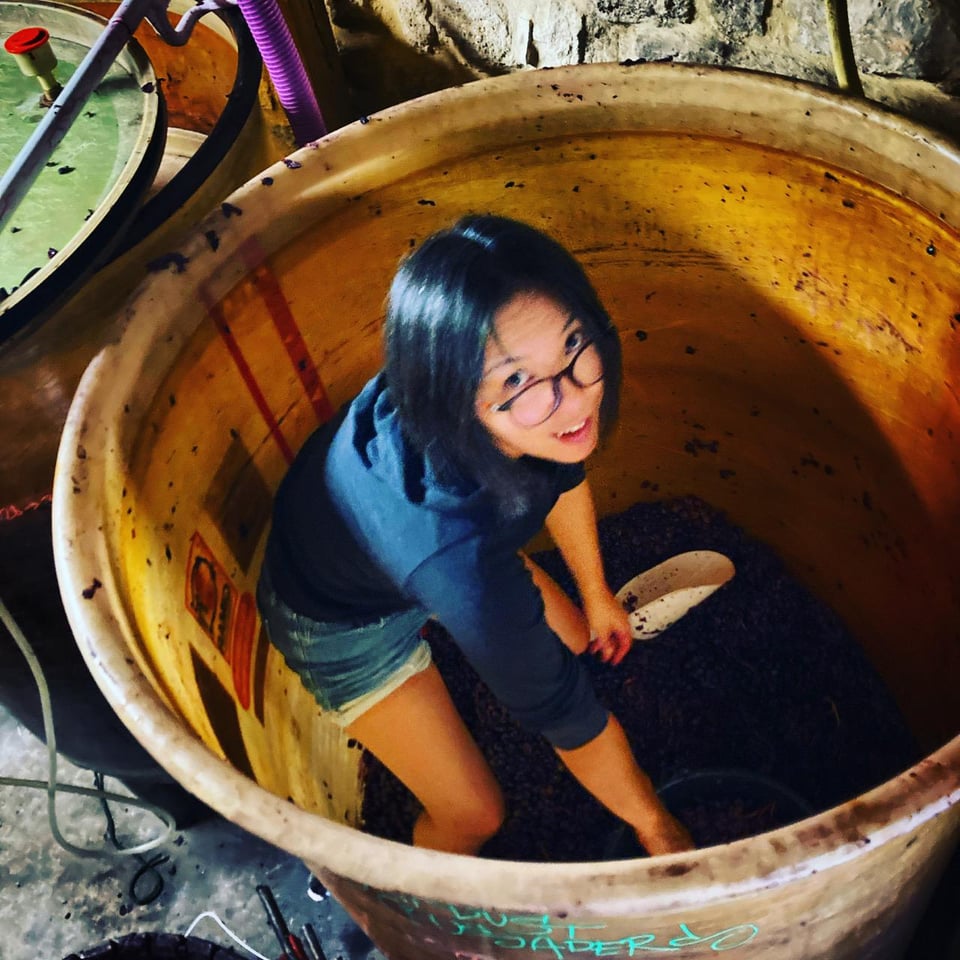
The grapes are harvested in crates by ourselves, or sometimes by a few friends passing by. Maceration lasts 5 to 10 days for the reds, sometimes longer.
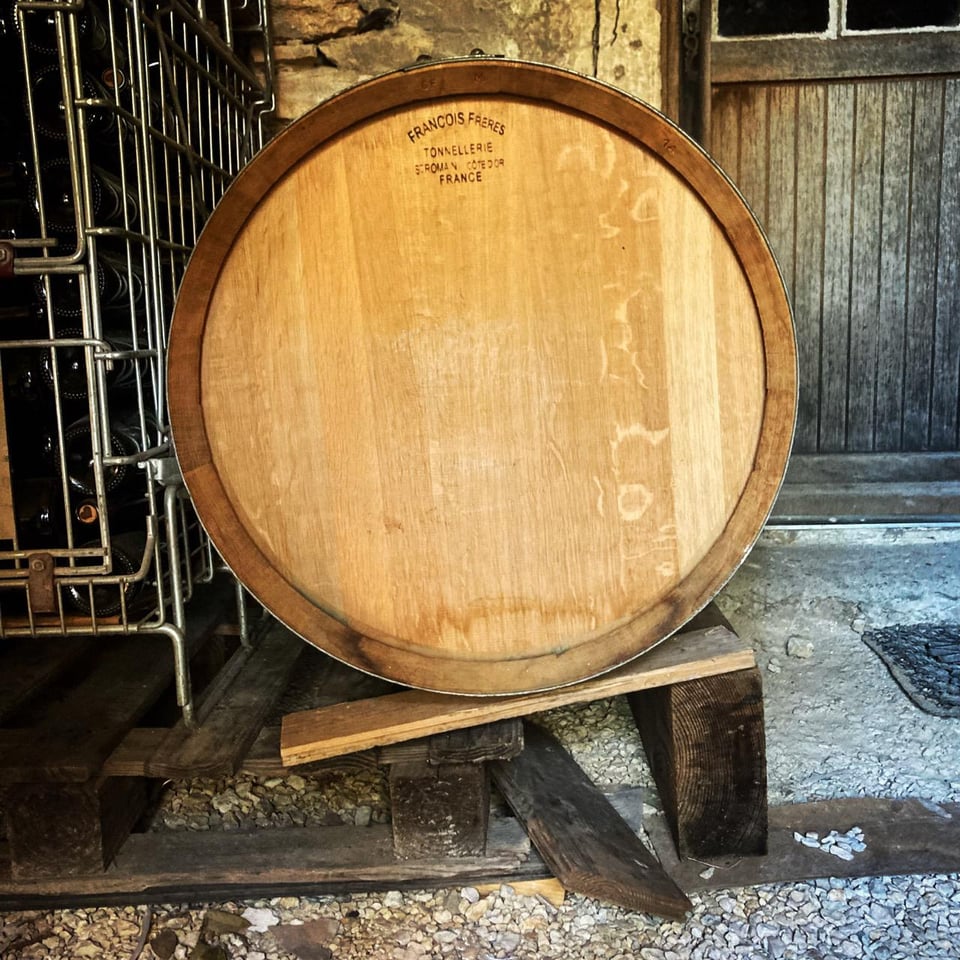
No yeast, no SO2, no starter culture, nothing. A hand press, with 20,000 wasps buzzing around it. No unnecessary handling, no pumps except for the barrels, little to no electricity. The barrels are emptied and refilled immediately to prevent spoilage. Fiber is used for fermentation, stainless steel and wood for aging.
Gravity bottling, bucket transfers, hand corking. Low tech as fuck.
The wines are only sold when we want to drink them ourselves, and primarily to people we know personally. With 2,500 bottles available per year and no intention of increasing production, this allows for some wonderful encounters.
No rose wines at the moment.
No sparkling wines at the moment.
FIND THE EVENT YOU ATTEND
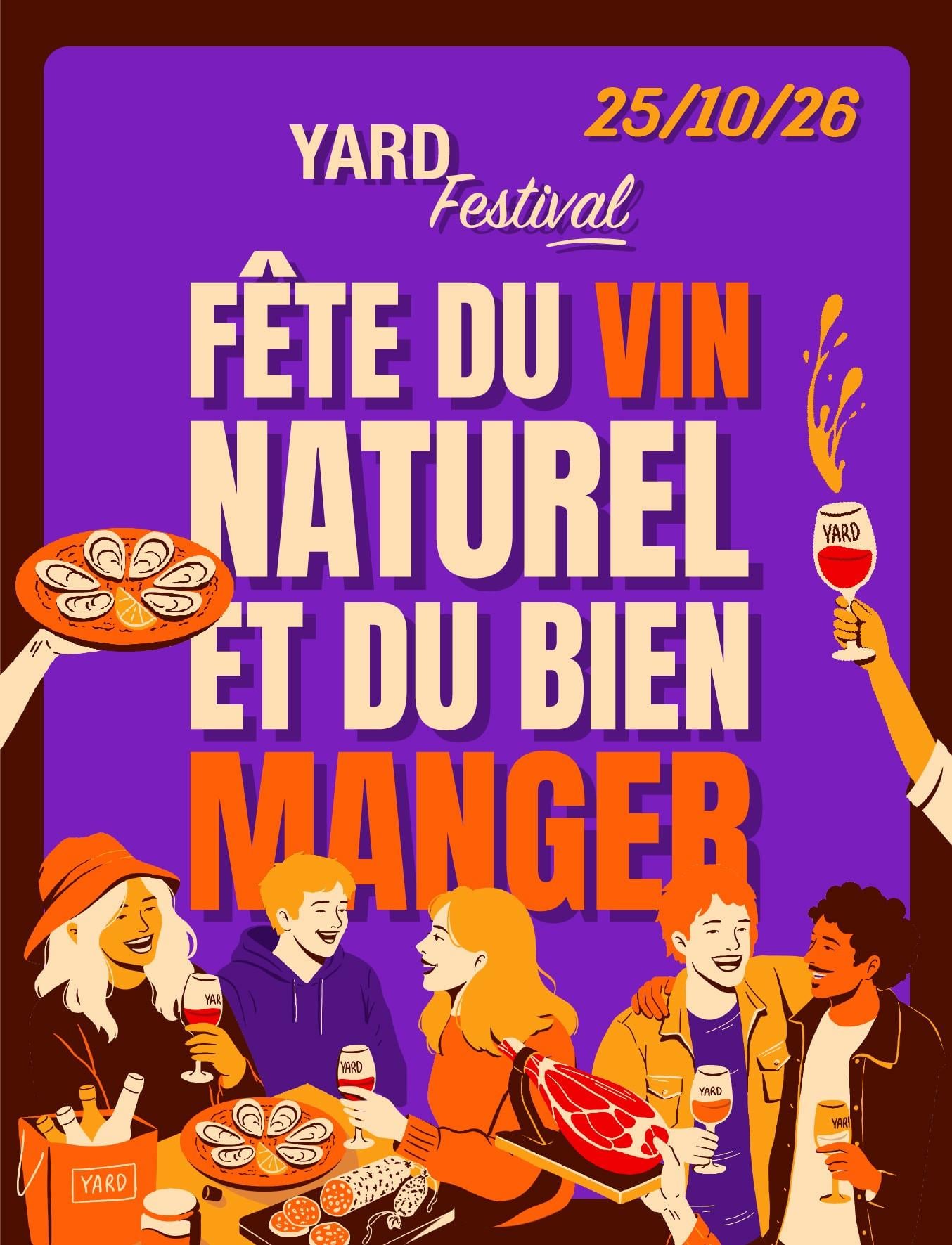
Sunday October 25
Paris
6492 KM

Saturday October 31 - Sunday November 01
Mulhouse
6872 KM
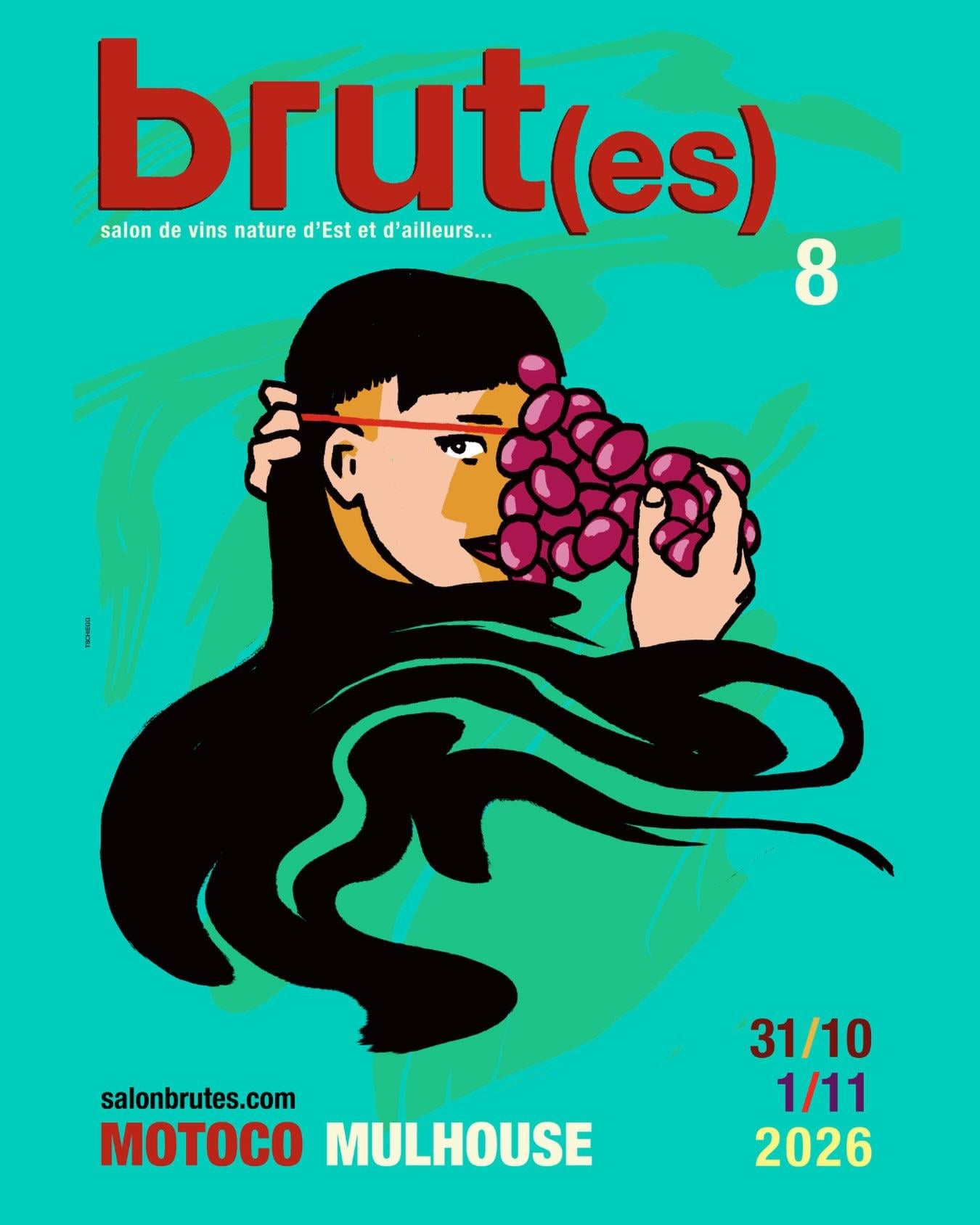
Saturday October 31 - Sunday November 01
Mulhouse
6872 KM

Sunday November 08 - Monday November 09
Turin
7047 KM
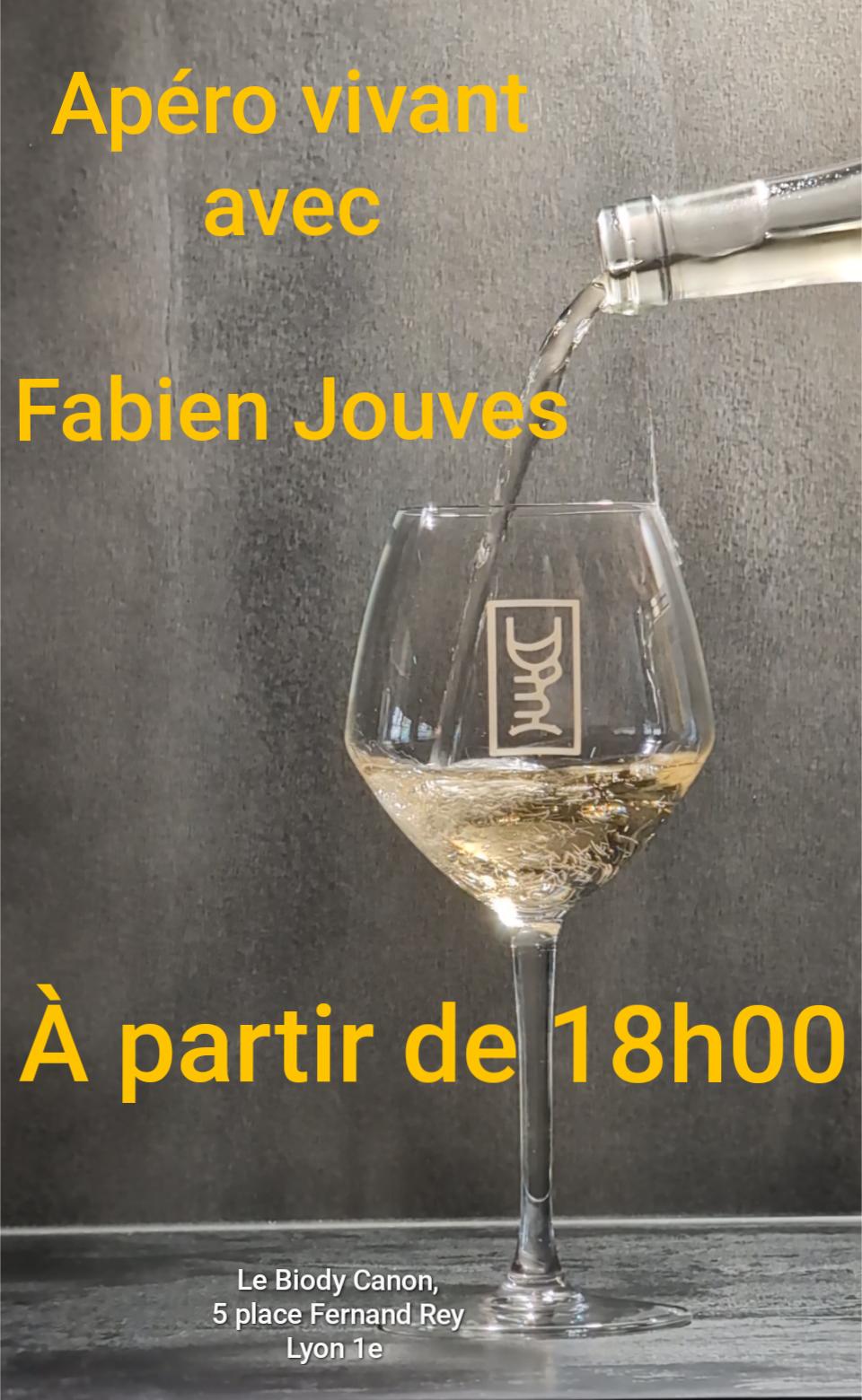
Wednesday September 23
LyonFrance
6814 KM
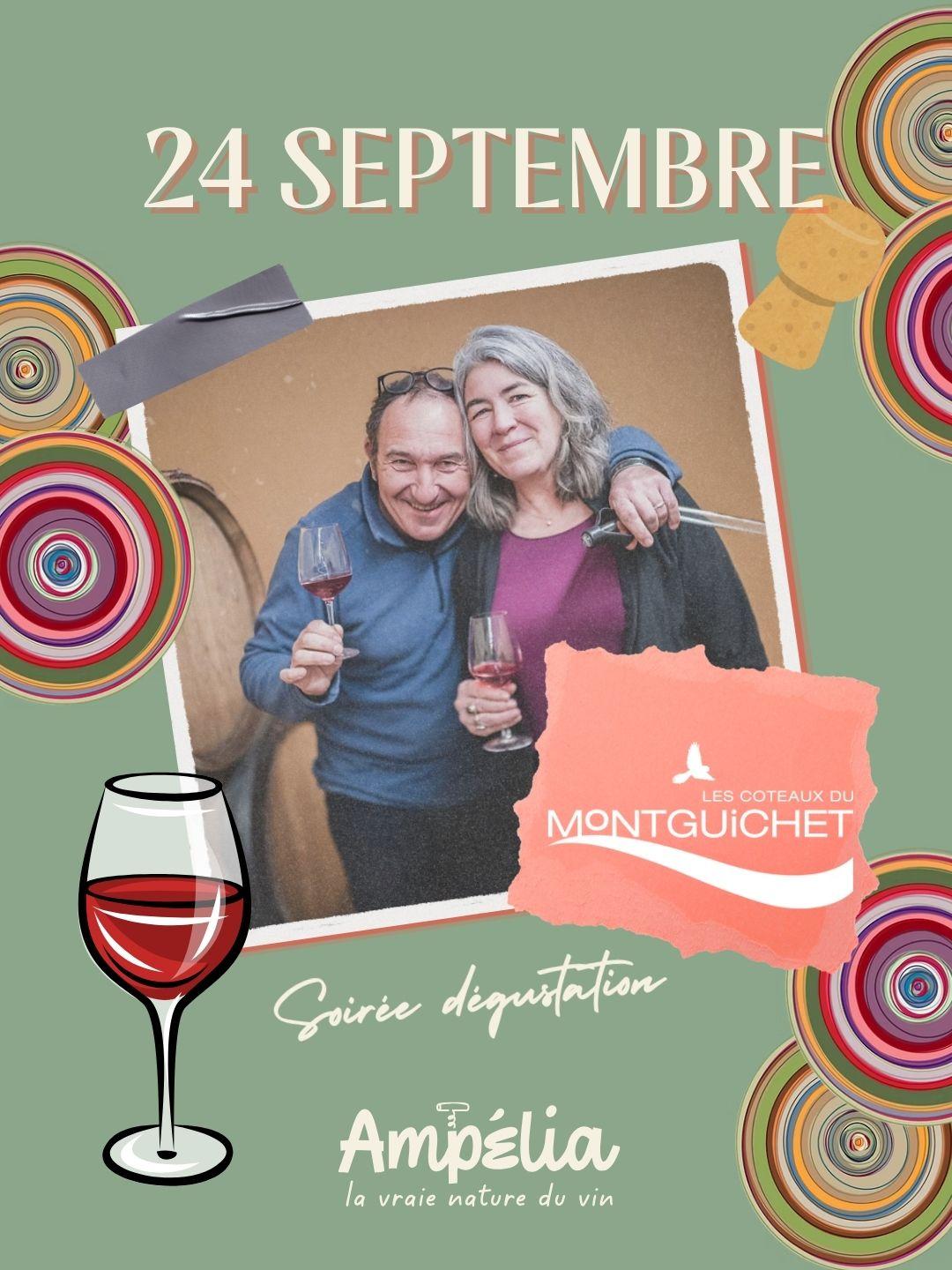
Thursday September 24
ParisFrance
6491 KM
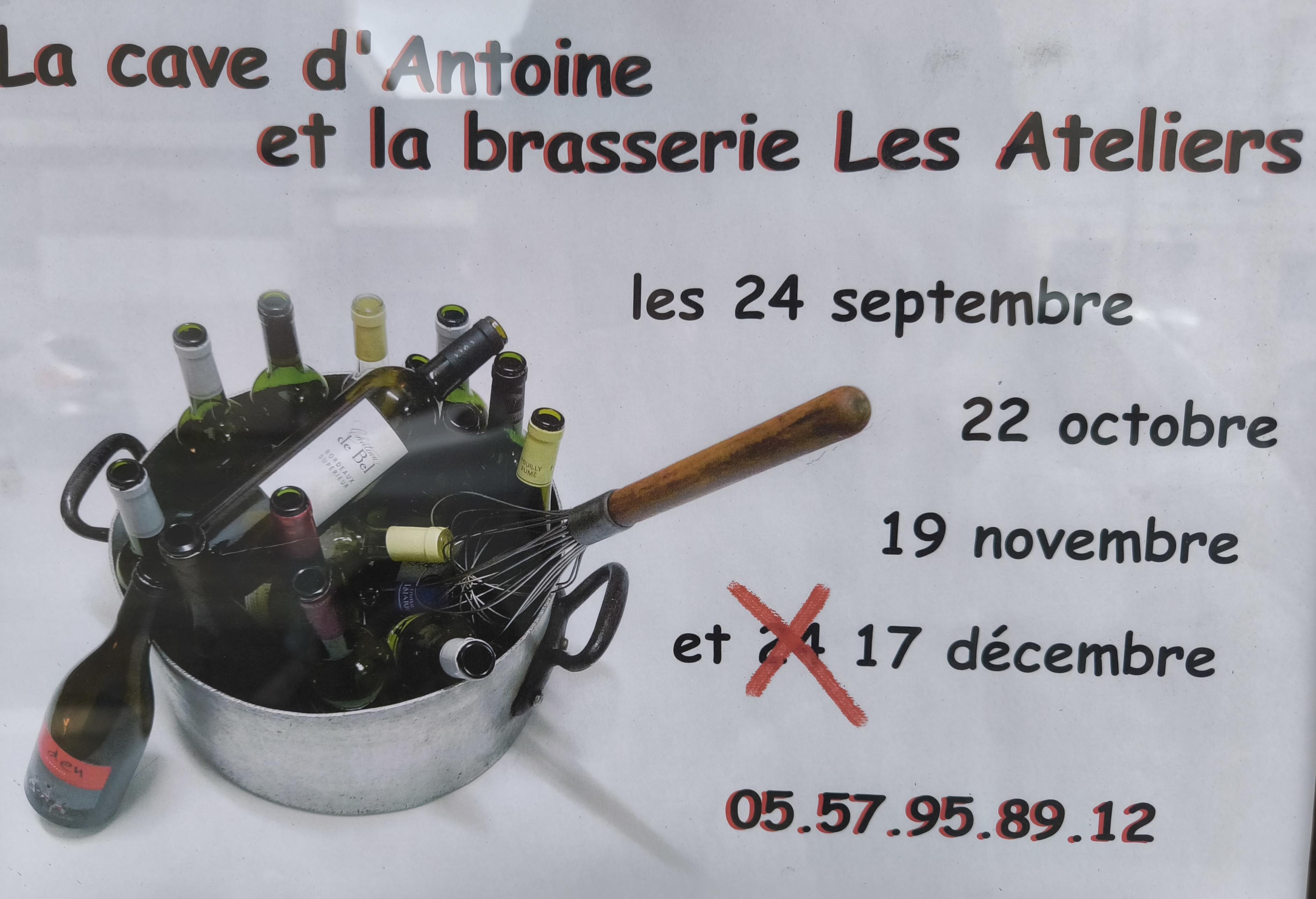
Thursday September 24
BordeauxFrance
6491 KM
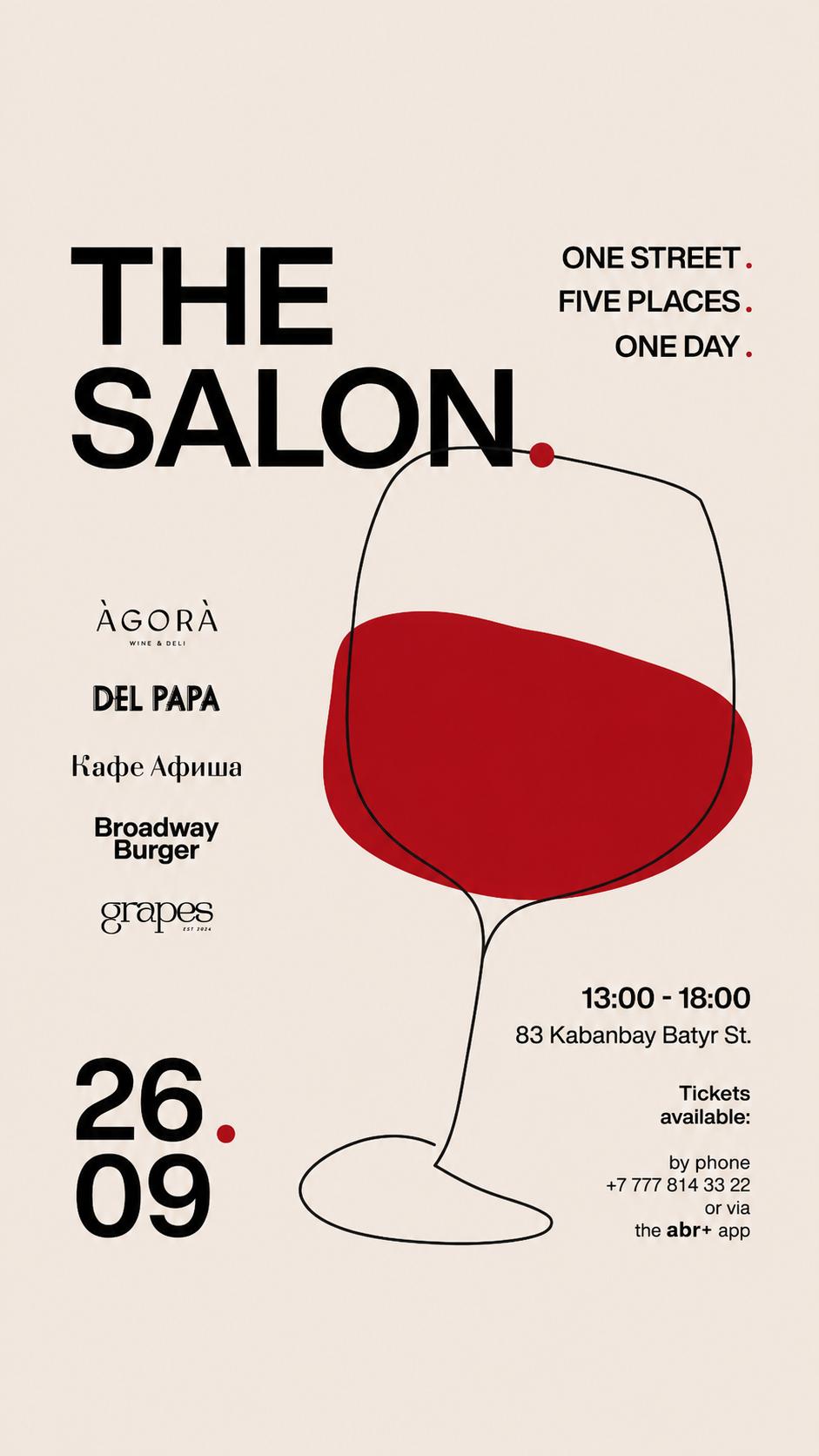
Saturday September 26
AlmatyKazakhstan
10546 KM
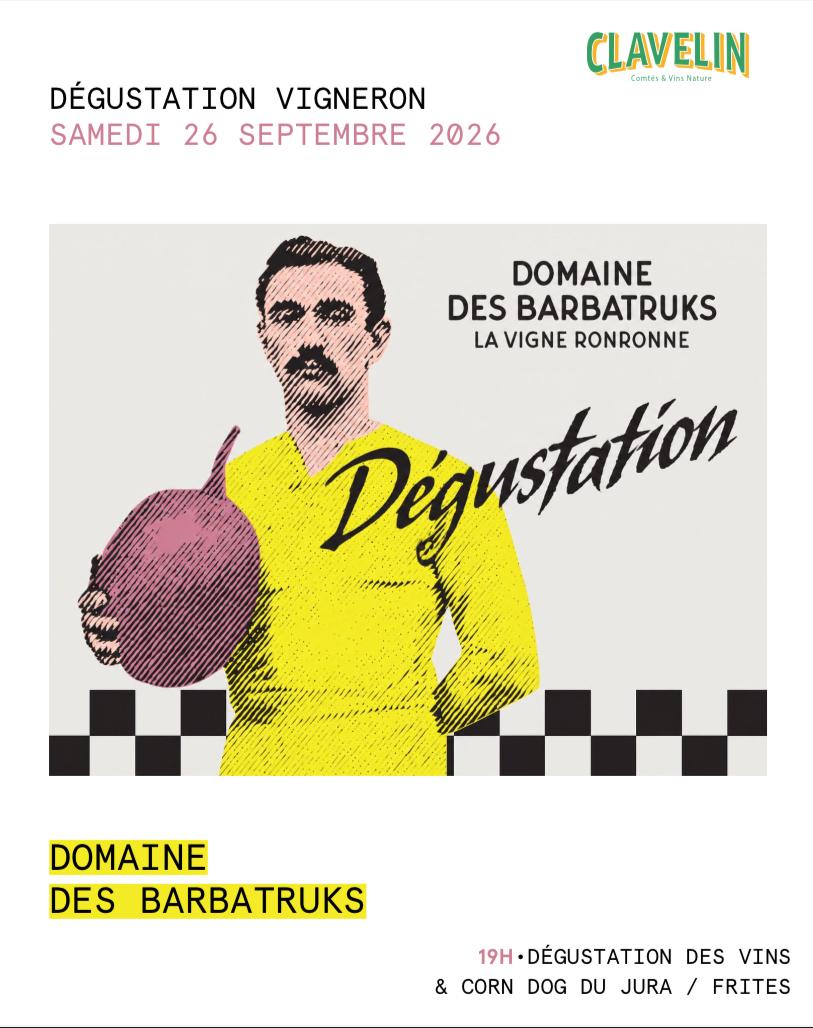
Saturday September 26
Paris
6488 KM
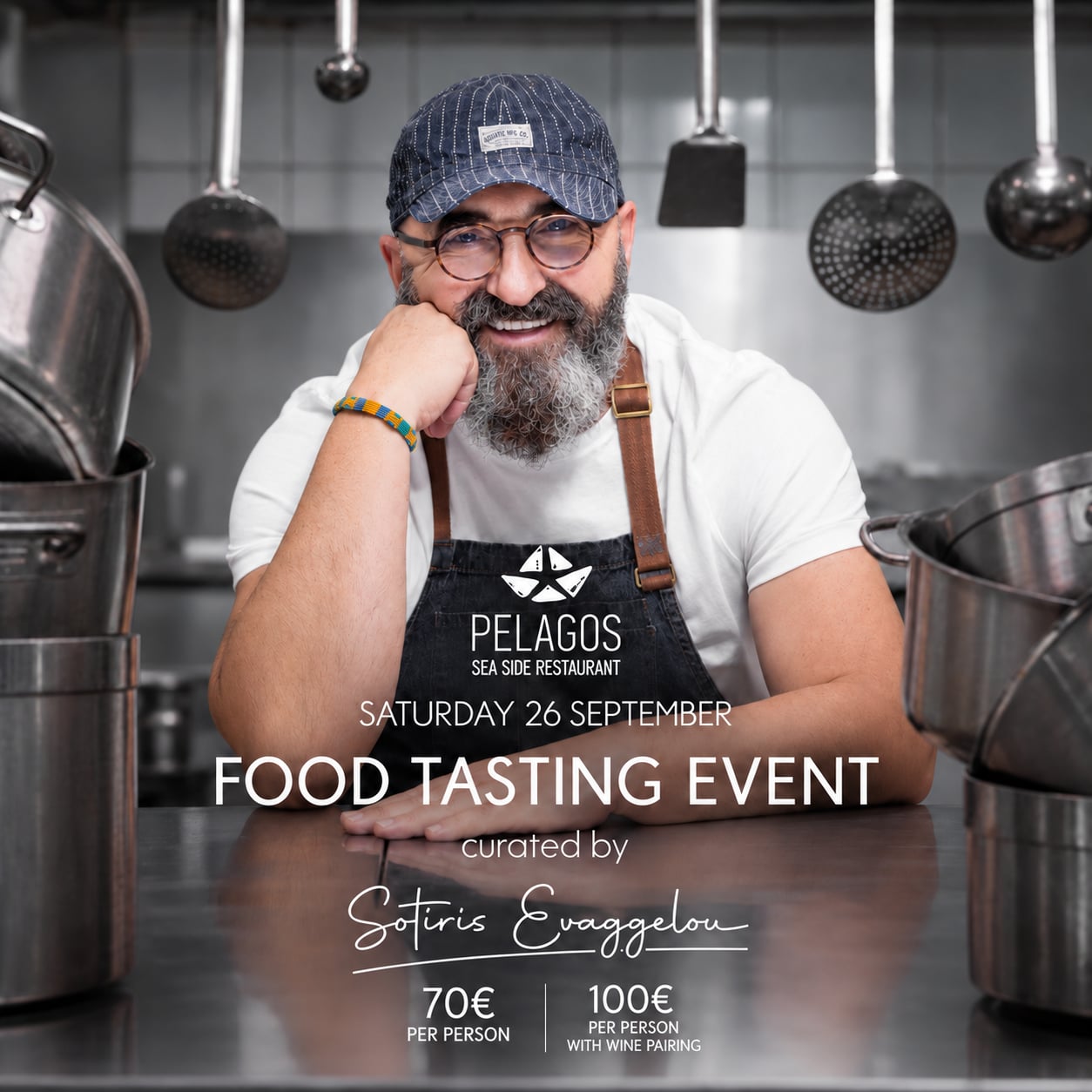
Saturday September 26
Ierapetra Municipal UnitGreece
8946 KM
 Winemakers
 Restaurants
 Bars
Bars Wine Shops
 Accommodations
 Events