16 692 8580 KM
Calce is a small piece of limestone torn from the Corbières and fractured by the birth of the Pyrenees. The numerous vertical faults that cross this limestone plateau have given rise to multiple valleys oriented East/West where the variations of limestone, marl and then schist soils can be read to the meter.
The wines are predominantly blends of grape varieties, but above all, of terroir. This diversity of soils adds complexity. Carignan, Grenache Noir, Syrah, and Mourvèdre form the structure of the reds; Maccabeu, Grenache Blanc, and Gris for the whites. The strong wind patterns (tramontane and marine) on this small promontory contribute to naturally fresh balances in these otherwise Mediterranean wines.
Working the vines and soil using agrobiological and biodynamic methods also allows us to achieve this quest for digestibility and authenticity. This involves light winter and/or spring tilling, natural ground cover, summer mowing, phytotherapeutic treatments in addition to sulfur, and biodynamic spraying (primarily 500). The harvest is transported in small crates from the vine to the cellar.
For the reds: sorting in the vineyard, non-systematic destemming, manual vatting and devatting, "autochthonous" fermentations, no acidification or enzymatic addition, moderate and non-systematic use of SO2, maceration in concrete vats, aging in concrete or old demi-muids.
For the whites: delicate pressing, light settling, slow natural fermentations (alcoholic and malolactic) mostly in old 300 or 600 litre barrels, aging on total lees without stirring or racking until bottling.
All work in the vineyard or cellar is guided by instinct, with lunar calendars as daily tools, without any pretense of possessing any truth whatsoever, but above all with the desire to guide the vine and the wine according to its observations (often very subjective).
No sparkling wines at the moment.
FIND THE EVENT YOU ATTEND
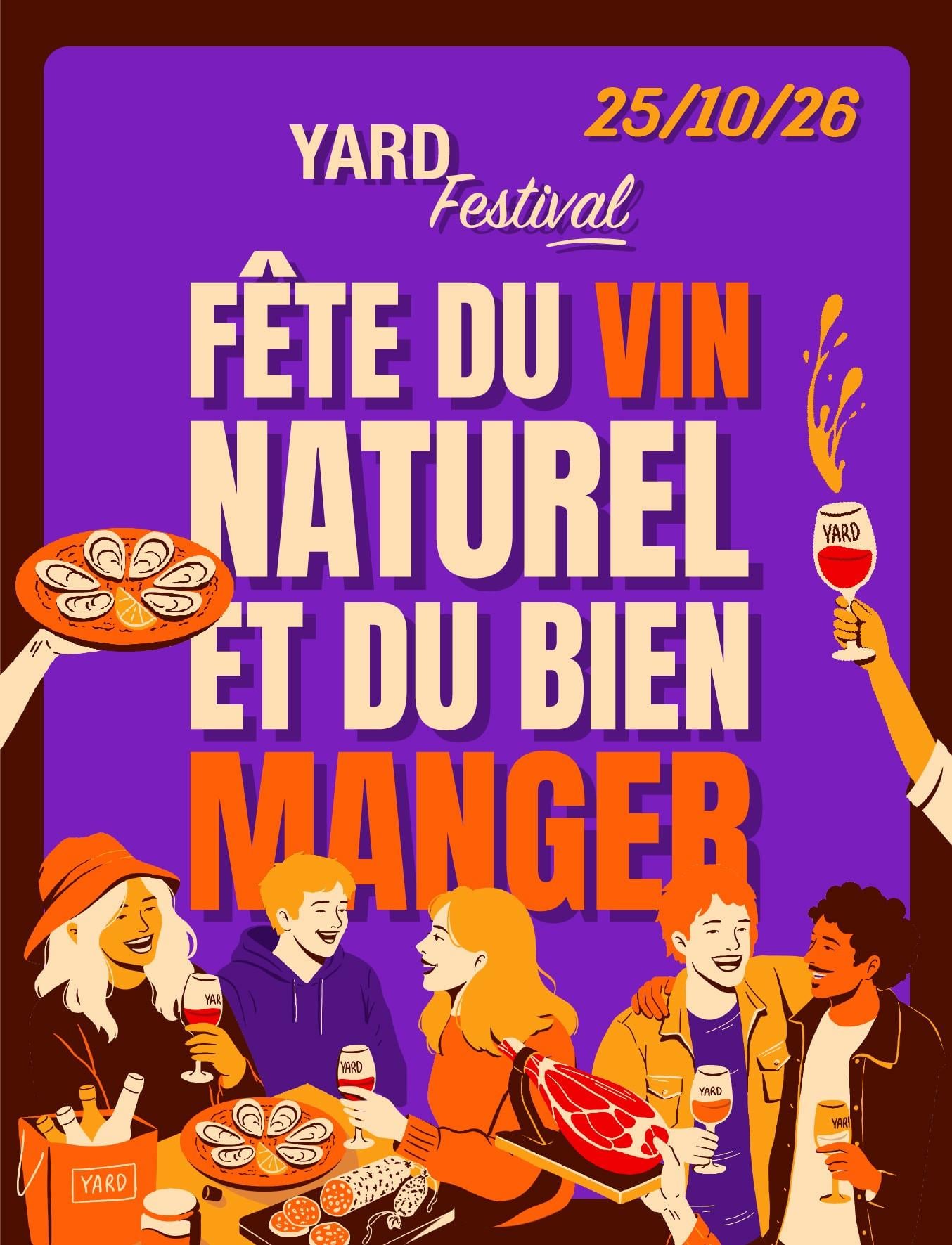
Sunday October 25
Paris
6492 KM
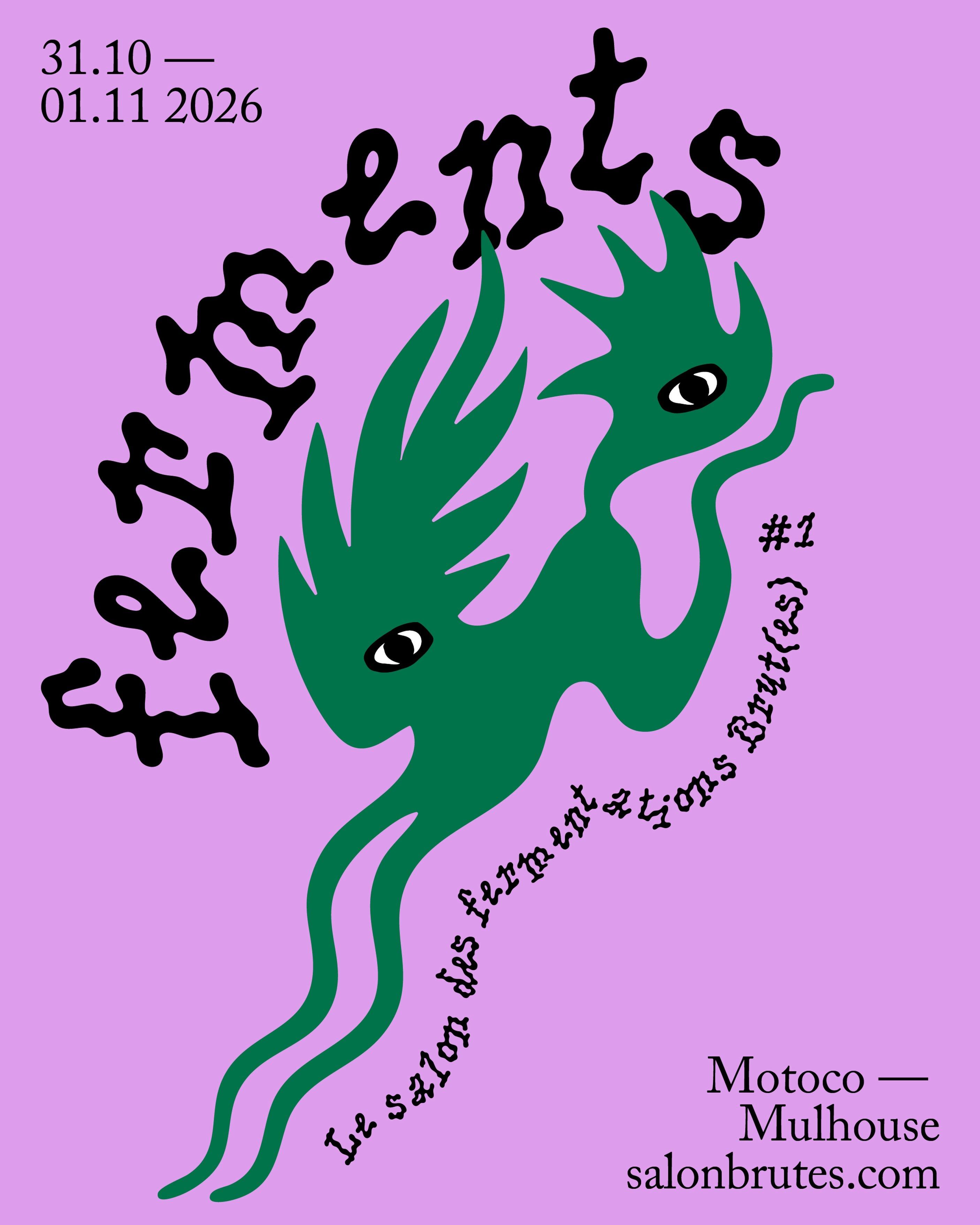
Saturday October 31 - Sunday November 01
Mulhouse
6872 KM
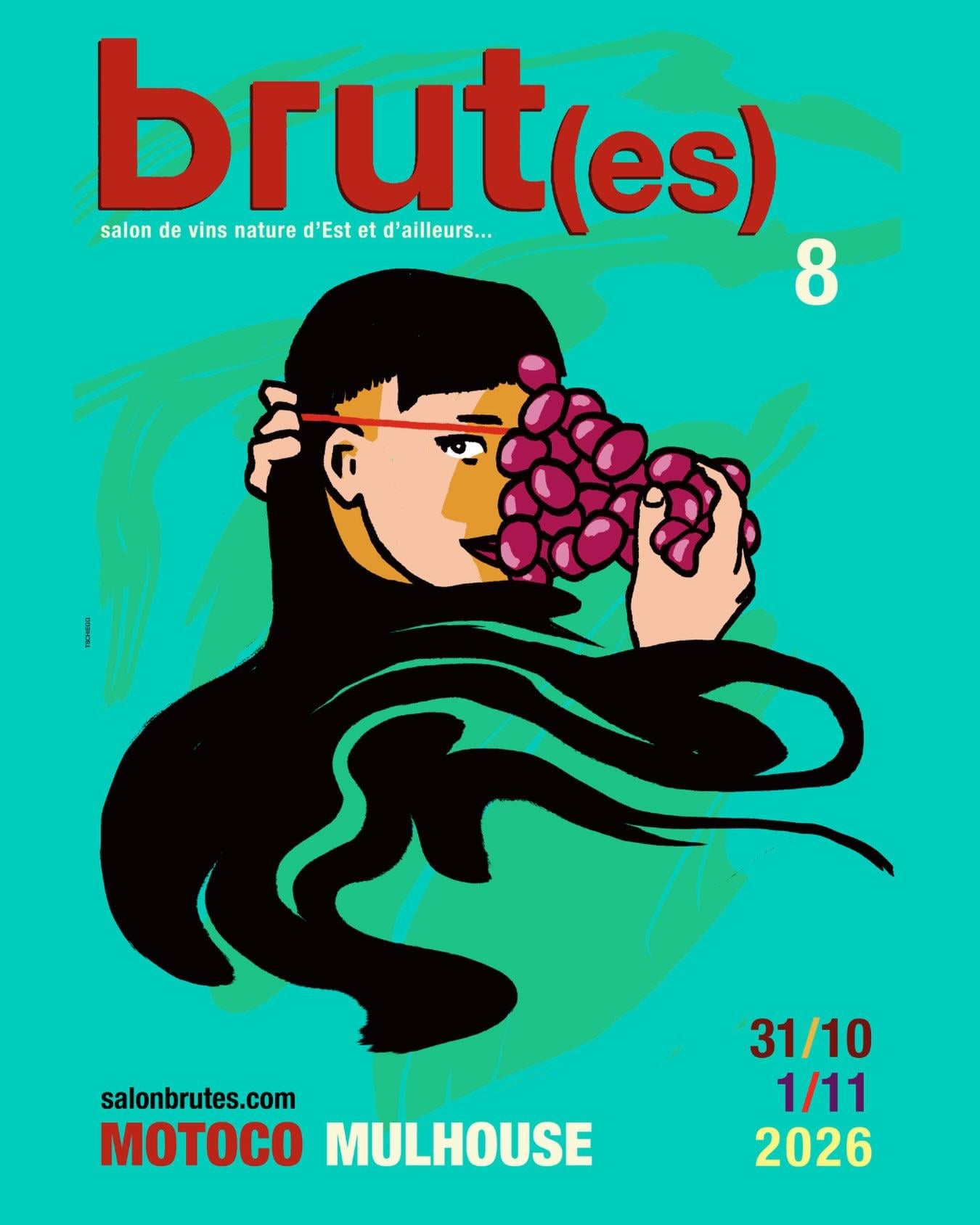
Saturday October 31 - Sunday November 01
Mulhouse
6872 KM

Sunday November 08 - Monday November 09
Turin
7047 KM
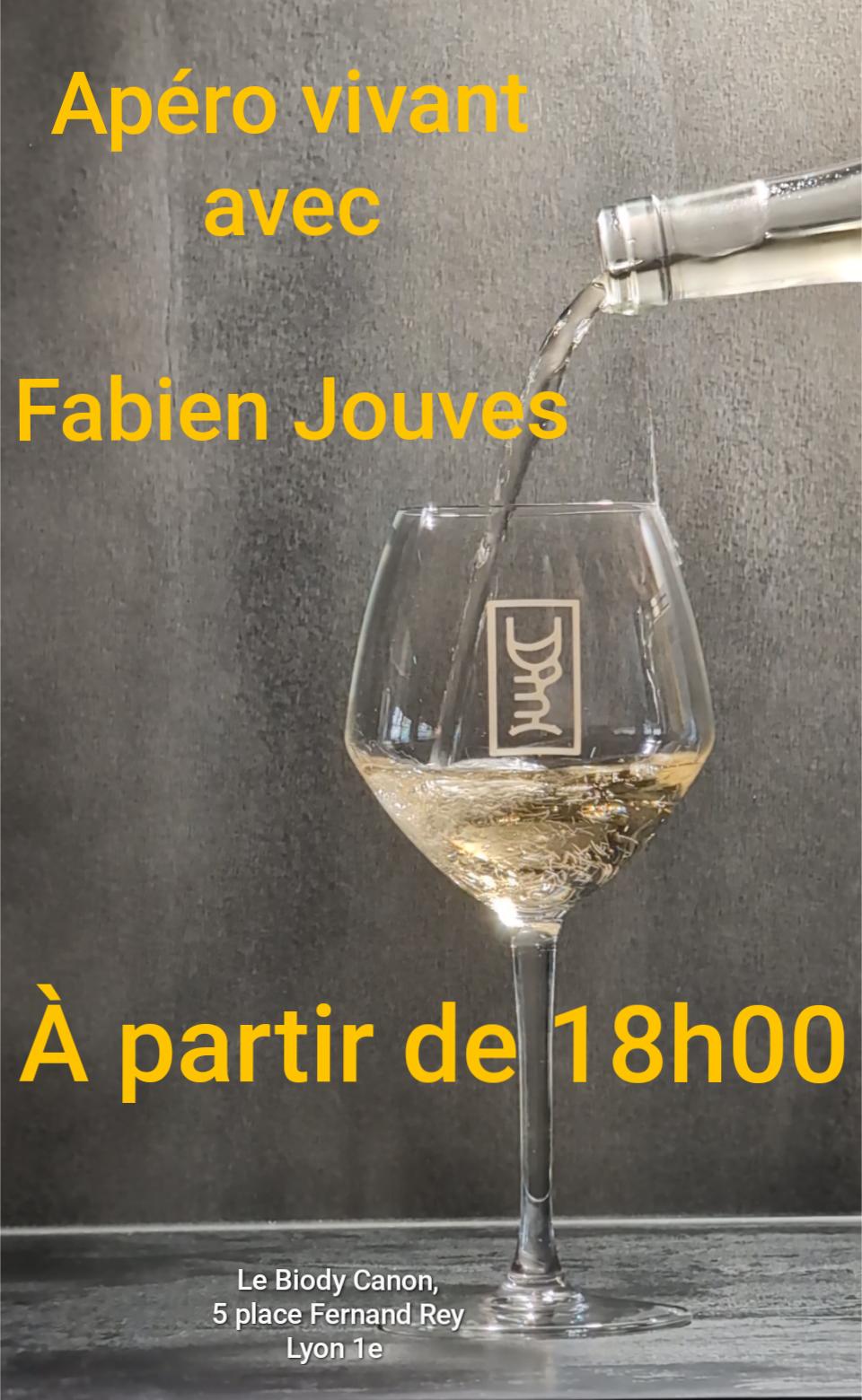
Wednesday September 23
LyonFrance
6814 KM
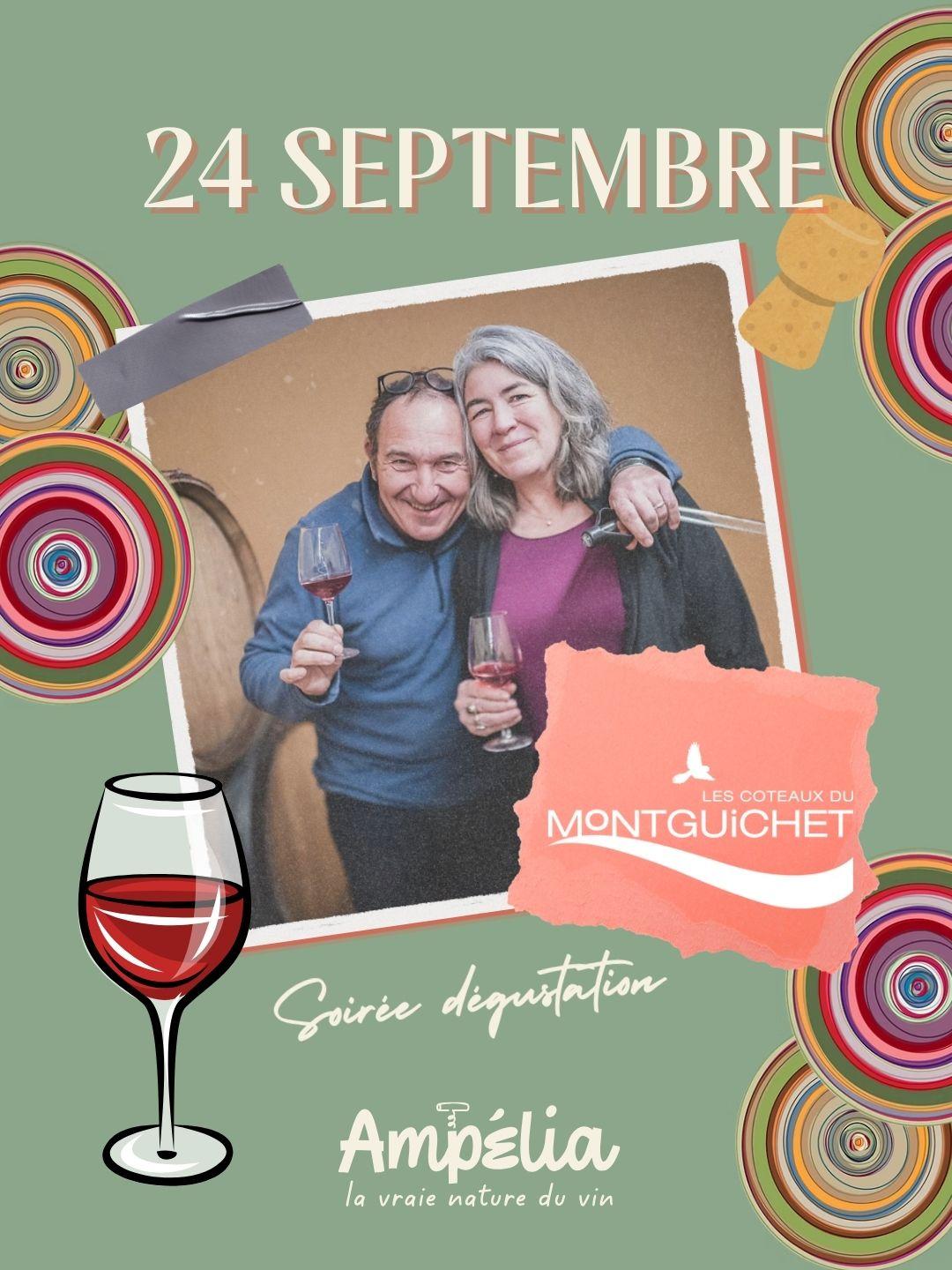
Thursday September 24
ParisFrance
6491 KM
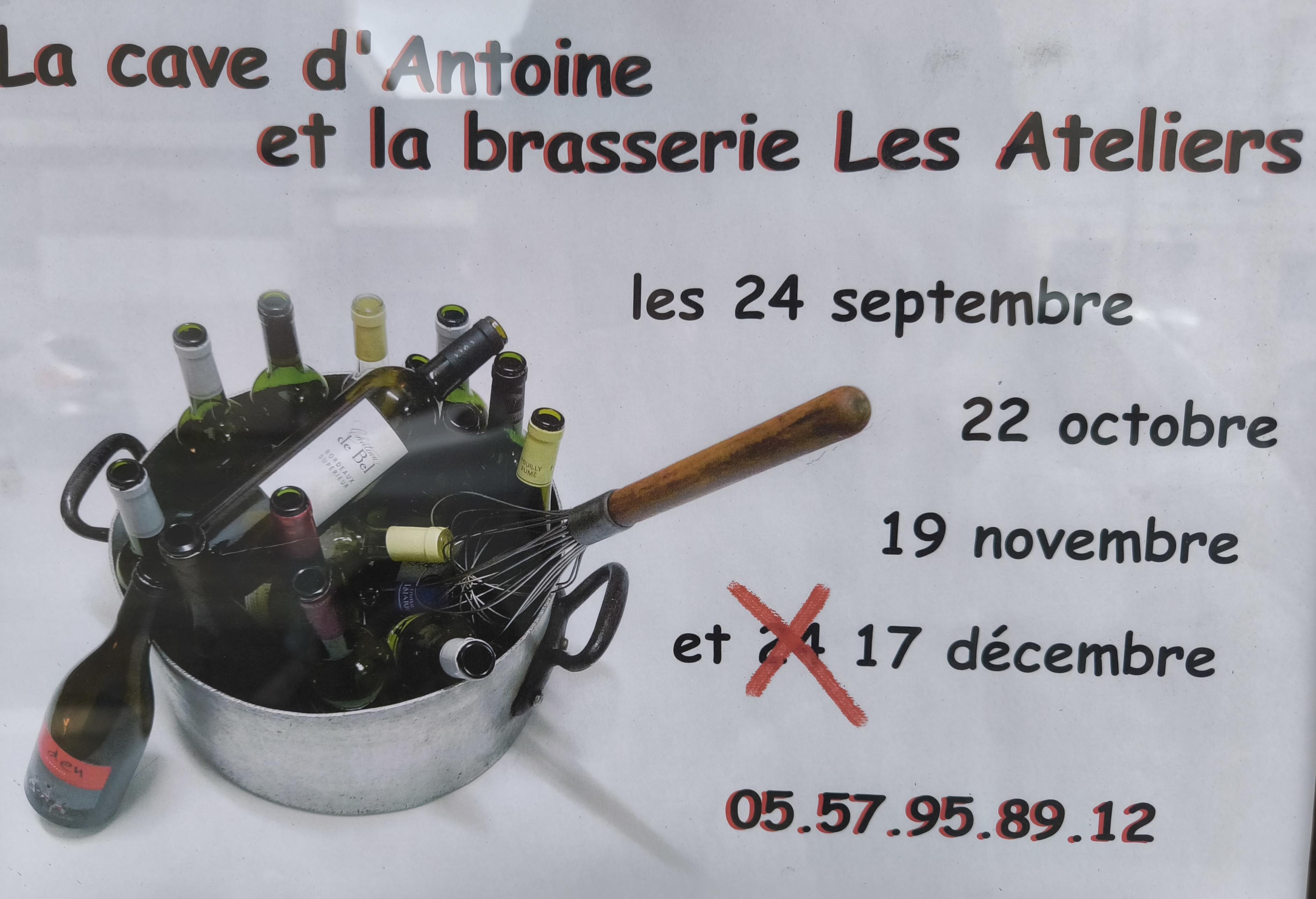
Thursday September 24
BordeauxFrance
6491 KM
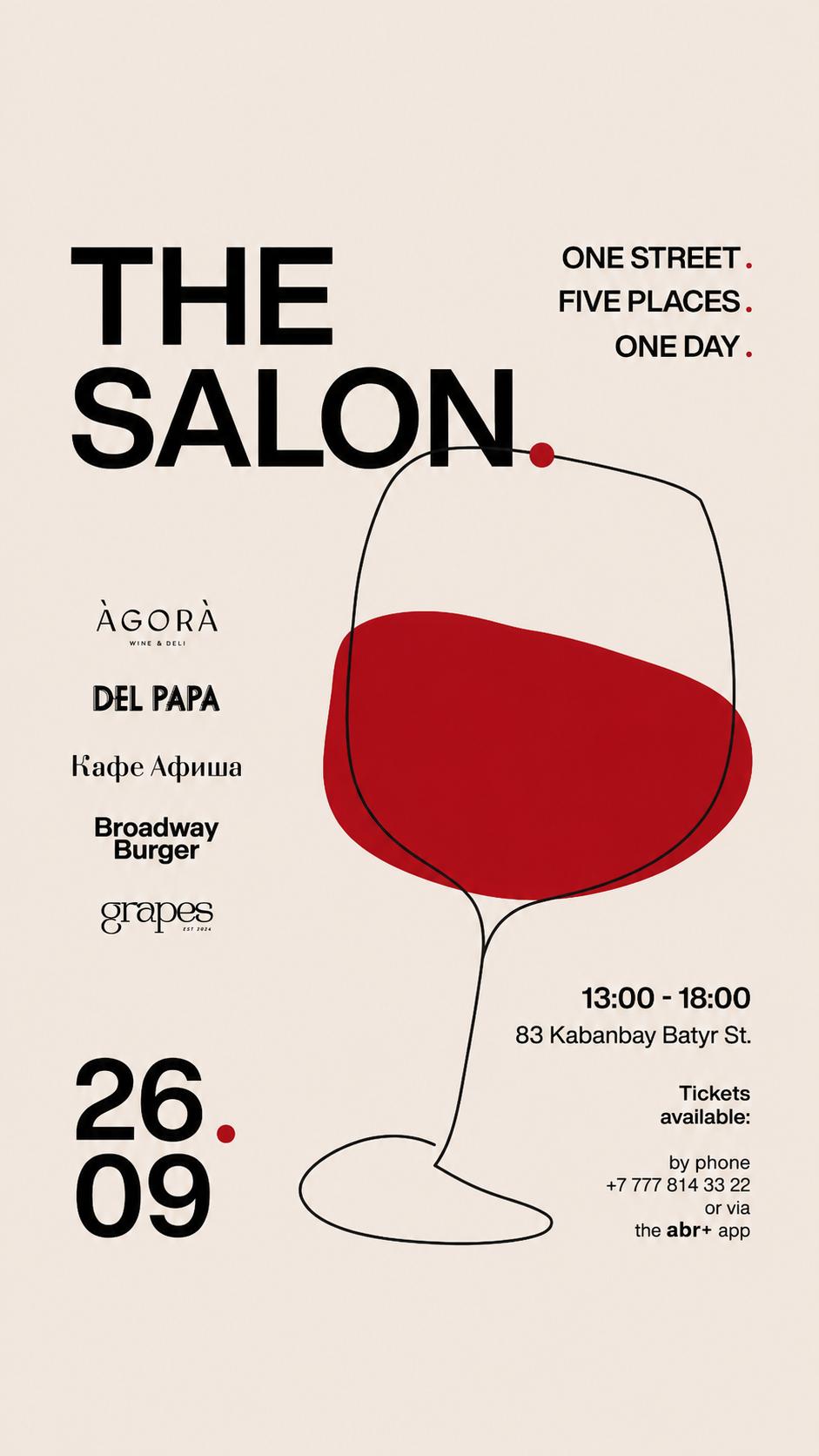
Saturday September 26
AlmatyKazakhstan
10546 KM
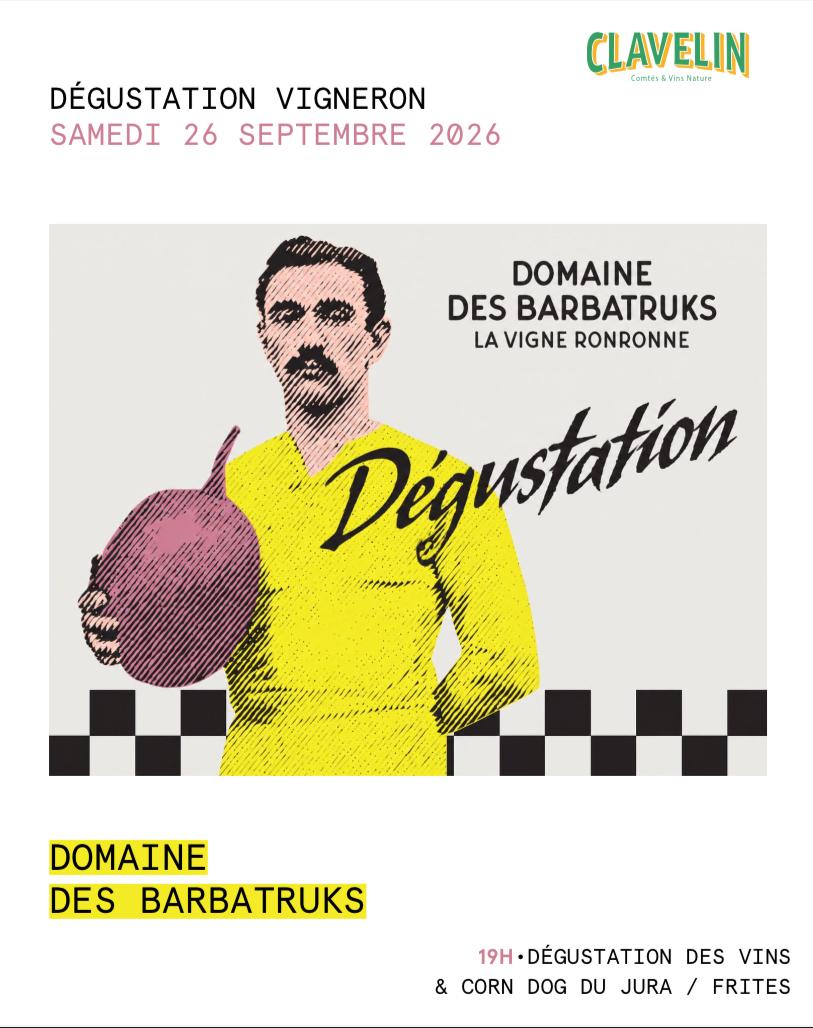
Saturday September 26
Paris
6488 KM

Saturday September 26
Ierapetra Municipal UnitGreece
8946 KM
 Winemakers
 Restaurants
 Bars
Bars Wine Shops
 Accommodations
 Events