9 8 8672 KM
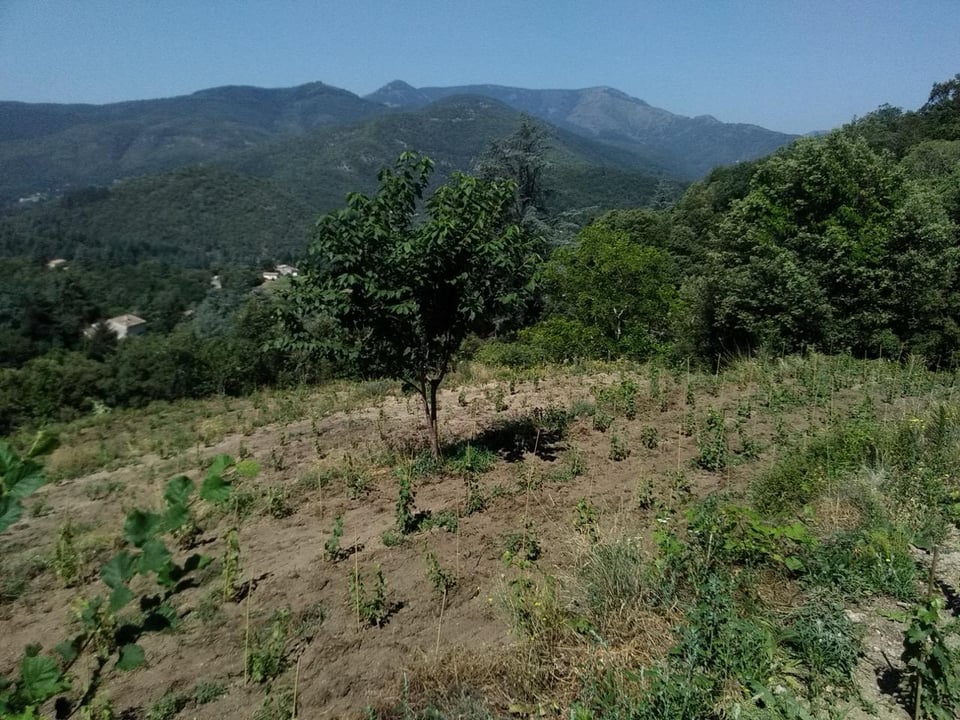
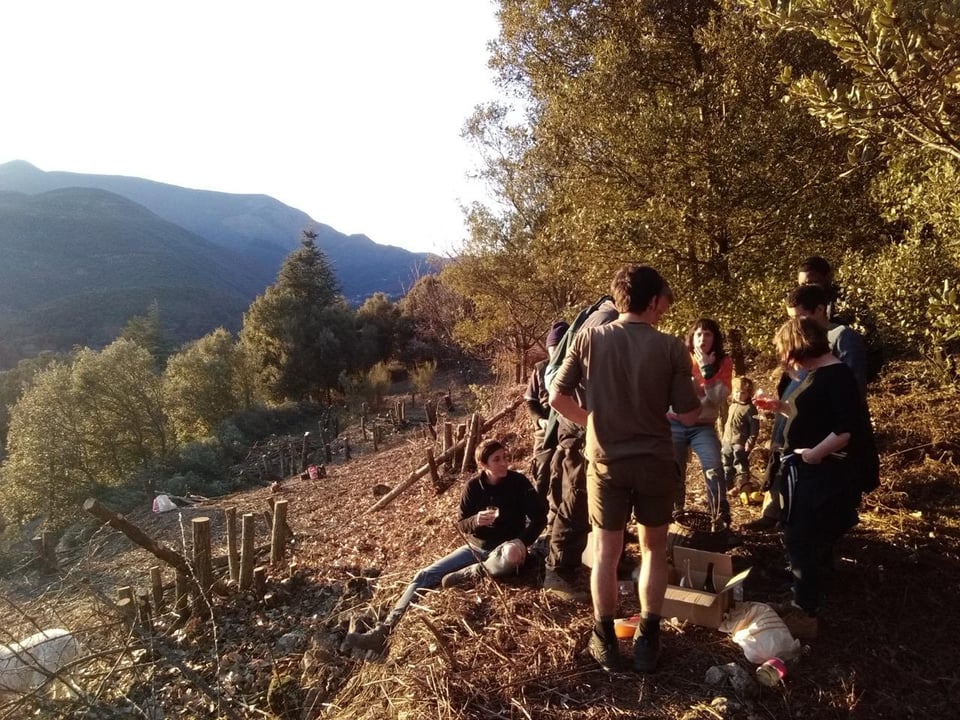
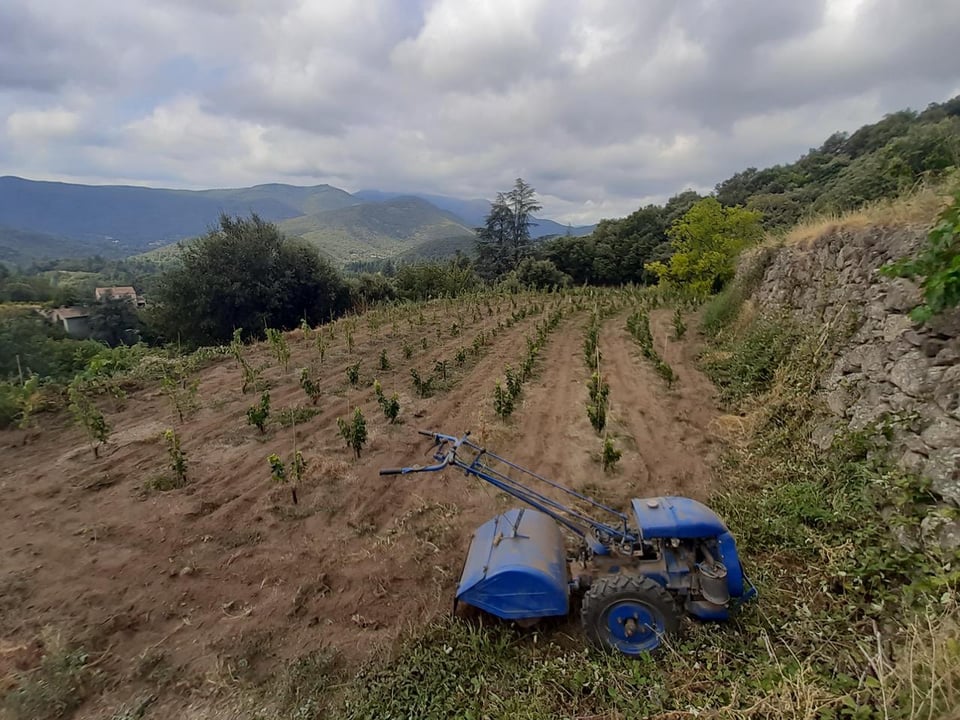
There are many agricultural and peasant histories here, and the forests that make up the majority of the landscape are actually large agricultural wastelands, which once included a few wine estates, not to mention the "family" wines. Wine production ceased entirely here in the 1970s, and all the vines were uprooted. I am conducting research on the history and viticultural uses of these terraced plots, and since 2023 I have begun replanting vines wherever I can. I am trying to imagine what this terroir could offer in terms of wine(s) and with which grape varieties. As the climate changes, and as social and economic rules and realities change, the challenge is to show that wine, and "good" wine, is still possible. This requires a "natural" and "organic" approach: it's no longer really a question, but a given. My work is as close as possible to the natural processes in the vineyards: gentle pruning, cover cropping, green manures, and only occasional tilling; sulfur used only and copper as little as possible; local fertilizers, etc. And in my cellar, there are no filters, no additives whatsoever.
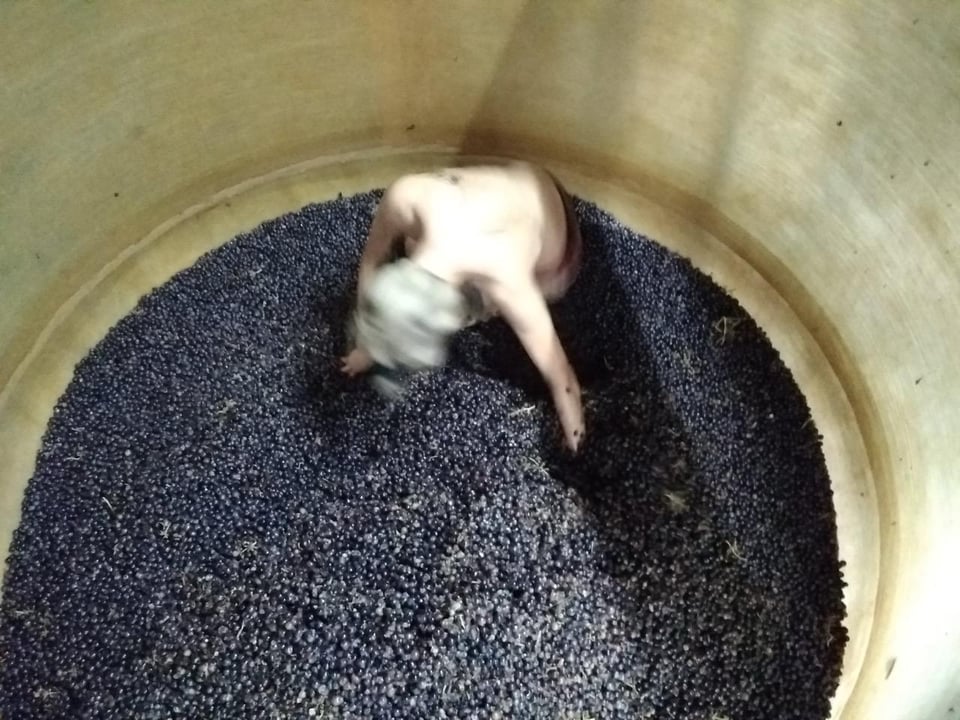
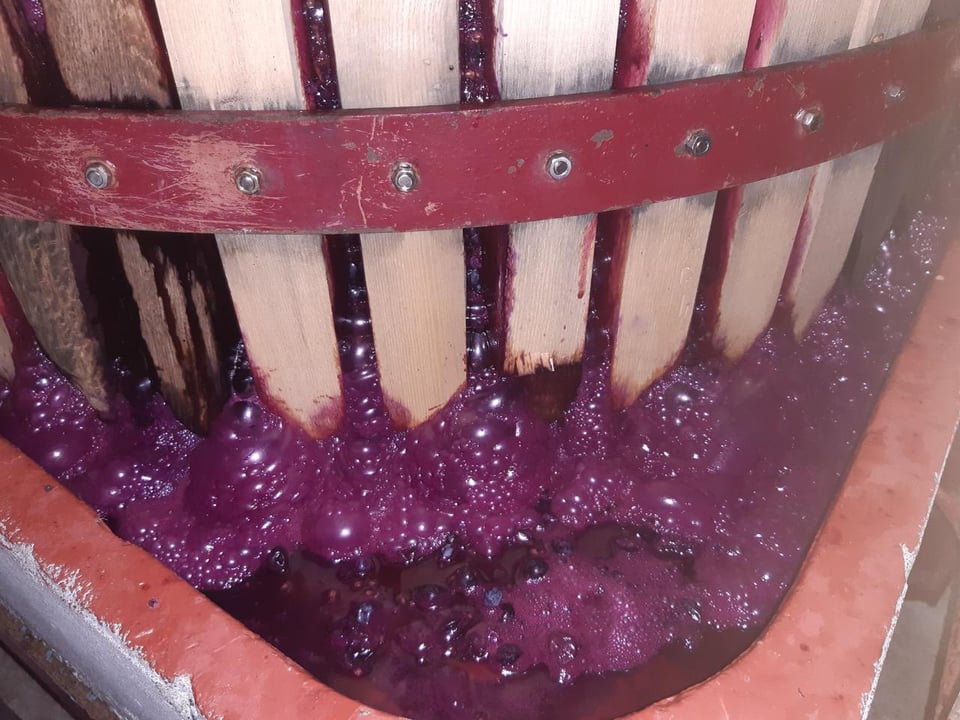
oenological equipment, a press, a pump, and a manual bottling machine. I make wine as gently and attentively as possible.
possible, without adding or taking anything away.
I'll be with the wines at the summer markets in Le Vigan on Saturday and Tuesday morning...
No rose wines at the moment.
No orange wines at the moment.
No sparkling wines at the moment.
FIND THE EVENT YOU ATTEND
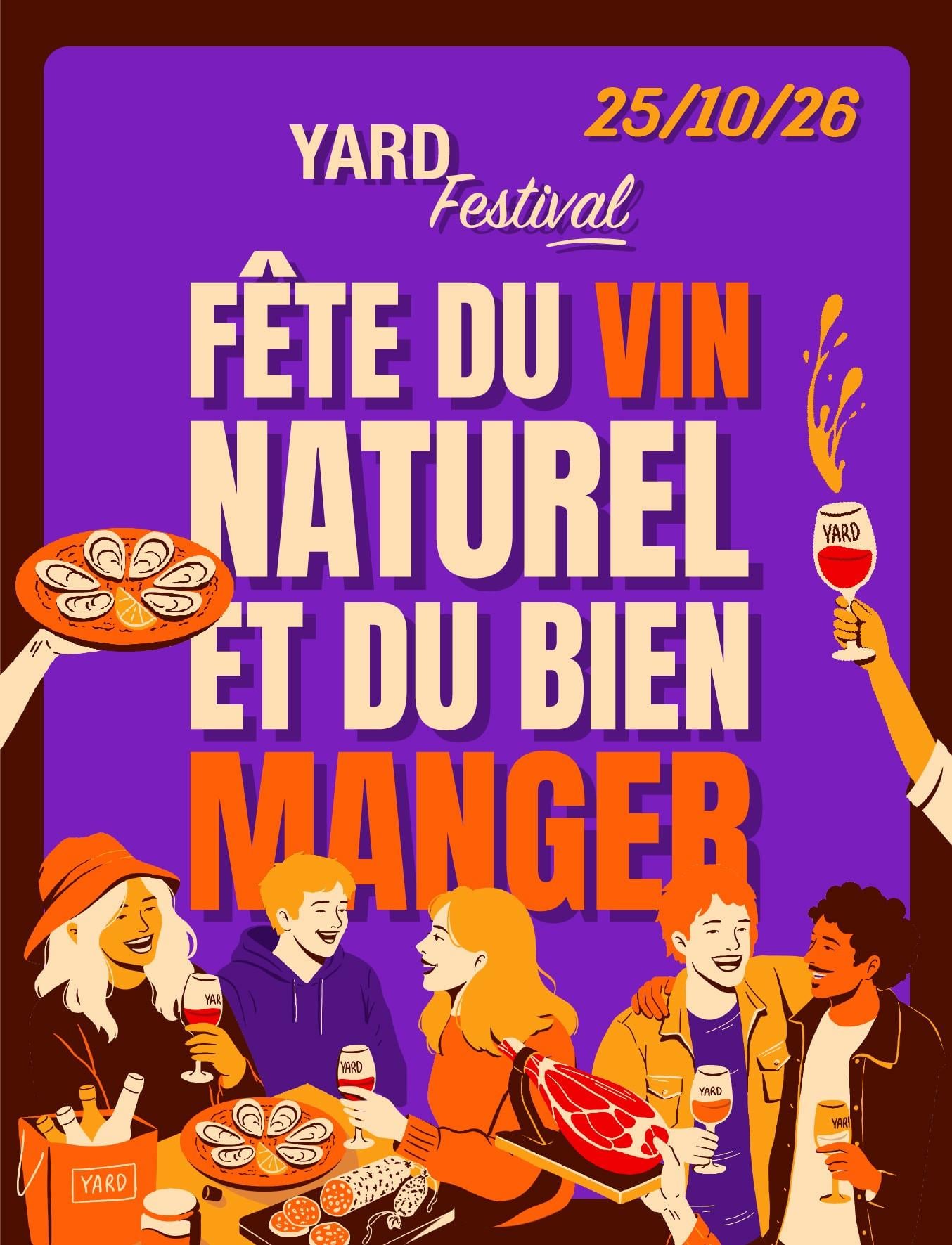
Sunday October 25
Paris
6492 KM
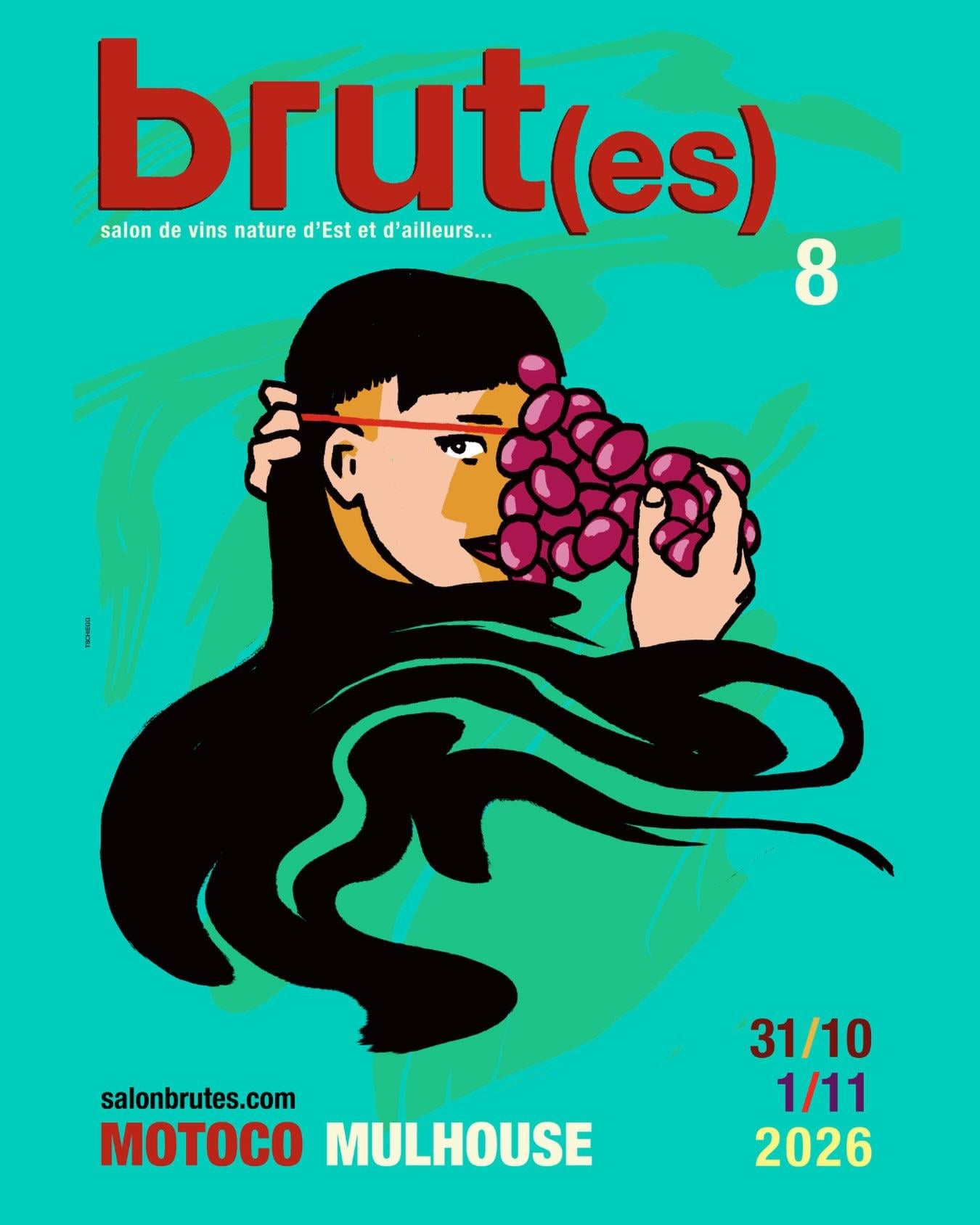
Saturday October 31 - Sunday November 01
Mulhouse
6872 KM

Saturday October 31 - Sunday November 01
Mulhouse
6872 KM

Monday November 02
Lille
6450 KM

Sunday November 08 - Monday November 09
Turin
7047 KM

Monday October 05
Paris
6491 KM
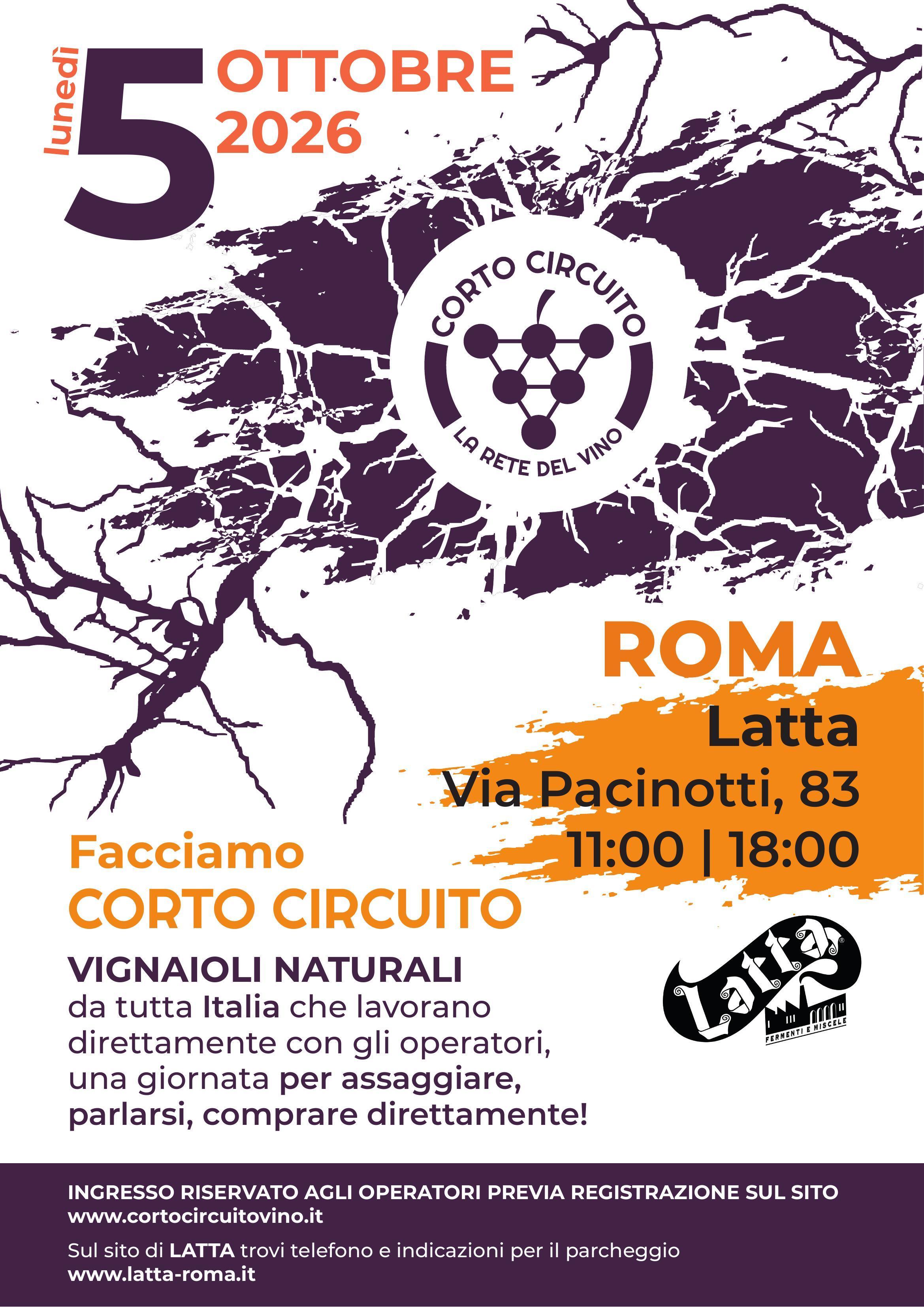
Monday October 05
Rome
7563 KM
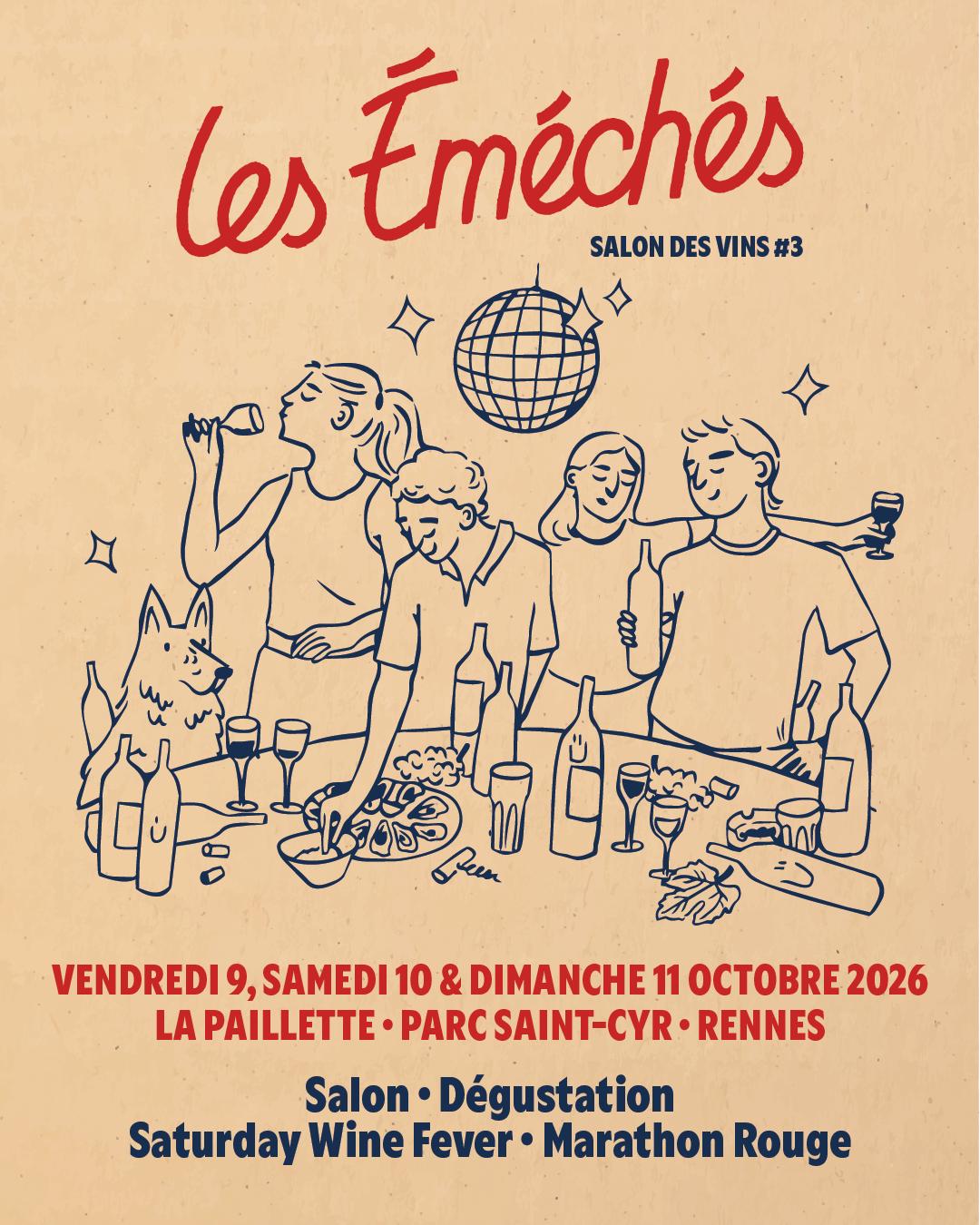
Thursday October 08
RennesFrance
6256 KM

Thursday October 08
ParisFrance
6491 KM
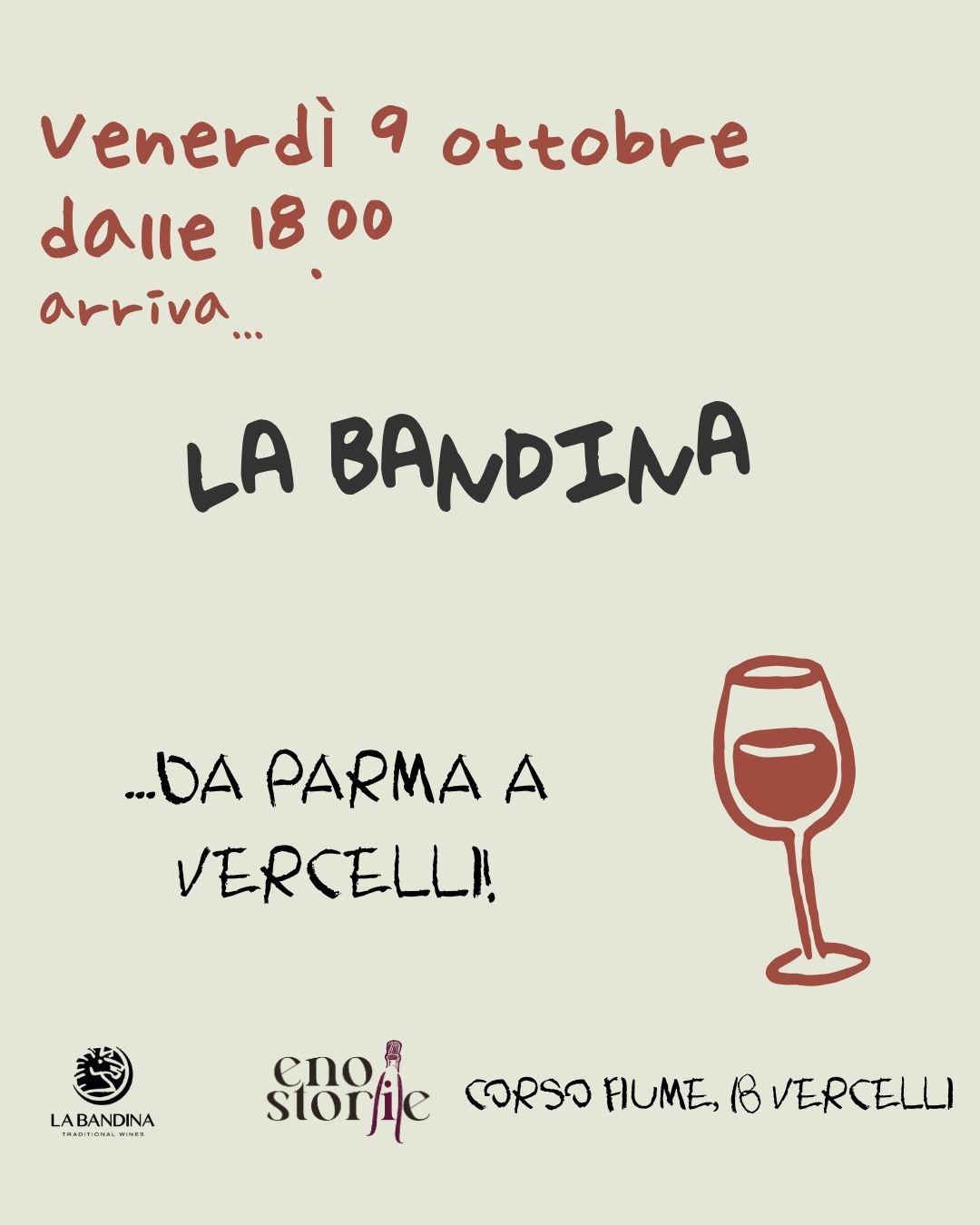
Friday October 09
VercelliItaly
7081 KM

 Winemakers
 Restaurants
 Bars
Bars Wine Shops
 Accommodations
 Events