13 11 8357 KM
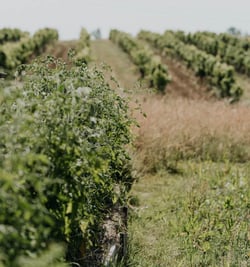
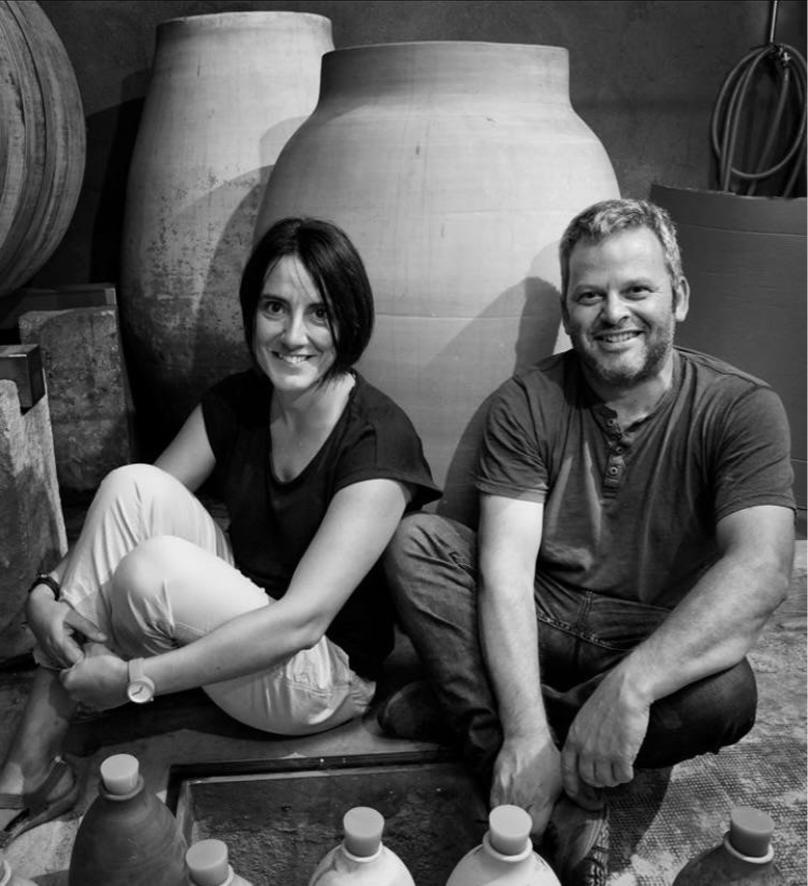
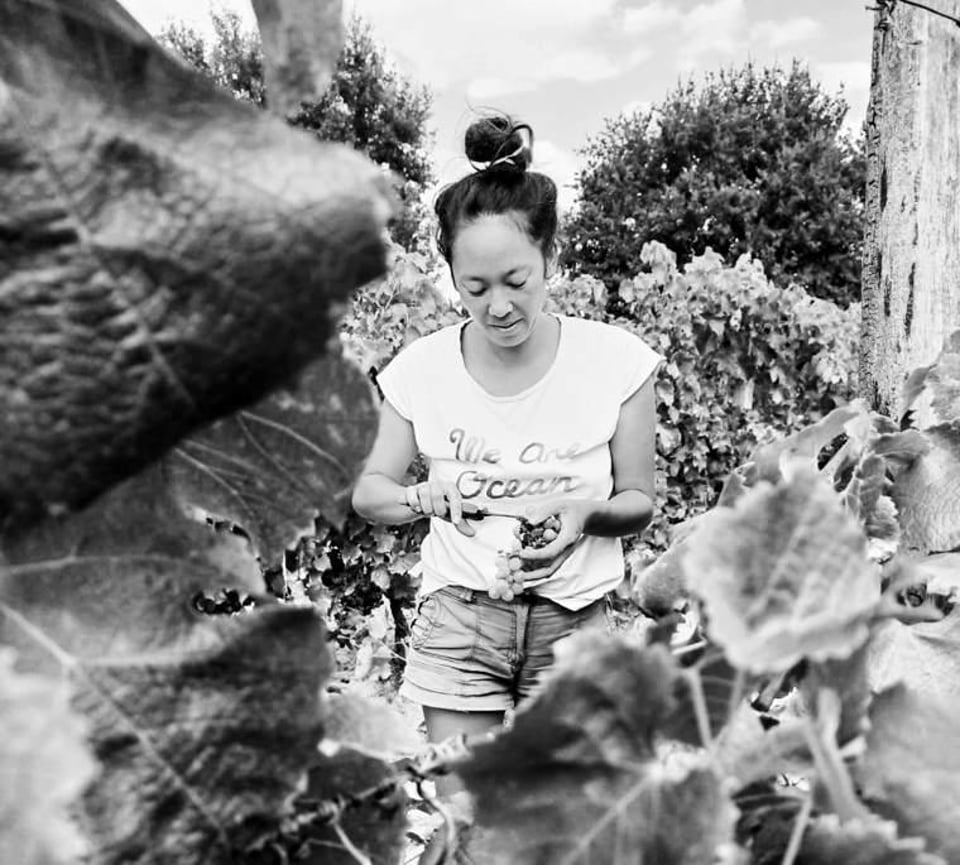
The estate comprises 25 hectares in a single block, of which only 12 hectares are vineyards. The absence of fragmentation and through roads is therefore essential to avoid the fragmentation of ecosystems and ecological habitats.
A ring of tall trees surrounds the entire property, interspersed with natural meadows and hedgerows. At the heart of the estate are a raised bed area for medicinal and vegetable crops with permanent mulch (no tilling, no irrigation), 5 hectares of cereals (ancient wheat varieties), a hop yard, orchards with nearly 500 fruit trees (regional varieties as well as non-European ones – Siberian honeysuckle, pecan, Brazilian feijoa, Sichuan pepper, yuzu, etc. – to anticipate climate change), oak groves, and an acacia thicket from which we still source our vine stakes. Finally, areas deliberately left fallow are transitioning towards a forested state.
In 2022, we launched an ambitious vineyard forest project (vines intertwined with trees – vite maritata –) to envision a more sustainable and resilient alternative viticultural system. In 2024, we are creating a 0.5-hectare vineyard garden with hybrid grape varieties amidst an orchard and vegetable mounds.
Preserving biodiversity and varietal diversity, with the aim of mitigating vine monoculture, has been our greatest concern in our actions since we began working full-time in 2018. We practice organic and mindful farming, taking into account the ethical principles of permaculture (Earth Care, People Care, Future Care).
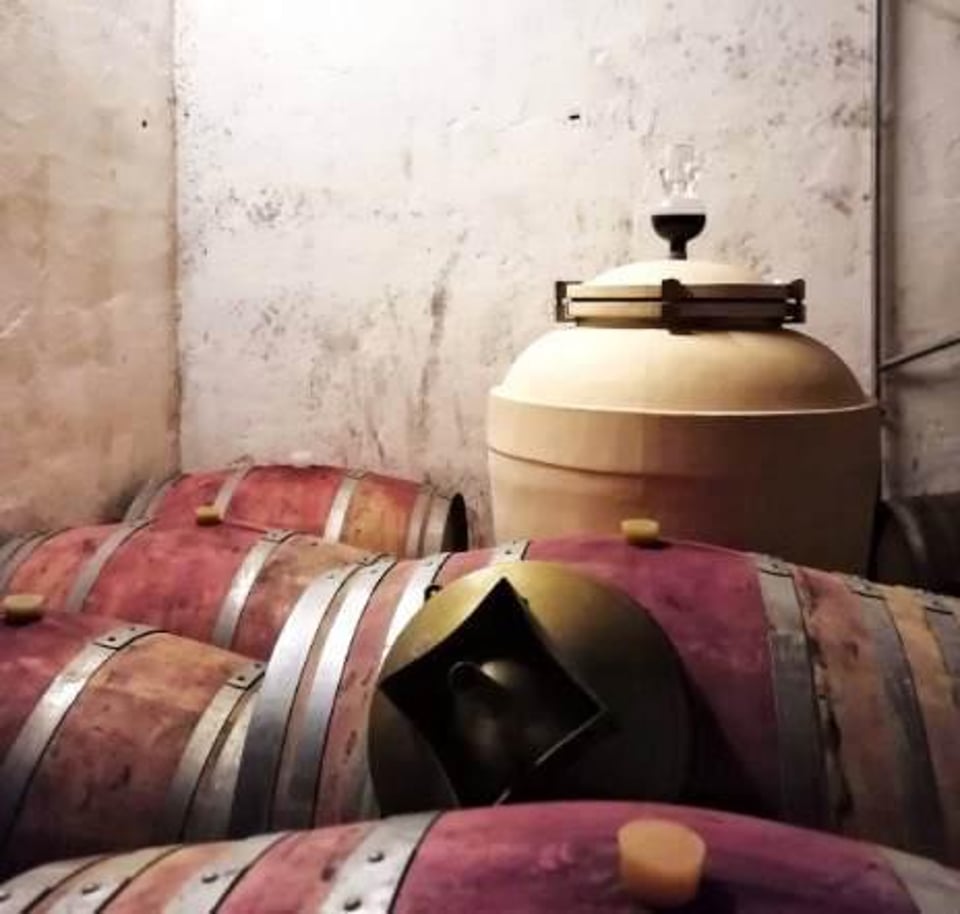
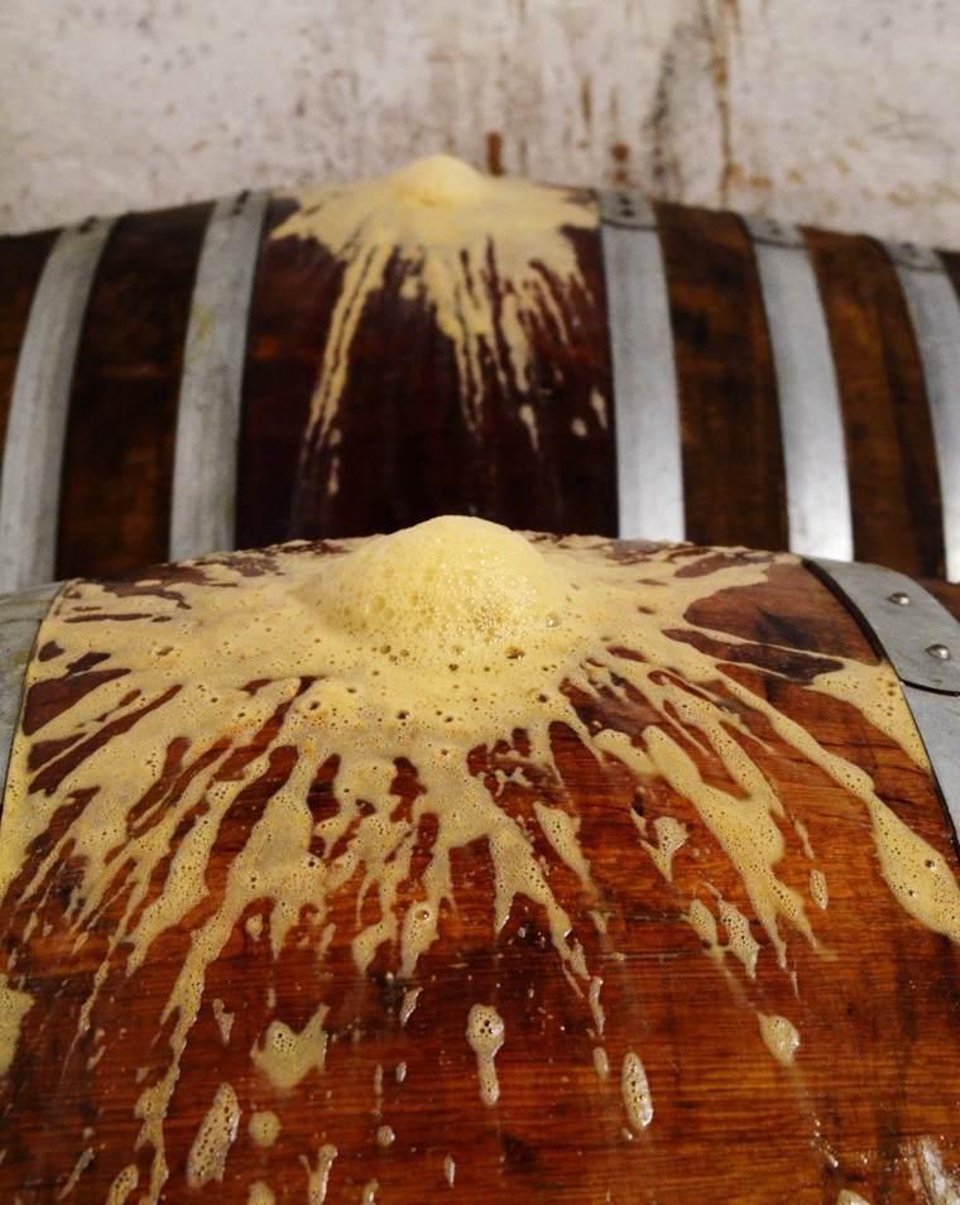
The wines are primarily aged in amphorae (around twenty in total, ranging from 400 to 900 liters) or in stainless steel tanks. Our barrels, now 10 years old, are used solely for fermentation (no oak aging). We are also experimenting with other containers such as stainless steel spheres.
As for the holy grail—namely, the quest for a wine without added sulfur—we believe it's essential to be consistent and, above all, transparent about the many other equally disreputable compensatory methods that can flourish in the shadows of a wine cellar. In recent years, a powerful narrative has emerged, fueled by a pervasive snobbishness surrounding a (pop) culture of sulfur-free wine. We certainly aim to minimize its use, which is still far too prevalent in the wine world today. But we prefer to add a small amount of sulfur at bottling and completely avoid all other, often unacknowledged, corrective methods rather than advocating for zero sulfur at all costs!
No sparkling wines at the moment.
FIND THE EVENT YOU ATTEND
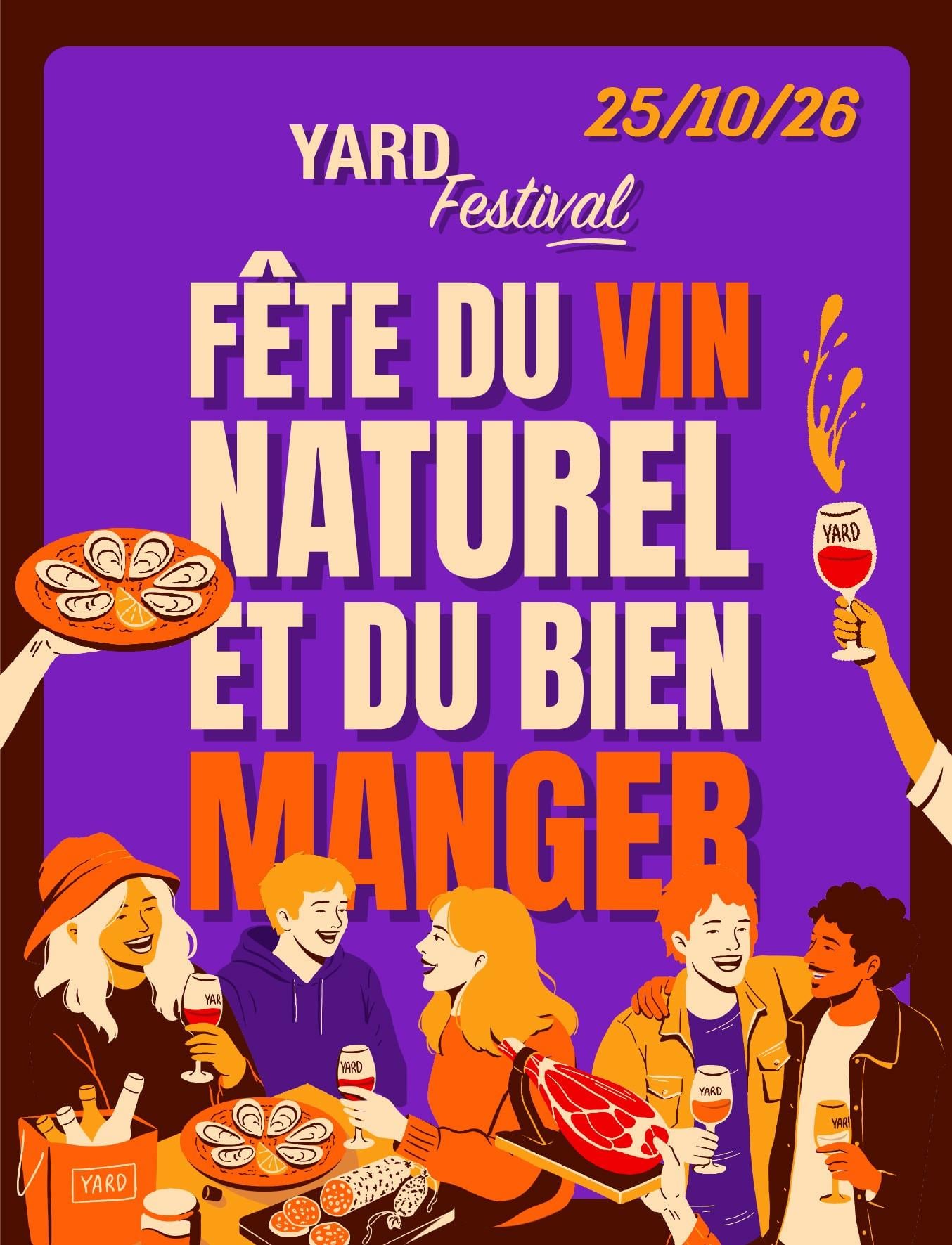
Sunday October 25
Paris
6492 KM
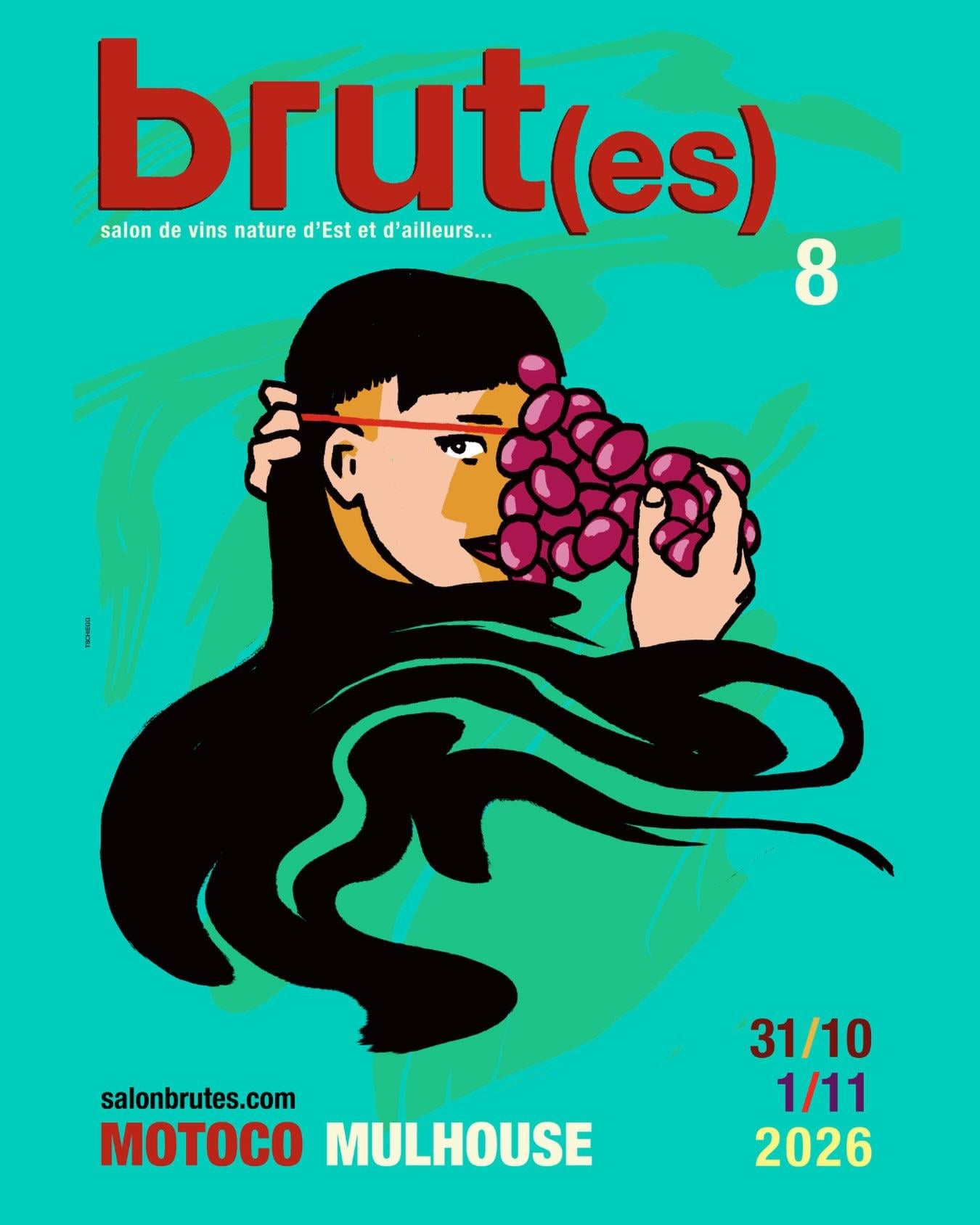
Saturday October 31 - Sunday November 01
Mulhouse
6872 KM
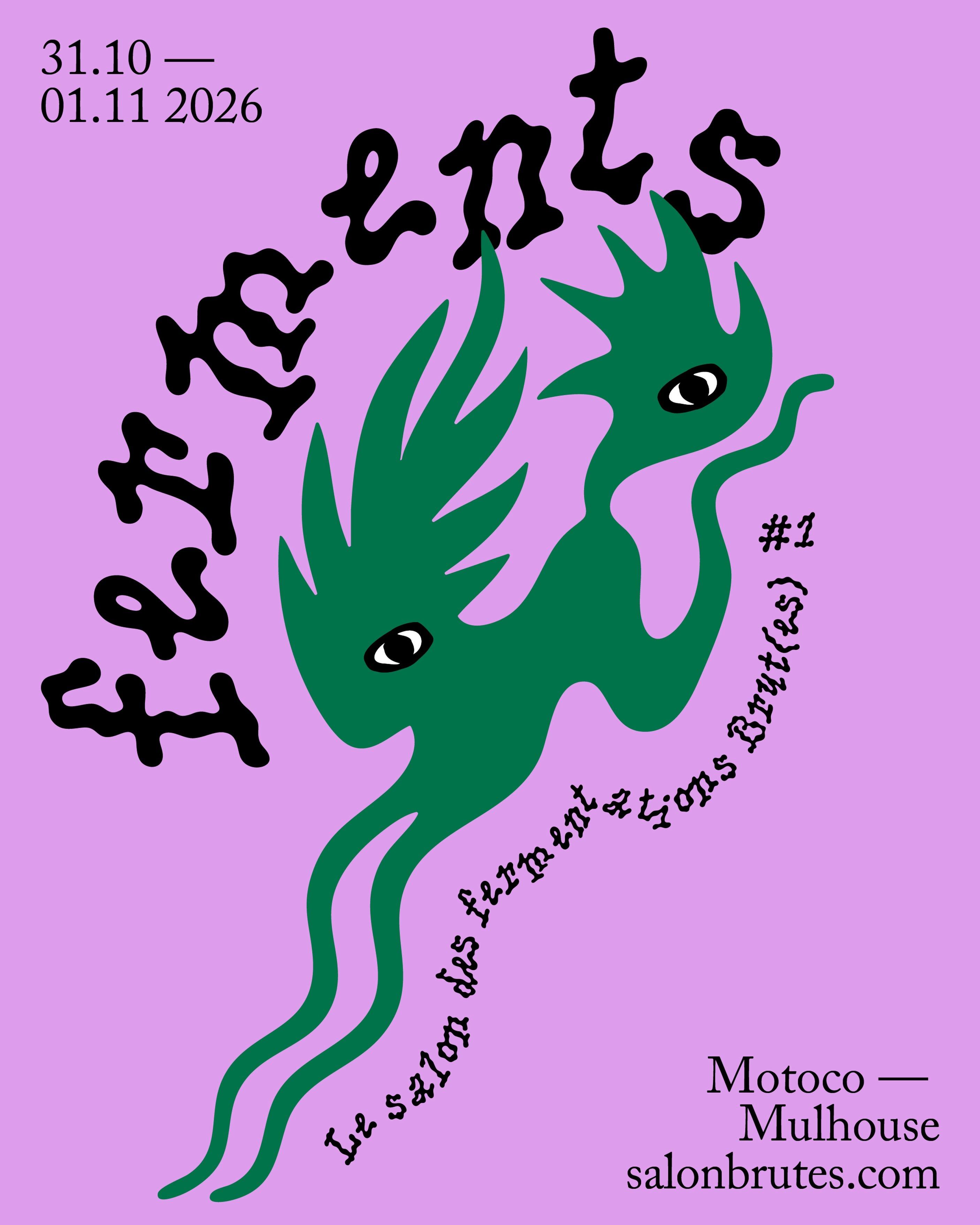
Saturday October 31 - Sunday November 01
Mulhouse
6872 KM

Monday November 02
Lille
6450 KM

Sunday November 08 - Monday November 09
Turin
7047 KM
Tuesday October 20
HamburgGermany
6722 KM
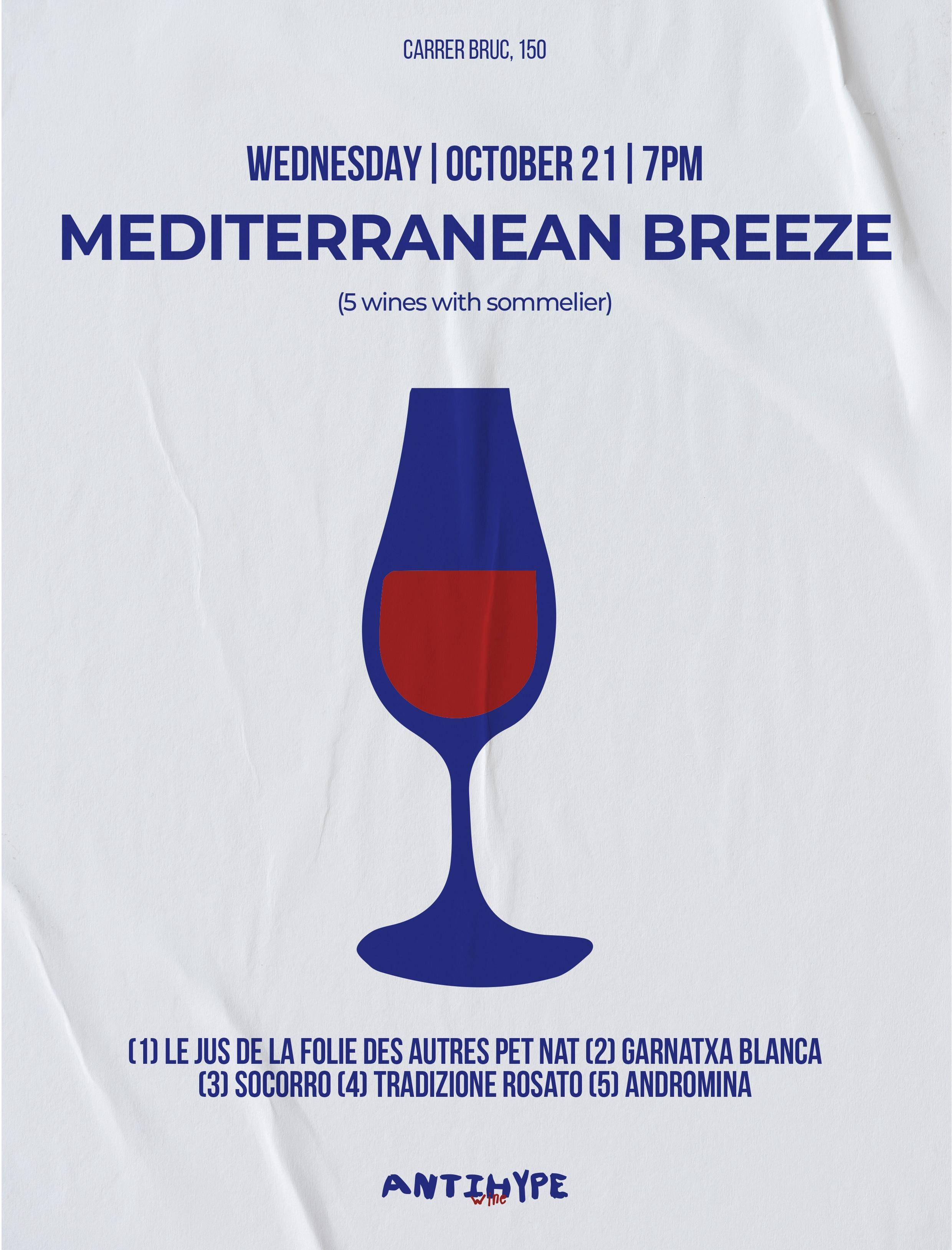
Wednesday October 21
Barcelona
6867 KM
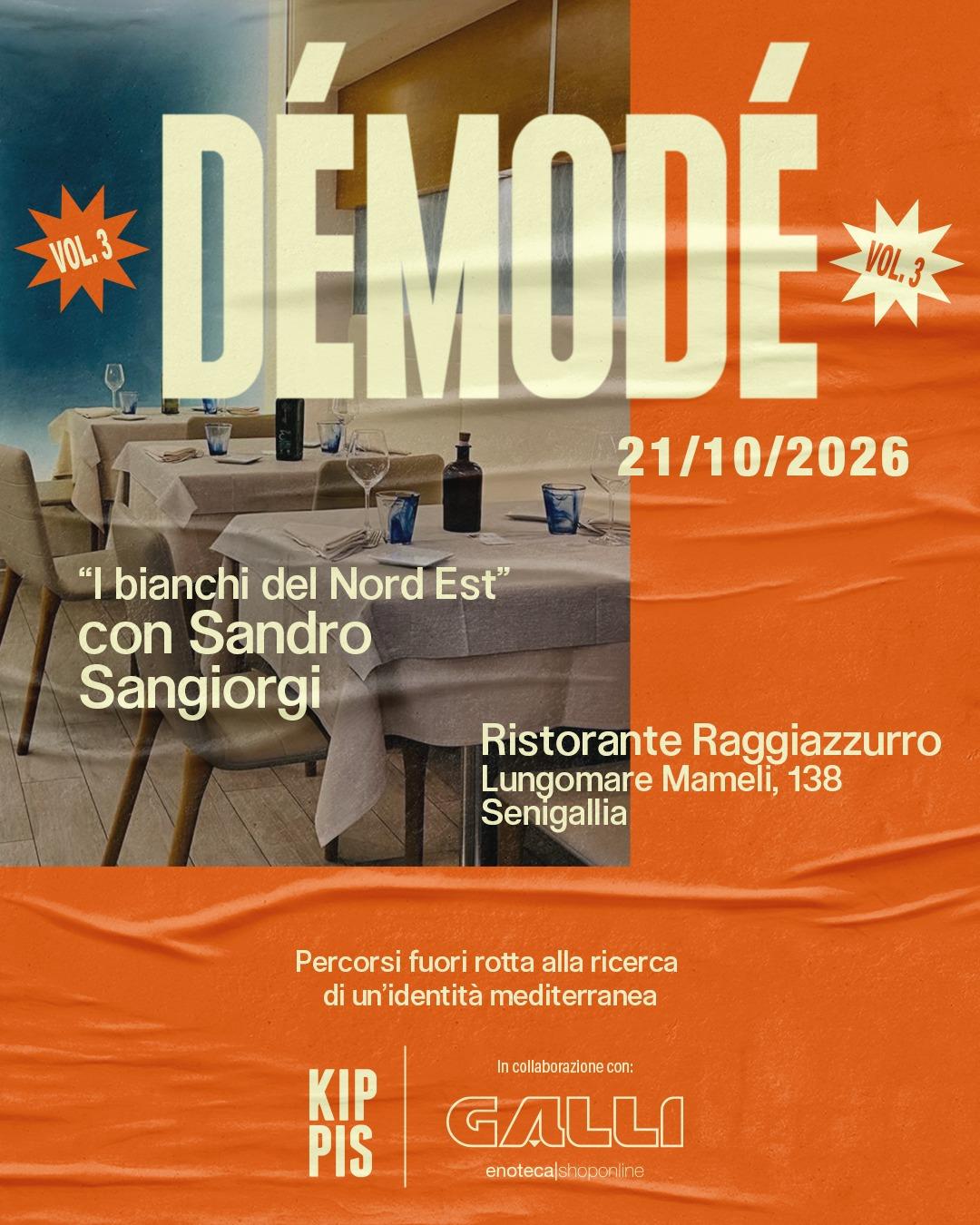
Wednesday October 21
SenigalliaItaly
7496 KM
Wednesday October 21
BarcelonaSpain
6869 KM
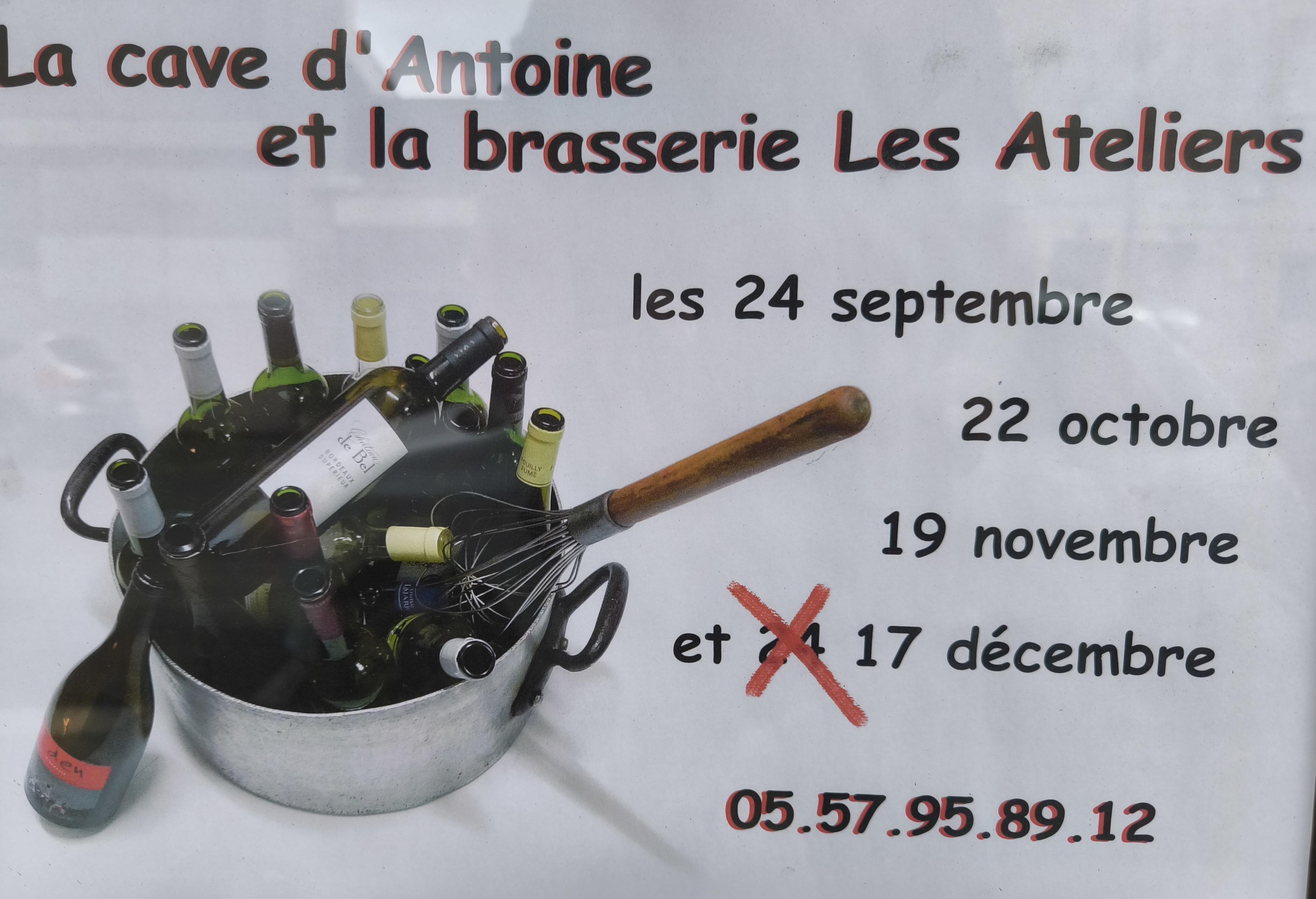
Thursday October 22 - Thursday December 17
BordeauxFrance
6492 KM
 Winemakers
 Restaurants
 Bars
Bars Wine Shops
 Accommodations
 Events