
62 1308 9064 KM
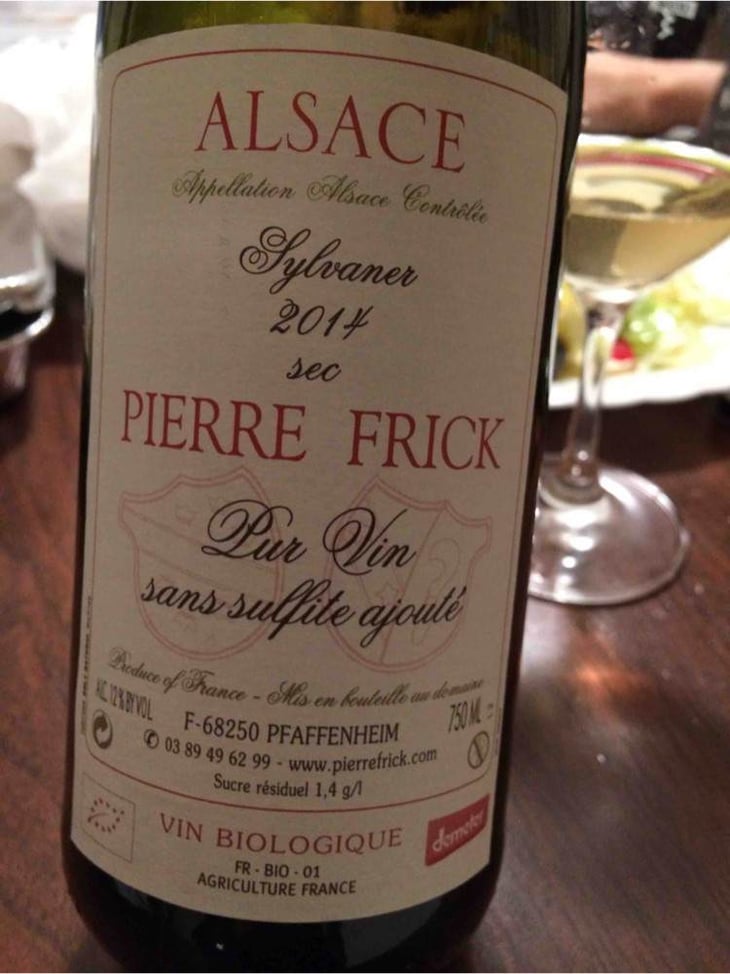
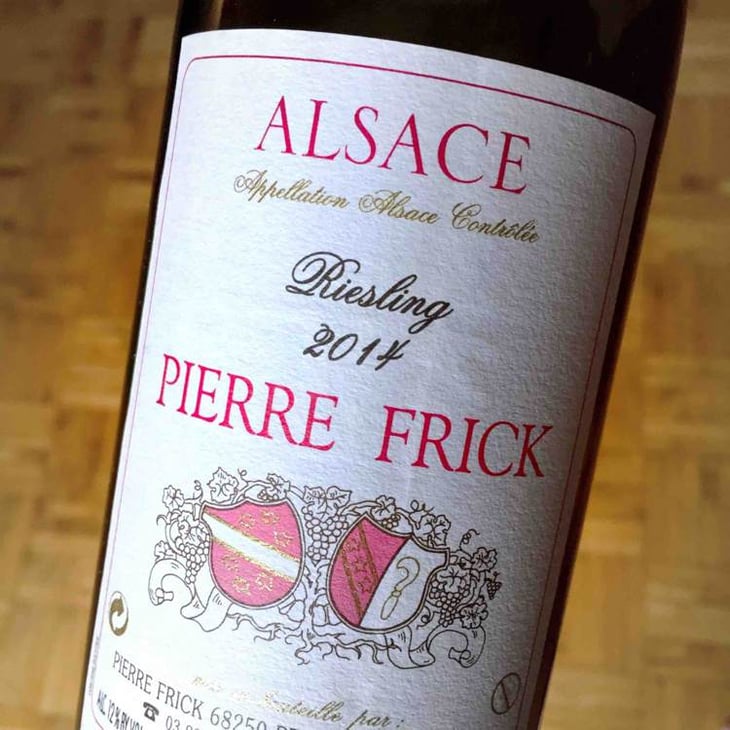
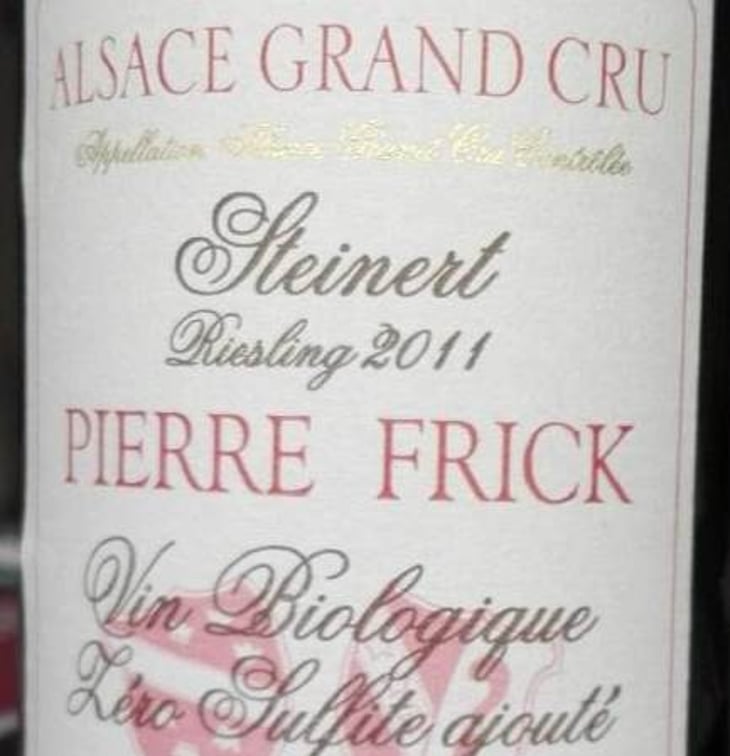
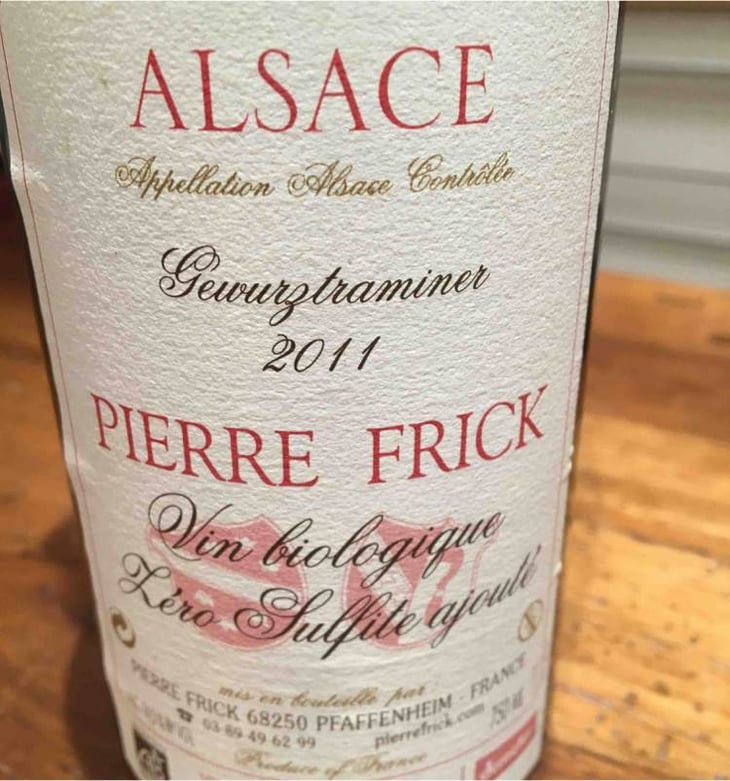
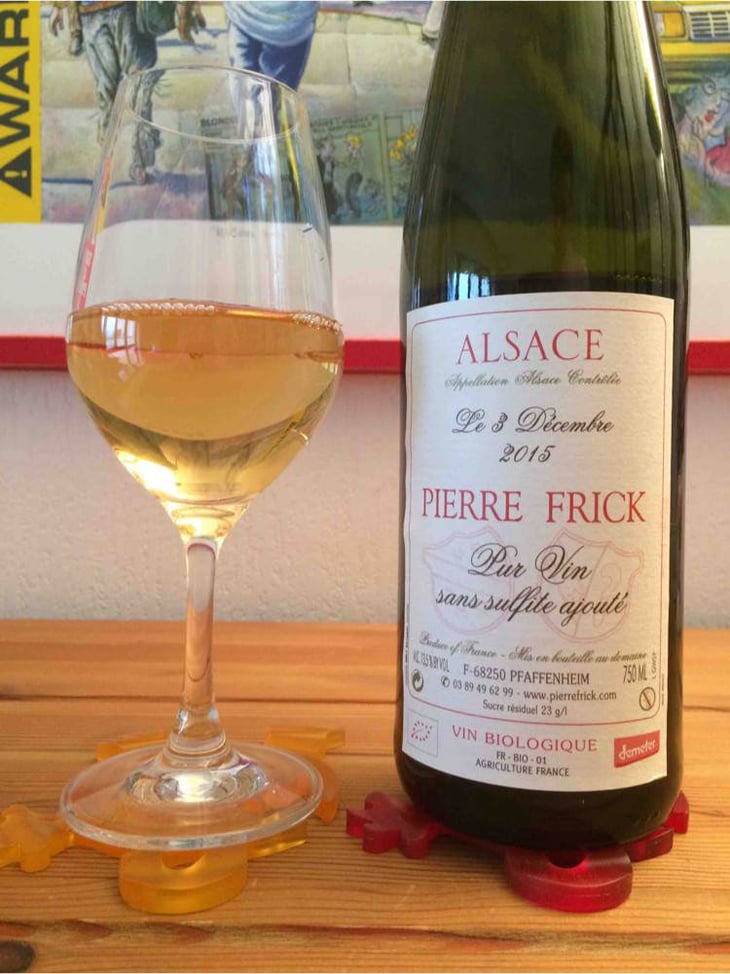
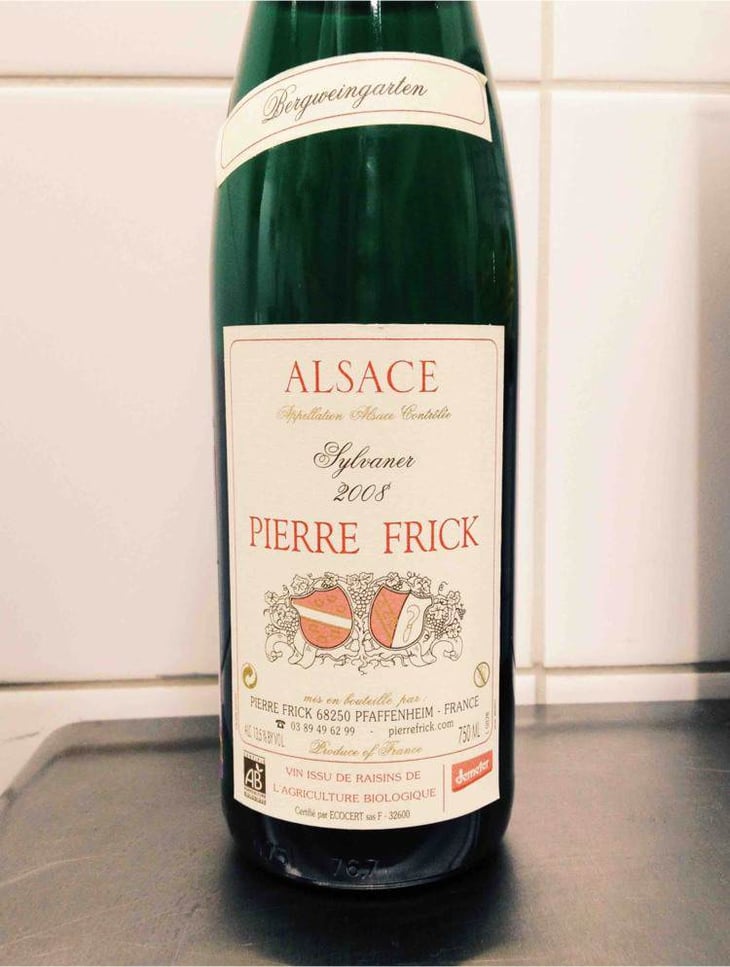
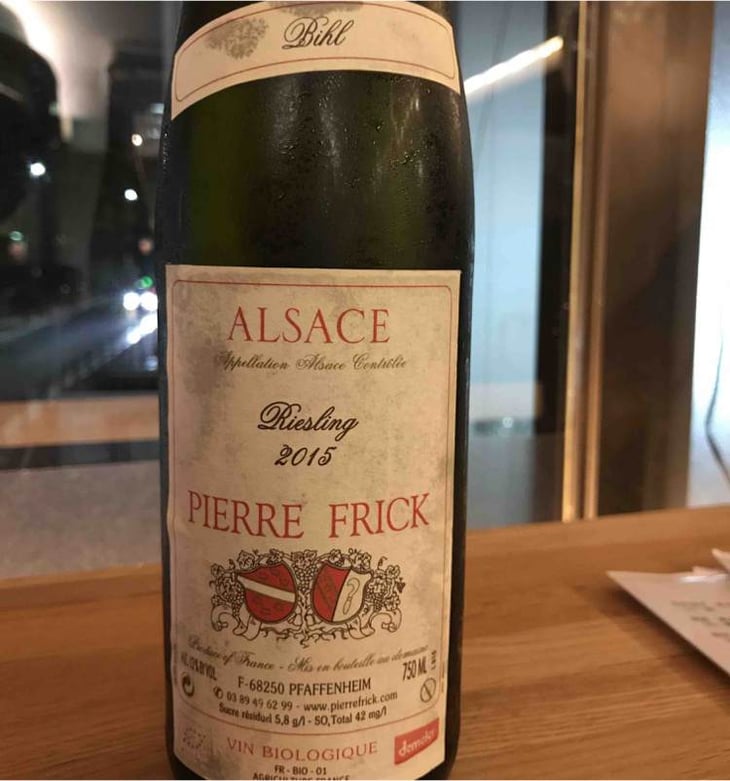
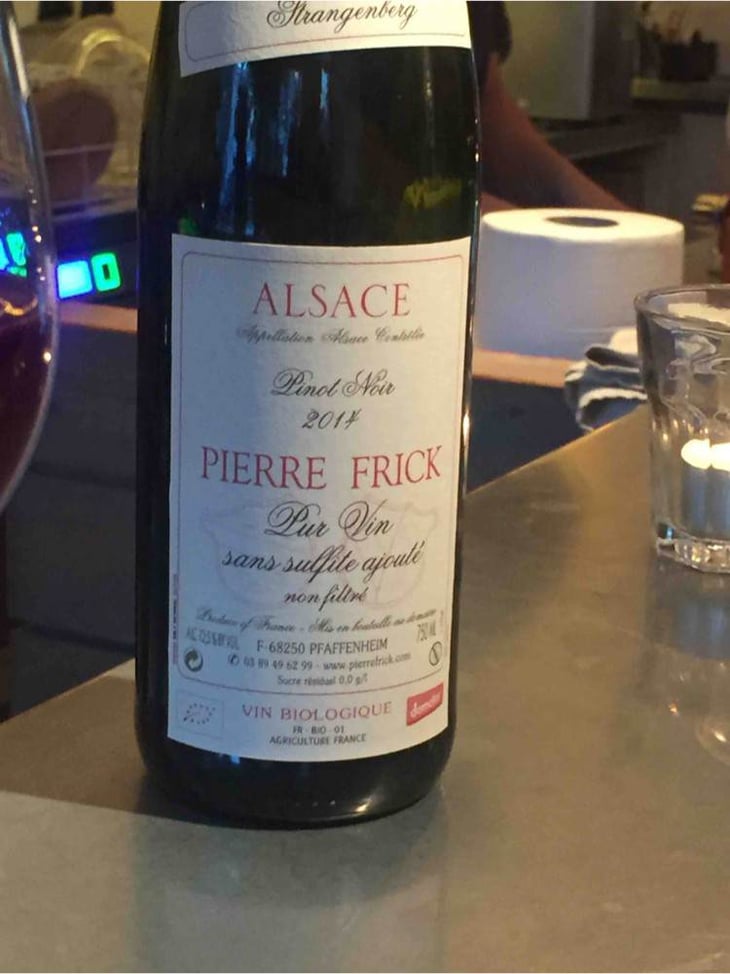
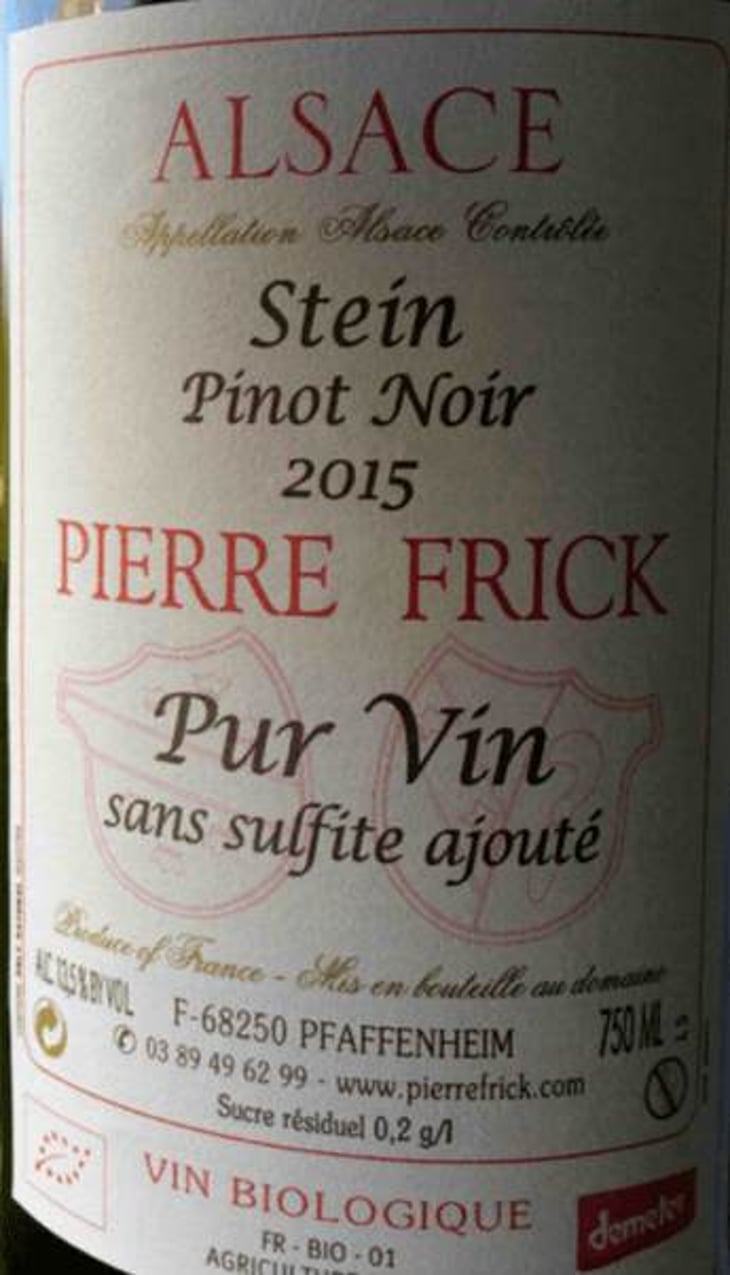
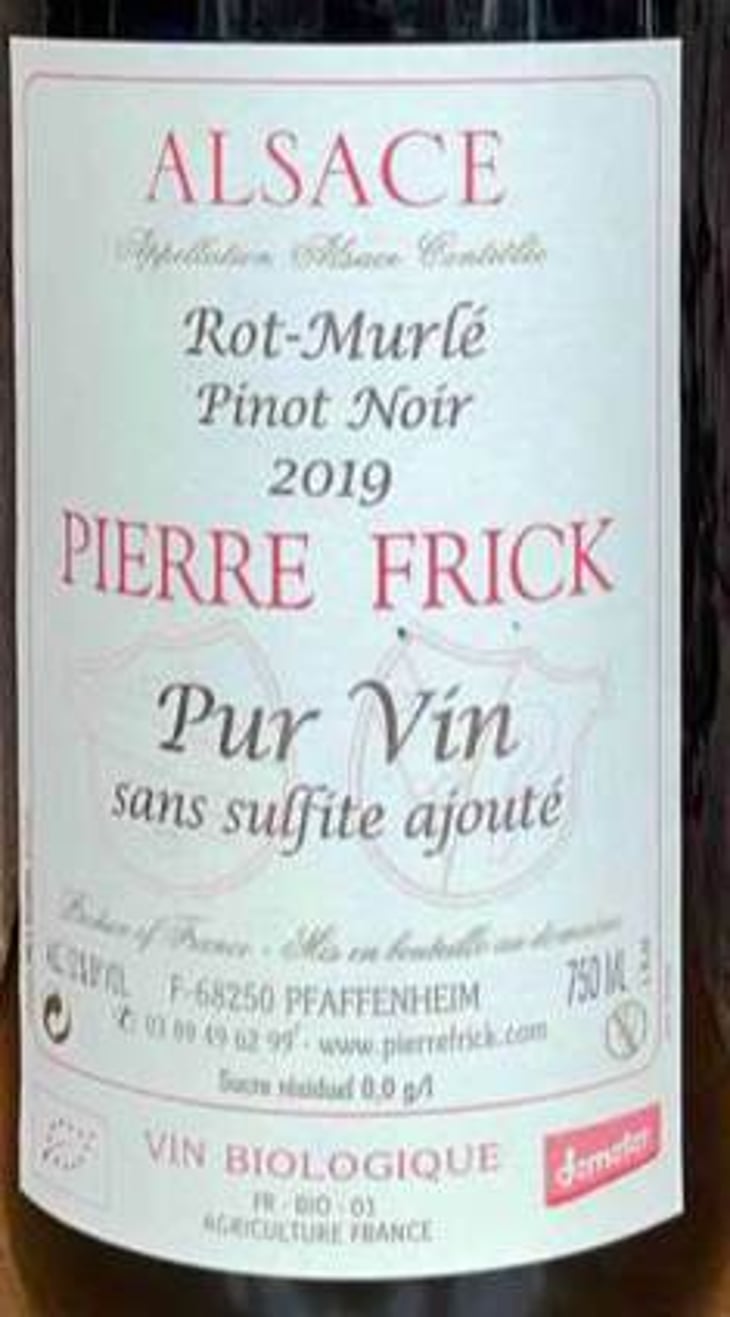
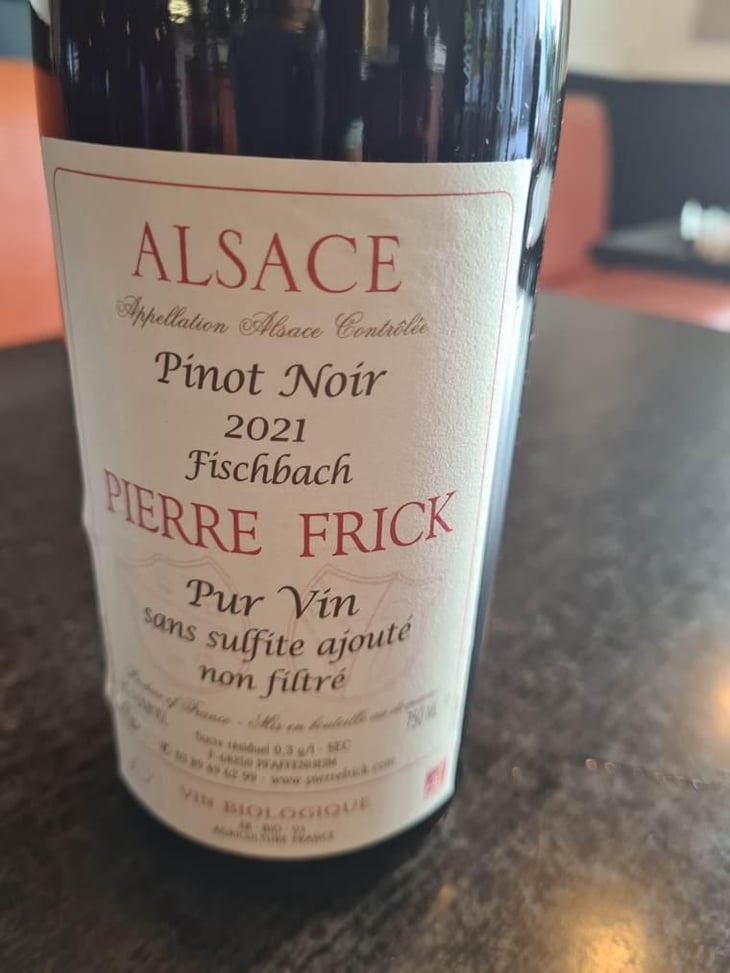
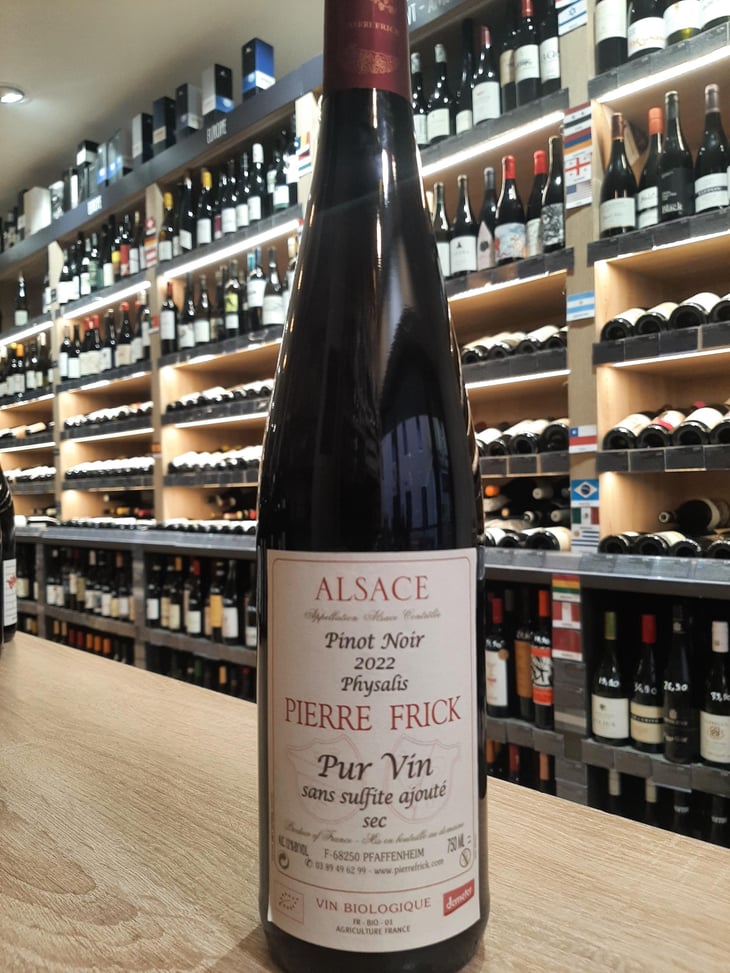
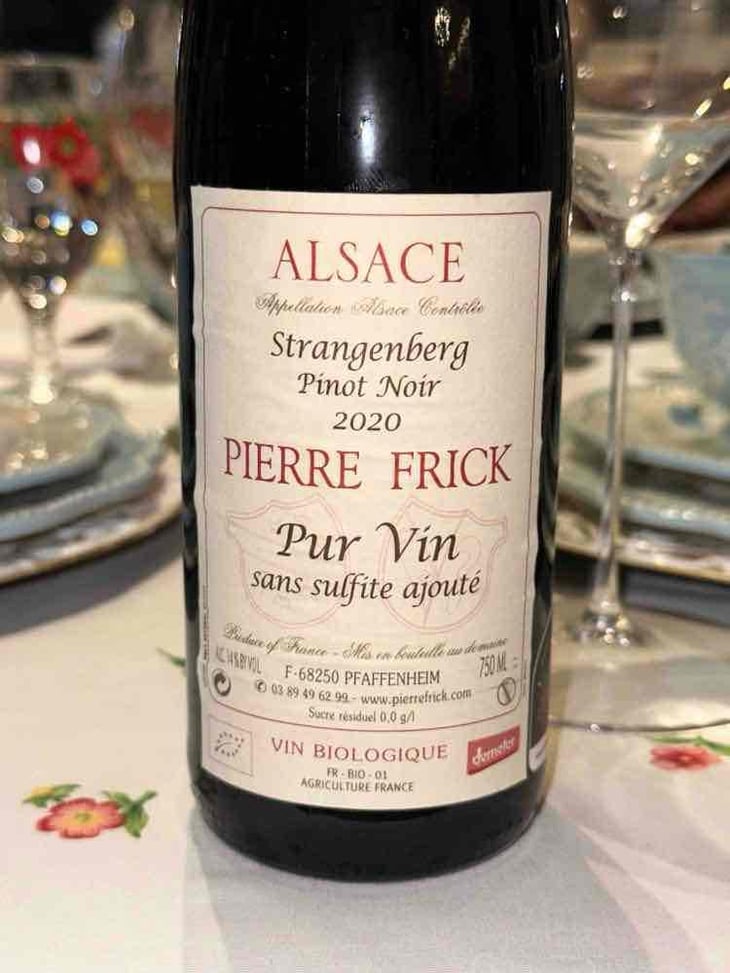
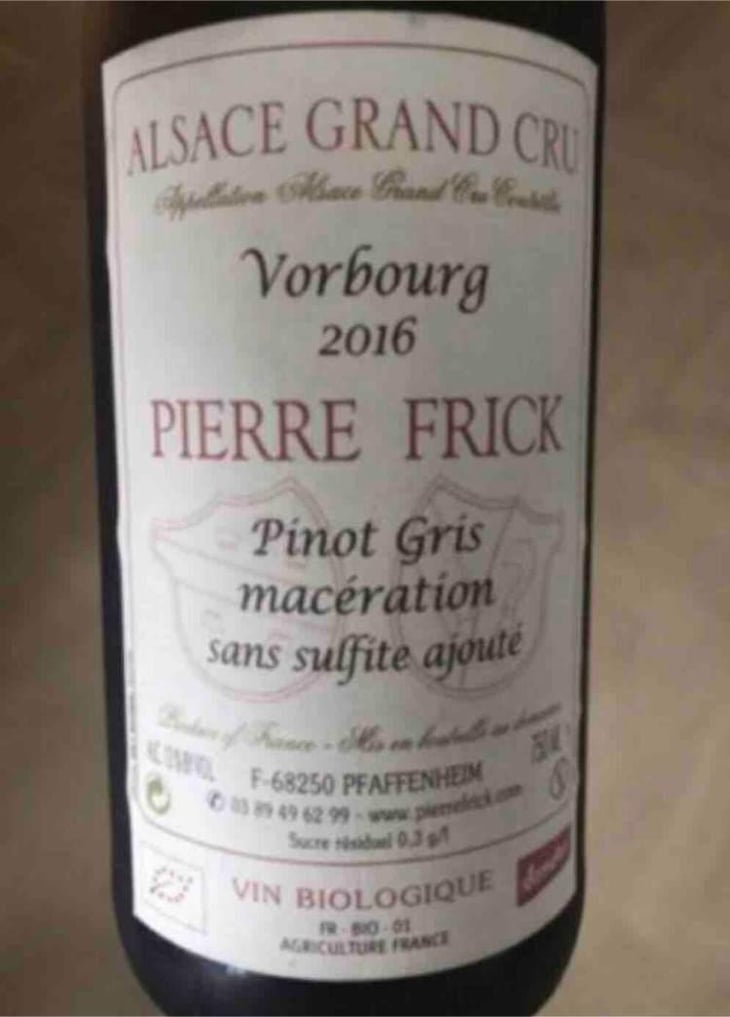
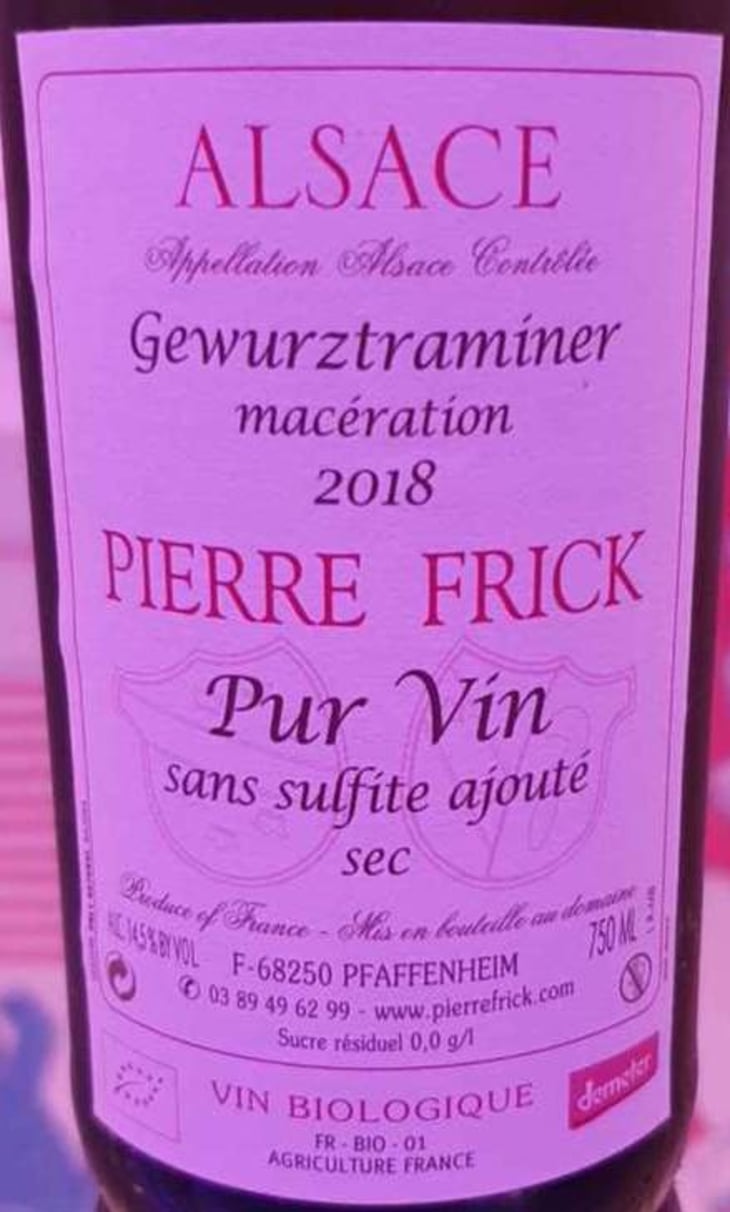
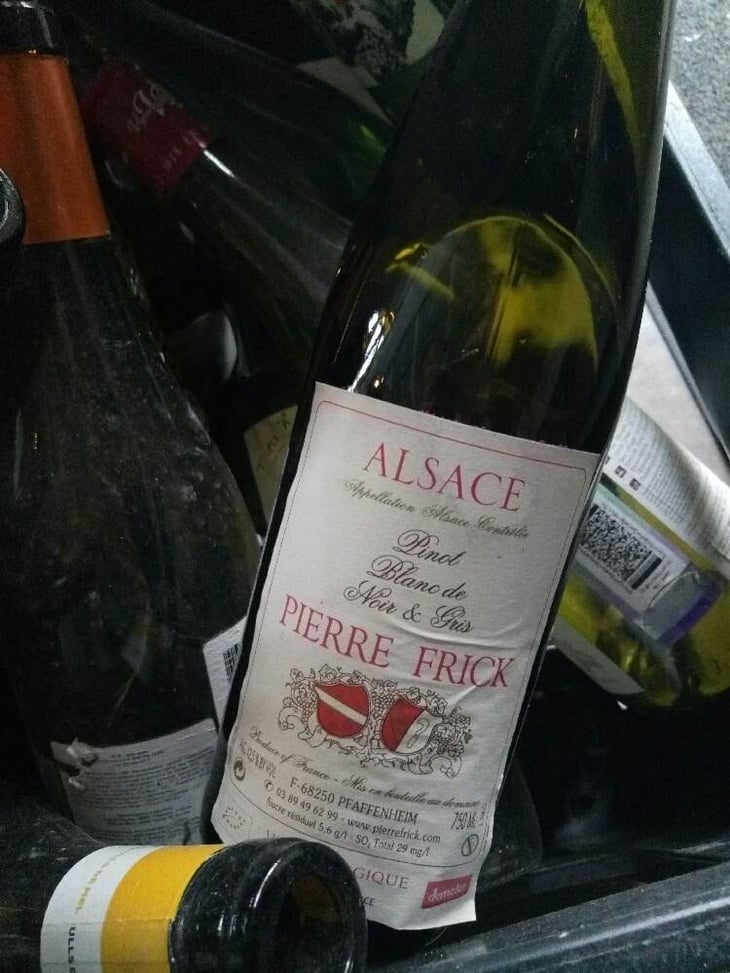
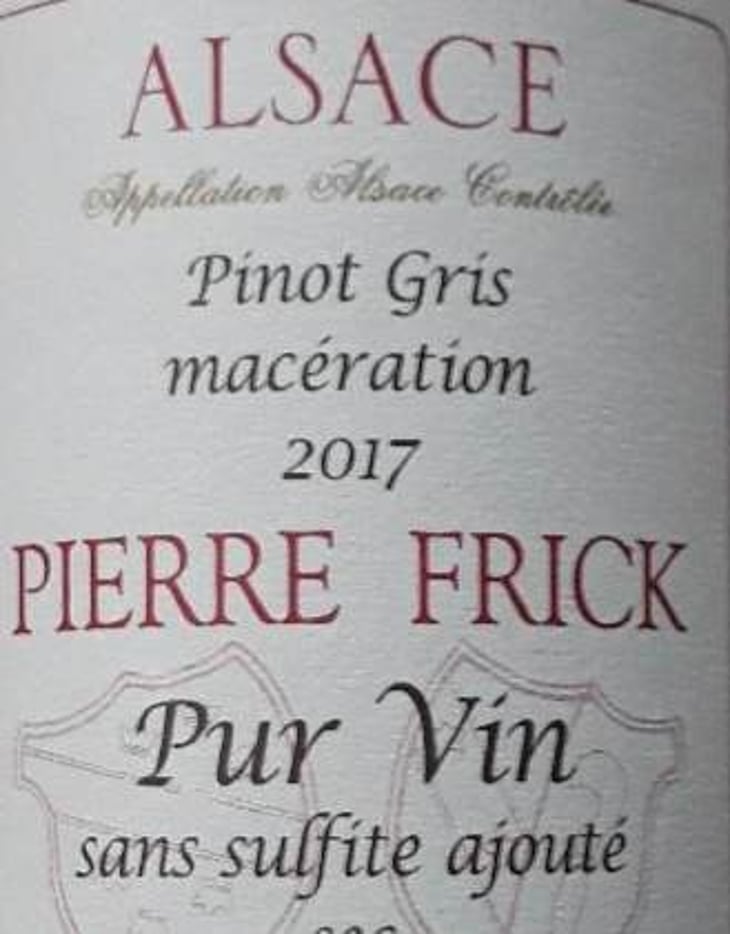
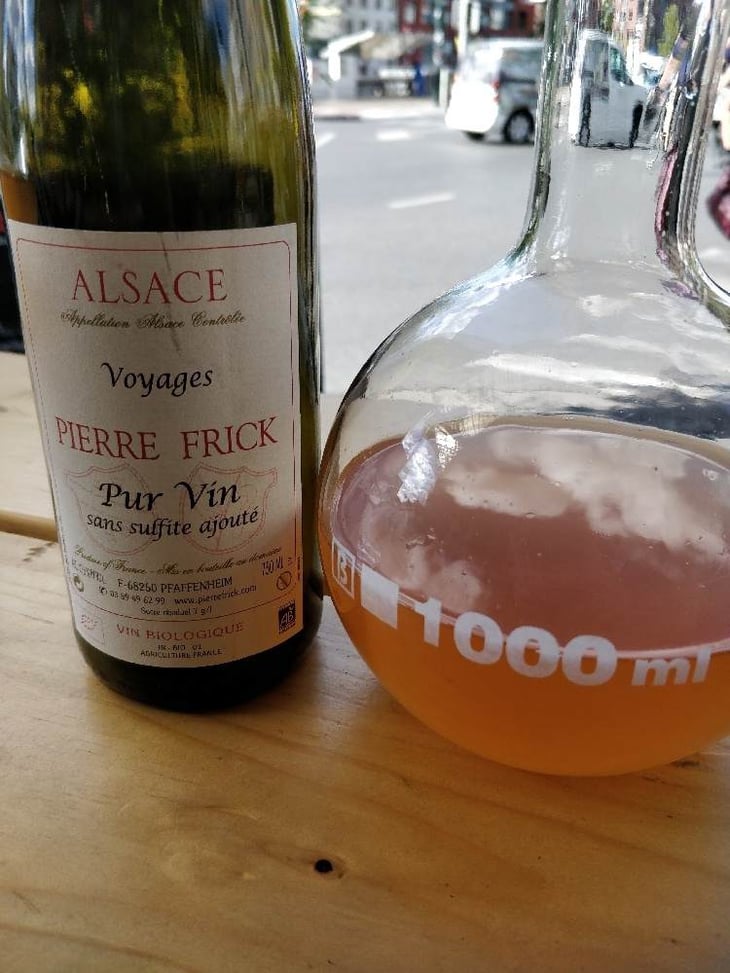
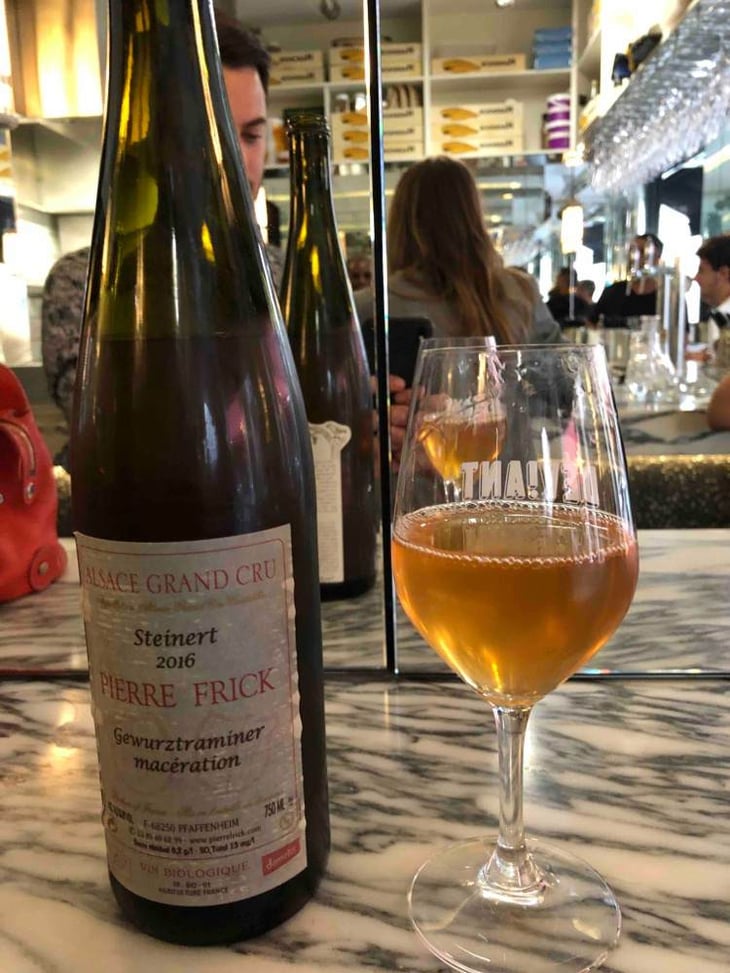
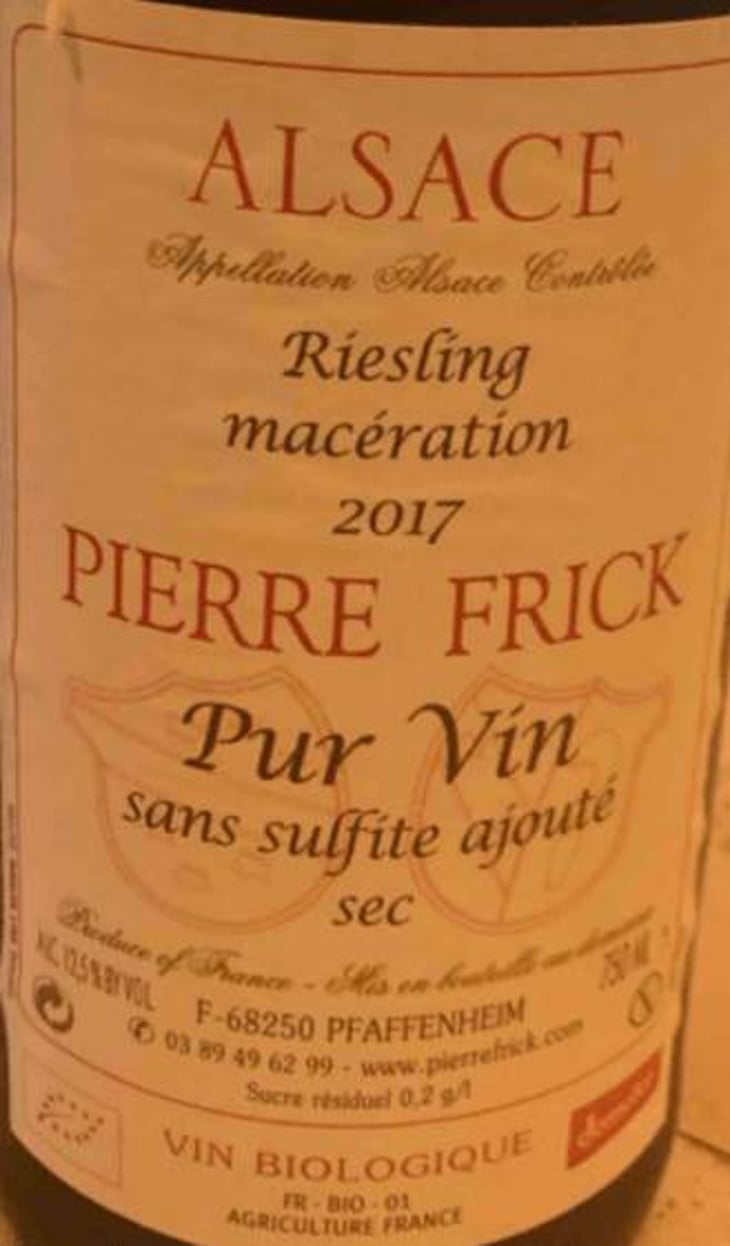
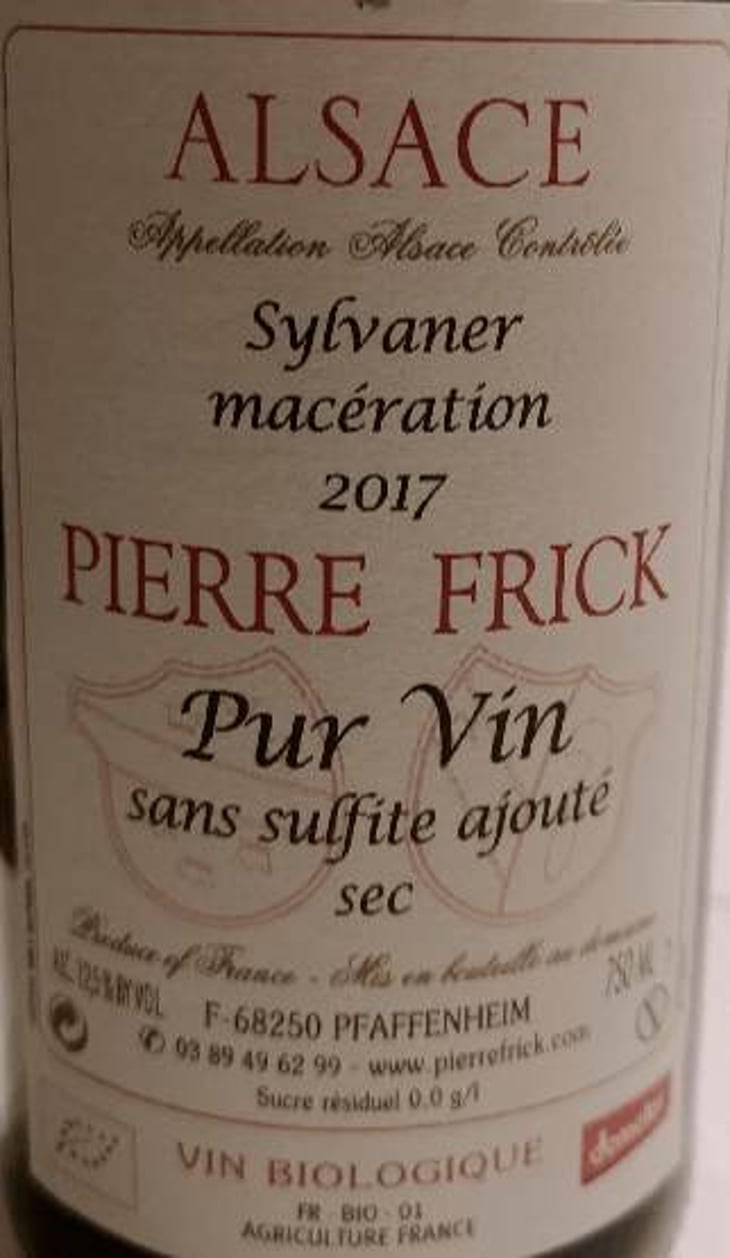
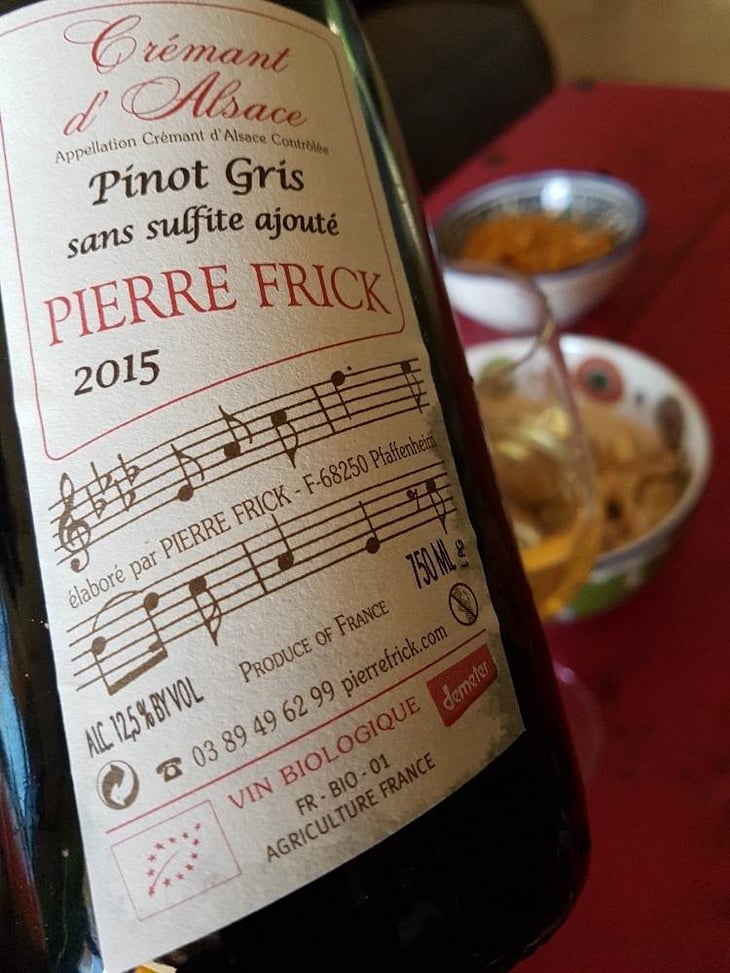
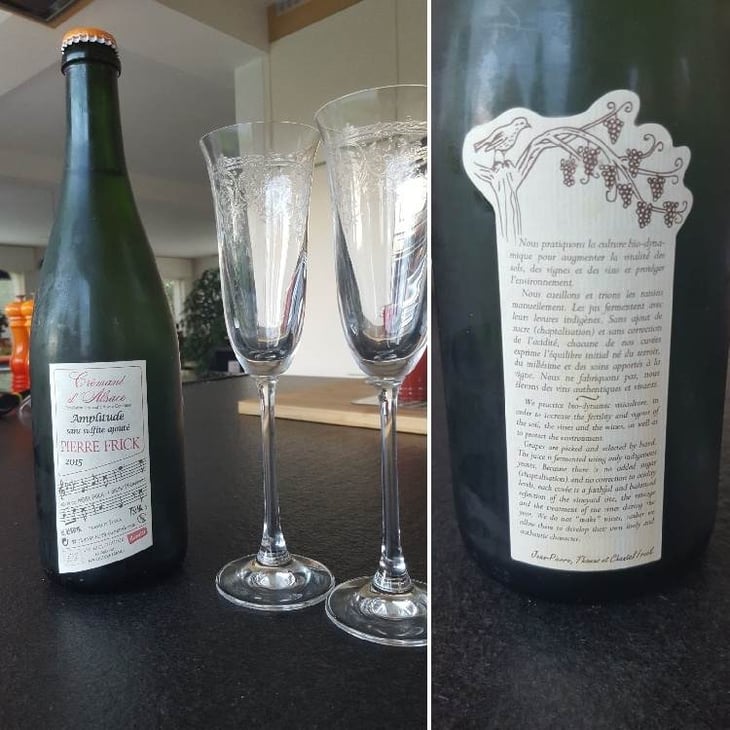
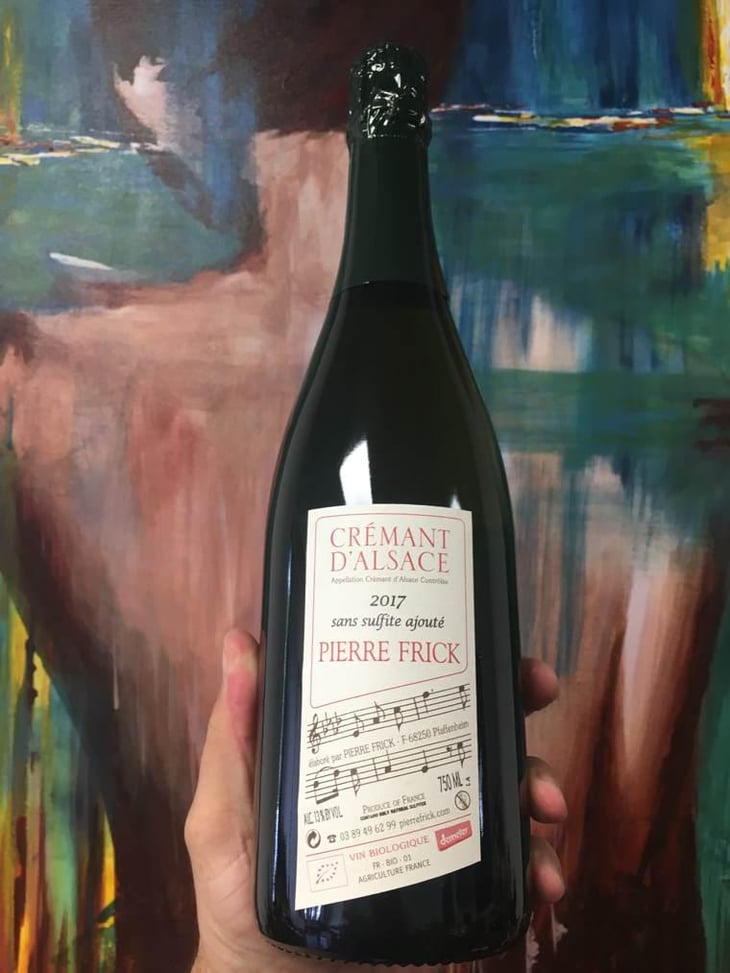
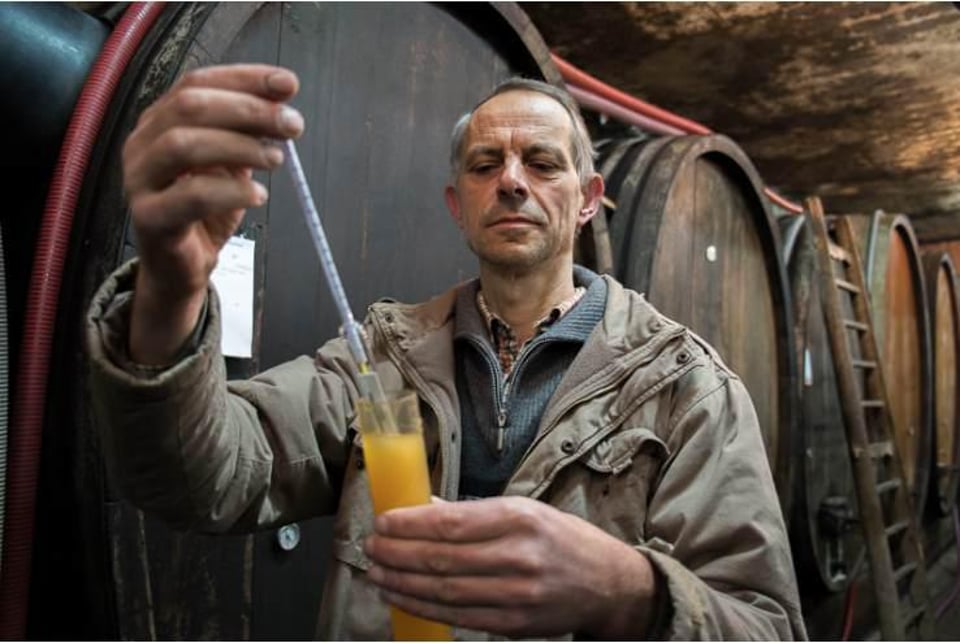
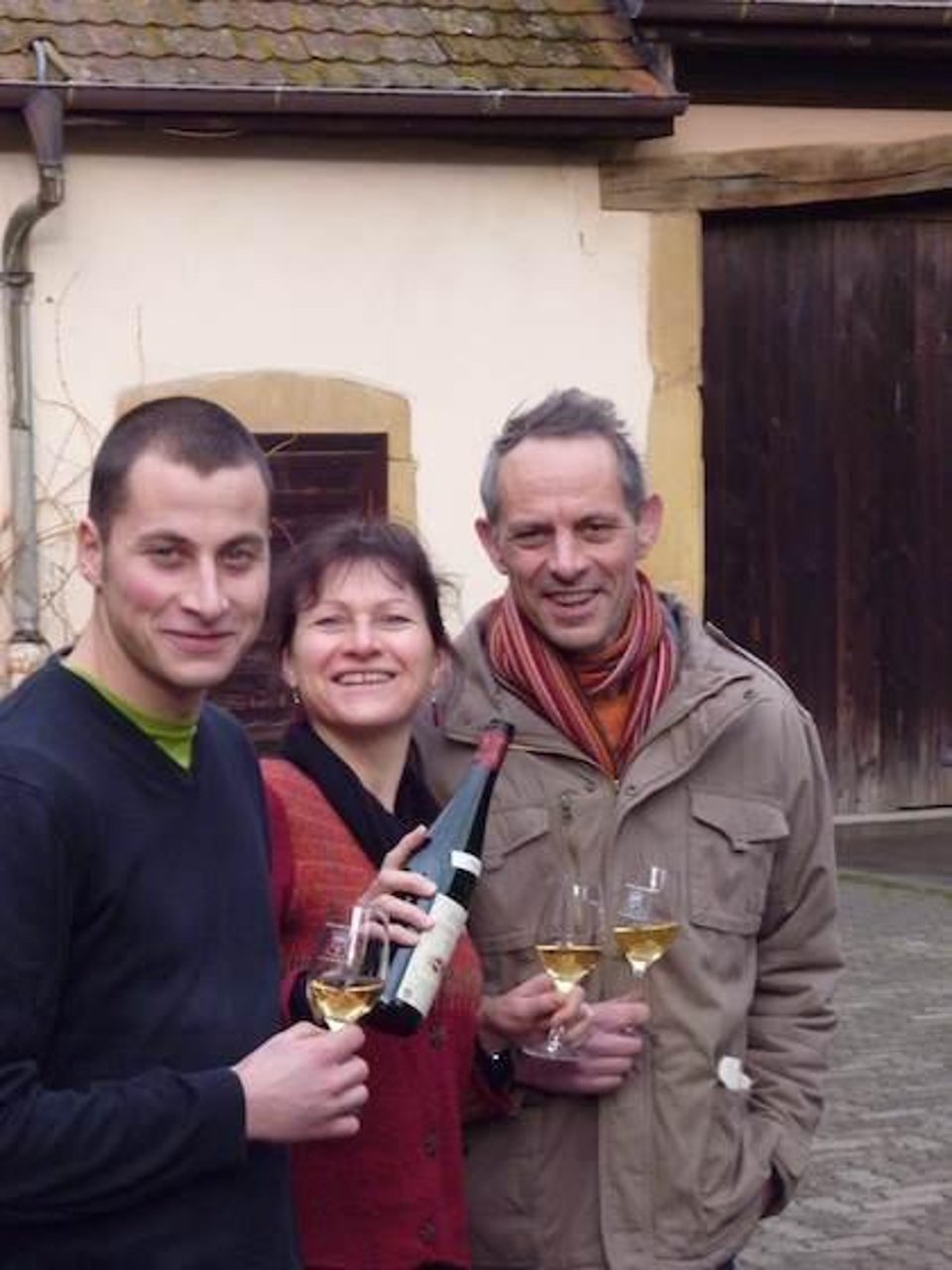
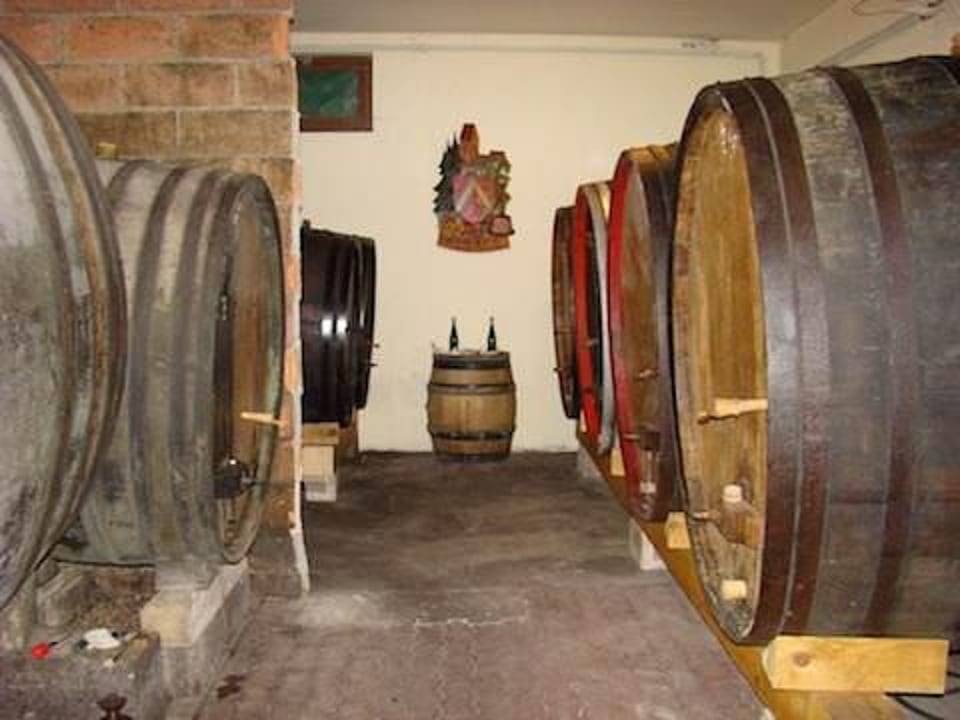
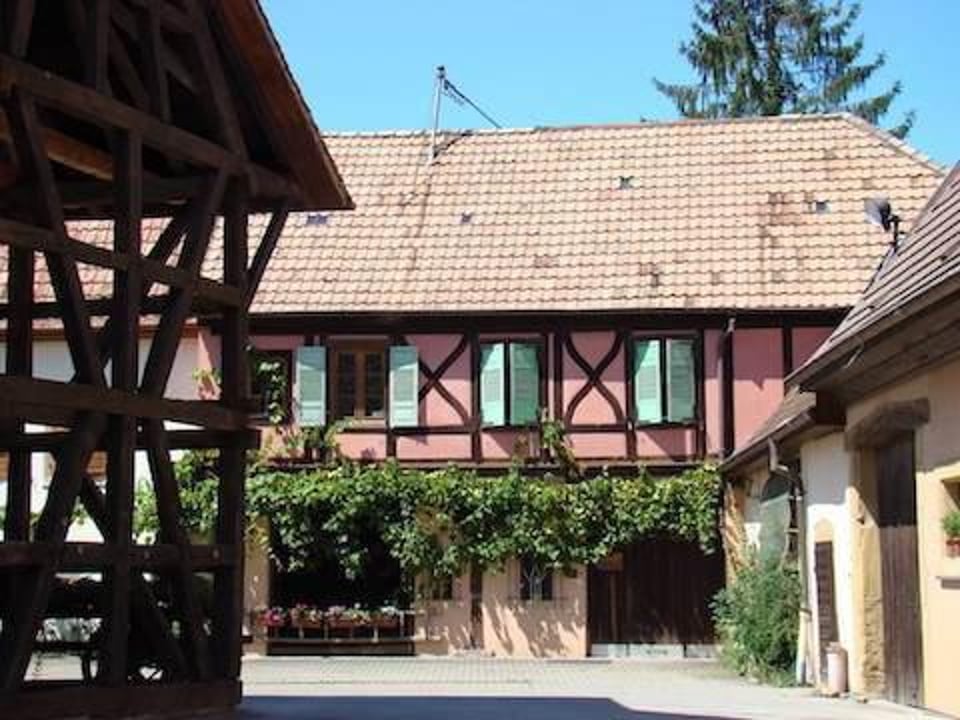
The vines are spread across some thirty plots, a mosaic of a dozen predominantly limestone terroirs, some as far apart as 15 km. These vineyard plots, located on fracture zones of the Rhine Graben, are highly diverse in their soil and exposure, reflecting their character in the wines: named vineyard sites such as Bergweingarten, Rot Murlé, Bihl, Stein, Strangenberg, Lerchenberg, and Krottenfues (Carrière). The Grand Cru vineyards of Steinert, Vorbourg, and Eichberg are the most distinctive. The fragmentation of our vineyard plots is a strength. Our numerous Alsatian grape varieties choose their specific location based on the soil and exposure. This allows us to produce 25 to 30 unique cuvées each year. However, this fragmentation requires significantly more work than a single walled vineyard. Indeed, each site has its own unique dynamics, shaped by its history, soil, climate, and the constraints of its configuration – and thus requires specific care. Only grapes from the plots we meticulously tend are vinified, bottled, and marketed by the Domaine. Since 1970, our vines have been cultivated organically, which excludes the use of herbicides, fertilizers, and synthetic chemical treatments. Our production is certified by ECOCERT. In 1981, we embraced biodynamic farming, which places agriculture within a broader framework of forces. Our aim is to enhance the vitality of the soils, vines, grape juice, and wines through harmonious work in the cellar. Our wines bear the DEMETER designation. The salinity and depth of a wine, as well as its energy level, depend on the vine and its deep roots in living soil. Sowing annual companion plants (mainly legumes) aerates the soil, enriching it with organic matter and microbial life. This microbial life makes all the soil's minerals available to the vine roots, which then dissolve into the sap and migrate to the grape clusters. To ensure that the vine's energy is fully available to withstand various stresses (weather and pests) and bring its wood and fruit to maturity, we do not prune the shoots in summer. Instead, we weave them into the top of the trellis, preventing the vine from suffering multiple wounds that would need healing. This leaves the terminal buds intact, as they play a hormonally regulating role for the plant. The result is also a more organic and inviting appearance for the vine, even into winter when it is leafless. The harvesting and manual sorting of the grapes takes place over four to five weeks. The harvested grapes are pressed whole, without crushing, and sometimes macerated for a few days. The juices are not sulfited and ferment with their indigenous yeasts. They remain a true reflection of their origin. They are not enriched by the addition of sugar (chaptalization) or by the removal of water (reverse osmosis or vacuum boiling). Acidity is not adjusted. The wines are not fined. They are simply racked (separated from the initial fermentation sediments). Aging on fine lees takes place for 6 to 9 months in century-old oak casks. During this slow gestation, without the interference of added sulfites, the wine remains free to follow its natural path of mineralization. The final result is tasted like "pure plant water." However, this stage requires constant monitoring, punctuated by aeration of the batches when an imbalance affects their microbial life. Bottling is the final step, which can ruin all the respect shown to the young wine during its aging. We don't use a service provider, which would force us to concentrate this work into two or three days and resort to sterile filtration. On the contrary, we spread the bottling over several weeks, depending on the wines' development and on favorable dates (the planetary and tidal calendar). Each year, a few cuvées are bottled unfiltered. The others are filtered only through cellulose pads on the day of bottling, to best preserve their integrity. Our ideal is bottling without the addition of sulfites to obtain "Pure Wines," which represent 90% of our current aging volume. The emergence of wines that are alive and vibrant, like works of art, each unique and unrepeatable, is the culmination of this long, artisanal process, from the vineyard to the cellar. The patience invested in aging these wines is rewarded by their longevity in the bottle. Tasting them requires being present: "Take your time and give the wine time." A vintage, which has evolved within the restricted volume of the bottle, is released into the space of a glass and into contact with the air… Let the alchemy of its aromas and flavors unfold, like a butterfly emerging from a chrysalis…
No rose wines at the moment.
FIND THE EVENT YOU ATTEND

Saturday January 31 - Sunday February 01
Angers
6363 KM
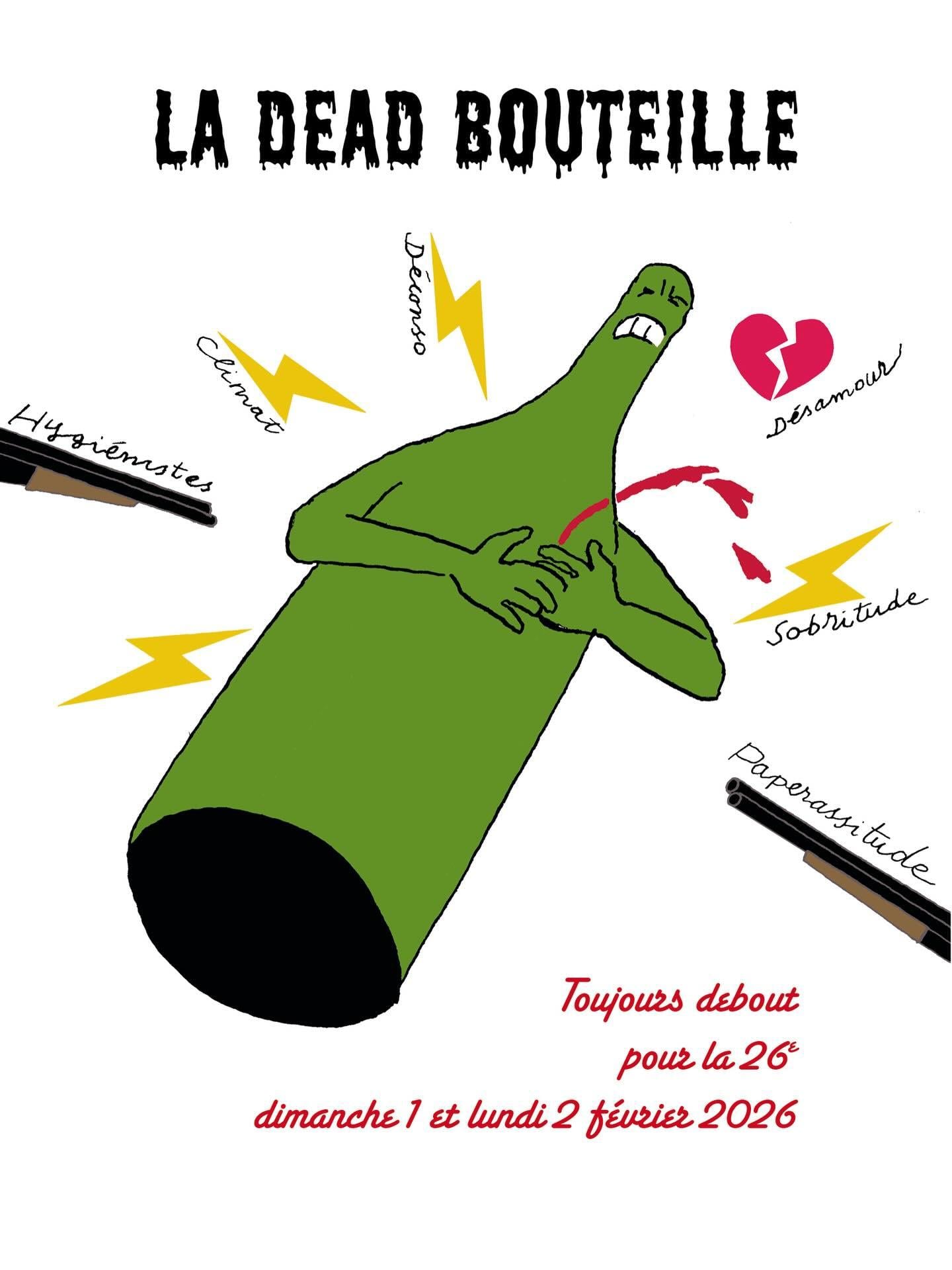
Sunday February 01 - Monday February 02
Saumur
6402 KM
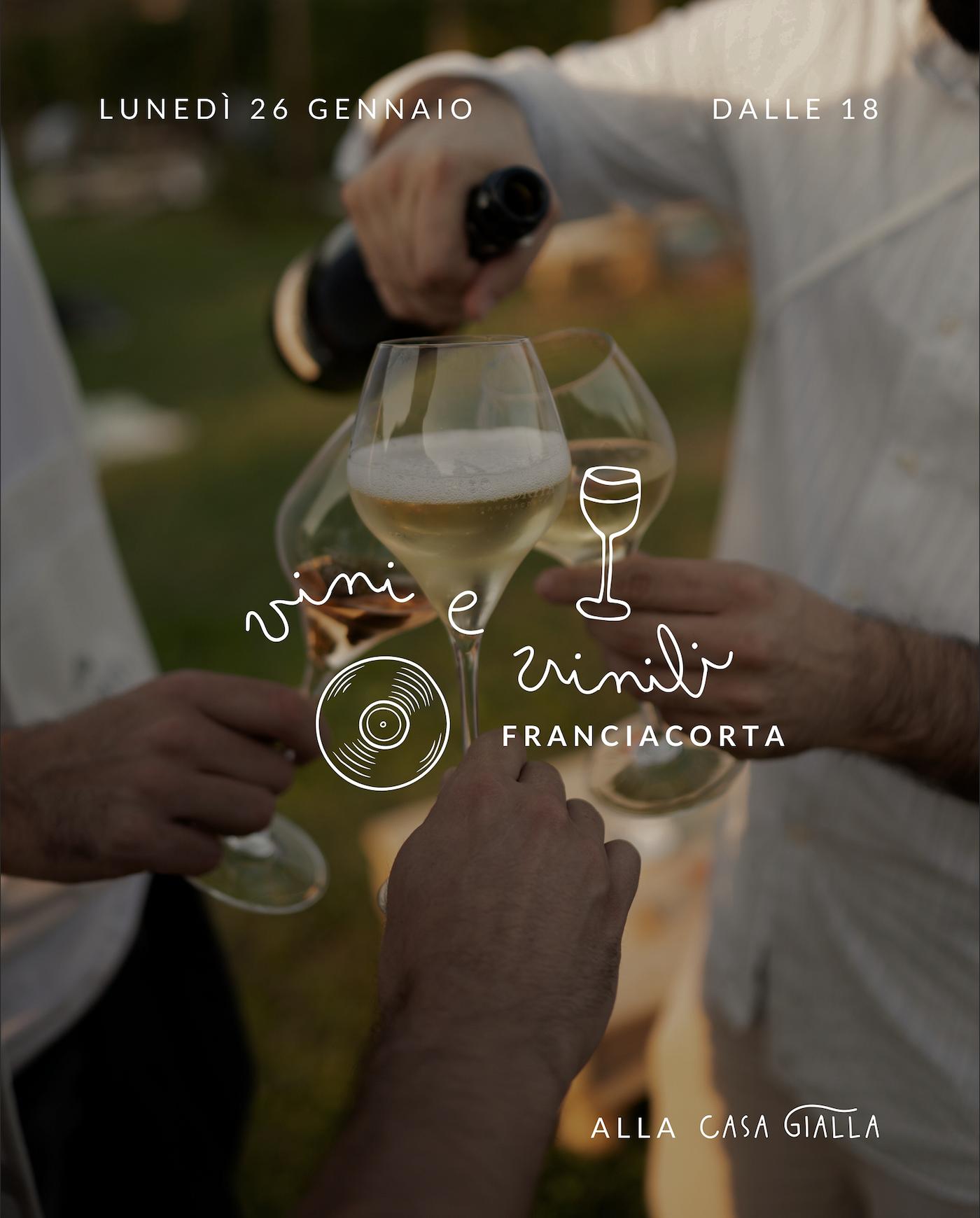
Monday January 26
BresciaItaly
7176 KM
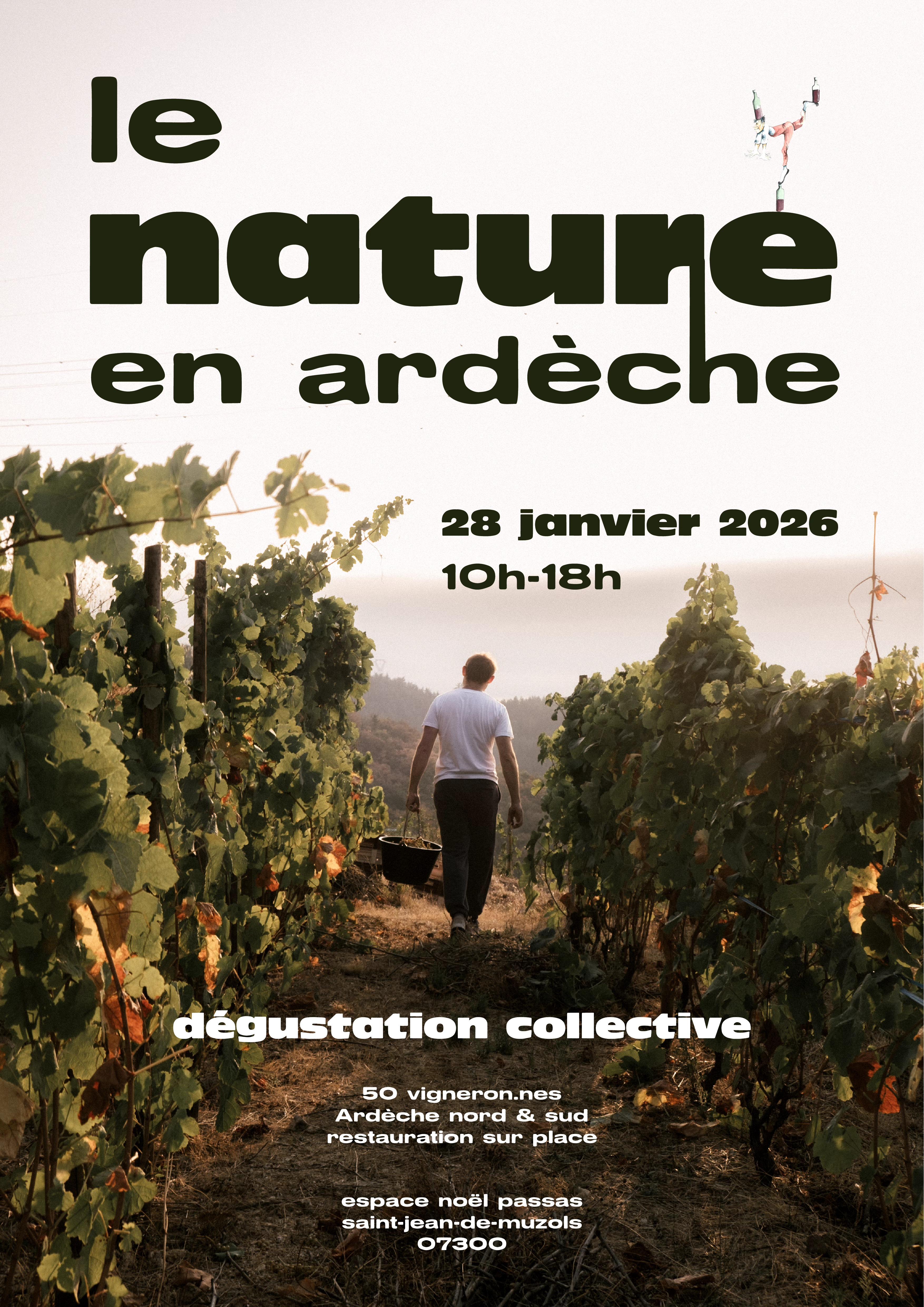
Wednesday January 28
Saint-Jean-de-Muzols
6851 KM
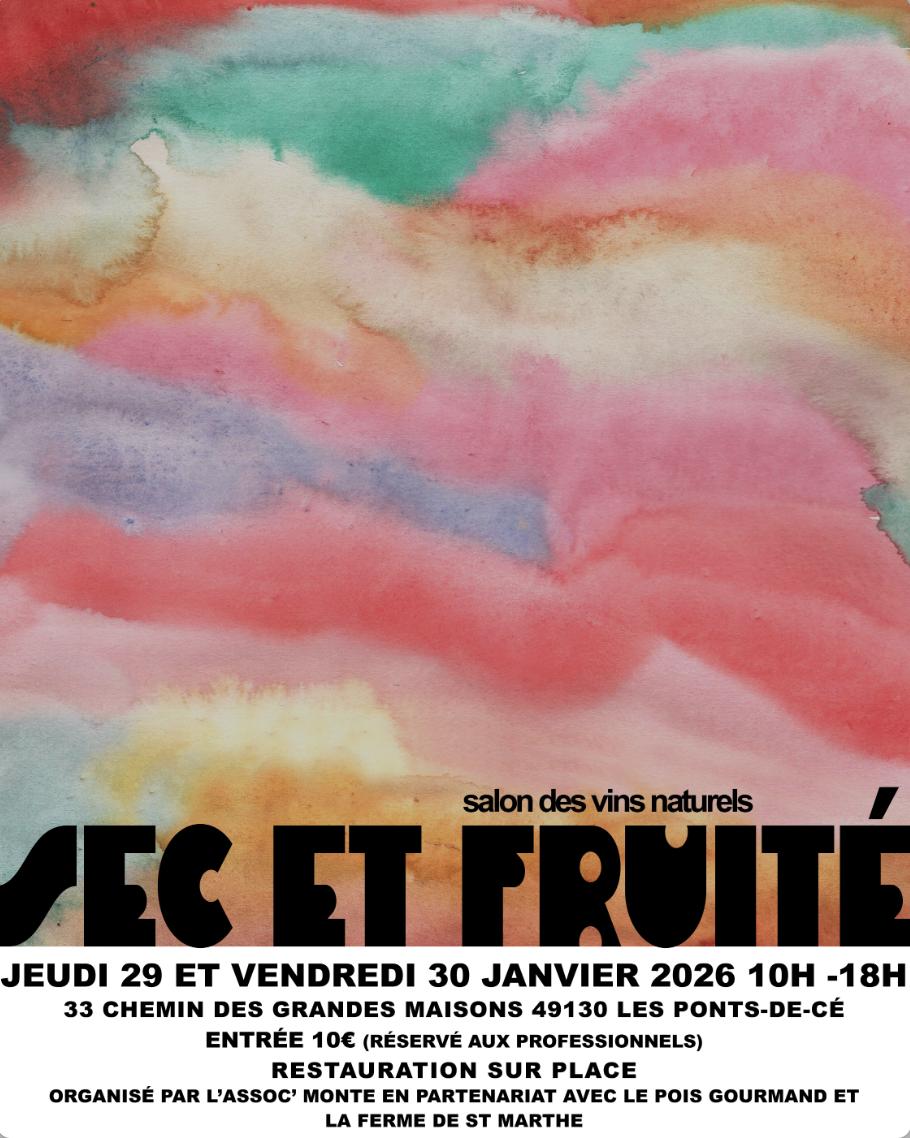
Thursday January 29 - Friday January 30
Les Ponts-de-Cé
6365 KM
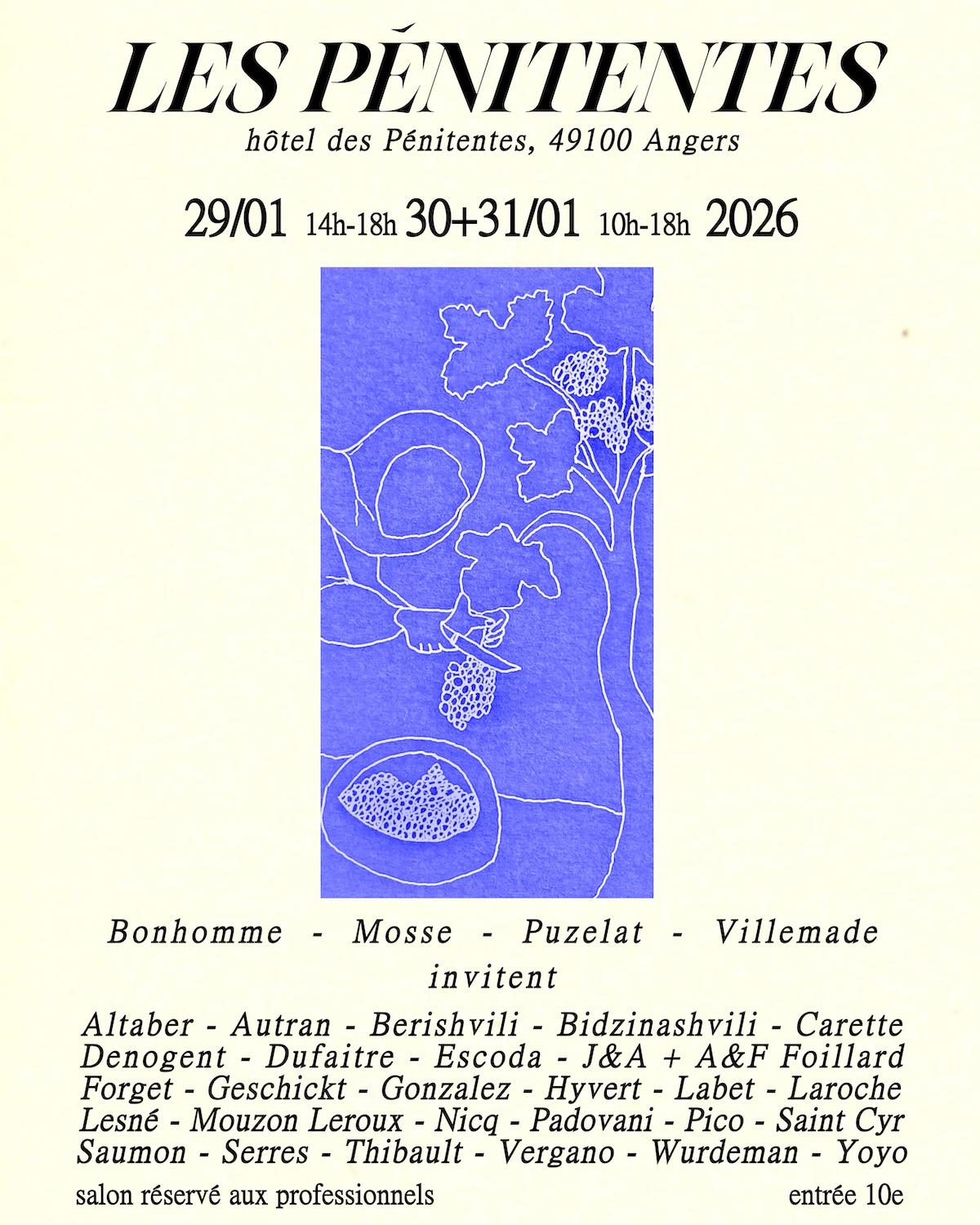
Thursday January 29 - Saturday January 31
Angers
6362 KM
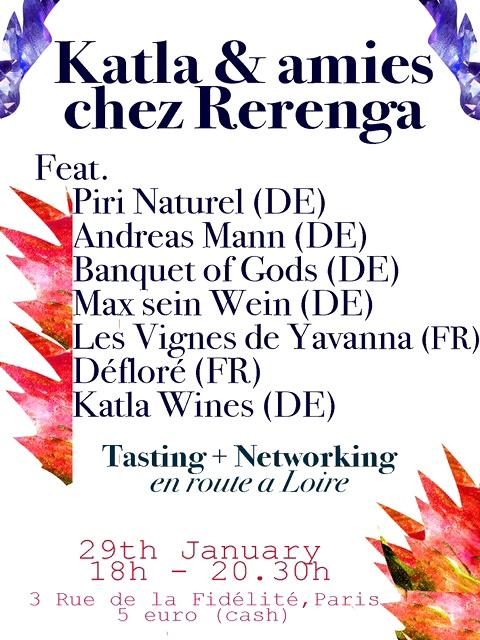
Thursday January 29
Paris
6489 KM

Thursday January 29
NiceFrance
7097 KM
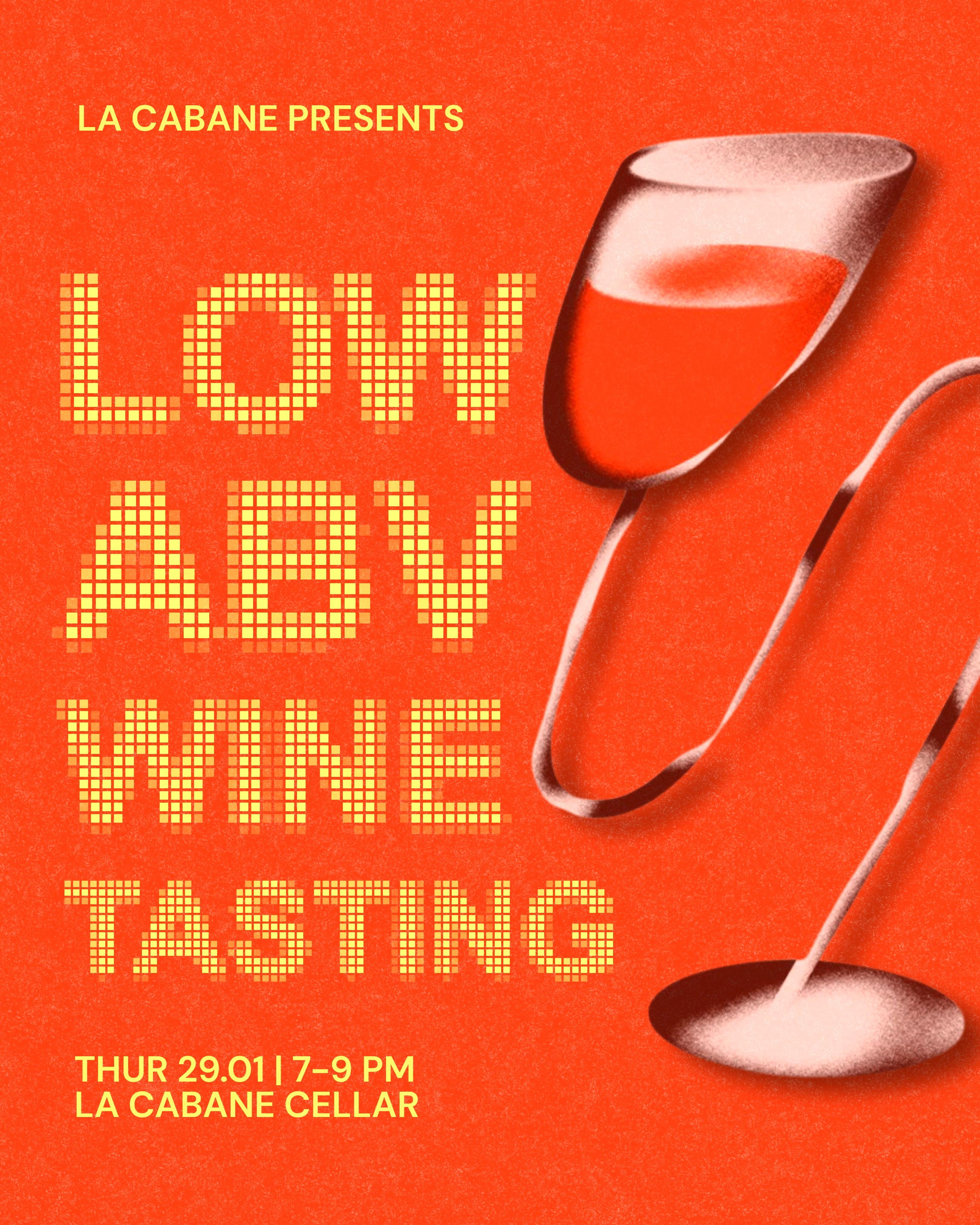
Thursday January 29
Hong KongChina
12869 KM
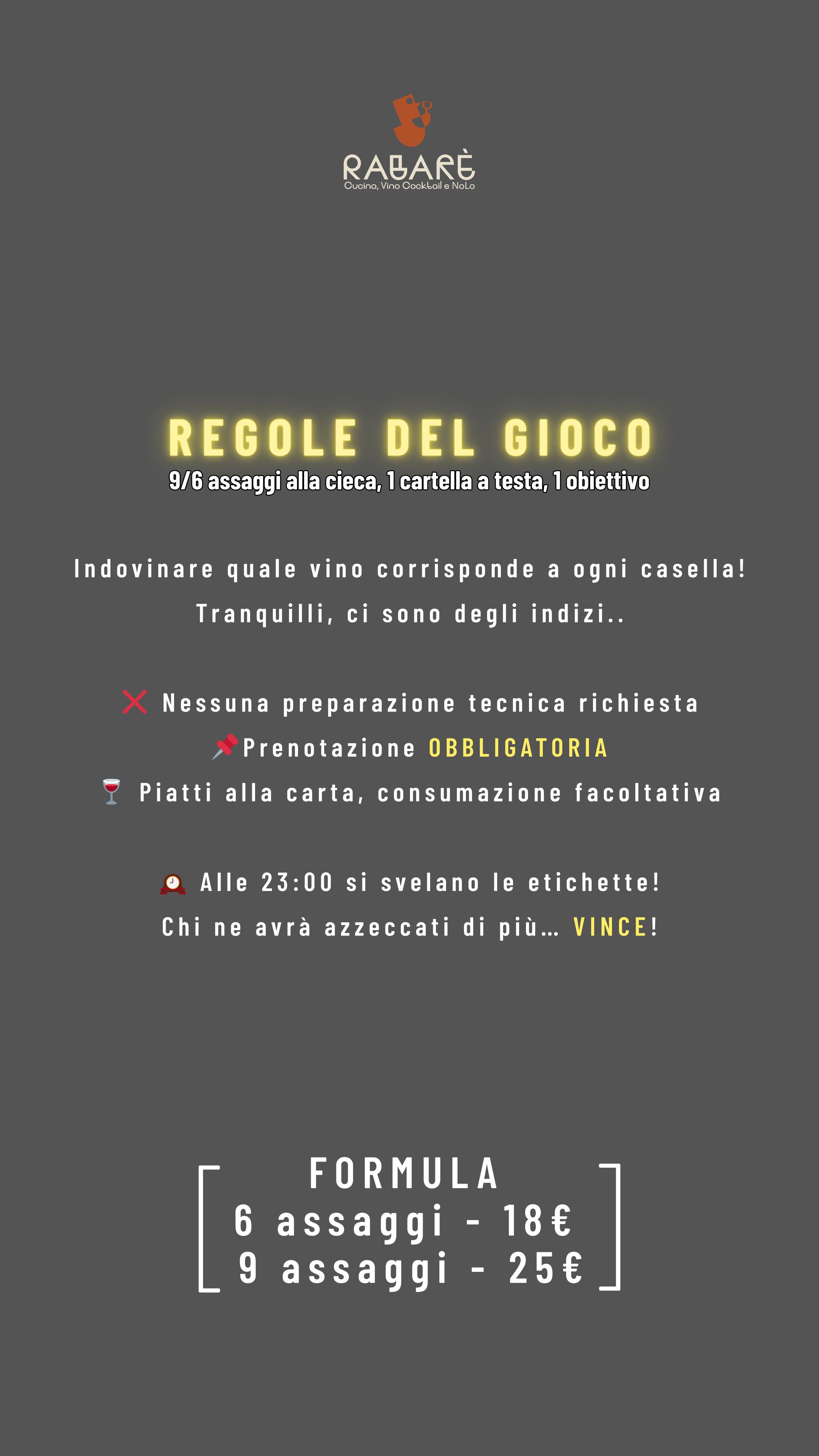
Thursday January 29
TurinItaly
7047 KM
29 16 6128 KM
Artisan, organic, biodynamic & natural wines on Peniche's Peninsula. Find us @ Dynamic Atouguia nearby IP6 gas station. Enter …115 23 6175 KM
Our ever-evolving à la carte menu is inspired by the seasons and the freshest local ingredients. We work closely with nearby p…14 2 6201 KM
Cuisine bistro, vin nature et topette..."32 3 6292 KM
Bottle shop + Wine bar in the heart of Lagos 100% beyond organic natural wines • Vinhos de pequenos produtores • Vins vivants…87 5 6323 KM
Restaurant for lunch, neighborhood bar in the evening with sheltered terrace and natural wines galore! We also offer some craf…37 4 6348 KM
We are the place you need to:1 Buy a pint (wine, beer, cider, spirits)2 Have a drink3 Eat a bite4 All 3 at once!!! ;-)36 4 6466 KM
43 years old, glasses on my nose as thick as the bottom of a bottle, I come from a blend of grape varieties offering an aesthe…2 0 6467 KM
L'Annexe c’est un lieu de partage et de convivialité avant tout, pour les grandes et les petites occasions du quotidien ! Nous… Winemakers
 Restaurants
 Bars
Bars Wine Shops
 Accommodations
 Events