36 2403 8464 KM
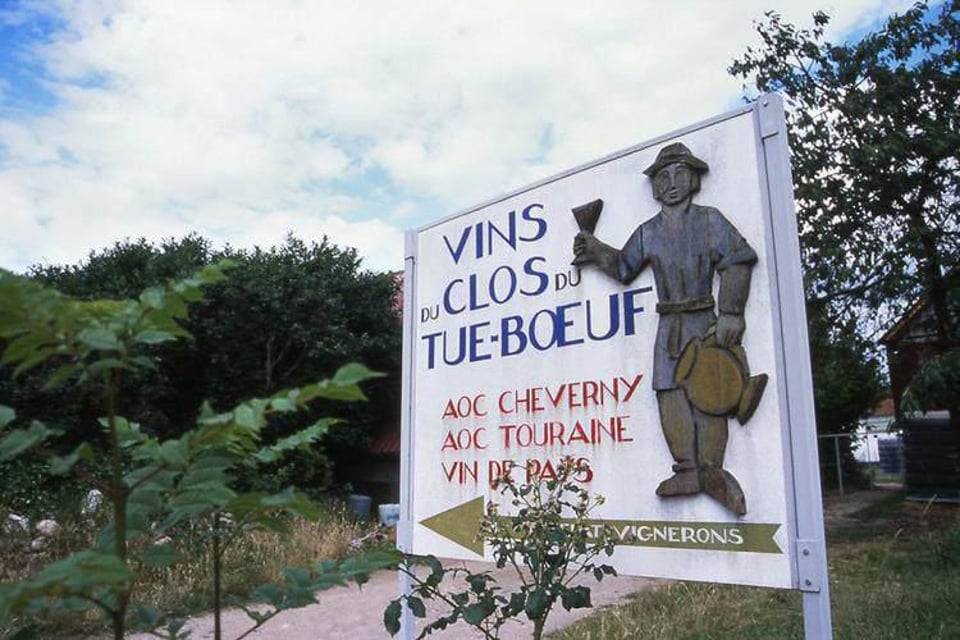
Indeed, the first traces of this eleven-and-a-half-acre vineyard (barely six hectares), located in the locality of Tue-Bœuf, in the commune of Les Montils, date back to the Middle Ages. History recounts that the wines produced at Tue-Bœuf graced the royal tables and that Francis I and Queen Claude were particularly fond of them. There are also mentions of this vineyard during the reign of Henry III. Furthermore, the Puzelat family (formerly "Puzelatz"), present in Les Montils since the 15th century, could well be linked to this ancestral know-how…
Because, as far as anyone can remember, the Puzelat ancestors were always farmers, mixed crop growers and winegrowers. It was Jean and Solange Puzelat who took over the Tue-Bœuf estate from Jean's parents in 1947, at that time still mixed farming (vines, asparagus, strawberries, cereals, livestock…), to convert it into a full-fledged vineyard in the 1970s. Of their children, Jean-Marie and Thierry succeeded them, after having explored the vineyards, each on their own, in France and abroad.
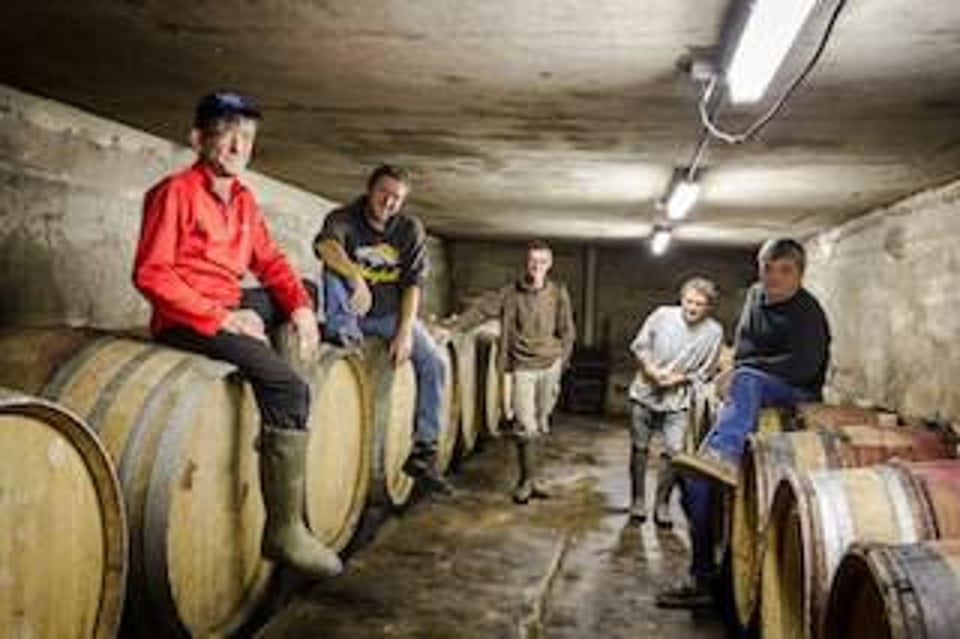
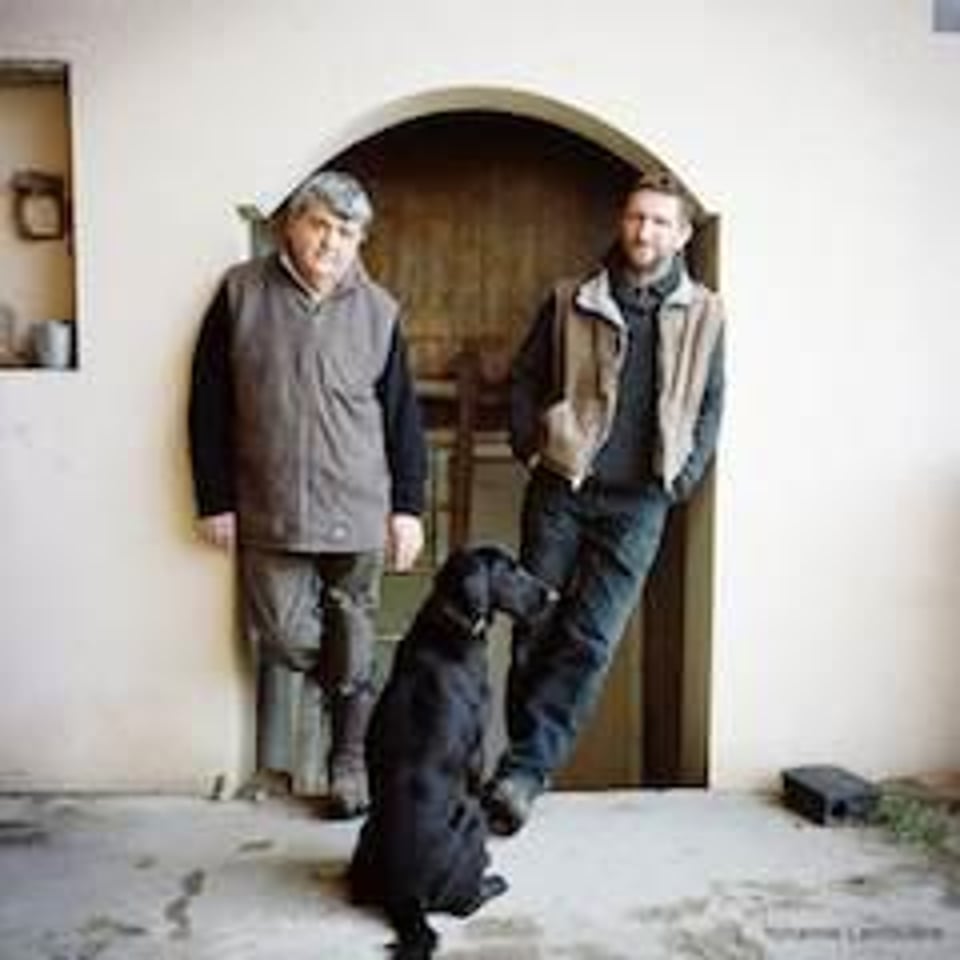
Jean-Marie was the first to take the plunge, in 1989 , and joined Thierry in 1994. With this new generation, the estate modernized and expanded: the historic Clos des Montils was soon complemented by new plots located on the Monthou-sur-Bièvre plateau, two kilometers away. In 2004, following meetings in Catalonia and then Georgia, Jean-Marie and Thierry decided to establish an import business to help other winemakers around the world gain visibility in France. When Jean-Marie retired in January 2019, Thierry's daughter, Zoé , returned full-time to the family winery; followed by Louise a year later. Today, Clos du Tue-Bœuf is first and foremost Zoé, Louise, and Thierry Puzelat , but also all the people who work year-round and seasonally at the estate .
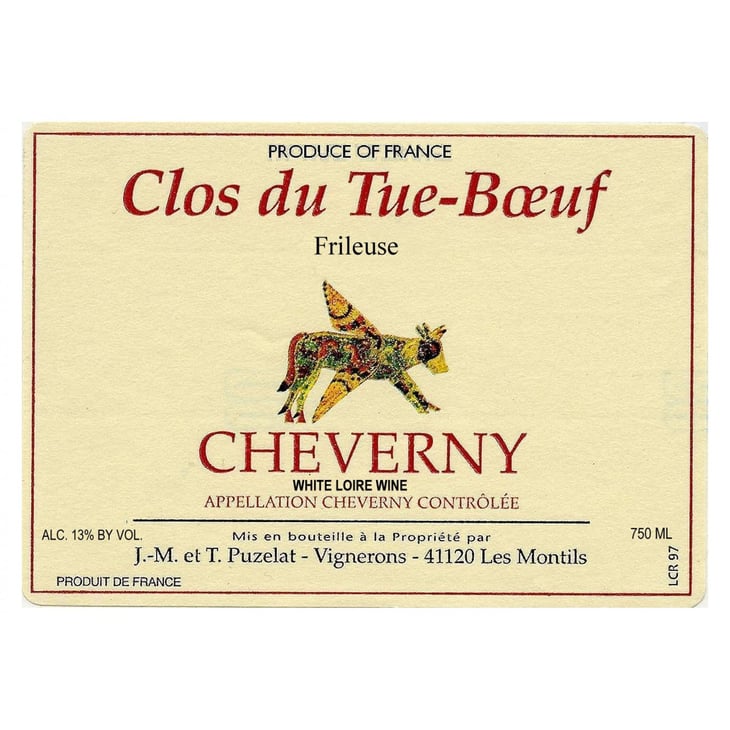
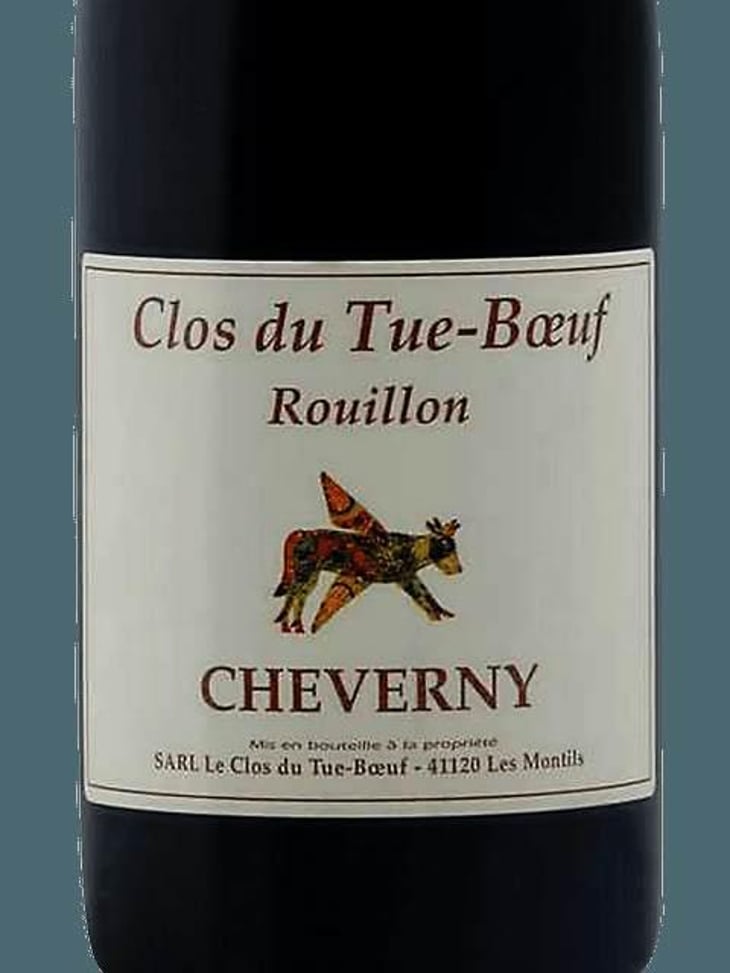
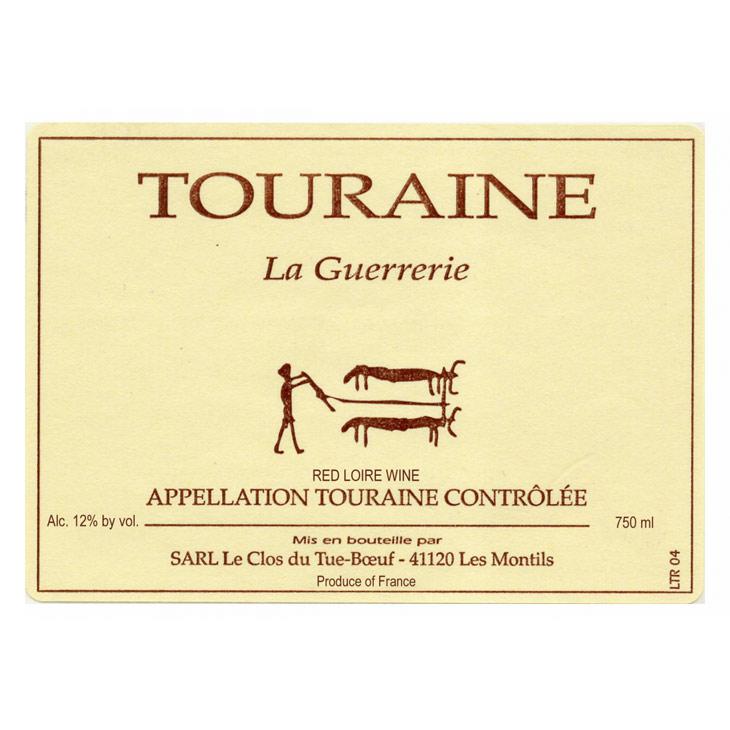
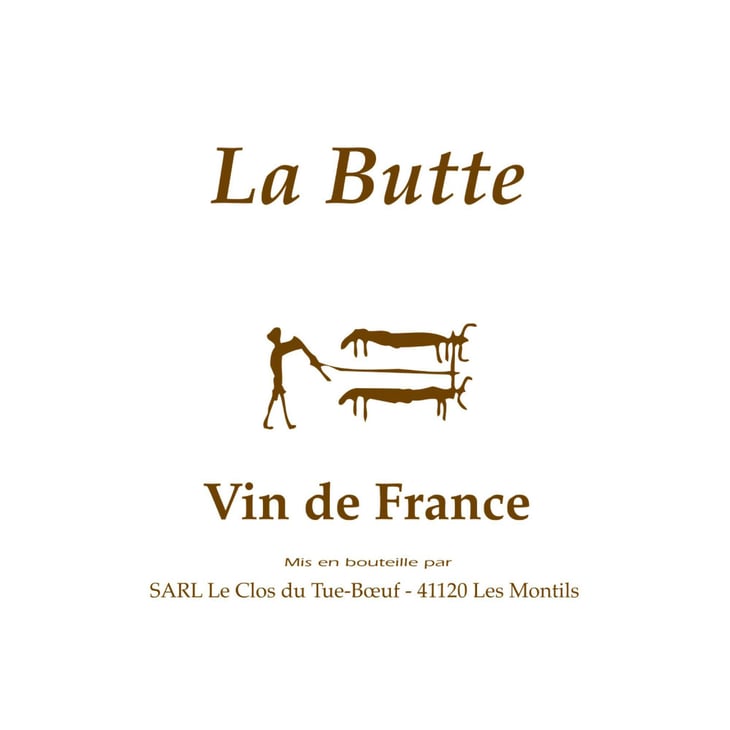
Straddling the Touraine and Cheverny appellations, Clos du Tue Bœuf produces wines solely under the Cheverny appellation. The plots located within the Touraine appellation now produce Vin de France wines .
The Tue-Bœuf vineyard is divided into two parts:
Clos du Tue Bœuf is unique in that it sits on a terroir of flinty clay over Blois chalk , on south/southeast-facing slopes overlooking the Beuvron River. Romorantins, located slightly further out, is planted on sandy soil. On the Monthou plateau, Brin de Chèvre and Guerrerie are situated on flinty clay soils, while Buisson Pouilleux and Petit Buisson are planted on sandy soils with gravel.
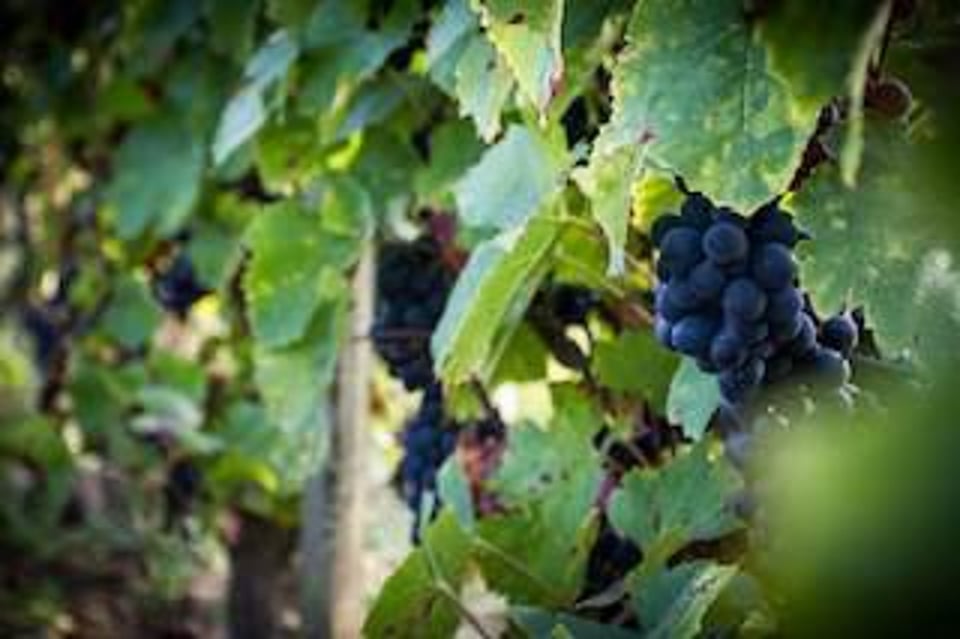
Isolated from other agricultural areas, the Tue Bœuf vineyards are nestled within a mosaic of fallow land and woods that maintain a balanced ecosystem . The age of the vines varies from one place to another, but ranges from 1 to 115 years, with a majority of vines originating from the vineyard renewal project established in the 1960s by Jean and Solange, in order to transition from plowing with horses to mechanization.
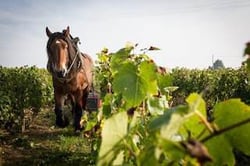
Planting density is also closely linked to this process: Clos du Tue-Bœuf is planted at 4,500 vines per hectare, while on the Monthou plateau, the density is higher: 6,500 to 7,500 vines per hectare. We supplement our tractor-based soil work with animal traction, which allows for better control of plowing in the high-density vineyards and, systematically, in the old vines.
Each individual plot is vinified separately, in order to represent the wine of that place; that is to say, by harvesting an entire plot, without subdividing the harvest according to grape varieties. Thus, each year, 13 cuvées from a single plot or geological unit are produced.
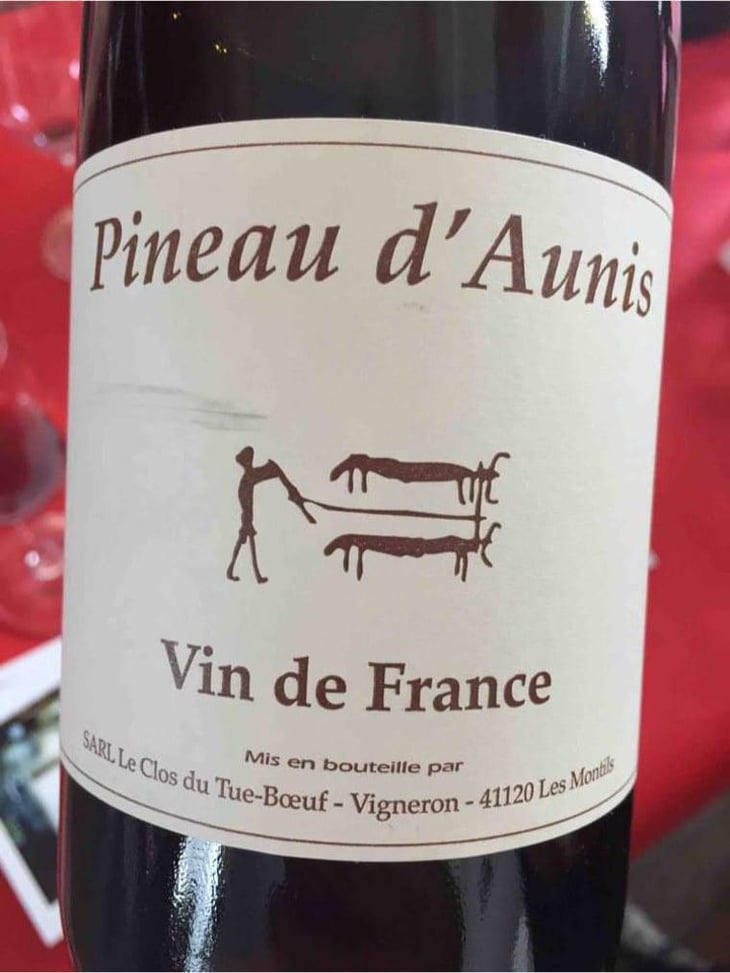
In the vineyards, the increasingly frequent frost complicates vineyard work by tiring the vines and reducing plant material and yields, which prompted us to create a trading structure in 2003. The project of this structure allows us to continue to produce wine by blending it with our grapes in some cases (Pineau d'Aunis…), as well as by trying the vinification of new grape varieties (Aligoté in 2018).
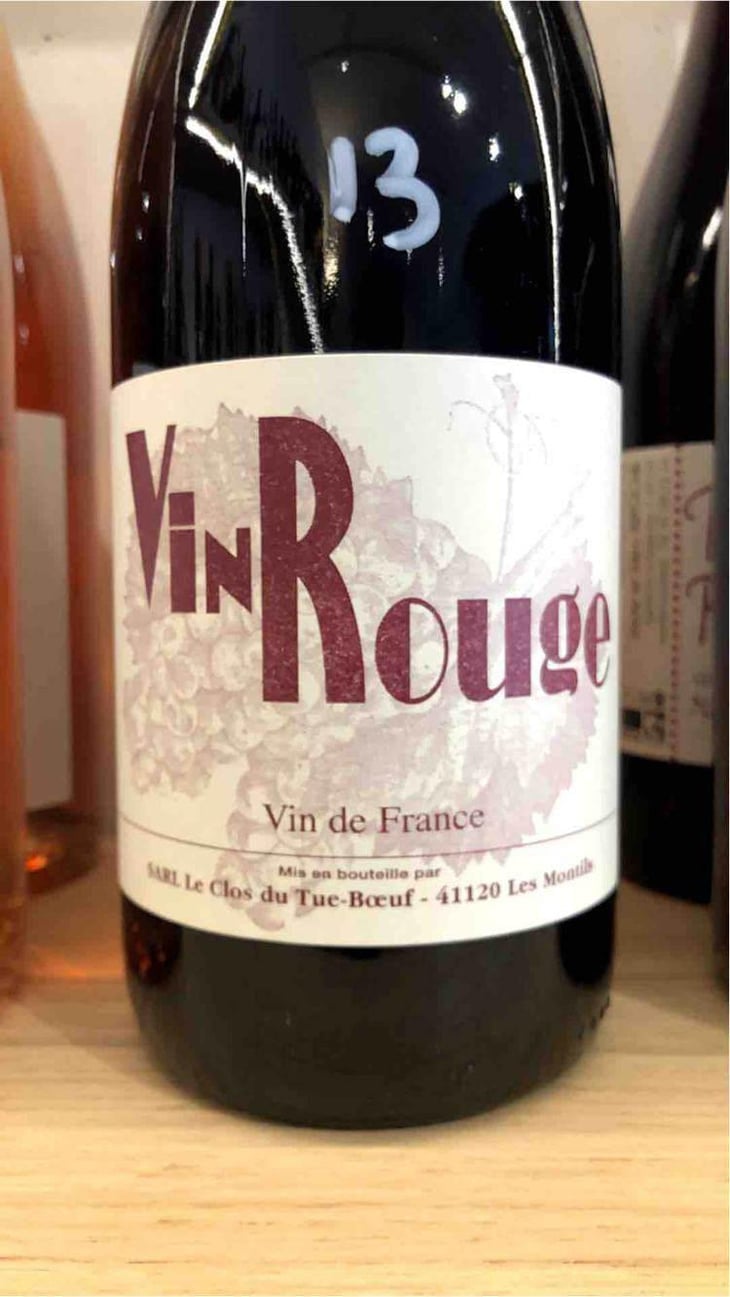
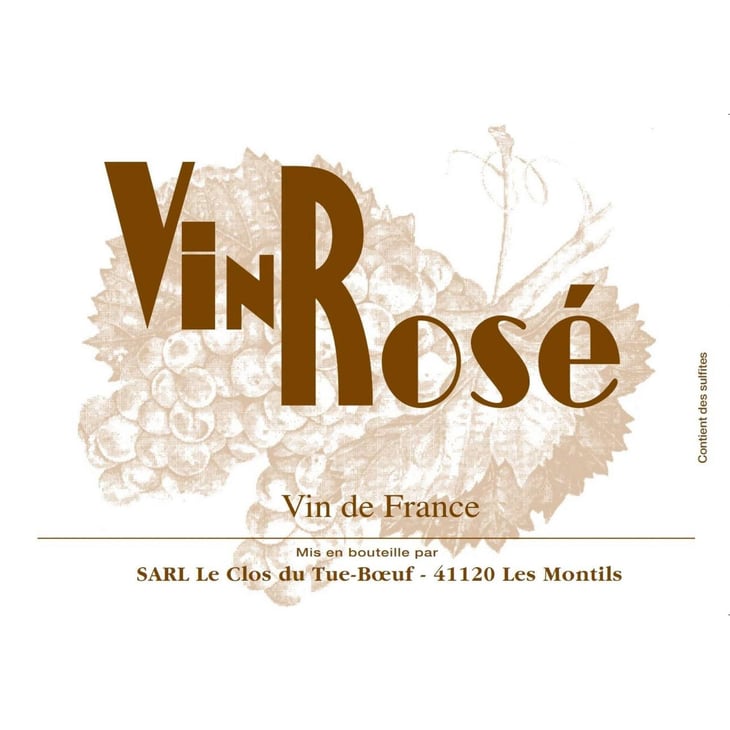
In parallel, the winery also receives grapes purchased on the vine from winegrowers in the Cher valley in order to produce generic wines (White Wine, Red Wine and Rosé Wine) which are drunk in their early youth expressing the fruit: simple and honest wines, in the trajectory of a philosophy of thirst-quenching wines.
Because being a farmer means having an ecological responsibility, Jean-Marie and Thierry Puzelat converted the estate to organic viticulture as early as 1996.
And because being a winemaker means offering unique and digestible natural wines, since 1994, winemaking has been carried out without oenological artifice.
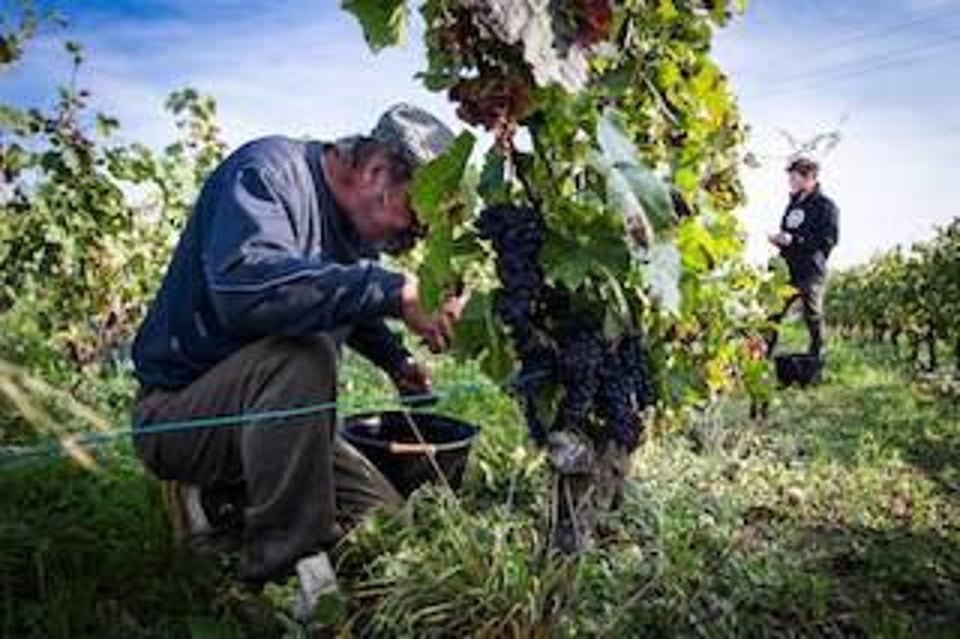
The grapes are harvested by hand to ensure only healthy, ripe fruit is selected. No additives are used during the winemaking process. Only a very small amount of sulfites may be added at bottling.
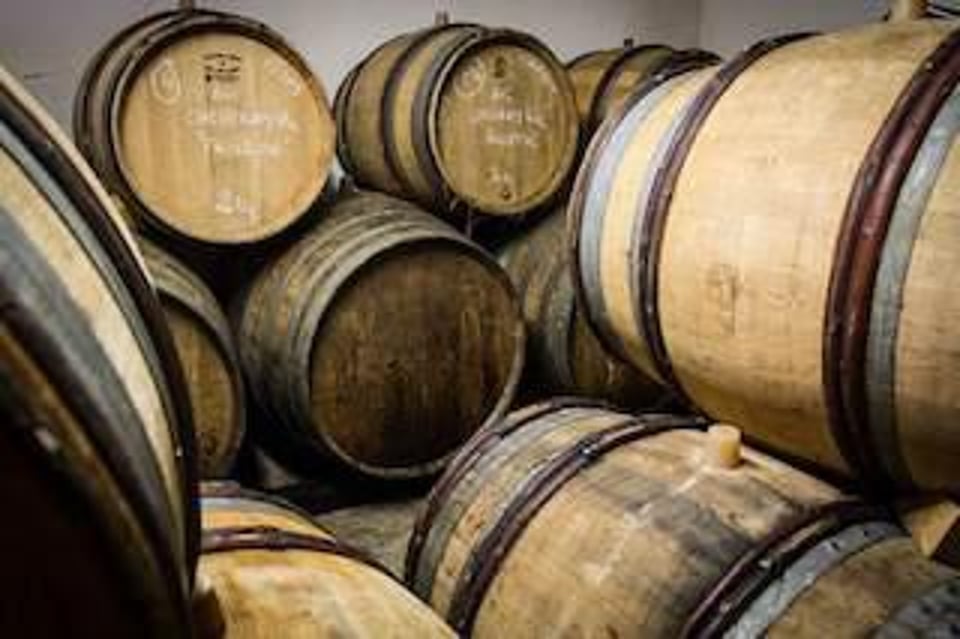
Conducted without the addition of yeasts, the winemaking process is quite lengthy. Aging in barrels allows the wine to refine and separate naturally.
Only wines aged in stainless steel tanks may be lightly filtered. Wines aged in conical tanks and barrels are bottled unfiltered.
For the Puzelat family, winemaking means positioning themselves as intermediaries between the soil and the glass of wine. It means valuing the diversity of their plots. It means imprinting the character of the terroir and the vintage. It means offering wines that express the place they come from and the climate that gave them birth.
Cold-sensitive:
Gravotte Blanc:
The Goat's Strand:
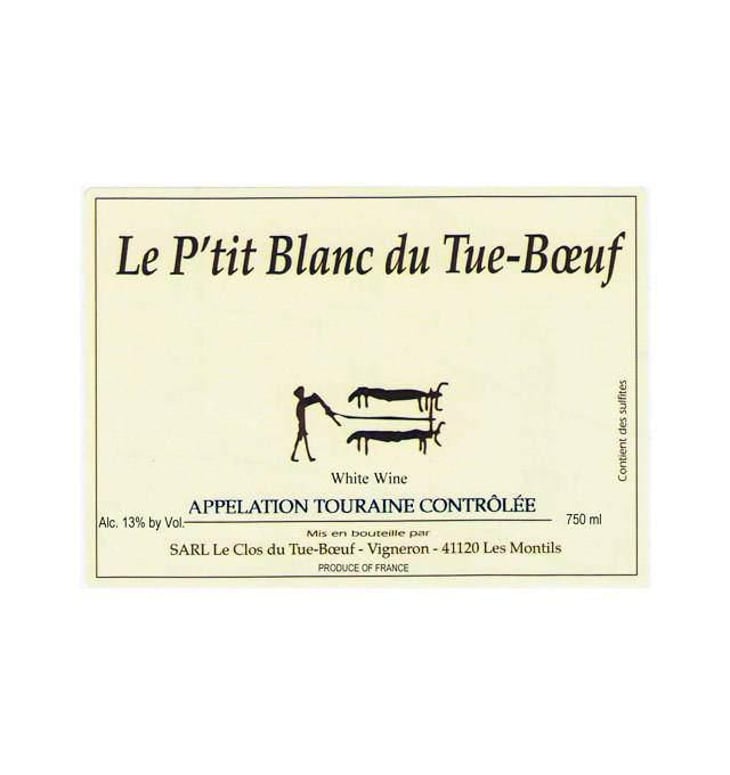
White Wine:
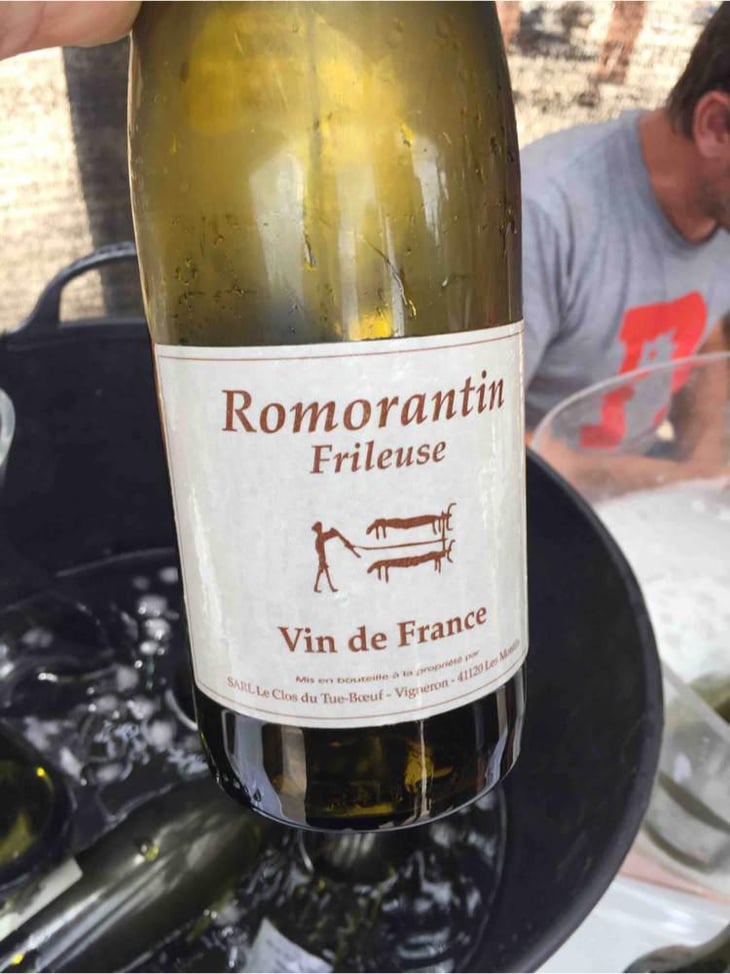
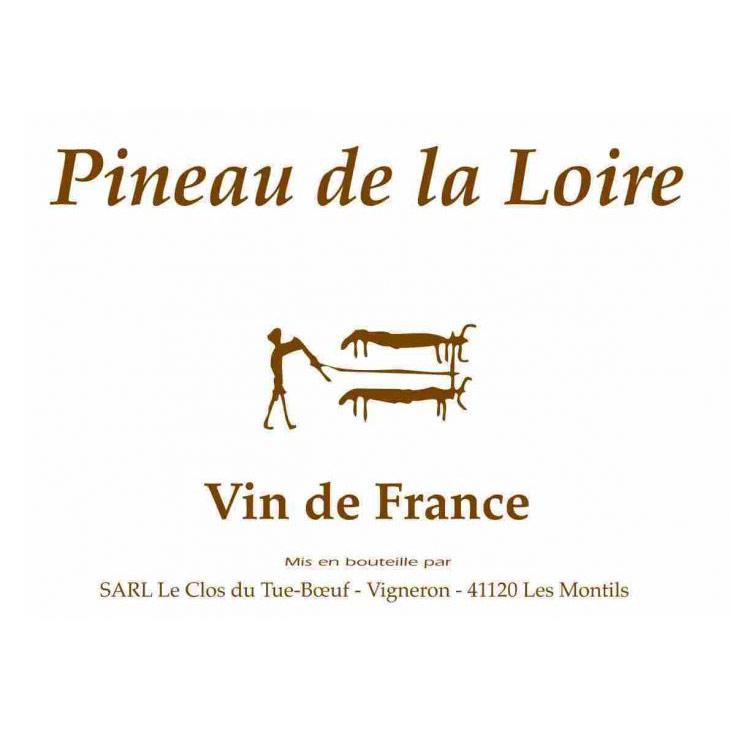
Pineau de la Loire:
Dolia:
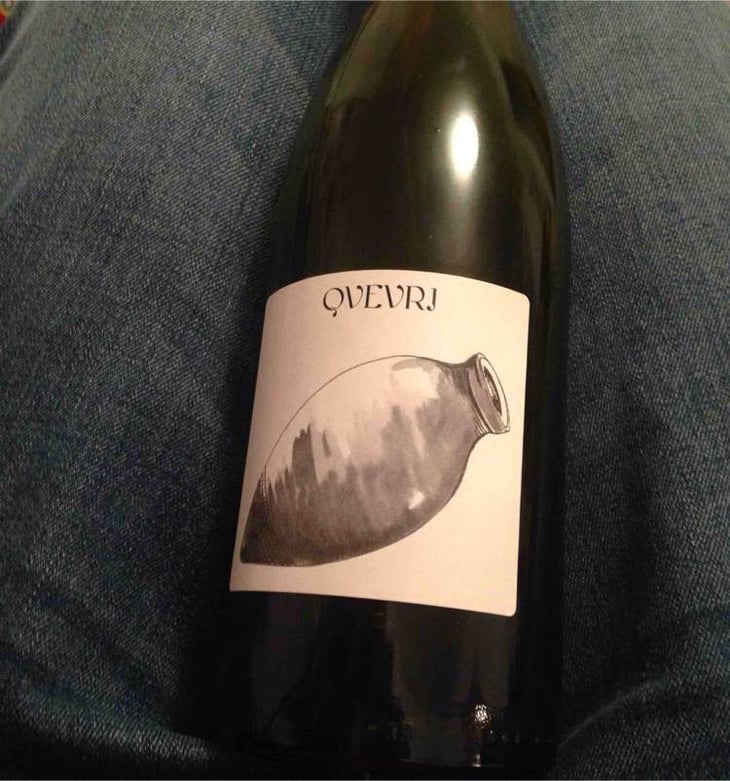
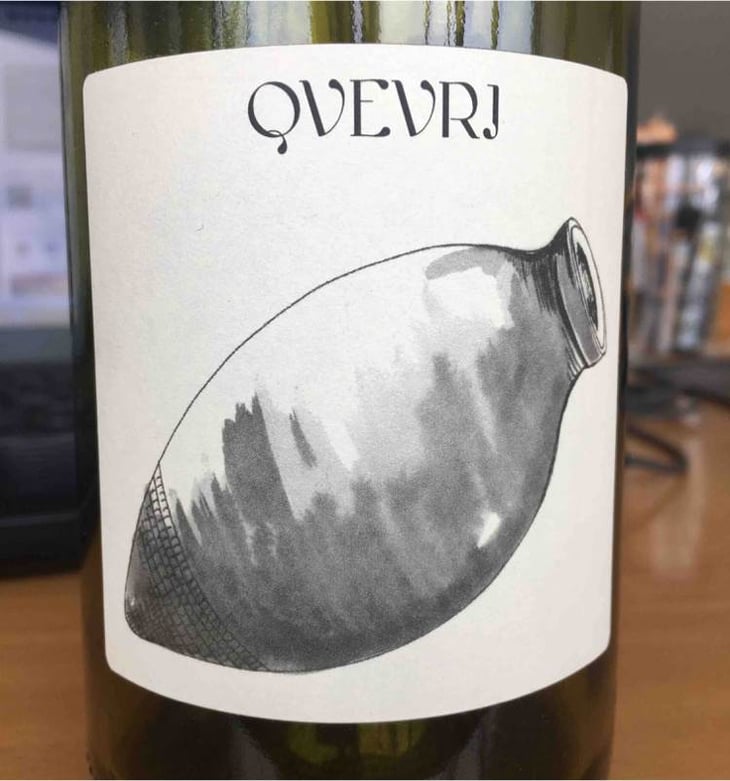
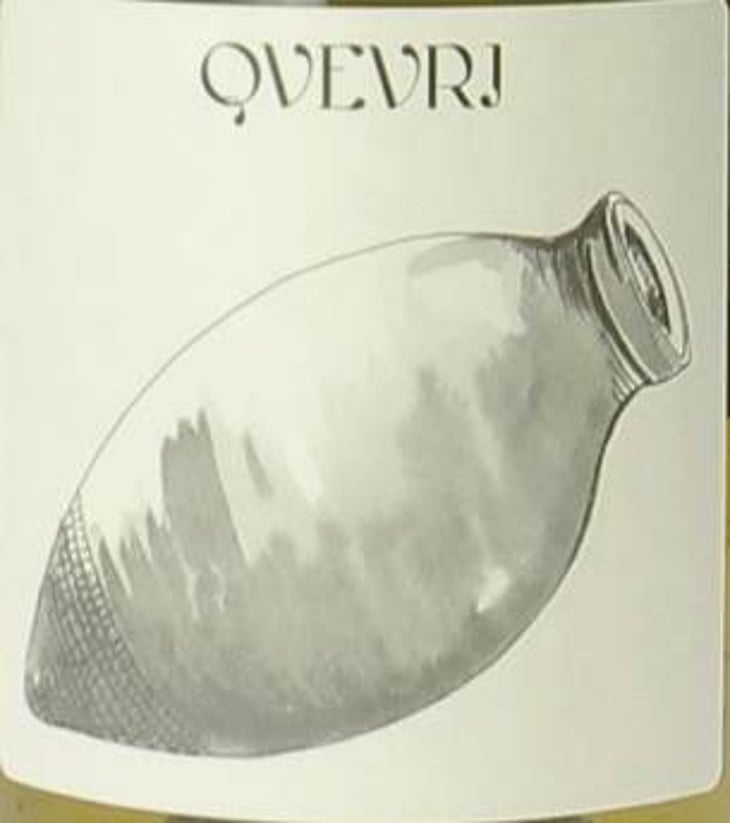
Qvevri:
Clos du Tue Bœuf imports wines from select foreign winemakers chosen for the quality of their work and the uniqueness of their expression. These are exclusively natural wines grown organically.
The story began with the wines of Joan Ramon Escoda, a winemaker in Montblanc, Spain. Charmed by their quality, Thierry Puzelat decided to import them to France for distribution. Then, little by little, Thierry and Jean-Marie set out to discover natural wines throughout Europe and beyond (Georgia, Chile, Japan). These were as much wine-related encounters as they were friendly ones—a way to share a little-known expertise and open French palates to new flavors.
These wines are available from wine merchants and restaurateurs who distribute Tue Bœuf wines.
No sparkling wines at the moment.
FIND THE EVENT YOU ATTEND

Saturday January 31 - Sunday February 01
Angers
6363 KM
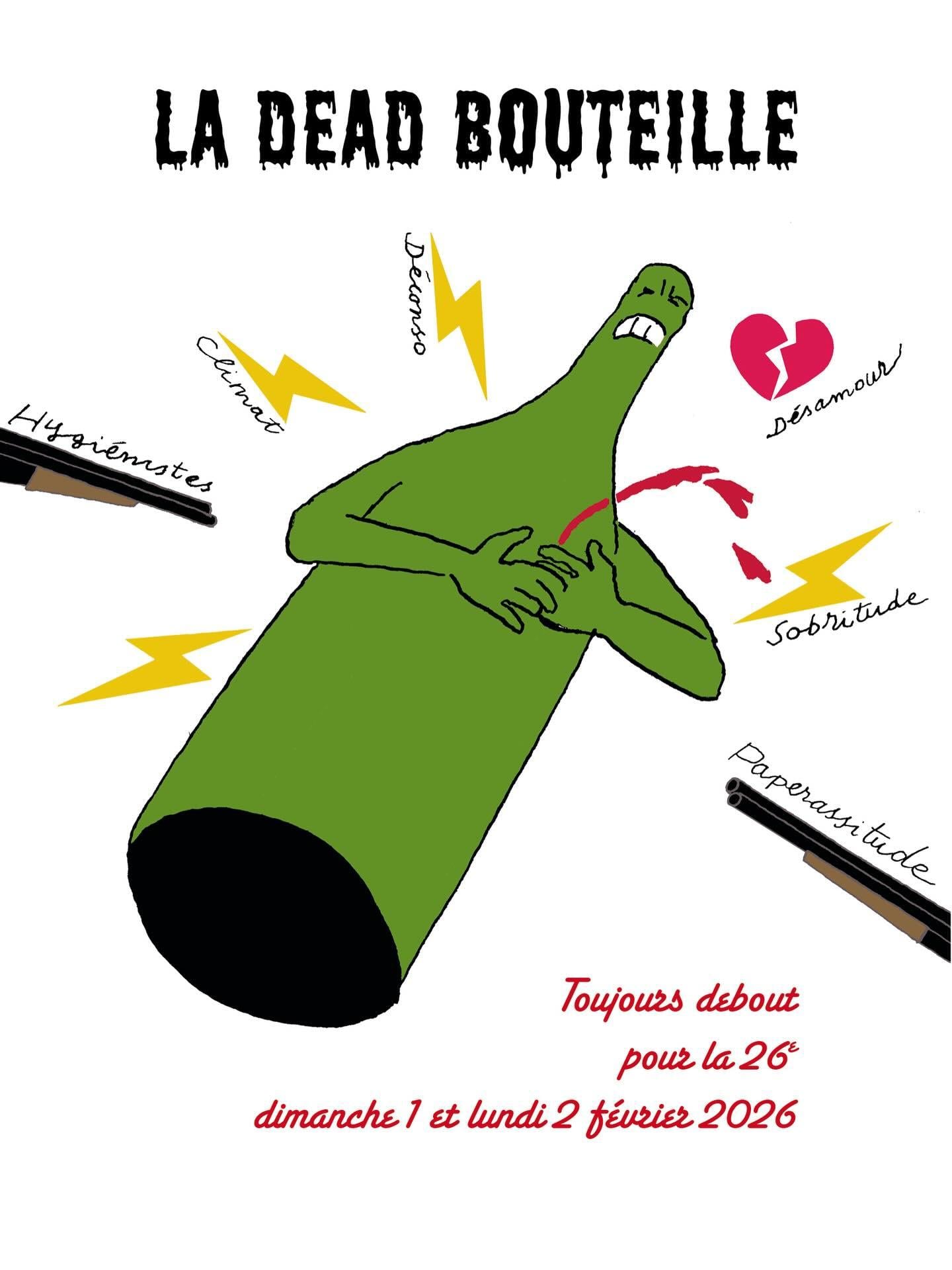
Sunday February 01 - Monday February 02
Saumur
6402 KM
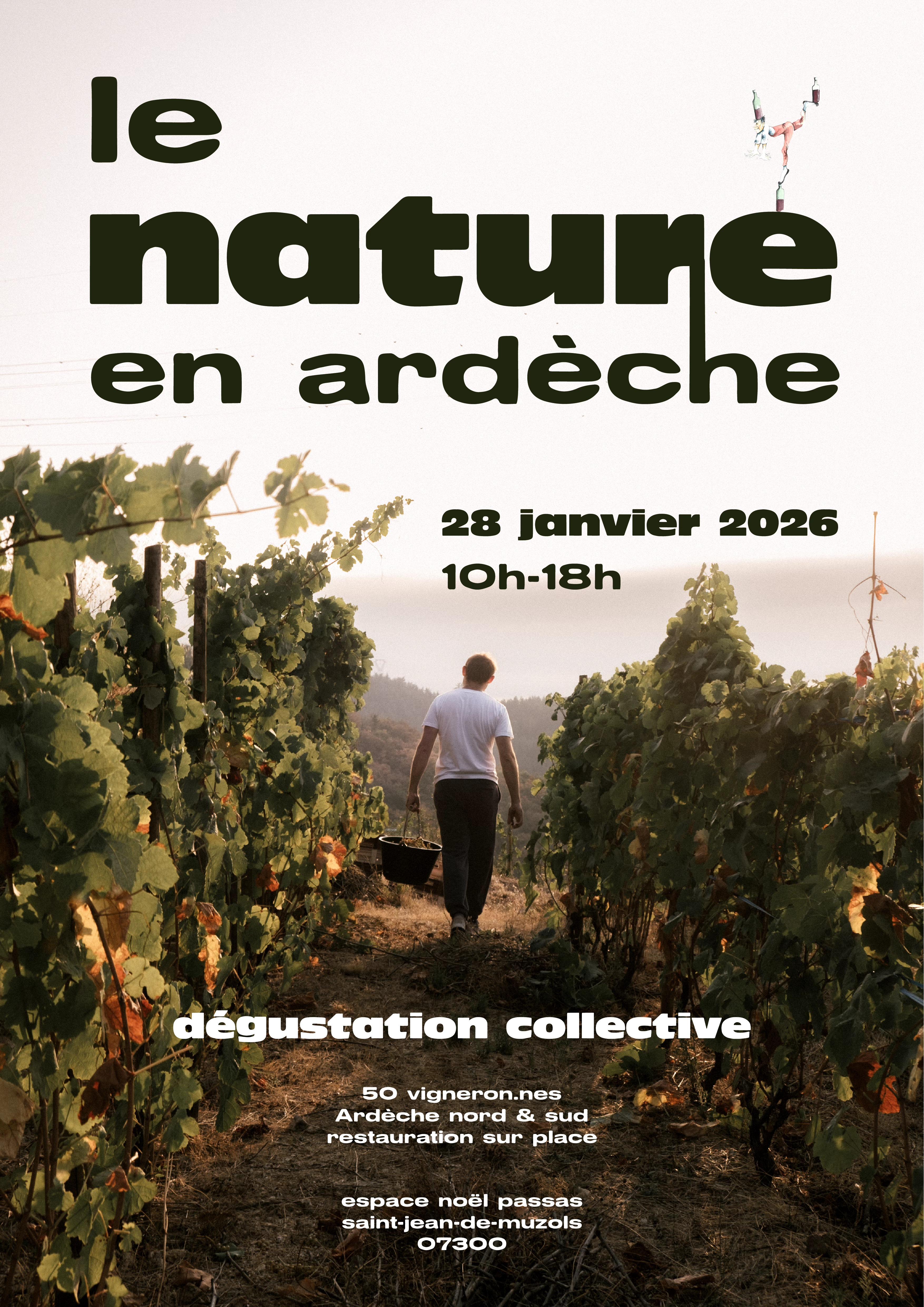
Wednesday January 28
Saint-Jean-de-Muzols
6851 KM
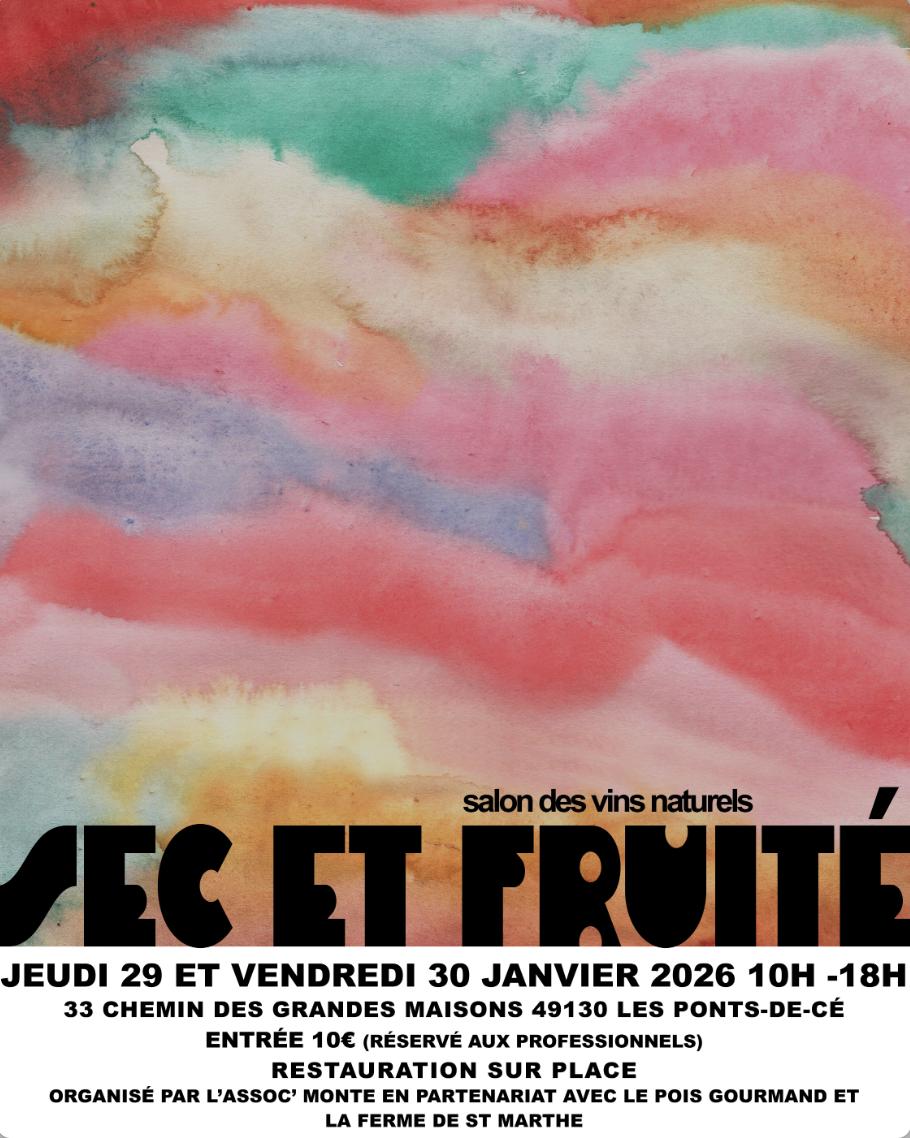
Thursday January 29 - Friday January 30
Les Ponts-de-Cé
6365 KM
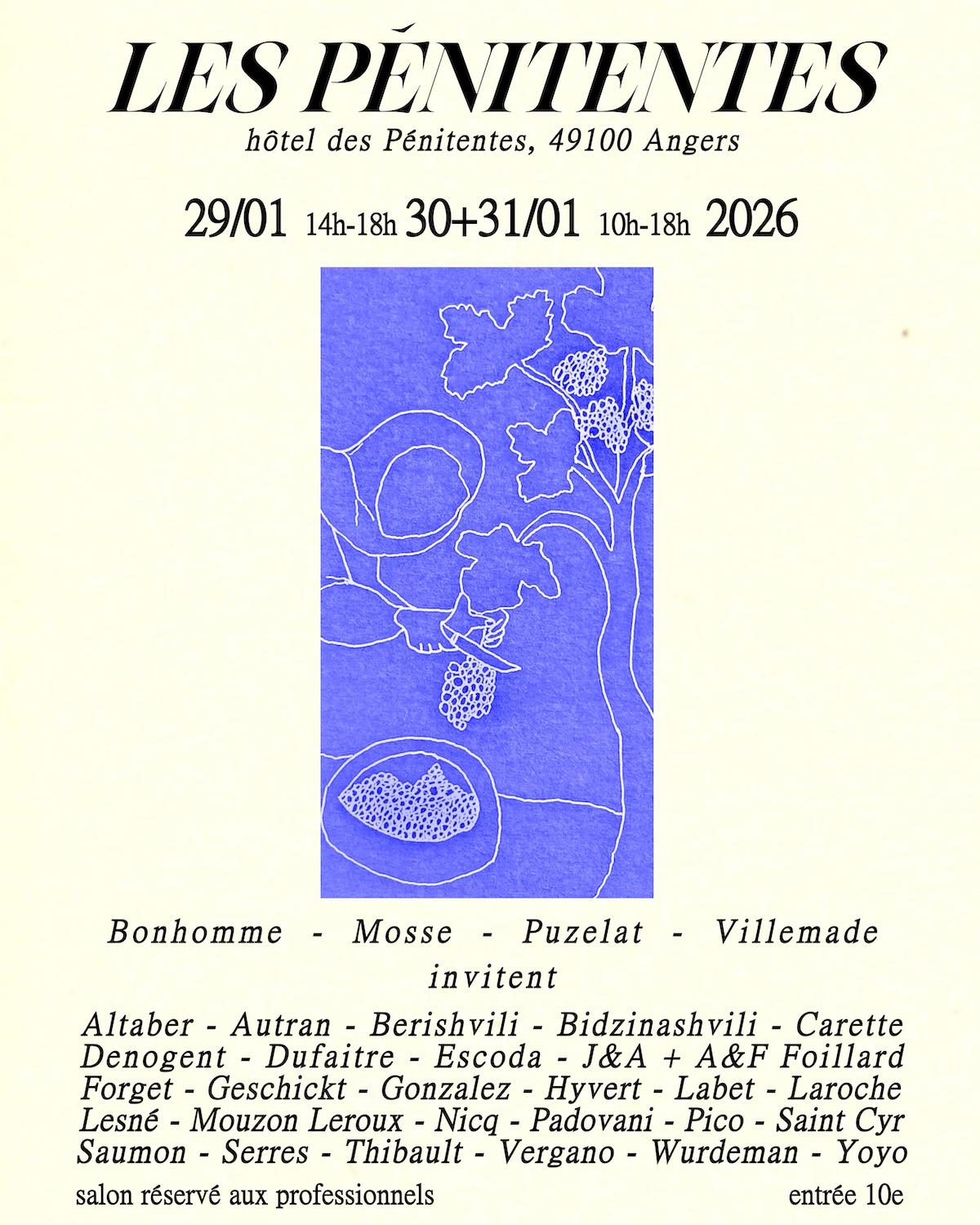
Thursday January 29 - Saturday January 31
Angers
6362 KM
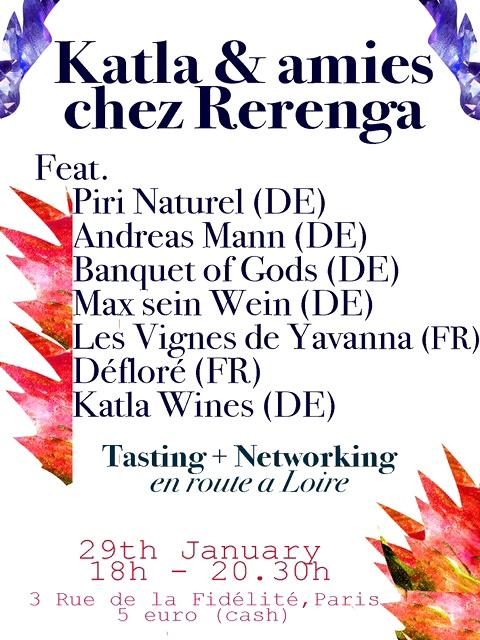
Thursday January 29
Paris
6489 KM

Thursday January 29
NiceFrance
7097 KM
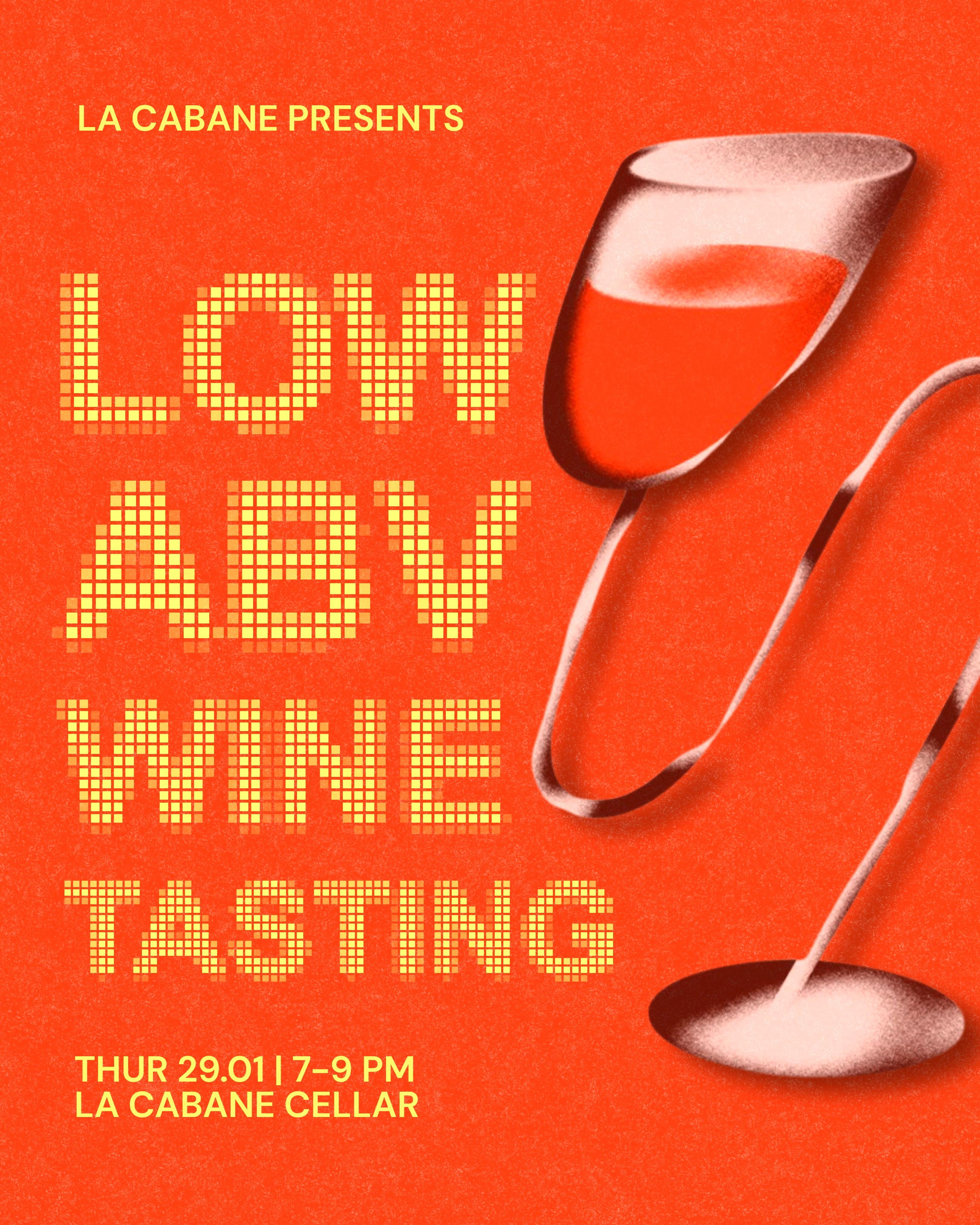
Thursday January 29
Hong KongChina
12869 KM
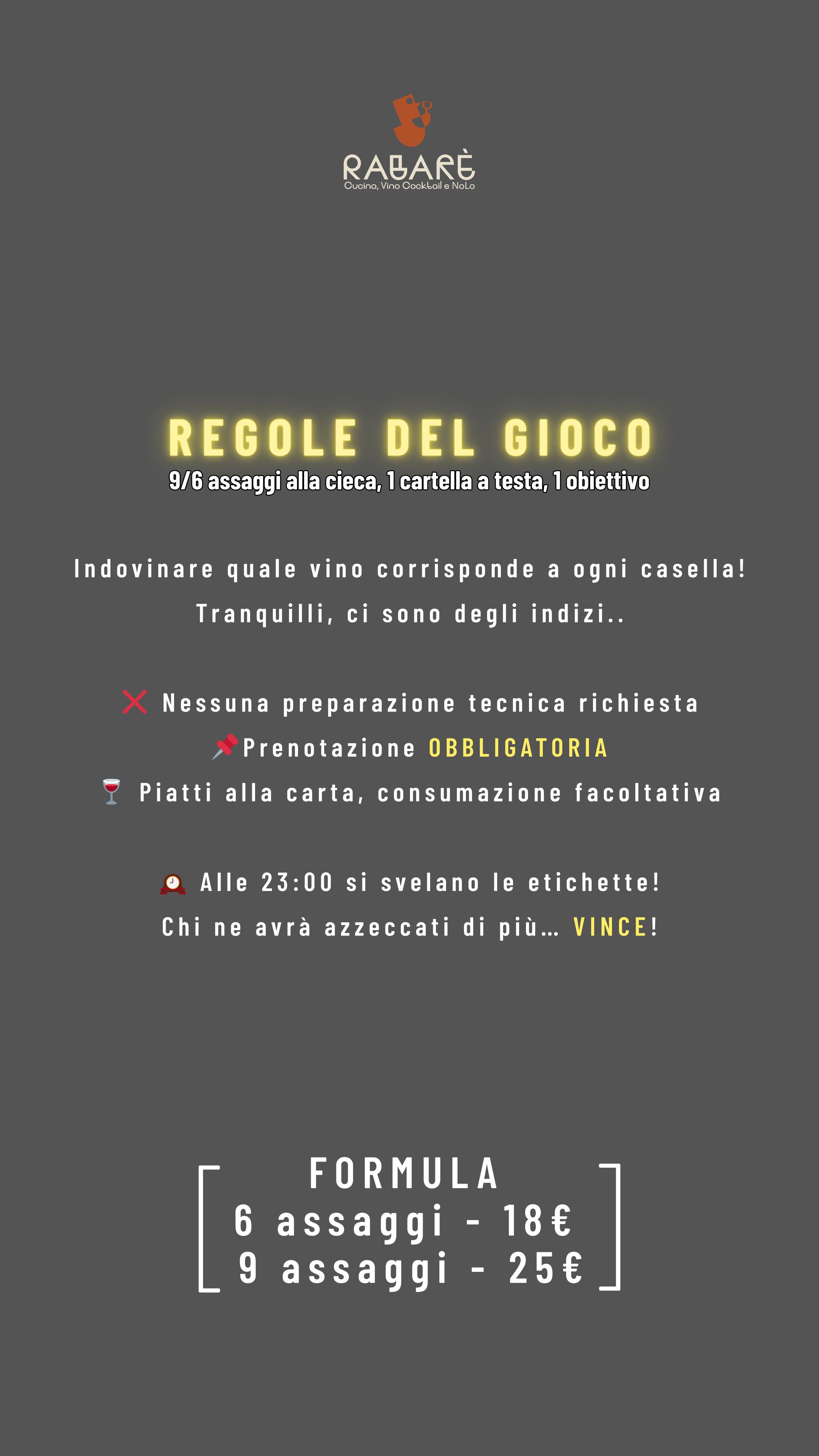
Thursday January 29
TurinItaly
7047 KM
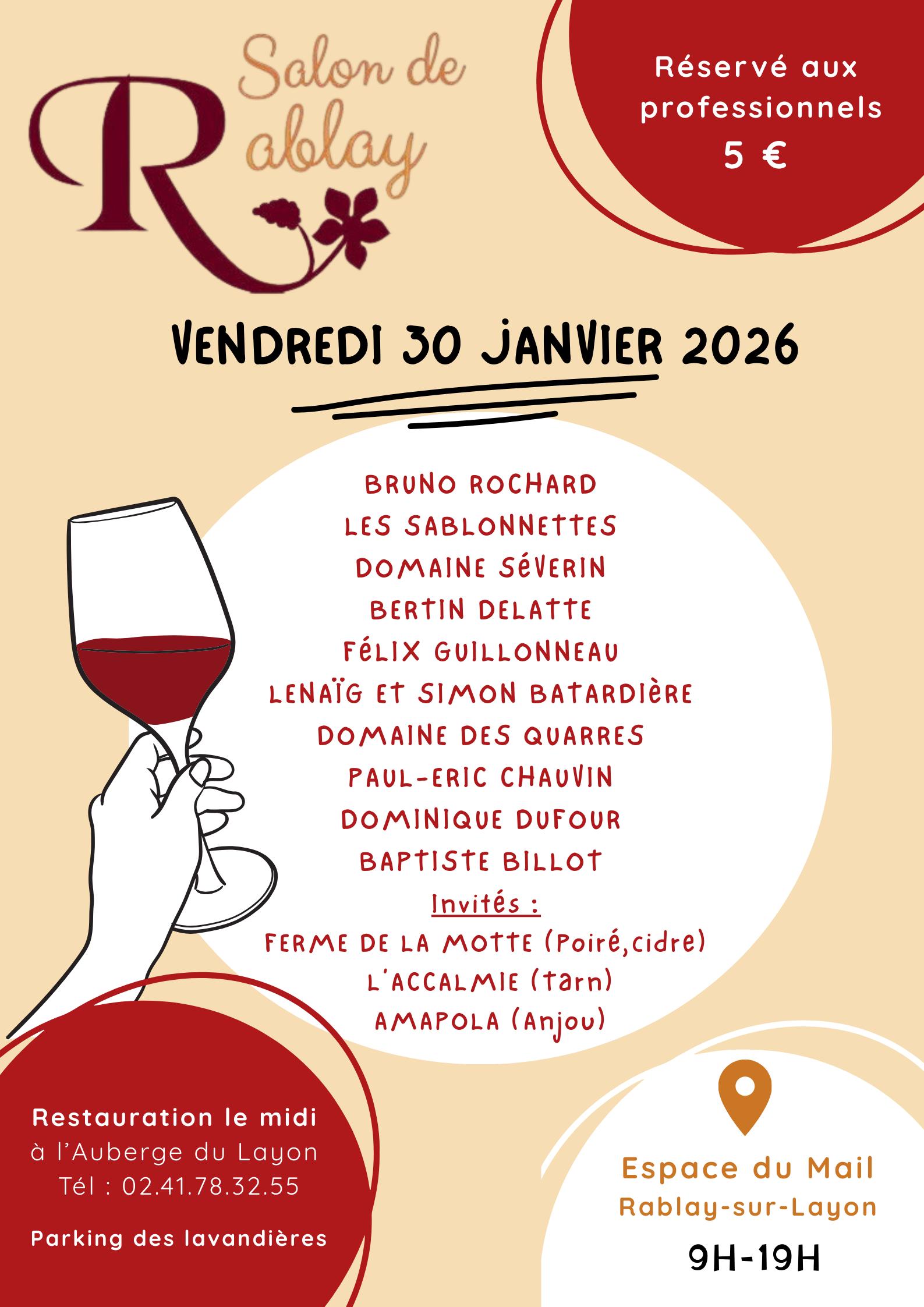
Friday January 30
Bellevigne-en-Layon
6369 KM
 Winemakers
 Restaurants
 Bars
Bars Wine Shops
 Accommodations
 Events