2 3 9681 KM
The vinery was launched in 2018 and the first vineyard was planted. First harvest of the vinery was 2021, the current releases are 2022 and 2023. The soil is red terrarossa clay with a significant amount of rocks. The vineyard is approximately 5 km away from the Adriatic Sea and around 100 km from the Alps. The climate is Mediterranean with some influence of cold winds from the north.
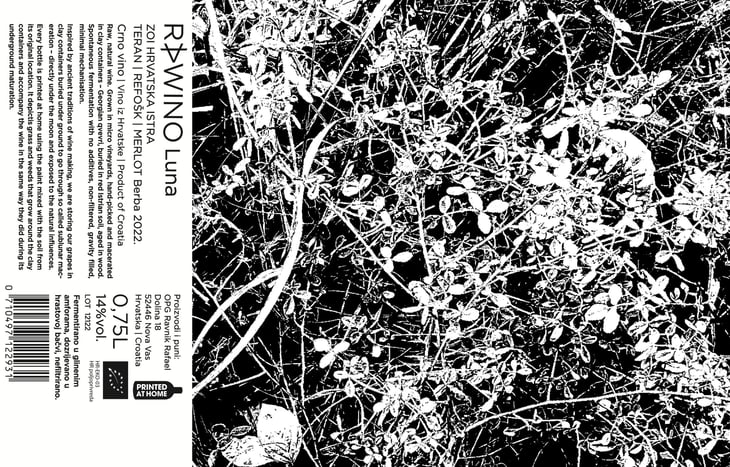
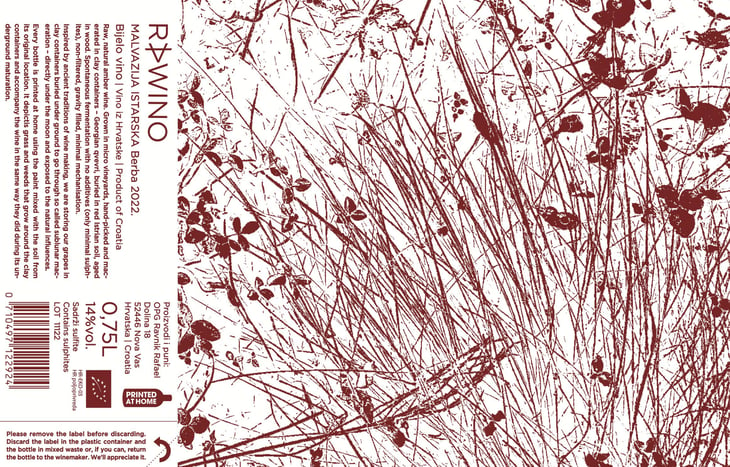
Organic production and natural wine making from the very beginning of the vinery. The winery uses natural material whenever possible and minimizes the use of mechanization in the vineyard and cellar. We believe in touching every vine with our hands every week during the vegetation period. Rawino grows mostly indigenous grape varieties from the north Adriatic such as Teran, Refosco and Malvasia istarska, together with a bit of Merlot. Currently two labels are produced: Malvasia (white) and Luna (red cuvee) and soon a third label will be released (Divja Malvasia).
We are using clay/ceramic bottles for all our wines as we are closing the cycle from red clay soil, over clay amphoras/qvevries to clay bottles. Moreover, these bottles add an additional layer of protection as no light can affect the wine which should make it more suitable for ageing. Also the temperature oscillations are smoothed out in ceramic bottles compared to glass bottles.
The labels are hand printed in the vinery via screen printing techniques. The bottles depict the grass and weeds growing around clay amphoras and in the vineyard.
The name Rawino is a combination of Raw wines and our surname Ravnik. The wines are therefore raw and naturally rich and pour without any additions and beautifiers.
Rawino Malvazija 2022
White/orange wine from 100% Malvazija istarska (Malvasia Istriana). Hand harvested during mid-September, selection of grapes in the vineyard. Natural fermentation without selected yeasts nor enzymes starts in Georgian qvevries (Clay amphoras) buried underground in front of the cellar. The grapes are destemmed directly above the qvevries without any pumping. The fermentation is not cooled (no temperature control). Mixing (punch downs) of the grapes and must every 2-3 hours during fermentation. Maceration lasts until spring (6-8 months) in qvevries and exposed to the soon, moon and all natural forces, not covered except a stone or glass lid. The wine is gently pressed in a basketpress and transferred into 500 liter oak barrels and egg-shaped Italian amphoras where the ageing lasts for 1 additional year at least. Bottling is done using gravity only after adding small doses of sulfur dioxide without fining and filtering. Bottle ageing for at least 6 months before market release.
No sulfur is added during fermentation, only at later stages small amounts of sulfur are added.
Rawino Luna Cuvée 2022
Red cuvée from Refosco and Teran and a smaller amount of Merlot (in 2021 only Teran and Refosco). Hand harvested during late September, selection of grapes in the vineyard. Natural fermentation without selected yeasts nor enzymes starts in Georgian qvevries (Clay amphoras) buried underground in front of the cellar. The grapes are de-steamed directly above the qvevry without any pumping. No temperature control. Mixing of the grapes and must every 2-3 hours during fermentation. Maceration for about 4 weeks in qvevry and exposed to the soon, moon and all natural forces. The wine is gently pressed in a basket press and transferred into 228 liter oak barrels where the ageing lasts for 2 additional years at least. Bottling is done using gravity only without fining and filtering. Bottle ageing for 6 months before market release.
Rawino Luna 2022 vintage is without added sulfur.
CROATIAN NATURAL WINEMAKER STORIES, by Šimun Župarić
"Recently, while wandering through Istria, we made our way to Rafael Ravnik. More precisely, to his RAWINO winery in the small town of Nova Vas. We had met him earlier at the Lovran Unfiltered festival, but the memory of how his wines tasted had, predictably, evaporated. That is what happens after tasting around seventy labels in a few hours. What stayed with us were the unusual ceramic bottles and his almost imperceptible, shy smile. Later, we realised that the smile belonged to a man who had chosen to make his own life considerably more complicated.
Rafael Ravnik holds a degree in economics and specialises in macroeconomic analysis. After university, he built his career in his field in Zagreb and Germany. Yet despite a successful professional life, he and his wife Tereza realised in their early thirties that life in big cities was not making them particularly happy. The transition was made easier by the fact that the family owned an old house in Nova Vas. That same house would later become his wine cellar.
But this was not merely a relocation. Before embarking on a wine project that many might describe as a midlife crisis, Ravnik knew that enthusiasm and inherited property alone would not be enough. He enrolled in and completed a three year programme at the Department of Agriculture in Rijeka. Only then, in 2018, did he begin a concrete plan: planting his own vineyard from scratch.
His route into winemaking was not the path of least resistance. Since there were no suitable, meaning healthy, old vineyards available to buy in the area, he decided to plant anew. He chose a plot with shallow red soil and an abundance of stone, which made the work particularly demanding. From the beginning, he established a principle he still follows: he would make wine exclusively from his own grapes. That decision also required patience, since he had to wait three years for his first harvest. Today, this one hectare vineyard, certified organic since 2022, produces mostly Malvazija, alongside smaller quantities of Teran and Refošk. There is also some Merlot at the edge of the forest, although it often becomes a meal for local wildlife. While he follows the lunar calendar and some other practices, he does not call himself a biodynamic producer, explaining that he is “not entirely convinced” by certain principles of that philosophy.
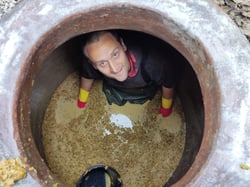
The cellar is located in the aforementioned grandfather’s house, which has required a series of building interventions, from a canopy to protect it from overheating to repairs on the leaking roof. Yet the heart of the production is not in the cellar but in the garden. Three Georgian qvevri amphorae, with capacities of 400, 500 and 1,500 litres, are currently buried in the ground there, and all spontaneous fermentation of the grapes takes place in them. Beside them, two more amphorae, holding 200 and 1,000 litres, are waiting to be buried. These figures may not mean much on their own, but they clearly indicate a micro production of around 2,000 bottles per year. The clay to clay philosophy is completed by ceramic bottles. As Ravnik explained, they are a logical continuation of the natural cycle and, unlike glass, provide complete protection for the wine from light.
The design of these bottles, created in collaboration with Studio Sonda, recently won second place in the graphic design category at Zagreb Design Week. The bottles are, naturally, returnable. Yet, as Ravnik told us, neither distributors, restaurants nor private customers return them. That says plenty in favour of the design, but certainly at Rafael’s expense.
What We Tasted
We began with an amber Malvazija. First, we tasted the 2023 component directly from the amphora in which the wine is still ageing. Ravnik explained that this makes up around one quarter of the future blend. The rest comes from the same vintage aged in wooden casks. The entire process is natural: grapes harvested at full ripeness ferment spontaneously in outdoor amphorae, where they macerate for six to nine months. Sulphur is added only minimally, merely to protect the wine. Once the components are combined, the result is an elegant, dense and juicy wine full of ripe fruit such as apricot, with yeasty notes and pronounced minerality. Although its alcohol reaches around 14 percent, it is warm, balanced and surprisingly drinkable, with a long finish.
Next came the red blend Luna, tasted from both barrel and bottle, named after Ravnik’s daughter and a wine that particularly impressed us. This blend of Teran and Refošk undergoes three to four weeks of maceration and spends two years ageing in oak. It is bottled with minimal sulphur, while some vintages receive none at all. In the glass it is almost transparent, pale red in colour, while on the palate it is light and elegant. Teran here is not wild or rough, but contributes vibrant yet refined freshness and a backbone of lively acidity. Refošk, meanwhile, provides structure and ripe fruit. The wine is layered and complex, yet at the same time remarkably drinkable and seductively soft. Fantastic.
Alongside the main labels, we tasted two experiments that reveal Ravnik’s curiosity. The first is a Malvazija aged for two years in a buried amphora, soon to be bottled as a separate label. It is more intense than the standard wine, and will certainly appeal to those looking for something different and wild, yet still balanced. The second experiment is a lively, playful and enjoyable pét nat made from Teran and Malvazija, demonstrating Ravnik’s desire to explore the possibilities of his grapes. To accompany everything, he prepared a small platter of excellent local cheeses.
Rafael Ravnik’s story does not, of course, end there. As we were leaving, holding two bottles in our hands, we noticed his hands: stained by the maceration of red grapes. They are proof that Ravnik, a macroeconomist who still works his day job, did not enter winemaking as a project funded by surplus money. On the contrary, his hands show that he is, in every sense, both vineyard worker and cellar master, a man fully involved in every part of production. They embody an almost stubborn determination to make wine without compromise, from his own grapes and with the maximum possible personal involvement.
When we asked him about the future and about his daughter Luna, after whom the red blend is named, he replied with that barely noticeable smile of his that “women make some of the world’s best wines anyway.”
It is precisely this way of thinking, unburdened by tradition for tradition’s sake and focused instead on substance and quality, that defines the resilient and increasingly vital subculture of small natural producers in Istria. Alongside the large, established names, they keep the scene dynamic, and Ravnik is an authentic representative of it. His work, though small in volume, is an important contribution not only to Istrian but to the Croatian natural wine scene as a whole.
That is why his wines are worth seeking out. If you find yourself in Istria, the even better experience is to visit him in Nova Vas, naturally by prior appointment. And if rain is forecast, bring boots."
Šimun Župarić is a Zagreb-born journalist at Dobra Hrana, covering restaurants, gastronomy, wine, and the people behind them. For the past two years, he has focused on Croatia’s growing natural wine scene, following it through events, winery visits, and articles on the work of small natural producers, and wider significance of natural wine for the Croatian public.
No white wines at the moment.
No rose wines at the moment.
No sparkling wines at the moment.
FIND THE EVENT YOU ATTEND

Saturday October 31 - Sunday November 01
Mulhouse
6872 KM

Saturday October 31 - Sunday November 01
Mulhouse
6872 KM

Sunday November 08 - Monday November 09
Turin
7047 KM
Tuesday September 15 - Sunday October 25
Provincia di Avellino
7788 KM

Tuesday September 15
PisaItaly
7309 KM
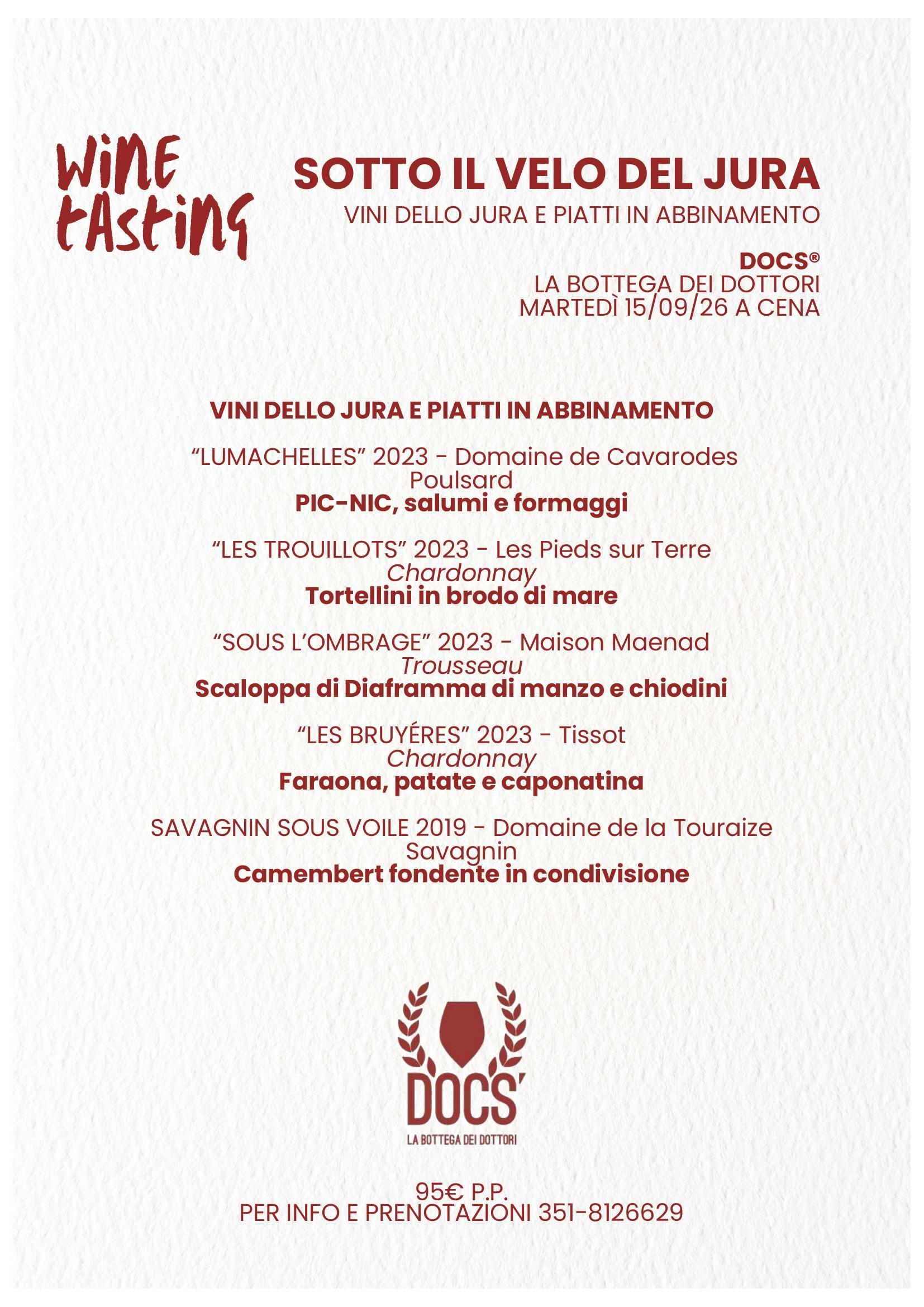
Tuesday September 15
SacileItaly
7312 KM
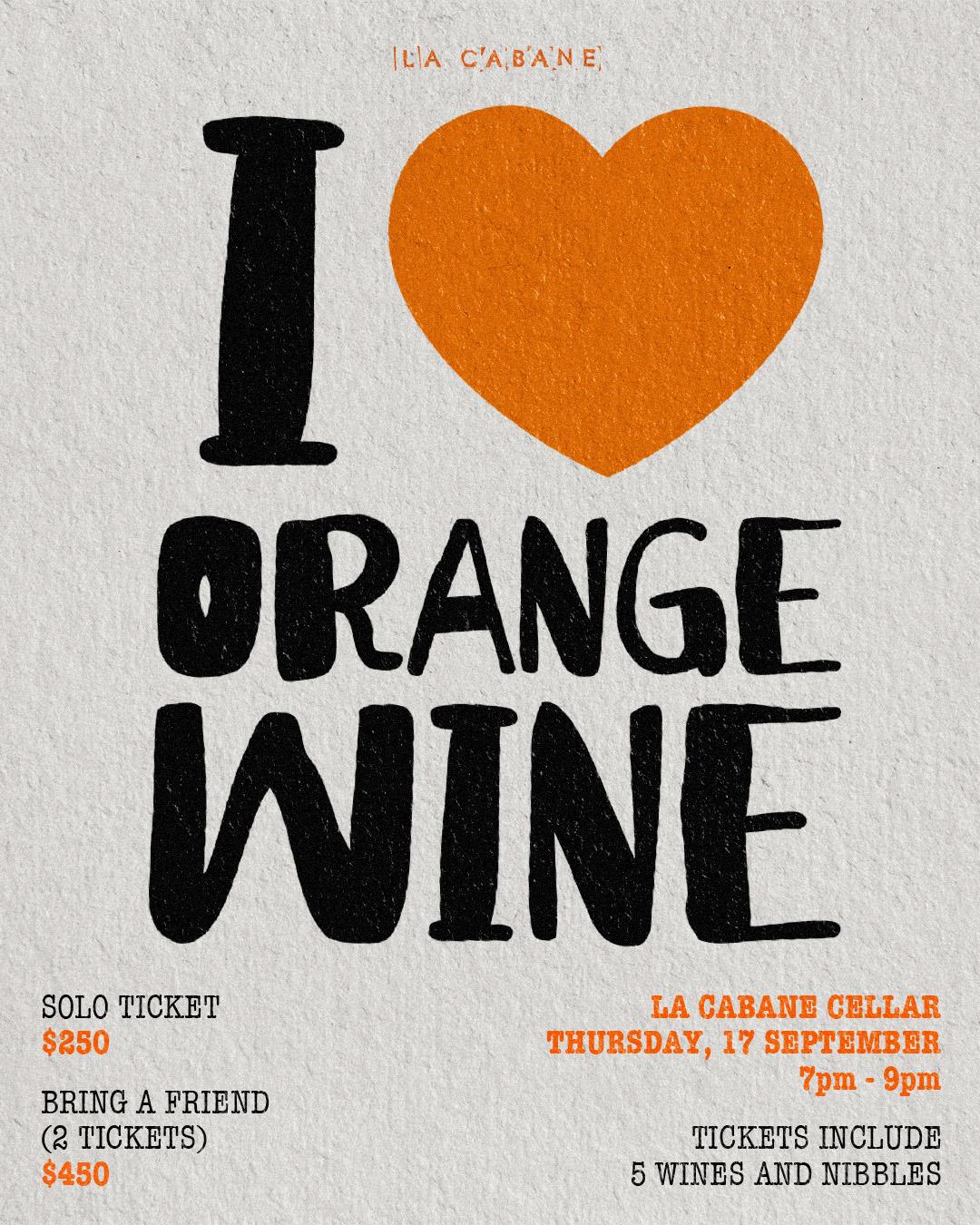
Thursday September 17
Hong KongChina
12869 KM
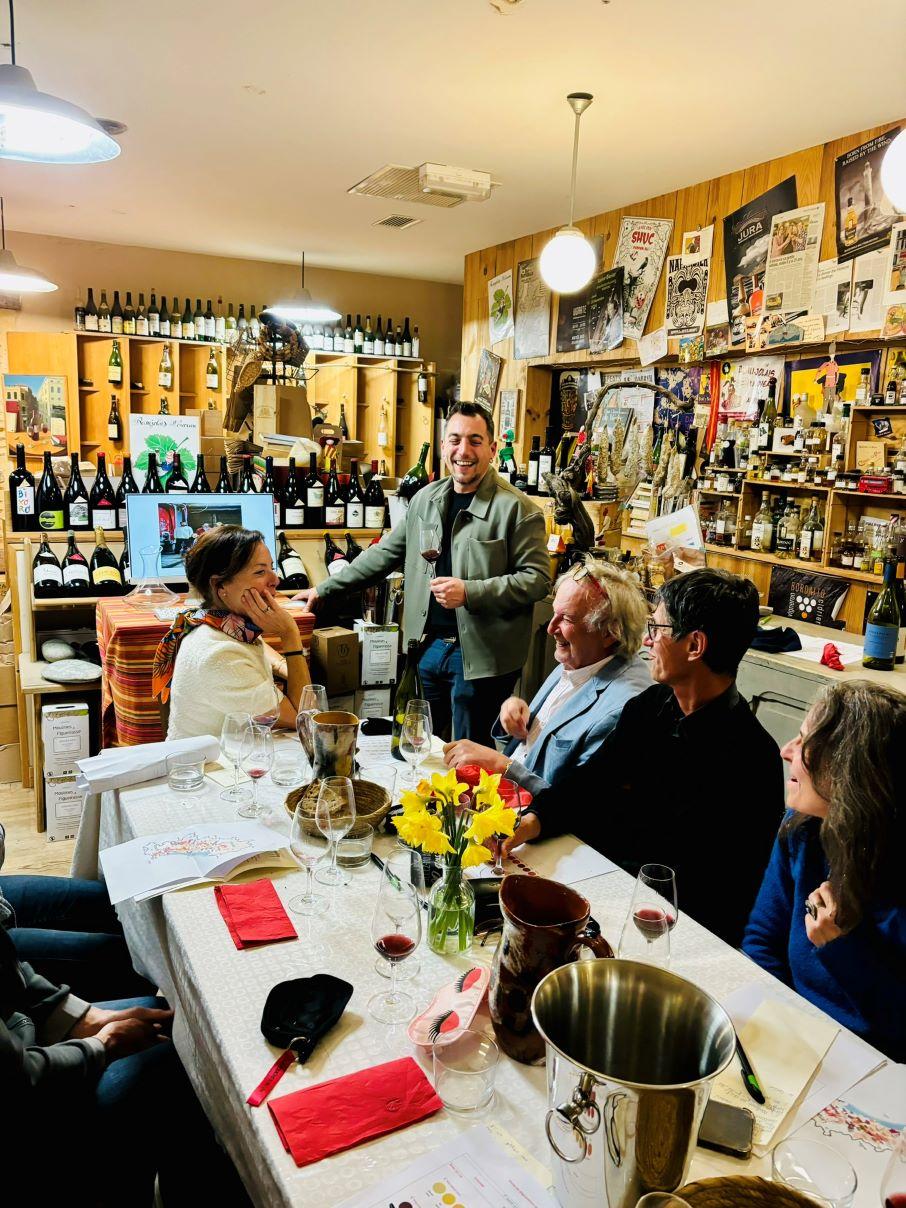
Thursday September 17
PauFrance
6583 KM
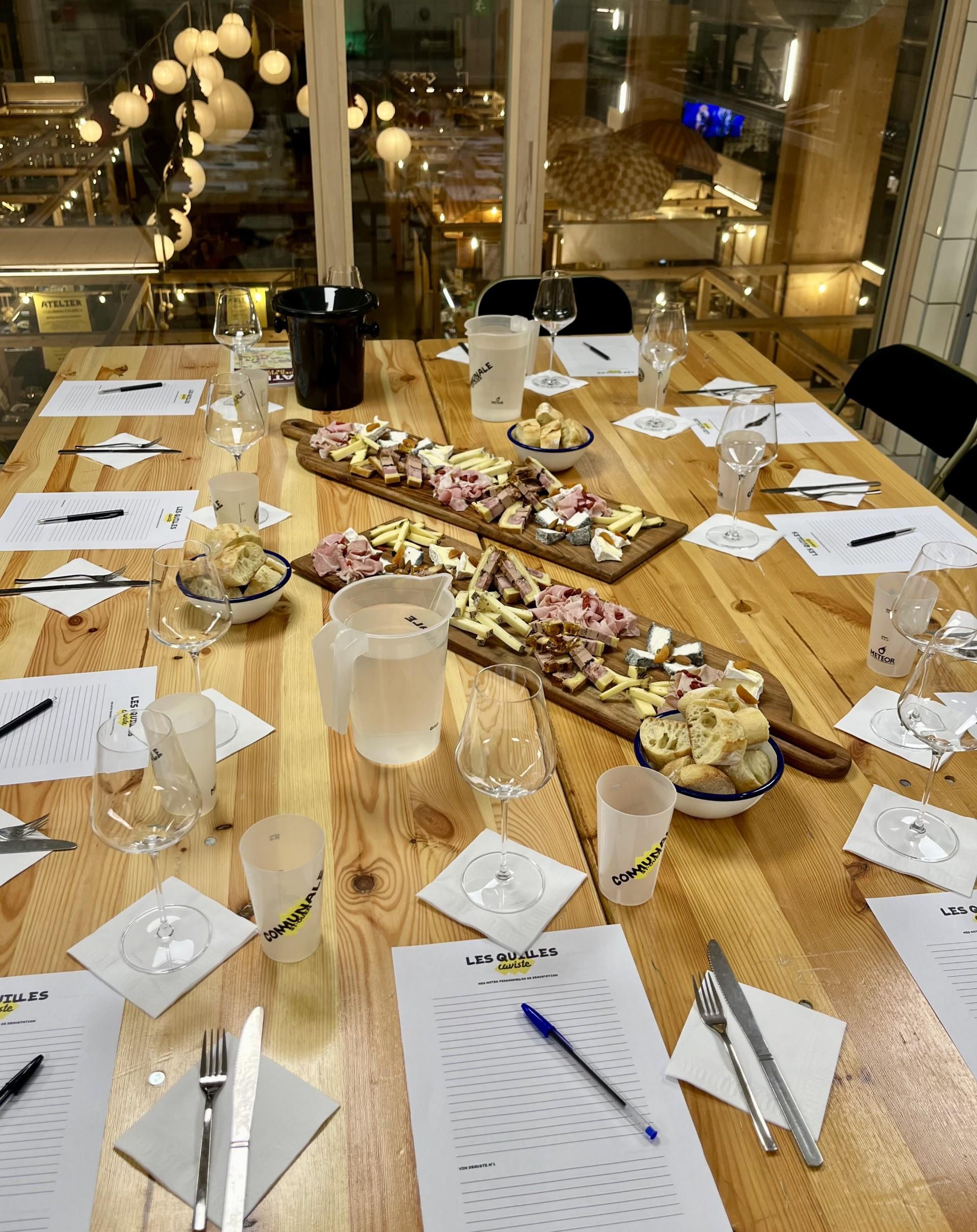
Thursday September 17
Saint-Ouen-sur-SeineFrance
6485 KM
Friday September 18
PauFrance
6583 KM


 Winemakers
 Restaurants
 Bars
Bars Wine Shops
 Accommodations
 Events