Le Driadi Slow Farm - Gabriella Aleandri, Luciano Chenet
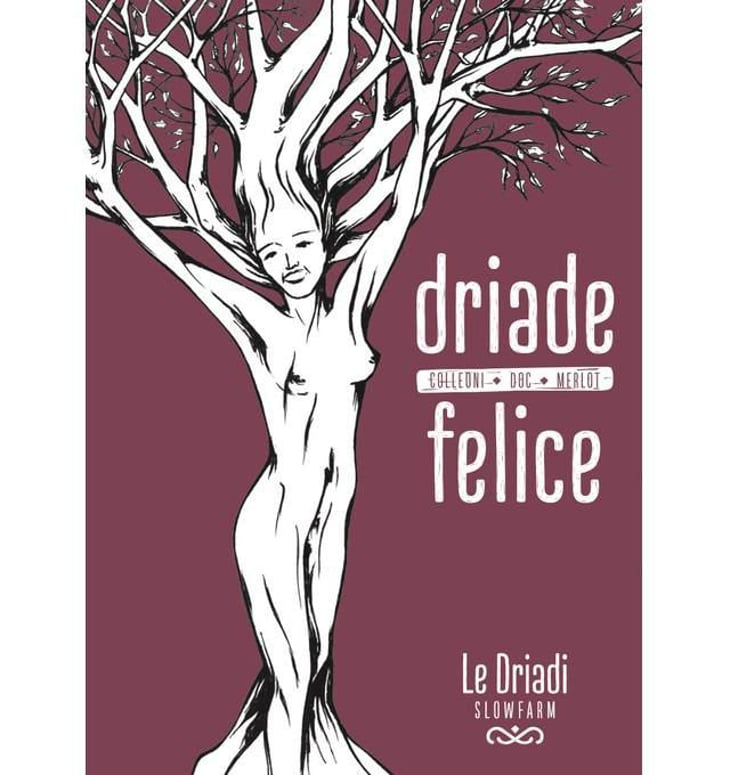
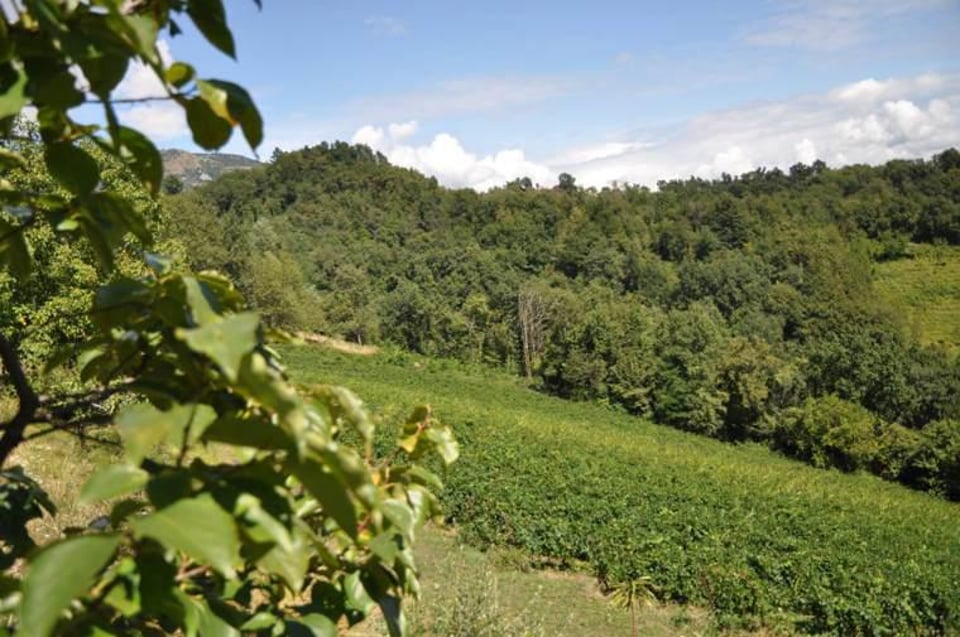
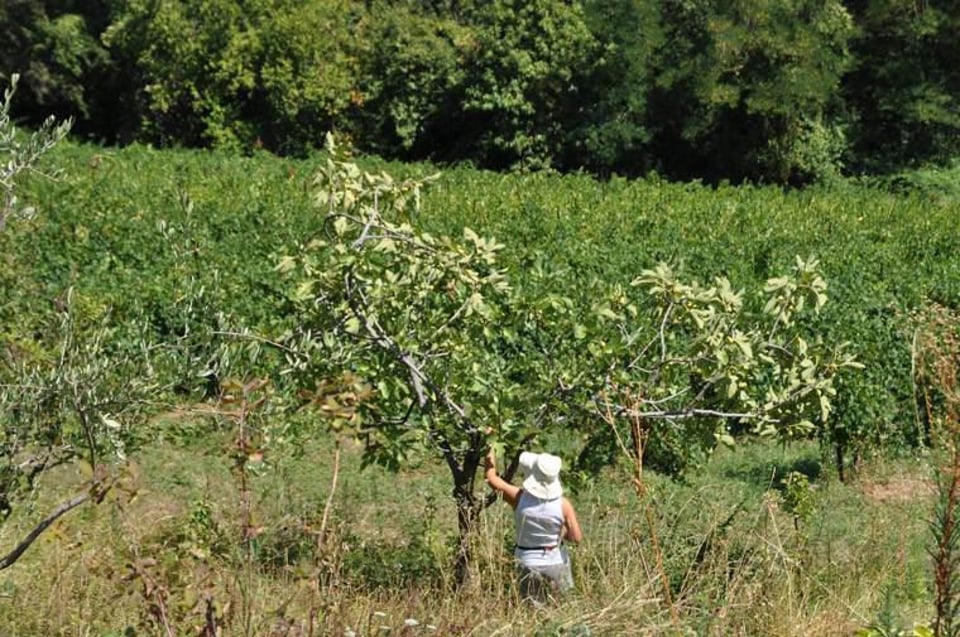
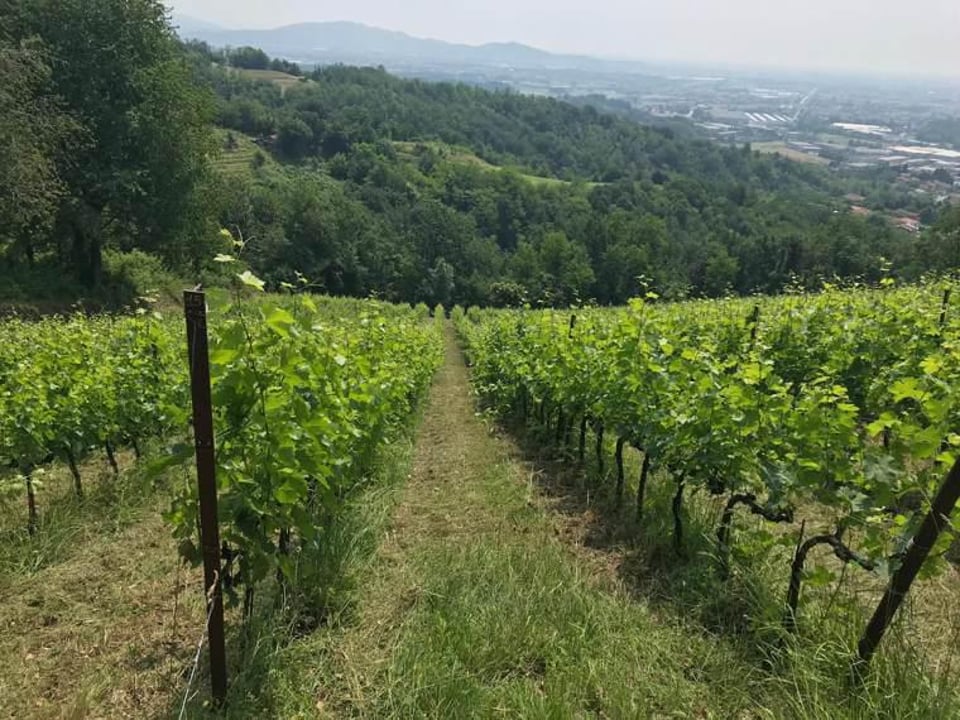
Our company was born in 2014 when Luciano and Gabriella came across an abandoned vineyard and decided to cultivate their dream of becoming wine producers. The vineyard is one hectare abandoned and they decide to recover it and bring it back into production; it is in a splendid panoramic position in the first hills of the plain west of Bergamo. In 2016 their dream came true with the marketing of the first wine, the Merlot Driade Felice which was immediately successful for its freshness and they decided to continue the business with the recovery of other vineyards and the "adoption" of vineyards that were looking for someone to take care of them. In this way, the vineyards of Marzemino, Bronner, Cabernet Franc, Cabernet Sauvignon, Moscato di Scanzo (a native red Moscato from the Bergamo area) and a centenary vineyard with mixed berries are added to the Merlot vineyard. The vinification has been done since 2018 in the newly built cellar on the Capietaglio hill in Palazzago, a cellar built with local materials and workers. The vineyards are all between 300 and 500 meters, with various exposures and various planting layouts (mostly spurred cordon and guyot). The soils are calcareous and clayey and consist of Cretaceous sandstones (Pontida flysch) and are all conducted in accordance with the European rules of organic and biodynamic certification. The slopes of the hills (it reaches 50%) and the presence of vineyards grown on terraces force the management of the countryside in an almost totally manual way. The treatments in the field (also all on the shoulder) are made with minimal quantities of copper and sulfur, to limit their use we have various experiments underway such as the use of chestnut tannins, orange peel oil. Macerated nettle, horsetail and willow complete the panorama of materials used in the vineyard. In the cellar, our goal is to make the wine from the vineyard, reducing interventions to a minimum. Therefore all fermentations are spontaneous thanks to indigenous yeasts, without temperature control and without the use of sulphites unless absolutely necessary; the wines are not filtered to preserve the richness of their characteristics to the maximum and bring their uniqueness to the palate.




![ex[CEP]tionnelle](https://assets.raisin.digital/media/media/media/events/exceptionnelle-5277-1396113-2026-09-29.jpg)
 Winemakers
 Restaurants
 Bars
Bars Wine Shops
 Accommodations
 Events