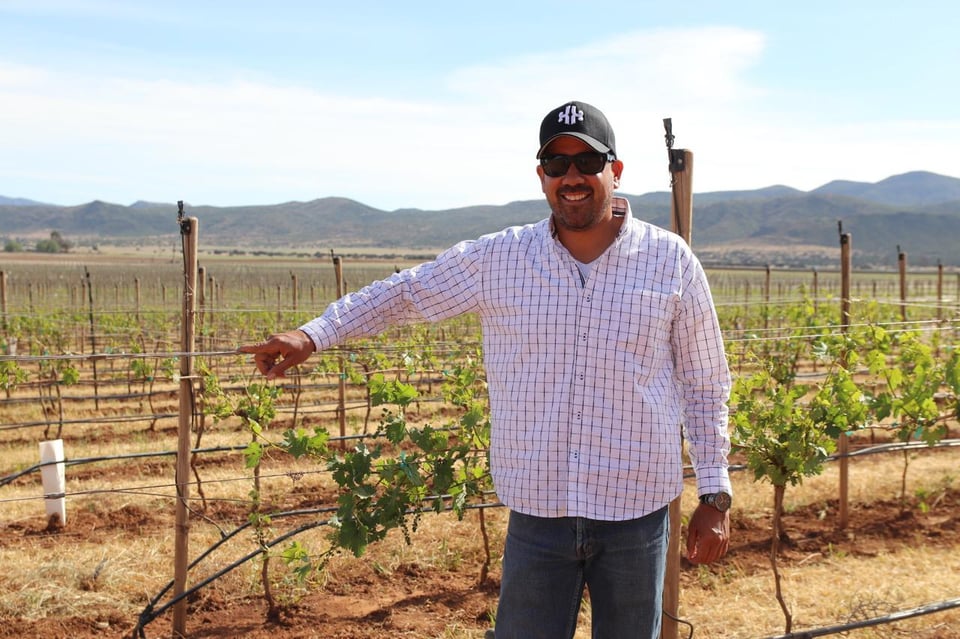
Dominio De Las Abejas - Mauricio Ruiz Cantú & Ricardo Michel
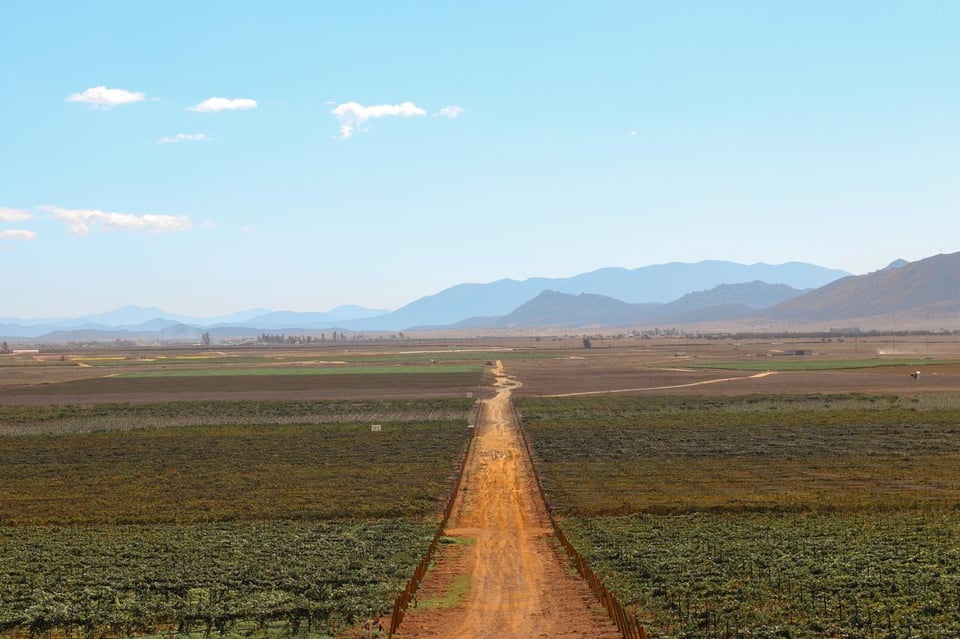
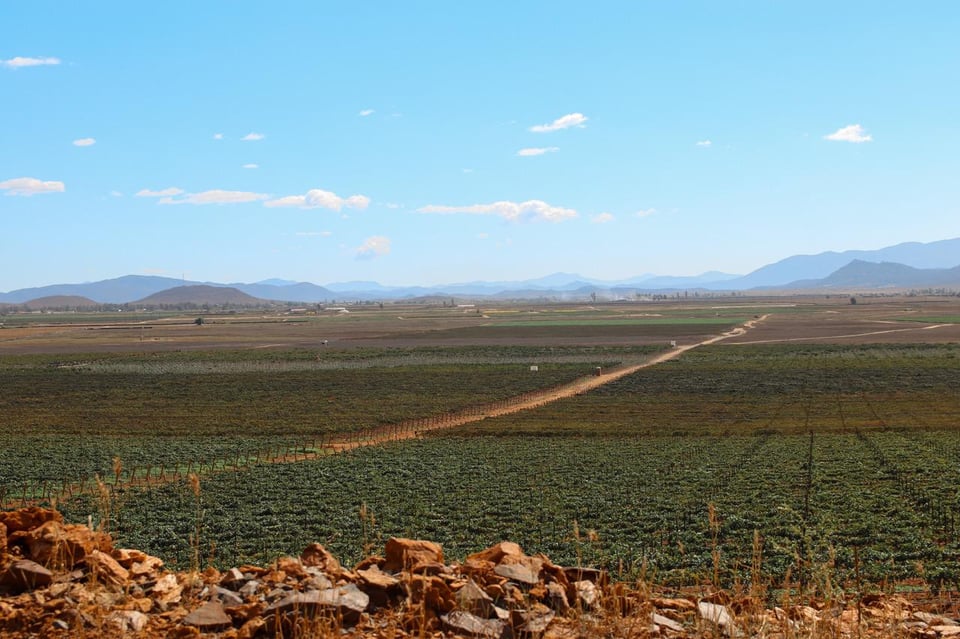
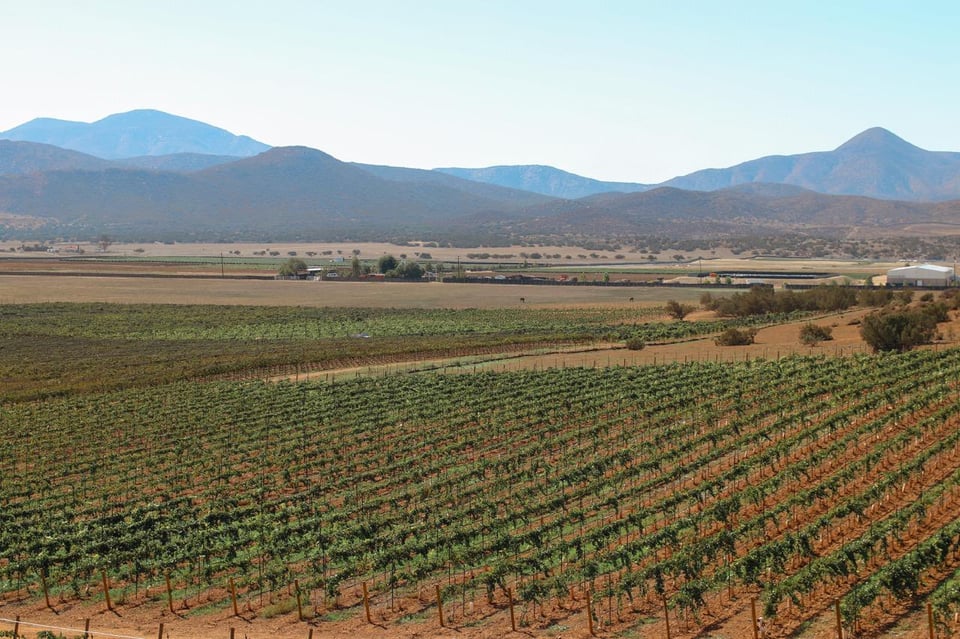
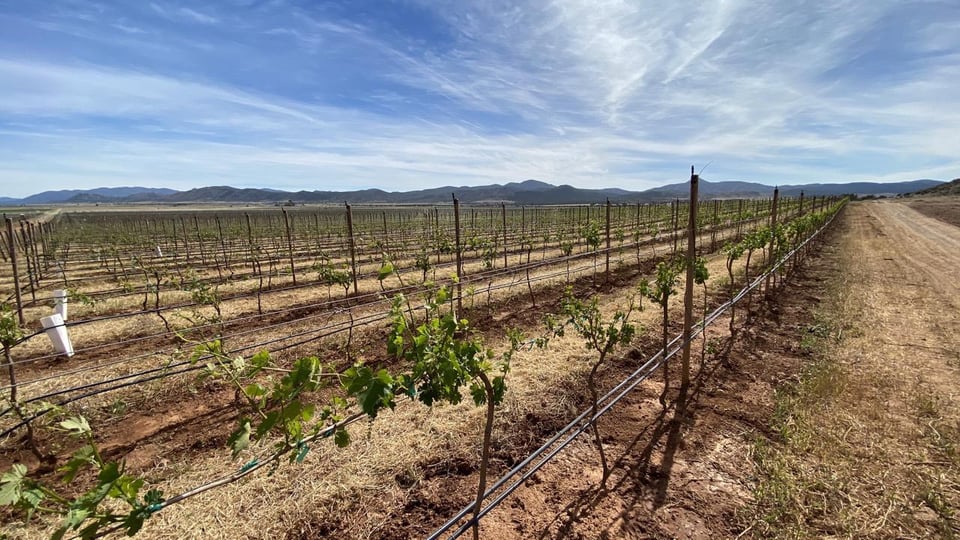
The Dominio de las Abejas vineyard is located in the Ojos Negros Valley, approximately 40 km east of the city of Ensenada, in the state of Baja California, Mexico.
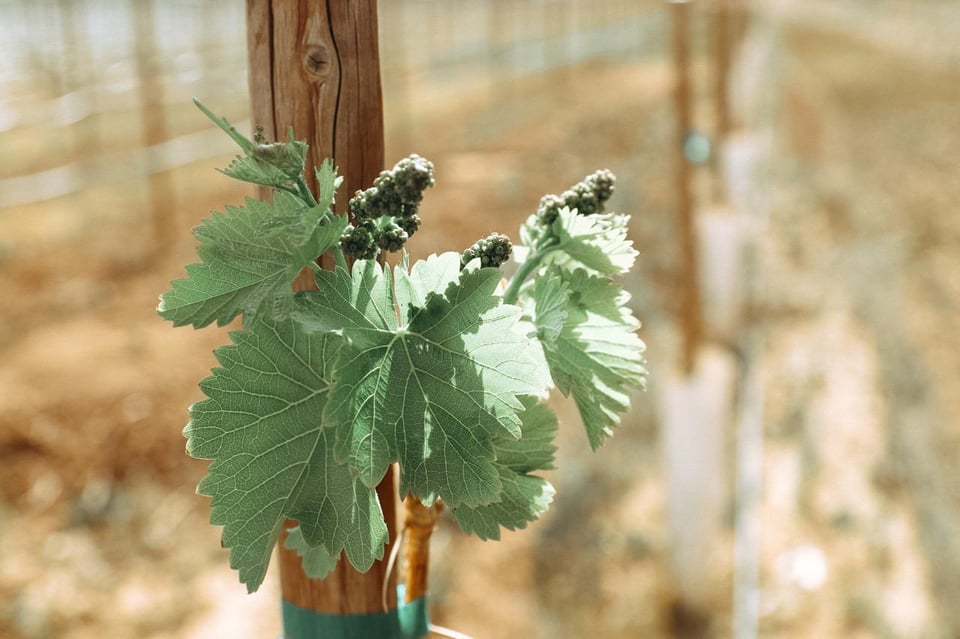
We currently have 40 hectares planted, 26 of them in production and the rest in formation. Most of the vineyard was planted in 2016 and by 2019 we obtained our first vintage and it was not until the 2022 vintage that our wines were made with organic grapes. Since since 2018 we began to work our vineyard in a sustainable way, where all the work was based on the zero application of agrochemicals and the substitution of these with 100% organic products, the application of compost and the planting of cover crops during the winter. After 4 years we obtained our organic certification by the CCOF (California Certified Organic Farmers) thus becoming the first organic vineyard in the Valley of Ojos Negros.
At Dominio de las Abejas, we seek to obtain and guide wild fermentations, which allow our wines to best express the land they come from, as well as the variety and vintage they represent. In the case of our blends, Field Nectar and Orange, we carry out co-fermentation, which allows us to play from the moment the grape enters the winery, with the peculiarities of each variety and thus achieve a balance in the wine without having to intervene with oenological inputs. Another fundamental aspect to obtain the freshness that we seek in our wines is the optimum point for harvesting.
Sustainability is the basis of our philosophy, which is why our vineyards -completely free of agrochemicals- have organic certification, and this is how, together with an oenological practice of minimal intervention, we obtain frank and expressive wines, without corrections, which They have not been filtered and have not passed through the barrel.
The concentration of sulfur dioxide in our bottled wines (Orange, Country Nectar, Nebbiolo and Saignée) is usually around 15 ppm of free SO2 and around 40 ppm of total SO2, values that are due to a small addition of sulfites during bottling. coupled with sulfites that are naturally produced by yeast during fermentation.
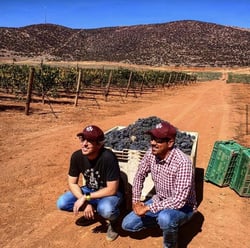










 Winemakers
 Restaurants
 Bars
Bars Wine Shops
 Accommodations
 Events