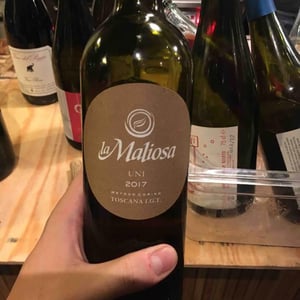
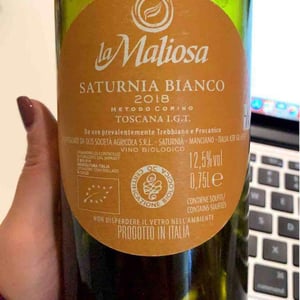
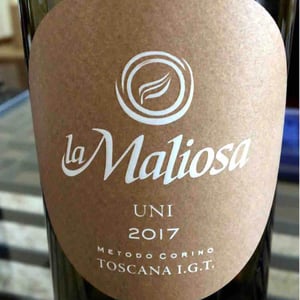
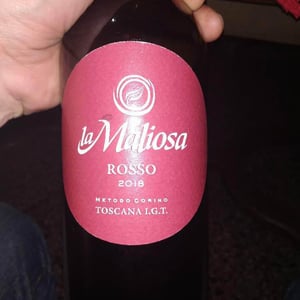
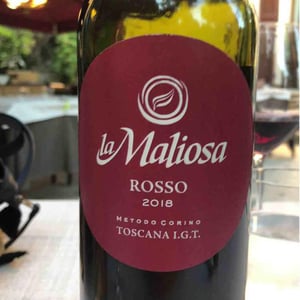
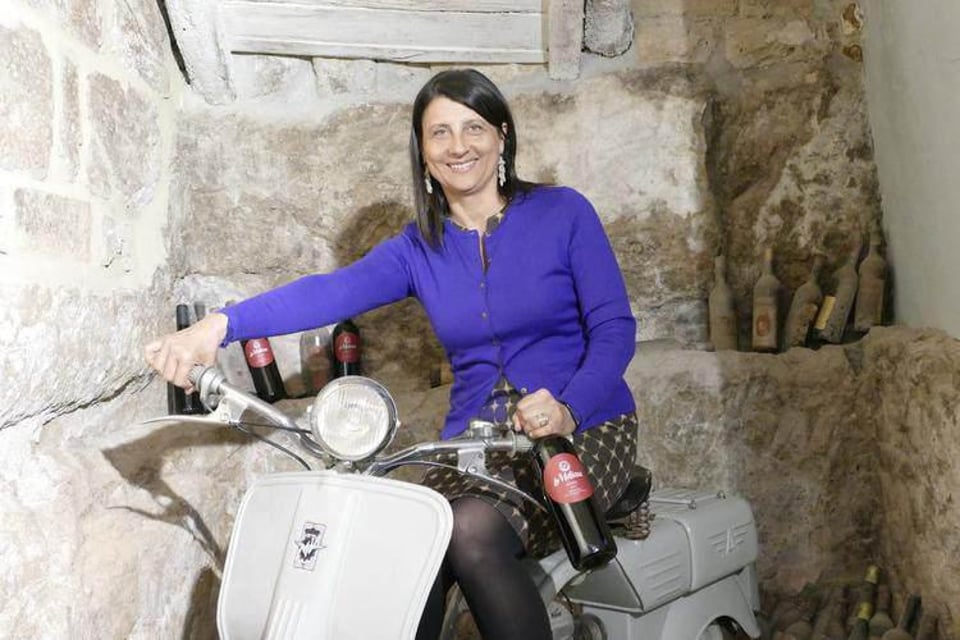
Fattoria La Maliosa - Antonella Manuli
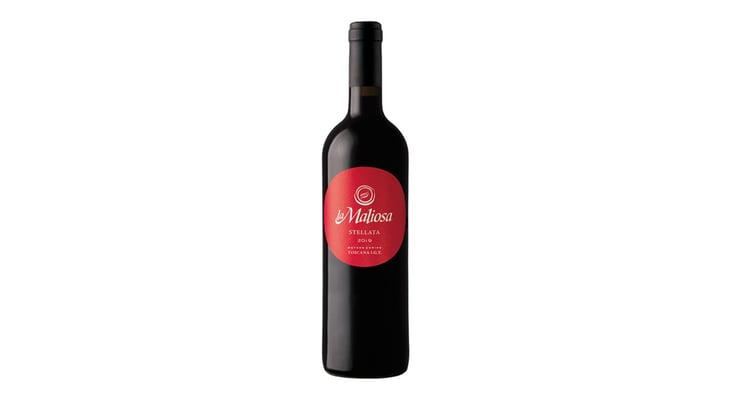
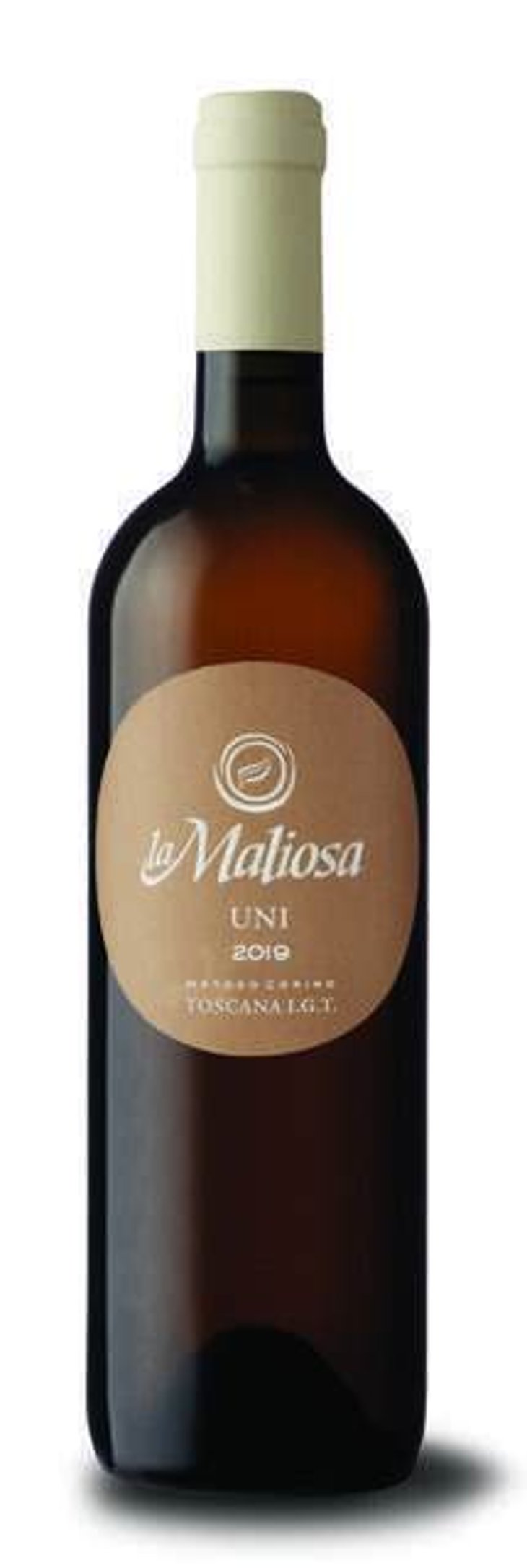
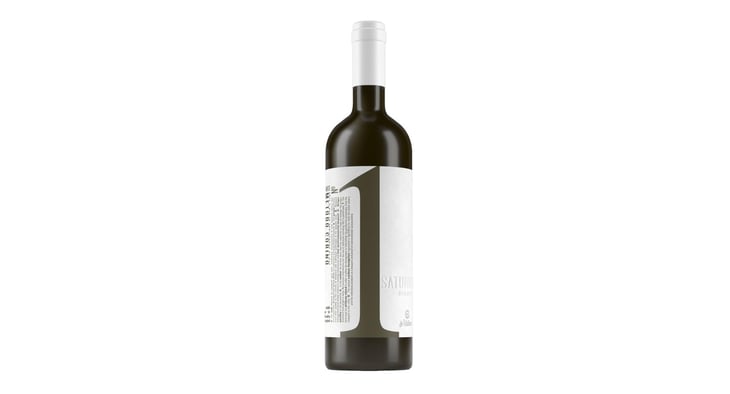
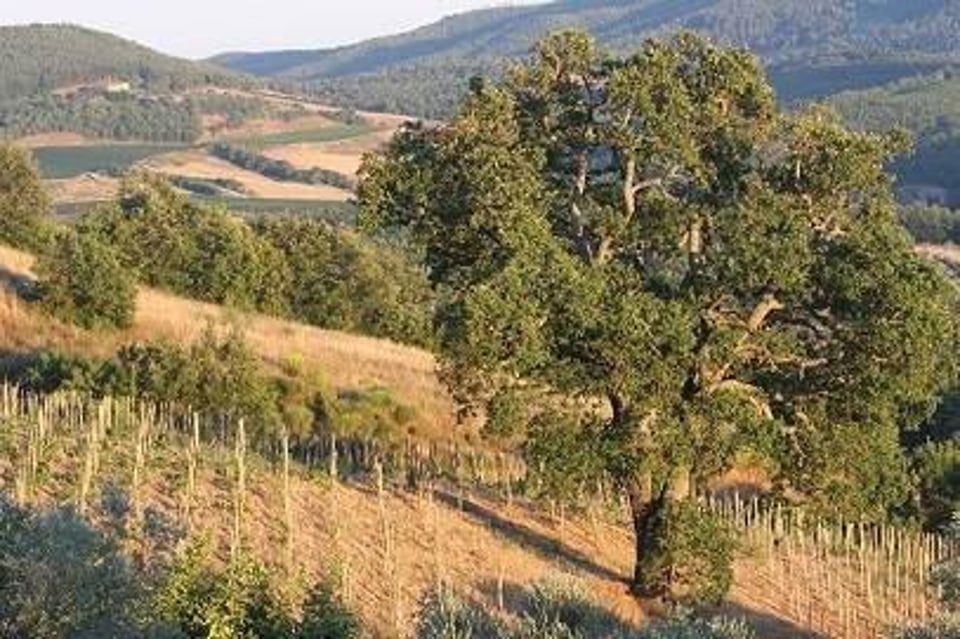
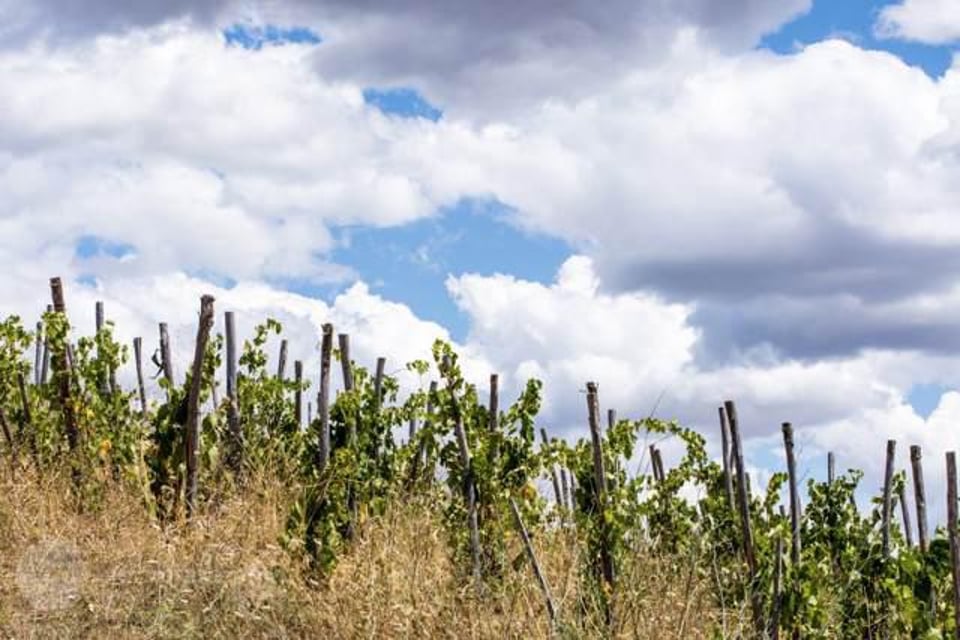
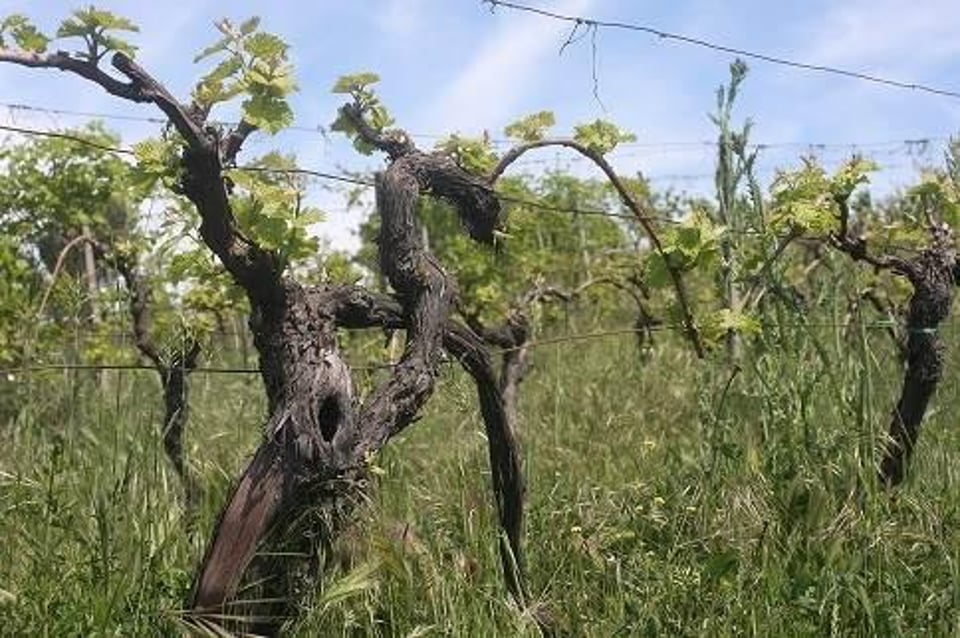
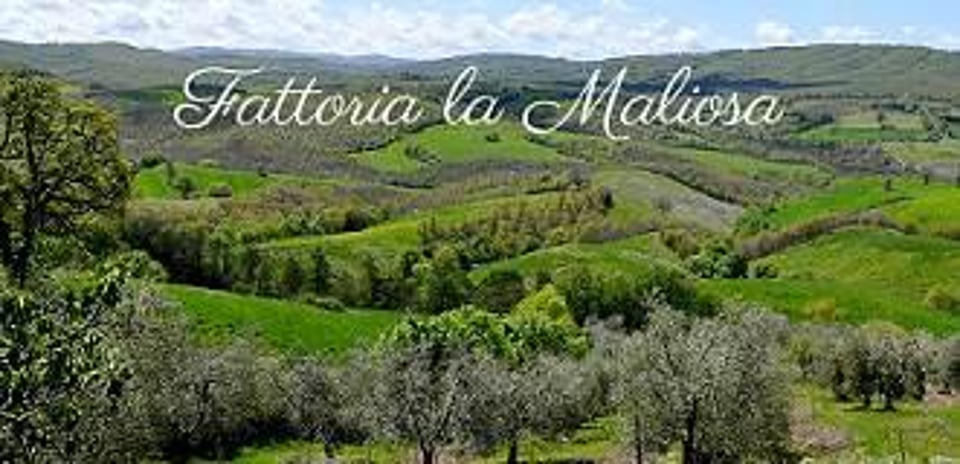
Fattoria La Maliosa extends over about 160 hectares in the hilly Maremma between Saturnia and Pitigliano. Vineyards, olive groves, arable land and woods for an artisanal production of natural wines, extra virgin olive oil and honey. Company choices are based on quality, beauty and environmental healthiness in respect of the territory and its originality. Organic certification since 2010 testifies to a constant commitment over time and the desire for transparency towards company production processes, aimed at an aware consumer. The company is located in a predominantly wooded area with limited anthropic action, for tens of kilometers. A precise choice adopted from the start to respect the landscape and the natural environment as much as possible, increasing the healthiness and quality of the products.
The cultivation objective is mainly aimed at the soil: enhancement of the organic substance, improvement of its structure and conservation of regular water availability.
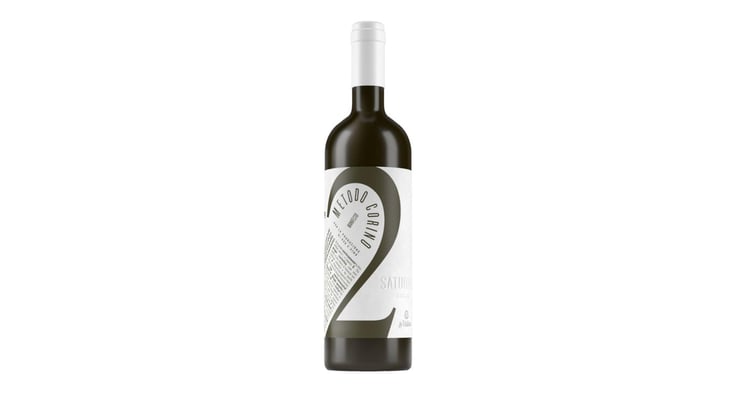
Agricultural management, based on a completely plant-based closed cycle (CORINO ™ METHOD, limits mechanical interventions and uses plant covers produced on the farm.
Since 2013, the collaboration between La Maliosa and CREA-ABP, the Research Center for Agrobiology and Pedology of Florence has started for the study of the QBS (Biological Quality of the Soil) on company land.
Since 2014 INDACO2, a spin-off of the University of Siena, has carried out a study that measures the sustainability and carbon footprint of the La Maliosa Farm. The result shows that the ecosystem of the La Maliosa Farm absorbs 100 times more carbon dioxide than is emitted by all its production processes; what most positively affects this result are the woodland extension and the presence of photovoltaic systems. The La Maliosa Farm, to date, is the first and still the only biodynamic farm in Italy to have measured its ecological footprint.
The Corino ™ Method makes targeted and innovative choices regarding the environmental conditions, the vines and the optimal cultivation techniques for vineyards with a high conservation value of places and landscapes. The grapes must come from the professional and sustainable management of the vineyard and must aim at values of qualitative excellence and nutritional goodness; cultivation is sustainable, if it is able to supply products with a strong identity with a certain regularity, respecting the territory considered to the maximum. This sustainability assessment is measured by at least two factors: the biological quality of the soil (QBS) and the Carbon Footprint (LCA-assessment) of the company and products. Furthermore, the cultivation cycle based on locally produced plant materials is the fundamental choice. In the passage from grapes to wine, fermentation must take place naturally with indigenous yeasts and bacteria. The subsequent processing of the wine in the cellar must be carried out with human skill in the decanting and breeding of the wine. Any additive and any invasive technology made with any chemical or physical intervention, designed to modify the origin and natural evolution of the wine which finds its exclusive origin in the grape, is excluded. GRAPES represent the only component that will give rise to the future wine. MAN is the craftsman and the maker of the vineyard and wine as a healthy and original product.










 Winemakers
 Restaurants
 Bars
Bars Wine Shops
 Accommodations
 Events