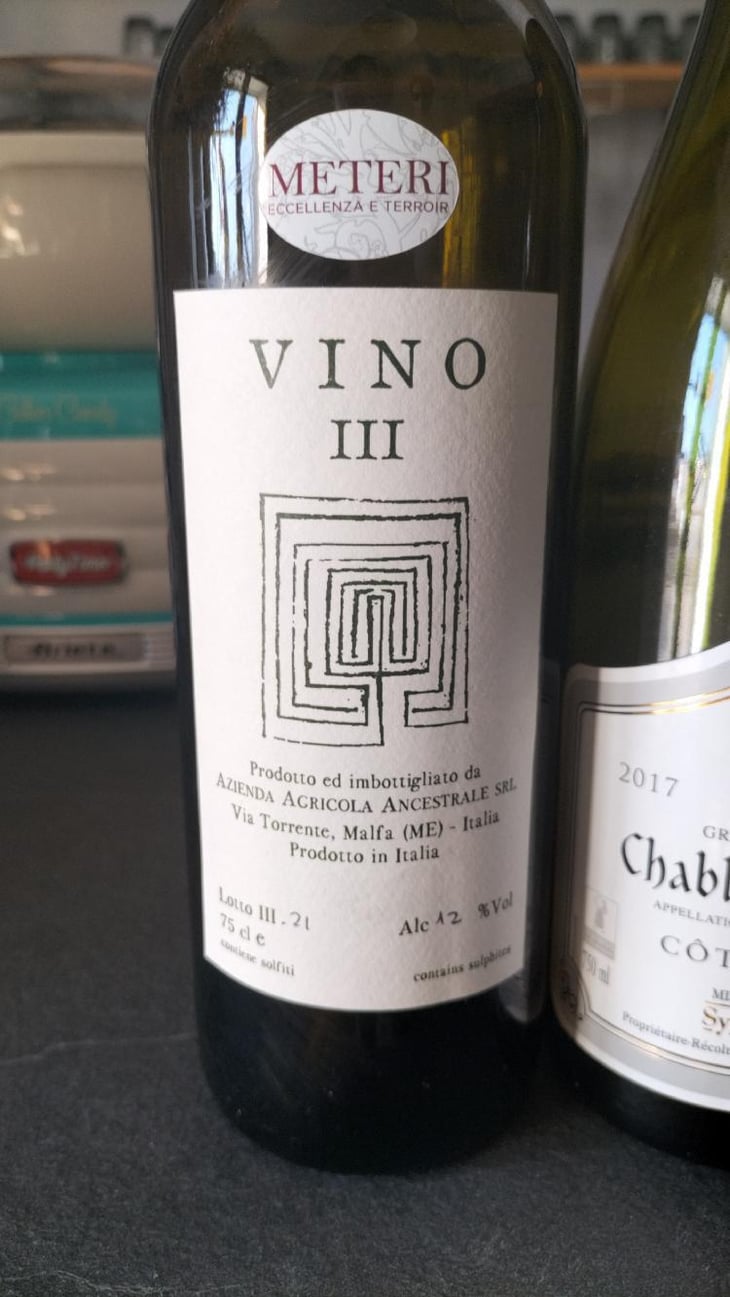
Azienda Agricola Ancestrale - Antonino Caravaglio & Giuseppe Mascoli
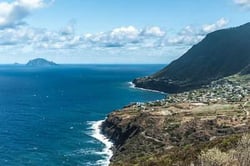
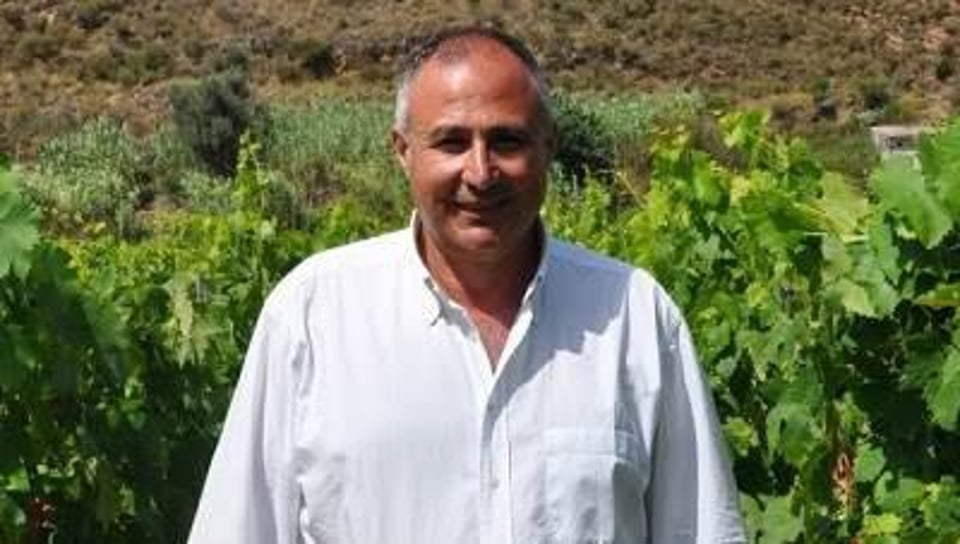
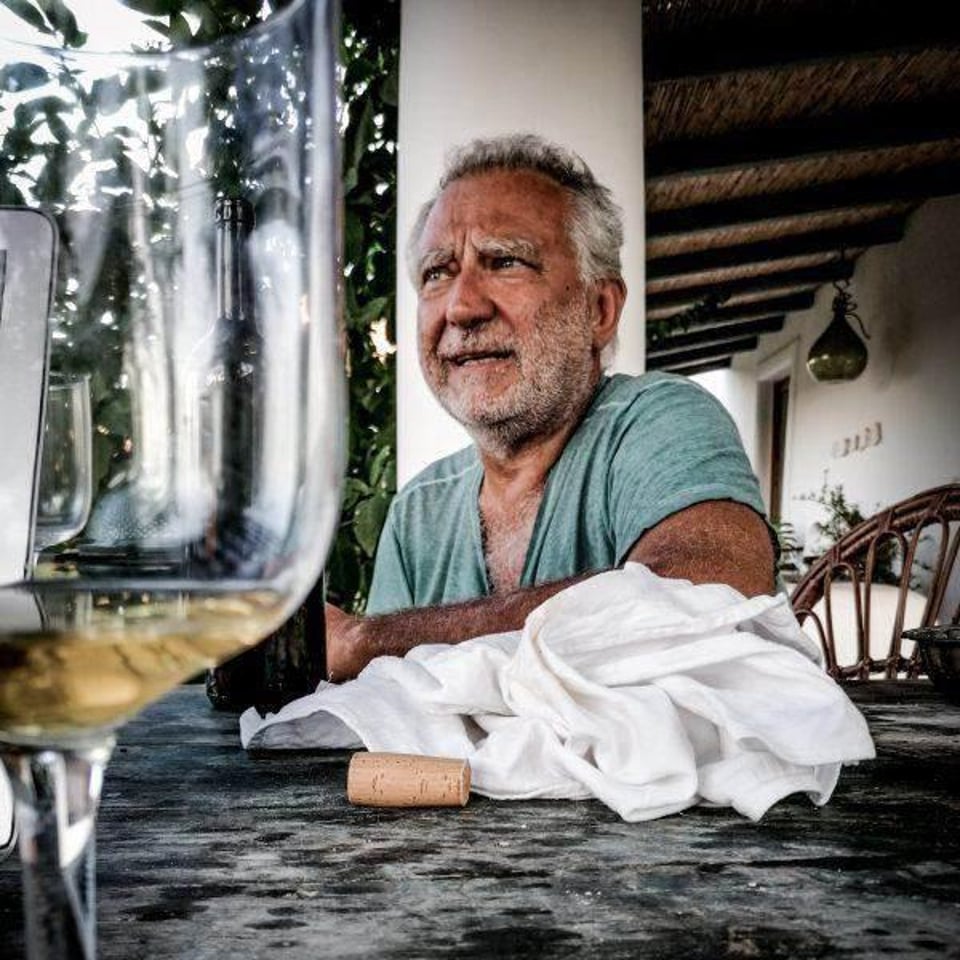
The Società Agricola Ancestrale was founded by Antonino Caravaglio, Aeolian winemaker, and Giuseppe Mascoli, Neapolitan entrepreneur. It is located on the island of Salina, in the Aeolian archipelago, off the northern coast of Sicily. Salina has a tradition in winemaking that goes back centuries, thanks to its outstanding features, such as a very rich volcanic soil, constant cleansing breezes and a sunny climate, all of which bring natural winemaking to embed perfectly in this terroir.
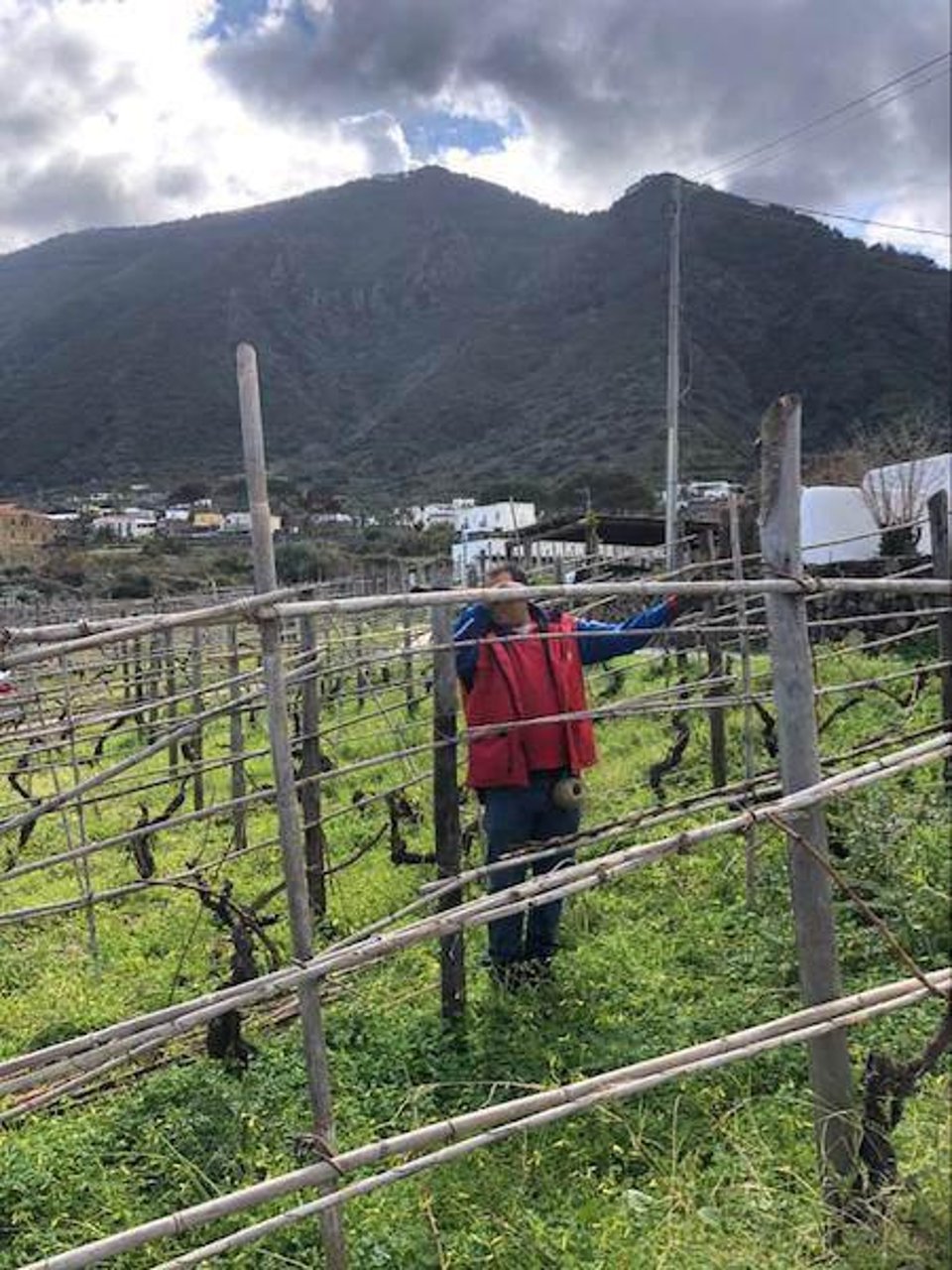
About 4 hectares of vineyards are divided in various small parcels of land in different locations around the island. Ancestrale grows typical Sicilian varieties, mostly the white Malvasia di Lipari, an indigenous grape of the Aeolian Islands.
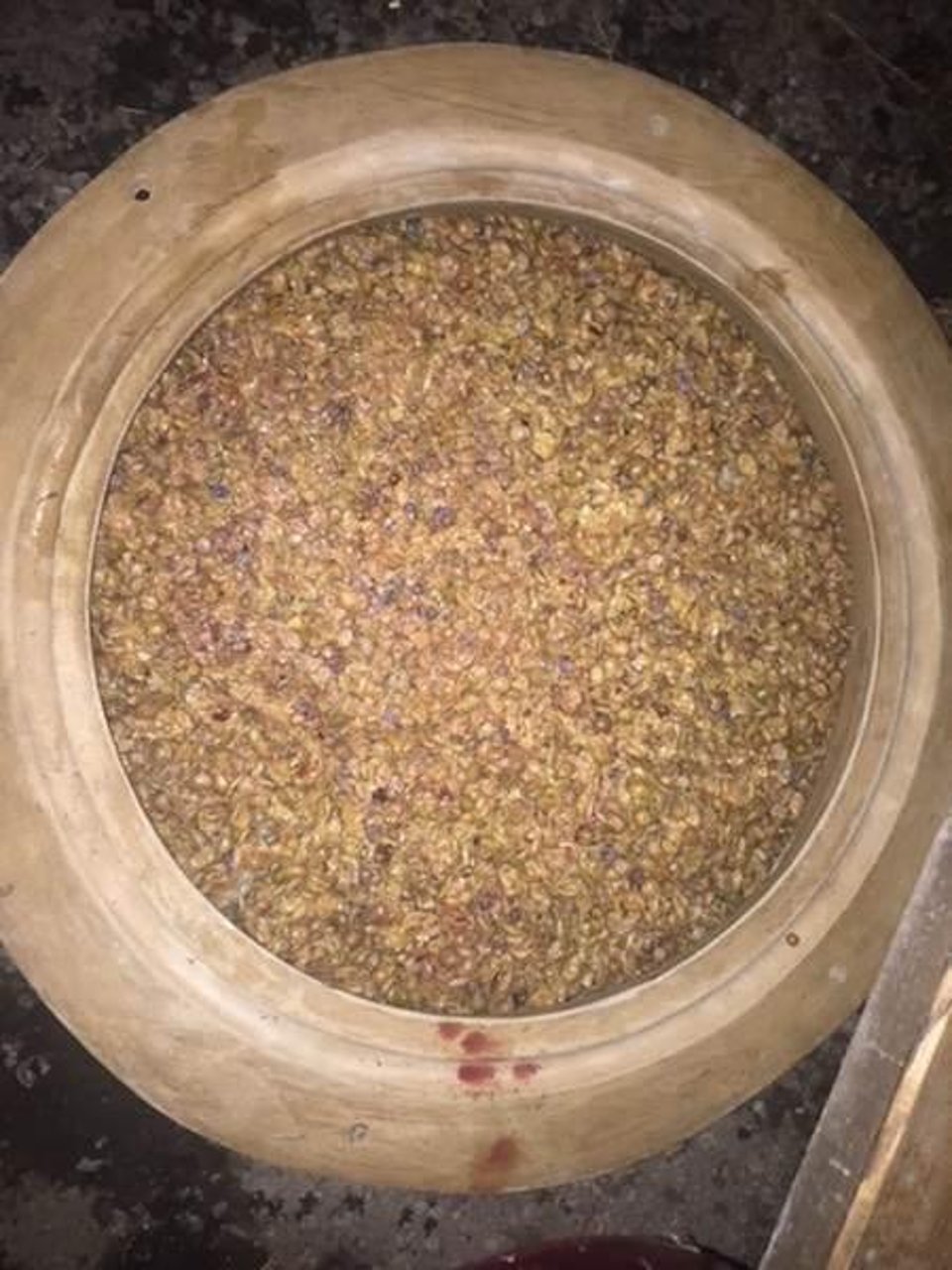
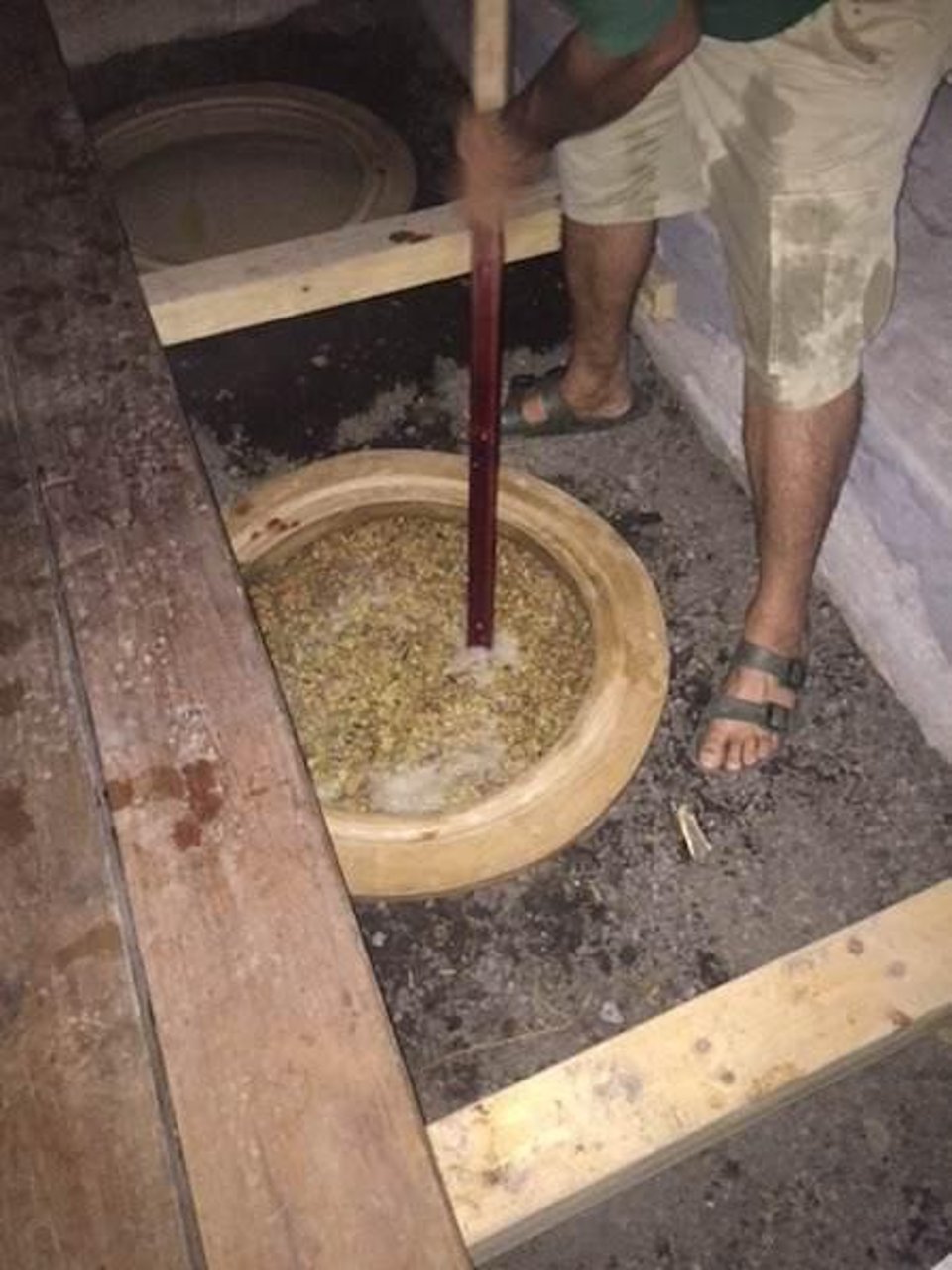
The vineyards are all on the slopes of an extinct volcano, overlooking the Mediterranean Sea. The plants are taken care of manually; no chemicals are used. The grapes are harvested starting from August and have such a beautiful and healthy skin that makes them perfect for a maceration. Ancestrale decided to be part of the rebirth of the Caucasian use of terracotta amphorae, which cannot help but remind you of the ancient Greek winemaking that was brought on these islands starting from the 6th century b.C. The Ancestrale amphorae buried, in order to naturally keep the fermentation temperature just right to preserve all the delicate aromas of the local grapes.
The wine finds its perfect balance in the amphorae, where it can stay for months before being bottled. The wines are hardly interfered, we only bring them to express all the subtleties of their very unique terroir.
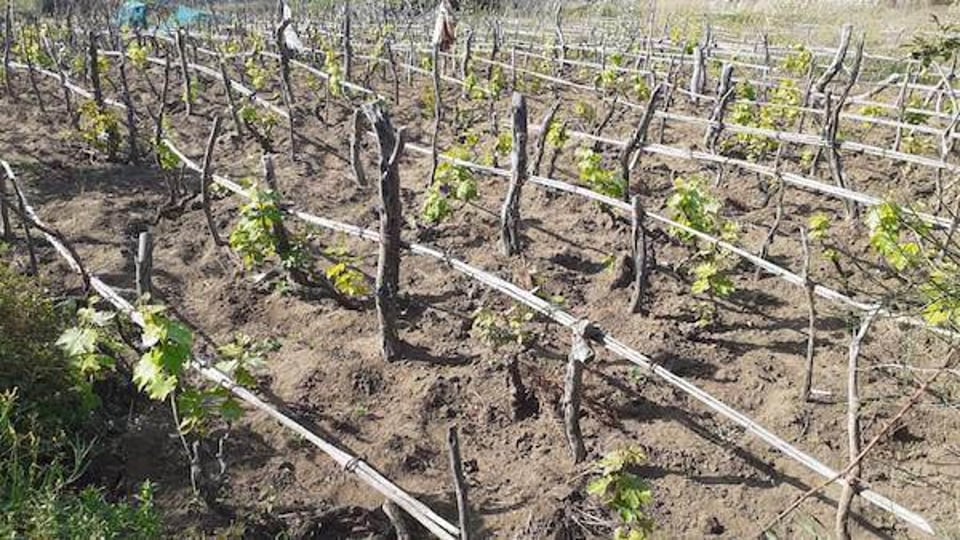
The Società Agricola Ancestrale does not have an organic or biodynamic certification. The efforts to produce a wine that can be defined as natural go beyond the organic requisites. On the other hand, no biodynamic practices are being used. We like to call it “peasant farming”, in reference to the traditional local methods.
Weed control is done by hand, tilling the soil with a hoe. In fall, fava beans are planted between the vine rows as a cover crop. The harvest is done by hand. The fermentation is spontaneous. The wine is not stabilized or filtered.








 Winemakers
 Restaurants
 Bars
Bars Wine Shops
 Accommodations
 Events