
6 8 8881 KM
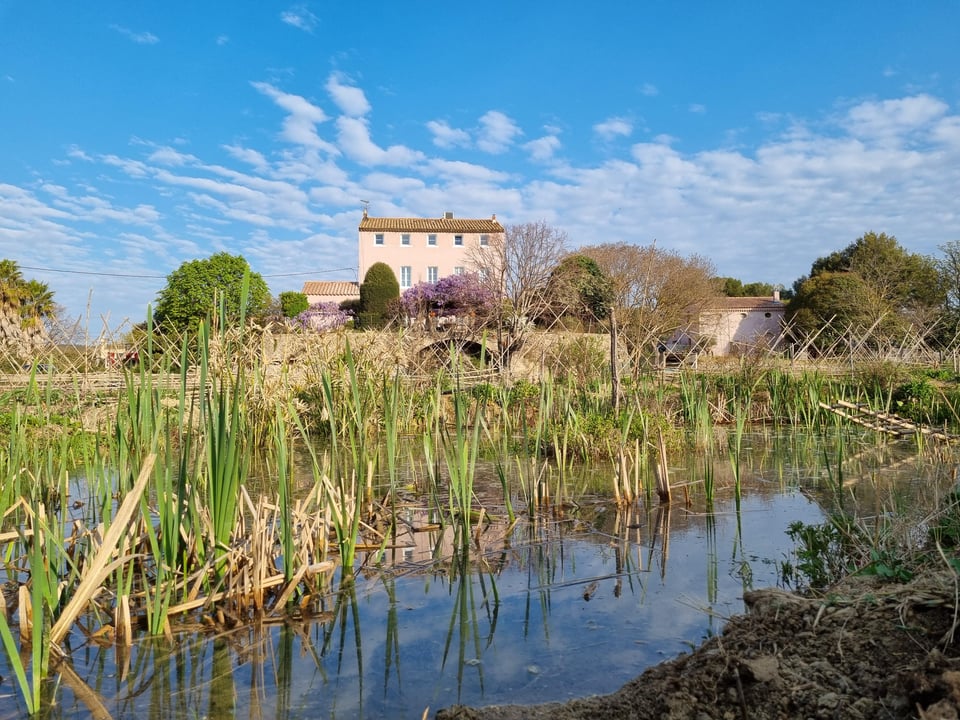
At the heart of our family estate in Provence, we are carrying out an ambitious and sustainable project that goes beyond the traditional boundaries of viticulture. Our vision is rooted in a return to the sources of agriculture, where food autonomy and the regeneration of living things are at the heart of our concerns.
Born on this estate, it is essential for me to propose an agriculture that generates life and creates biomass, in opposition to conventional agricultural practices, even the most environmentally friendly; which are often based on organic degradation and excessive consumption of carbon in all forms. This radically different approach aims to respect and nourish the soils, rather than exploit them.
It is also crucial to remember that some products commonly used in viticulture, although considered natural, are absolutely not. Copper and sulfur (usable in all certifications), for example, are often perceived as harmless, but they are far from being neutral for the environment from manufacturing to residues in the soil (Copper is a heavy metal in the same way as Mercury). We firmly believe that the term " natural " must be used with caution and honesty. The vineyard, as it exists today, is far from being an ecosystem unmodified by man.
Therefore, should we not prioritize respect for living things rather than succumbing to sometimes misleading marketing arguments?
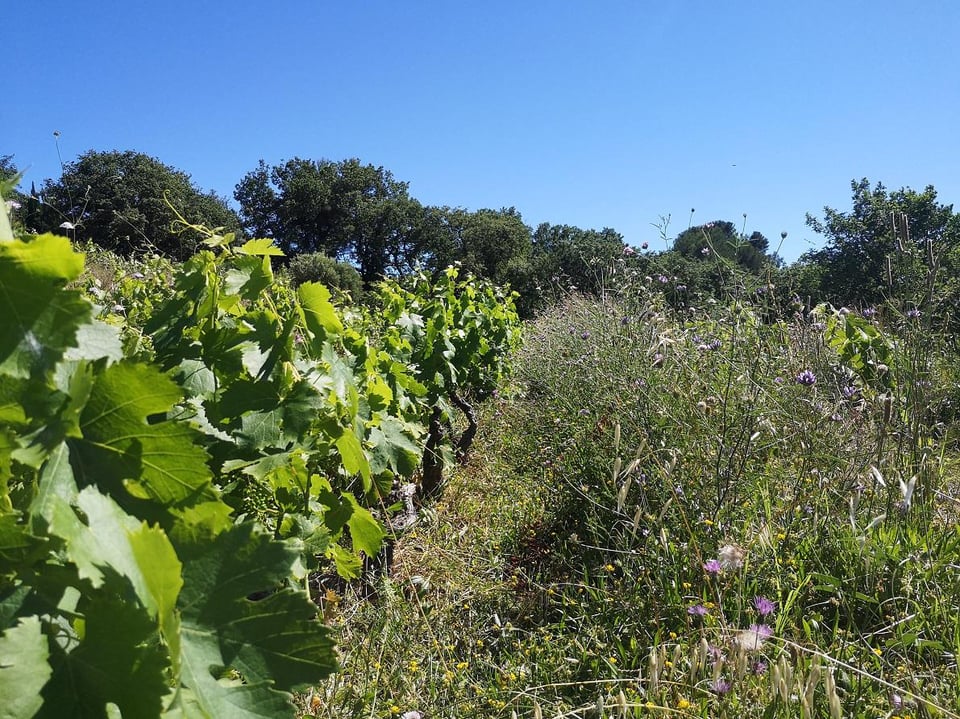
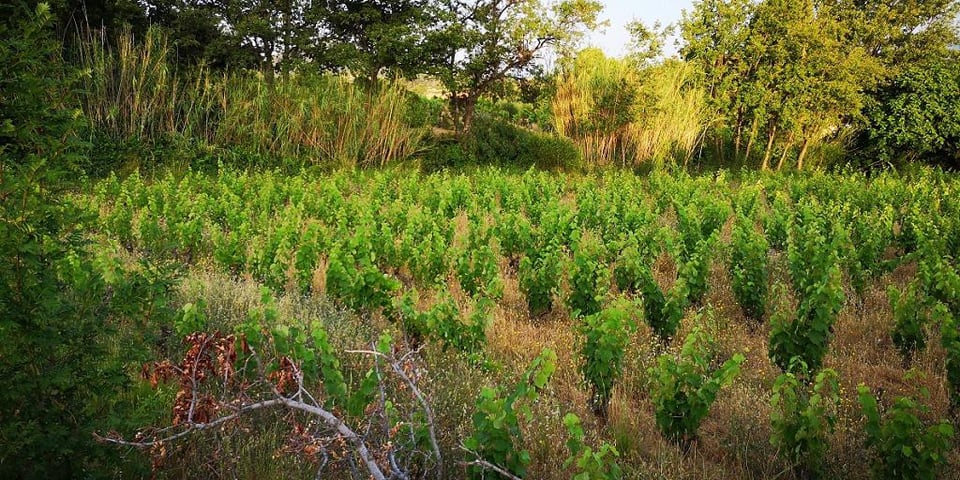
Since 2016, we have taken the bold decision to eliminate all use of copper and sulfur in our treatments for plants and natural materials and to prohibit mechanical work of the soil with the tractor. This approach is based on the careful observation of the vine and its adaptation to its natural environment. Rather than resorting to uniform and mechanized practices, we have opted for individualized management of each vine.
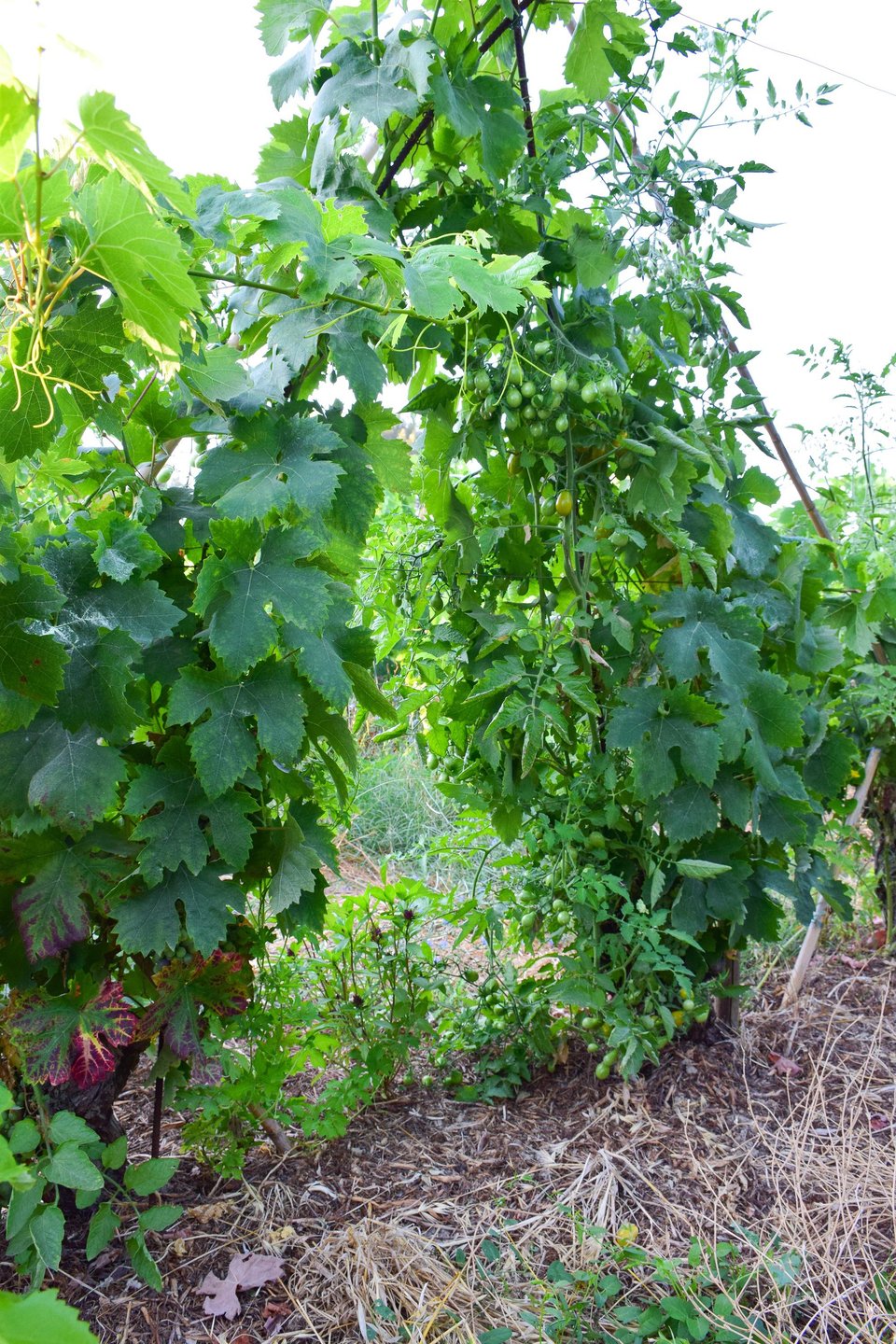
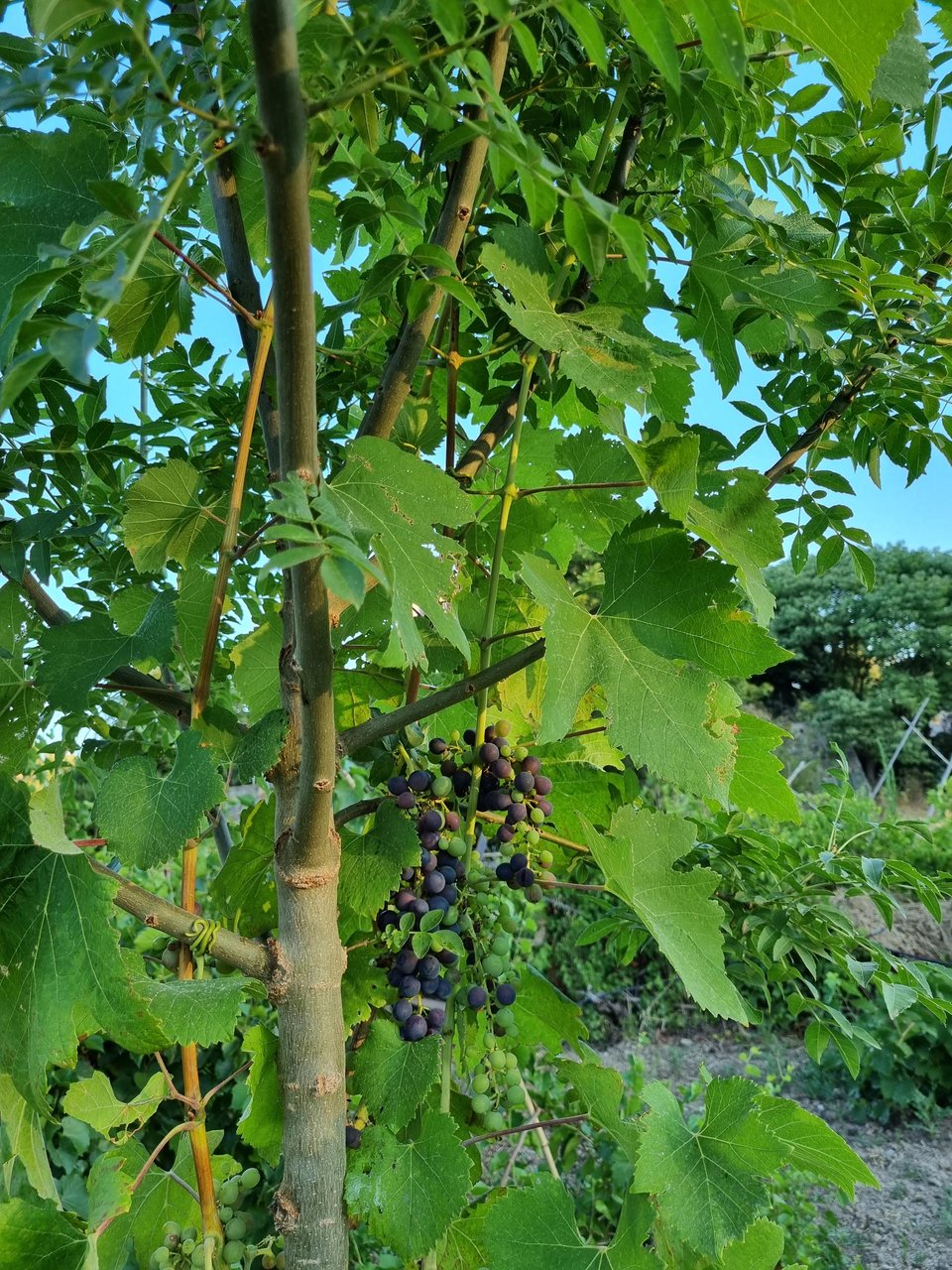
This is how a new approach was born on our estate. We introduced innovative structures such as the pergola, a vertical bamboo structure that supports the Cinsaults, an Acrotone grape variety, as well as the technique of vine married to the tree (Vite Maritata) and colonization by wild vines. But the key element of our approach remains diversification . We stratify the aerial and underground spaces with a maximum of companion or repellent plants. The tree, whether fruit or timber, plays an essential structuring role, providing natural support to the vine. Under this partial canopy, we develop market garden crops and integrate livestock farming , thus contributing to the creation of a complete and resilient viticultural agroecosystem in perpetual evolution.
This ecological approach extends to our winemaking methods. The harvest is done entirely by hand, with absolute respect for life. We do not use any inputs, any machines , and our wines are produced without filtration or fining . Only a very small quantity of sulfites , not exceeding 30 mg/liter of total SO2, is added to guarantee the stability and transport of the wines, continuing the research to finally exclude it definitively. We make a point of honor to limit the use of sulfites while producing quality wines, representative of the vintage.
In short, our work aims to create a unique wine, which respects life at every stage of its creation. We invite you to discover and share this vision through our wines, fruits of a vibrant ecosystem in harmony with nature.
No orange wines at the moment.
No sparkling wines at the moment.
FIND THE EVENT YOU ATTEND
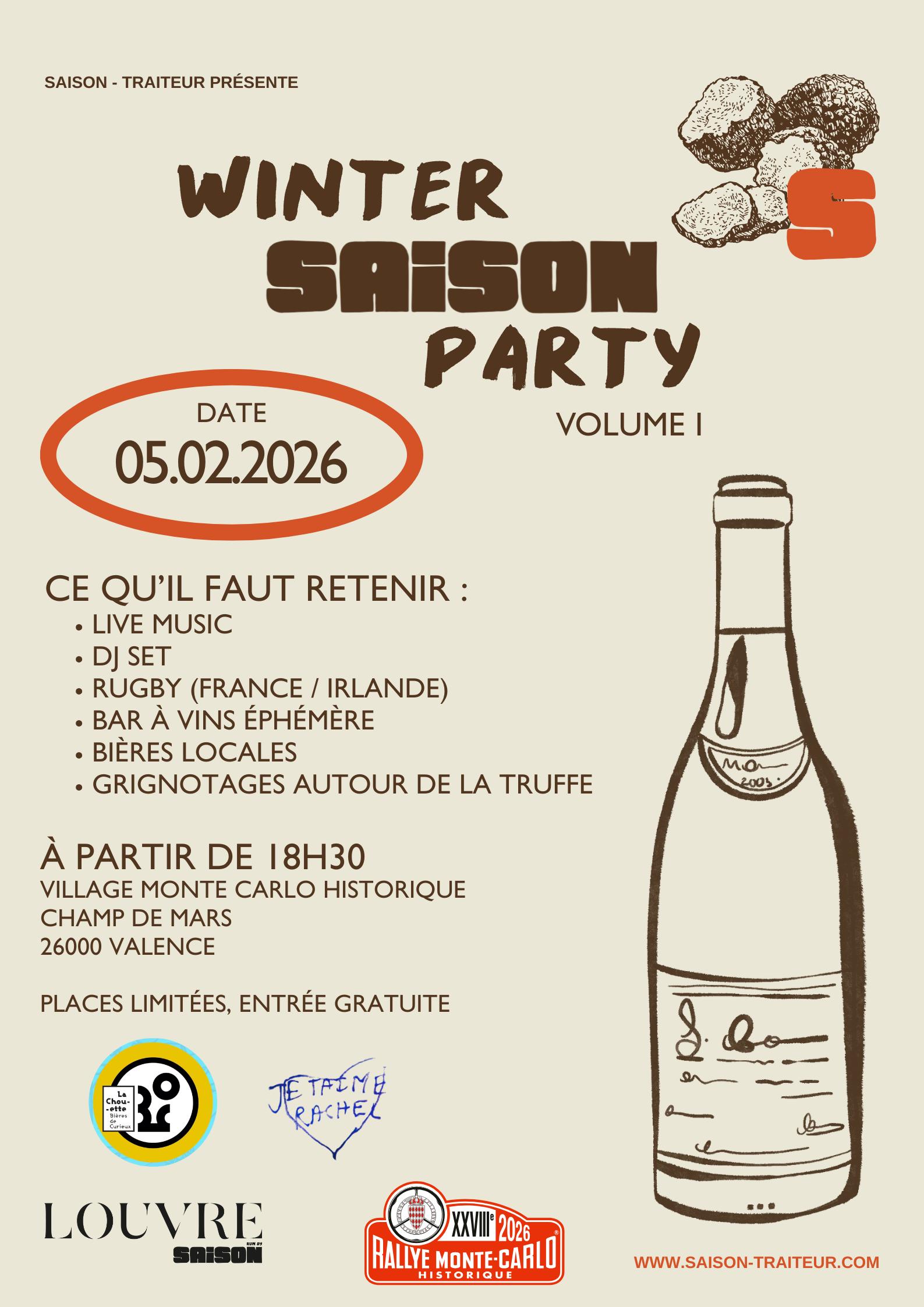
Thursday February 05
ValenceFrance
6864 KM
Thursday February 05
Weyerstraße 98, 50676 Köln
-
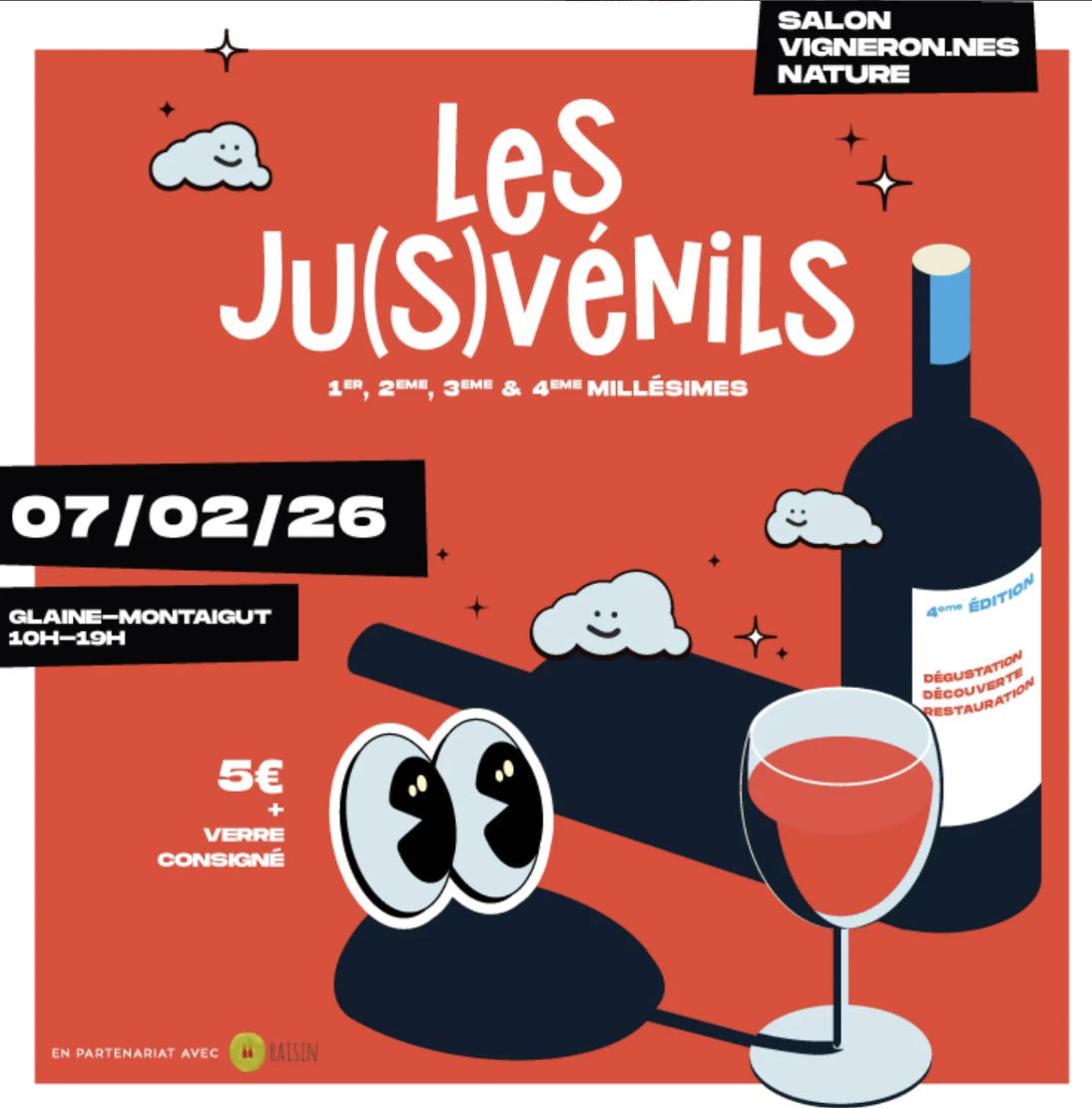
Saturday February 07
Glaine-Montaigut
6717 KM
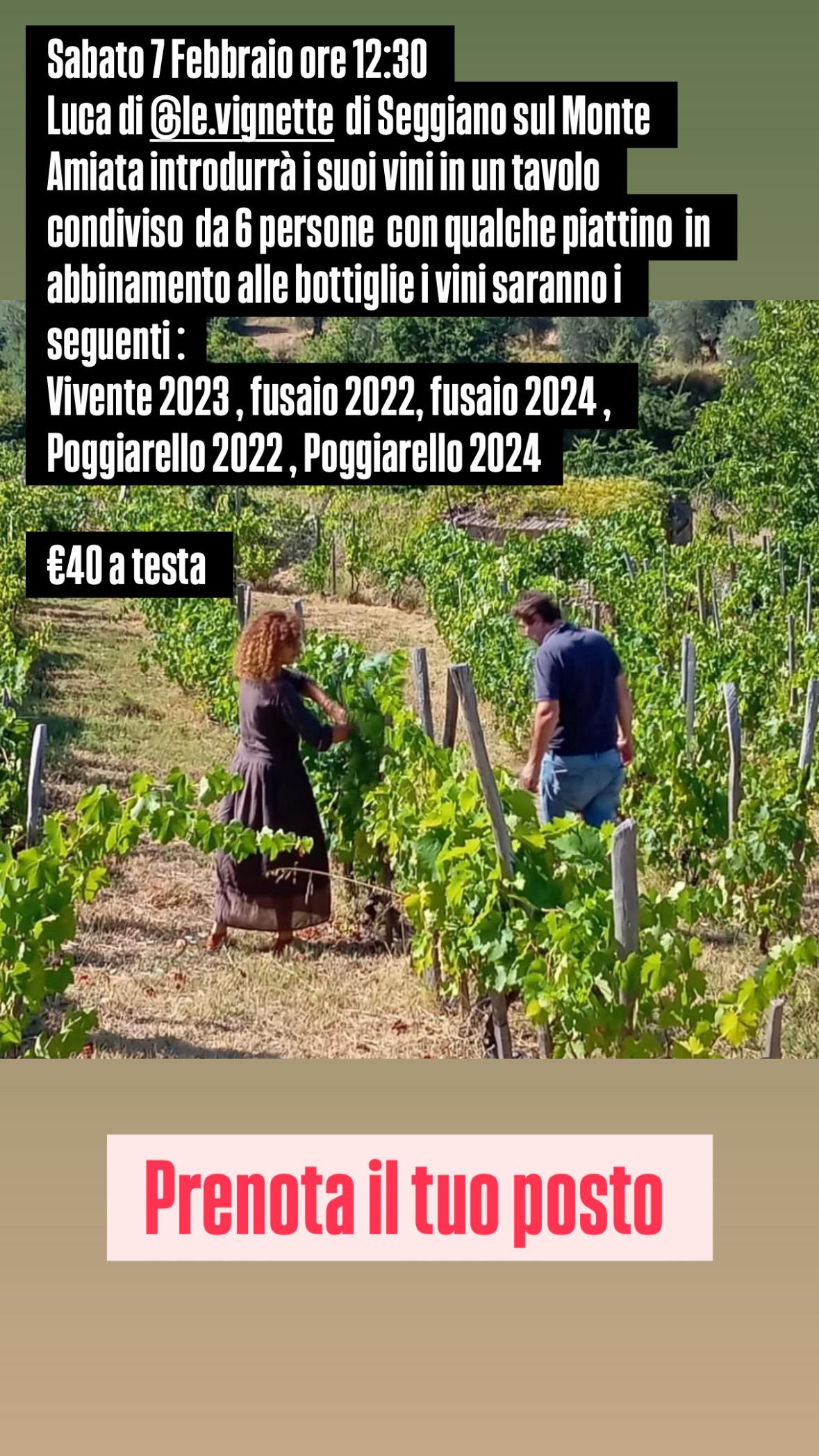
Saturday February 07
RovatoItaly
7172 KM
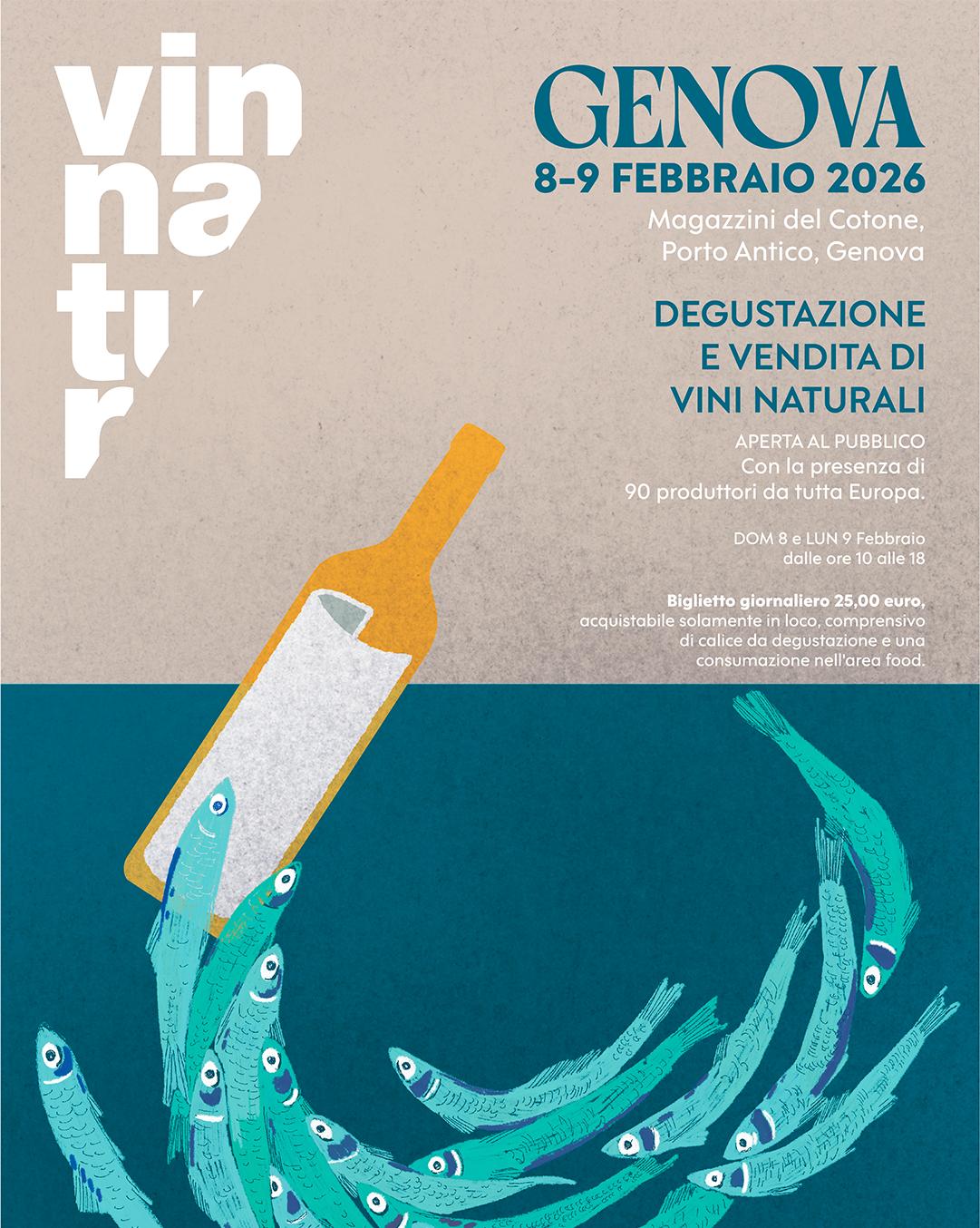
Sunday February 08 - Monday February 09
Genoa
7168 KM
Sunday February 08
Paris
6491 KM
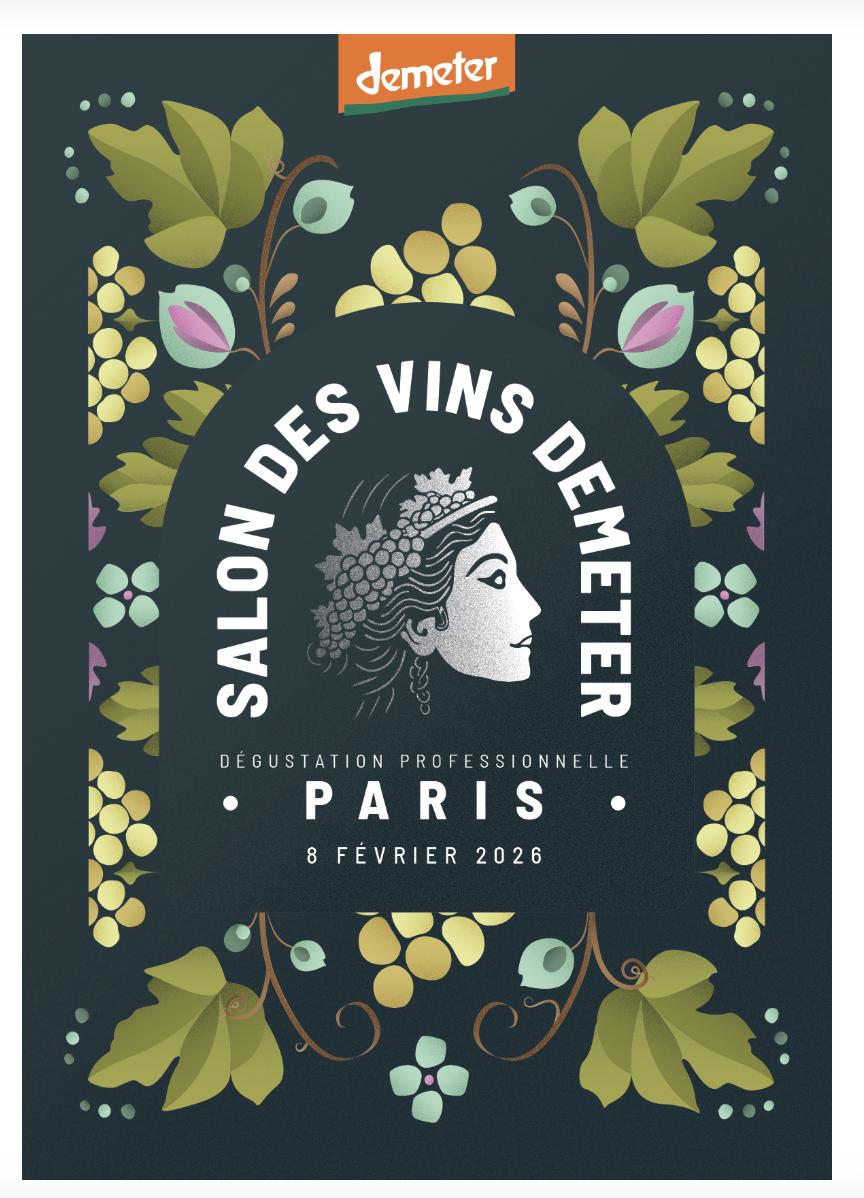
Sunday February 08
Paris
6486 KM
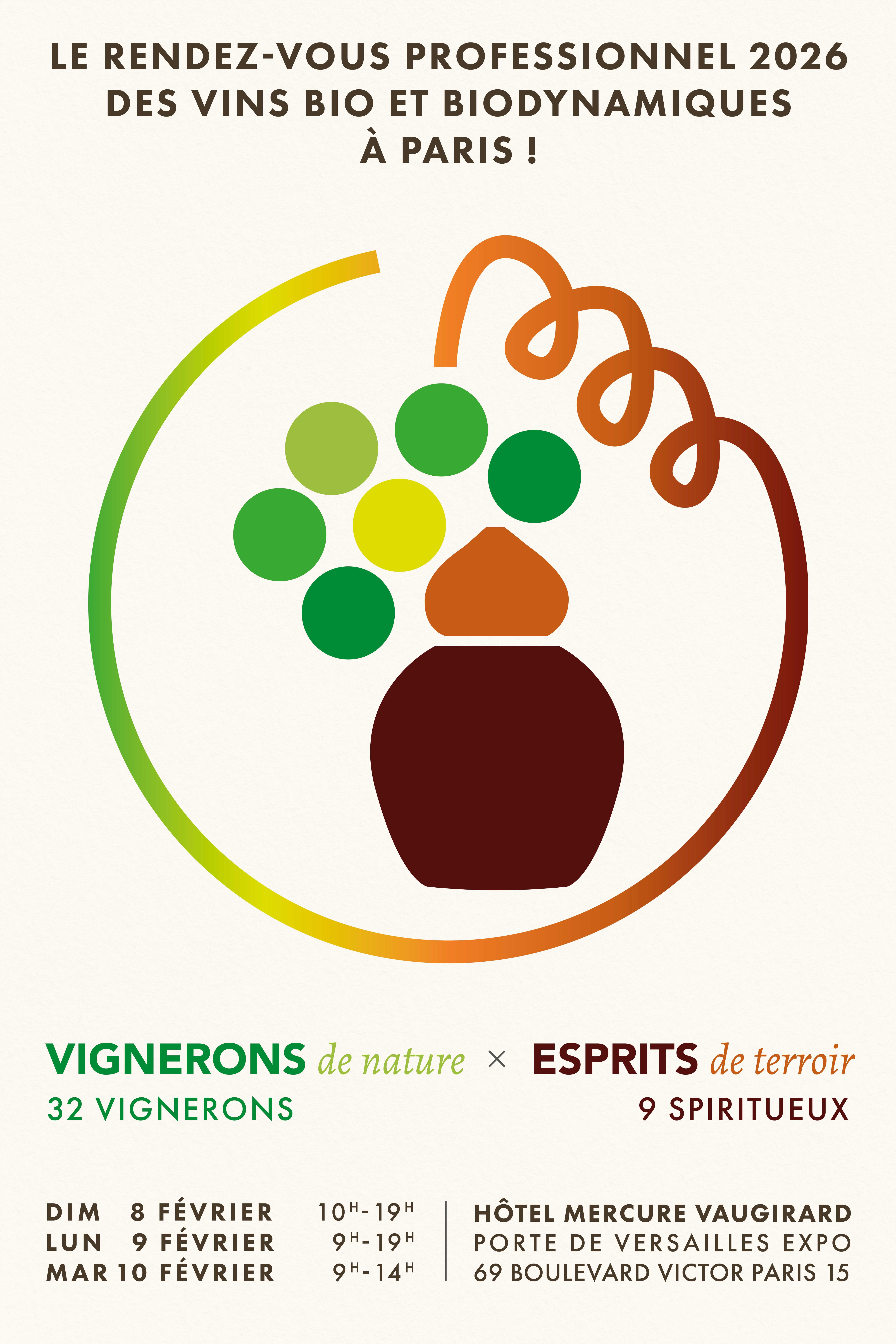
Sunday February 08 - Tuesday February 10
Paris
6487 KM
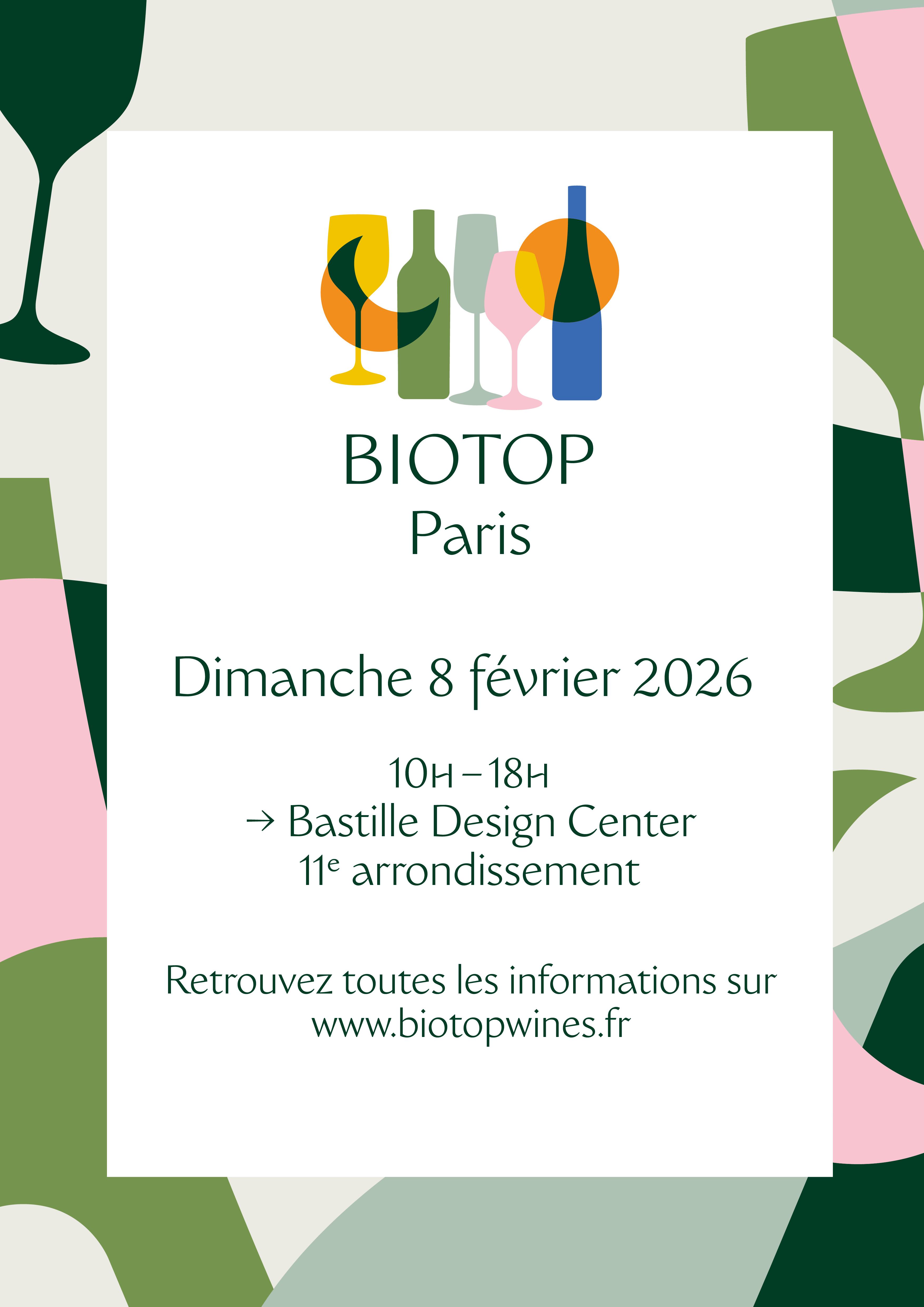
Sunday February 08
Paris
6491 KM
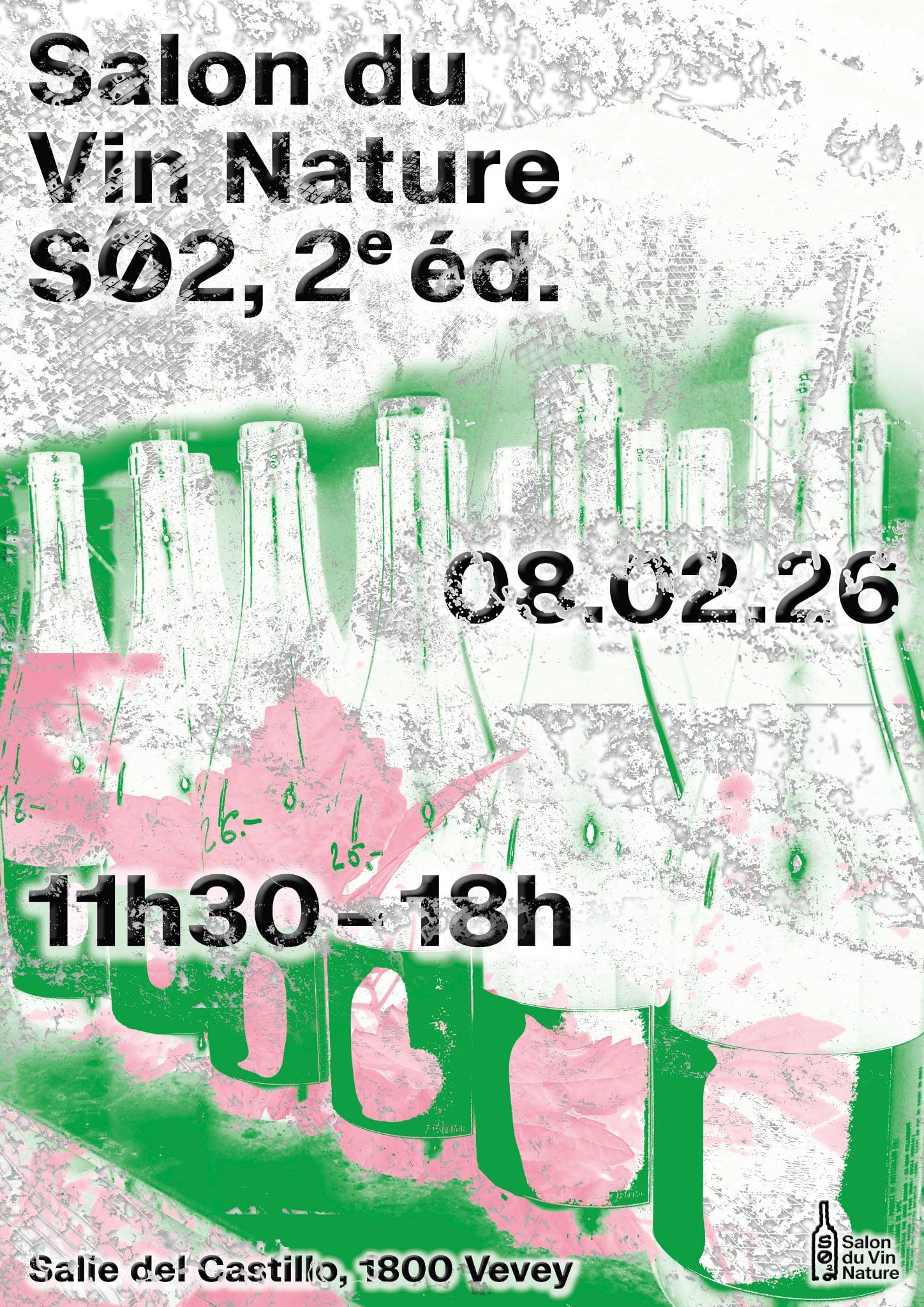
Sunday February 08
Vevey
6912 KM
26 5 6859 KM
Un bon lopin mène à un bon raisin pour un meilleur vin.3 1 6913 KM
Niché au bord du Thiou à Annecy, le restaurant Ravigote propose une cuisine française authentique, entièrement faite maison. C…2 1 6941 KM
cave Nostradamus A wine shop Located In Saint-Rémy-de-Provence with a selection of natural wines. Local, seasonal, organic food and natural wines.22 3 7095 KM
Wine merchant, Bar and Restaurant. Come and discover our points of sale with its 850 references in wines and spirits. Winemakers
 Restaurants
 Bars
Bars Wine Shops
 Accommodations
 Events