6 2 8303 KM
My name is Frédéric HAUSS
Since 2021, I have been supporting 3 hectares of vines whose fruit I transform into wines, between Doué in Anjou and Le-Puy-Notre-Dame in Maine et Loire (49), in the extreme southwest of the Saumur and Saumur-Puy-Notre-Dame appellations, one foot in Anjou.
I grow Chenin, Chardonnay, Cabernet - Franc and Sauvignon - and Grolleau.
But in reality,…I changed direction.
I left a comfortable position as a senior technician in the cinema, a city of the heart, Lille, to take care of a piece of land in organic farming. Because I was also, for 20 years, a committed and angry social and environmental activist. By evolving in these determined environments, we learn to identify the promoters of a model of the past that seriously compromises our future. These include: agro-industry and the pressure it imposes on agricultural income, the race for equipment, expansion and debt, synthetic pesticides and the death of soils, land pressure, the hoarding of resources, the disappearance of the peasant world.
In order to speak from agriculture and for phenomenological reasons, to save the environment, I decided, like many, to occupy it…
I spent my childhood and adolescence between Orléans and Angers. A true child of the Loire, joining its banks seemed obvious to me. Memories of hide-and-seek with my brother in the small plot of Gamay of an amateur winegrower grandfather in Chalonnes sur Loire. Later, sweet emotions during tastings in Auxerre Burgundy (Chloé Maltoff in Coulanges la Vineuse, les Richoux in Irancy, la Cadette in Vezelay, the Chablis geniuses De Moor and Patte-loup, especially the meeting with an early brancher: Pierre Hervé, a former schoolteacher, reconverted into winegrower in the Tannay hillsides) pointed me towards vines and wine. A duo of former colleagues from the plateaus, who had gone to make wine in Ardèche, also greatly inspired me: les bois perdus.
There is also the fact that wine and cinema have many things in common: the clever balance between technique and emotion, two crafts more than industrial ones, two areas in which our country excels and where two fundamentally opposed but not exclusive forms of economy coexist. They are also two arts of circumstances: just as a film can be a reflection of the mood and logistics of its filming, a wine is marked by our harvest environments, the flashes of lucidity like the breakdowns of the press, the sharp instincts like the unavailability of a racking cane, the radical decisions as much as the compromises.
To paraphrase Baptiste Morizot (in 'Manières d'être vivant'), grapes, transformed into wine, seem to me to be the perfect playground for forming alliances with the plant kingdom, for practicing diplomacy with non-humans. Finally, as Antonin IOMMI-AMUNATEGUI so aptly points out in his 'manifesto for natural wine', those who courageously, on the margins, develop wines without artifice, draw "the clear key to other battles". So I wanted to be part of it... Besides, didn't Jean-Luc Godard claim that "it's the margins that hold the pages together?"
So much for the spirit.
Concretely: : grape harvests at Grange Aux Belles in 2019, a professional baccalaureate in 2020, an internship at Melaric, the flagship of organic wine in the south of Saumur, great encounters at the right time made me settle in 2021 among unique personalities (and always ready to help) who gravitate around the Saumur-Puy-Notre-Dame appellation (Melaric, L'Austral, Manu Haget, Thibaut Stephan, Thibault Masse,...).
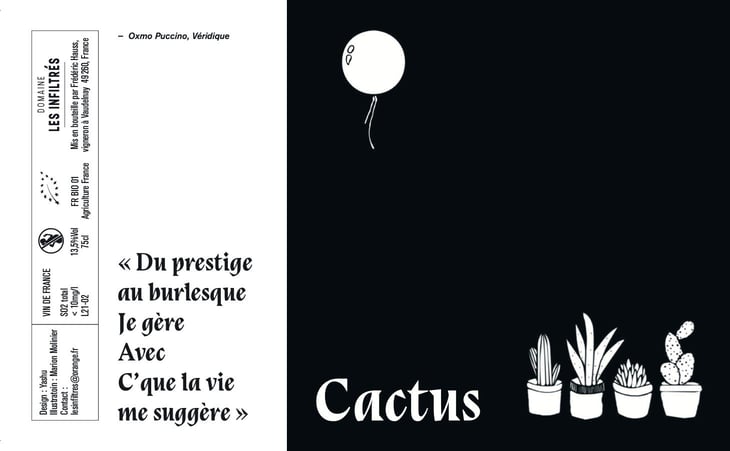
Smooth transition and installation step by step; as the rapper Oxmo Puccino says "From prestige to burlesque, I manage, with what life suggests to me". I rent the vines, benefit from a library of equipment in CUMA.
But above all, I share tractor, van, pump and press, grape harvesters, doubts and certainties, joys and disappointments with a winemaker who settled at the same time as me in the same area: Charlotte Savary Fulda (vins les coquilles). With the one I call 'my sister of vines', our farms are distinct and our wines very different. But you will often see us stuffed together. Our relationships link common logistics, mutual aid, fraternity, care and philosophy.
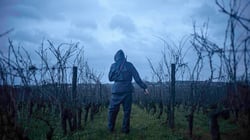
Finally, between two green jobs, I continue my activism against agro-industry within the Confédération Paysanne or Les Soulèvements de la Terre. The neighboring Deux-Sèvres are currently the scene of struggles around the uses of water, which I consider historic for the future of the world. This commitment and many others are a salutary collective counterpoint to the solitude of our professions. It also forces me to a form of discretion. I shun social networks, avoid photos. I aim to make wine like Daft Punk made music: without ever overinvesting in my image. As a colleague here says: "everything must be in the bottle"...
The estate is called 'The Departed' like the Martin Scorsese film, a work that is both nervous, tense and elegant: a horizon for the wines that I try to make, literally without filters, without artifice - it is also a nod to my previous job and to an environment that I infiltrated 3 years ago when I really knew nothing about it. It is a plural, which should even have been feminized, to pay tribute to all those who help me on a daily basis. From my lover to the seasonal disbudding, from my participatory financiers to the harvesters, from the winegrowers allied to the wine merchants who trust me.
In the vineyard, certified organic farming, work as scrupulous as possible on yield management (pruning, disbudding in 2 passes, sometimes 3 as in 2023, ... hard !!!). Ploughing according to the observed vigor and the signals sent by the plant. No systematism. Climate change requires us to be constantly on the lookout. I already combine copper with herbal tea sprays (nettle and horsetail). Yarrow and valerian for periods of stress (frost, drought). Manual harvests, obviously. And perennials. I like to be the accountant every September of the parentheses of life that everyone sets up with our buckets and secateurs.
In the cellar, work with indigenous yeasts. With the candor of a kid ("our only homeland: childhood!" tagged a Cretan rioter during the Greek crisis in 2007), nose and mouth as compasses, microscope as crutch. If, in the cinema, a few tutelary figures have always intimidated me, in the world of wine, my naivety and my relative ignorance of the codes to master or the "100 vintages that you must have tasted" give me great freedom. "Doing like..." is not really part of the vocabulary. Nevertheless, I seek to produce fine, delicate, digestible wines. On the bubbles and the whites, I seek purity, clarity and radicality, even if it means flirting with the vegetable (but do we really have to make people forget that wine comes from a vine?!). On the reds, delicious fruit, freshness: short macerations, sometimes whole bunches. I shy away from sophistication a little, but I recognize in the wood of old barrels its quiet, age-old way of magnifying certain choices.
Sometimes sulfur in homeopathic quantities to correct a deviation or an air intake during bottling. That said, my wines do not display more than 25mg/l of total SO2 when the regulations authorize 100 to 150.
This sulfur story is complicated: I admire those who make no compromises, but I have decided to put my radicalism elsewhere.
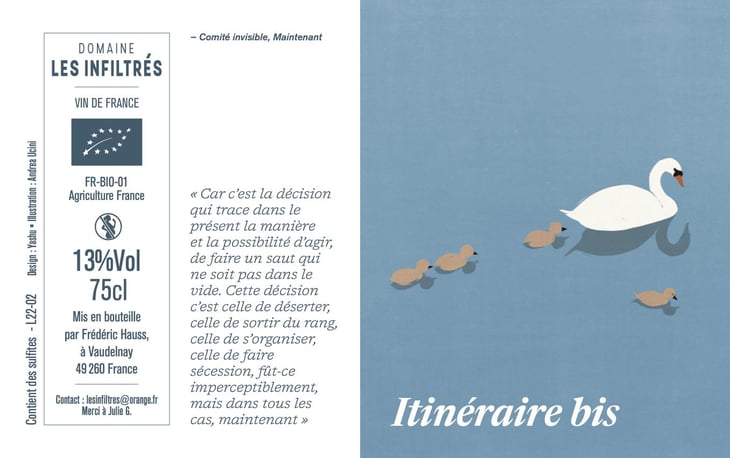
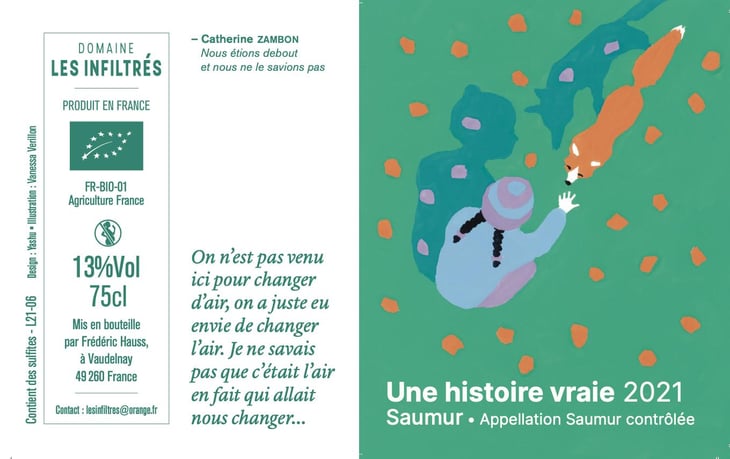
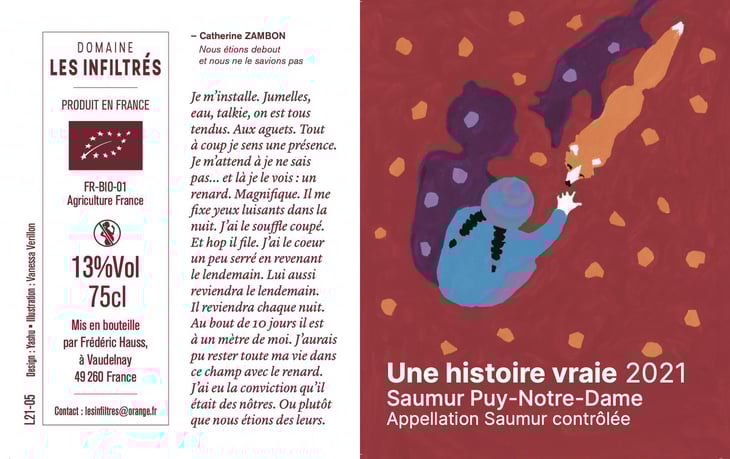
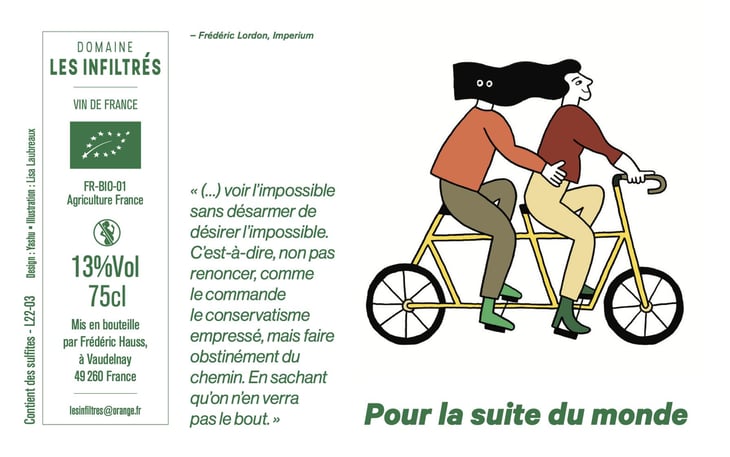
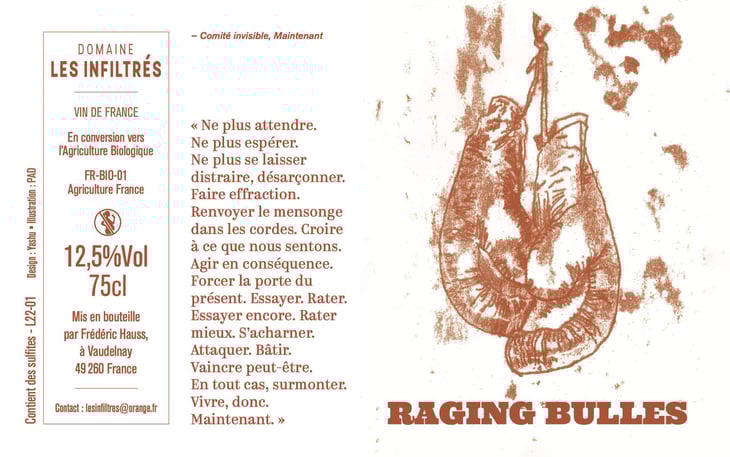
On the skittles, each label has a distinct illustration to mark the singularity of the vintages. The quotes that accompany them guide me every day, like horizons of revolutionary lives that I modestly try to transmit to my drinkers. They fit well with the work in the vineyard and in the cellar by evoking serious, determined paths, always to question…
No rose wines at the moment.
No orange wines at the moment.
FIND THE EVENT YOU ATTEND
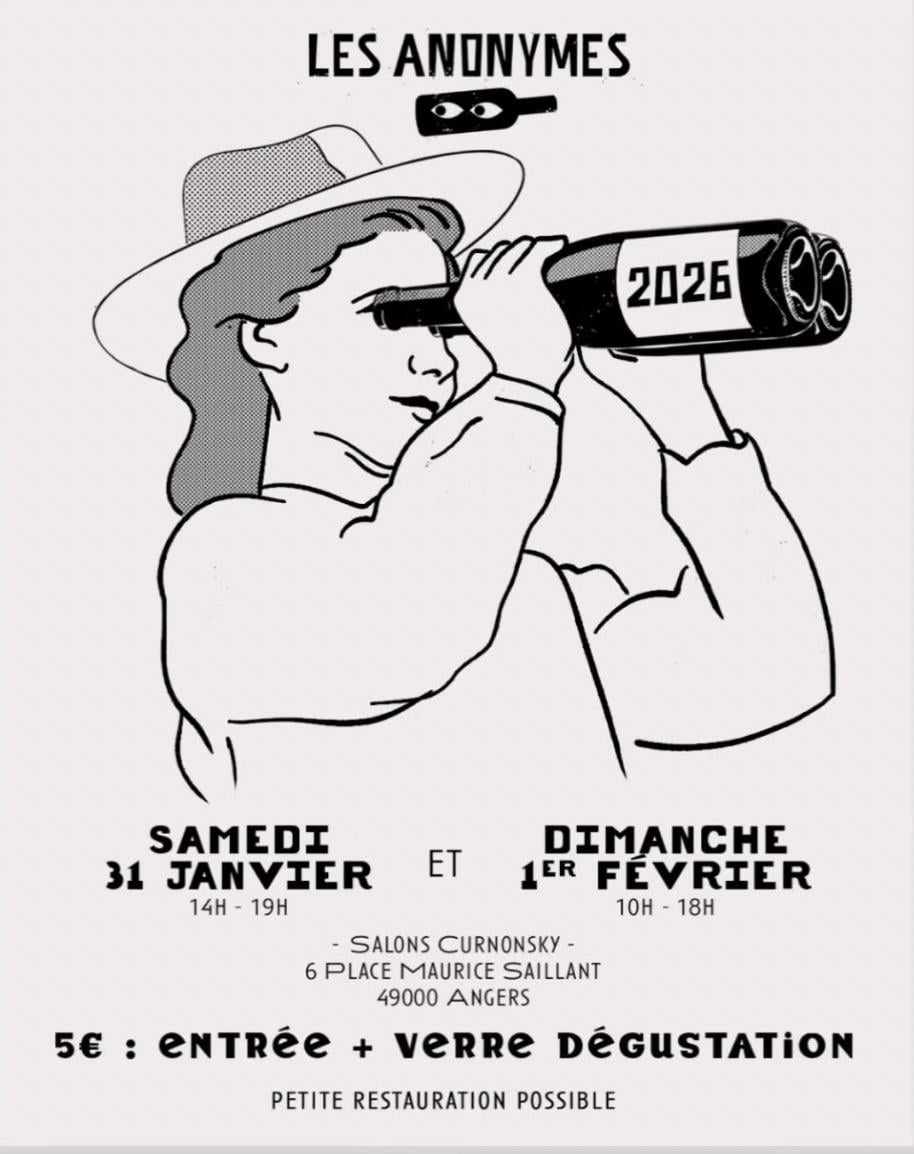
Saturday January 31 - Sunday February 01
Angers
6363 KM
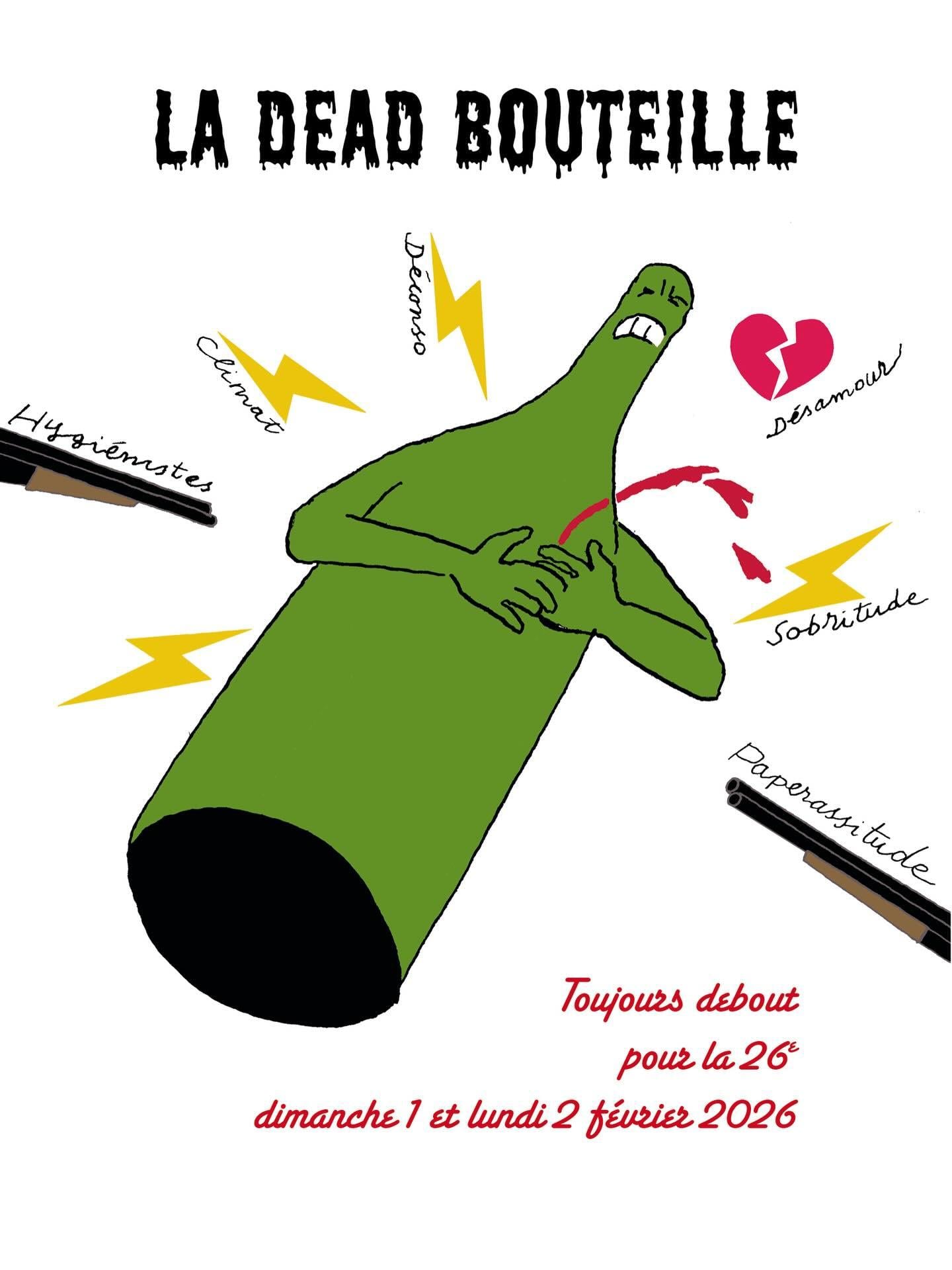
Sunday February 01 - Monday February 02
Saumur
6402 KM
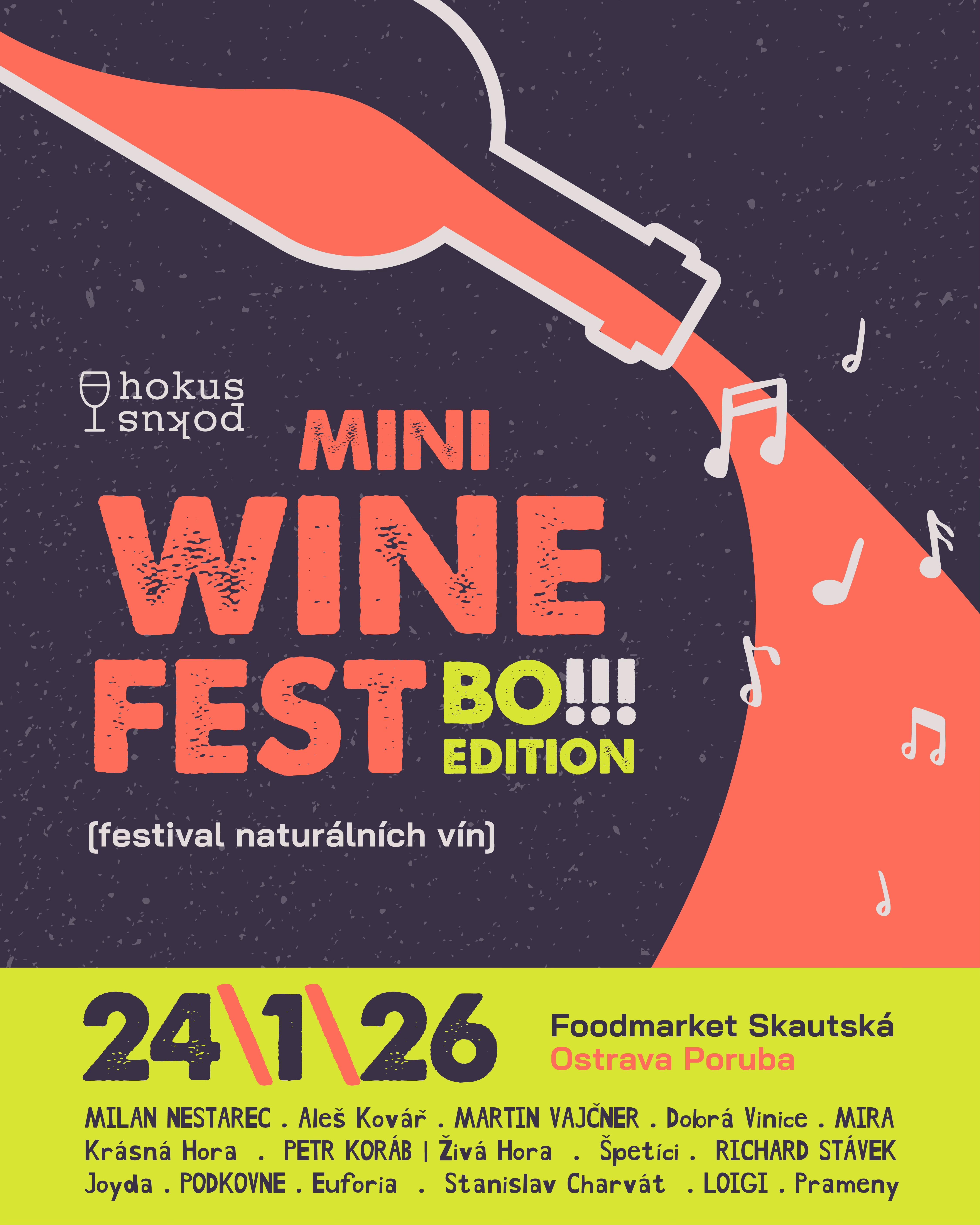
Saturday January 24
Ostrava
7421 KM
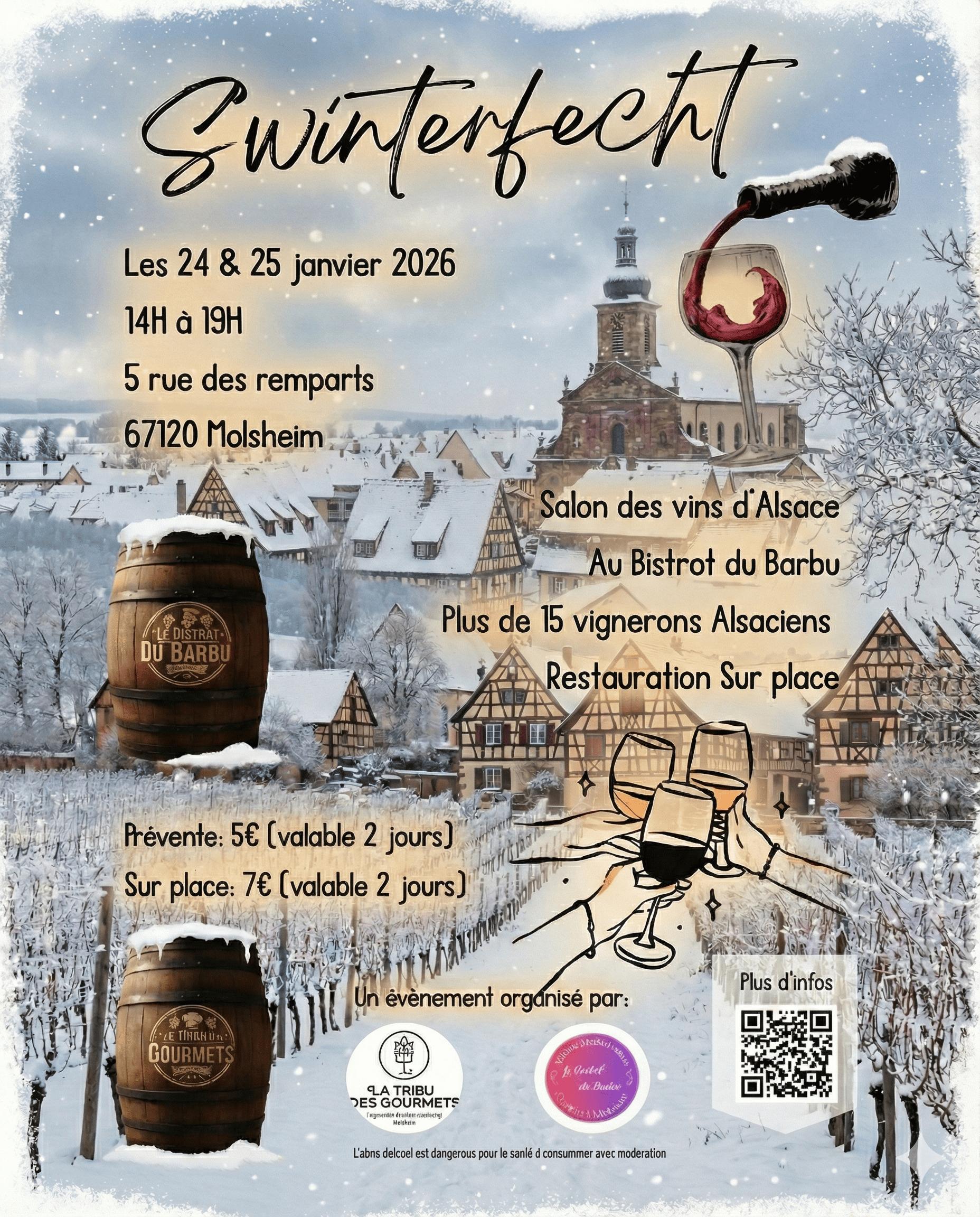
Saturday January 24 - Sunday January 25
Molsheim
6840 KM
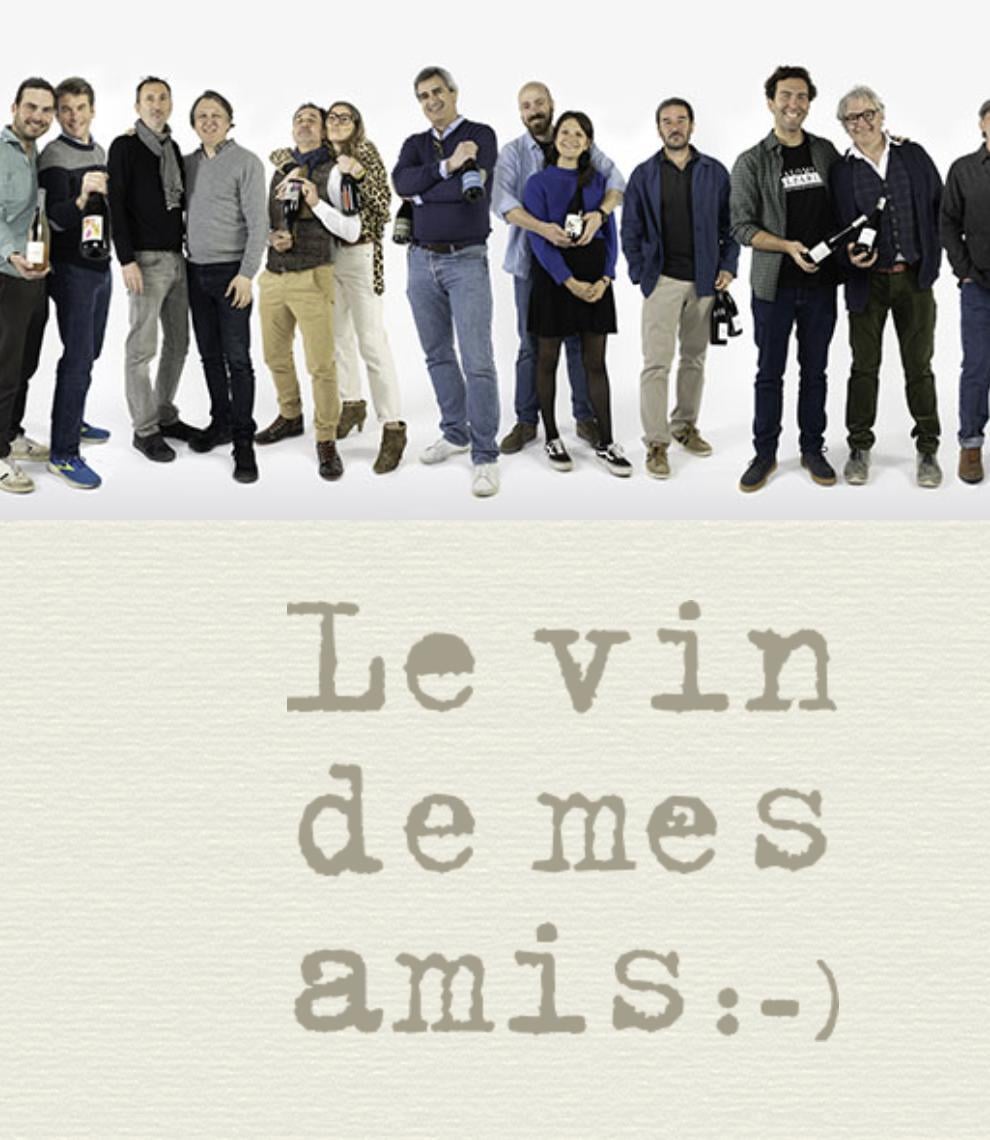
Sunday January 25 - Monday January 26
domaine de verchant castelnau le lez, 34170
6869 KM
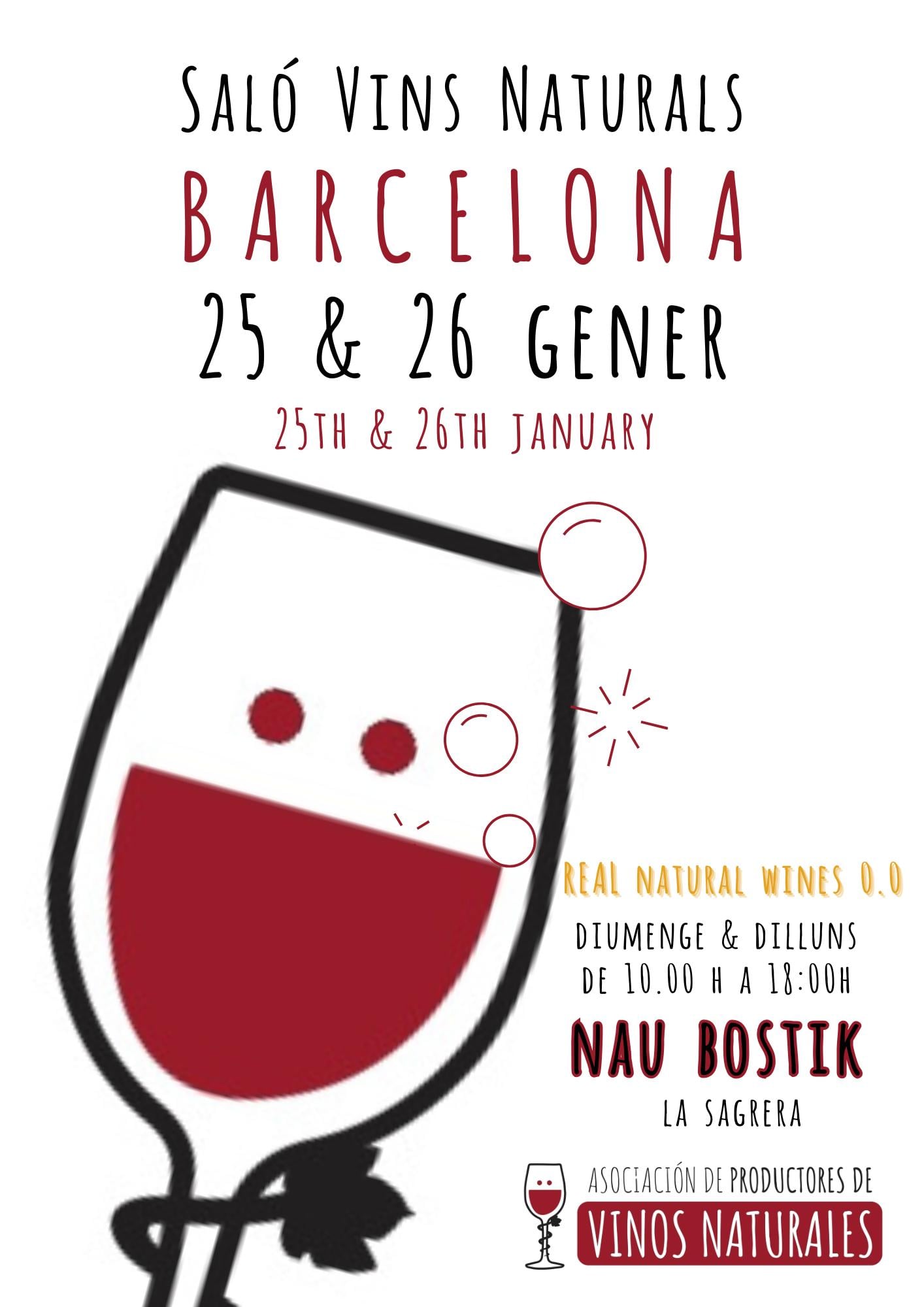
Sunday January 25 - Monday January 26
Barcelona
6868 KM
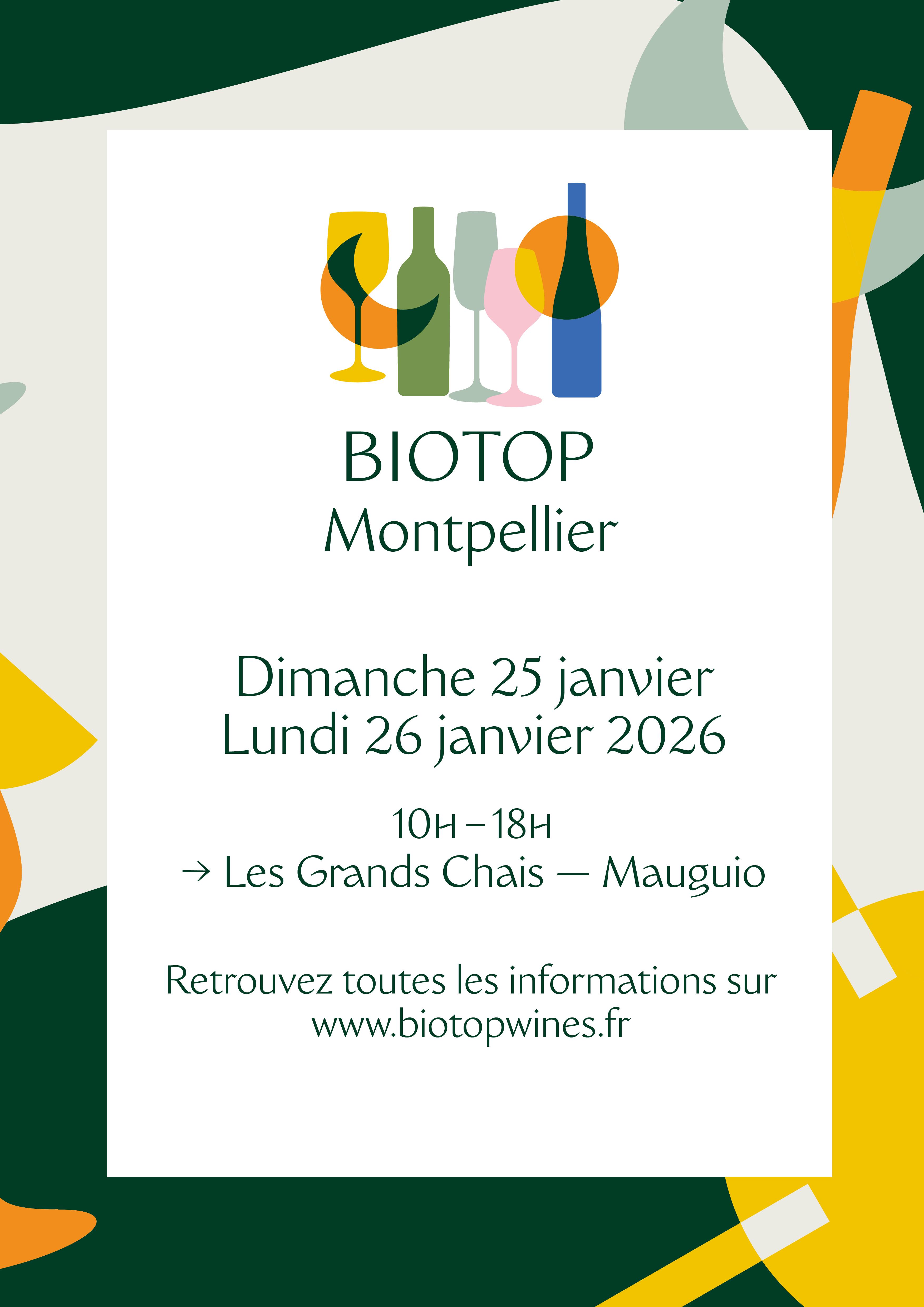
Sunday January 25 - Monday January 26
Mauguio
6873 KM
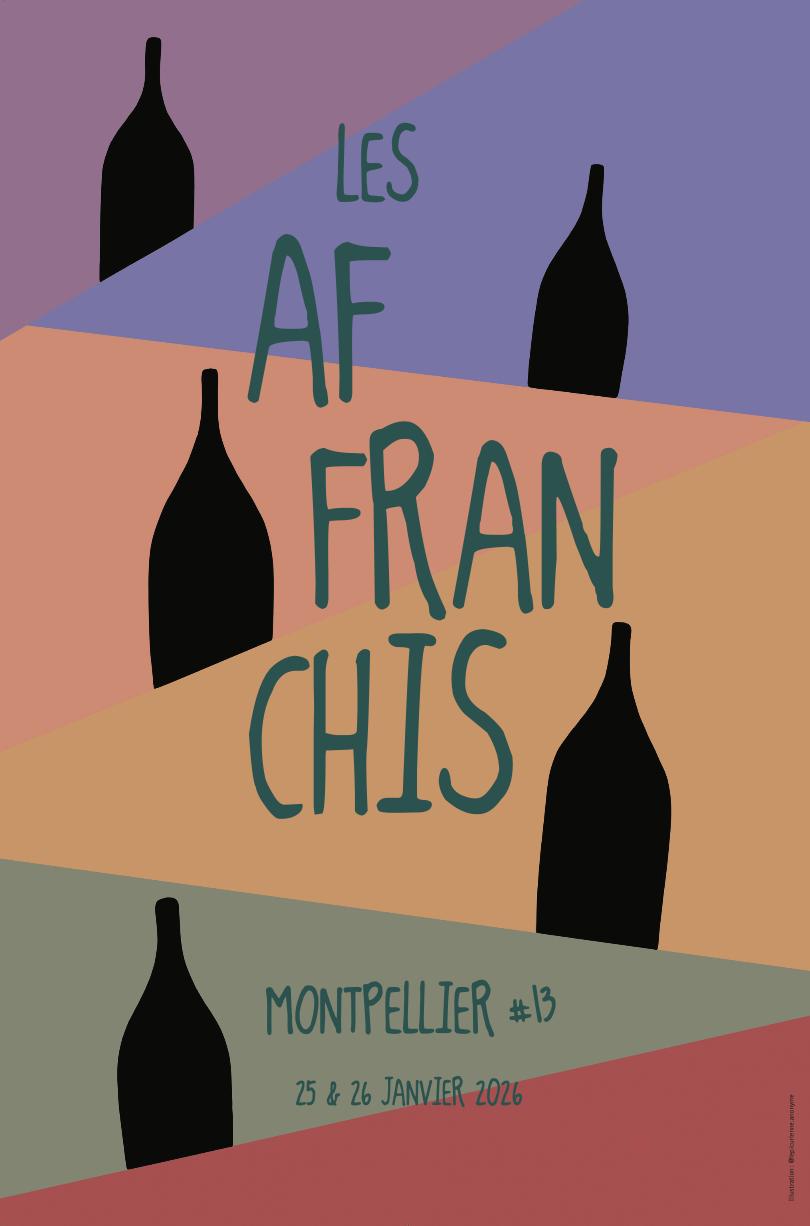
Sunday January 25 - Monday January 26
Montpellier
6870 KM
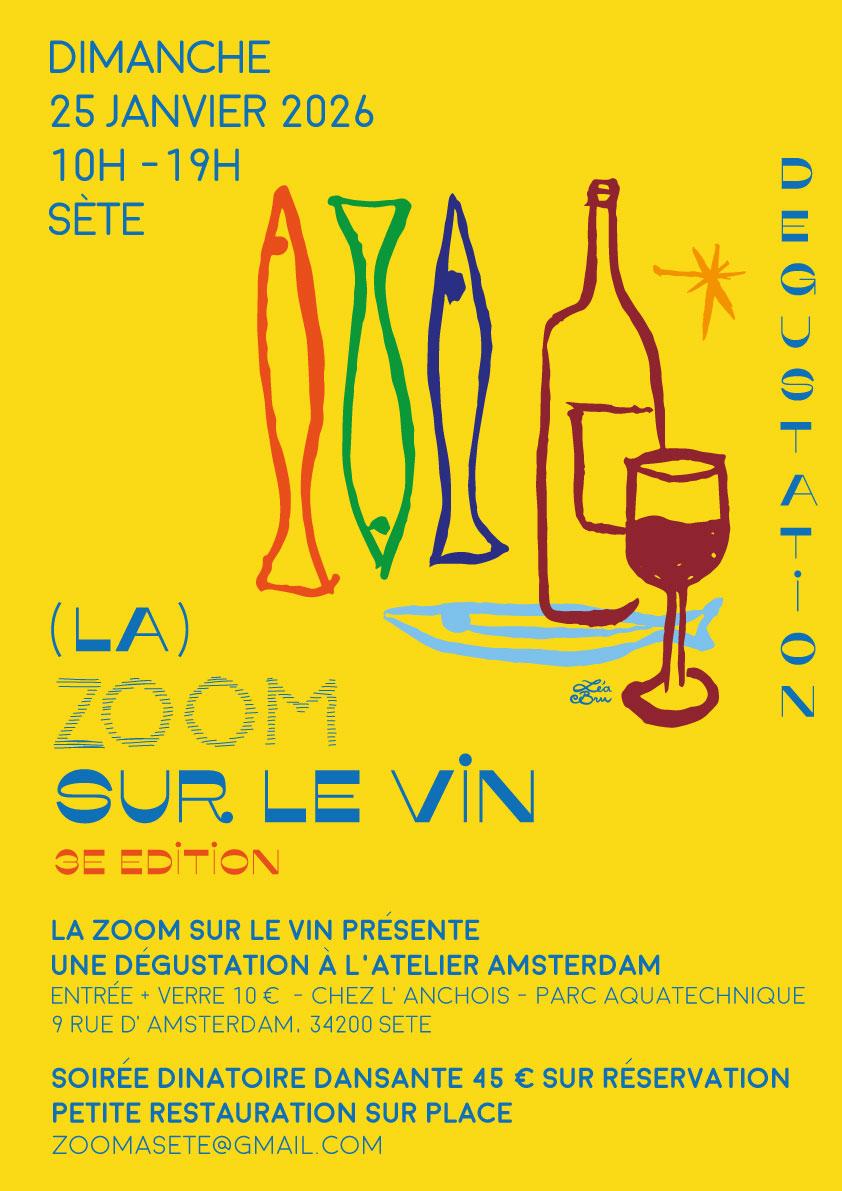
Sunday January 25
Sète
6865 KM
Sunday January 25 - Monday January 26
Montpellier
6868 KM


 Winemakers
 Restaurants
 Bars
Bars Wine Shops
 Accommodations
 Events