6 9 8388 KM
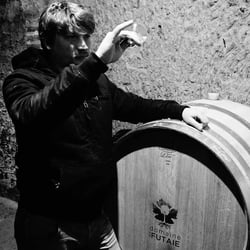
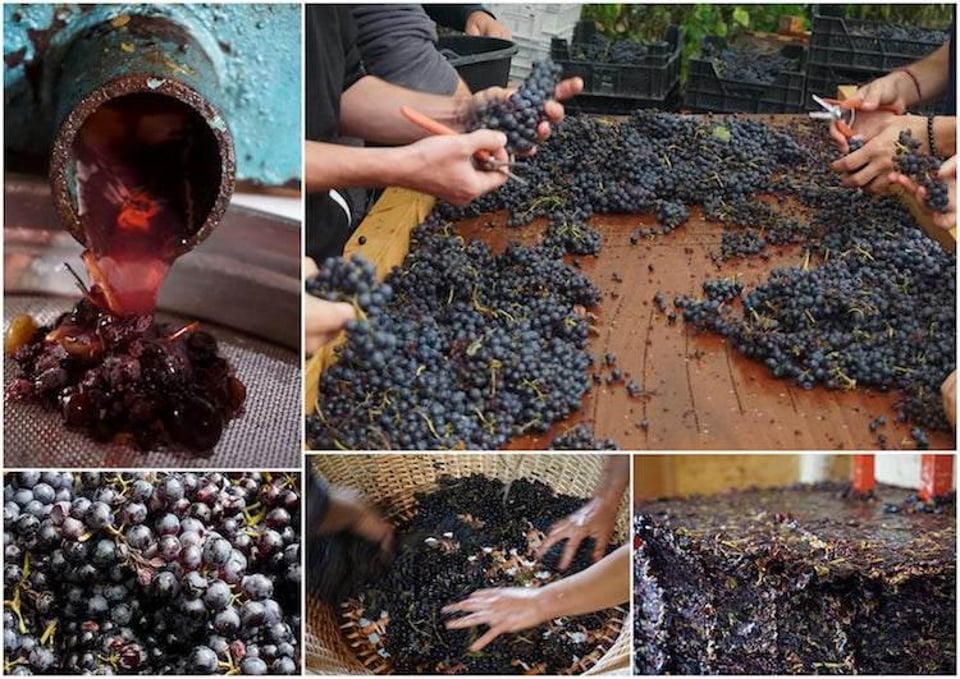
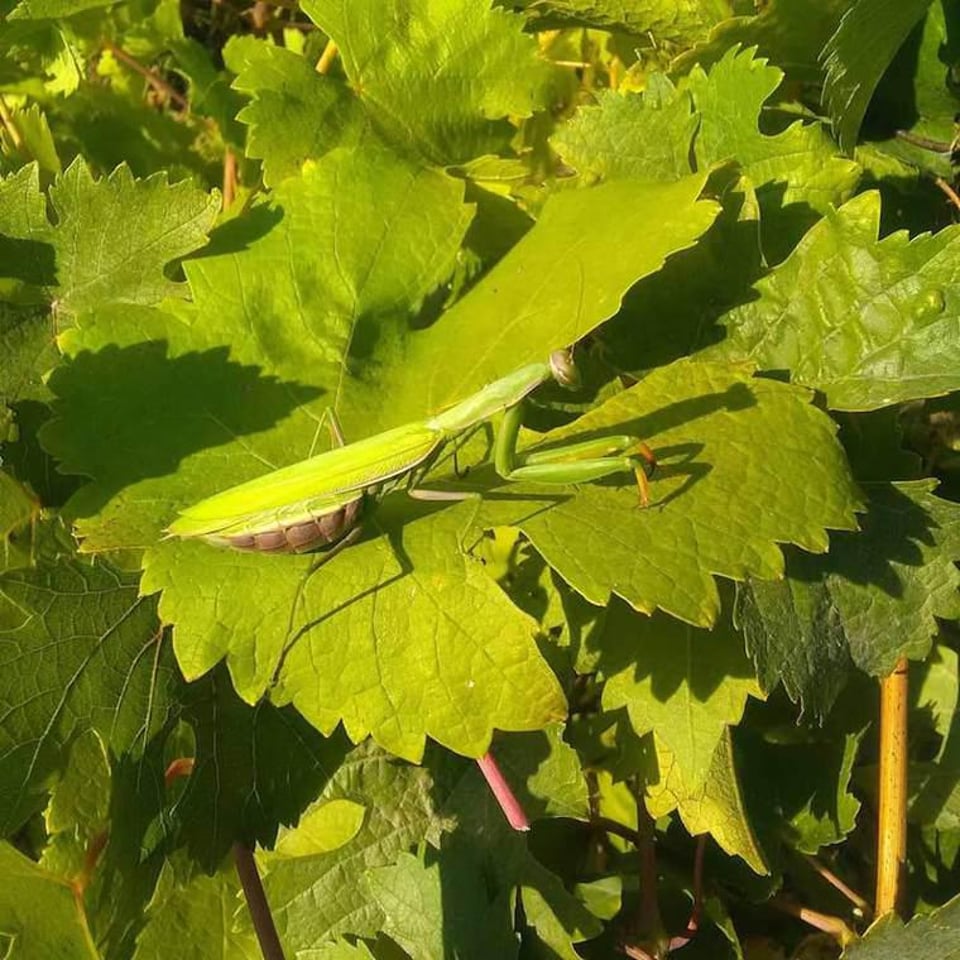
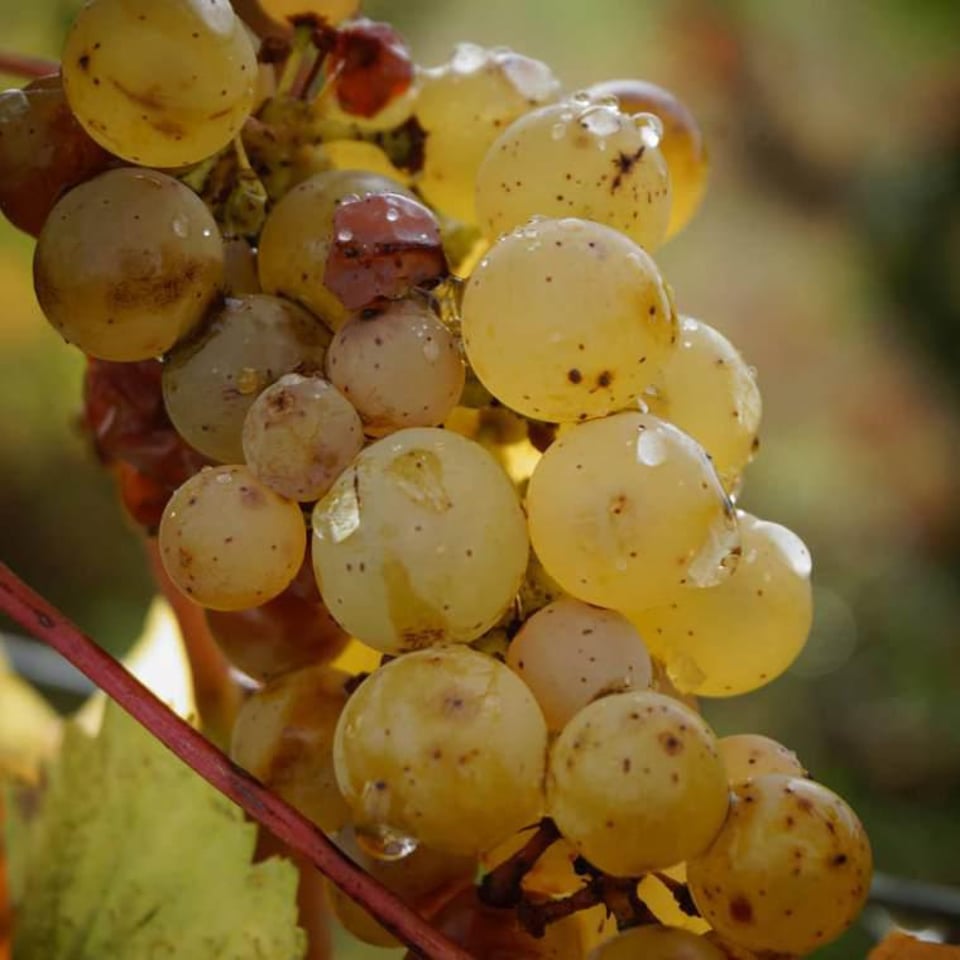
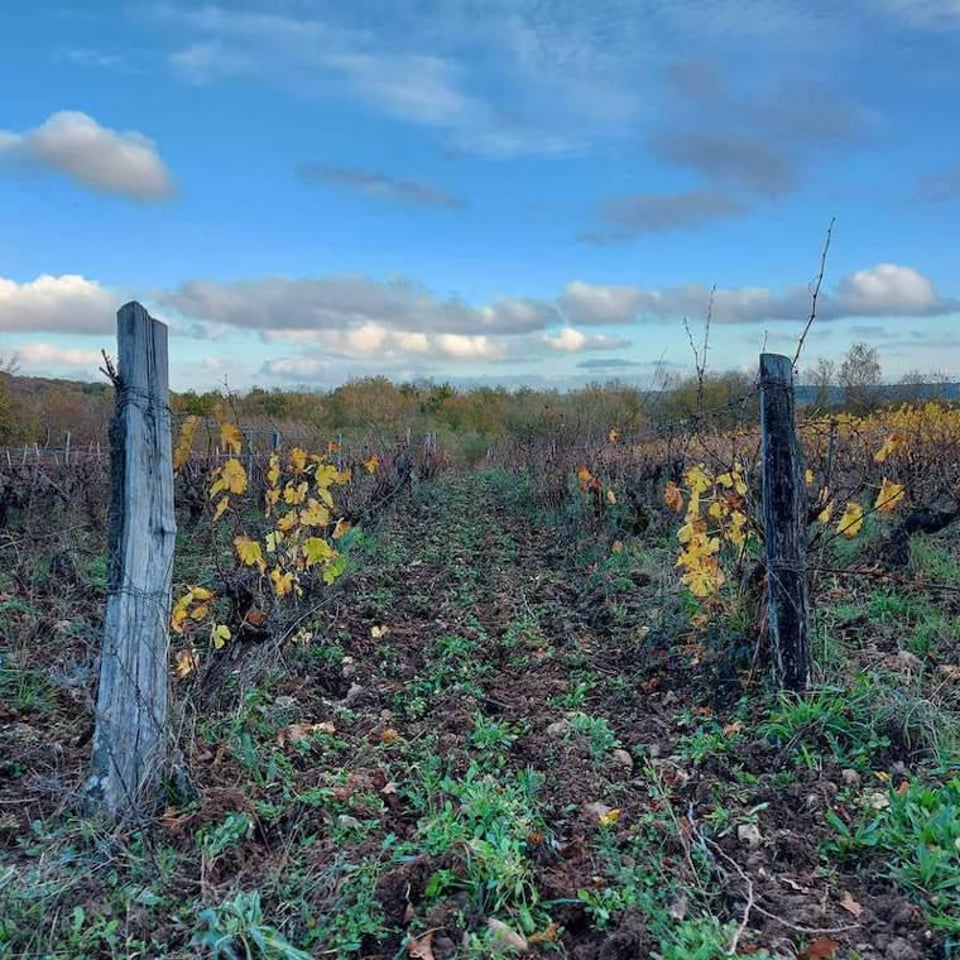
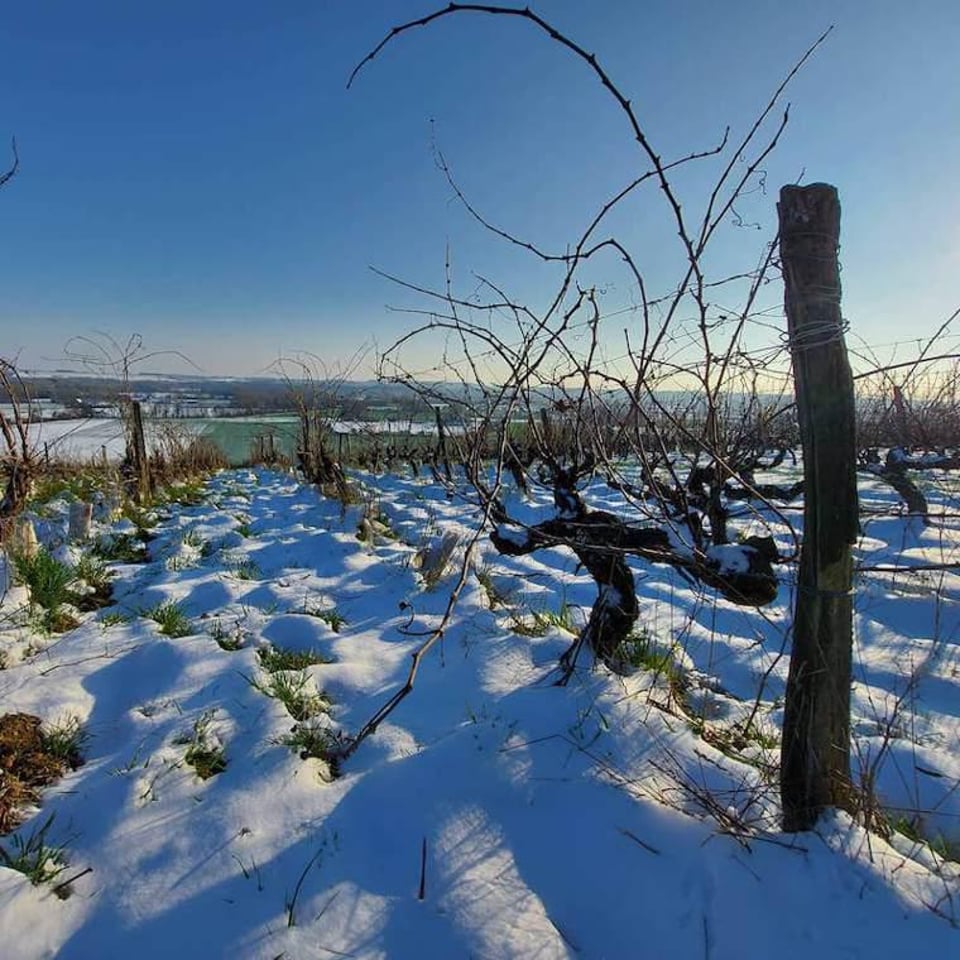
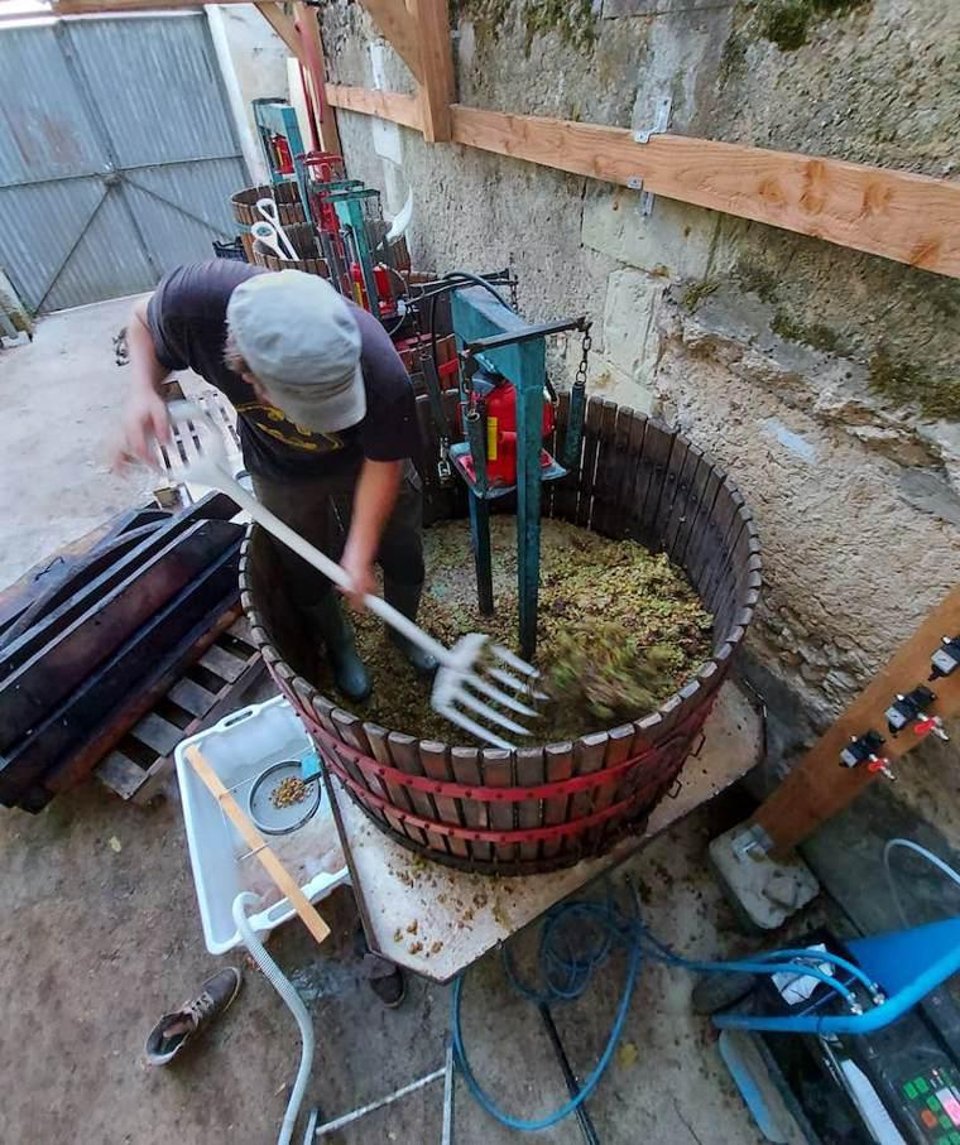
Winemaking takes place in a cellar carved into the tuffeau limestone. I see the winemaker's craft as one that guides a plant and its fruit, transforming it into a healthy product, representative of the terroir, in a bottle, while also bringing pleasure to the consumer. My goal: First and foremost, to make a living from my passion, while crafting wine that respects both the environment and the consumer; ecosystems must be protected as much as possible. Energy consumption must be carefully considered and minimized, and the impact of marketing must be taken into account. The future objective is to plant vines and trees to avoid monoculture and to introduce chickens to reduce tractor traffic. In the vineyards: Pruning is done with maximum respect for sap flow, and the soil is worked every other row, twice a year, to preserve native flora and limit erosion. Treatment with low and carefully considered doses of copper and sulfur, depending on disease pressure, as well as plant preparations (nettle manure, horsetail tea, essential oils). No pruning. Light tractor and minimal passes. Clearing and hoeing of brambles. Hand-harvested in 20kg openwork crates. At the Cellar: White wine – 100% Chenin Blanc: Six-hour pressing on vertical presses. Placed in vats for 24 hours for light settling and to begin fermentation. Transferred to barrels (10-year-old 228L barrels and two new 500L barrels with selected wood from a local forest: "Bercé forest"). Fermentation and aging for 10 to 12 months. 2g of sulfur/hL on the must and 2g/hL before bottling. Very little intervention once in barrels; Frequent tastings for monitoring. Red wine – 100% Pineau d'Aunis: hand-destemmed with a wicker destemmer. Three-week maceration in vats. Pressing of the pomace and blending of free-run juice and press juice in barrels (10-year-old, 228L). Aged for 10 to 12 months. 2g of sulfur per hectoliter on the grapes and starter culture, and 2g per hectoliter before bottling. Indigenous yeasts for all wines and starter cultures. Certification: organic with Certipaq since 2018. A large part of the estate is in conversion until 2022, and another part is already certified organic. Only one cuvée is currently organic; the rest is in its third year of conversion. Biodynamic practices were implemented in 2021, but not yet certified.
No rose wines at the moment.
No orange wines at the moment.
FIND THE EVENT YOU ATTEND
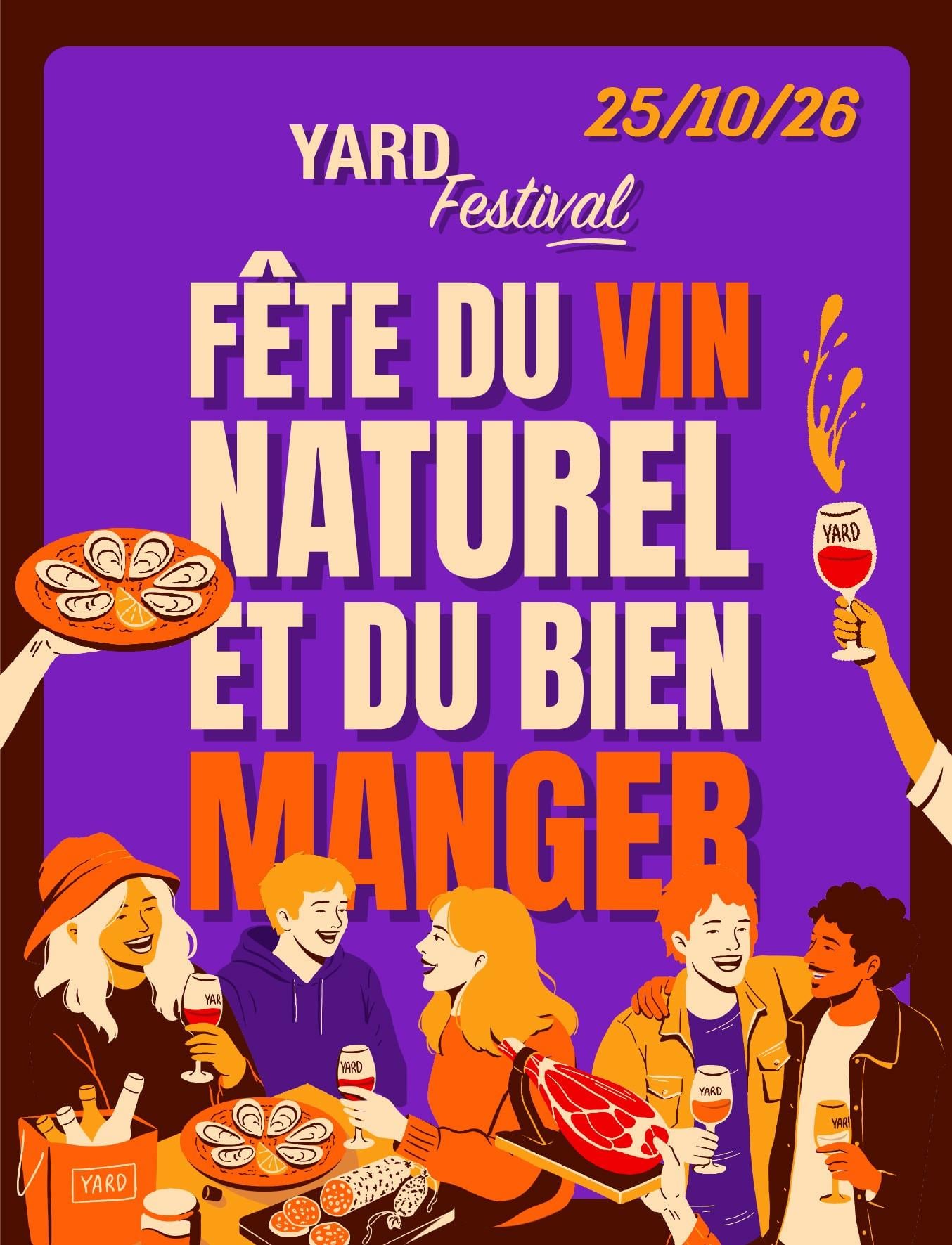
Sunday October 25
Paris
6492 KM
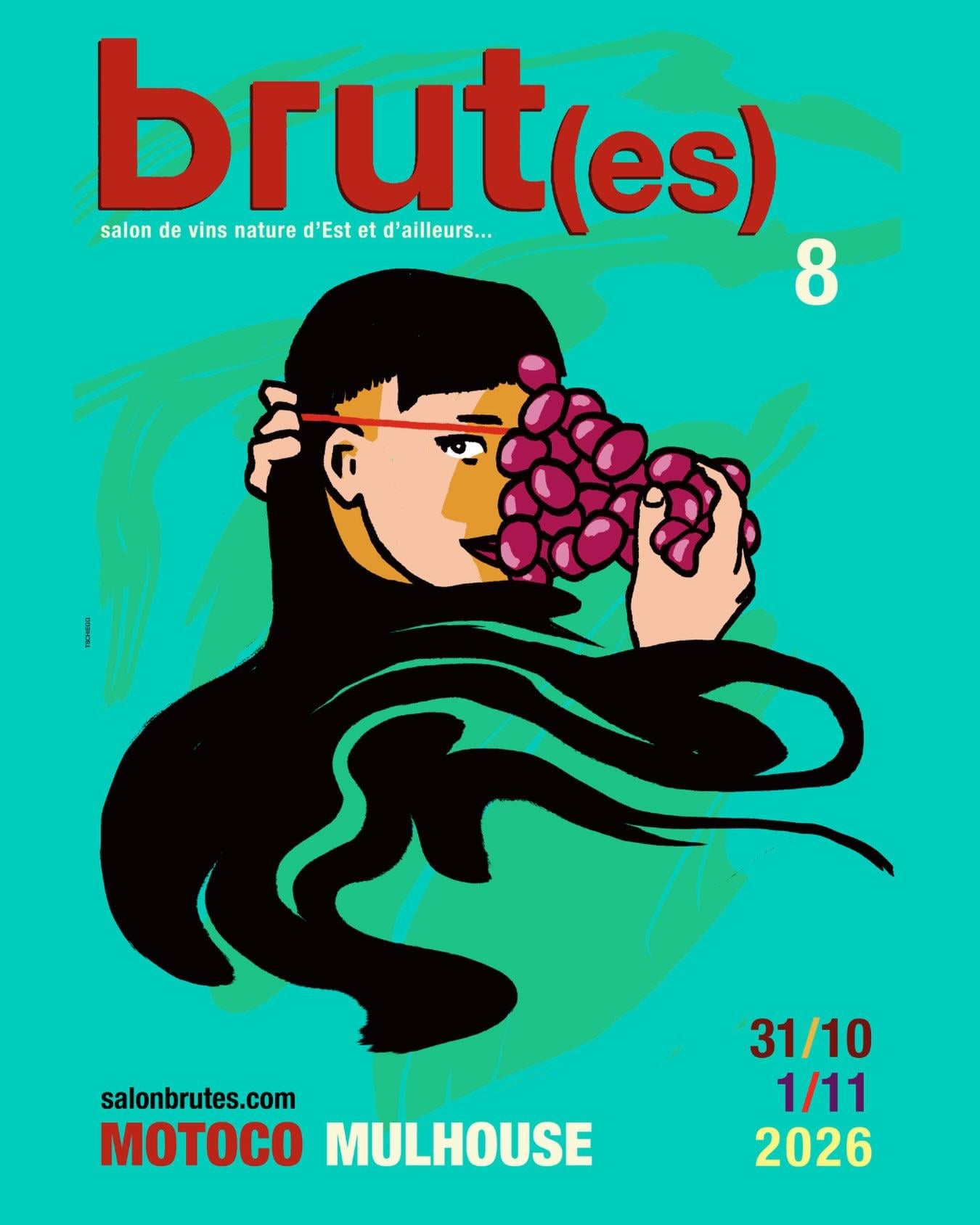
Saturday October 31 - Sunday November 01
Mulhouse
6872 KM
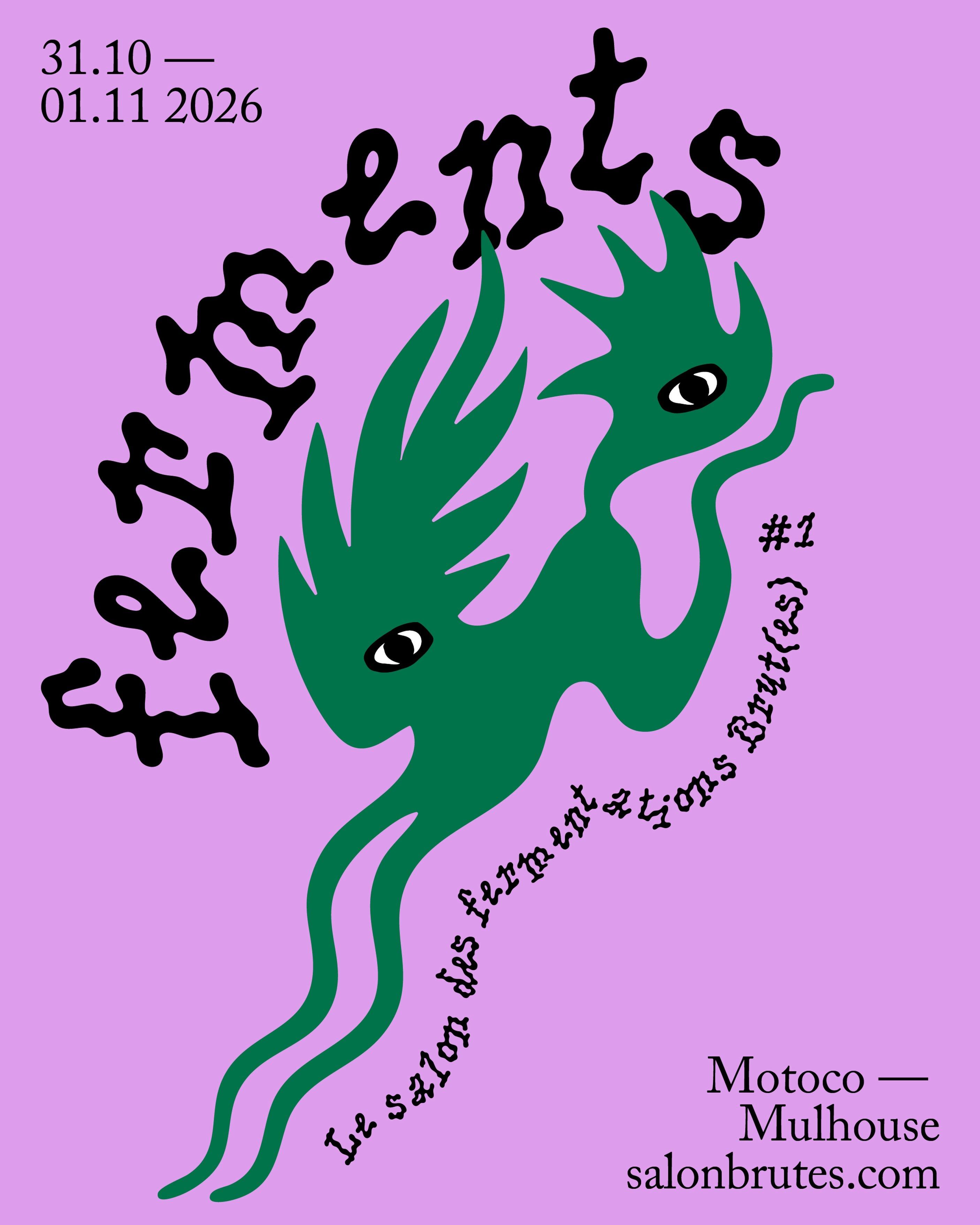
Saturday October 31 - Sunday November 01
Mulhouse
6872 KM
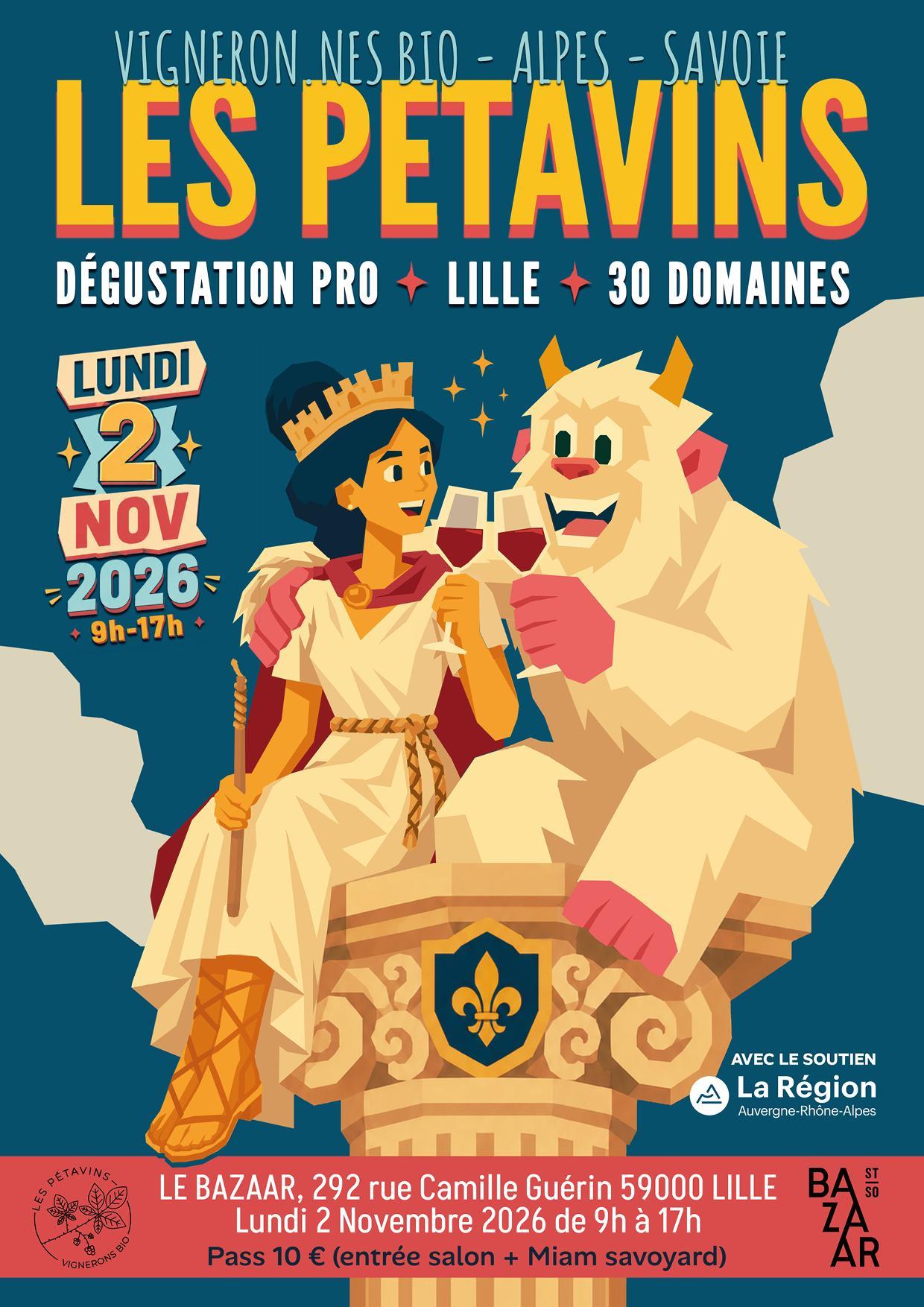
Monday November 02
Lille
6450 KM

Sunday November 08 - Monday November 09
Turin
7047 KM
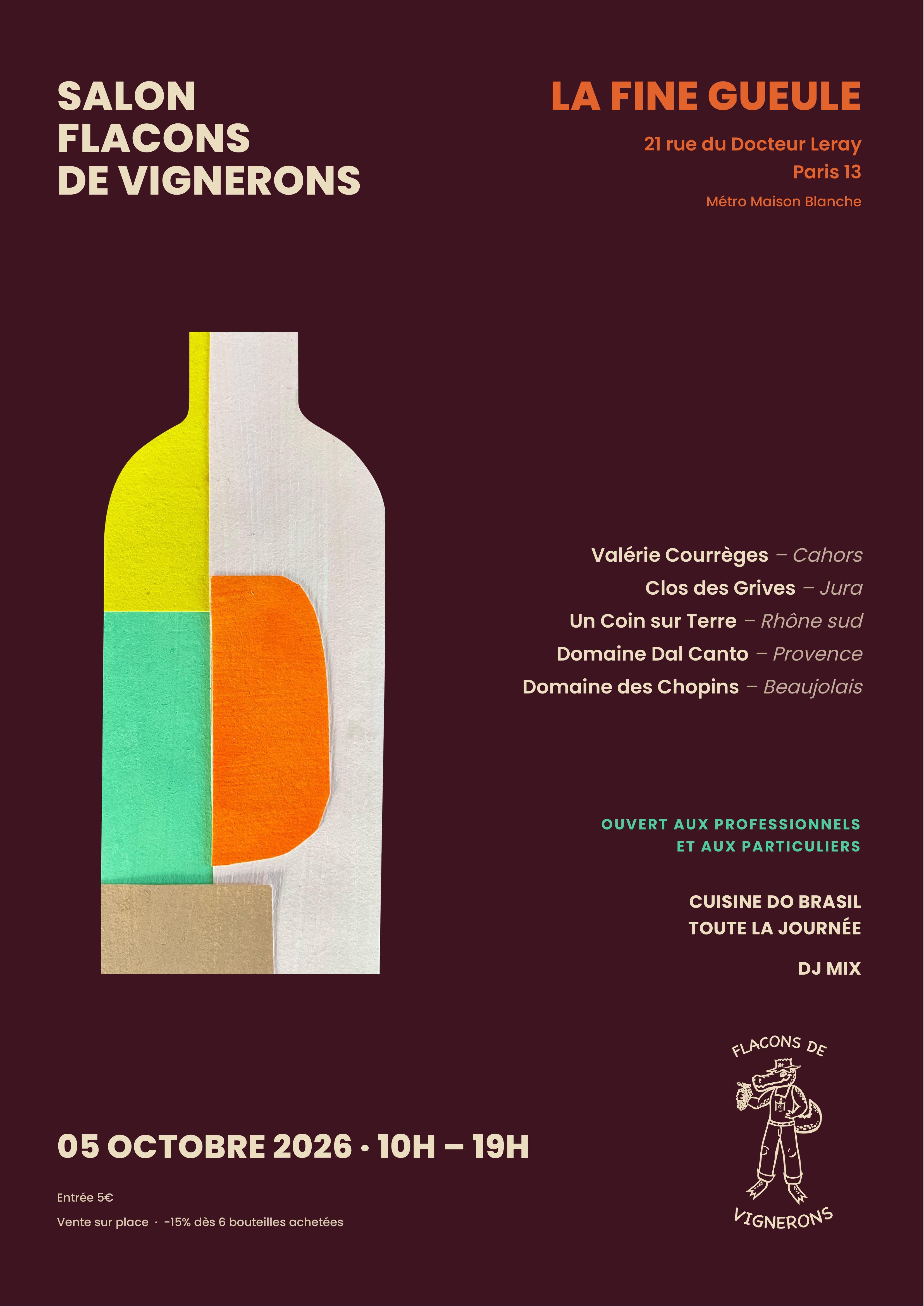
Monday October 05
Paris
6491 KM
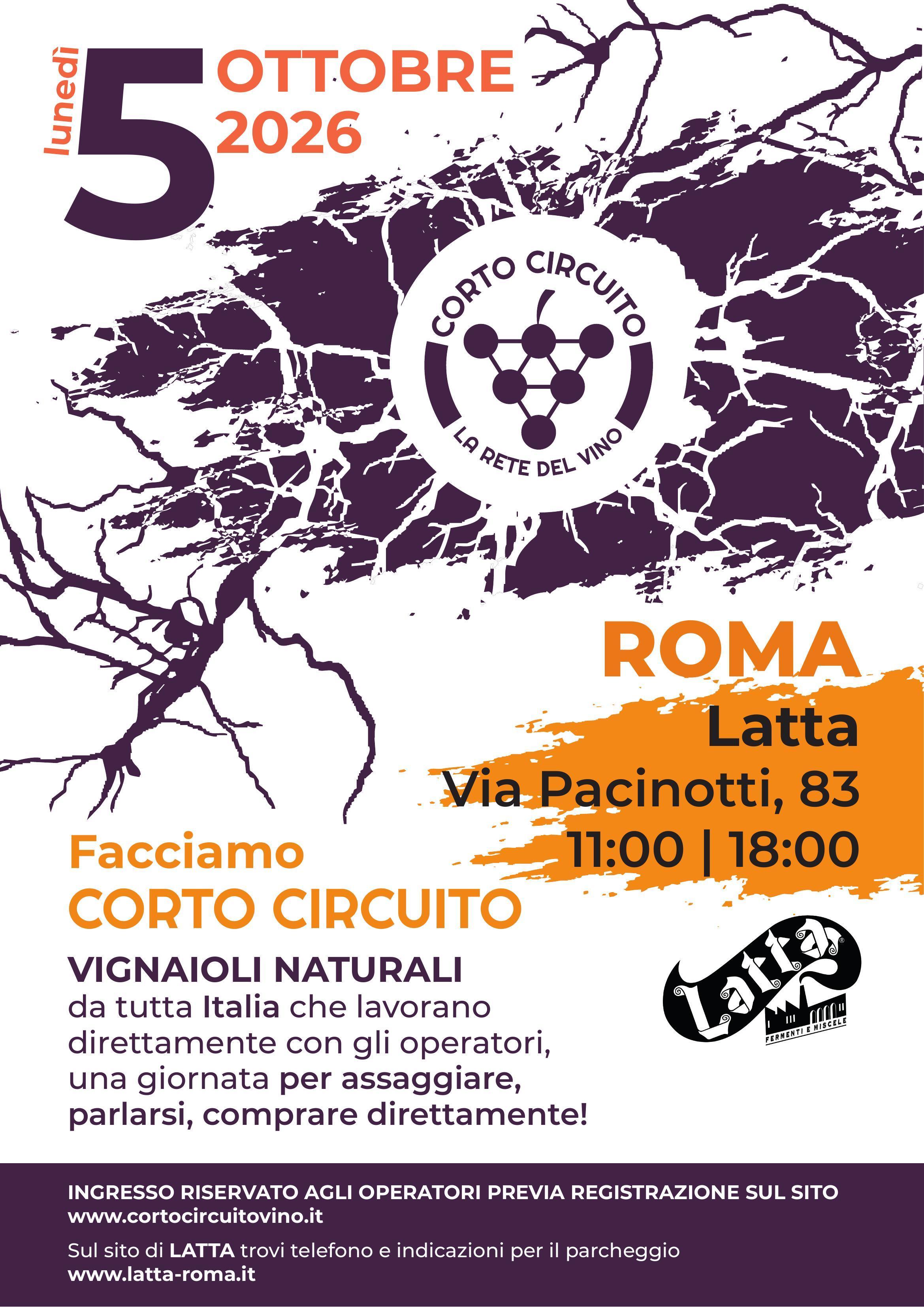
Monday October 05
Rome
7563 KM
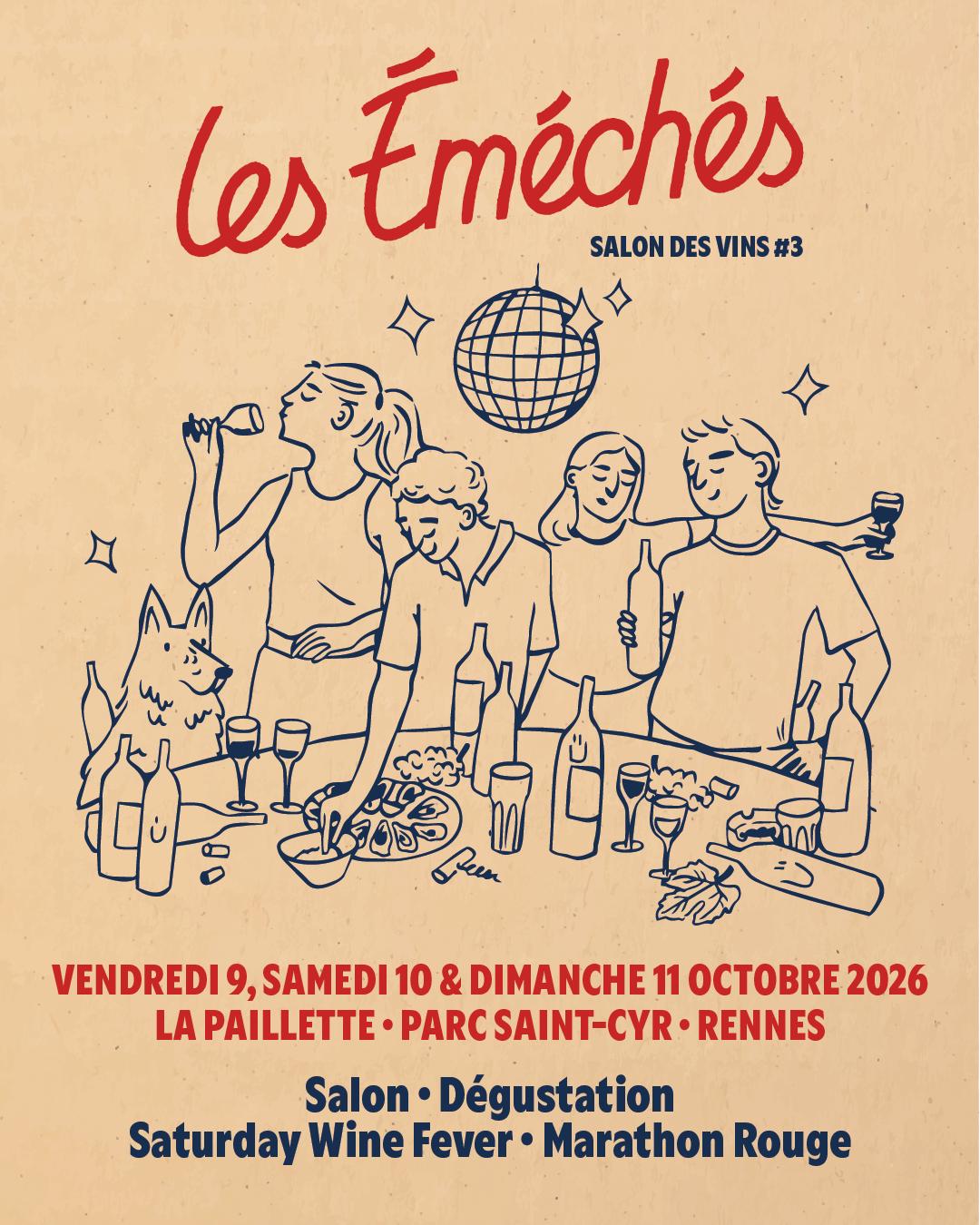
Thursday October 08
RennesFrance
6256 KM
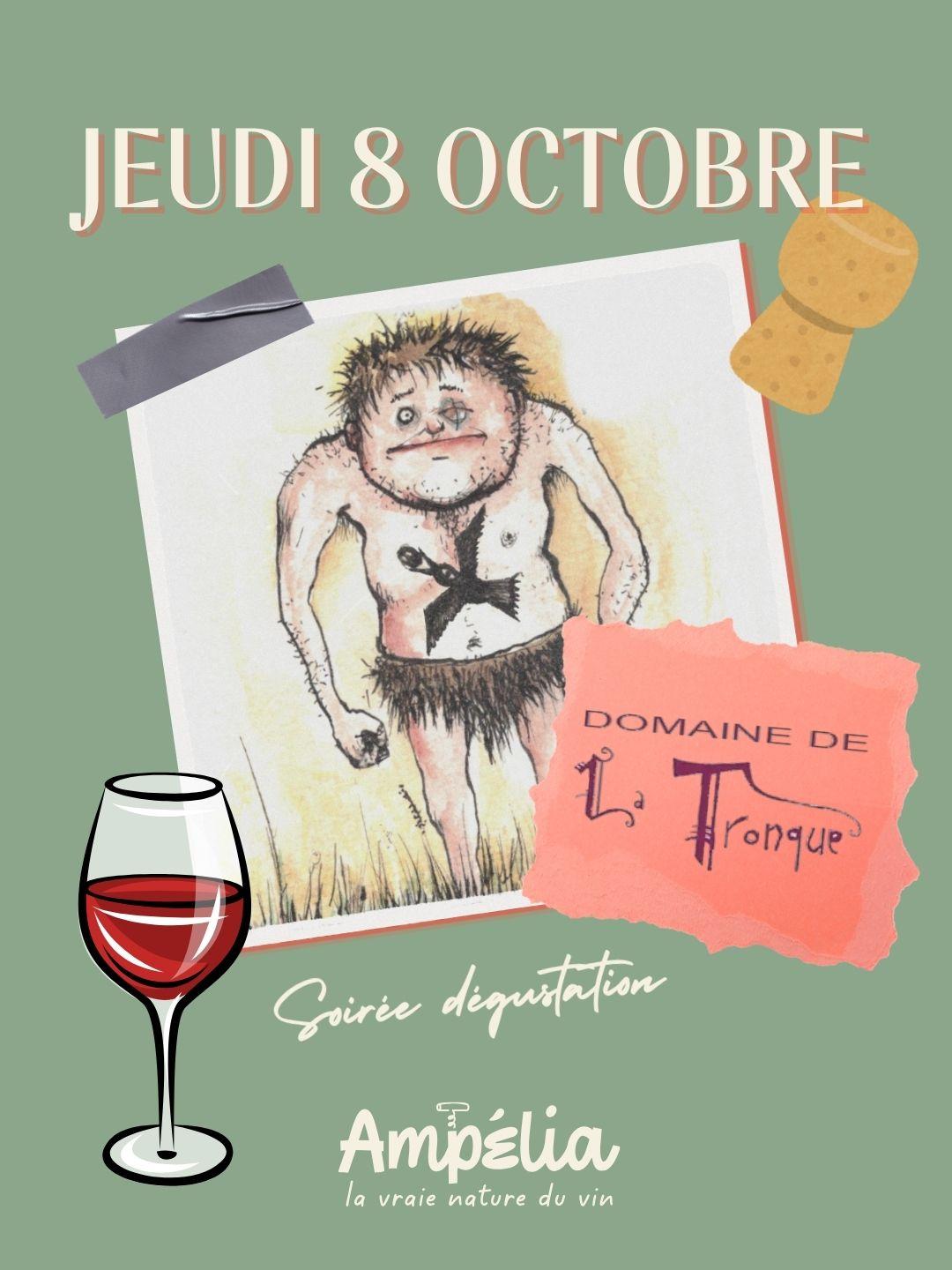
Thursday October 08
ParisFrance
6491 KM
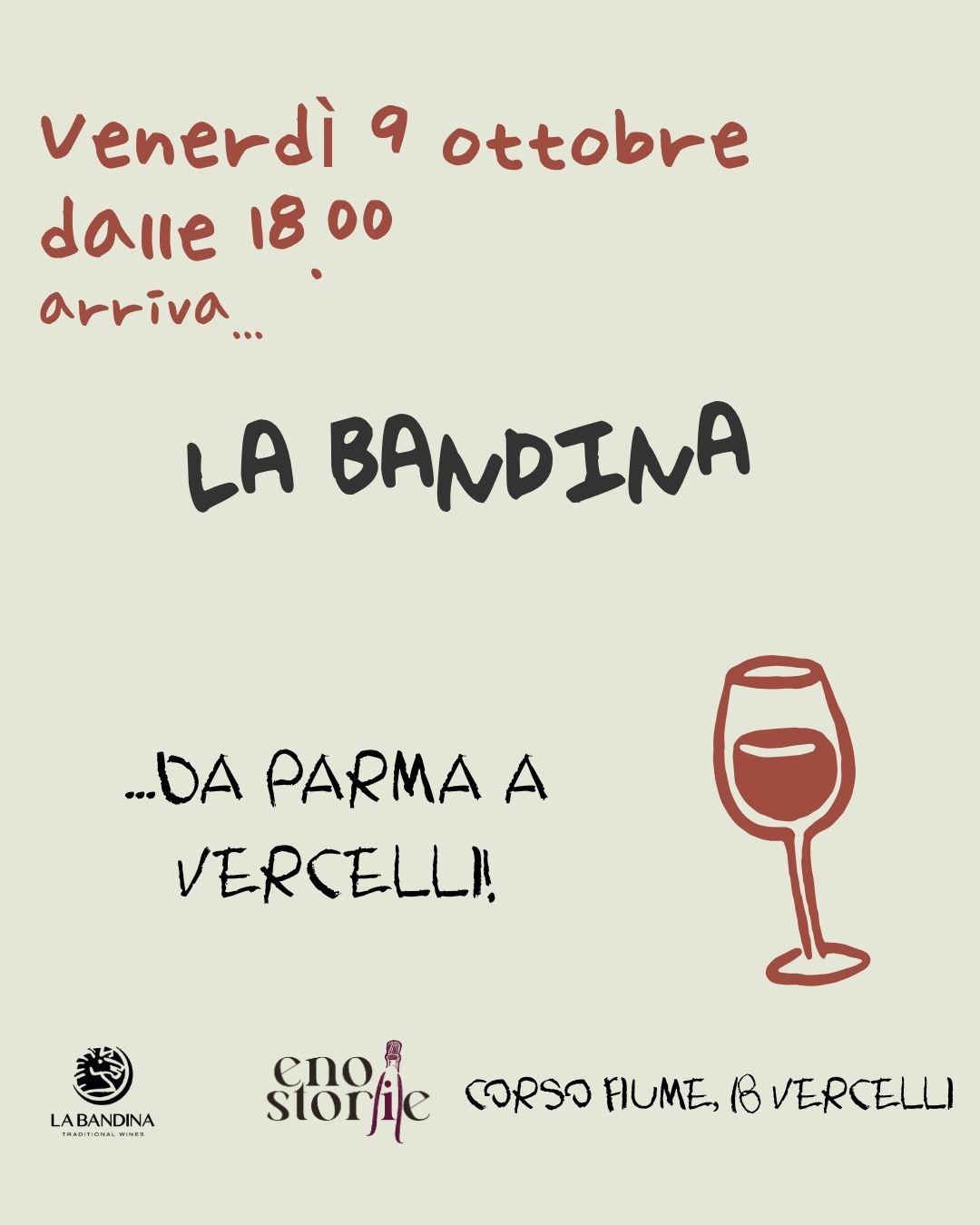
Friday October 09
VercelliItaly
7081 KM
 Winemakers
 Restaurants
 Bars
Bars Wine Shops
 Accommodations
 Events