10 160 8615 KM
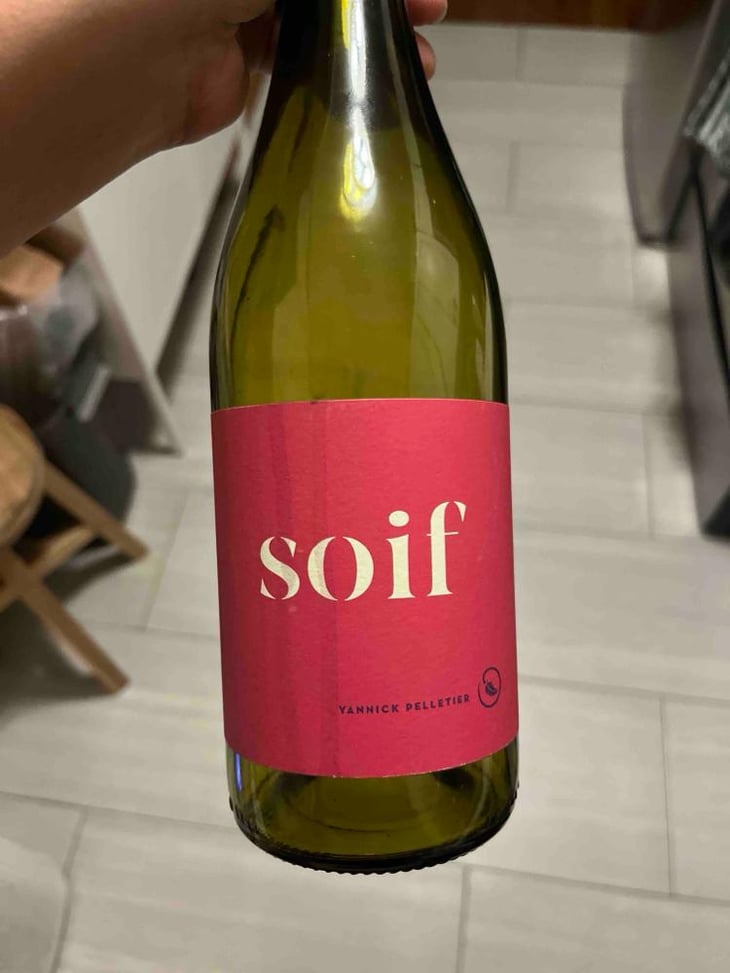
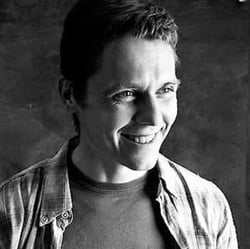
I started in January 2004. Five grape varieties make up the red wines: Syrah (15%), Mourvèdre (5%), Grenache (50%), Cinsault (16%), and Carignan (14%). The white wines are made from 0.57 hectares of 75-year-old Terret Blanc vines and 0.65 hectares of 10-year-old Grenache. The plots are relatively far apart, allowing me to benefit from several types of terroir: 65% schist, 23% clay-limestone, and 12% rolled pebbles and clay. The vines range in age from 10 to over 100 years. The vines are certified organic (AB). They are primarily trained in the goblet style. On average, I leave six to eight spurs with one bud each. The soil is maintained by plowing or rolling every other year. I amend the soil with organic compost at a maintenance rate of 500 to 1500 kilos per hectare. Most of the work is done manually. There are three reasons for this: firstly, it's of higher quality than mechanized work; secondly, it avoids the passage of machinery over the soil, which compacts and depletes it; and finally, many plots are difficult to work mechanically. The area I farm is, all things considered, relatively small. It takes one person for pre-pruning, two for pruning, two for bud removal, two or three others to handle the hoe and brush cutter, and ten to harvest and sort the grapes. And this doesn't include the help from family and friends. Phytosanitary protection is carried out using contact products (copper and sulfur) and liquid manure that doesn't penetrate the plant and therefore doesn't end up in the grapes. Bud thinning (or green pruning) is the most important green pruning task. It involves removing unproductive shoots (or "suckers") or those that are poorly positioned, i.e., those in the center of the vine. This allows for better aeration of the vine, controls production, and concentrates sap on the best shoots. Finally, in the cellar, the principle is to preserve the integrity of the grapes and then the wine as much as possible: manual sorting of the harvest, use of gravity, and development of indigenous yeasts. If the raw material is healthy and of high quality, it is detrimental to alter it with oenological products or processes.
No rose wines at the moment.
No orange wines at the moment.
No sparkling wines at the moment.
FIND THE EVENT YOU ATTEND
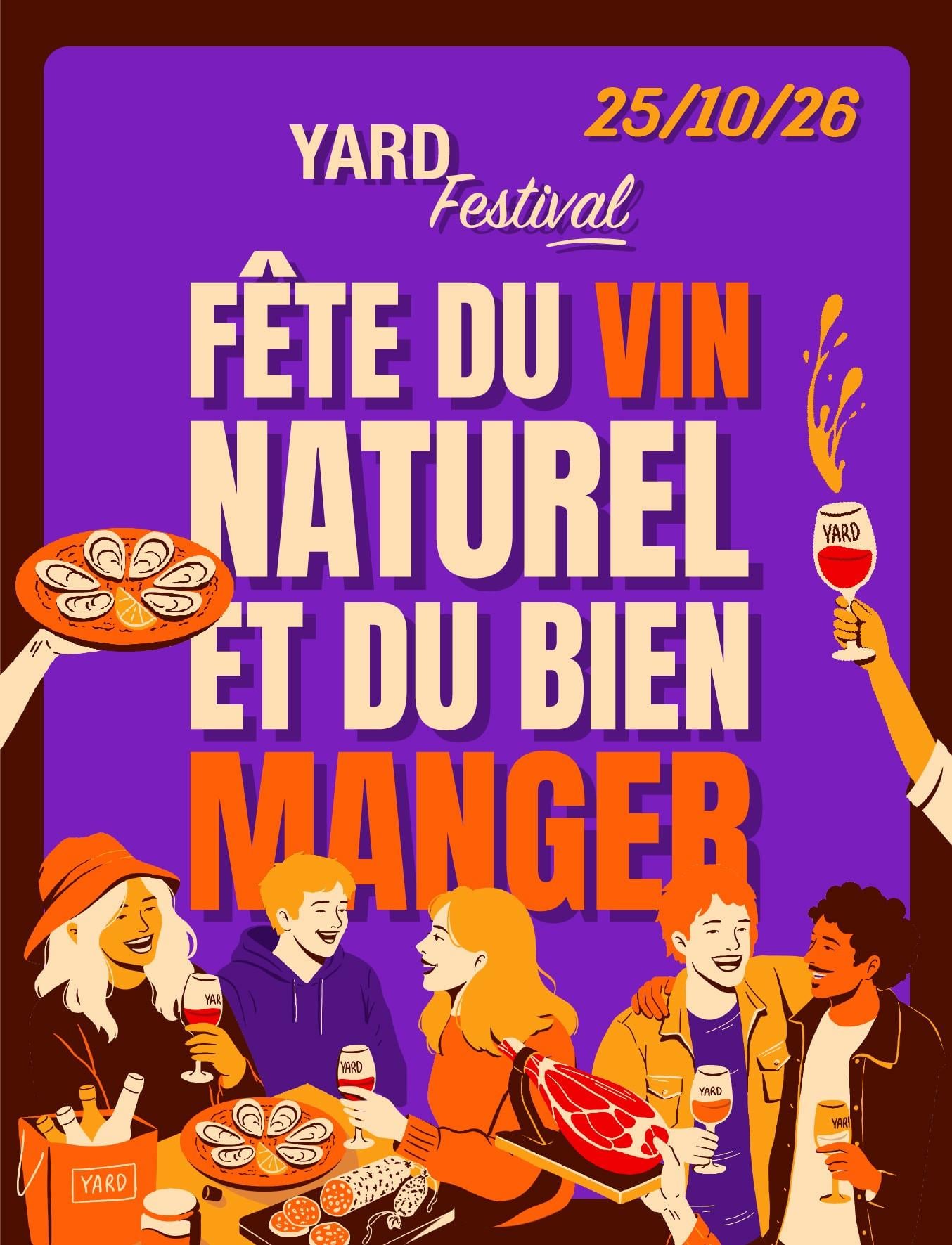
Sunday October 25
Paris
6492 KM

Saturday October 31 - Sunday November 01
Mulhouse
6872 KM
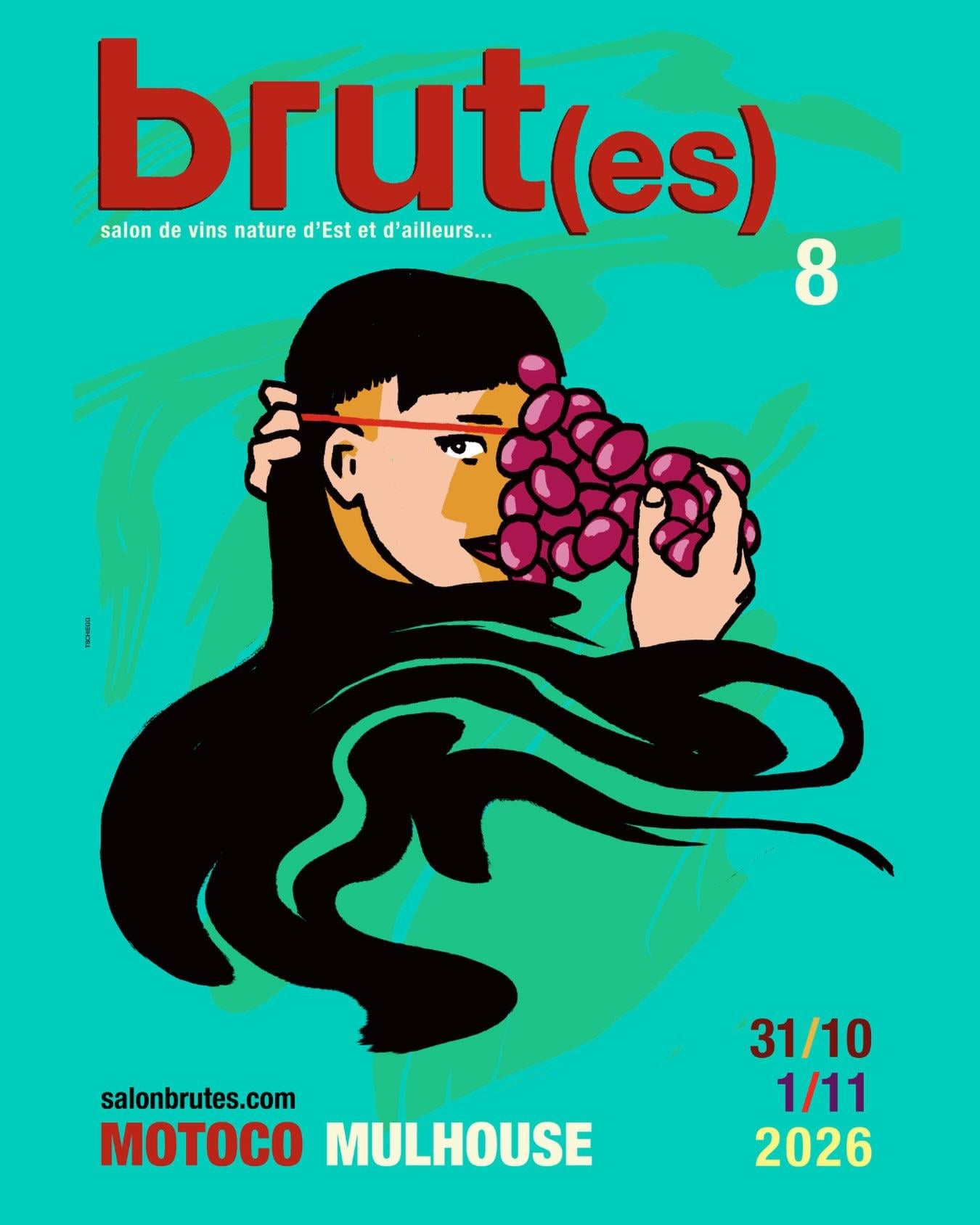
Saturday October 31 - Sunday November 01
Mulhouse
6872 KM

Sunday November 08 - Monday November 09
Turin
7047 KM
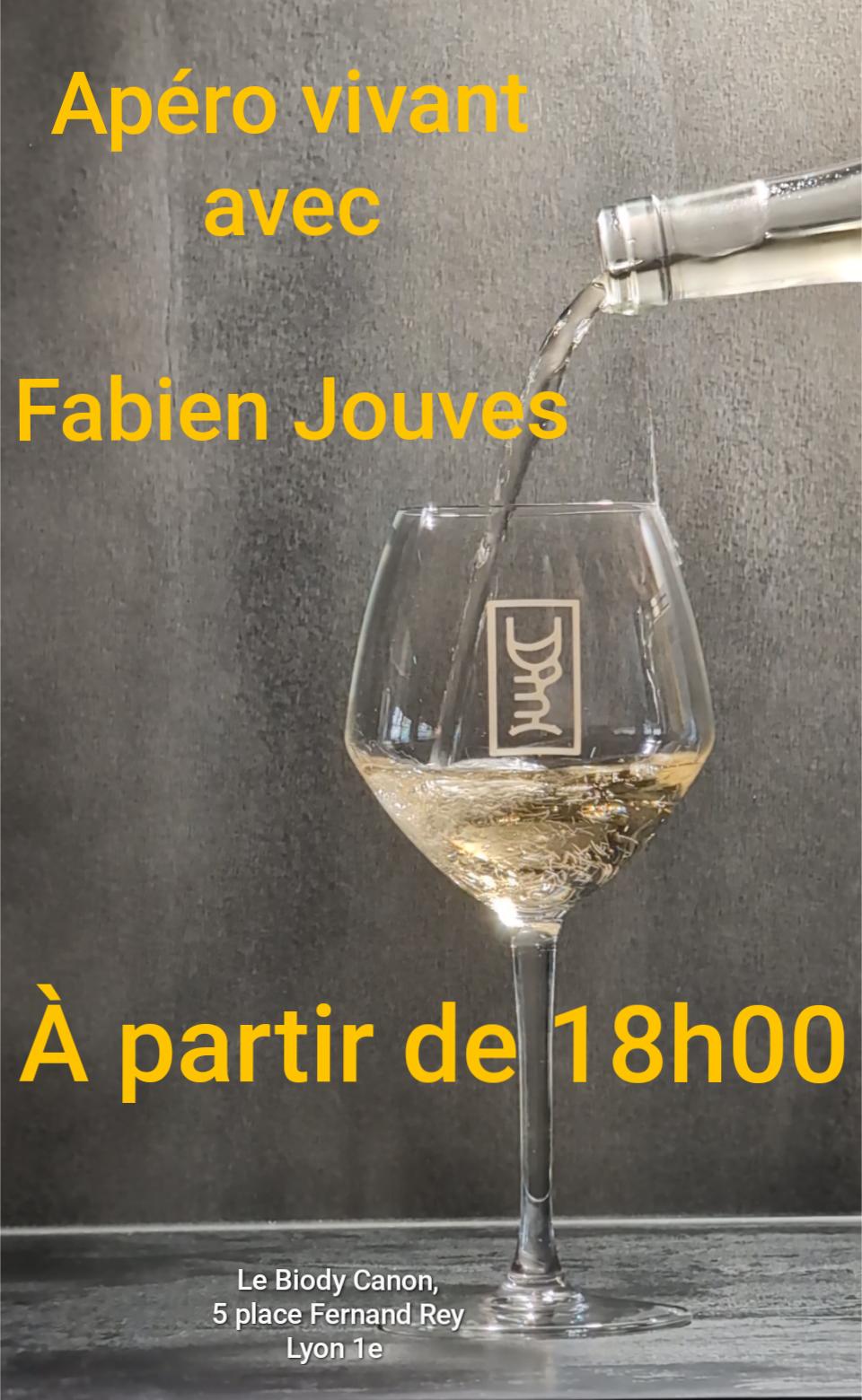
Wednesday September 23
LyonFrance
6814 KM
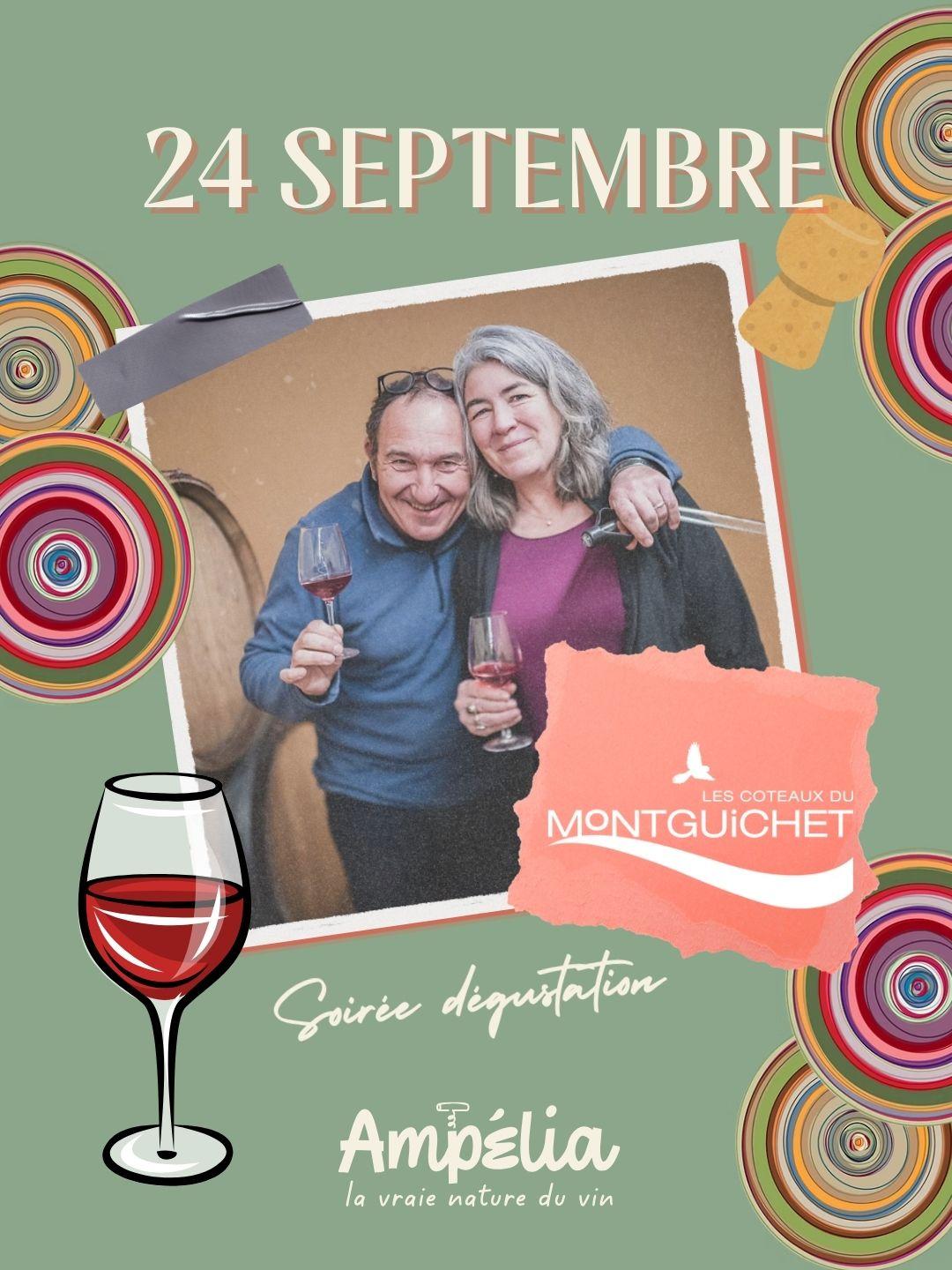
Thursday September 24
ParisFrance
6491 KM
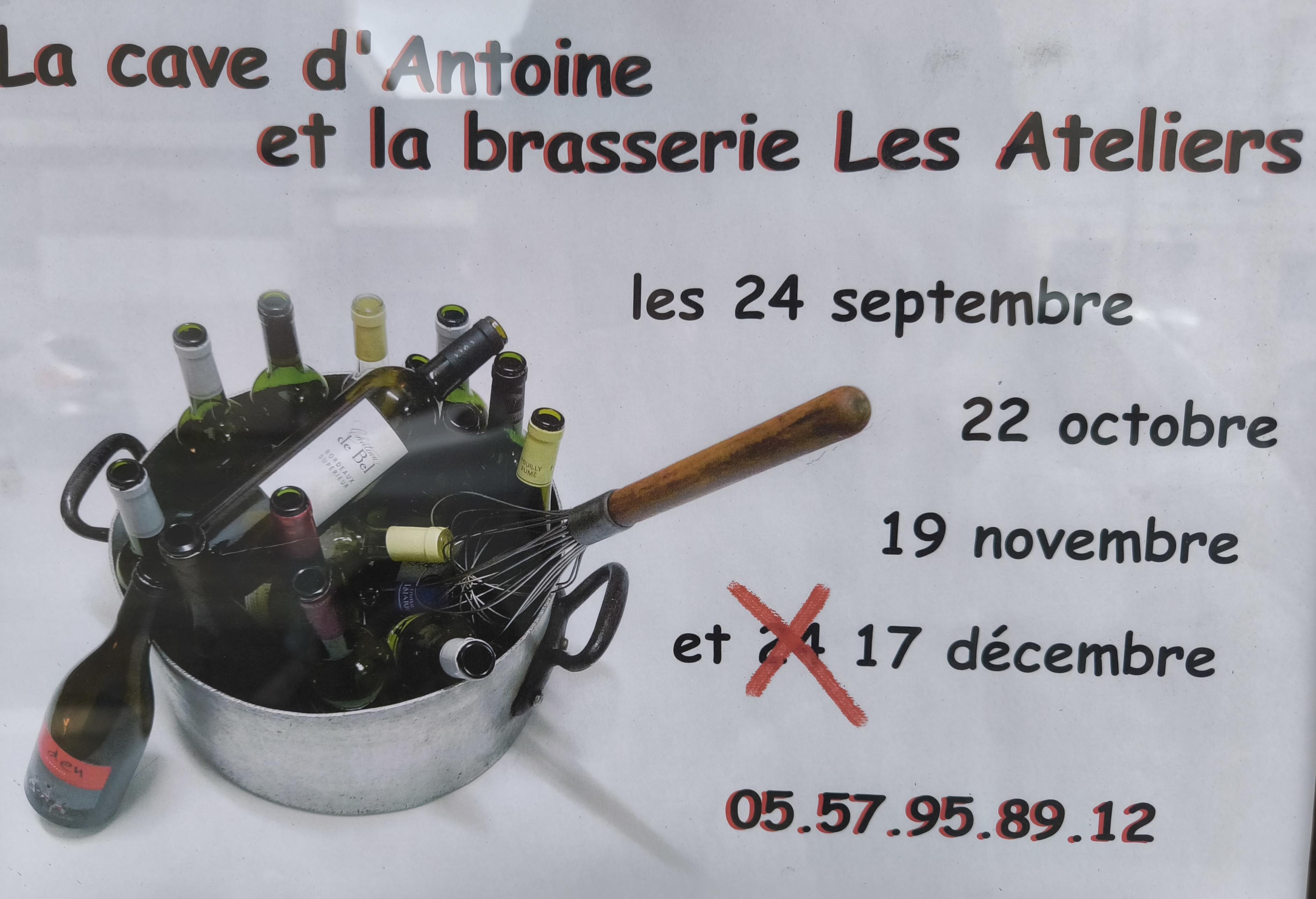
Thursday September 24
BordeauxFrance
6491 KM
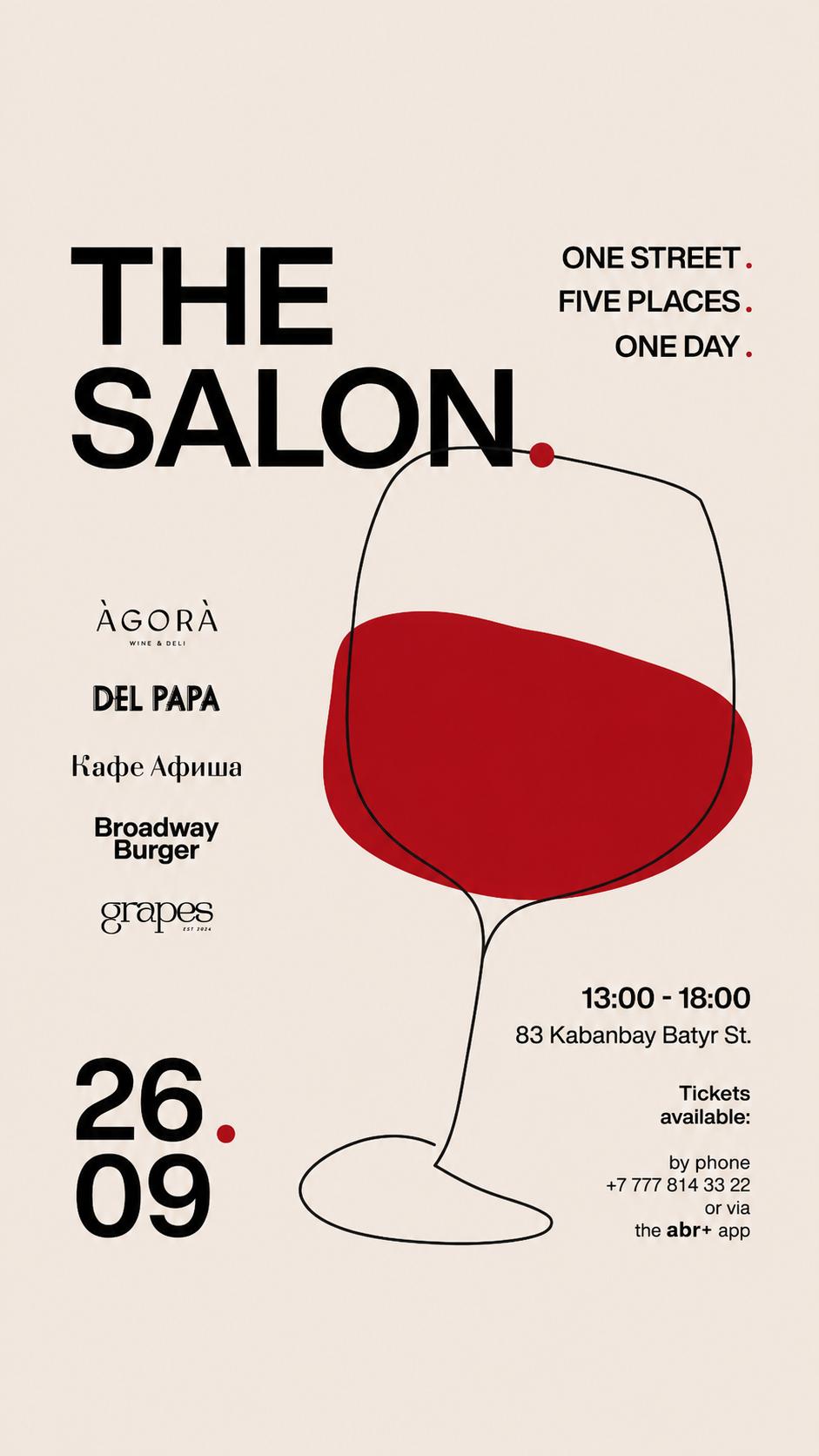
Saturday September 26
AlmatyKazakhstan
10546 KM
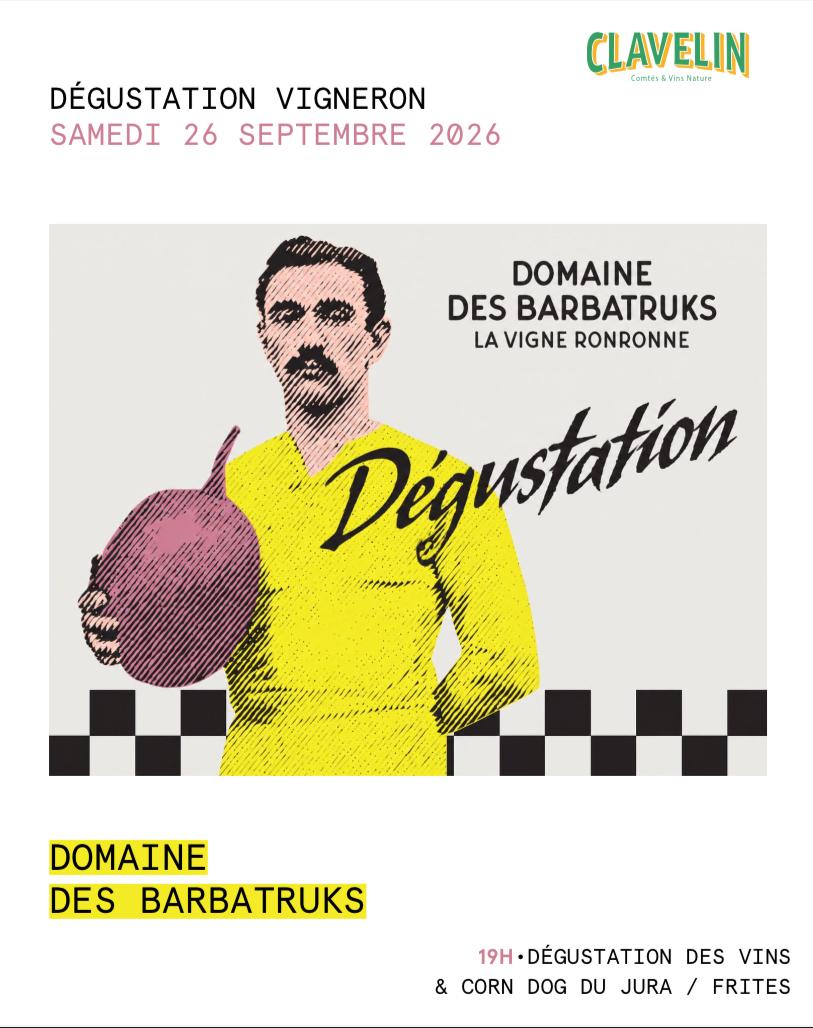
Saturday September 26
Paris
6488 KM

Saturday September 26
Ierapetra Municipal UnitGreece
8946 KM

 Winemakers
 Restaurants
 Bars
Bars Wine Shops
 Accommodations
 Events