25 39 8335 KM
Weed control ceased immediately, with cover crops being planted every year on all rows from autumn to spring, using organic practices without certification. Several years were needed to restore the soil, biodiversity, and vegetation, resulting in grapes suitable for natural winemaking.
2017 was the first vintage to produce bottled rosé and white wines using indigenous yeasts, with no additives but with 2 mg/L of sulfur added before bottling for the rosé. The rest of the production is sold in bulk to wine merchants. The wines remain additive-free, with sulfites added only in the finished wines.
2018, a difficult year with no bottle production.
Since autumn 2018, the organic conversion has been officially launched, along with the implementation of biodynamic practices throughout the vineyard, thanks to training courses I attended at MABD Aquitaine, of which I am now a member. On the estate, I am developing Maria Thun cow manure compost and Preparation 500 with another winemaker, and I also collaborate on preparations at Clos des Mets d'Ames in Madiran with Celine Oulié.
On the vines, sulfur, copper and herbal tea/decoction of plants (dandelion, horsetail, comfrey, nettle, etc.) are intelligently placed using the lunar calendar. No external fertilizer has been spread on the vineyard since 2015 and this winter, a partnership with a shepherd is being put in place to graze 50 sheep in the vineyards.
FIND THE EVENT YOU ATTEND
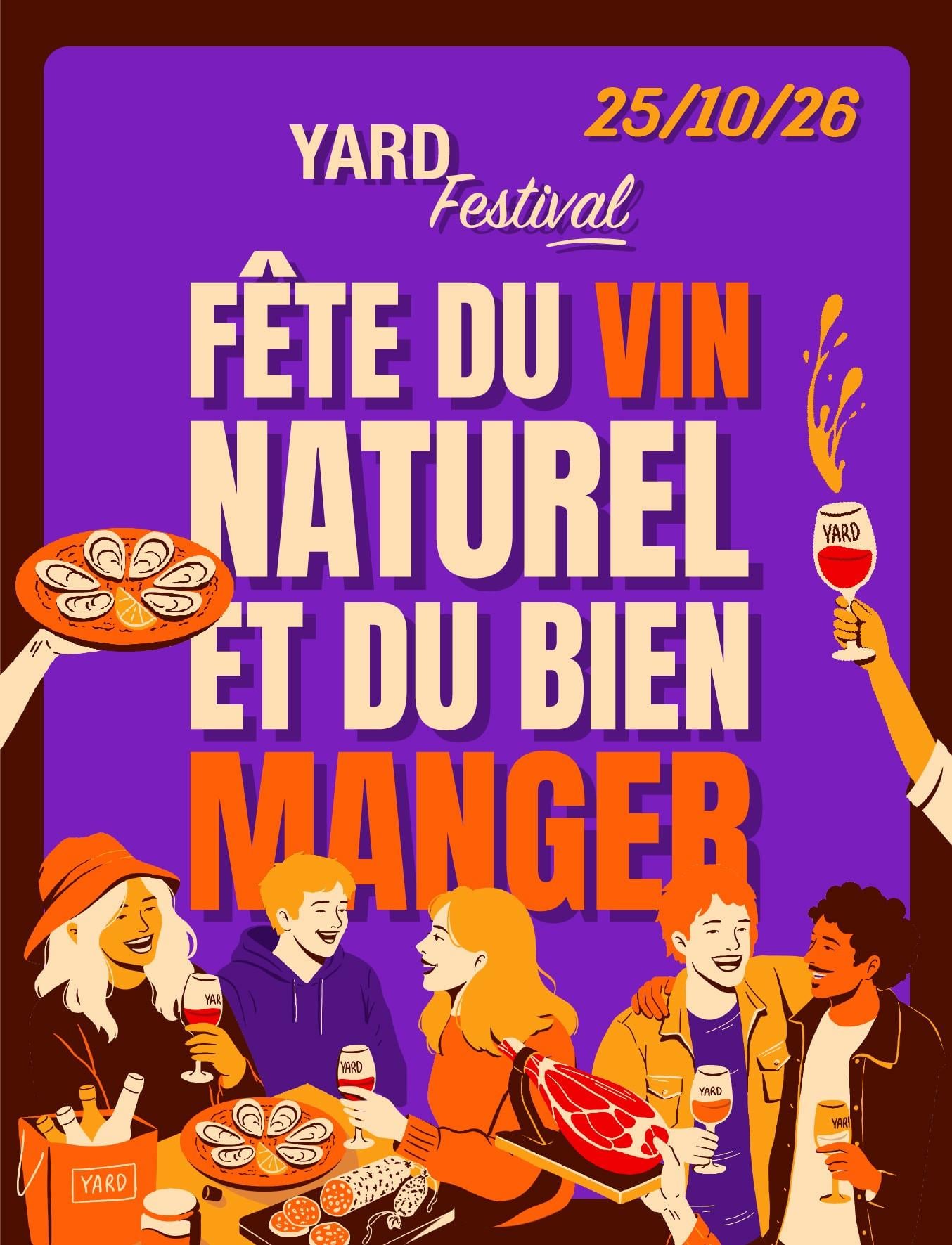
Sunday October 25
Paris
6492 KM
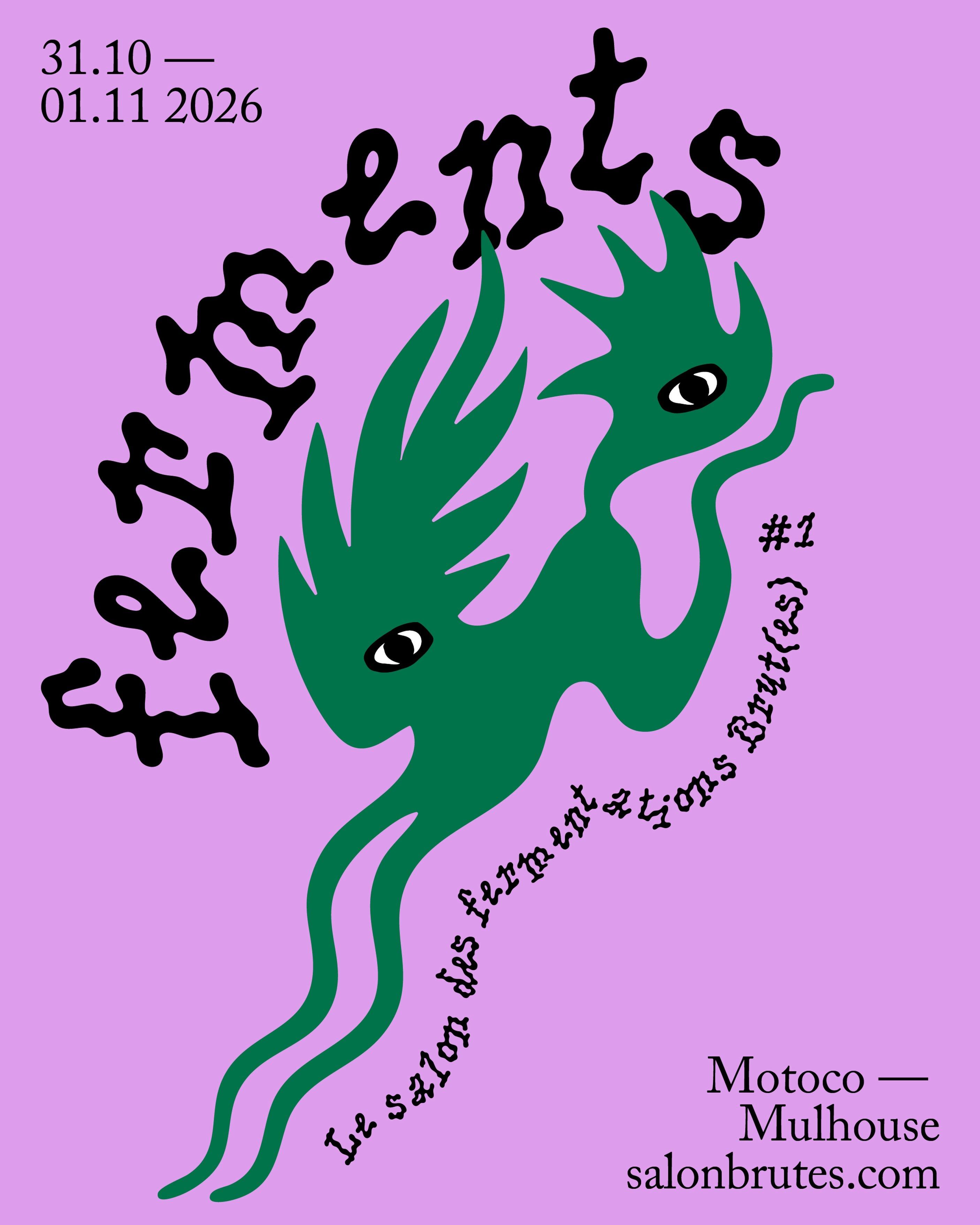
Saturday October 31 - Sunday November 01
Mulhouse
6872 KM
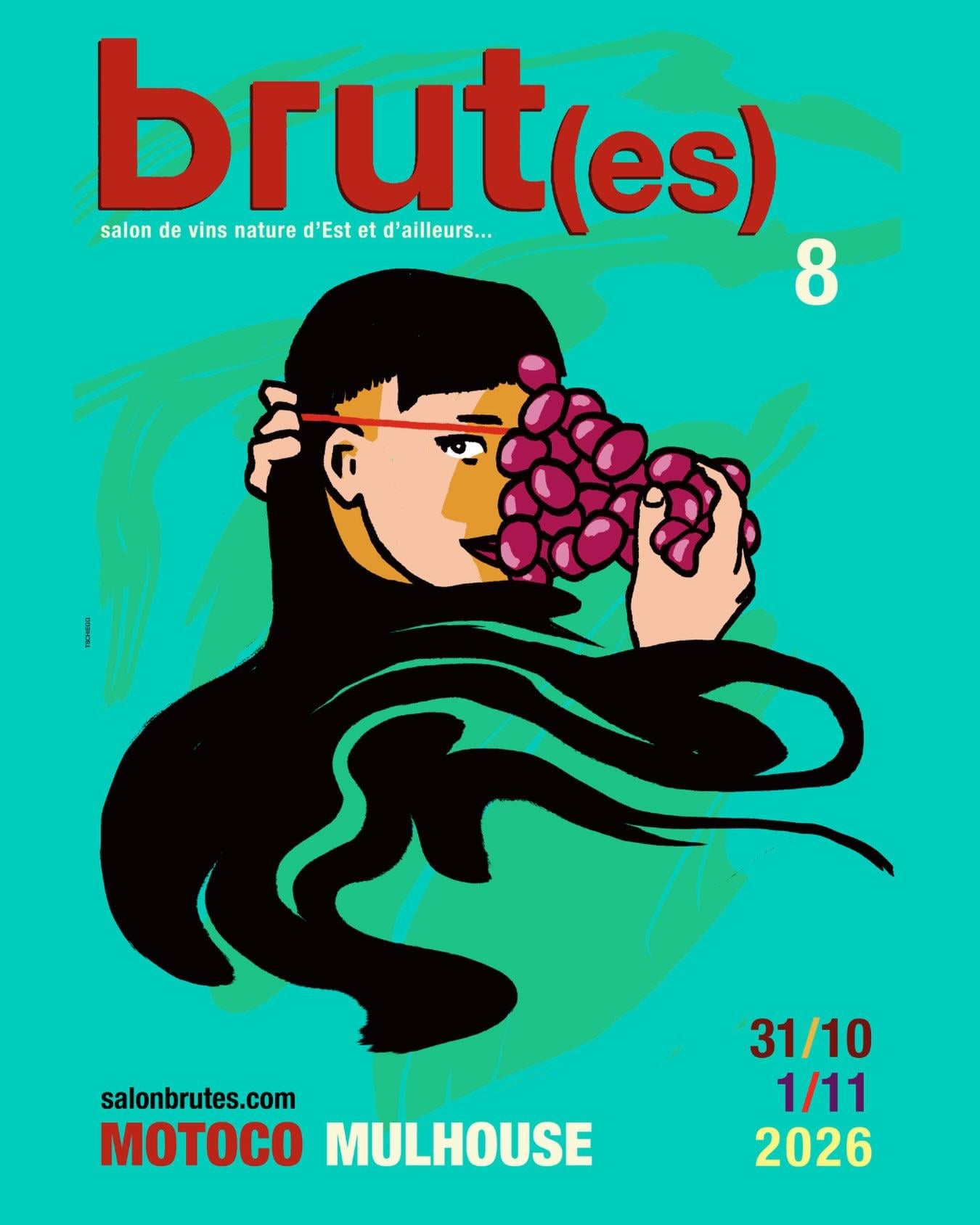
Saturday October 31 - Sunday November 01
Mulhouse
6872 KM

Sunday November 08 - Monday November 09
Turin
7047 KM
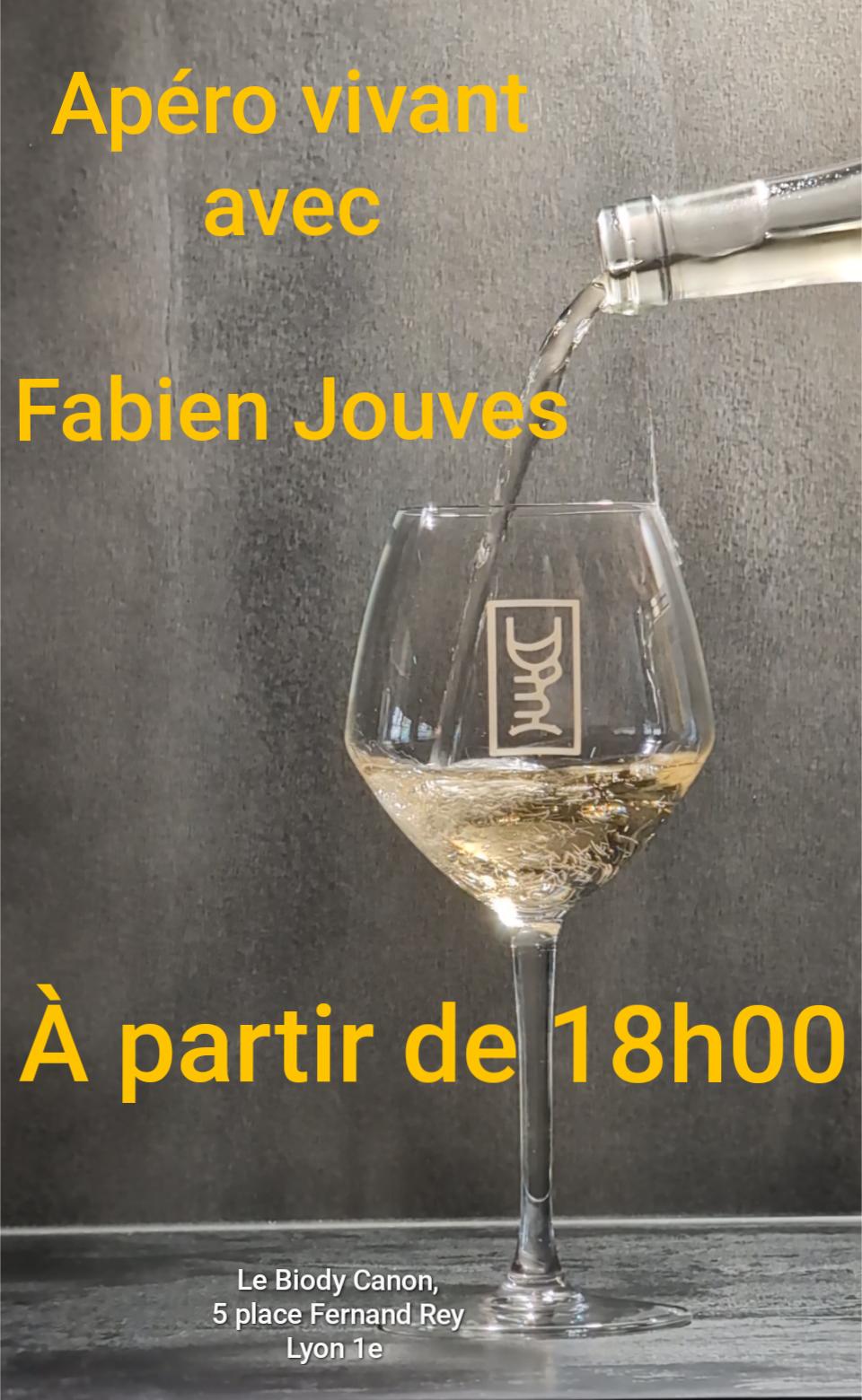
Wednesday September 23
LyonFrance
6814 KM
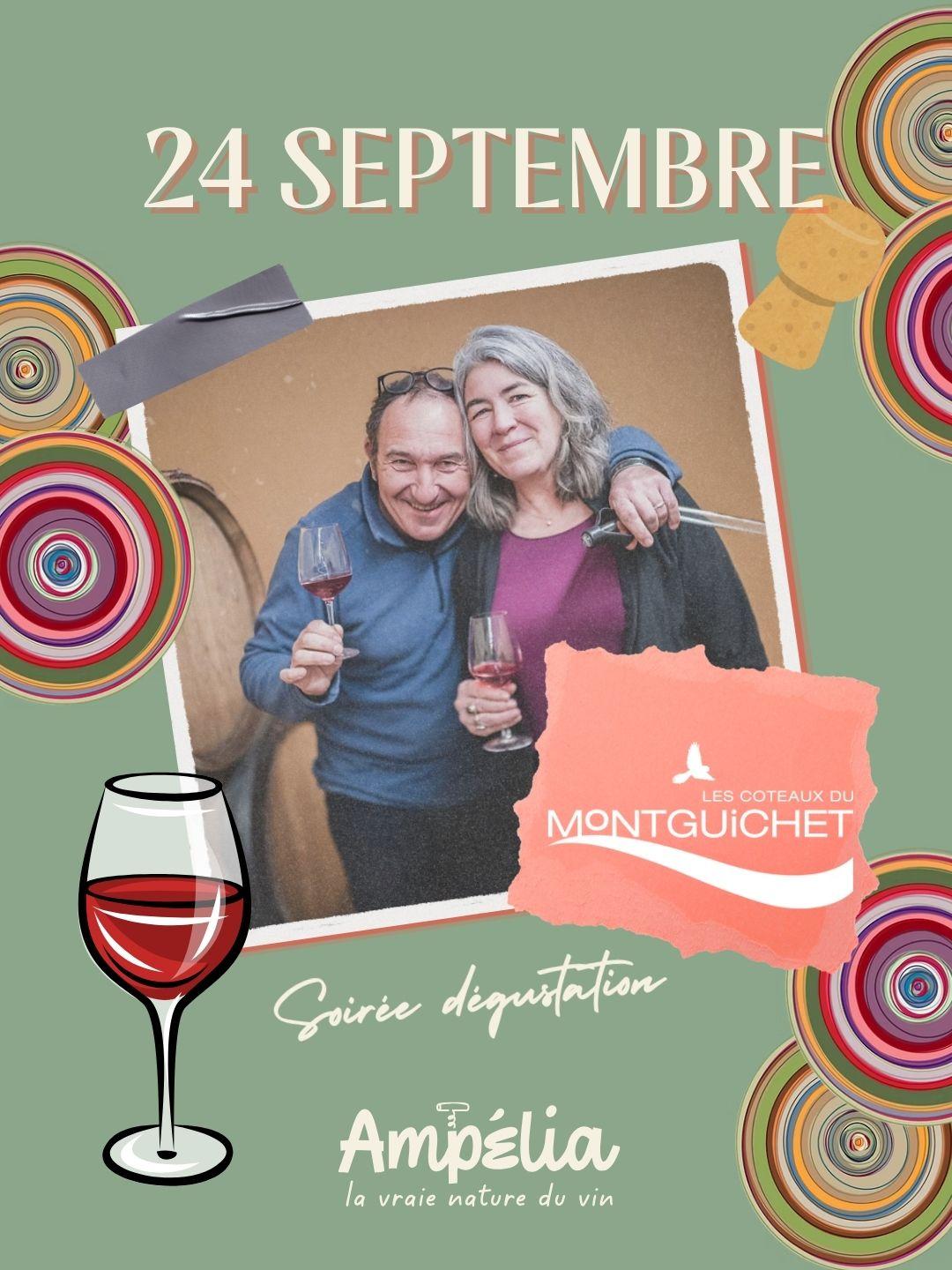
Thursday September 24
ParisFrance
6491 KM
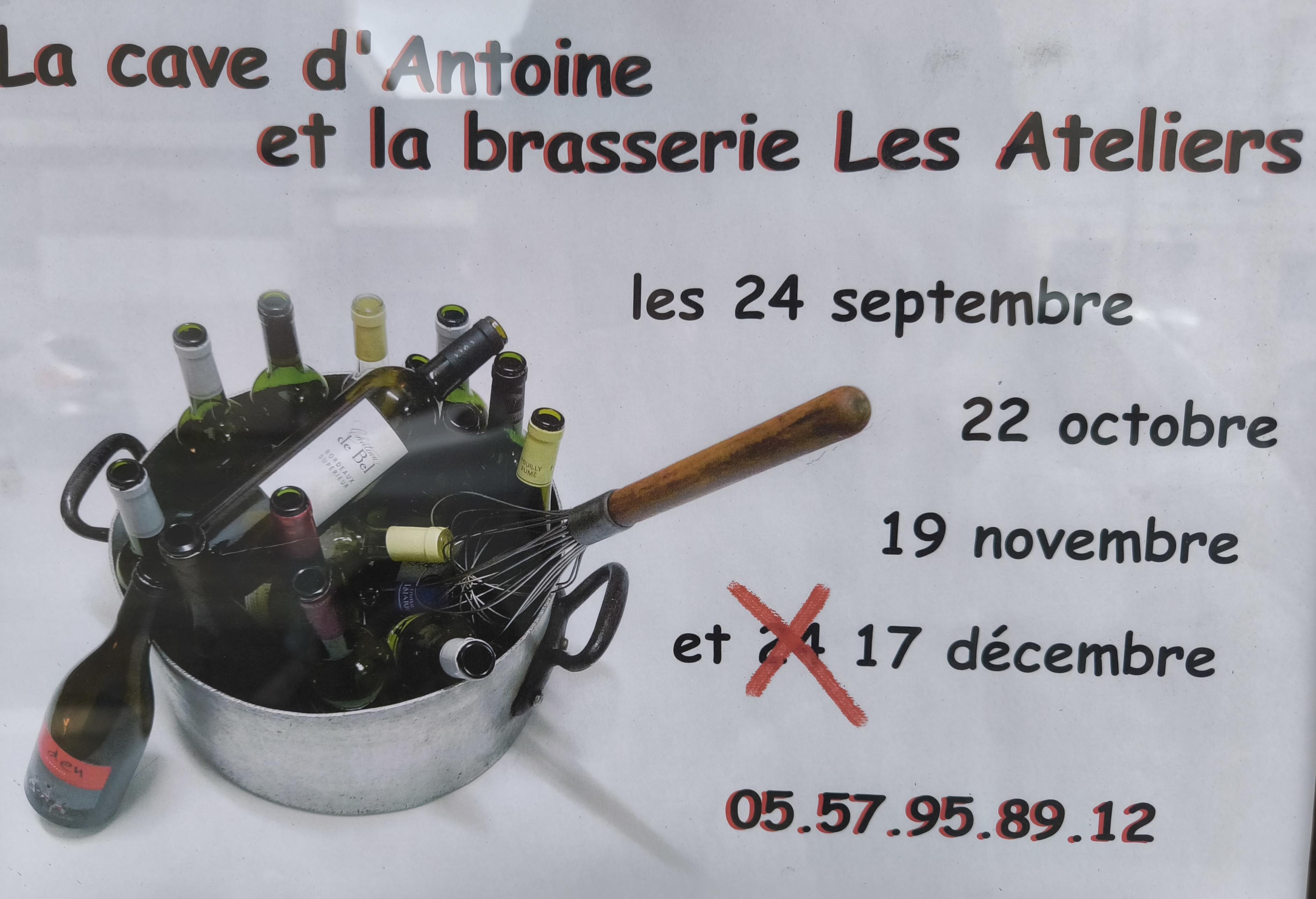
Thursday September 24
BordeauxFrance
6491 KM
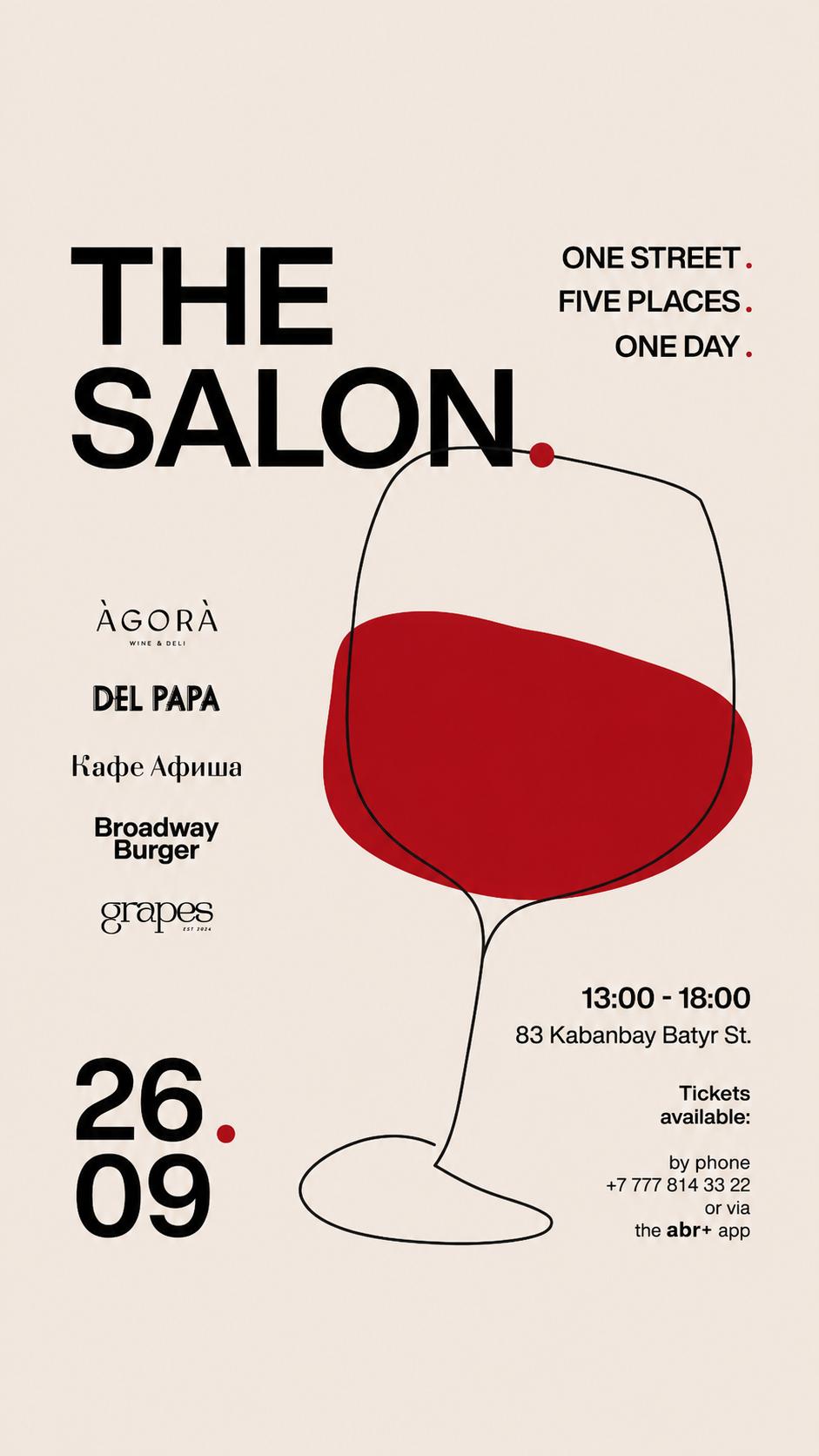
Saturday September 26
AlmatyKazakhstan
10546 KM
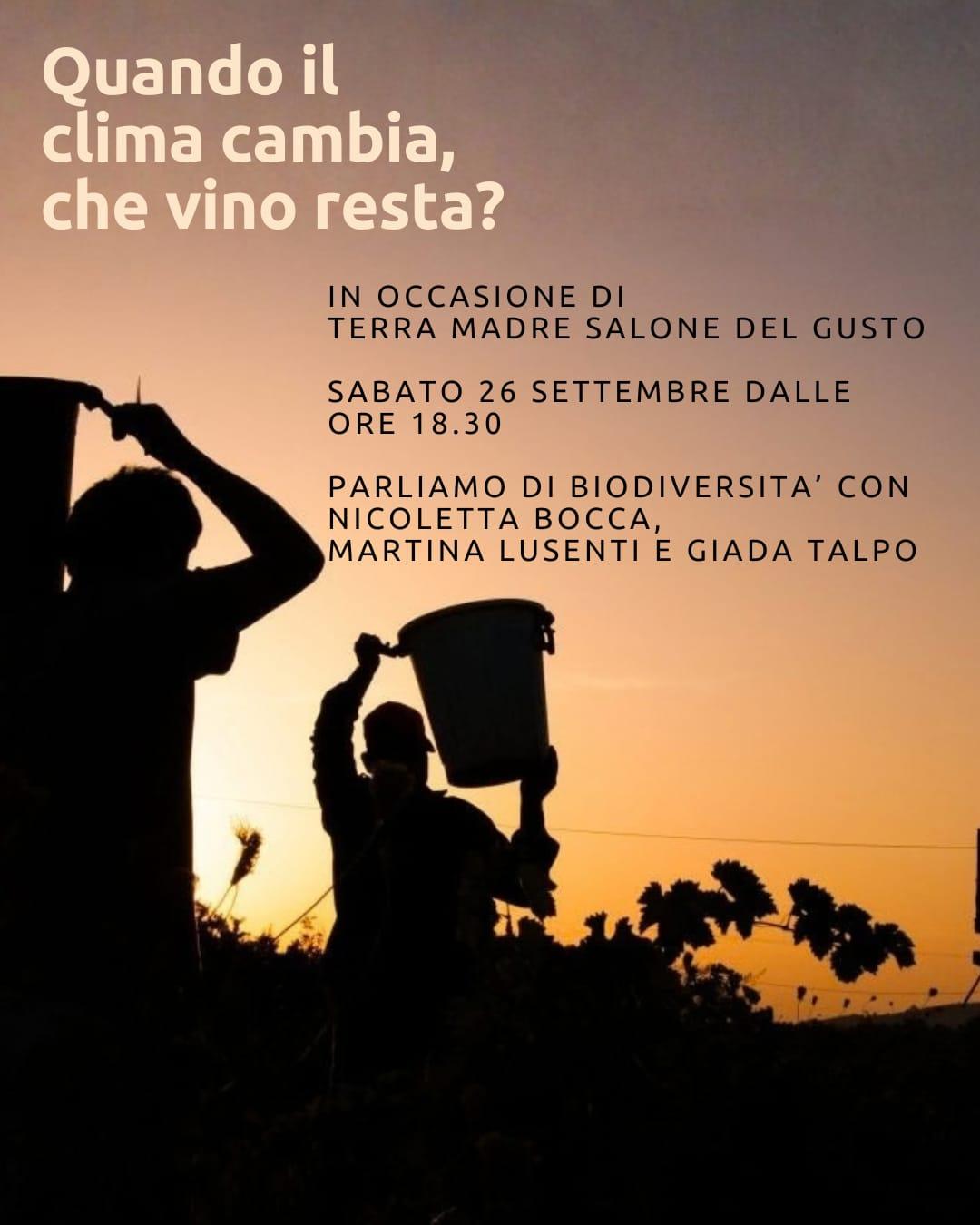
Saturday September 26
Turin
7045 KM
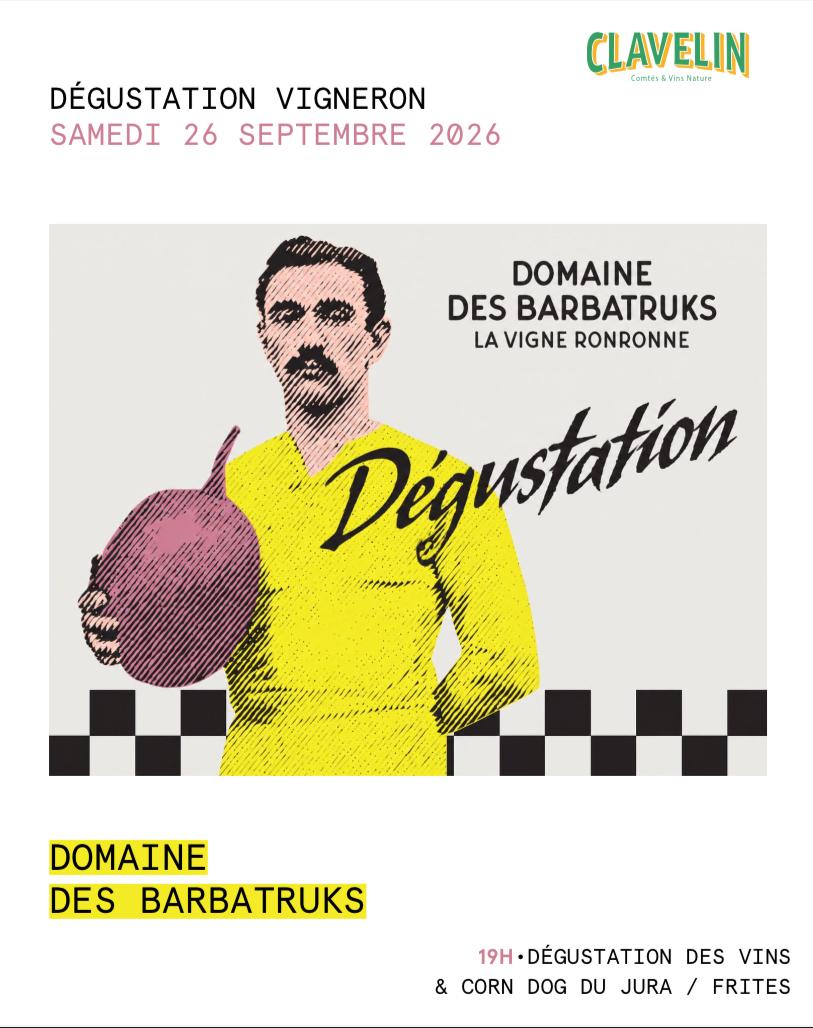
Saturday September 26
Paris
6488 KM


 Winemakers
 Restaurants
 Bars
Bars Wine Shops
 Accommodations
 Events