9 38 8458 KM
Three plots are situated on a south-facing slope, at altitudes ranging from 140 to 190 meters. Two plots lie on a south- and west-facing scree cone, bordering a geological fault, with altitudes ranging from 140 to 160 meters. Finally, two plots are located on the karst plateau at an altitude of 270-280 meters. These seven plots form a unique entity, with no neighbors other than woods, fields, or even paths and roads. Terres & Mer now comprises two plots planted on the primary bedrock, for a total area of 0.45 hectares. The first plot, on a south-facing slope with its sixteen terraces, covers 0.25 hectares. The second plot, acquired at the beginning of 2019, clings to a north-facing slope and is planted with a single grape variety, Mourvèdre. Its area is 20 ares. These two plots have schist soils that are more or less crumbly. Natural ground cover is kept under control on the plots in the Causse Corrézien region. On the two Port-Vendres vineyards, ground cover is controlled by hand, using a hoe and a garden fork. Disease control (downy mildew, powdery mildew) is carried out with a maximum of six applications. Copper is used between 750 g and 1500 g per year. Wettable and powdered sulfur is used, with less than 4 kg per year. The remainder consists of mixtures of nettle manure, nettle, horsetail, yarrow, chamomile, and comfrey infusions, essential oils, black soap, or pine terpene. All these plots are worked by hand, year-round. With no mechanization other than a small brush cutter, a backpack sprayer, and a small 26cc rototiller reserved for the slopes of the single Port-Vendres plot planted with Mourvèdre, layering, field cuttings, and replanting with massal selections, along with other trellising work (for the Corrèze vines), fully occupy the autumn and winter months. This is in addition to pruning, which leaves the pruned branches on the ground, cut into small plugs. The time spent working in the vineyards is therefore considerable. There is only one winemaking and aging cellar, located in Laroche Sud, in the commune of St Cernin-de-Larche. The wines tend to reflect their specific plots. This will be the case for the 2018 vintage, for which six different wines are produced. The wines are made by hand, in very small quantities. Here, the winemaker's ideal isn't to grow or expand, but rather to succeed without technological advancements. Since 2016, the wines have been aged in stainless steel tanks, with the intention of switching to stoneware jars (320L jars) once larger volumes become available. Both white and red wines are only released for sale after a minimum of 31 months of aging. It's worth noting that since January 2018, Sébastien Brunet, Antoine Floirac, and Nicolas Laval have been managing the vineyard work on Premiers Essarts and Soulane, the primary red wine plots. The red and white grape varieties are very diverse: Merlot, Petit Verdot, Pinot Noir, Arinaronoa, Syrah, Cabernet Sauvignon, San Giovese, Touriga Nacional, Nebbiolo, Grenache Noir, and Carignan. Sauvignon rosé, Chardonnay, Arriloba, Sauvignon Blanc, Sémillon, Riesling, Auxerrois Blanc, Viognier, Grenache Gris and Grenache Blanc. Vines are grafted, ungrafted, layered, cuttings, trellised, and goblet-trained. Vinification is without destemming, and aging is long, in barrels until the 2015 vintage, then in tanks, and soon (2019 vintage?) in stoneware jars. Bottling is done by hand, as are the application of wax seals and double labeling. Naturally, no additives are permitted in the wines.
No rose wines at the moment.
No orange wines at the moment.
No sparkling wines at the moment.
FIND THE EVENT YOU ATTEND

Sunday October 25
Paris
6492 KM

Saturday October 31 - Sunday November 01
Mulhouse
6872 KM

Saturday October 31 - Sunday November 01
Mulhouse
6872 KM

Sunday November 08 - Monday November 09
Turin
7047 KM
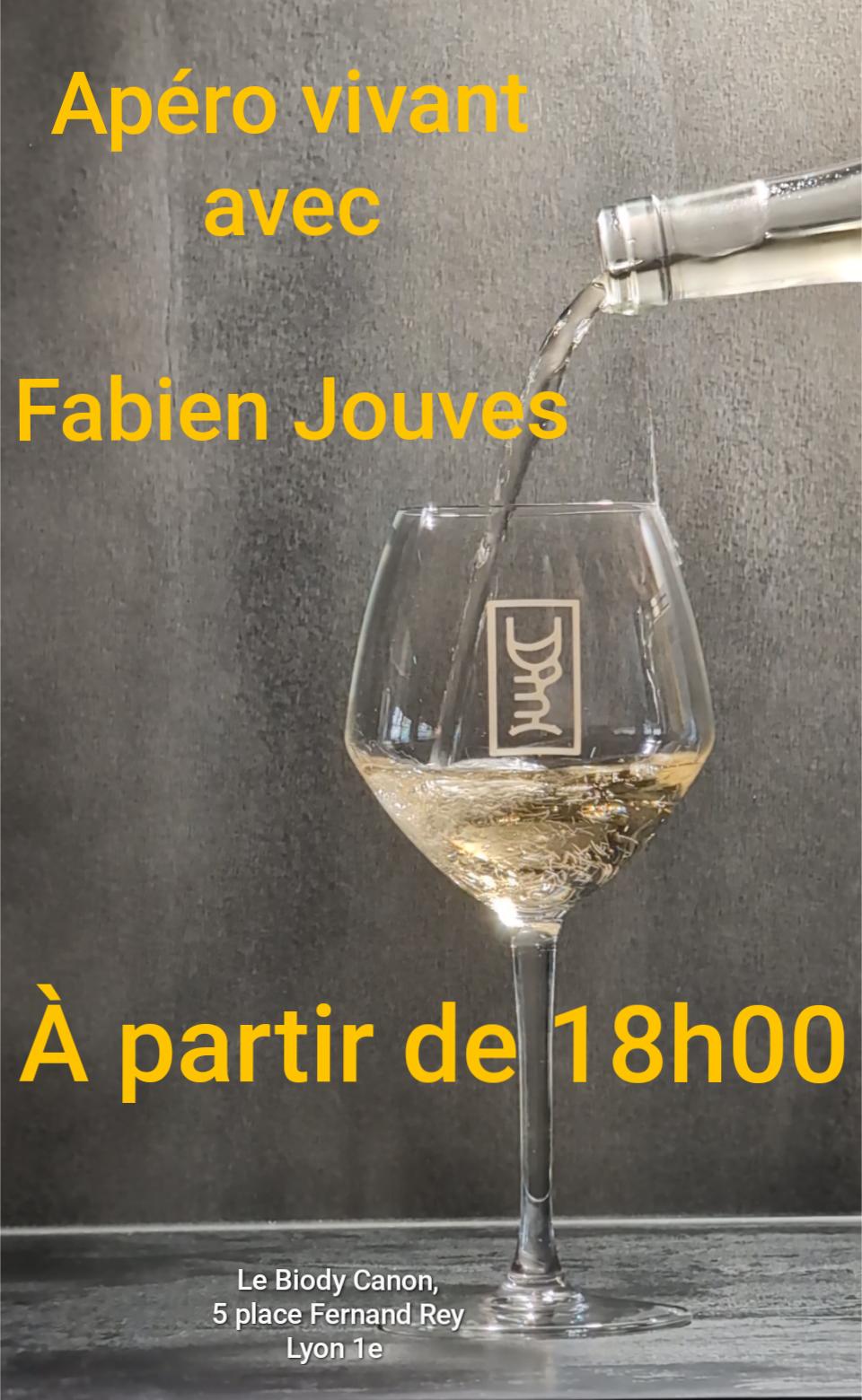
Wednesday September 23
LyonFrance
6814 KM
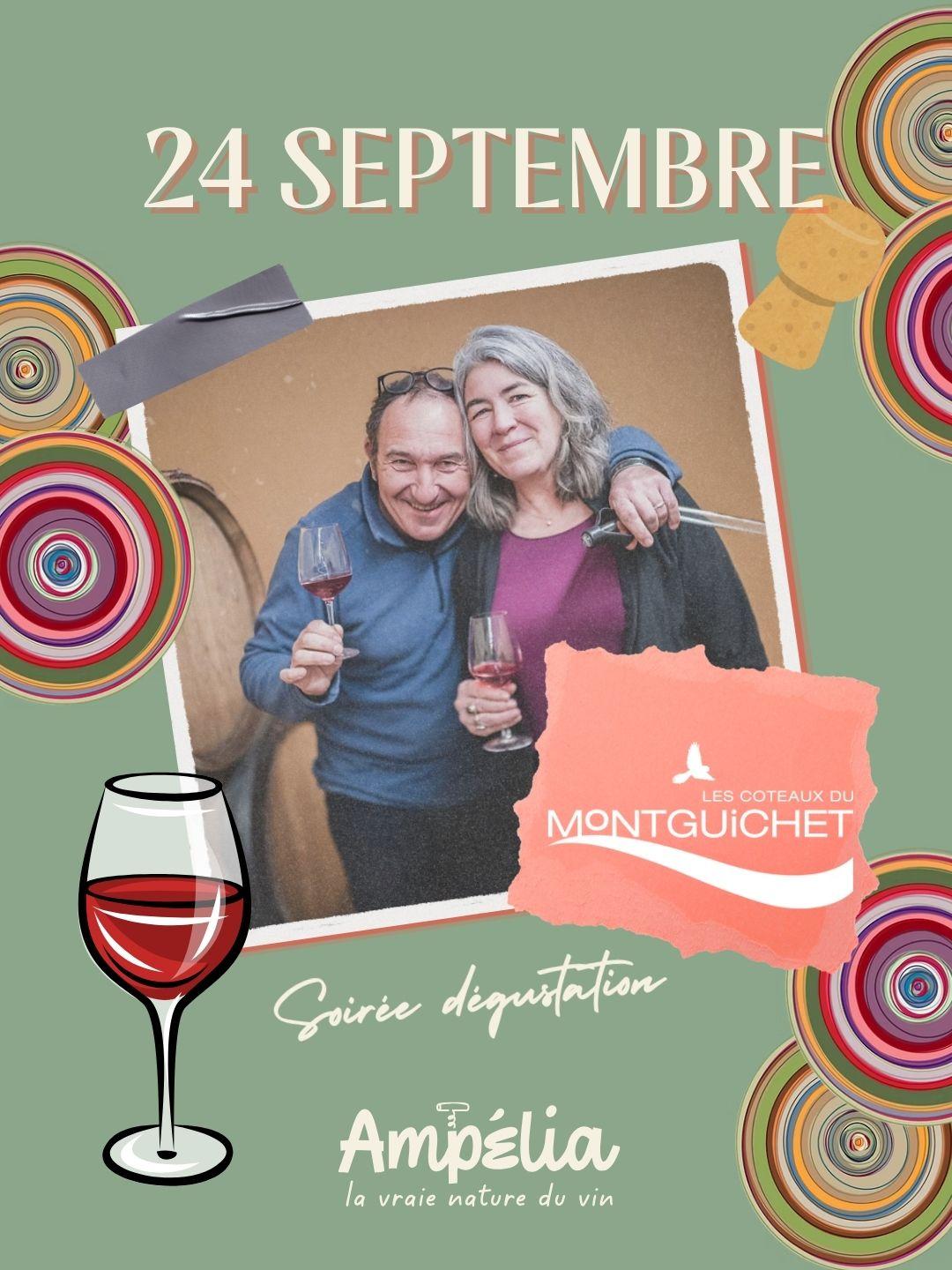
Thursday September 24
ParisFrance
6491 KM
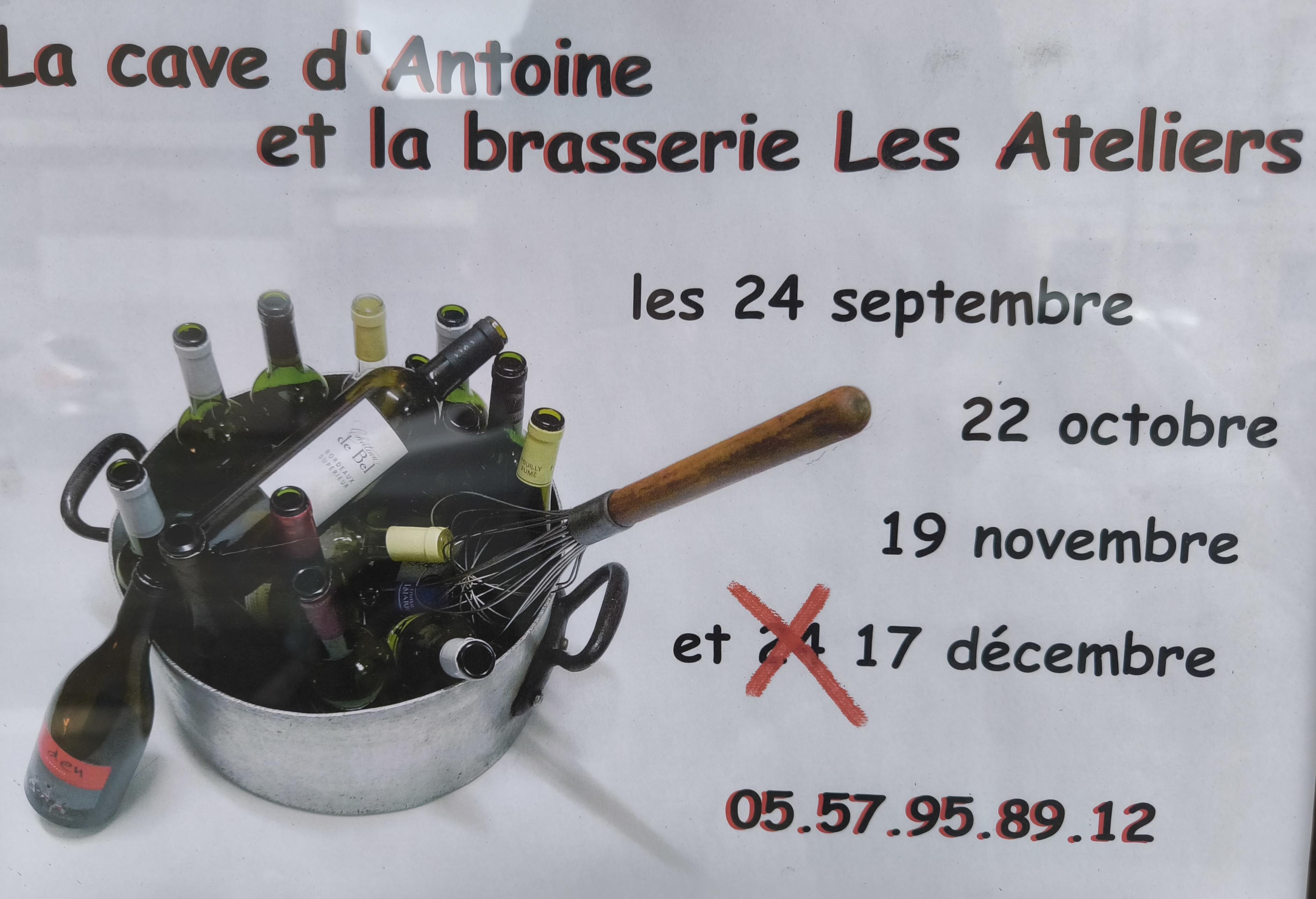
Thursday September 24
BordeauxFrance
6491 KM
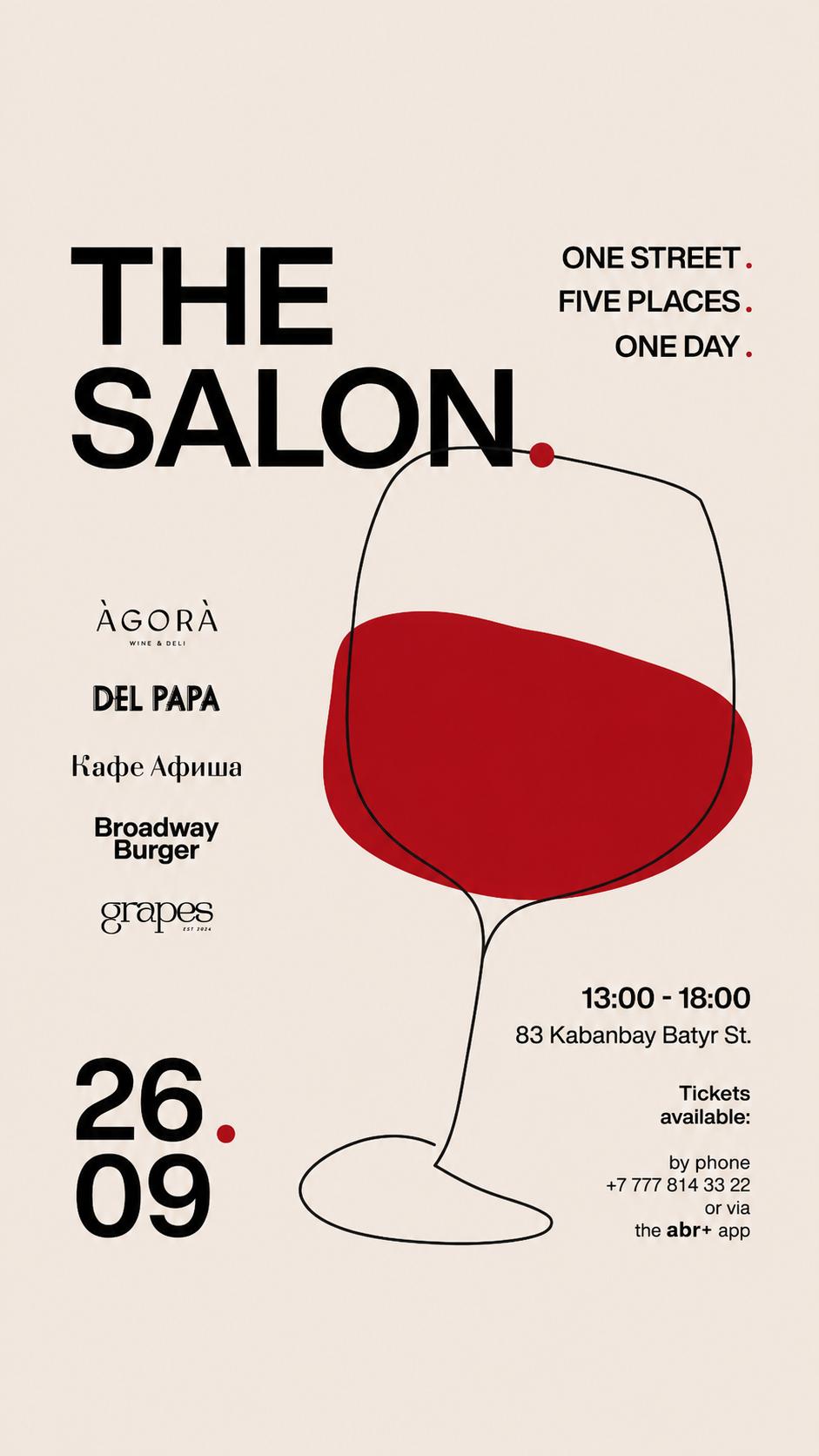
Saturday September 26
AlmatyKazakhstan
10546 KM
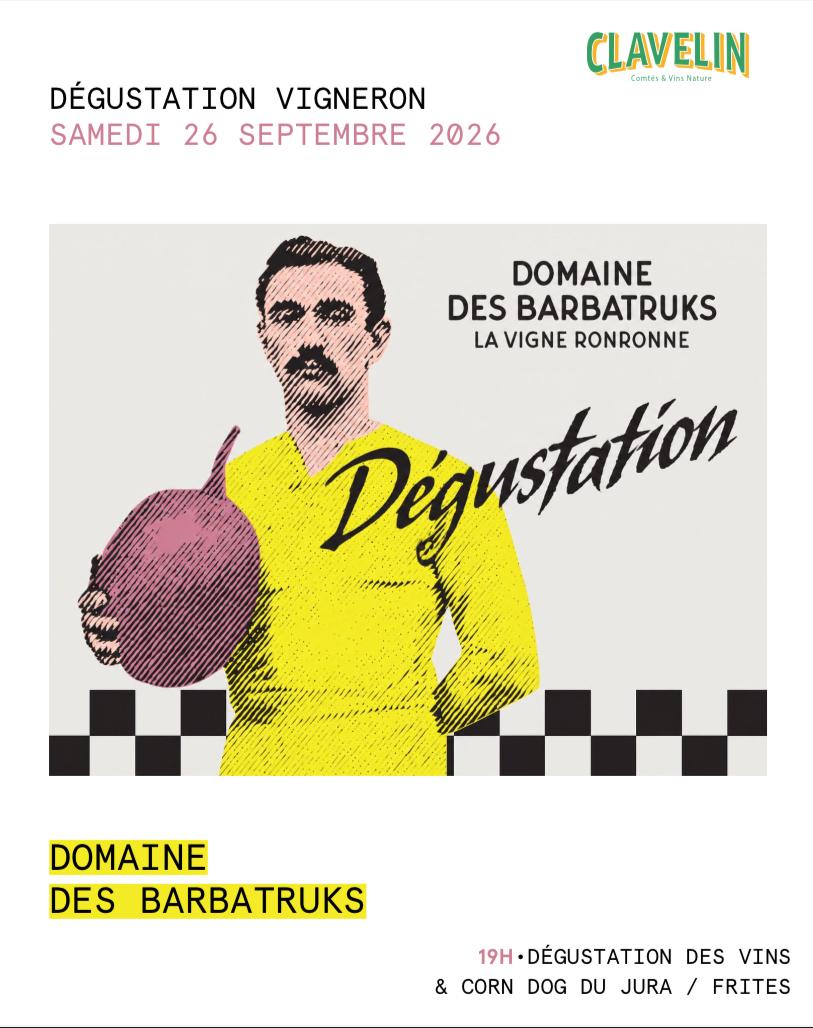
Saturday September 26
Paris
6488 KM

Saturday September 26
Ierapetra Municipal UnitGreece
8946 KM
 Winemakers
 Restaurants
 Bars
Bars Wine Shops
 Accommodations
 Events