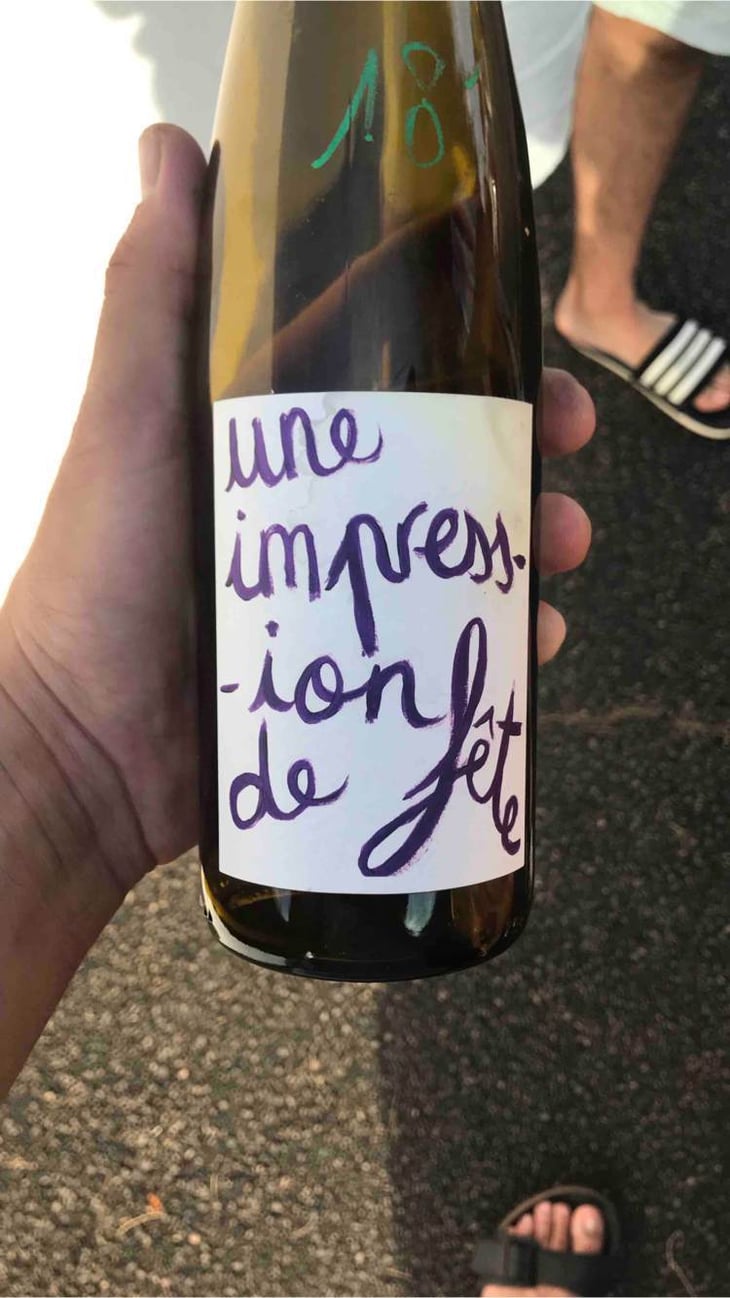
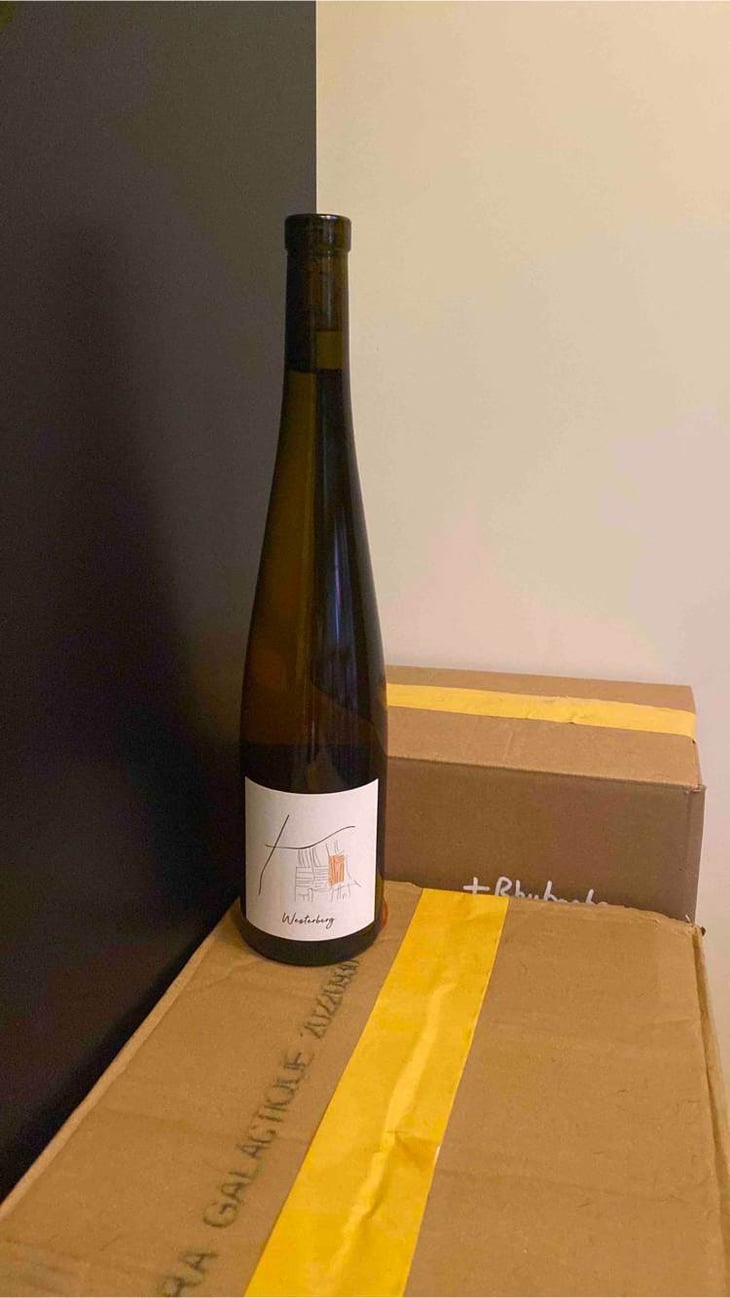
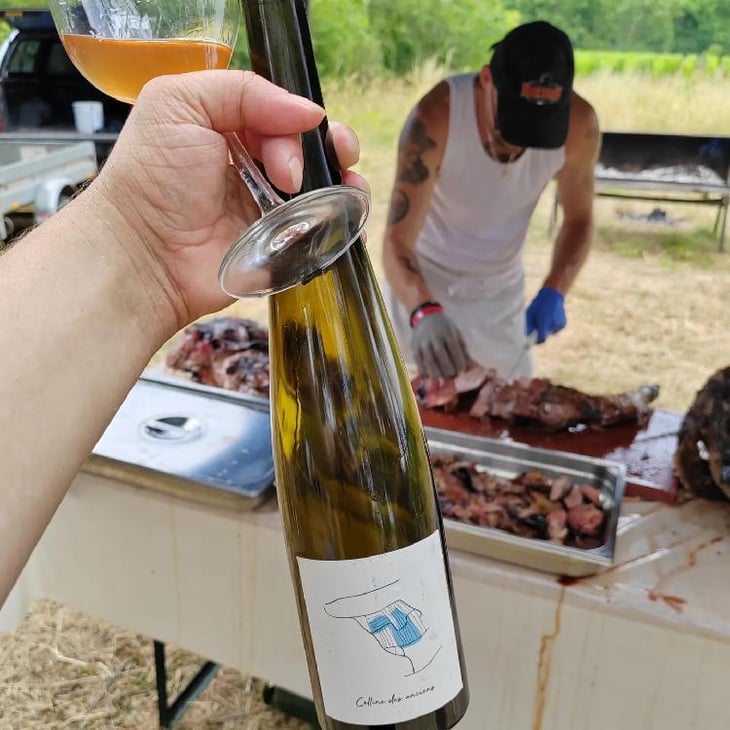
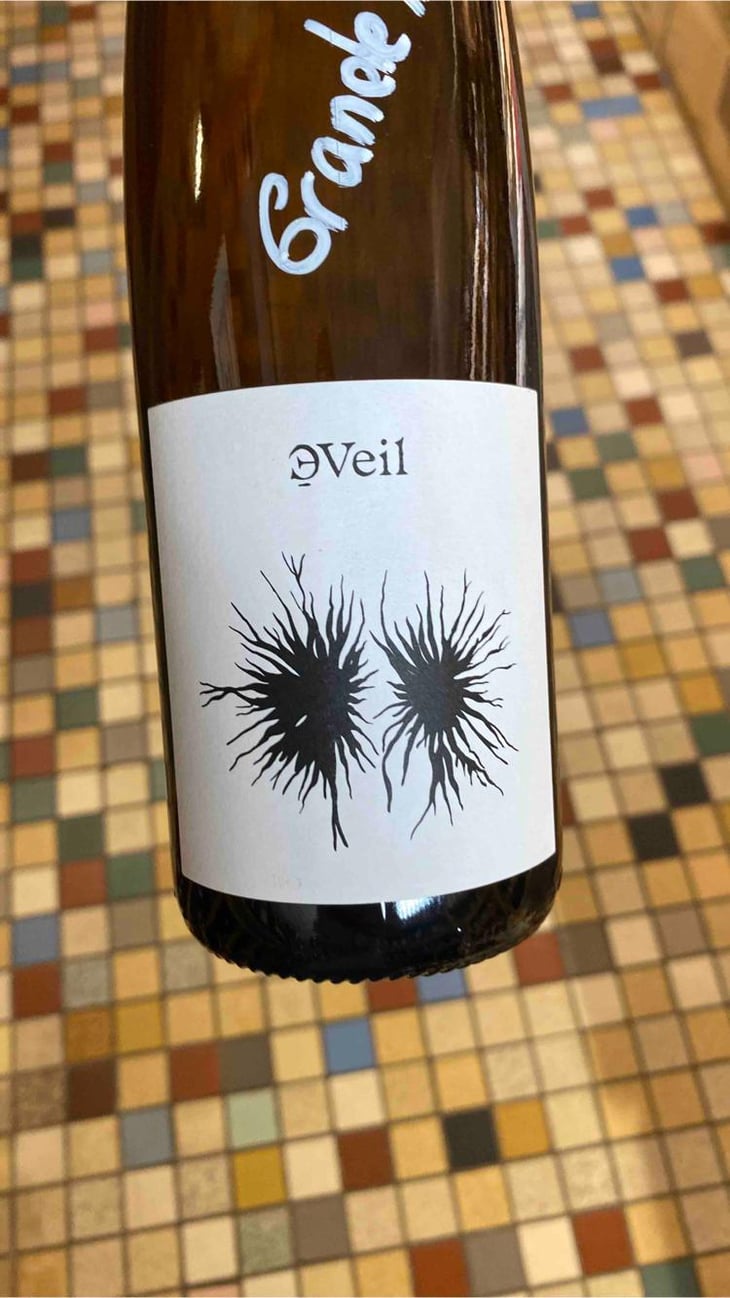
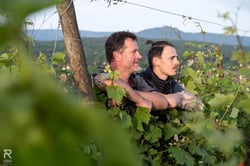
Domaine Einhart - Nicolas & Théo EINHART
Coming from a family of winegrowers, Nicolas Einhart joined the family estate in 1990.
In 1997 he was one of the founding members of the TIFLO association, whose main commitments
are the maintenance of ecological refuge zones and the refusal of the most harmful phytosanitary products.
This dynamic leads Nicolas quite naturally towards the conversion of his vineyard to agriculture
organic in 2008 with a first production of certified AB grapes in 2011.
The balance of biodiversity and respect for the terroir are at the center of its concerns. This respect
of the terroir is done through reasoned pruning, respectful of the sap flow of the vine to
guarantee a balanced vine throughout its life. Plantings of fabaceae and grasses are carried out
in the vines from seeds produced on the farm. These plants help to improve
soil life and structure, as well as providing organic nitrogen that is easily assimilated by
microorganisms. The use of herbal teas made from plants picked by the family allows a
alternative to treatments. The objective being to produce a healthy and balanced grape reflecting the terroir
clay and limestone - muschelkalk and lettenkohle plate - in order to produce natural wines without any
input. The winemaker also practices re-grafting on end-of-life vines to restore them
youth and ensure the maintenance of the plant material of the plot.
Nicolas chose to produce free wines by maceration - also called "orange wine"
Harvesting is done entirely by hand, early and only in the morning to preserve freshness
grape. The bunches are destemmed to keep only the berries. Then begins a slow
fermentation of the berries in contact with their juice. This operation is punctuated by slight
interventions such as punching by hand, to homogenize the must and extract
new aromas. This process reveals lively, powerful and expressive wines.
Pressing must preserve the raw material as much as possible. This involves the flow of the juice through
gravity directly in the tank, limiting human intervention and exposure to
the air.
Each terroir is vinified separately in stainless steel vats, casks or barrels.
Aging is done on the lees to make the aromas present in the wine more complex and sublime.
In order to respect the aromatic profile and guarantee the authenticity of the wines, they are not filtered
This type of winemaking highlights the terroir but also the work of the winegrower relying as much
on his experience than on instinct.



 Winemakers
 Restaurants
 Bars
Bars Wine Shops
 Accommodations
 Events