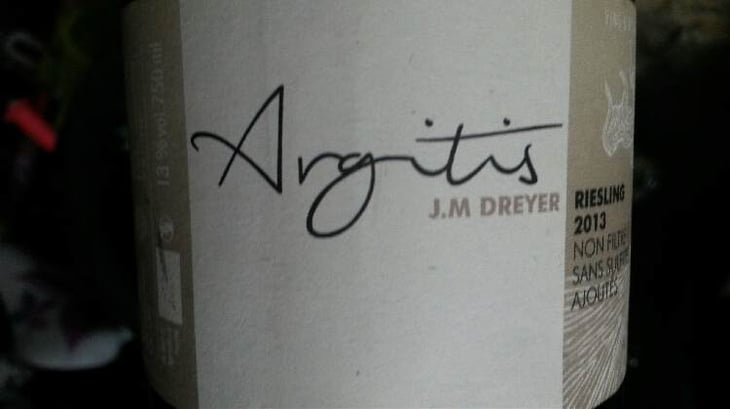
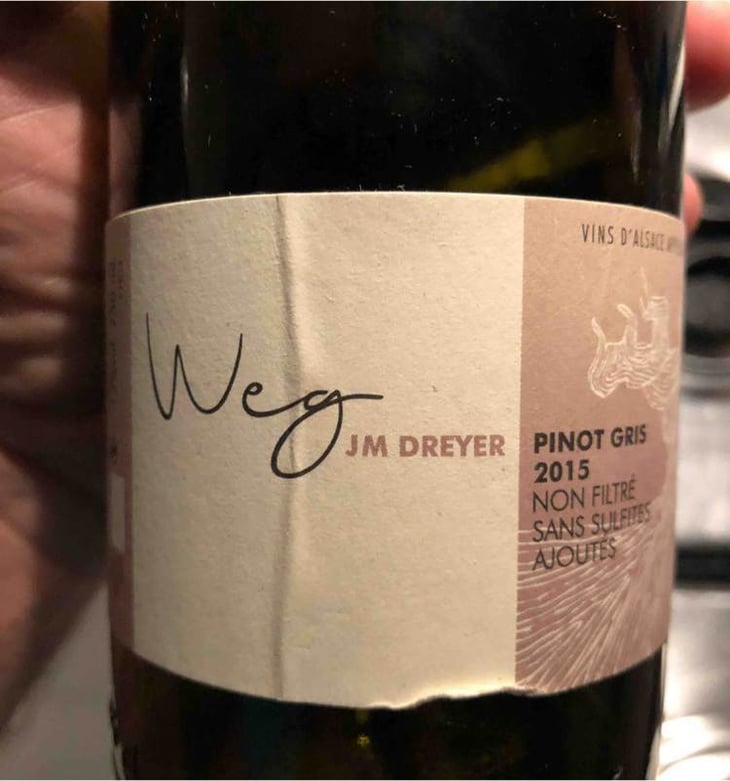
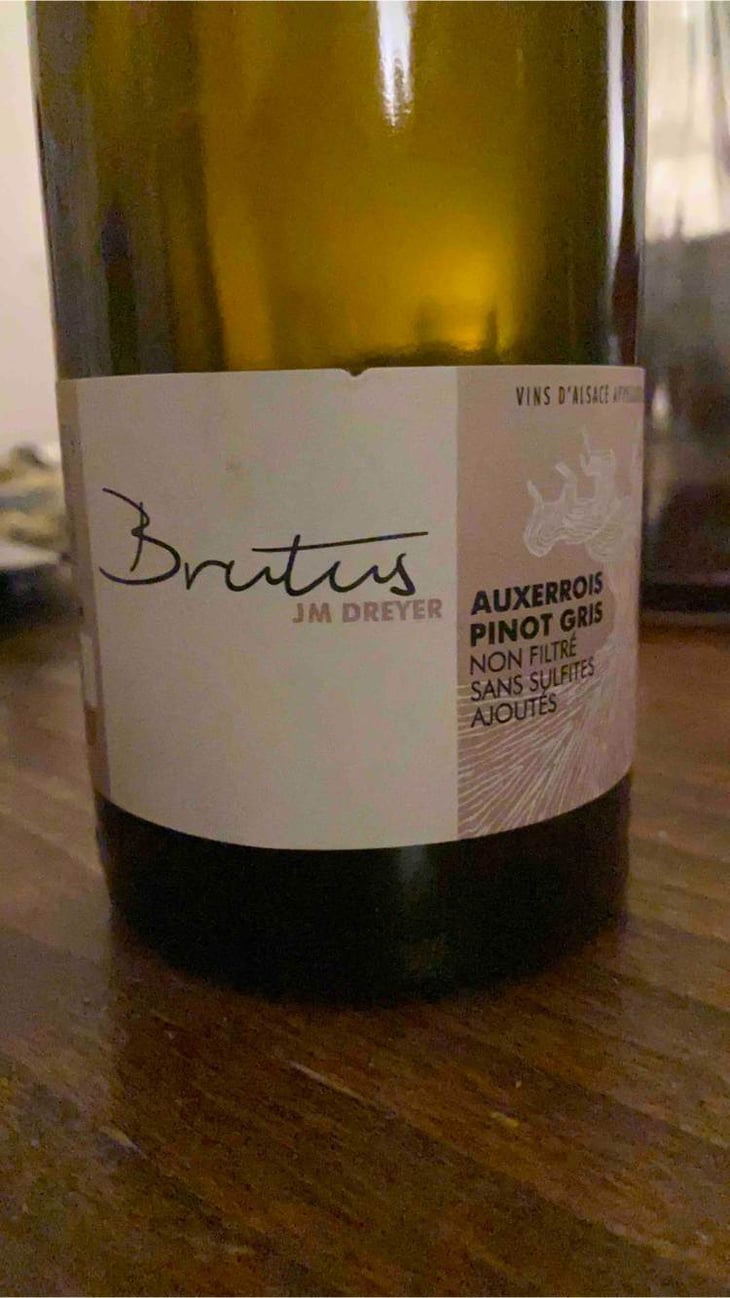
21 599 9087 KM
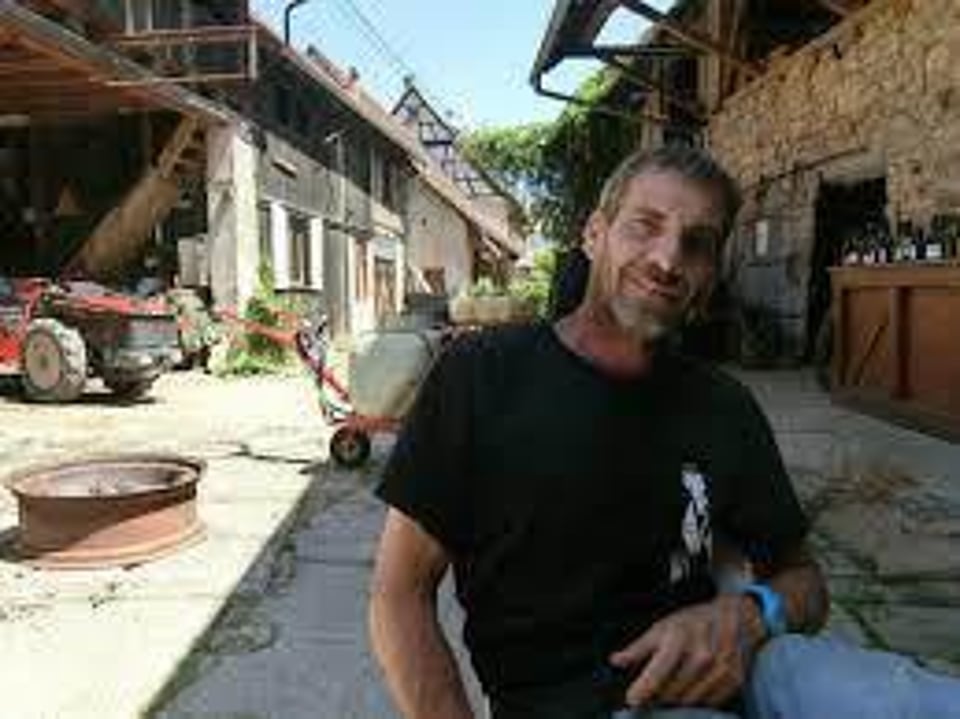
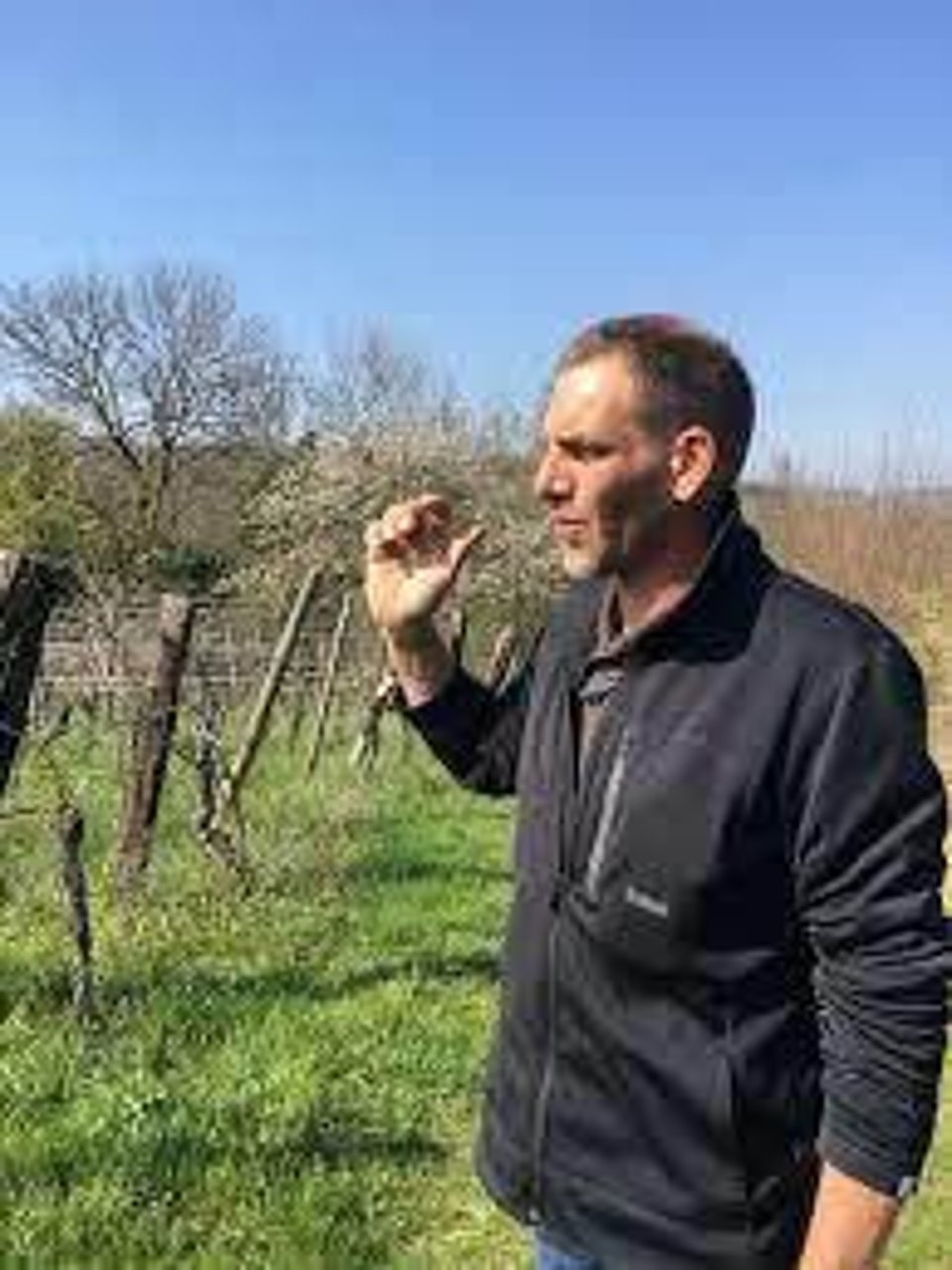
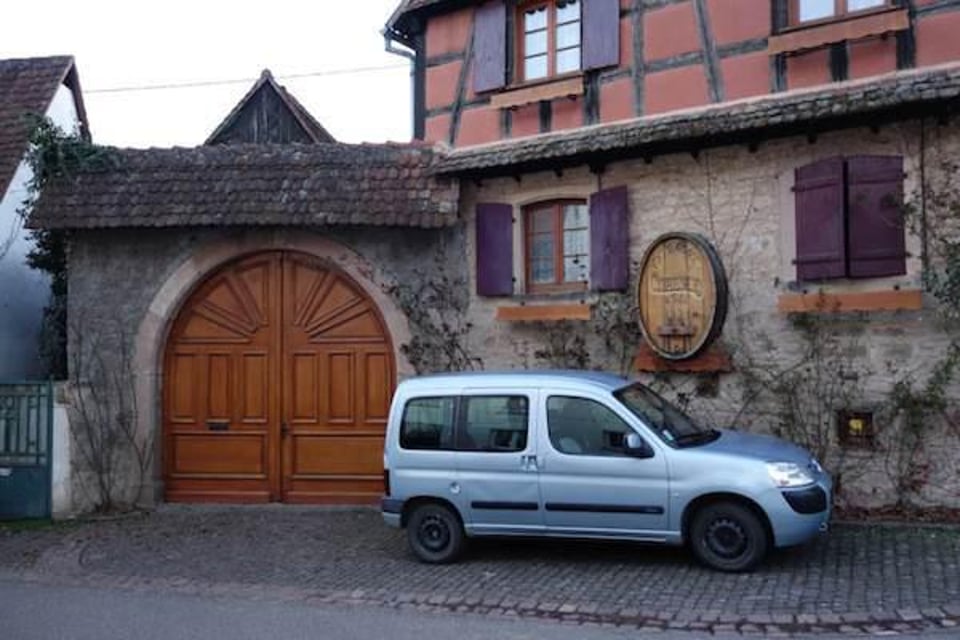
The Dreyer & Fils estate, located between Obernai and Molsheim, has existed since 1830. Jean-Marc Dreyer, succeeding several generations of Dreyers, took over the estate in 2003, after obtaining his BTS at the Obernai school of oenology and completing an internship in Nothalten with Patrick Meyer, one of the pioneers of natural wine in Alsace.
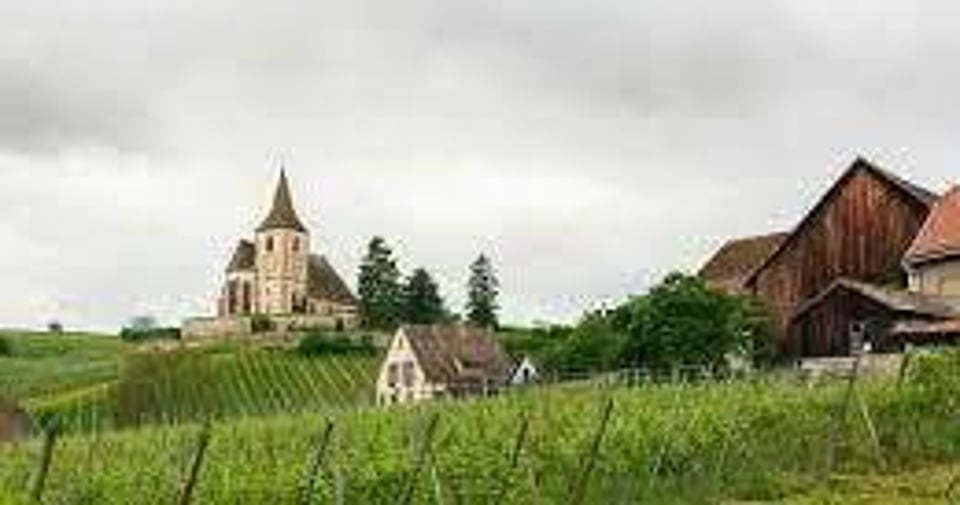
The vineyard covers six hectares, divided into twenty-five plots scattered across the hills surrounding the village of Rosheim . The estate was converted to biodynamic farming in 2003, when it was taken over by Jean-Marc, and obtained organic certification in 2014.
The harvest is done by hand, and no chemical inputs are added to the vines. The vines are worked on horseback in some plots, a choice that Jean-Marc hopes to extend to the entire estate.
Viticultural experiments are also carried out, such as planting trees within the plots or not pruning one row of vines out of three, in a logic of observation and respect for living things.
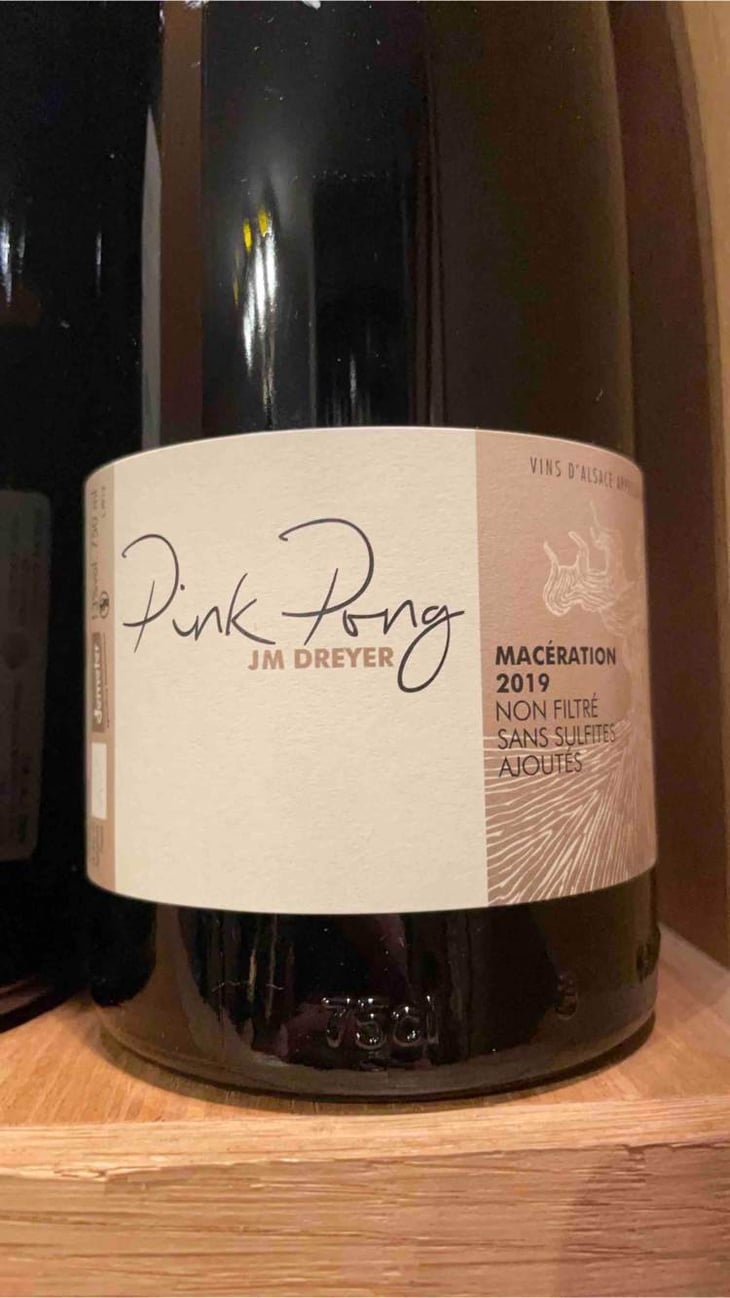
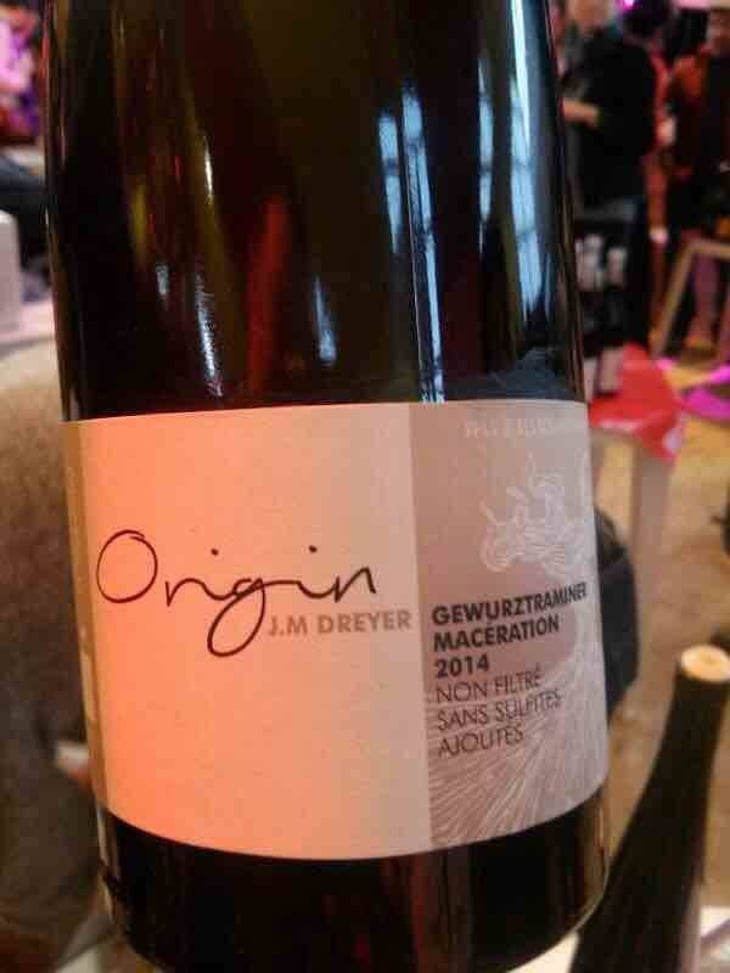
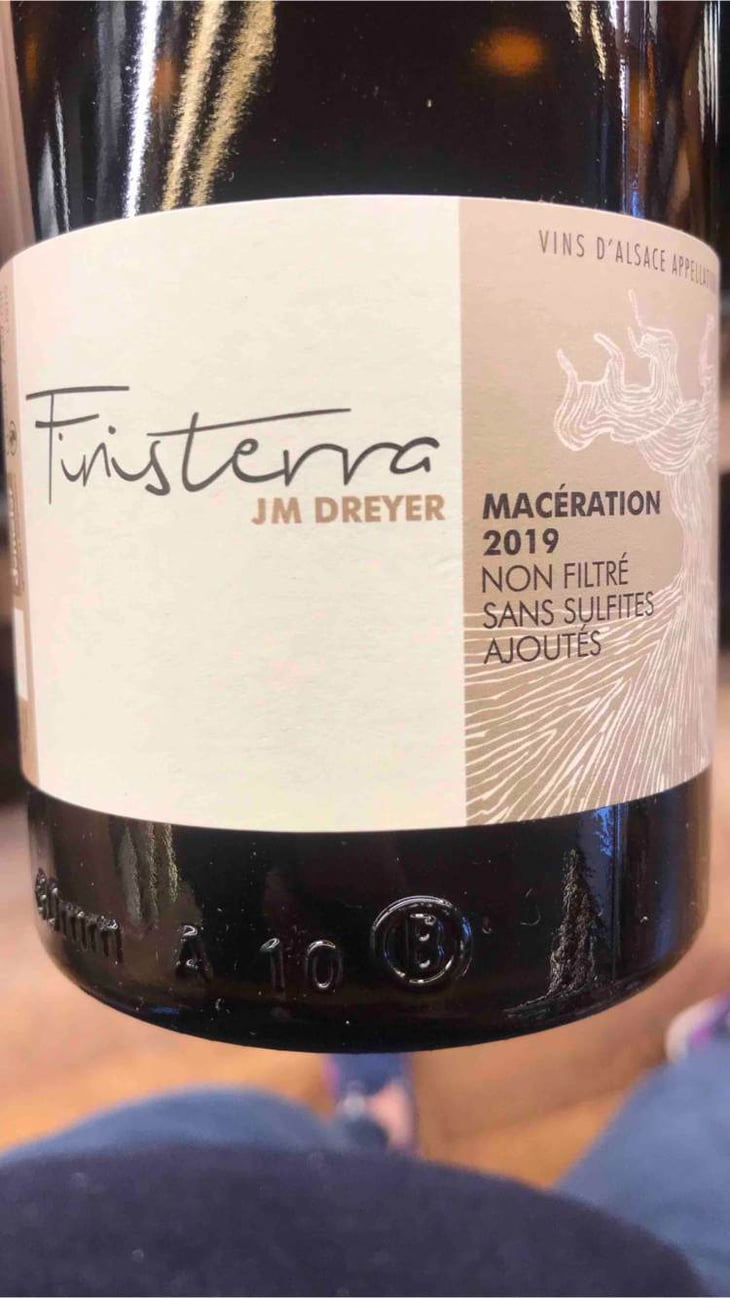
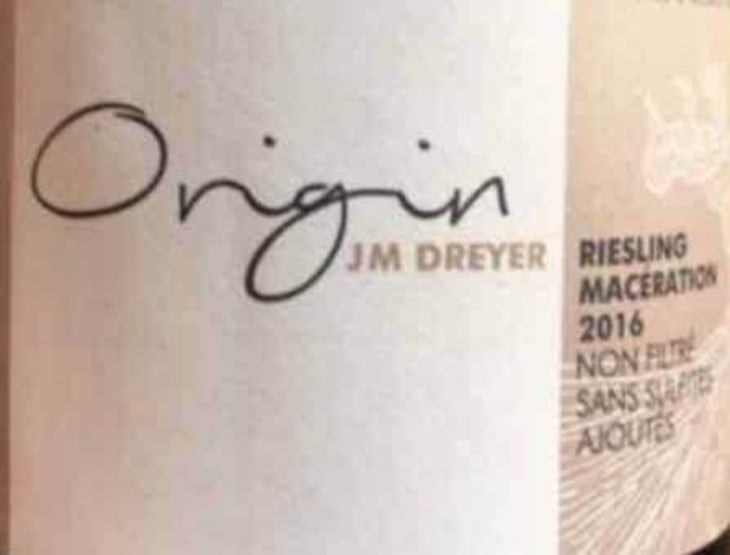
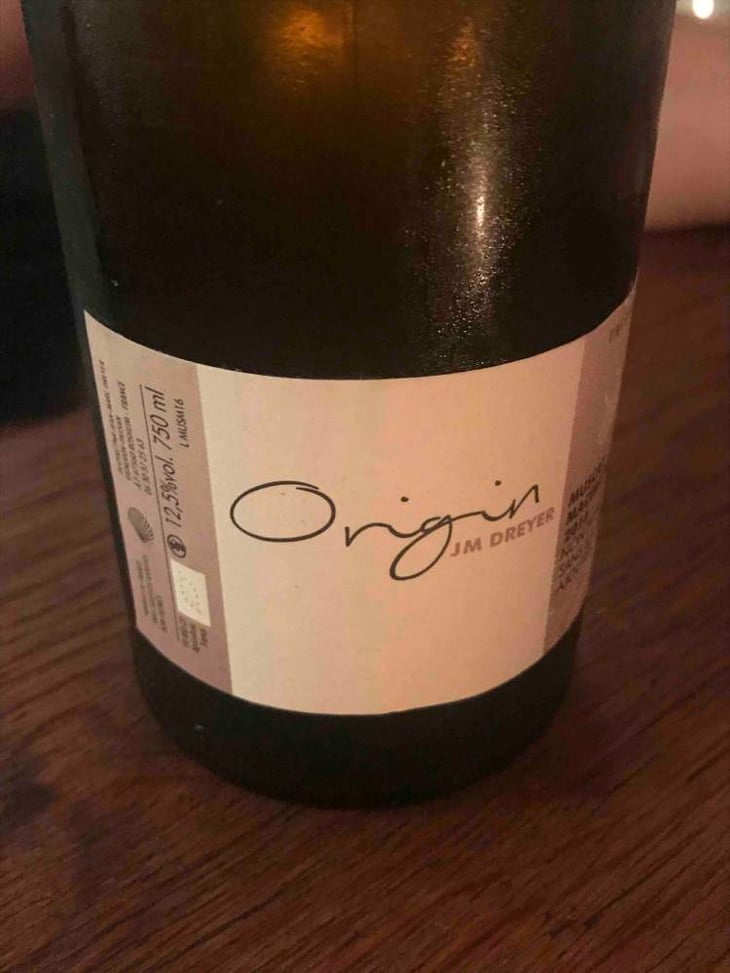
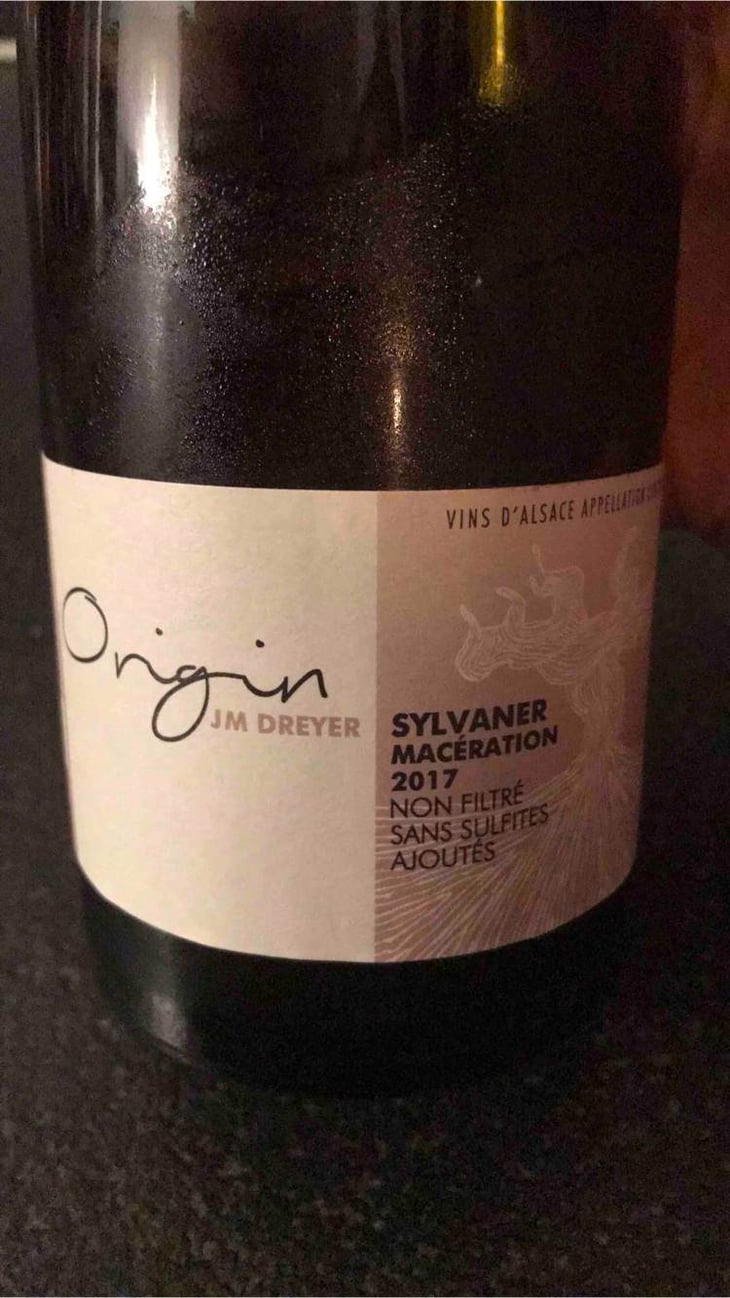
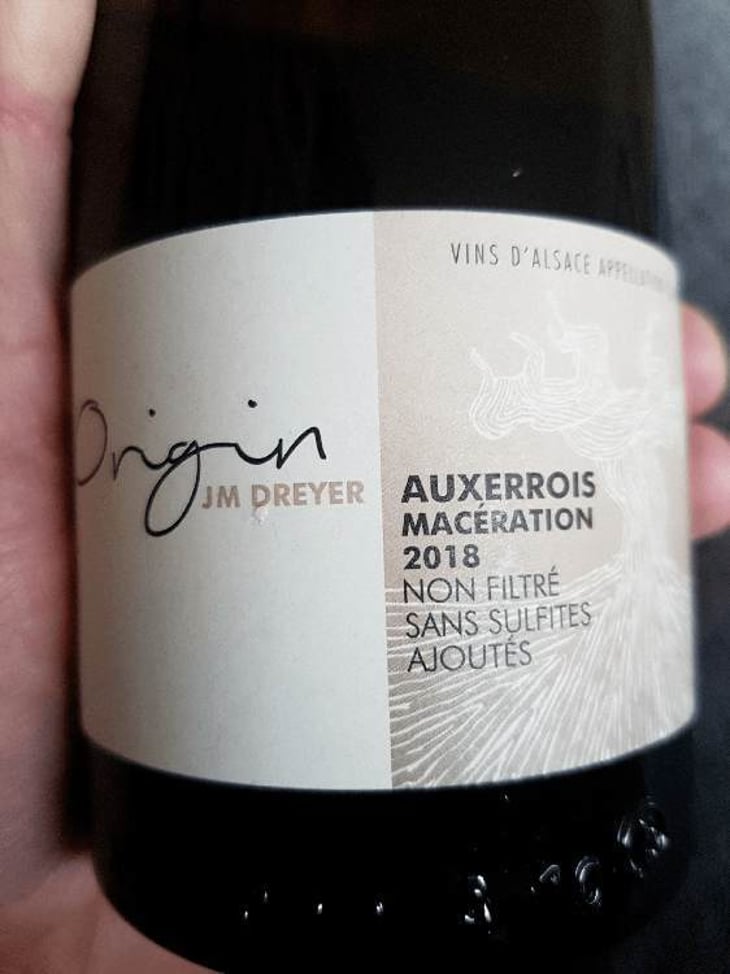
Whole-cluster maceration is Jean-Marc Dreyer's signature technique, accounting for approximately 85% of his production. This practice facilitates fermentation, softens the grape solids, and makes the pomace easier to press. Most importantly, it allows for the conversion of all fermentable sugars, resulting in dry wines.
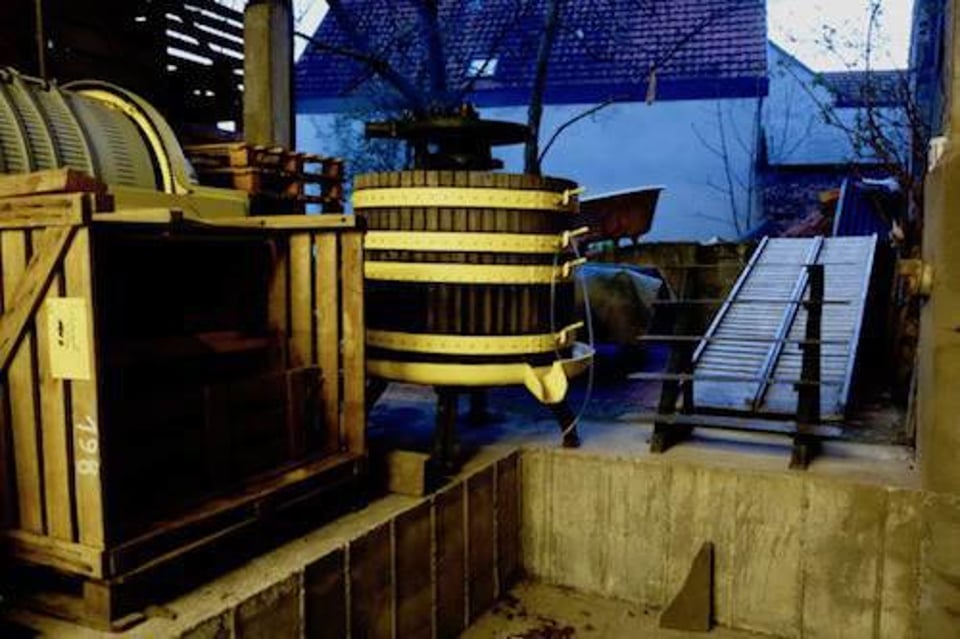
The harvested grapes typically macerate in covered vats for ten to twenty days before being transferred to a vertical press. Grapes intended for direct pressing are, however, conveyed to a pneumatic press.
The musts are fermented and aged primarily in large oak casks, and more rarely in barrels, for approximately one year. The containers are not topped up for either white or red wines, imparting a touch of controlled oxidation, more or less pronounced depending on the vintage.
No sulfur is added, no filtration or fining is carried out.
No sparkling wines at the moment.
FIND THE EVENT YOU ATTEND

Saturday January 31 - Sunday February 01
Angers
6363 KM
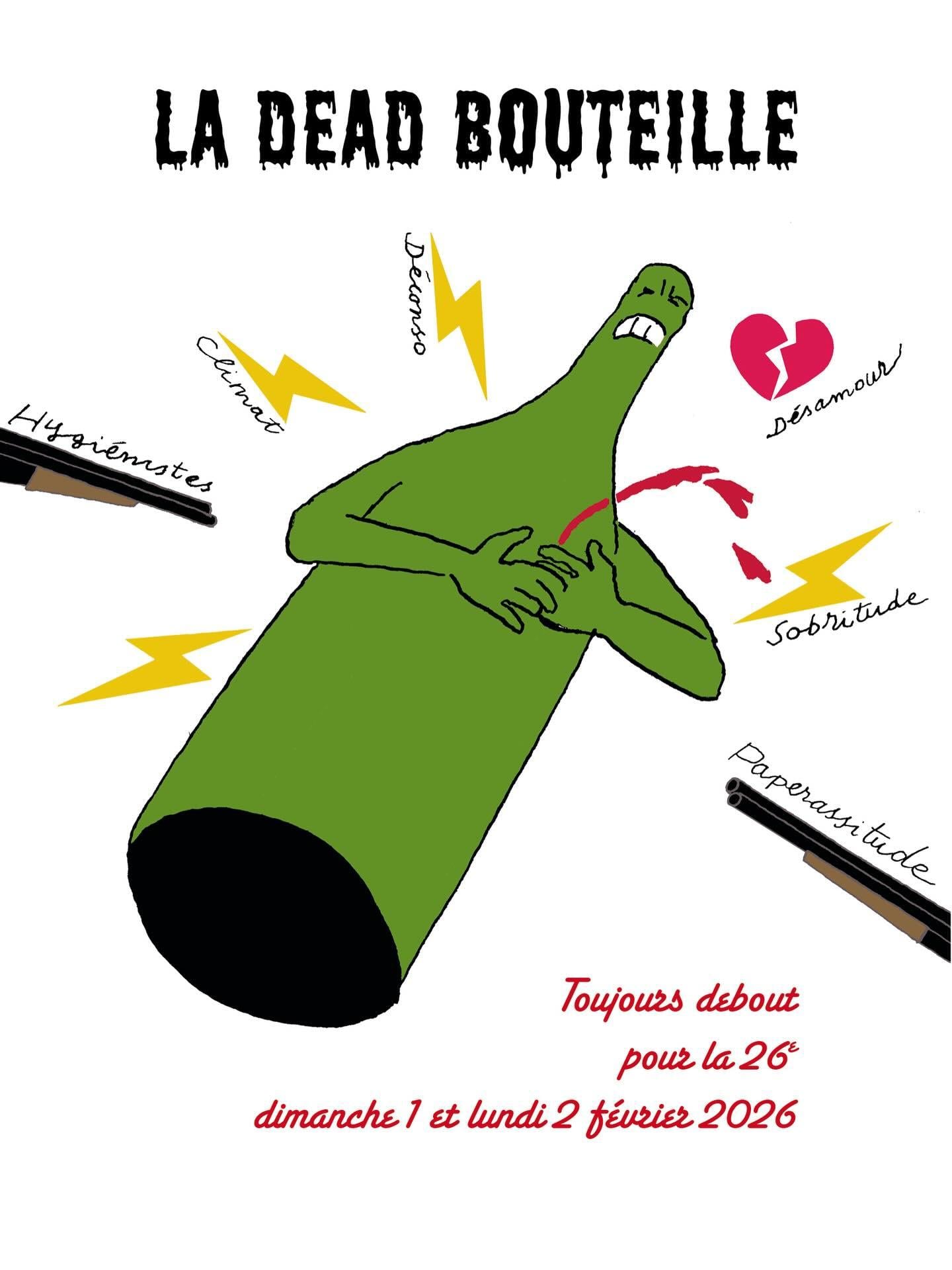
Sunday February 01 - Monday February 02
Saumur
6402 KM
Friday January 23
Bad HofgasteinAustria
7277 KM
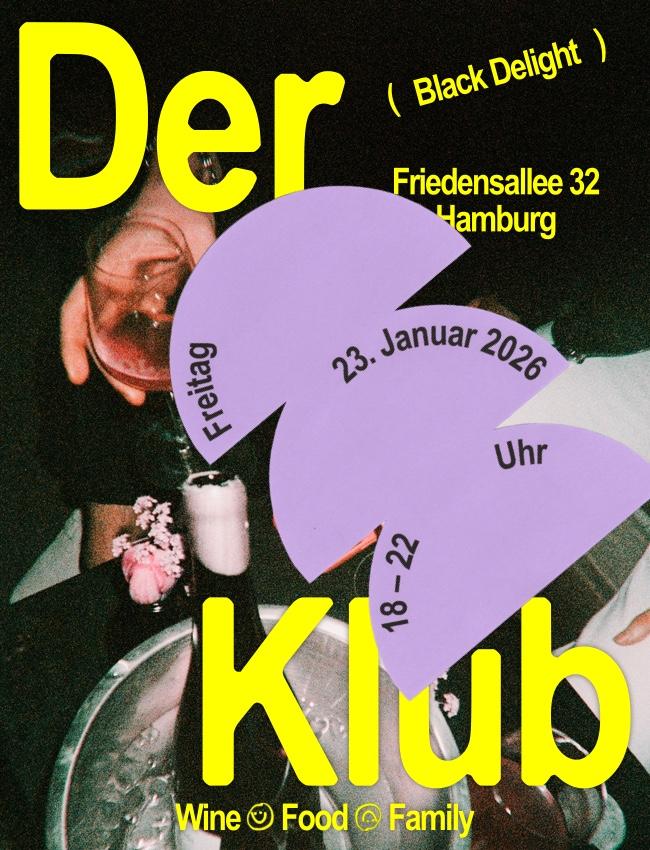
Friday January 23
HamburgGermany
6720 KM
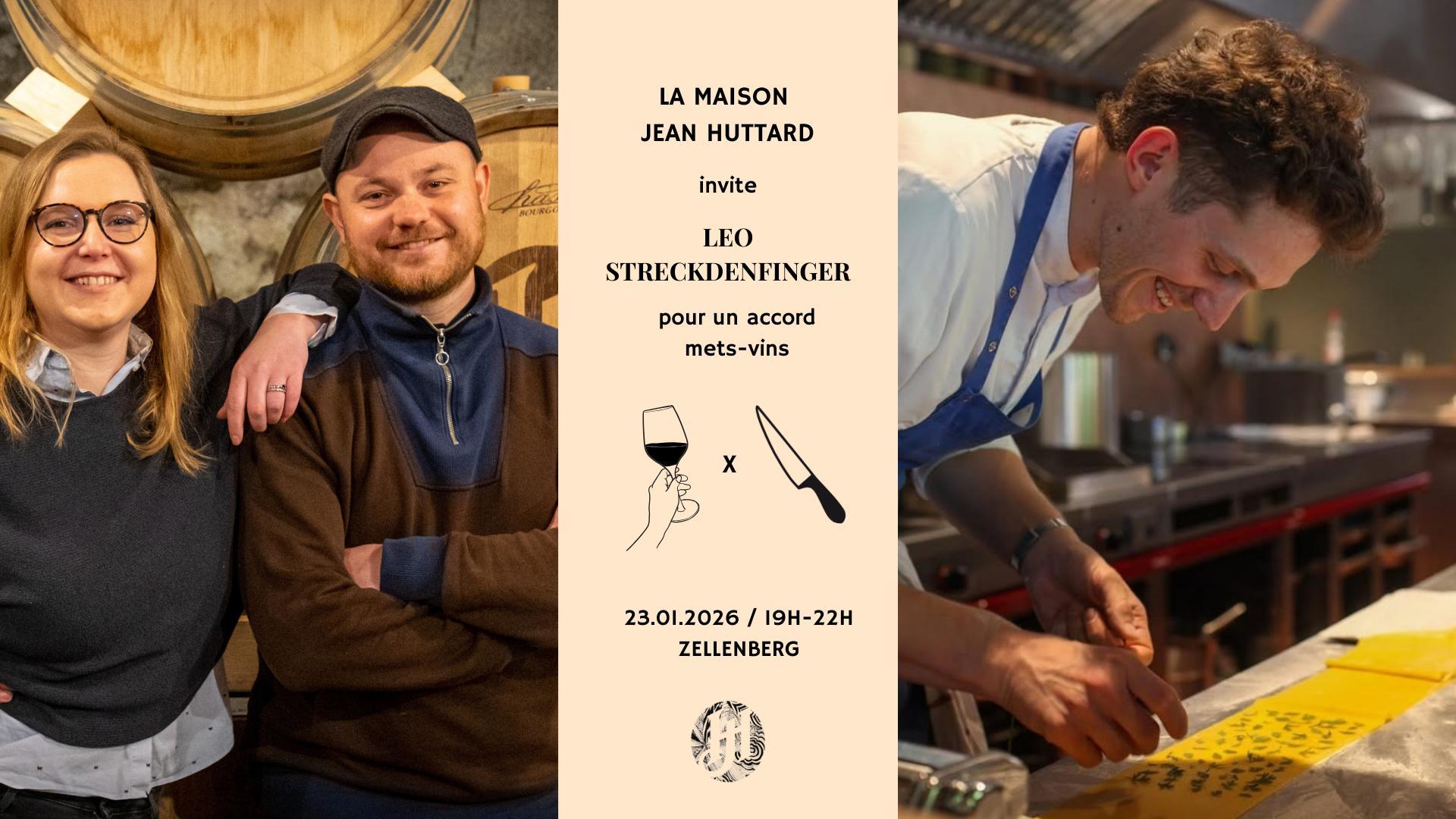
Friday January 23
Zellenberg
6849 KM

Saturday January 24 - Monday January 26
Montpellier
6868 KM

Saturday January 24
Ostrava
7421 KM
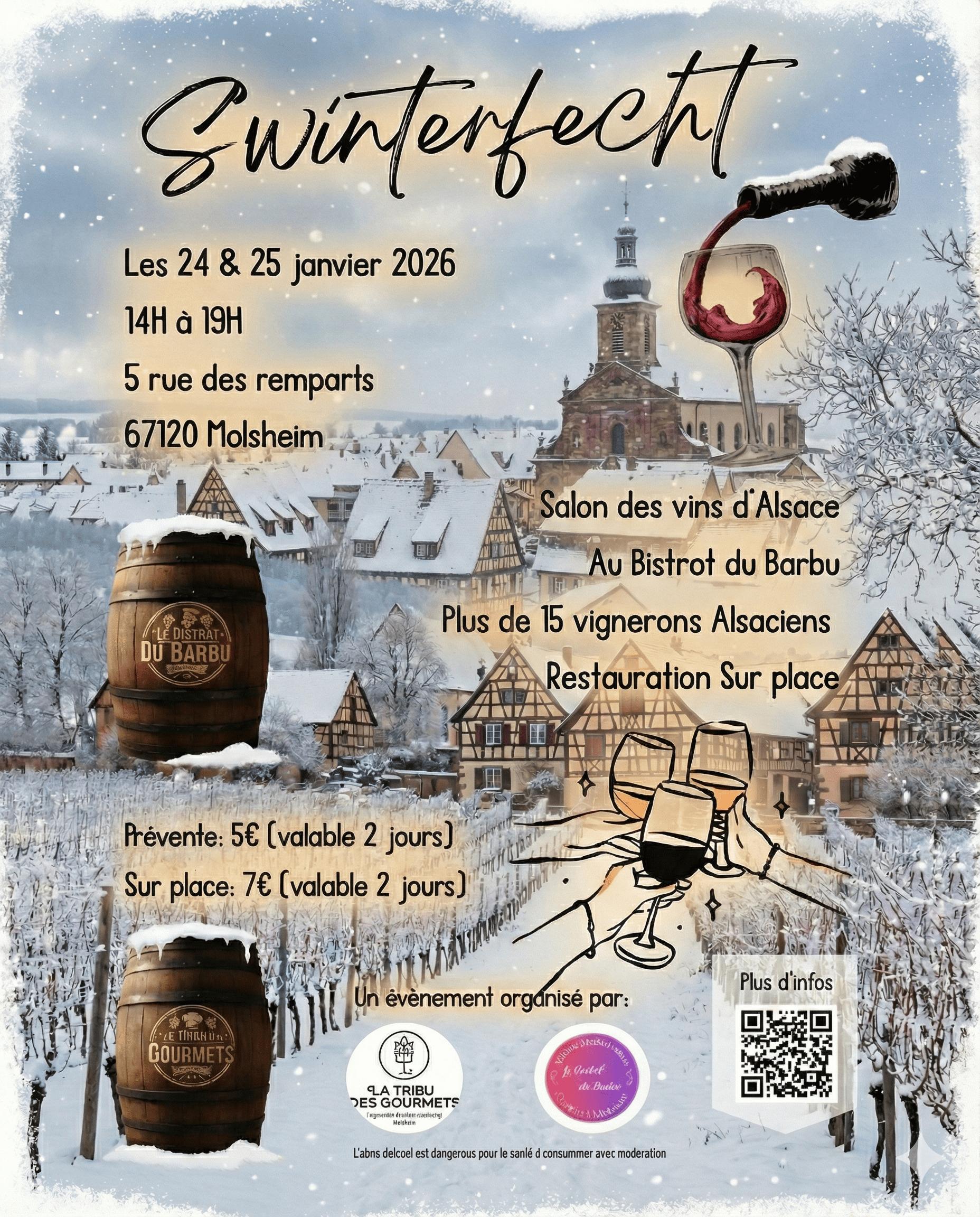
Saturday January 24 - Sunday January 25
Molsheim
6840 KM
Sunday January 25 - Monday January 26
domaine de verchant castelnau le lez, 34170
6869 KM
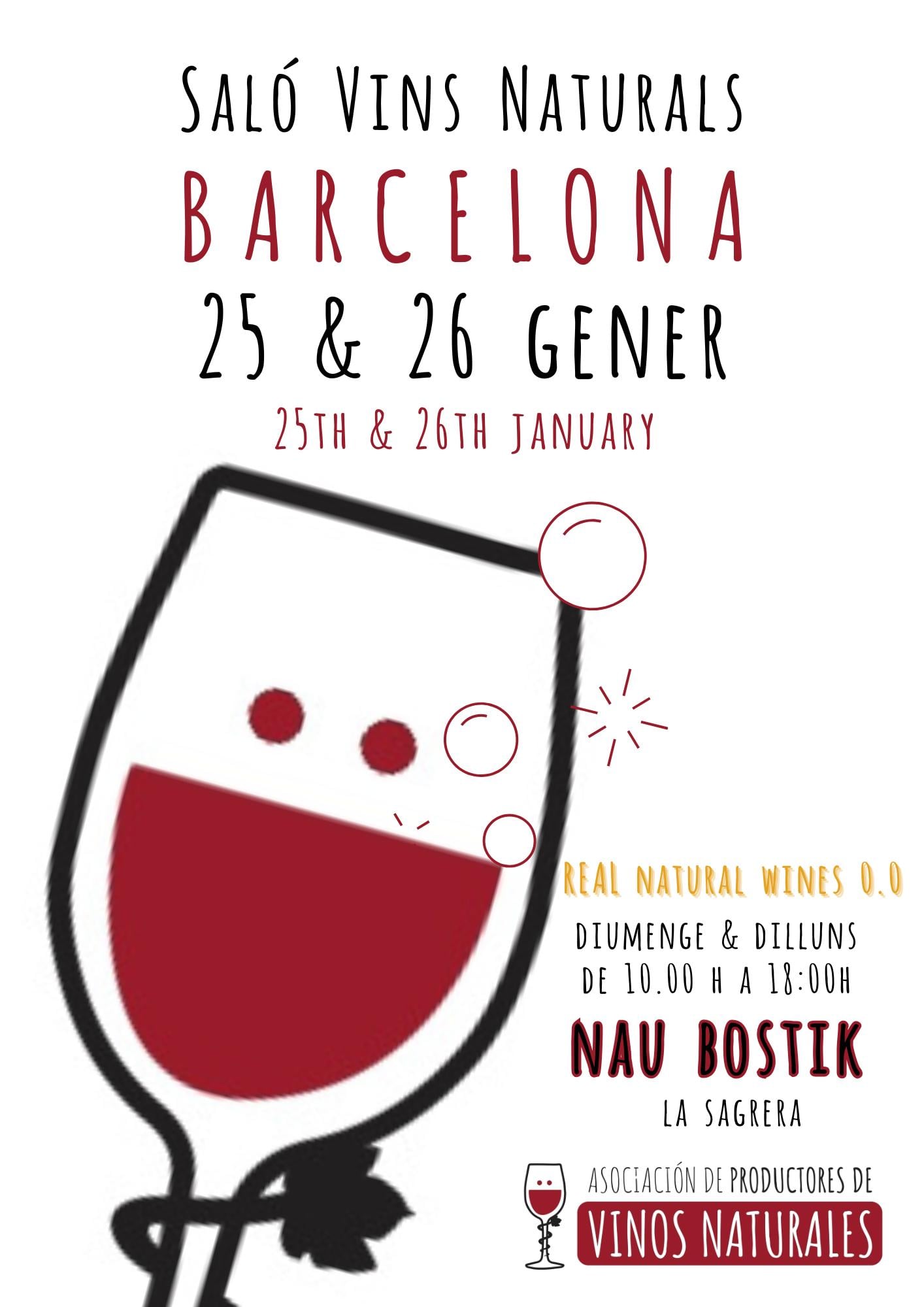
Sunday January 25 - Monday January 26
Barcelona
6868 KM
 Winemakers
 Restaurants
 Bars
Bars Wine Shops
 Accommodations
 Events