9 7 8750 KM
Creation of the Estate in 1947
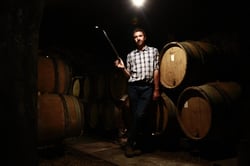
7.70 ha farm – 43 plots in the Marne Valley – 5 people (winemaker Fabrice + Bénédicte his wife and 3 employees)
Grape varieties: 65% Pinot Noir, 15% Chardonnay and
Average age of vines: 45 years
Organic Agriculture: not claimed
We have evolved with pragmatism and nuance while maintaining extreme attention to the vine.
• Reorganization of our 7.7 hectares of vines, replanting of some in mass selection and identification of 42 plots
• Adaptation of our cultivation practices based on soil analyses carried out regularly on our entire plot
• Implementation of organic farming with horse-drawn ploughing, farm compost, respect for the natural rhythms of the vine, limited yields.
• Strengthening this organic culture by the flagship principle of regenerative agriculture which consists of permanently maintaining diversified vegetation (plant cover) on our soils. This thus promotes their biodiversity, increases their organic matter content and their fertility while offering them better resistance to diseases, pests and climatic hazards.
• Practice of gentle “sap flow” pruning (avoiding pruning wounds)
• During the harvest: picking circuit carried out after analysis and tasting of the berries (phenolic and aromatic maturity); Then manual picking in small baskets (-15kg) by our family and historical team; refrigerated transport of the harvested berries. 50% of seasonal workers are local.
Thanks to this technical itinerary, we respect our Champagne ecosystem while remaining faithful to our ecological sensitivity.
We give the maximum to the vine because we want to limit our intervention in the cellar to a minimum.
Respecting the vine means accompanying it with precise and thoughtful gestures, whereas respecting the wine means letting it “almost” make itself.
• Old-fashioned pressing in our traditional press (Coquard 4,000kg) which produces 4 different types of juice vinified separately.
• Specific fractionation based on the duration and pressure of the berries, thus respecting their anatomy and structure.
• Gravity filling.
• Alcoholic and malolactic fermentation using indigenous yeasts:
- Identification of yeasts in the vineyard and in the cellar at each harvest in order to carry out the second fermentation with yeasts from the same vintage.
- At the same time, a yeast conservatory has been created for 5 years in an external laboratory (located in France), in order to study the link between the origin of grapes, yeasts and the effects of global warming.
• minimal use of sulfur during pressing.
• vinification and aging in 600-liter demi-muids and in traditional 228-liter barrels and in 75hl Foudres for the Reserve and the Solera (since 1996 to today)
• we seek to increase the aging phase before and after disgorging.
No white wines at the moment.
No red wines at the moment.
No rose wines at the moment.
No orange wines at the moment.
FIND THE EVENT YOU ATTEND
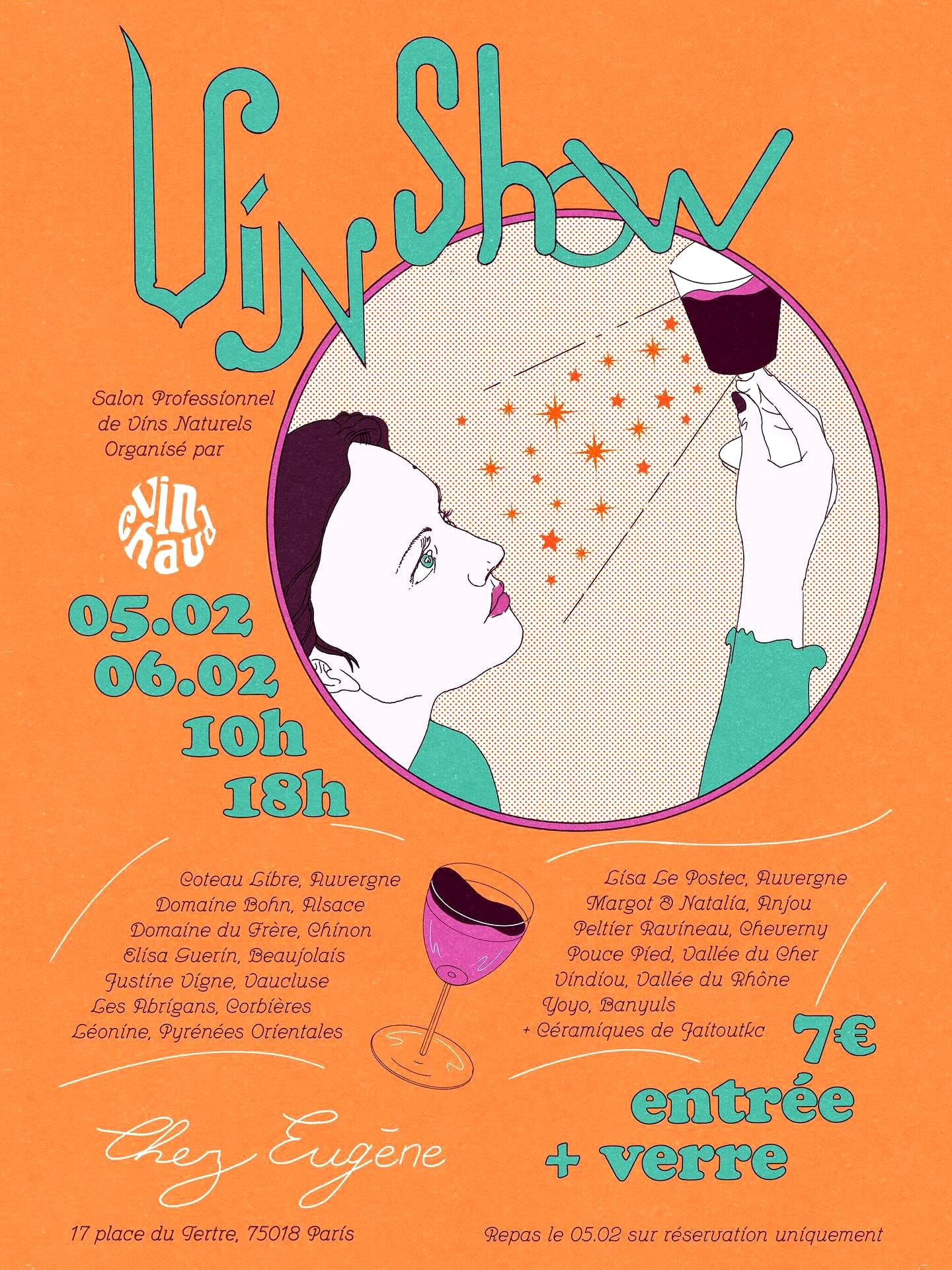
Thursday February 05 - Friday February 06
Paris
6487 KM
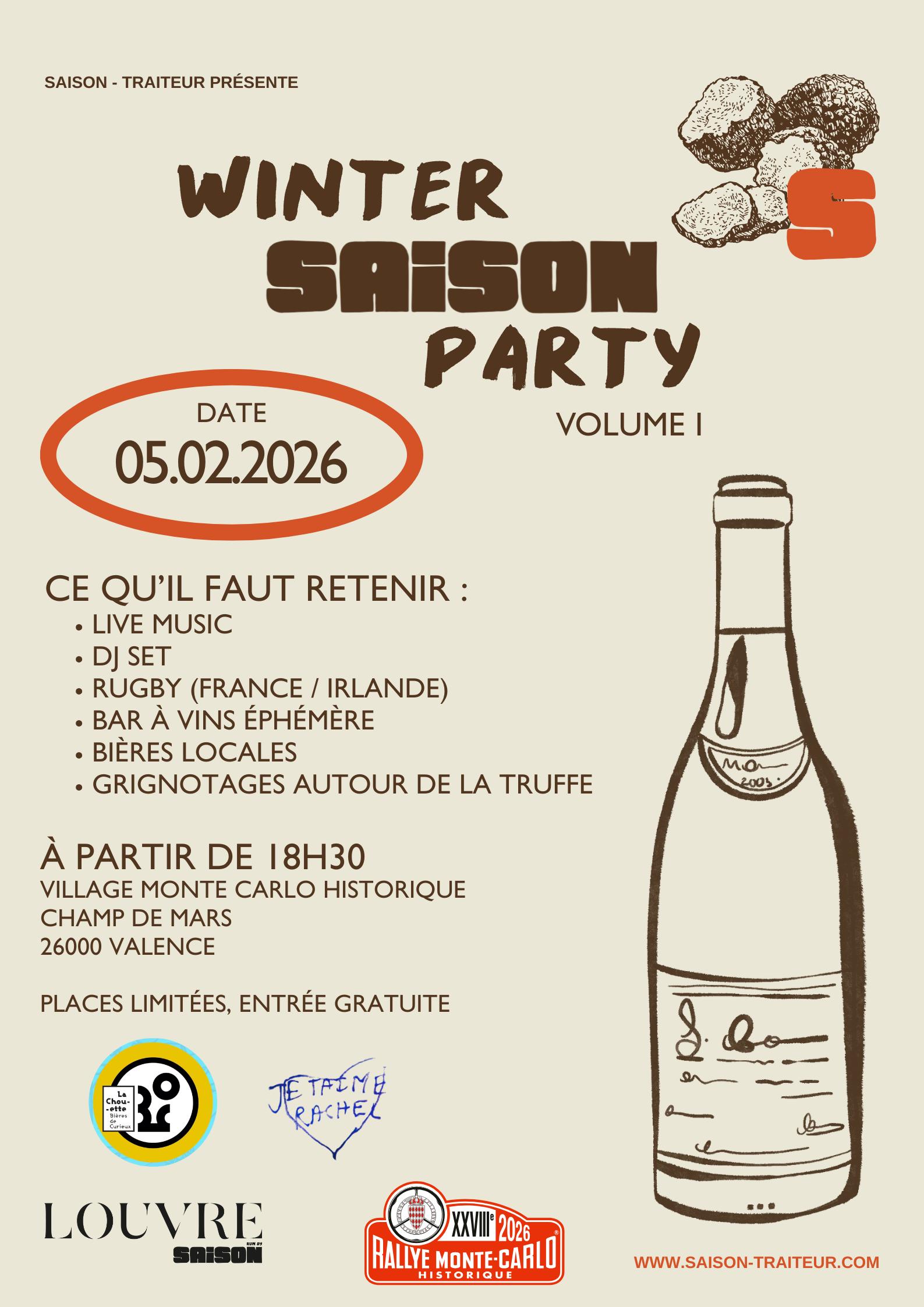
Thursday February 05
ValenceFrance
6864 KM

Thursday February 05
Weyerstraße 98, 50676 Köln
-

Saturday February 07
Glaine-Montaigut
6717 KM
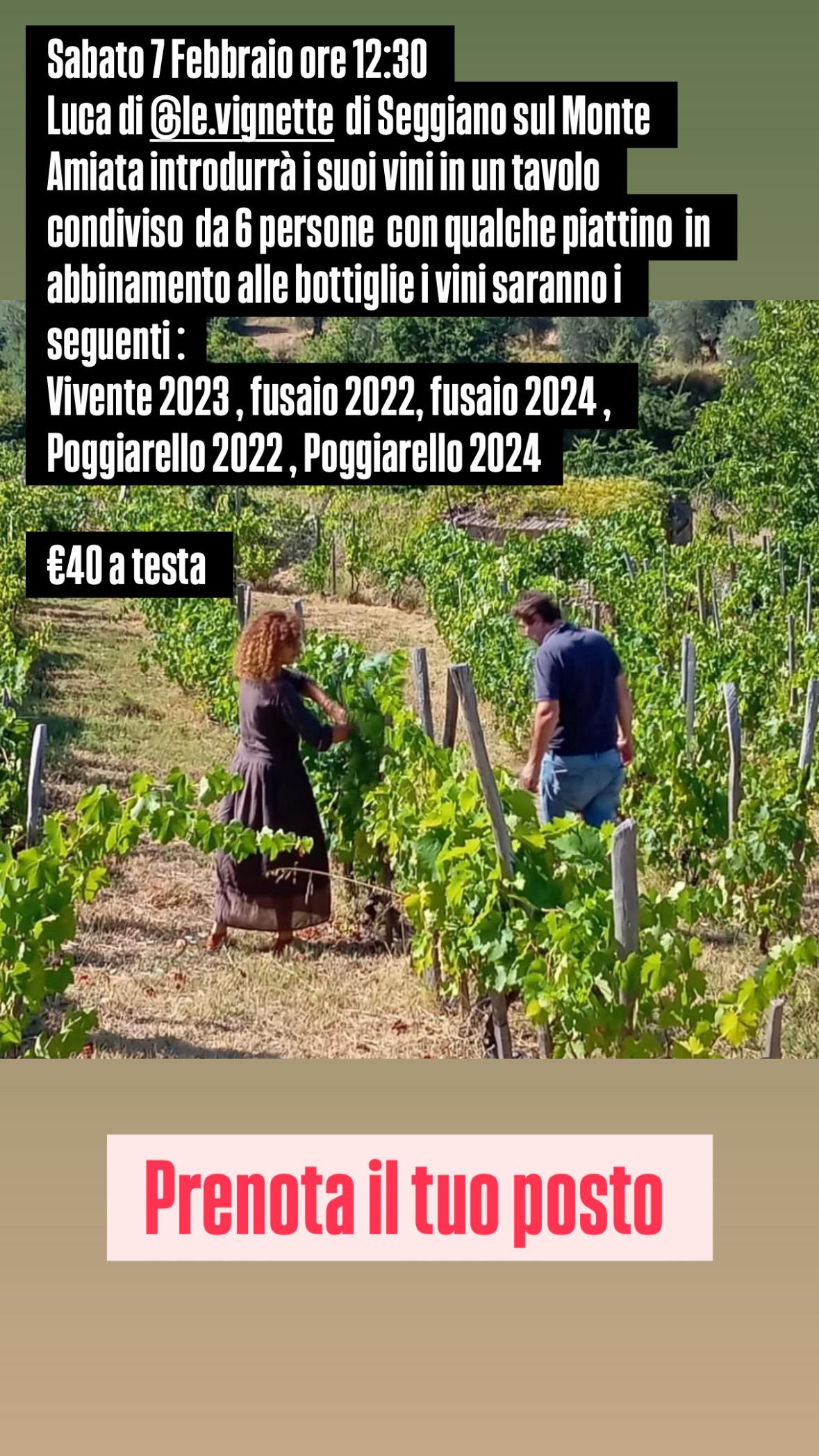
Saturday February 07
RovatoItaly
7172 KM
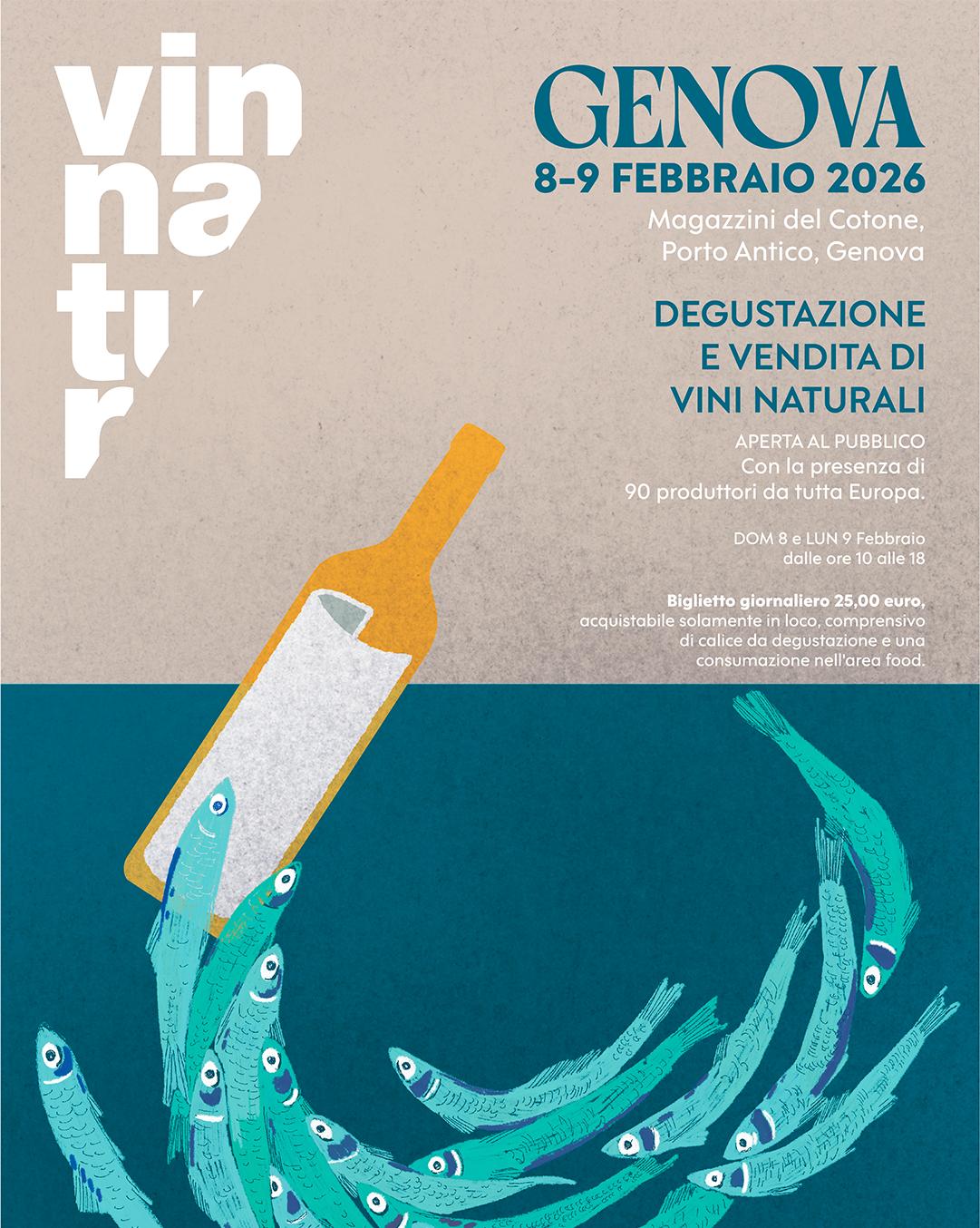
Sunday February 08 - Monday February 09
Genoa
7168 KM

Sunday February 08
Paris
6491 KM
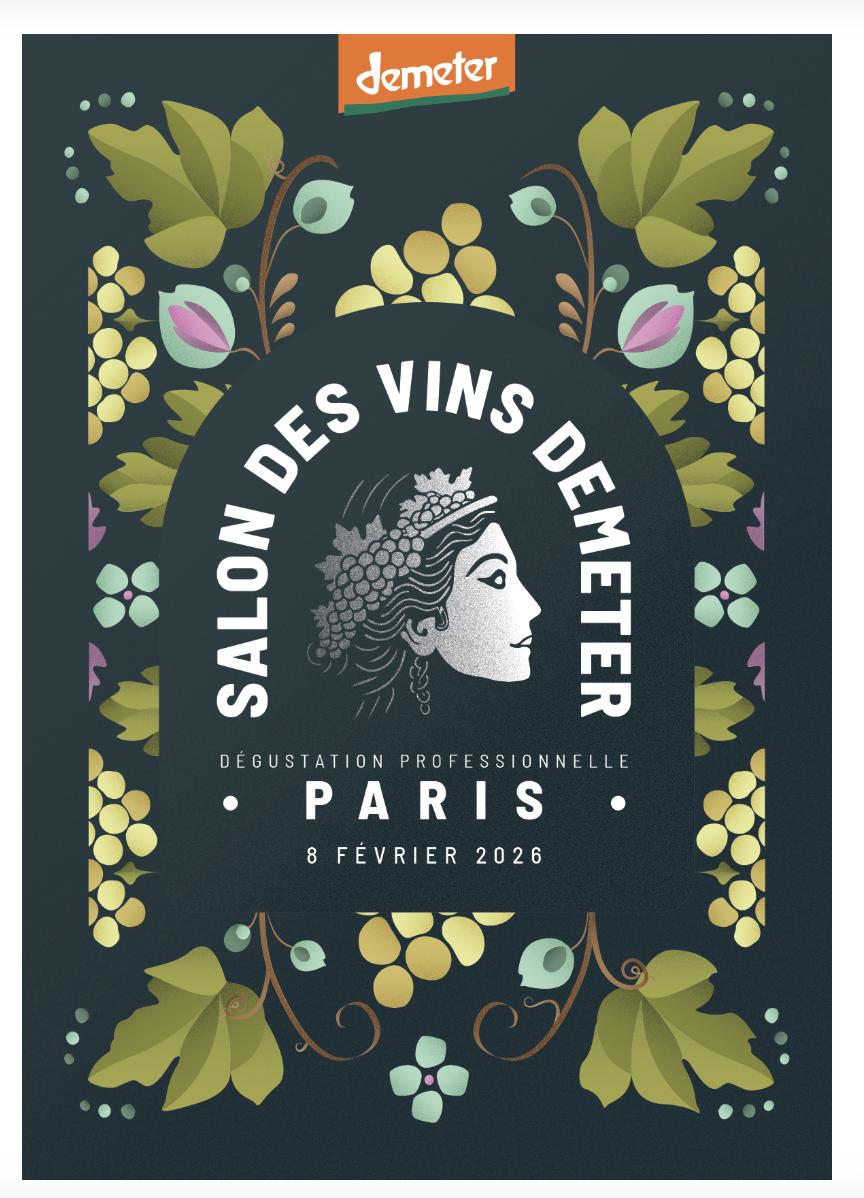
Sunday February 08
Paris
6486 KM
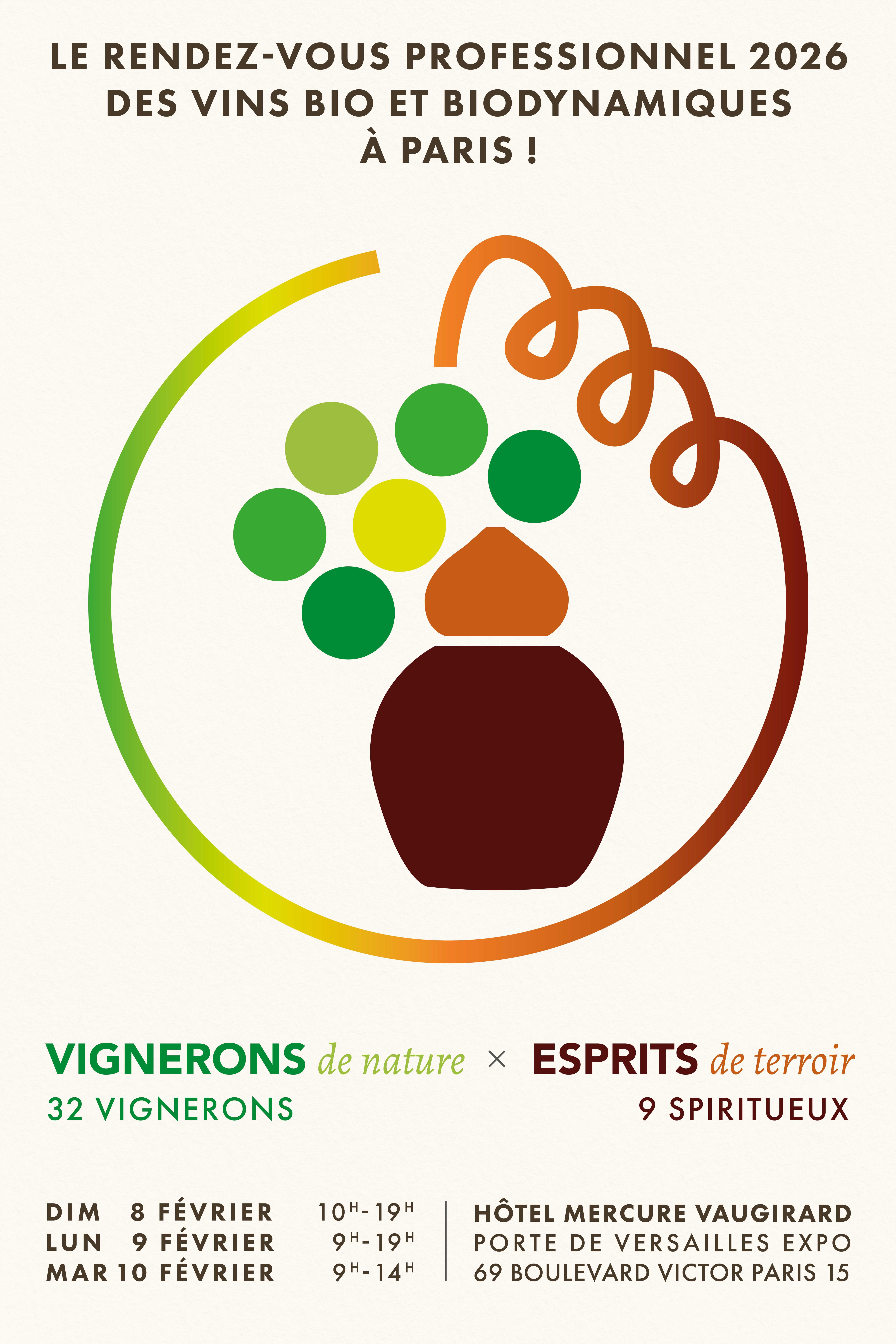
Sunday February 08 - Tuesday February 10
Paris
6487 KM

Sunday February 08
Paris
6491 KM


 Winemakers
 Restaurants
 Bars
Bars Wine Shops
 Accommodations
 Events