27 243 8475 KM
The microclimate is influenced by the Loire River and the forest massifs of Cheverny, Chambord, and Sologne. The vines are planted across three communes: Cormeray, Cheverny, and Cellettes. Three soil types are prevalent: silty-clay (Sologne sands), silty-clay-limestone, and gravel over faluns (ancient marine sedimentation), all resting on limestone bedrock. Each of these soils imparts distinct characteristics, hence the importance of blending the wines. Two appellations coexist: AOC Cour-Cheverny (made from the local Romorantin grape variety) and AOC Cheverny.
The vines range in age from 1 to 50 years, with approximately two-thirds over 15 years old. Planting density varies from 5,000 to 6,200 vines per hectare. Young, vigorous vines are grassed over. Elsewhere, the soils are plowed and cultivated. Lime and humus are the only amendments used. Since 1998, the vineyard has been certified organic (ECOCERT certified). In the vineyards, the avoidance of chemical inputs and mechanical soil cultivation aim to maintain living soils with a rich and diverse microbial flora and fauna. Hand-harvesting allows for rigorous sorting and ensures that only whole grapes arrive at the winery.
Thus, winemaking can be carried out without sulfur before fermentation. The work in the cellar aims to be a direct reflection of the work in the vineyards. Starting with excellent raw materials, it is simply a matter of monitoring the different stages of winemaking, without any technical artifice. Here too, minimal intervention is used: no added yeast, no enzymes, no chemical correction, but great vigilance and precise, regular analytical monitoring. Just a small amount of sulfur is added during blending and bottling (less than 50 mg/l in total). Filtration, never systematic, is always as gentle as possible.
We champion small-scale, artisanal, honest, and sincere winemaking. A wine should be an expression of its place of origin, a reflection of the year's weather conditions and, to some extent, of the winemaker who produced it, all while respecting the life of the soil and the environment. It should bring pleasure but, above all, ultimately be healthy, vibrant, and easy to drink… a natural wine.
FIND THE EVENT YOU ATTEND
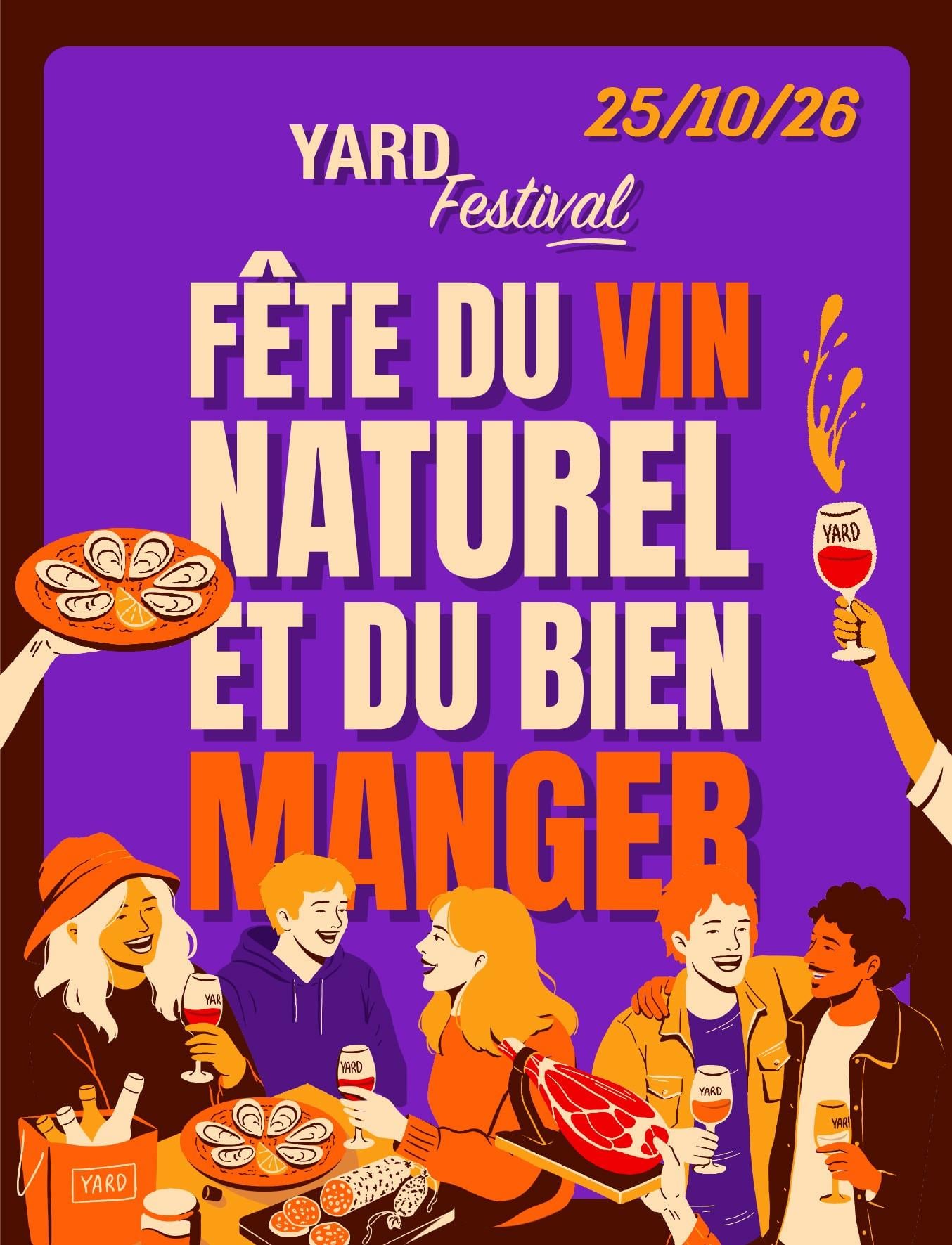
Sunday October 25
Paris
6492 KM
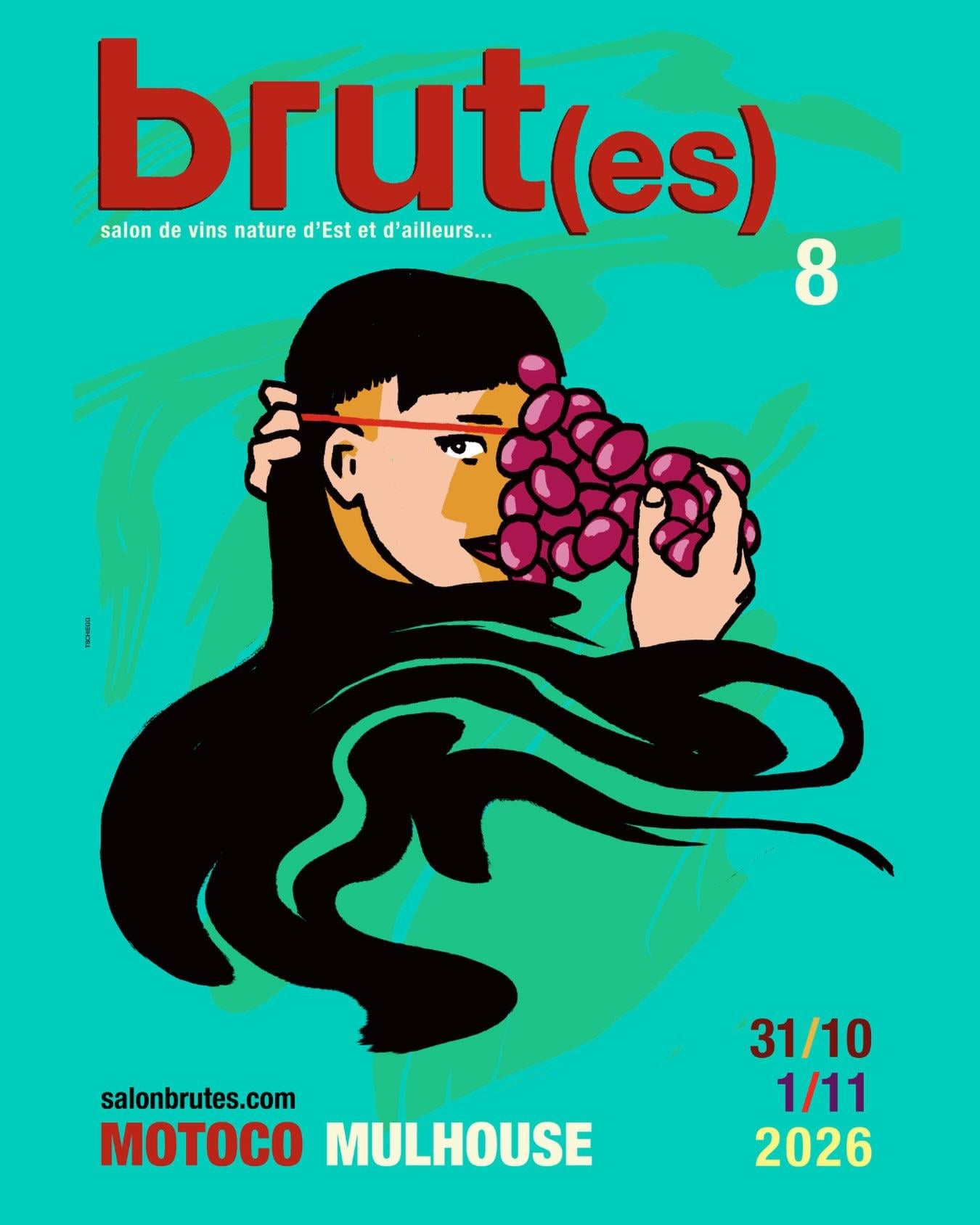
Saturday October 31 - Sunday November 01
Mulhouse
6872 KM
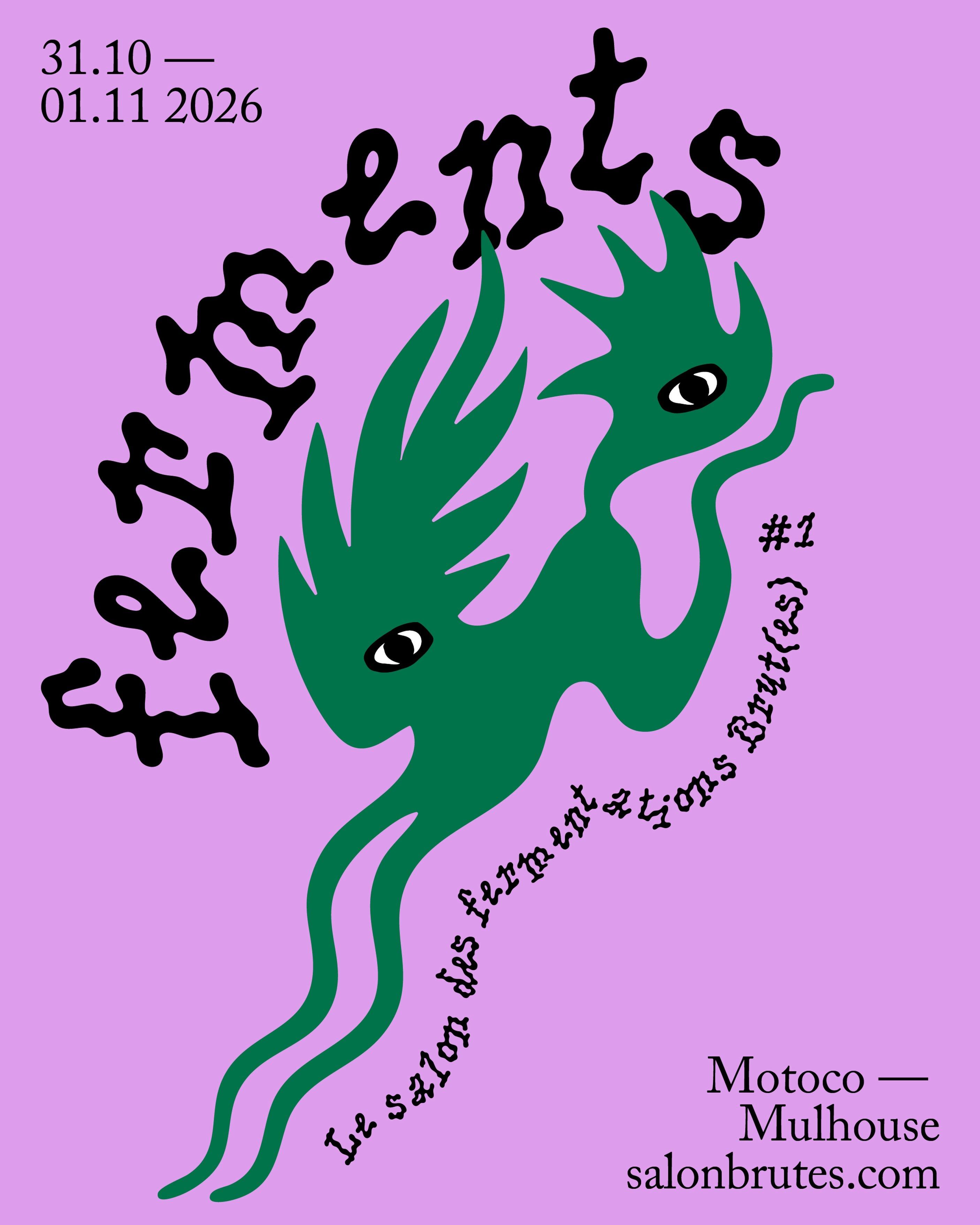
Saturday October 31 - Sunday November 01
Mulhouse
6872 KM

Monday November 02
Lille
6450 KM

Sunday November 08 - Monday November 09
Turin
7047 KM
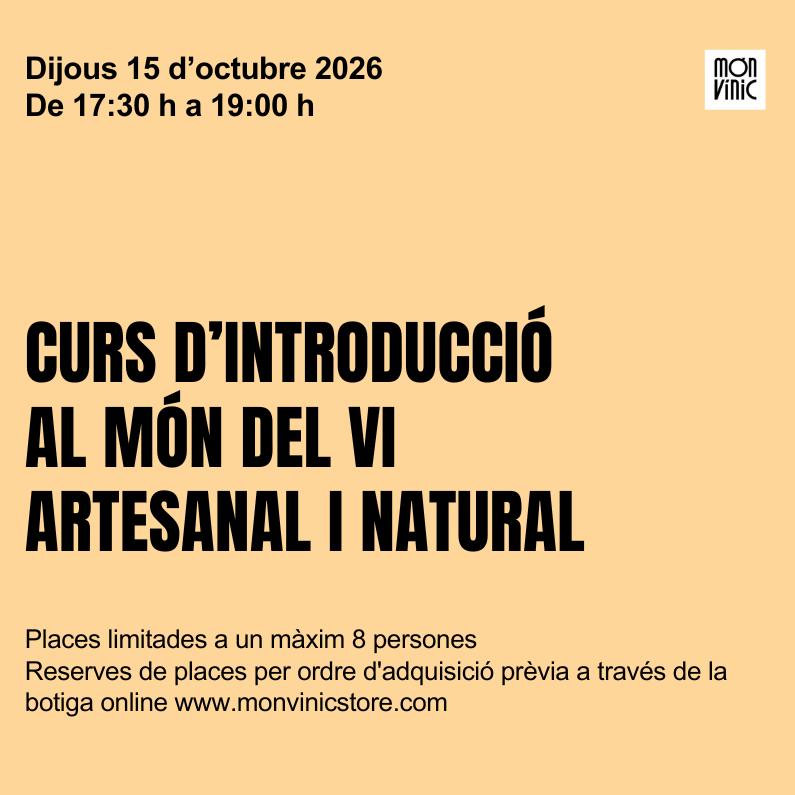
Thursday October 15
BarcelonaSpain
6868 KM
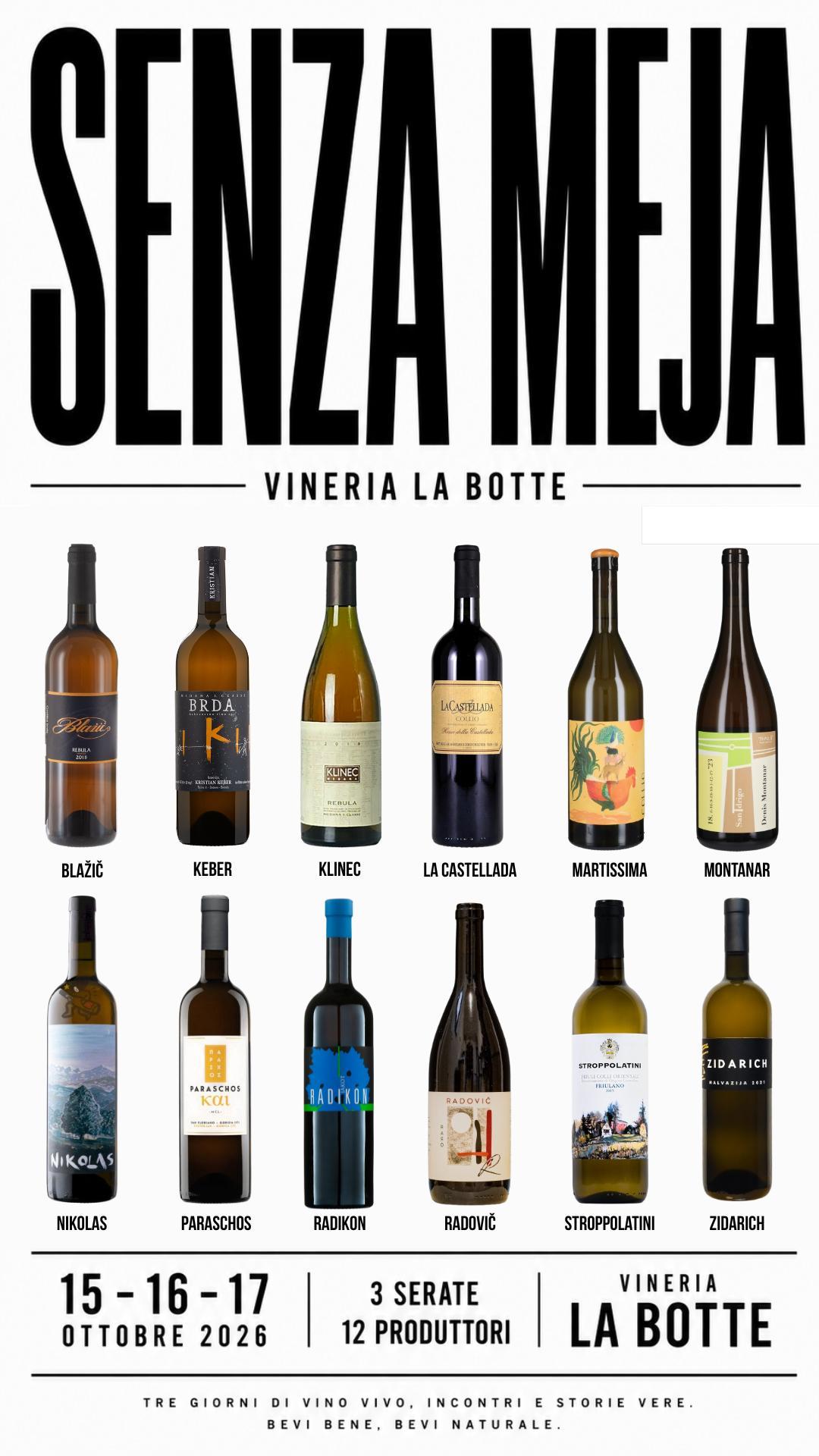
Thursday October 15 - Saturday October 17
Udine
7353 KM
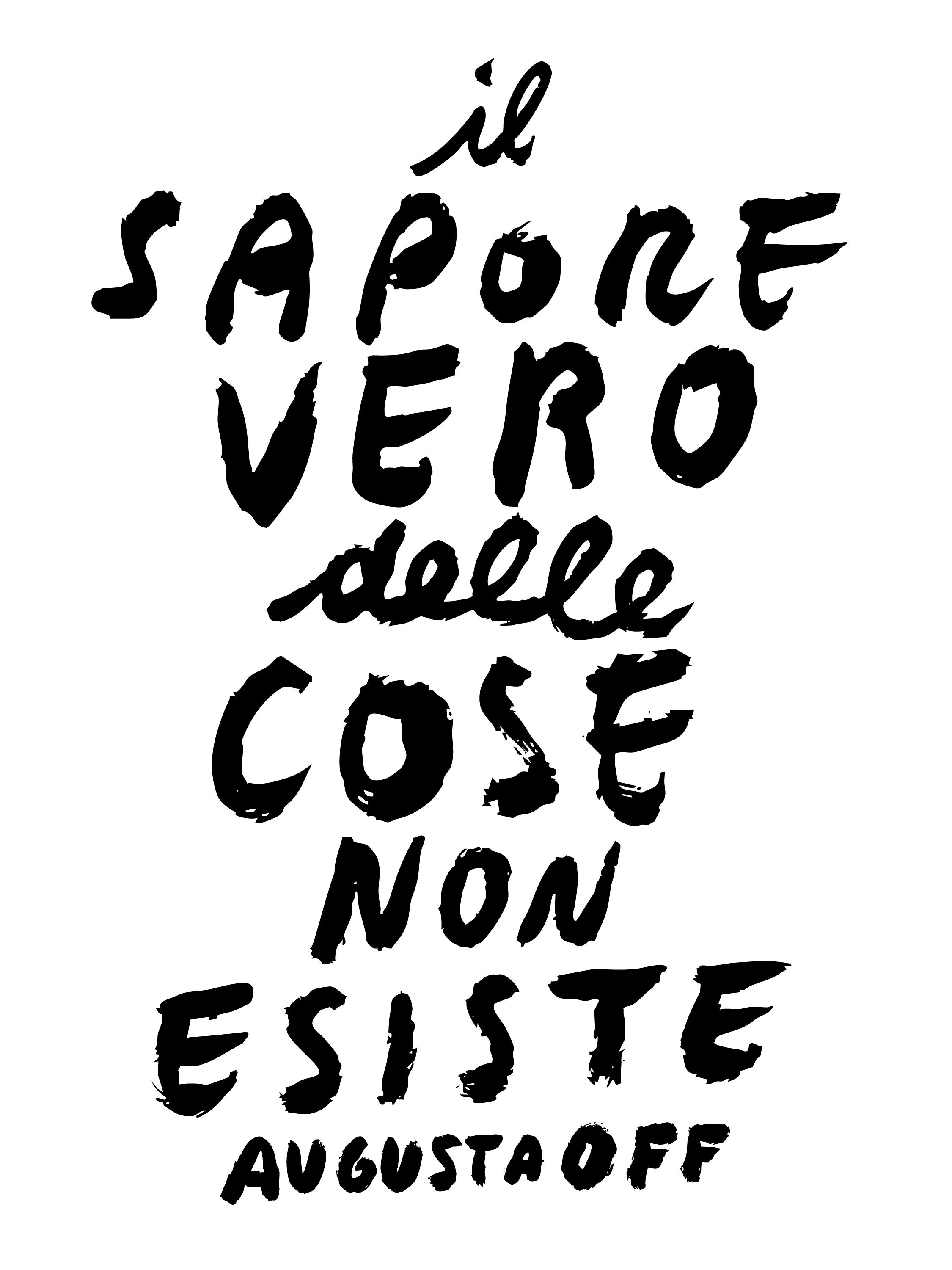
Thursday October 15 - Friday October 23
Turin
7047 KM
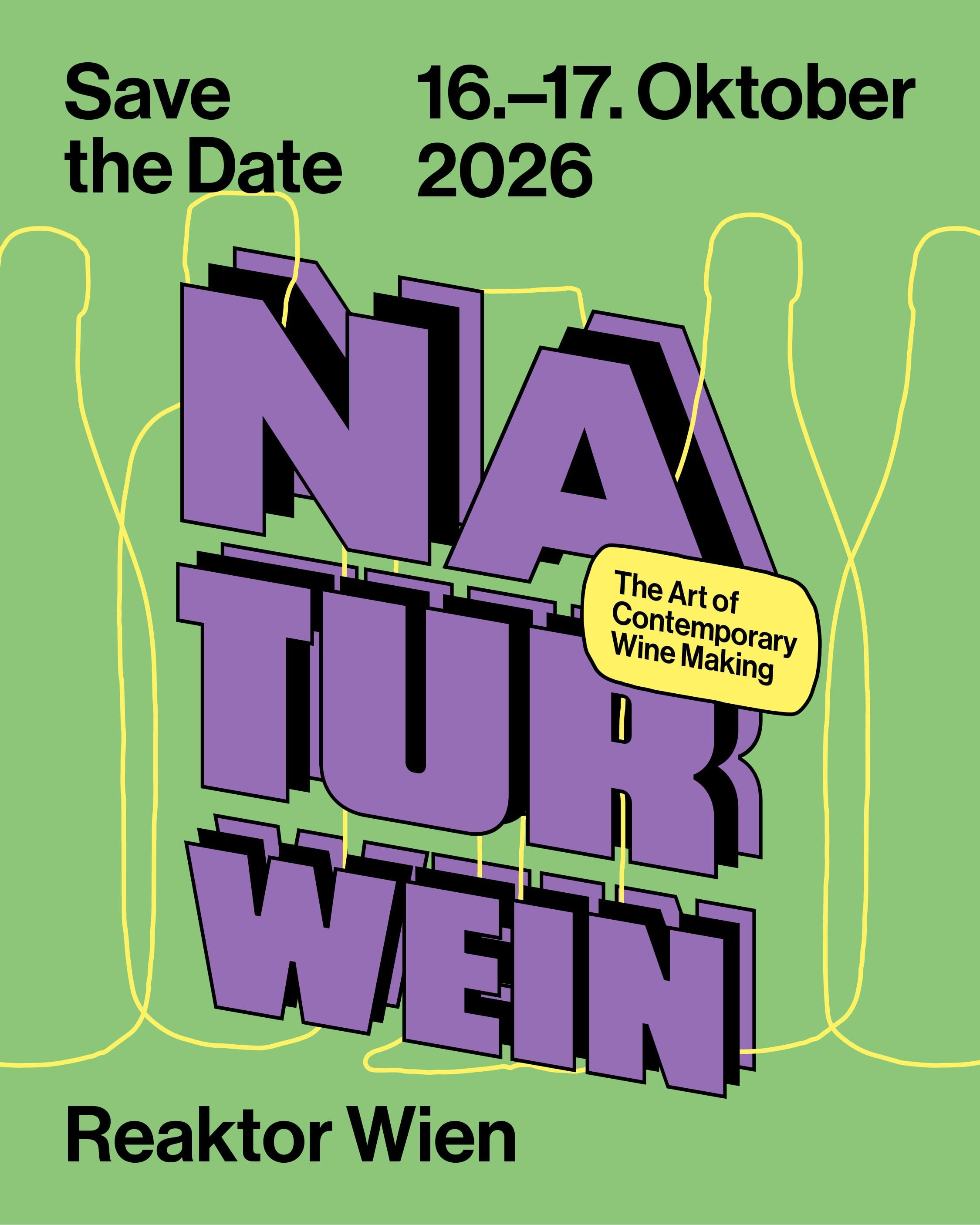
Friday October 16 - Saturday October 17
Vienna
7413 KM
Friday October 16
The HagueNetherlands
6456 KM


 Winemakers
 Restaurants
 Bars
Bars Wine Shops
 Accommodations
 Events