13 15 8638 KM
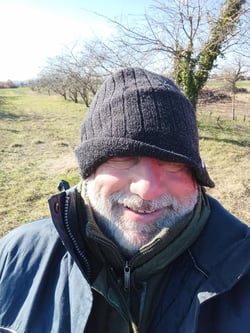
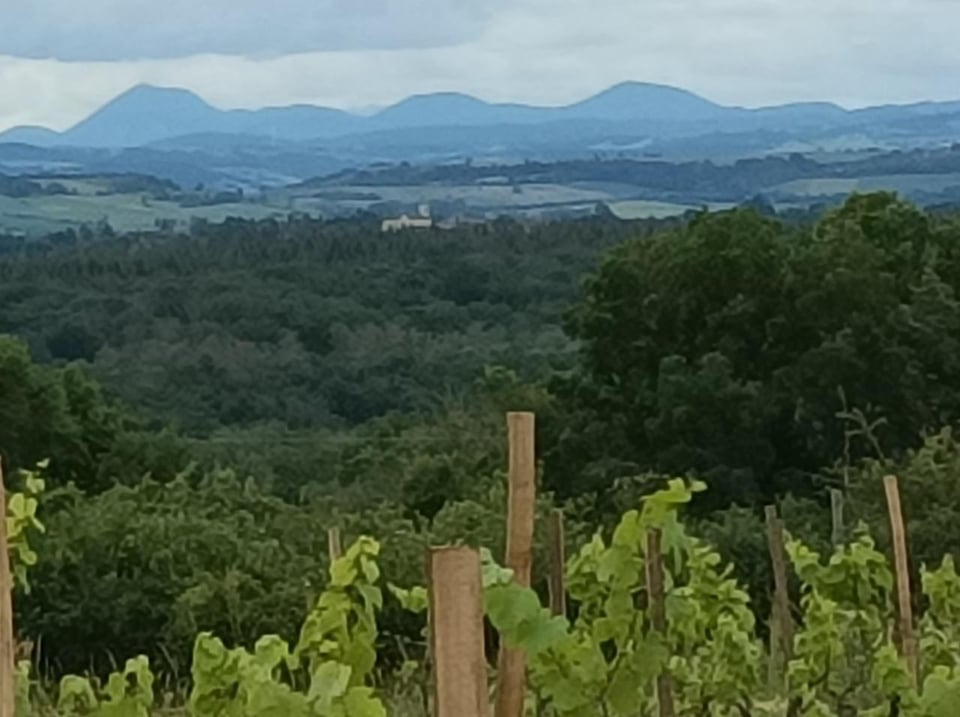
I am based in the Allier region, south of the Saint-Pourçain AOC, but I have chosen not to adhere to their specifications. Consequently, I am classified as "Vin de France." I do not practice monoculture; my vines are oases of biodiversity in a rather harsh environment dedicated to cereal crops.
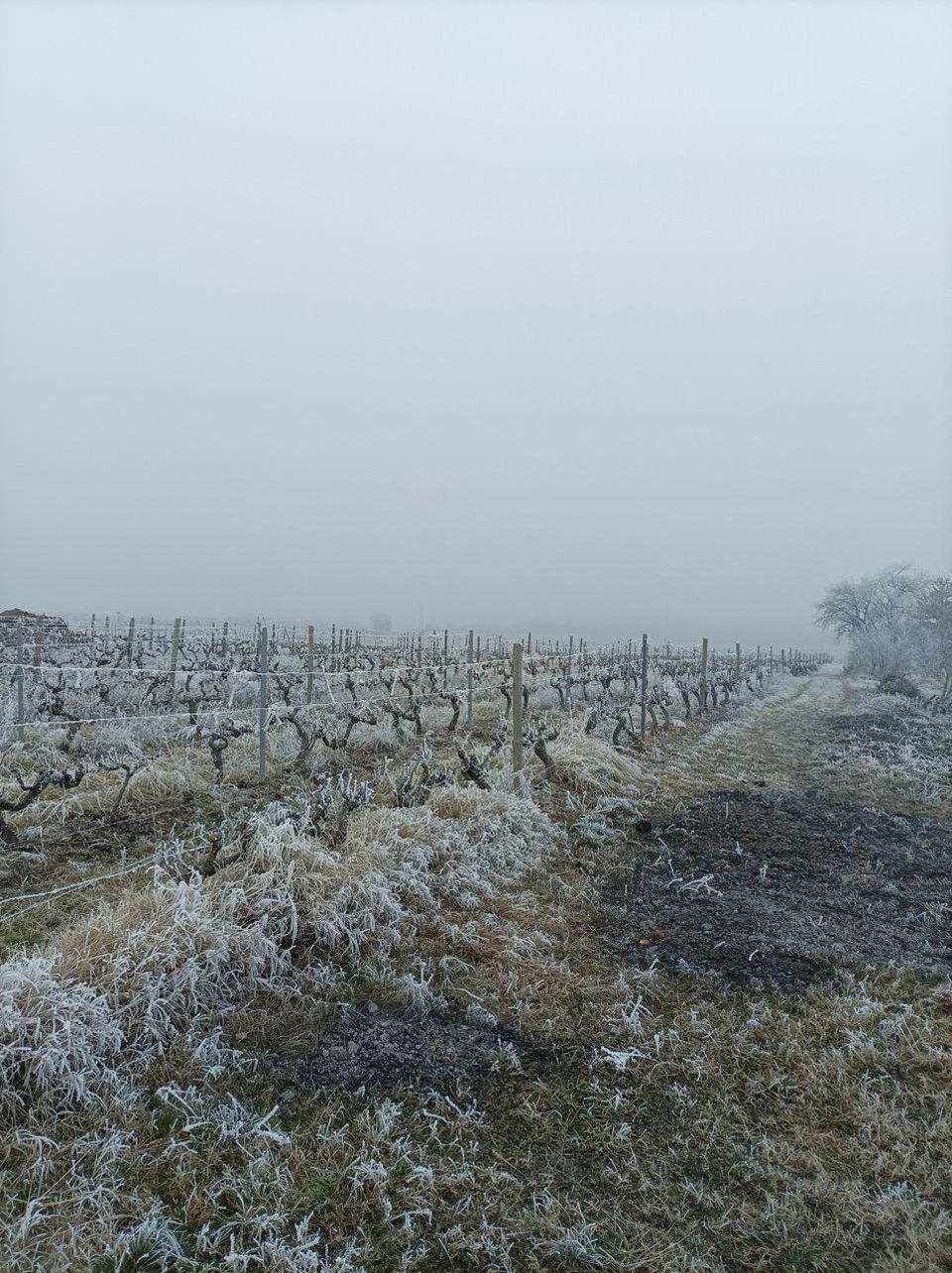
I'm a small winemaker with 4 hectares, 2.5 in production and 1.5 planted. It's a string of small plots, formerly belonging to private individuals in several villages around my farm. I took them all over when they were overgrown. Generations of local families have worked these lands, each with its own story… The vines are mostly Gamay and hybrid varieties. They date from 1870 for the oldest to 1946 for the youngest. Most of the vines are ungrafted!
My largest plot is 2 hectares. The vines are Chardonnay from 1998 on half a hectare, and Gamay and Plantet or Seibel 5455 from around 1920 to complete the selection. I am propagating old grape varieties from my region, and I have given myself four years to fully complete this process. These varieties are Romorantin, Tressallier, and Saint Pierre Doré.
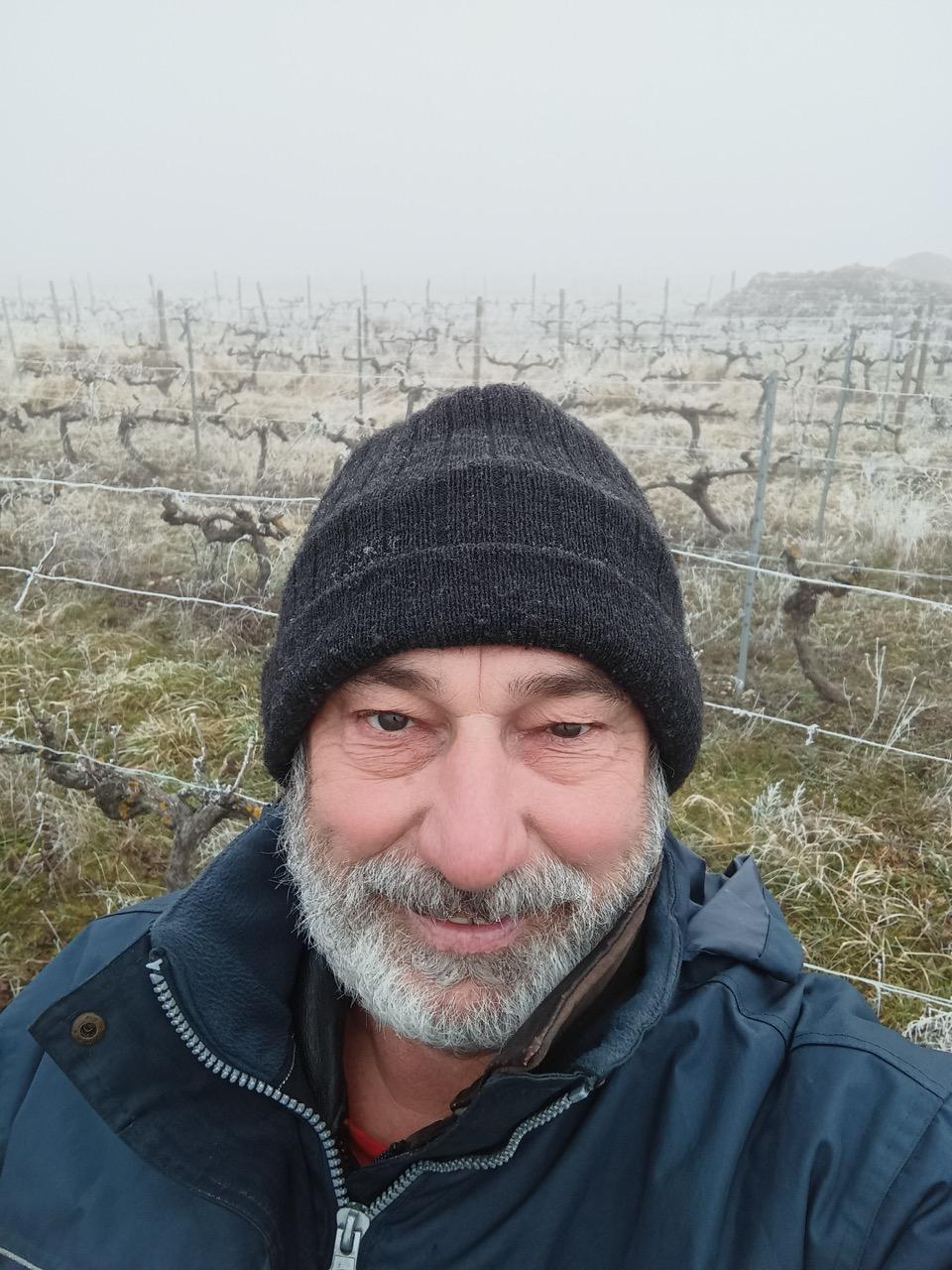
I work alone and biodynamically, but I'm also open to all other practices that respect living organisms. Biodynamics isn't a dogma for me. I also enjoy creating, experimenting, daring, studying, and evaluating my practices.
Due to the state of neglect of all these plots, they were certified organic (AB) in their first year of cultivation. I practice Guyot pruning, which was a real challenge, cutting back vines that were 5 to 8 years old to start afresh. Miraculously, I lost almost none! It must be said that I did a lot of work to heal the wounds and dedicated time to strengthening their immune systems. I also plant fruit trees every year and maintain the many that already populate my vineyards. I supplement this with heritage vegetables, primarily.
In the vineyard, I use biodynamic preparations, animal compost, and mineral and plant decoctions to revitalize it and promote its health. I use a little sulfur and very little copper sulfate, especially on very young vines. In 2023, I was severely affected by a major downy mildew attack. However, I didn't push my luck!
I don't prune my vines. Otherwise, my soils are grassed over, and mowed by hand if it's rainy to prevent excessive moisture from stagnating under the leaves. On very stony soils, I lightly rake the surface to prevent the stones from compacting, especially in spring. I have three different terroirs: clay-limestone, stony, or highly fertile.
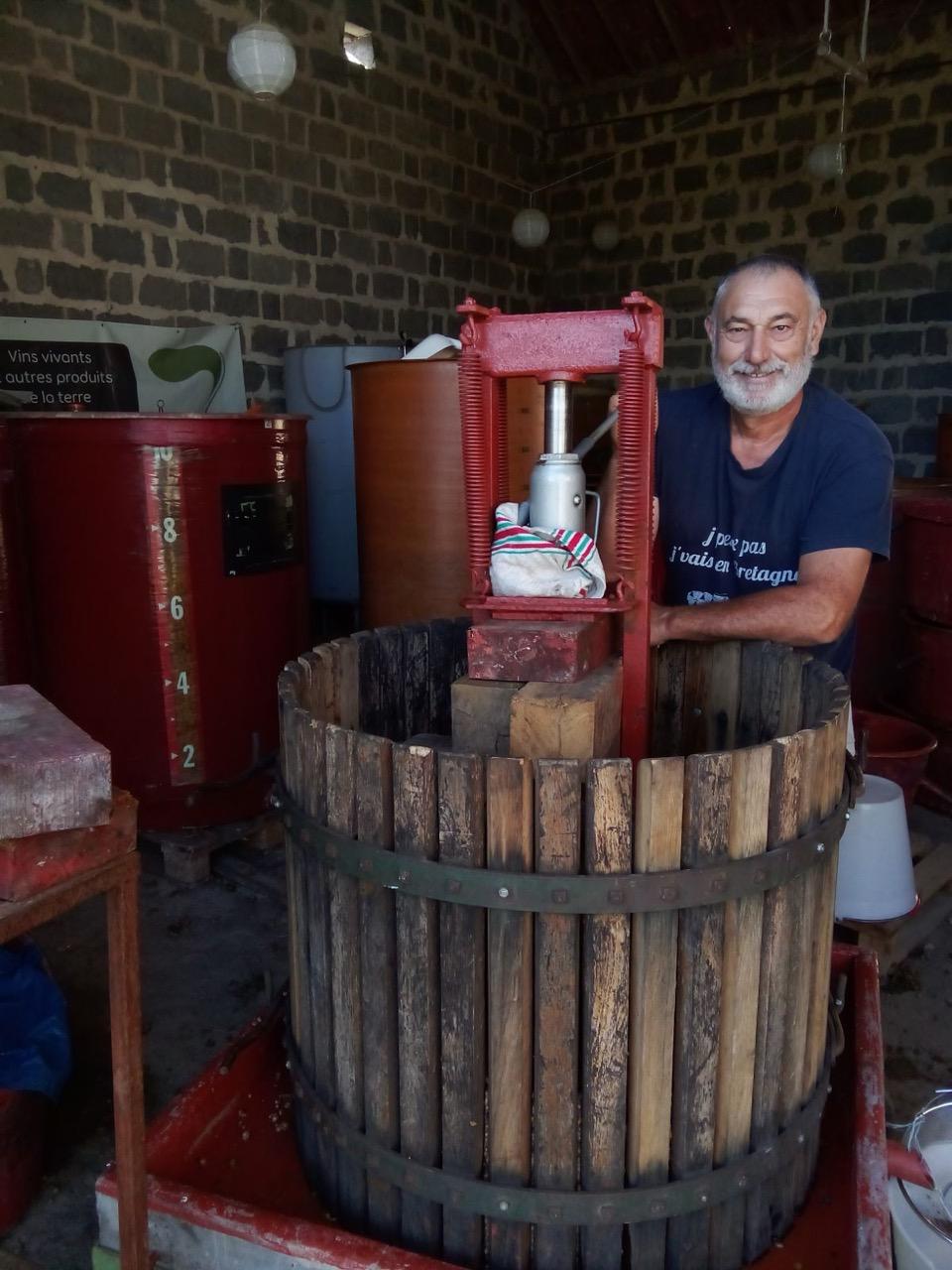
The harvest is naturally done by hand. Sorting is crucial, and the harvest is costly and time-consuming. The grapes are picked using small, ventilated crates holding no more than 10 kilos. This work takes place only in the morning. Upon returning, the white and red grapes are stored in the same way, whole bunches in vats with a movable ceiling and a maximum capacity of 10 hectoliters.
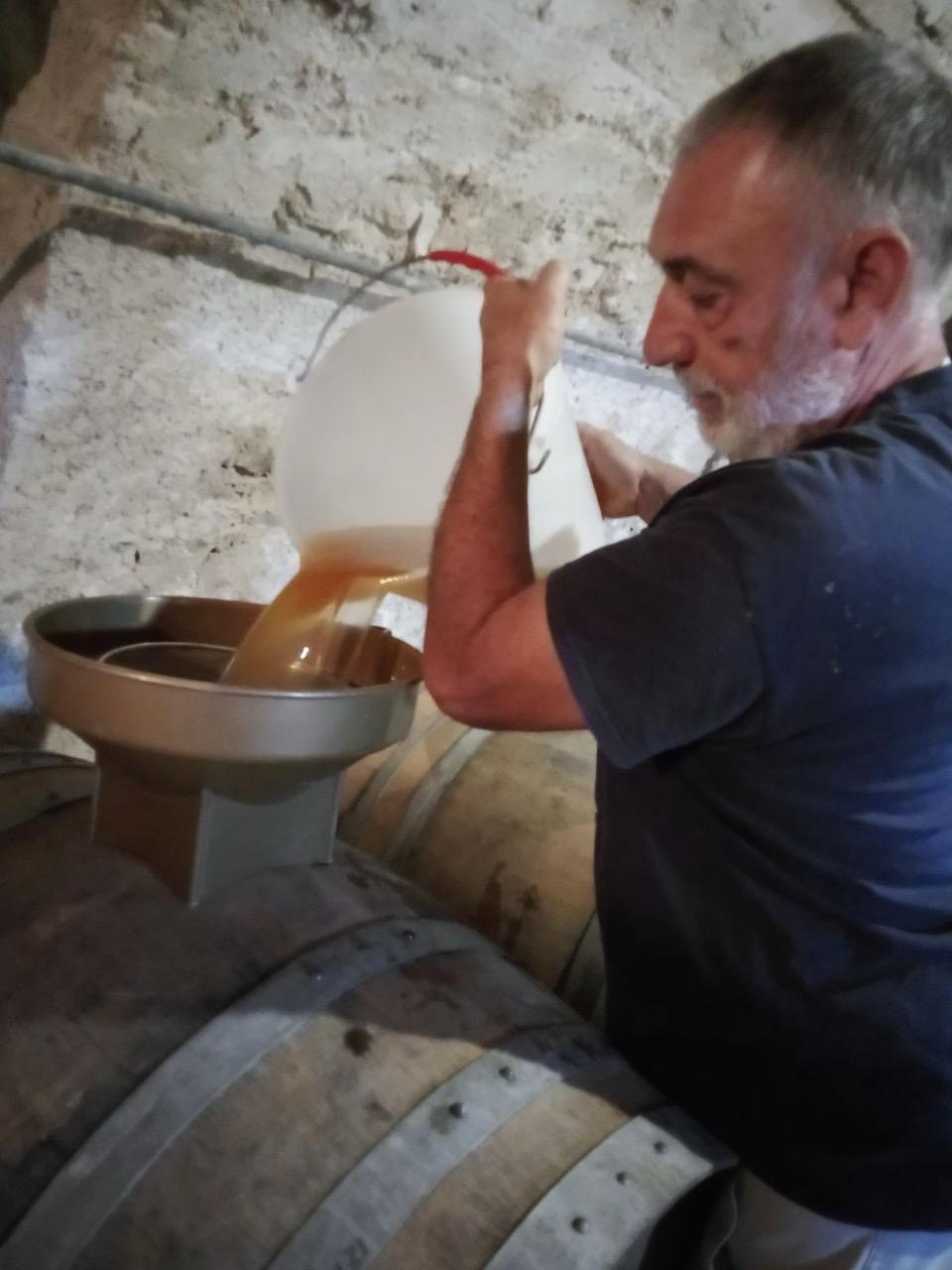
The maceration process lasts approximately 40 days. In fact, I wait until mid-October to work with my grapes, so the temperatures are lower and the moon is waning. I apply a light press as the juice leaves the vats. I don't use any pumps at any point; I transfer the juice to the barrels using buckets. There's no question of disturbing the juice!
I use no additives, not even SO2... For me, it's inconceivable; a natural wine, by definition, must remain natural! My wines spend six months in oak barrels on their lees, and are regularly stirred during the waning moon to bring out additional aromas. Bottling is done manually without filtration. I pride myself on 100% handmade wines!
These are the kind of wines I like: light and fruity!
No rose wines at the moment.
No sparkling wines at the moment.
FIND THE EVENT YOU ATTEND
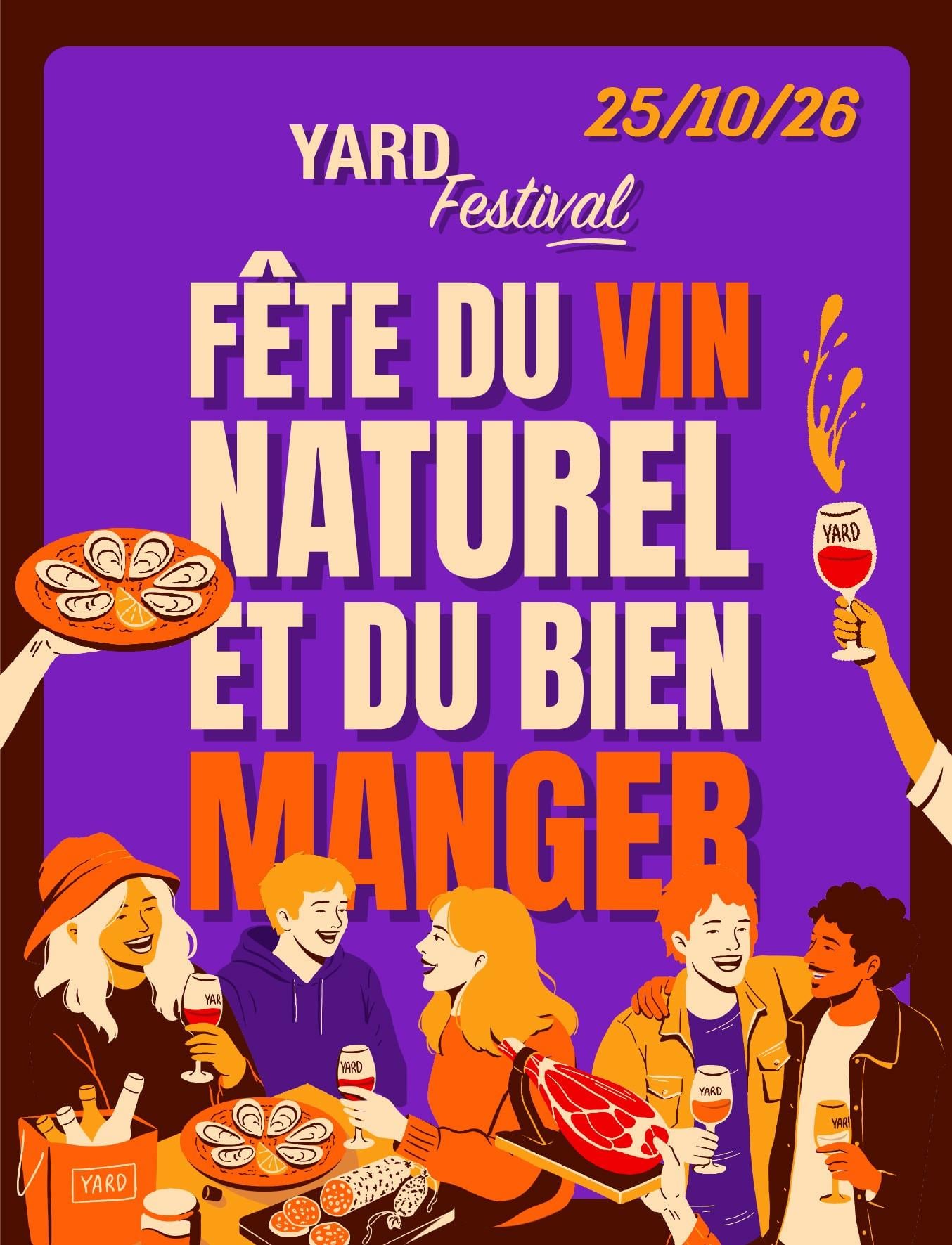
Sunday October 25
Paris
6492 KM

Saturday October 31 - Sunday November 01
Mulhouse
6872 KM

Saturday October 31 - Sunday November 01
Mulhouse
6872 KM

Sunday November 08 - Monday November 09
Turin
7047 KM
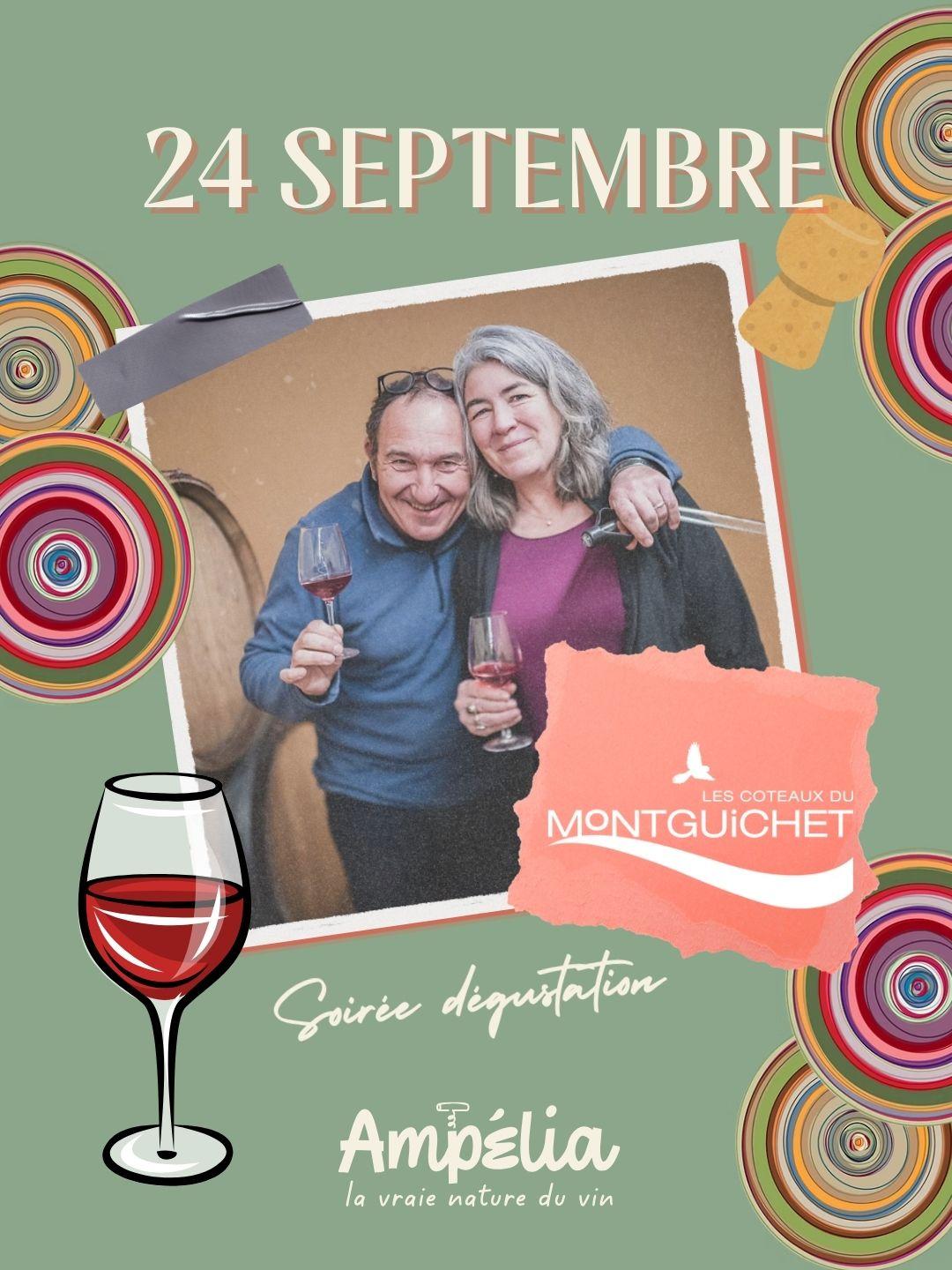
Thursday September 24
ParisFrance
6491 KM
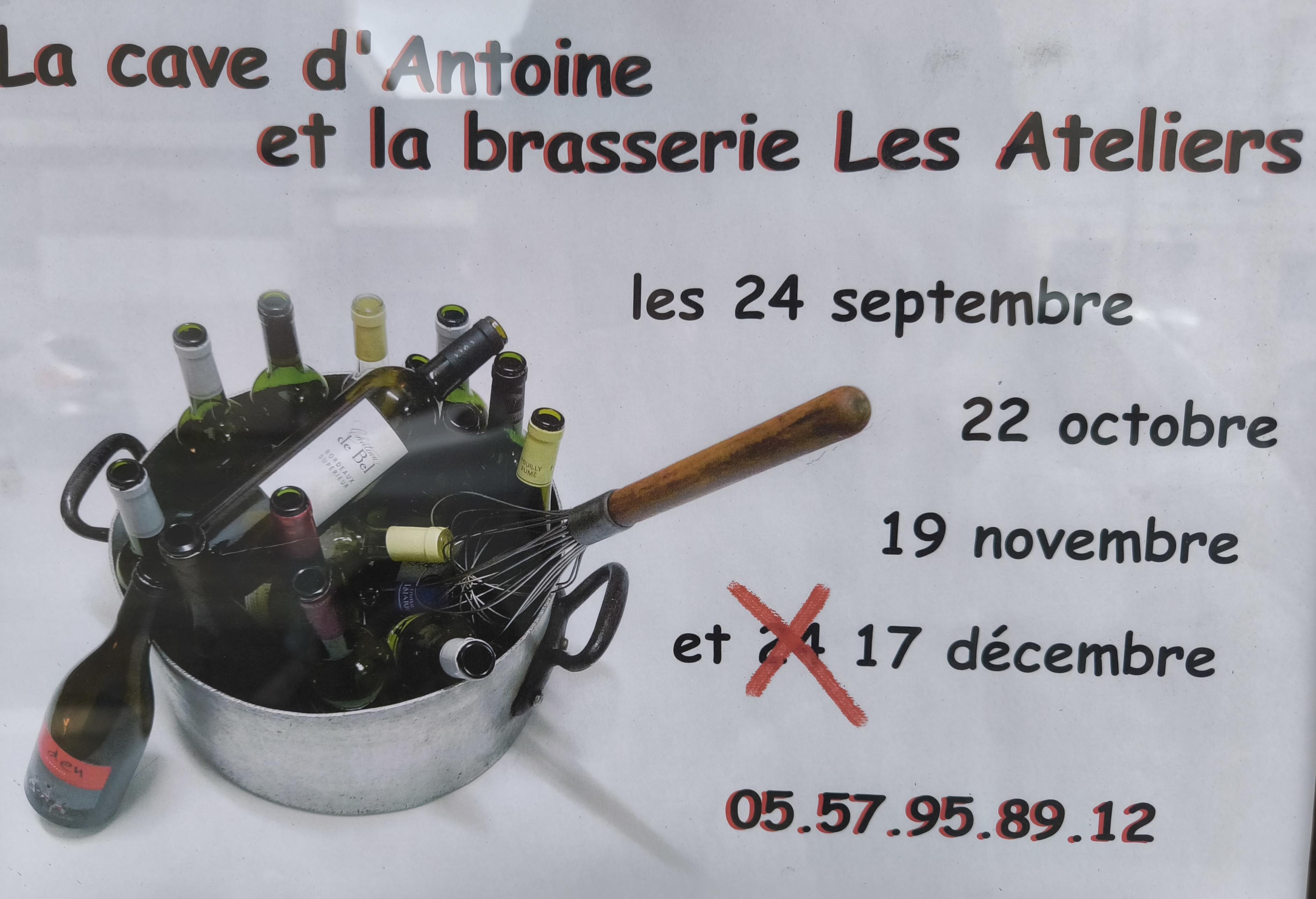
Thursday September 24
BordeauxFrance
6491 KM
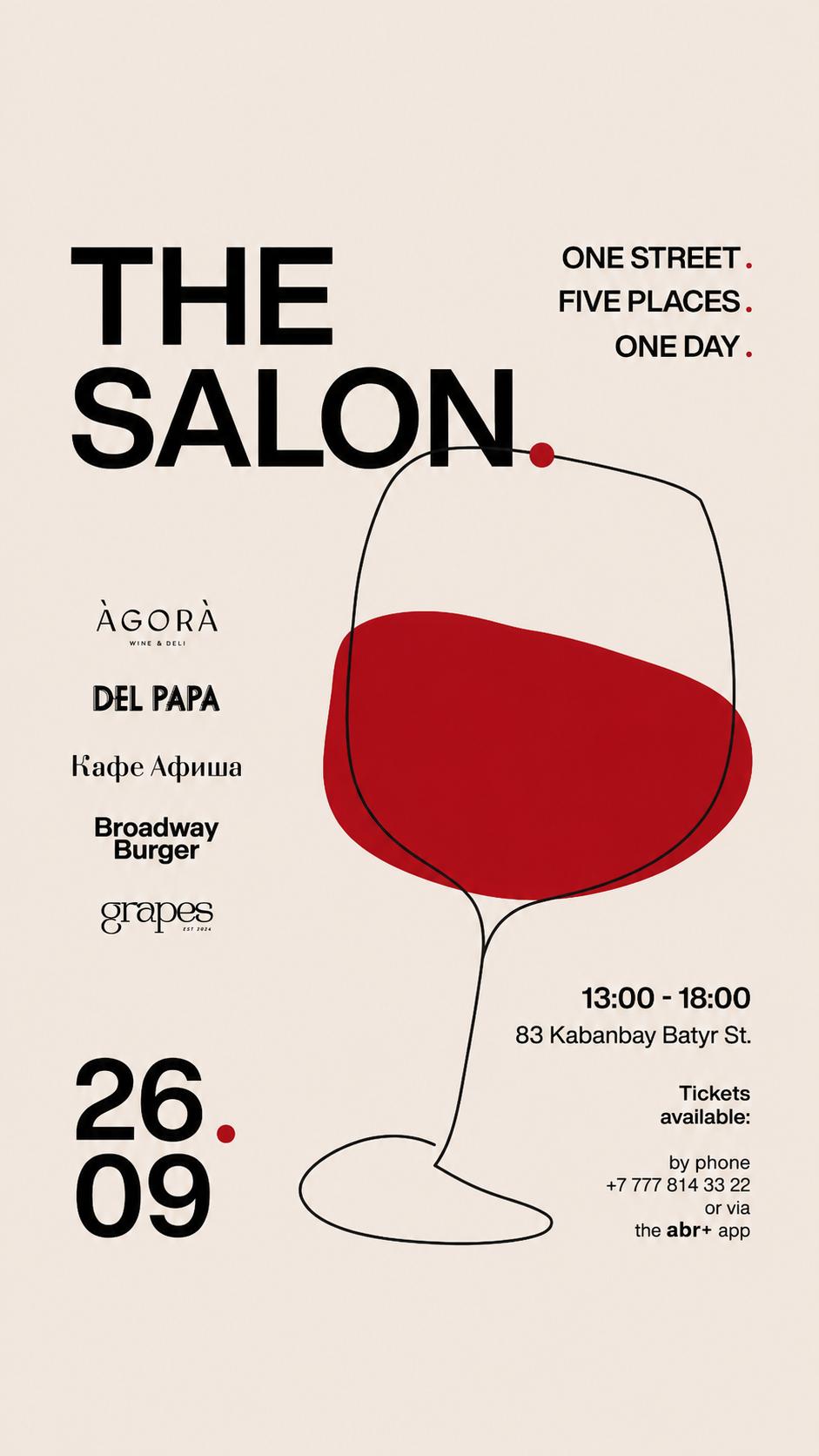
Saturday September 26
AlmatyKazakhstan
10546 KM
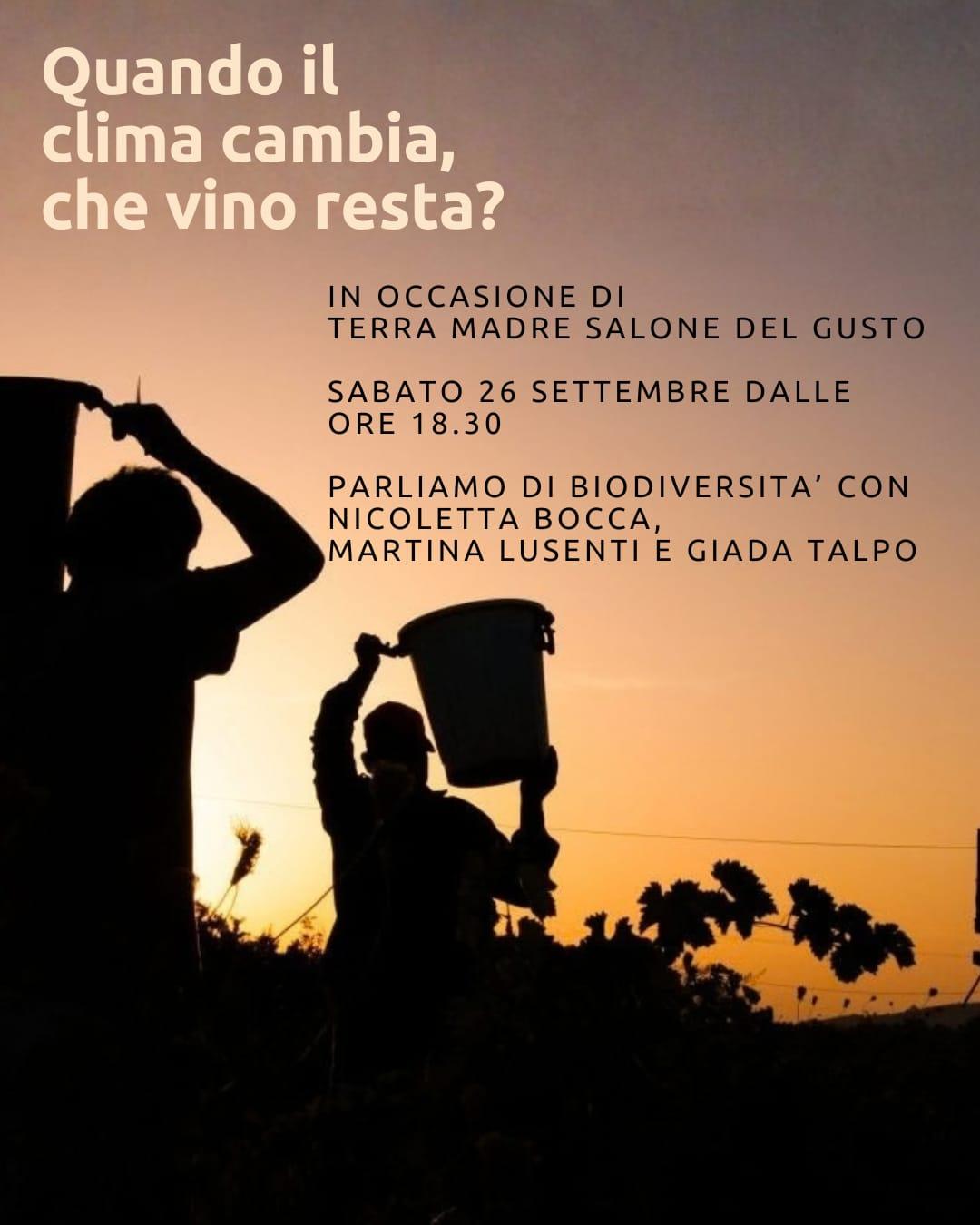
Saturday September 26
Turin
7045 KM
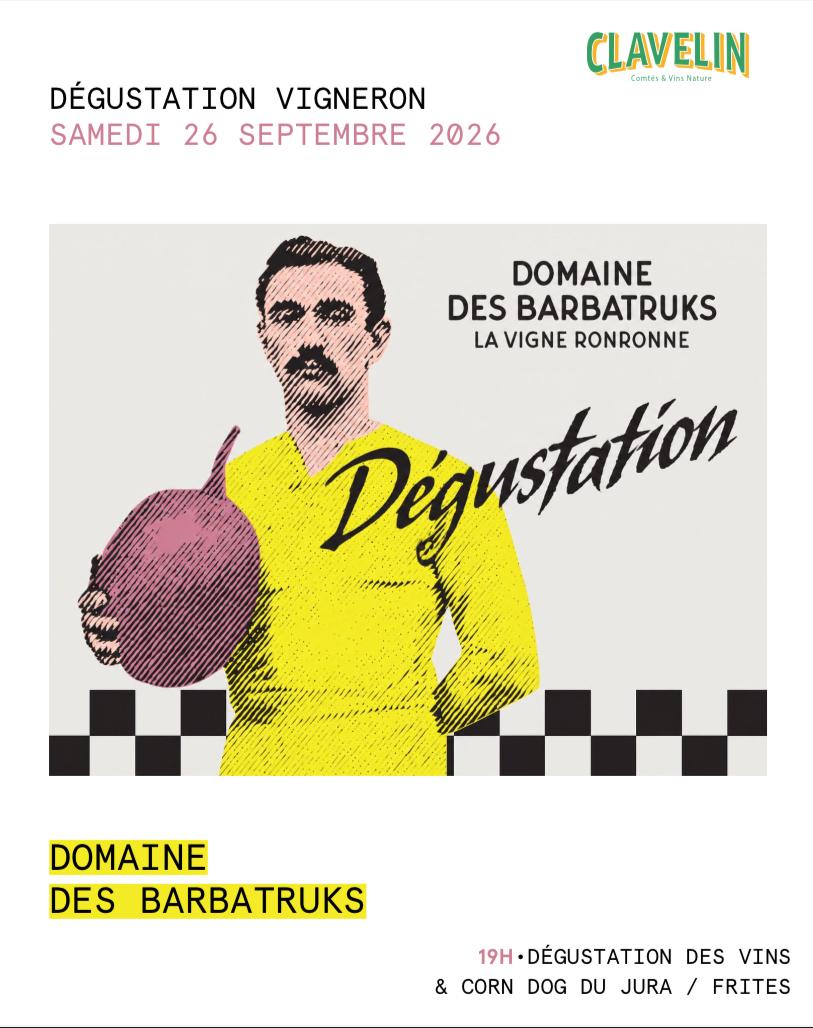
Saturday September 26
Paris
6488 KM

Saturday September 26
Ierapetra Municipal UnitGreece
8946 KM
 Winemakers
 Restaurants
 Bars
Bars Wine Shops
 Accommodations
 Events