17 89 8652 KM
A pioneering and visionary field
In the heart of Auvergne, where the lands of Saint-Pourçain still preserve traces of an ancestral wine-growing heritage, the Vignoble des Vernusses, formerly known as Terres de ROA, made the courageous bet, in 2009, on organic and biodynamic viticulture, making it the pioneer of the Saint-Pourçain appellation to obtain these certifications.
This commitment marked the beginning of an adventure that would define the identity of the estate. Far from stopping there, and as if organic farming wasn't enough, the estate has a bioclimatic winery built with ecological materials (wooden frame, hemp bricks, and lime plaster) to respect the natural cycles of winemaking and produce lively, vibrant wines, imbued with the soul of the woman who crafts them.
Viticulture that respects living things
No, organic is no longer enough, so in the logical continuation of its commitment to organic viticulture and its current Demeter certification, the Vignoble des Vernusses is beginning a transition towards regenerative viticulture on living soils.
More than a method, it is a philosophy.
Observe, understand, restore the natural fertility of the soil and respect its natural balances.
Promote microbial life, cover the soil all year round, no longer plough it, strengthen the resilience of the vine in the face of climatic stresses thanks to a physiological approach (gentle pruning) to allow it to draw its strength from a living and resilient ecosystem.
We are making this transition with humility but conviction. Because wine begins in the soil. And we have a duty to preserve and even regenerate this soil.
It's a long-term project, made up of trials, adjustments, and questioning. But for us, it's also a natural extension of biodynamics, creating conditions favorable to the overall balance between the soil, the plant, and natural rhythms.
Wines with evocative names
The Vernusses Vineyard covers 14 hectares spread between Monétay-sur-Allier and Bresnay. It is home to a small mosaic of grape varieties that thrive on the sands and clays of the Bourbonnais region, as well as on granite and gneiss.
The essential Chardonnay, Gamay and Pinot Noir coexist with local and indigenous rarities such as Tressallier and Saint-Pierre Doré, which the estate is working to bring back into the spotlight.
These varieties interact with the soil and climate to produce unique wines with a strong personality. Each vintage, vinified at the estate since 2010, reflects discreet work where human intervention is minimal to leave room for sincere wines, which preserve the purity of the fruit and the expression of its terroir.
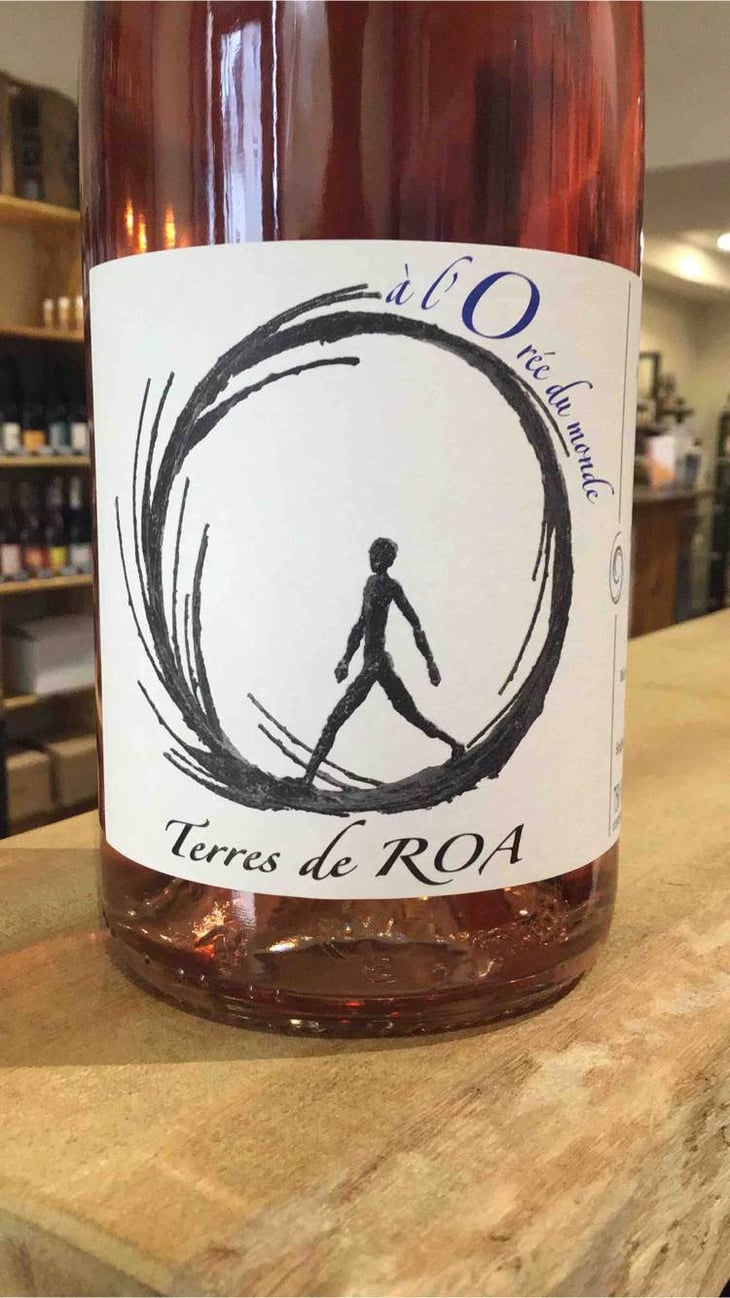
Lunaire, Solaire, Supplément d'Âme, Reflet d'Âme…so many evocative names and invitations to feel the subtle energies of the place, the personality of the vintages and the intention behind each bottle.
Affinity with the sandstone element
At the estate, our affinity with sandstone is no accident. We made a natural and consistent choice of this noble material, for its exceptional qualities, in perfect harmony with our biodynamic practices and our work philosophy. Natural and vibrant, sandstone is distinguished by its neutrality and energetic inertia. It respects the wine, without ever constraining it or masking its expression.
Vinification and aging in stoneware jars preserve the purity of the fruit and the uniqueness of our grape varieties. Unlike wood, which leaves its aromatic mark, stoneware offers true olfactory neutrality. It reveals without ever dominating, highlighting the crystalline side of our wines and the minerality of our terroirs.
Its subtle porosity allows for gentle and regular micro-oxygenation, essential for the harmonious development of the wine. Controlled gas exchanges promote the refinement of tannins, stabilize aromas and prolong the life of the wine without excessive oxidation.
Sandstone also acts as a true thermal regulator. It consistently supports fermentation, allowing for slow, stable, and natural development. By maintaining the temperature for longer, it supports the balance of the wine from its inception.
As for the dynamization of our treatment waters and our preparations in our sandstone dynamizator, it is in line with our approach respectful of living things. This noble material improves the vibrational quality of the water, stabilizes its energy once energized, and fully respects the fundamental principles of biodynamics. The sandstone dynamizator is at once a functional tool, a powerful symbol, and a valuable ally in our daily work.
Stoneware does not interfere with the subtle, invisible forces we seek to activate during energization. Unlike plastic or certain metals, it does not disrupt vortex formation or vibrational fields. It accompanies the movement of the water without altering it, preserving the intention set during each stirring.
Thanks to its gentle porosity, sandstone establishes a harmonious relationship with water. It allows it to maintain better molecular cohesion after dynamization, while respecting its liveliness, vibration, and sensitive nature. The water thus prepared is more structured, more “alive,” and more effective in its action in the vineyard.
Stoneware offers excellent thermal stability. It maintains a constant temperature throughout the brewing process, which enhances the quality of the vortexes and prevents thermal shocks that can harm the integrity of the brew. This stability promotes more consistent, more efficient, and more respectful dynamization of the water and its properties.
By choosing sandstone even in our revitalization tools, we affirm our desire to work with accuracy, consistency and sensitivity, in harmony with the rhythms of nature and the forces that animate it.
No orange wines at the moment.
FIND THE EVENT YOU ATTEND

Saturday January 31 - Sunday February 01
Angers
6363 KM
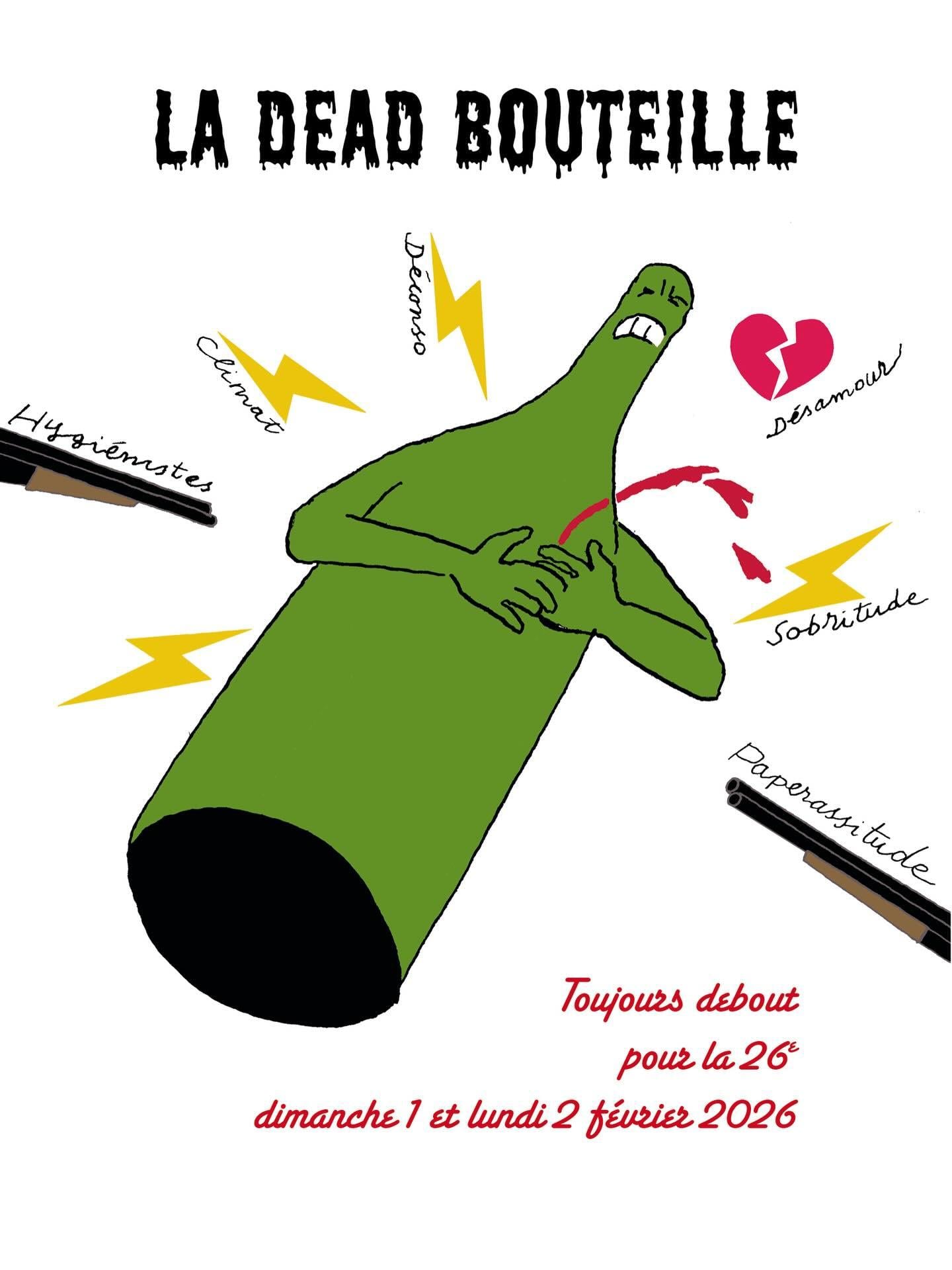
Sunday February 01 - Monday February 02
Saumur
6402 KM
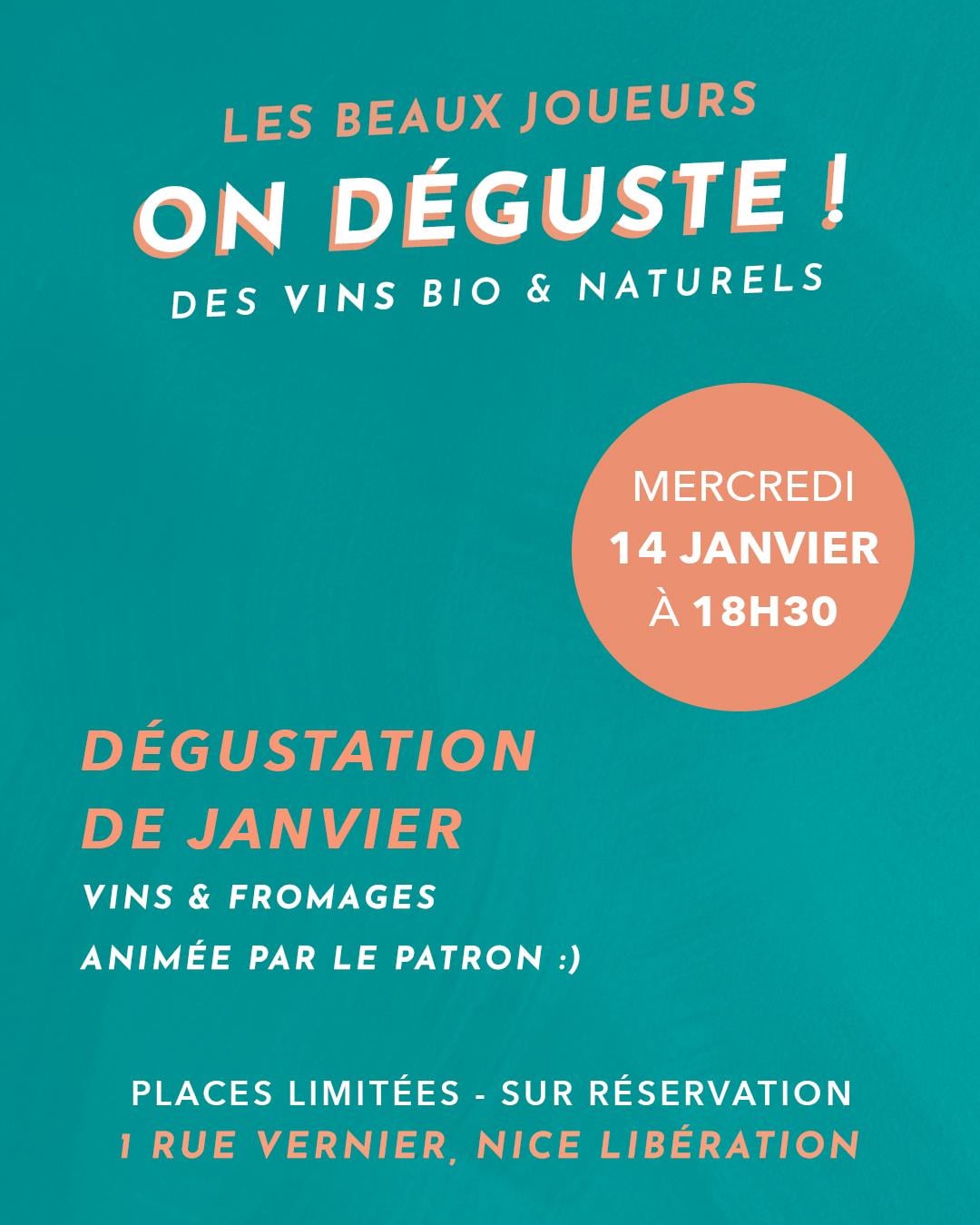
Wednesday January 14
Nice
7096 KM
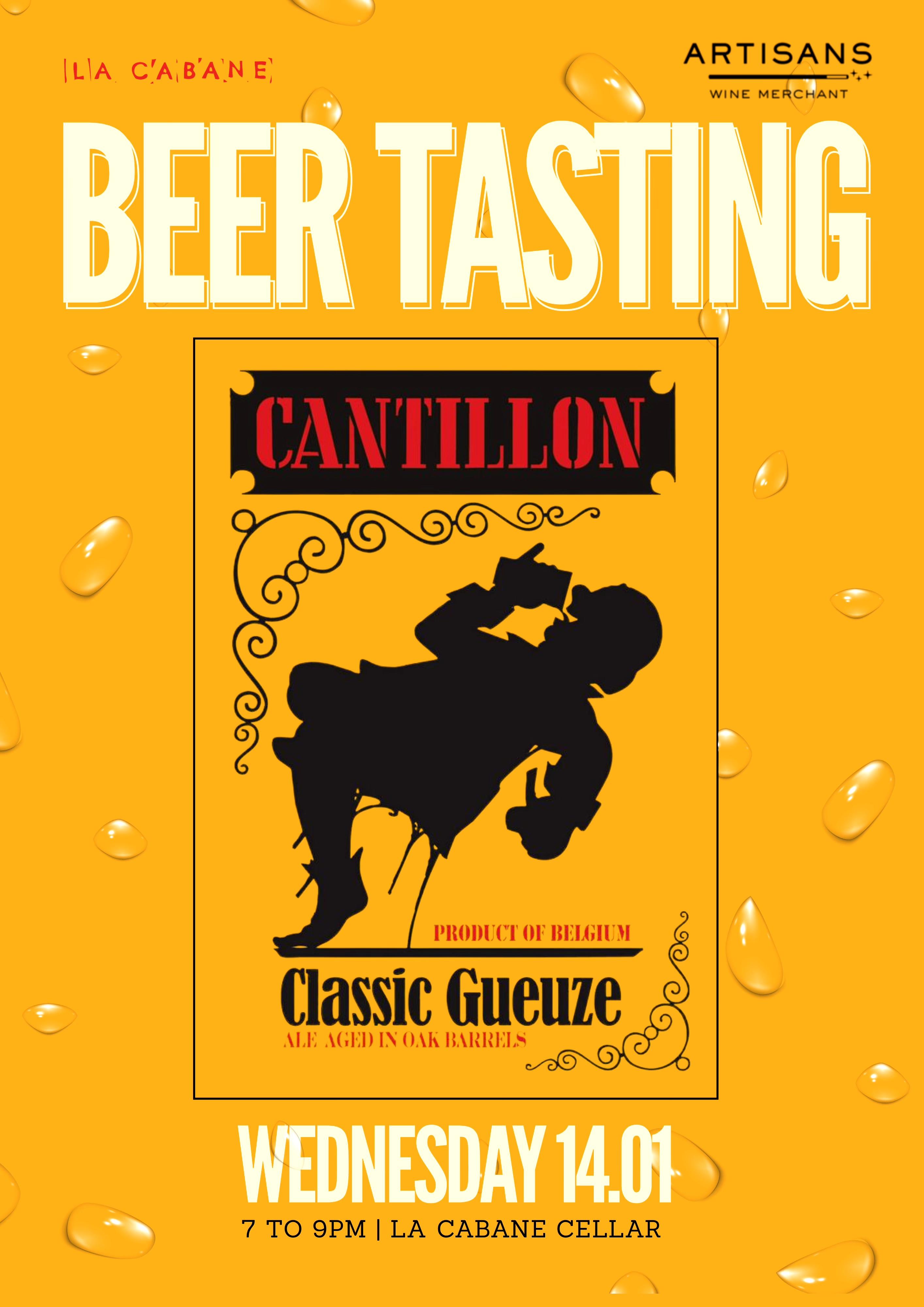
Wednesday January 14
Hong KongChina
12869 KM
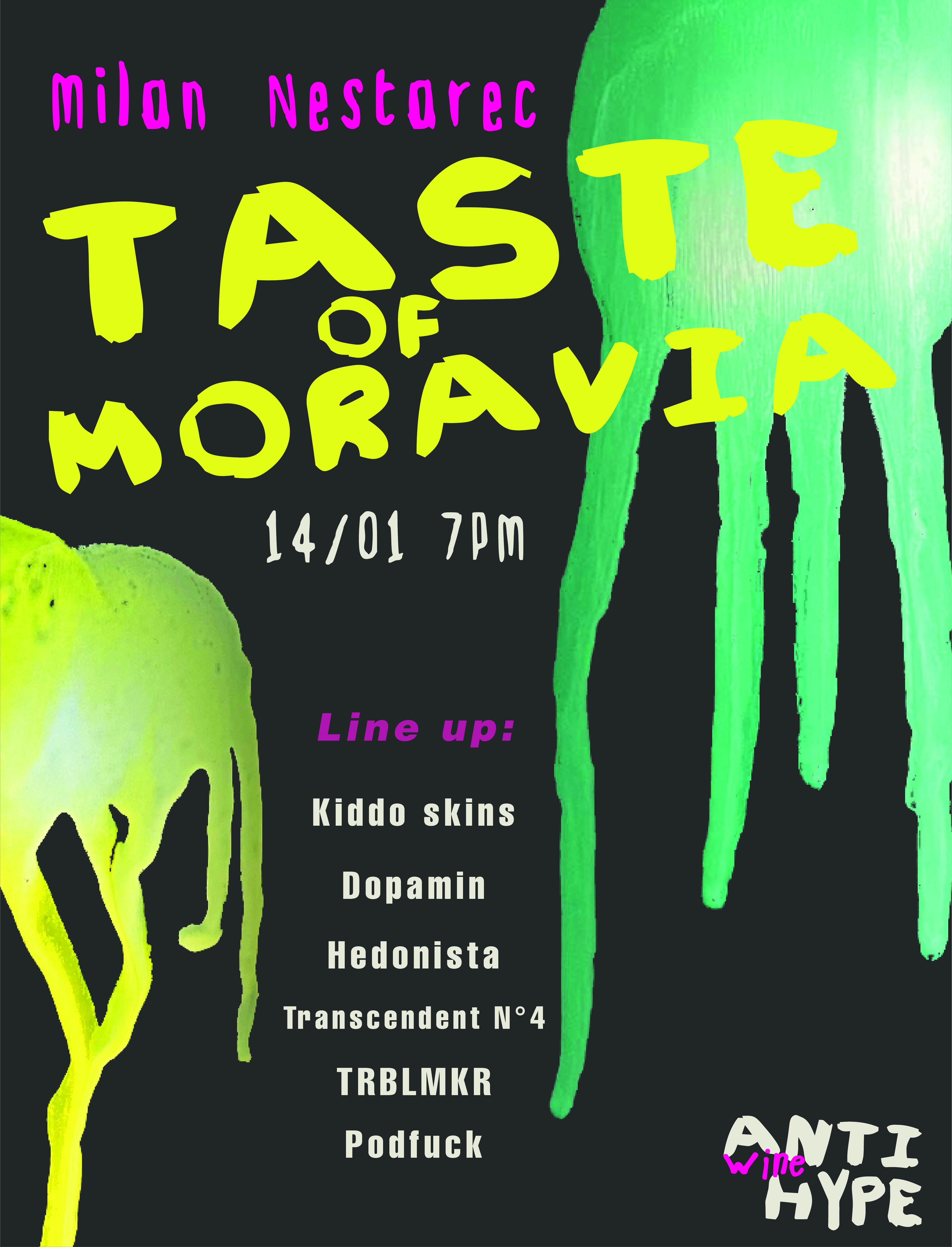
Wednesday January 14
BarcelonaSpain
6867 KM
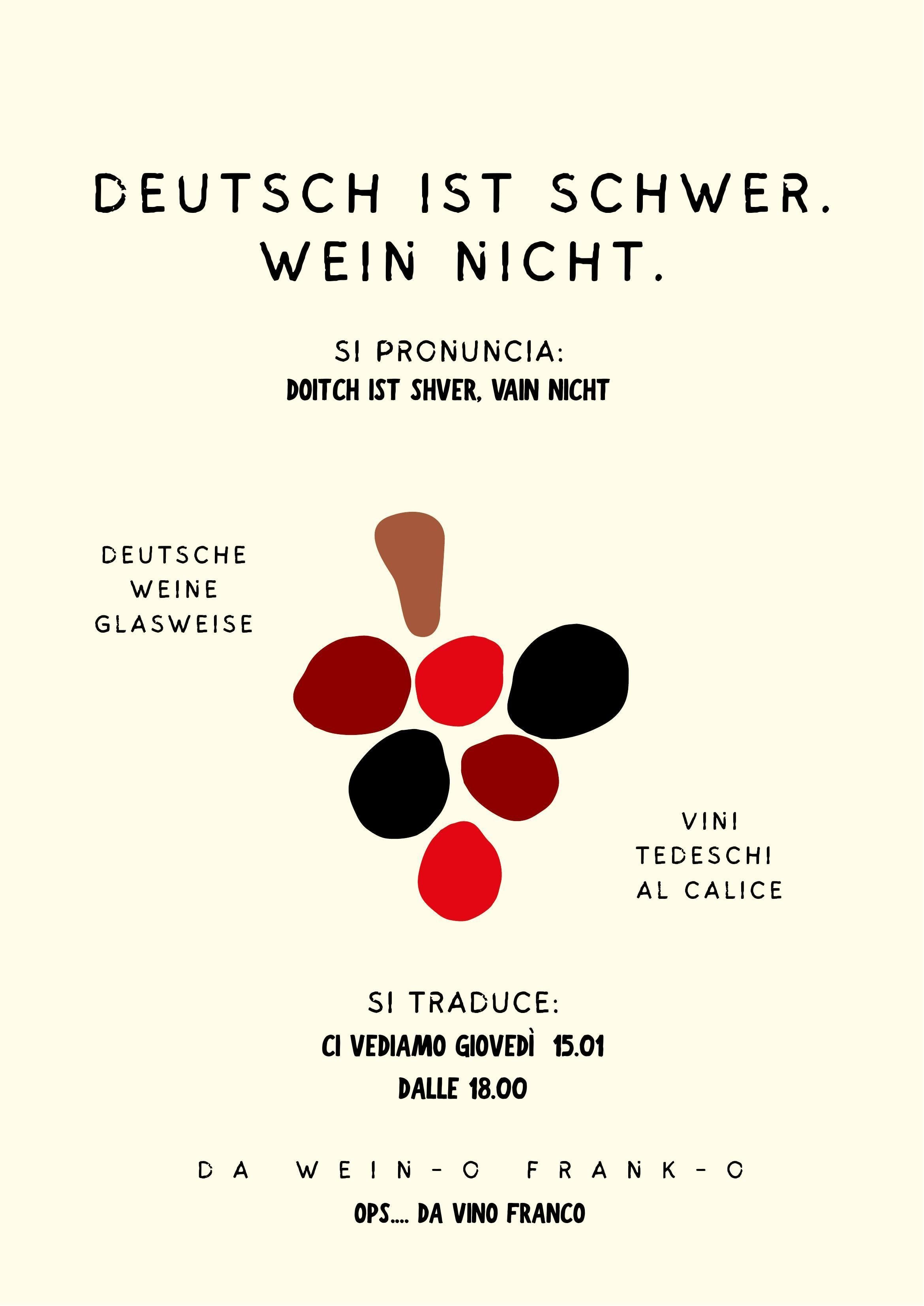
Thursday January 15
NaplesItaly
7751 KM
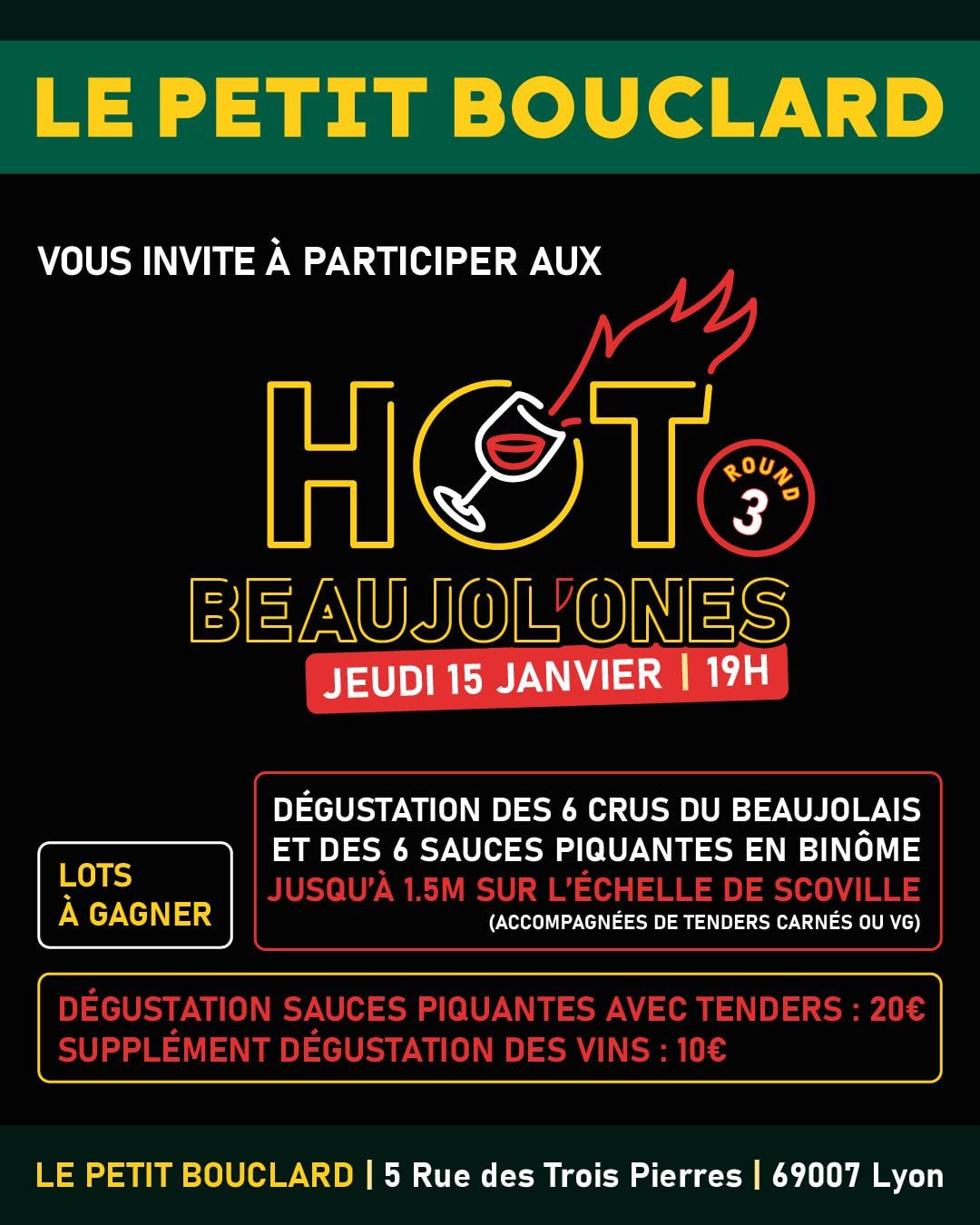
Thursday January 15
LyonFrance
6817 KM
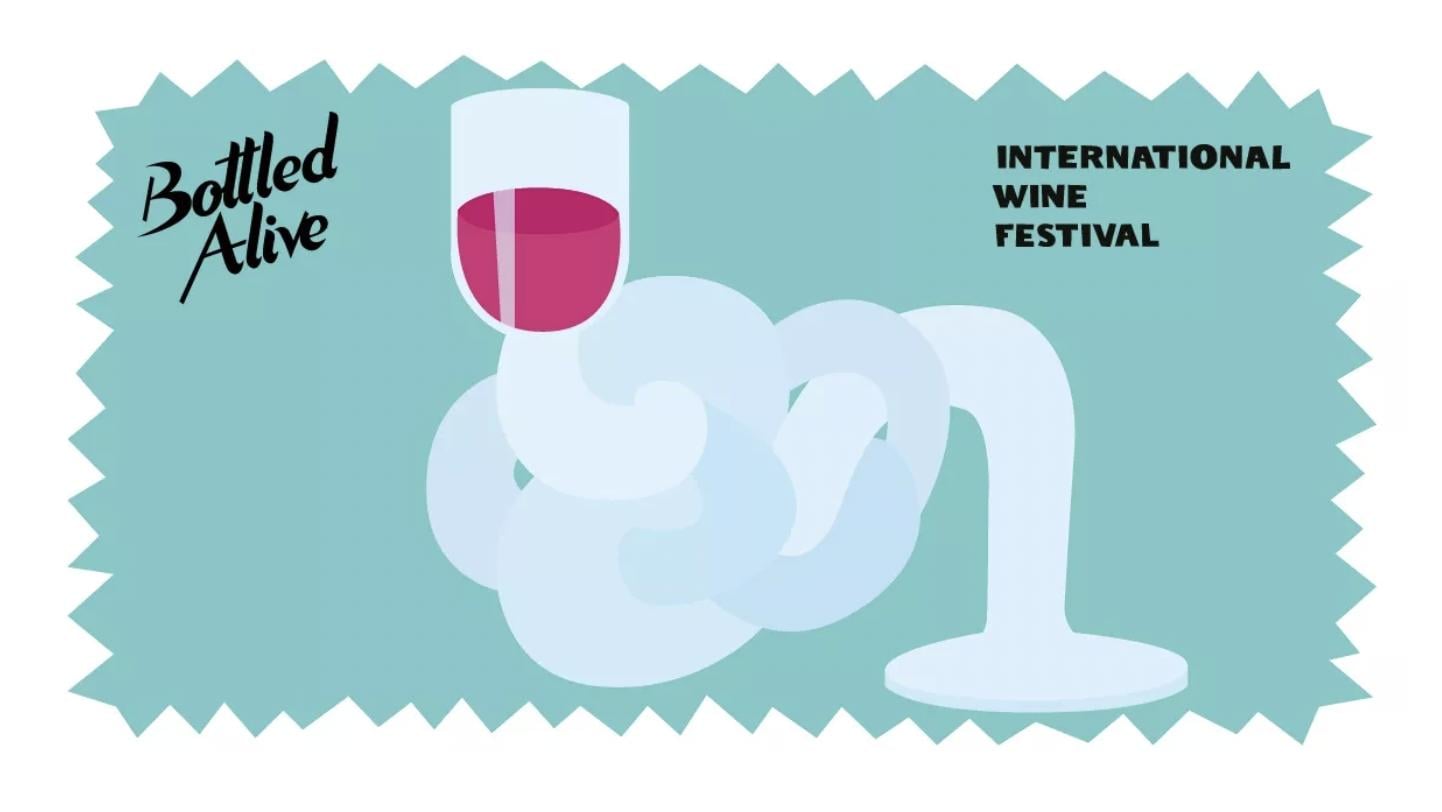
Friday January 16 - Saturday January 17
Tábor
7237 KM
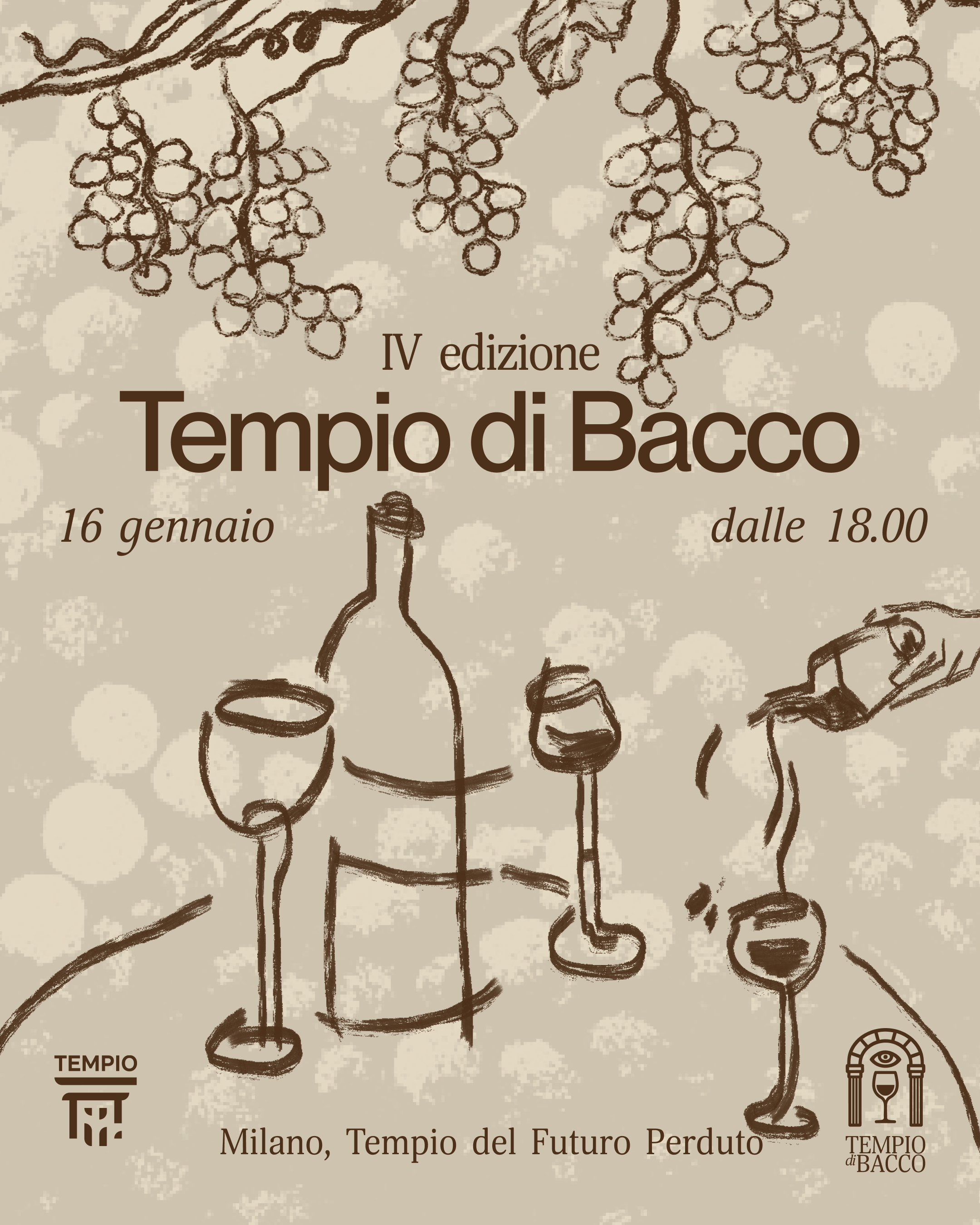
Friday January 16
Milan
7122 KM

Friday January 16
GrenobleFrance
6907 KM
15 1 6324 KM
Breton bistro, a landmark for natural wines & ciders for 15 years. And unfortunate organizers of trade fairs: “Les Vins Croya…19 1 6466 KM
Located between the Grand Place and the Lille Opera, Alices welcomes you for a coffee, a glass of natural wine, a pint of loca…13 1 6467 KM
With us, you will discover seasonal cuisine made from local products grown or raised responsibly. // Local and seasonal cuisin…15 0 6475 KM
Wines from the Loire of course but also numerous references to wines from the south in general and the Rhône valley in particu…23 2 6504 KM
🍇 Caviste Indépendant à la Gare de Clamart [92]113 11 6507 KM
Wine cellar | Dining cellar | Live wines, craft beers and seasonal products!3 0 6526 KM
Bienvenue! Passionnés de vins bio et biodynamiques, notre objectif est de vous faire découvrir nos trouvailles! Vous pouvez ve…14 4 6635 KM
Bar-restaurant on the borders of Creuse, Corrèze and Haute-Vienne in the Millevaches regional natural park in Limousin. Tradit… Winemakers
 Restaurants
 Bars
Bars Wine Shops
 Accommodations
 Events