13 5 8793 KM
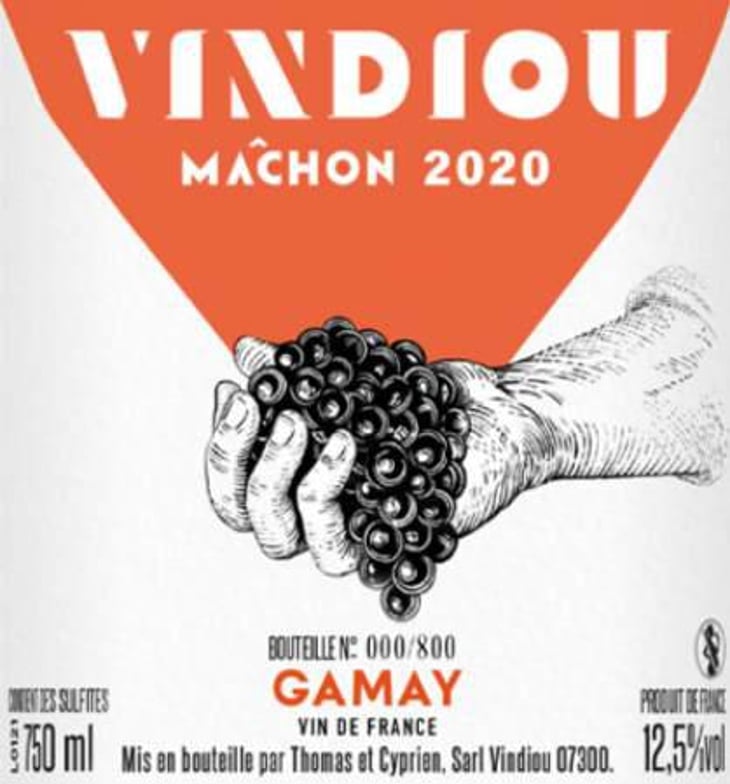
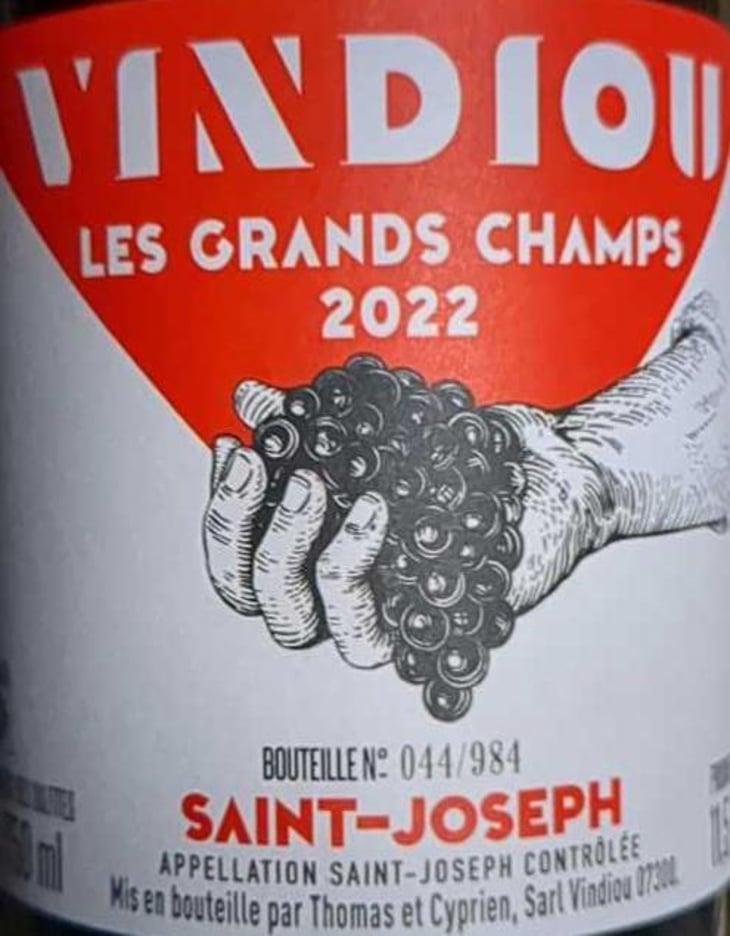
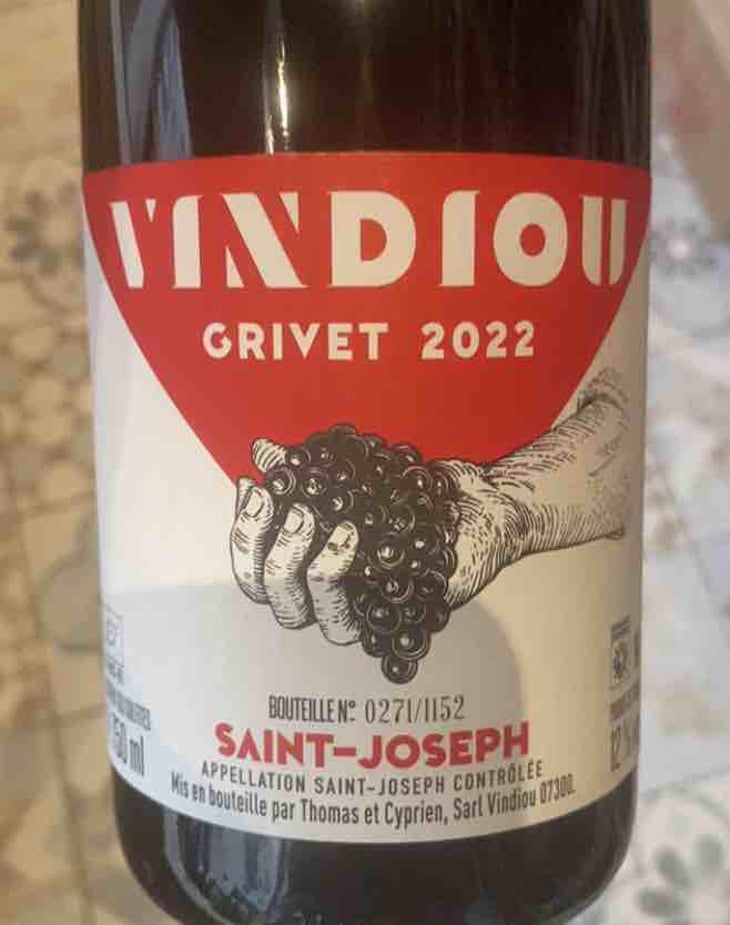
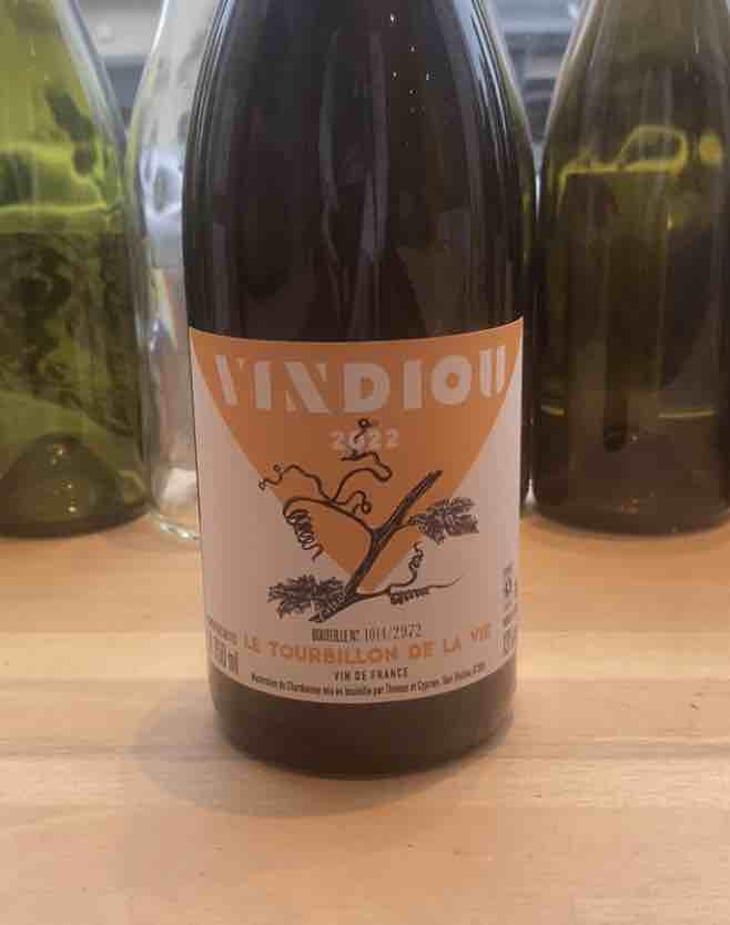
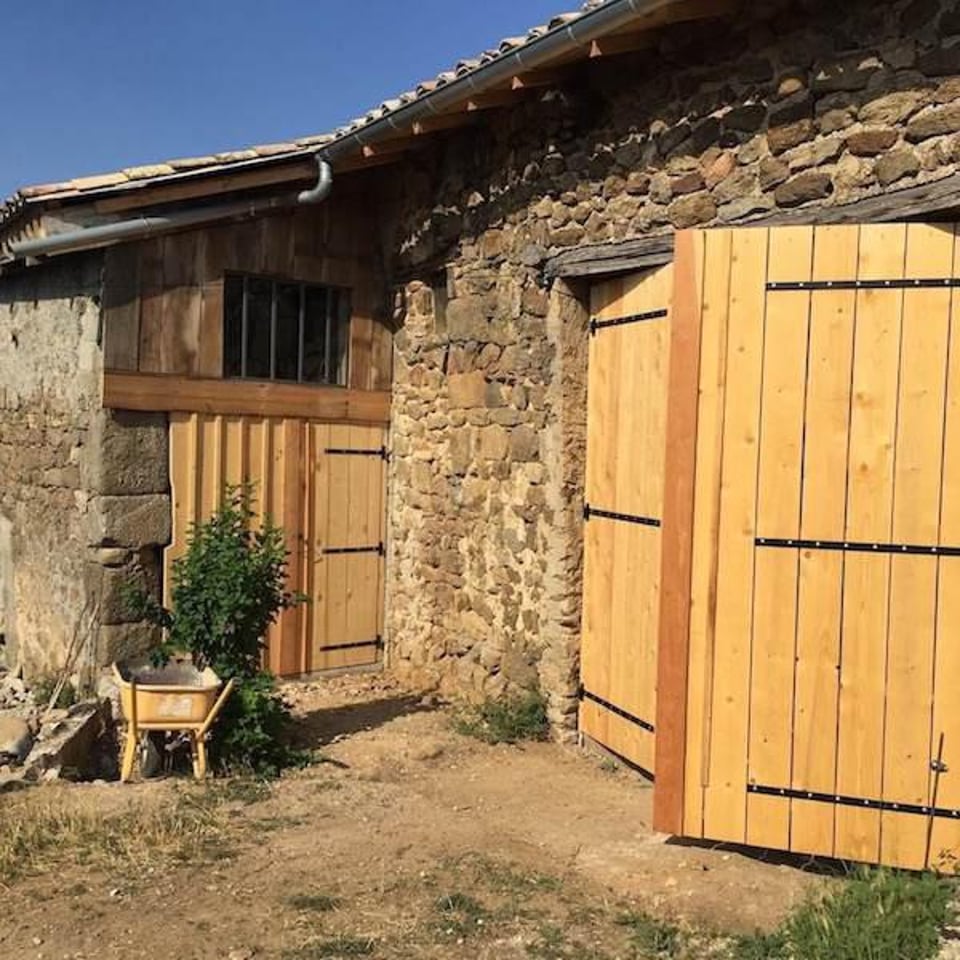
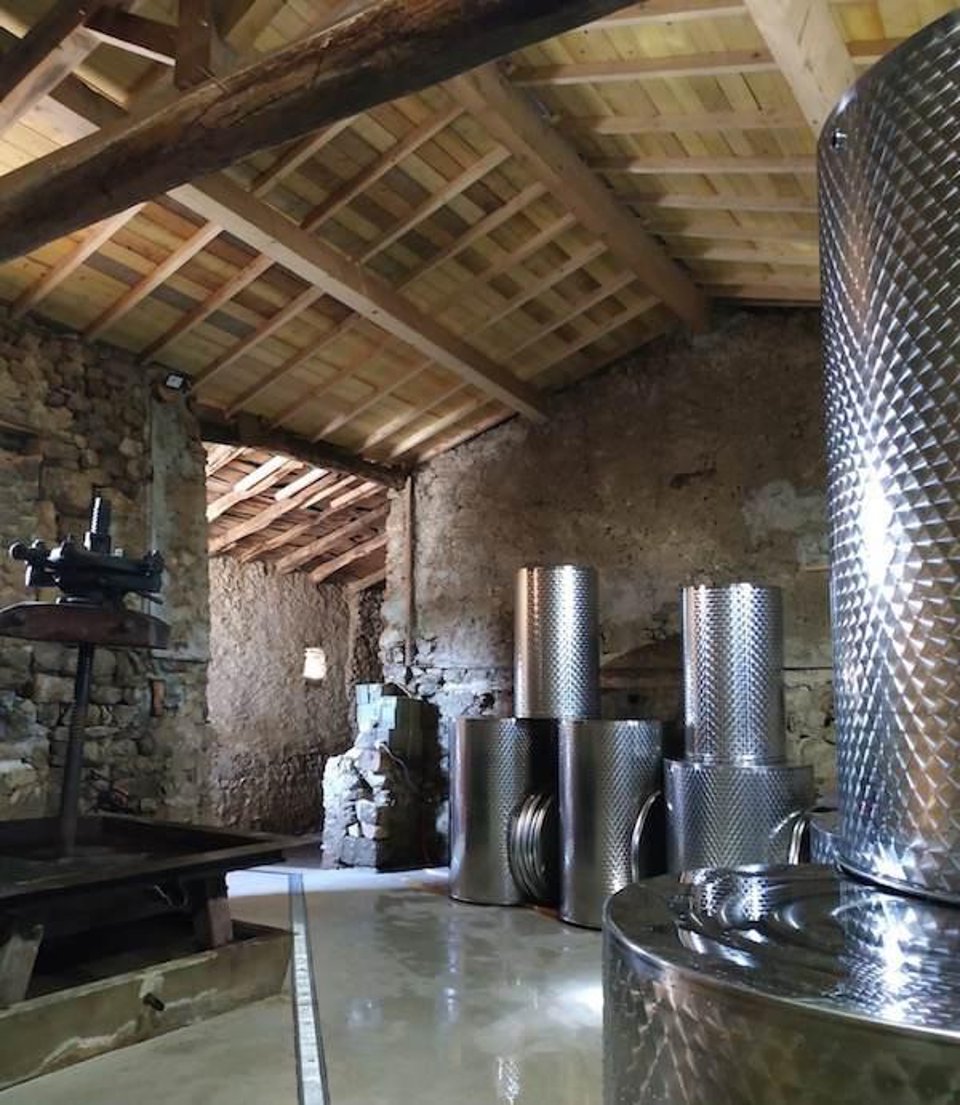
In these wineries, bodegas, and quintas, the invisible grip of habit doesn't exist. During a recent winemaking session in Switzerland, a conversation over a glass of wine solidified our shared desire to make wines together. The location hadn't yet been chosen, but the idea of making terroir-driven wines, wines from specific plots of land, from individual pieces of land, was already there. To let these pieces of land speak, to try to guide their expressions. Then, the opportunity arose to install a few tanks in a barn adjoining Thomas's grandparents' house. As fate would have it, the barn, now transformed back into a cellar, overlooks the northern part of the Rhône Valley.
Here, the concept of terroir takes on its full meaning. Syrah, the valley's only red grape variety, is showcased across five AOCs that stretch along both sides of the Rhône. We also find ourselves at a crossroads: to the north, Beaujolais and its companion, Gamay; to the south, enticing us with its generous grape varieties that must be carefully guided to bring out their full potential. And then there are the small plots of land scattered around these renowned vineyards, once known as "table wine"—you know, the kind you drank while sitting at the table, gently pouring it into the wellspring. Our aim is to work with winemakers who live and breathe these plots, driven to extract the very best from them. It is then up to us to transform this potential, to work these grapes with humility and respect, a task we undertake with pleasure and passion. Indeed, inspired by our experiences, we wish to experiment, learn, and explore the infinite possibilities available to us. With the most coherent vision possible, we will work with the fruit by intervening sparingly, like a parent helping their child take their first steps.
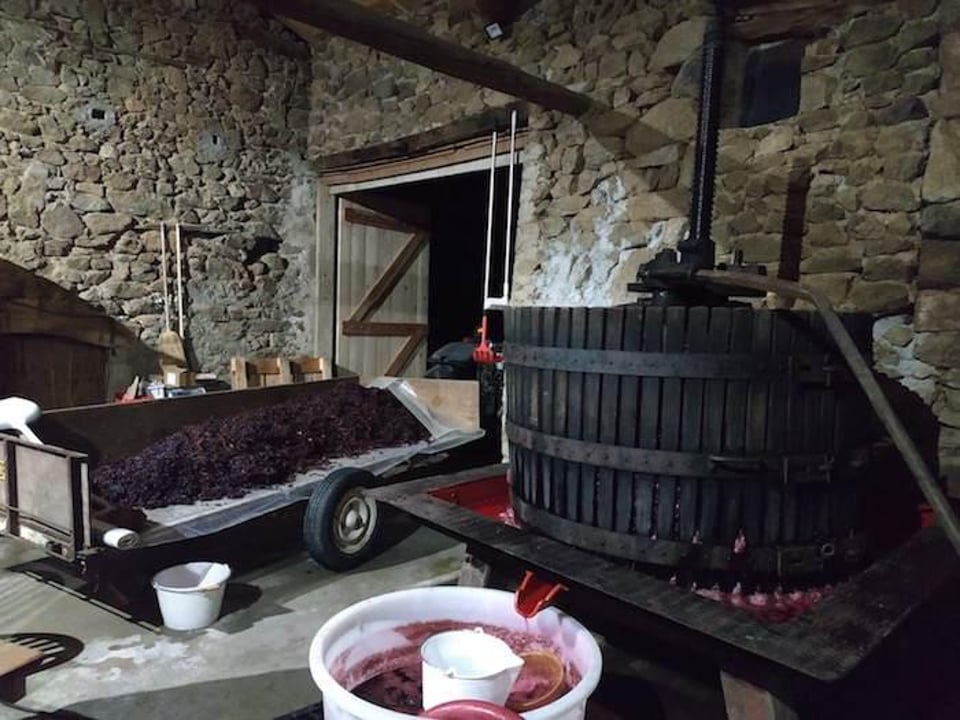
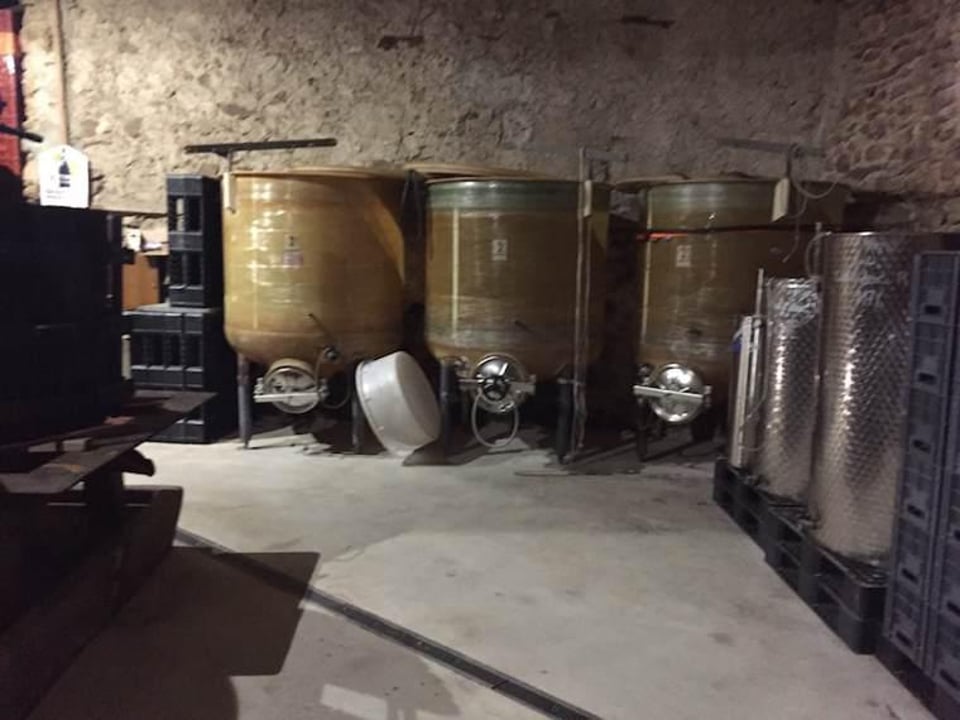
Our work in the cellar is designed to be simple, guided by the principle of precision in order to minimize the use of inputs. Thus, all our plots are harvested by hand. The grapes are transported in ventilated crates of about thirty liters; these small volumes limit crushing of the harvest before vatting. Upon arrival at the winery, the grapes spend a few hours in a refrigerated trailer to be transferred to the vats at a low temperature. This allows us to extend maceration and to extract the fruit's character by modulating our extractions. Our wines are vinified with whole bunches. A light foot treading is carried out during vatting, on the first crates of grapes, to extract the initial juice. Fermentation occurs using indigenous yeasts. Our maceration times vary considerably; we adapt our choices to our yeasts, the vintage, and our own sensibilities. The pressing is carried out using "Lace," our trusty vertical ratchet press, with an average pressing time of around twenty hours. Malolactic fermentation occurs naturally. Sulfiting may be added after malolactic fermentation and/or bottling, depending on the cuvée and vintage. Aging takes place in Burgundy barrels that have held wine for two to four vintages and/or in stainless steel tanks of 1 to 10 hectoliters. Bottling is done manually to ensure the wine is properly cared for during this crucial final stage.
No rose wines at the moment.
No sparkling wines at the moment.
FIND THE EVENT YOU ATTEND
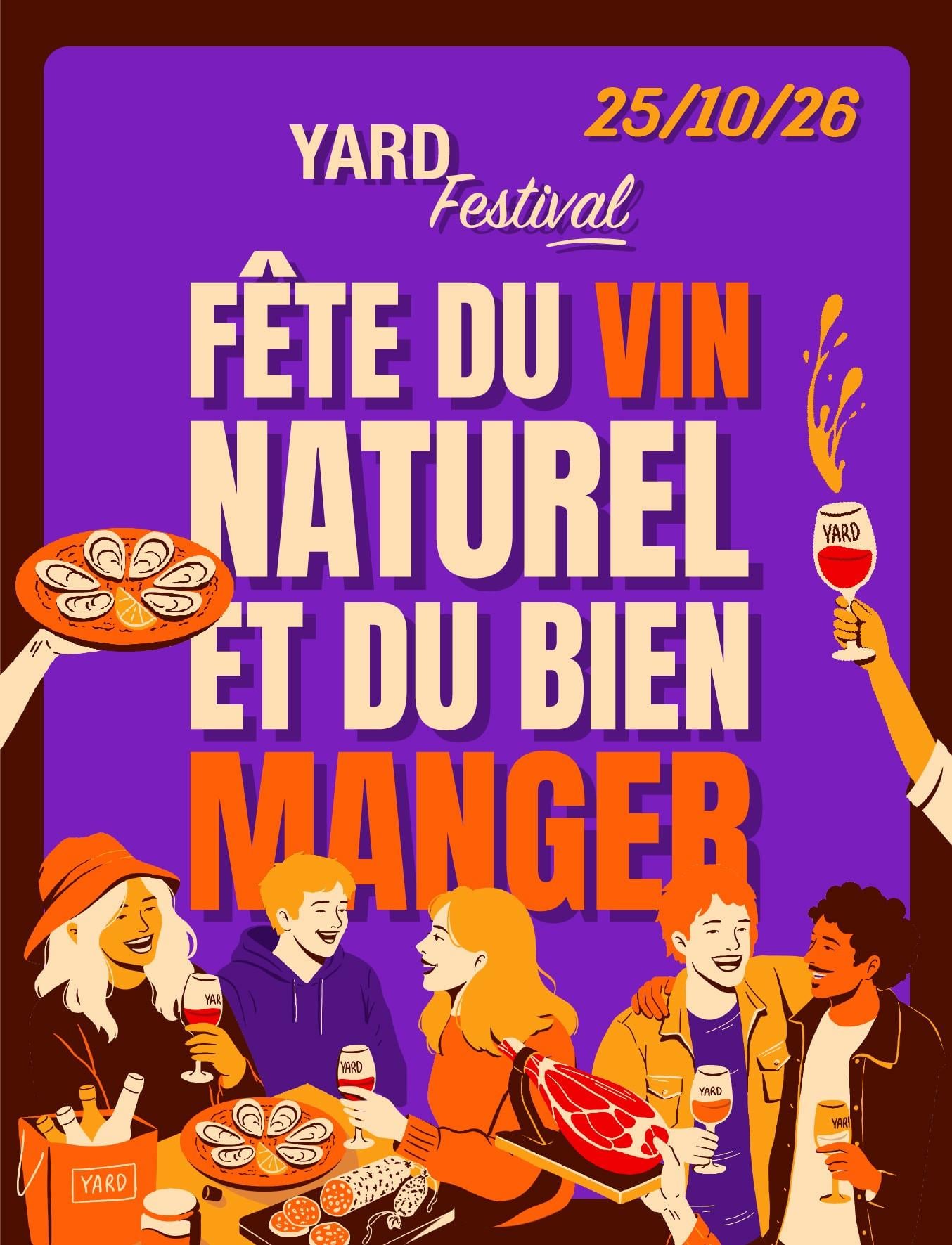
Sunday October 25
Paris
6492 KM

Saturday October 31 - Sunday November 01
Mulhouse
6872 KM
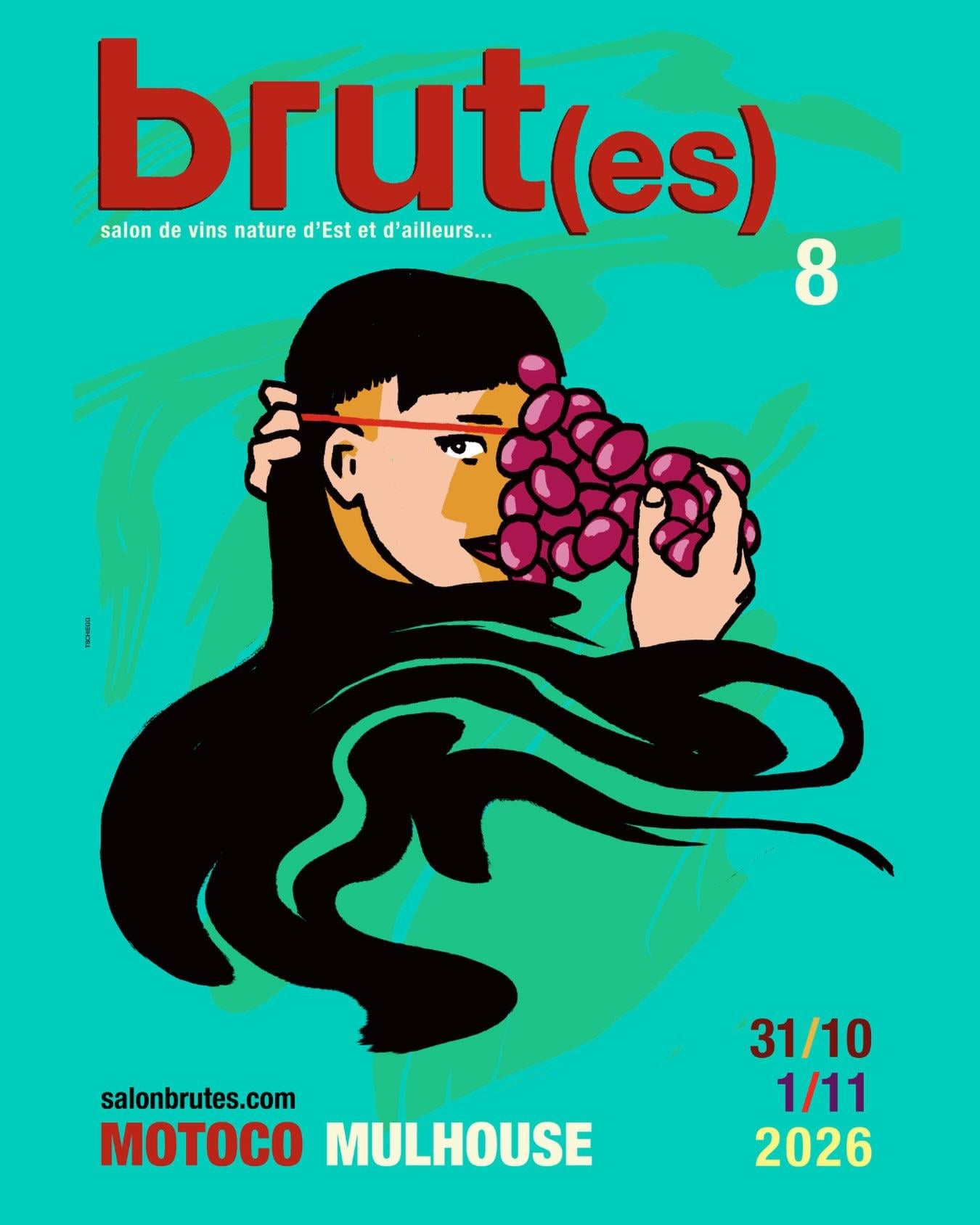
Saturday October 31 - Sunday November 01
Mulhouse
6872 KM

Sunday November 08 - Monday November 09
Turin
7047 KM
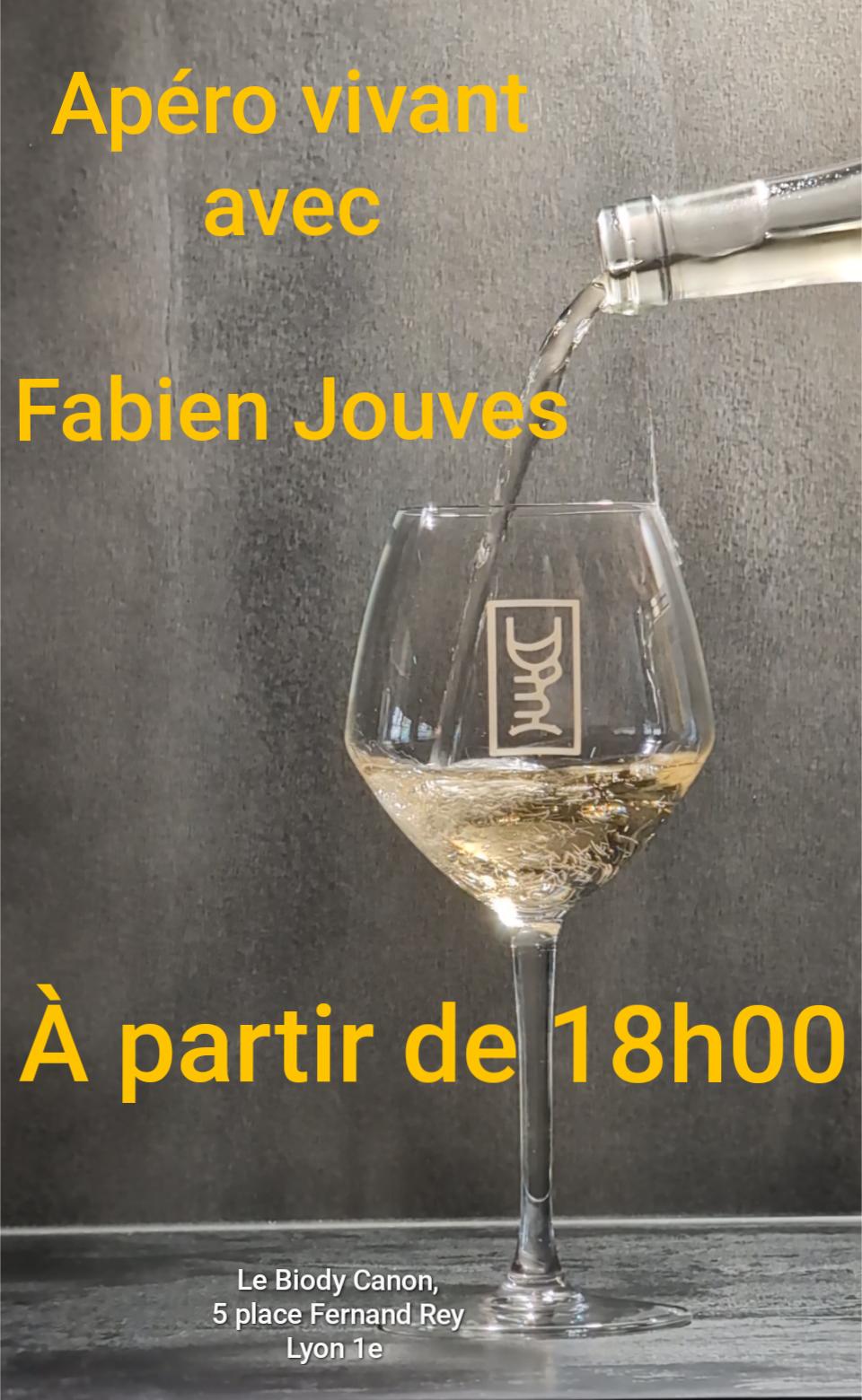
Wednesday September 23
LyonFrance
6814 KM
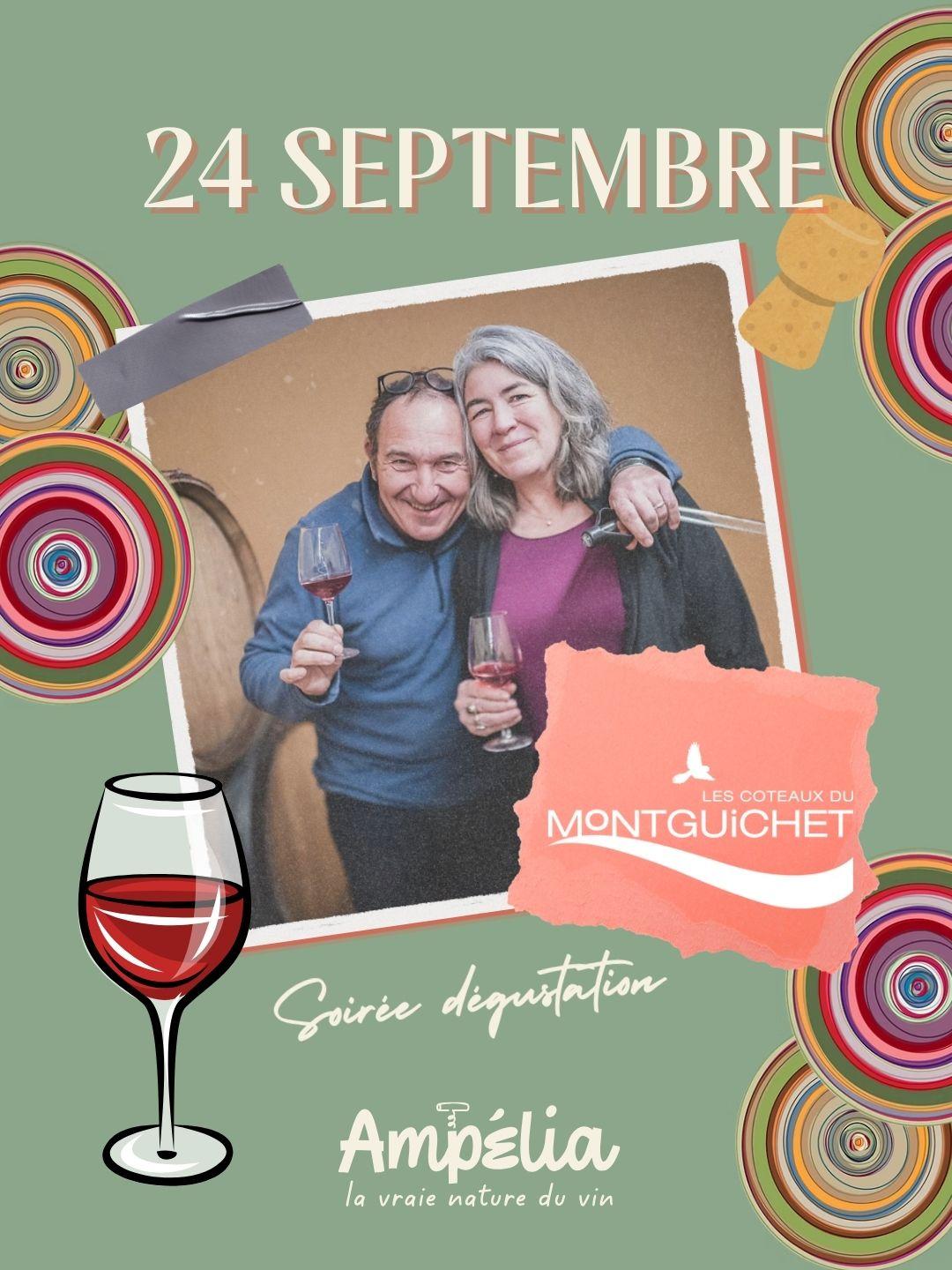
Thursday September 24
ParisFrance
6491 KM
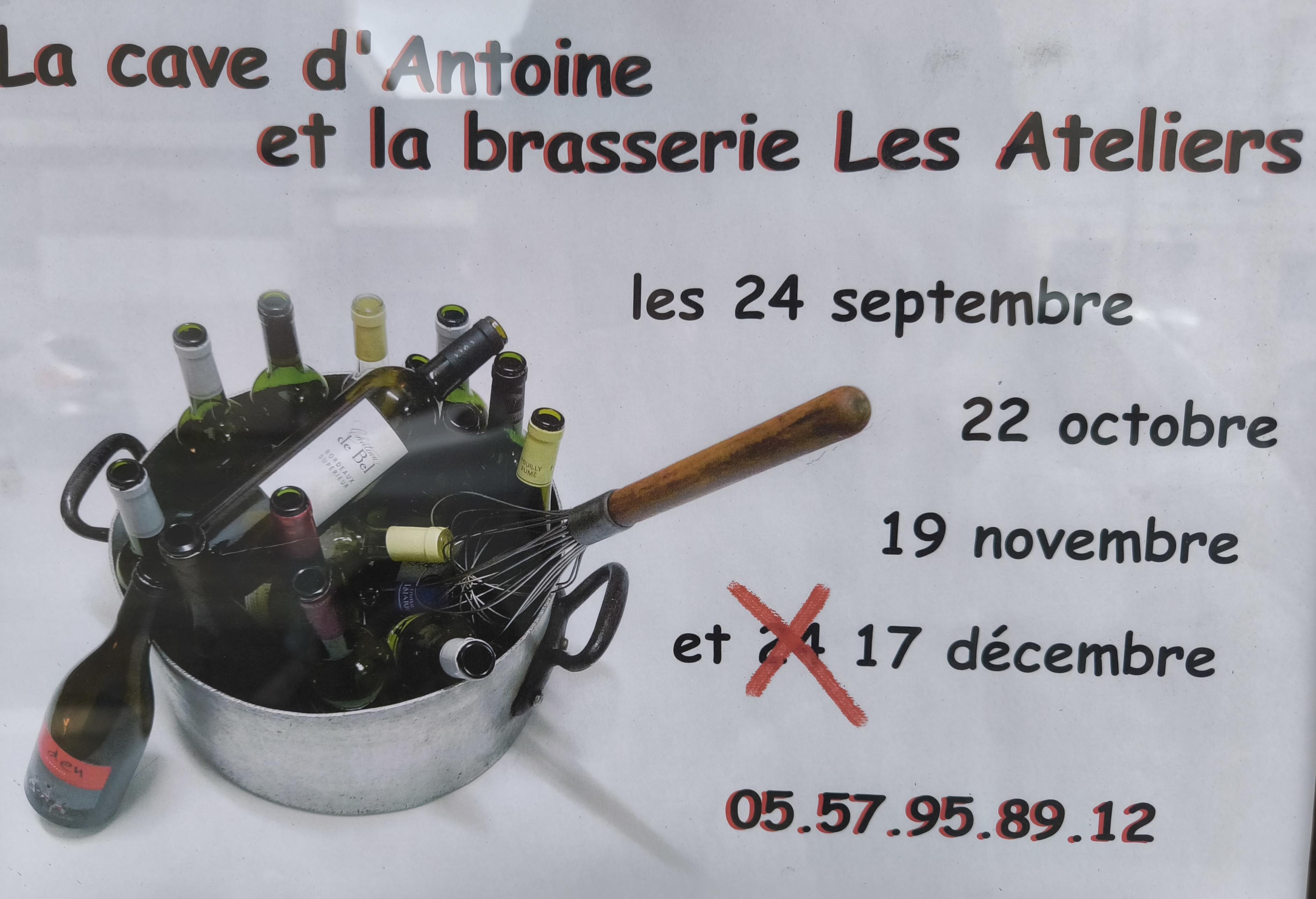
Thursday September 24
BordeauxFrance
6491 KM
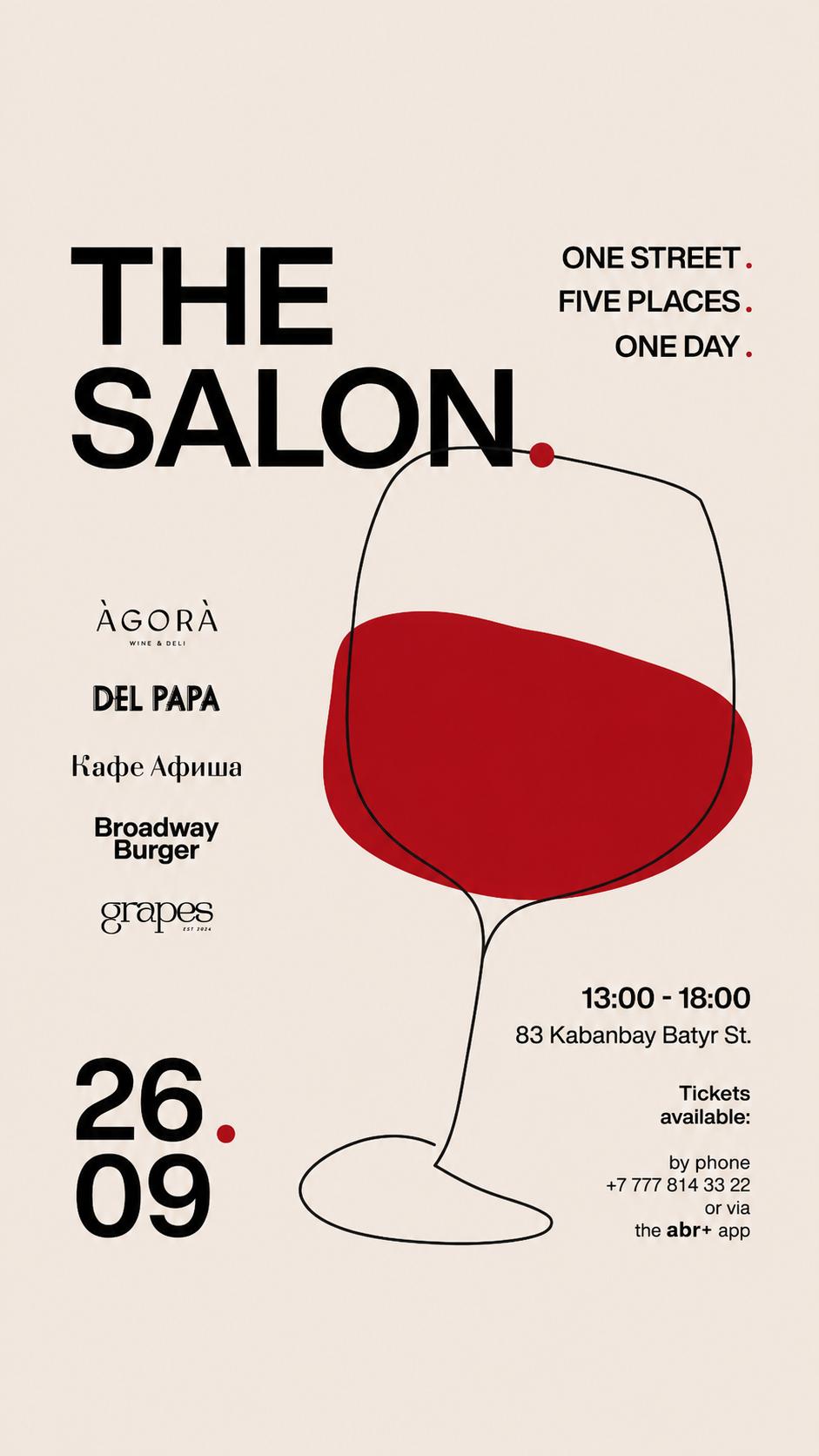
Saturday September 26
AlmatyKazakhstan
10546 KM
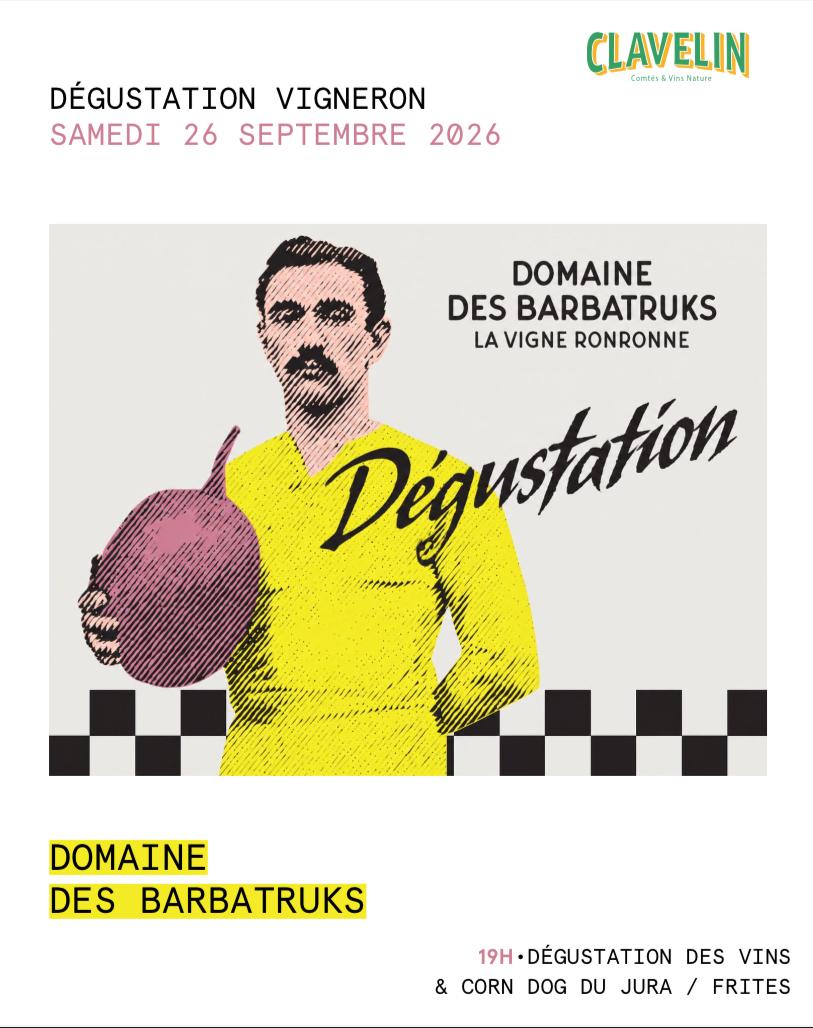
Saturday September 26
Paris
6488 KM

Saturday September 26
Ierapetra Municipal UnitGreece
8946 KM
 Winemakers
 Restaurants
 Bars
Bars Wine Shops
 Accommodations
 Events