Vigneron·ne naturel·le·s, voici les informations dont nous avons besoin afin de pouvoir vous inscrire sur Raisin.
DESCRIPTION DE VOTRE DOMAINE :
Décrivez votre domaine en 300-500 caractères, en incluant toutes les informations clés concernant votre travail (l'emplacement, la taille, les traitements utilisés, les chevaux, les tracteurs, les récoltes, etc. Cette description sera ajoutée à votre profil.
CERTIFICATIONS (BIOLOGIQUE, BIODYNAMIQUE) :
Merci de nous faire parvenir toutes les certifications (bio, biodynamie, etc.). Si votre succession n'est pas certifiée,
veuillez expliquer pourquoi et décrire vos pratiques agricoles.
INFORMATIONS SUR CHACUN DES VINS QUE VOUS PRODUISEZ :
- nom du vin
- couleur
- cépage(s) par année(s)
- appellation
- pétillant
- photo de l'étiquette (format .pdf - BAT imprimeur)
- volume de soufre libre et total
- analyse de chaque millésime
- si votre vin provient d'une activité de négoce
PHOTOS :
- une photo de vous (le vigneron)
- photos du domaine et de la cave (entre 6 et 12)
Merci d'avance ! - L'équipe Raisin

 En cours de modération





Caviste
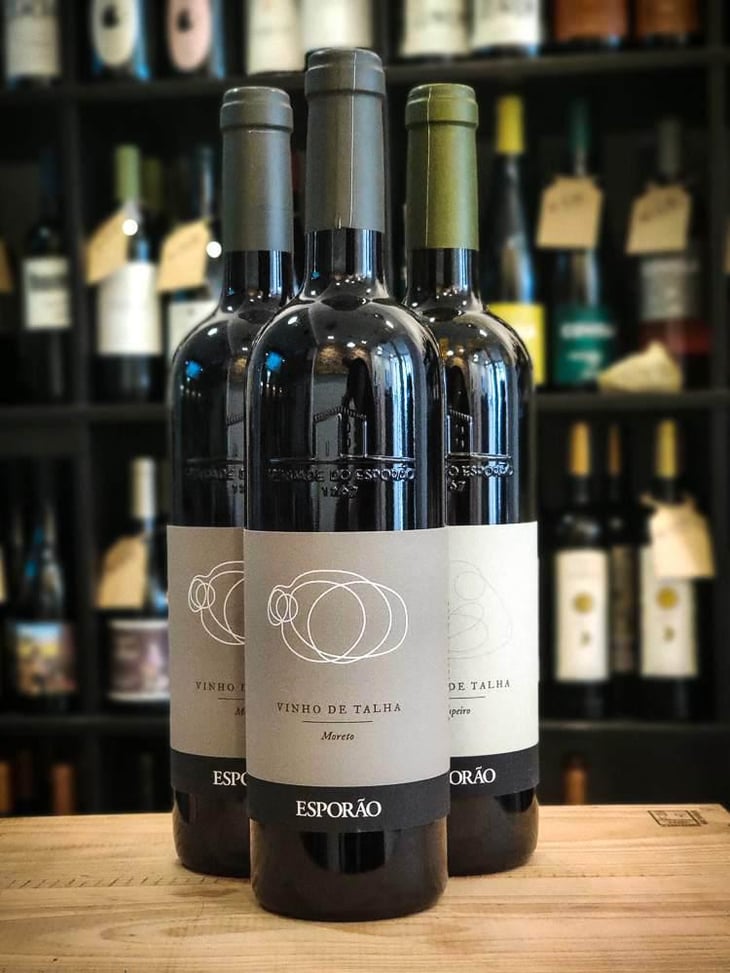
Herdade do Esporão's Moreto is a unique red wine crafted from the Moreto grape and aged in traditional clay amphorae. The 2019 growing season presented a warm spring and early summer, leading to an accelerated ripening process and an earlier harvest compared to 2018. While average temperatures fell within the 20-year norm, rainfall was below average. The warm spring and early summer pushed the vines forward, resulting in an earlier harvest. Fortunately, cooler temperatures during the ripening period slowed things down, allowing for even and balanced grape development – ideal for producing high-quality wines. The Moreto grapes, grown on 80-year-old vines in sandy loam soils with a schist base, were vinified using time-tested methods. Partial destemming allows for some whole clusters in the fermentation process. This takes place in clay amphorae (talhas) lined with pine pitch, utilizing indigenous yeasts for a natural approach. The wine rests on the lees until late November, and malolactic fermentation, which can soften acidity, occurs within the talha. The wine is then pressed and bottled. Visually, the Moreto 2019 boasts a bright ruby color. Further information on the aroma and taste is not available, but the traditional vinification and the Moreto grape's potential suggest a wine with notes of red and black fruit, earthiness, and a touch of rustic charm.
6097 KM
theLAB