3 1 7546 KM
It was through a critical and constructive analysis of the old methods of planting vineyards, the old field blends of mixed grape varieties and, the old methods of vinifying these grapes, that this new/old approach to the stereotype of Douro Wine emerged.
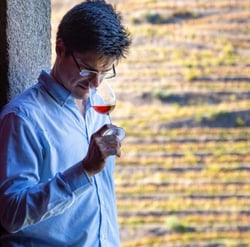
The work arises from the partnership and friendship with some winegrowers in the region, from different areas of the Douro Valley, according to the style sought. The selection criteria is to find very old vineyards with mixed grape varieties and help maintain these field blends, paying a fair value for the work of the people and the grapes.
Maturation control is carried out by the producer and is very strict, as only a very small amount of sulfites will be added for a smooth fermentation. When the grapes arrive at the winery, they are weighed and placed whole in small presses. Then, we step on it with the help of family and friends who visit us. Fermentation begins 3-4 days later, spontaneously and wildly, without temperature control, as was done in the old days in the villages of the Douro when everyone made table wine to drink at home, at work or in local taverns.
Contact with the skins is maintained throughout fermentation, to obtain the best extraction of the grape aromas. Therefore, you can see the slightly high volatile acidity values of the wines, coming from fermentation in open tanks with very low sulfites. Throughout this process, low alcohol content and good acidity are essential, as they allow good fermentation in the natural winemaking process. Once fermentation is complete, the skins and stems are pressed, and then the wine is transferred to very old barrels. The wines undergo malolactic fermentation and age in barrels until they are bottled, without any filtration.
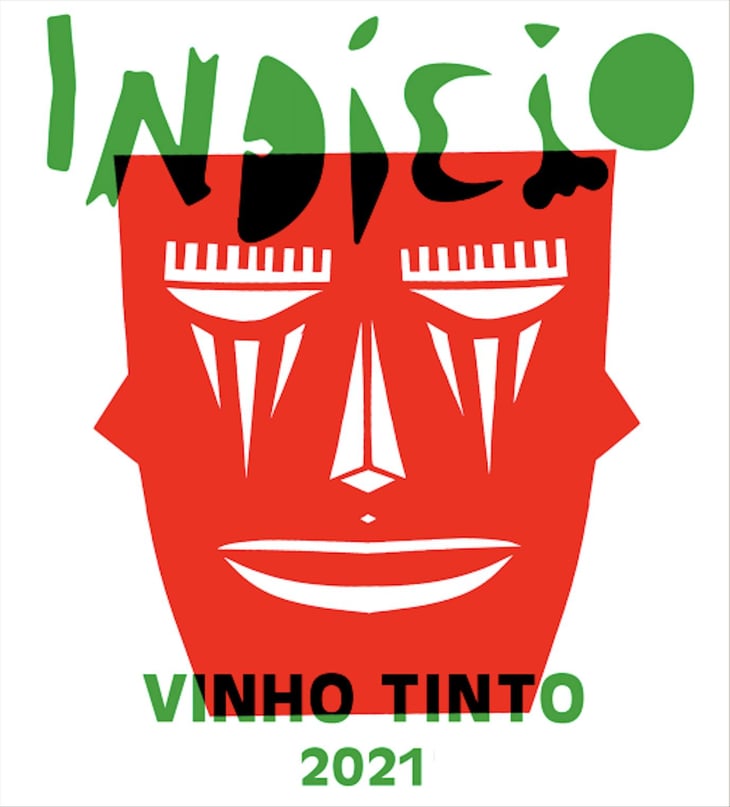
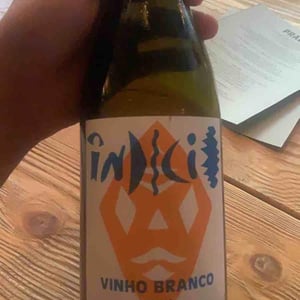
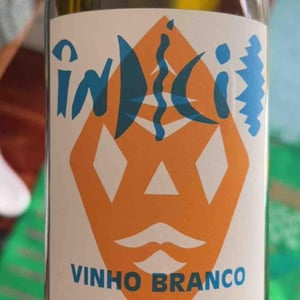
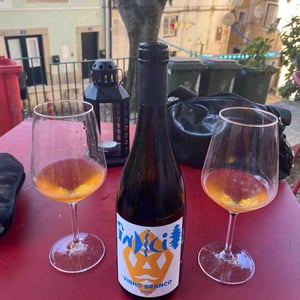
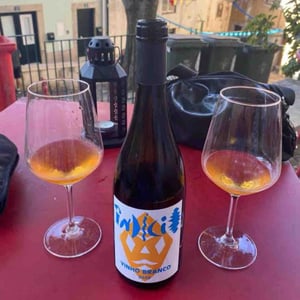
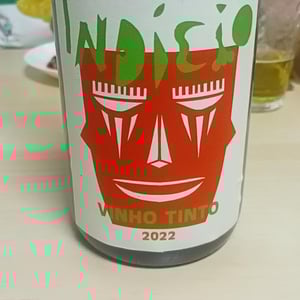
And this is how Indício wines come about.
No rose wines at the moment.
No orange wines at the moment.
No sparkling wines at the moment.
FIND THE EVENT YOU ATTEND

Saturday January 31 - Sunday February 01
Angers
6363 KM
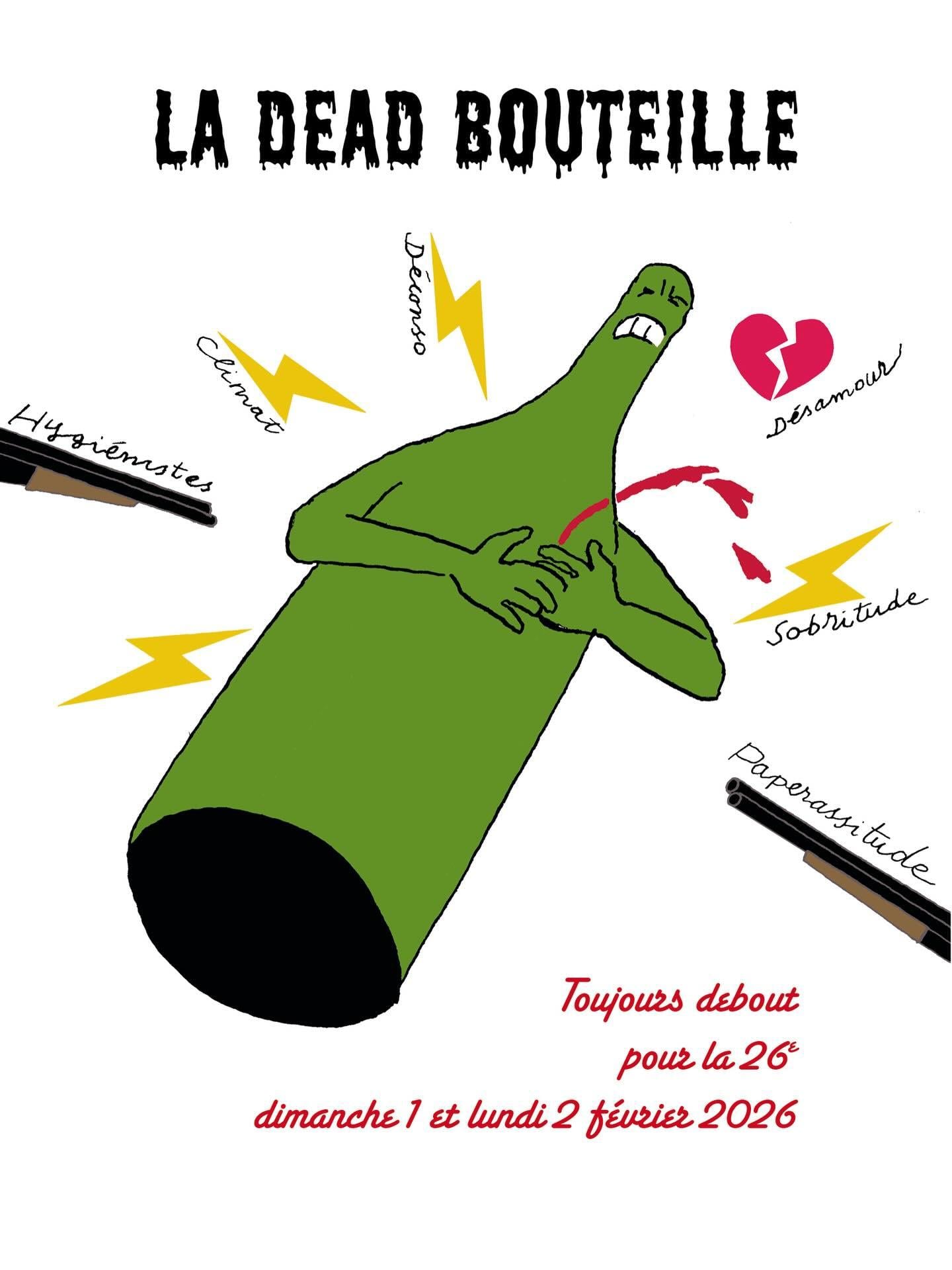
Sunday February 01 - Monday February 02
Saumur
6402 KM
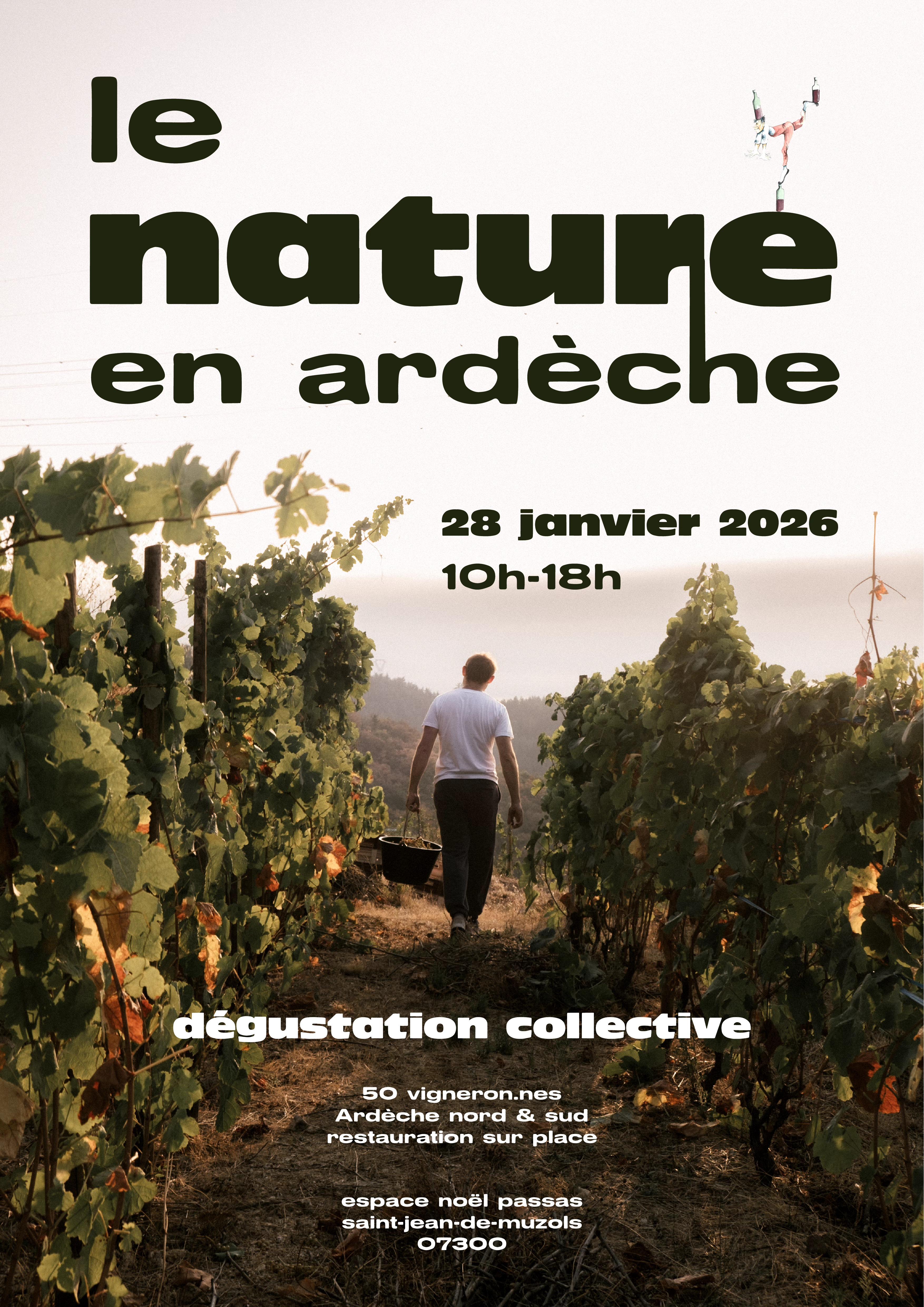
Wednesday January 28
Saint-Jean-de-Muzols
6851 KM

Thursday January 29 - Friday January 30
Les Ponts-de-Cé
6365 KM
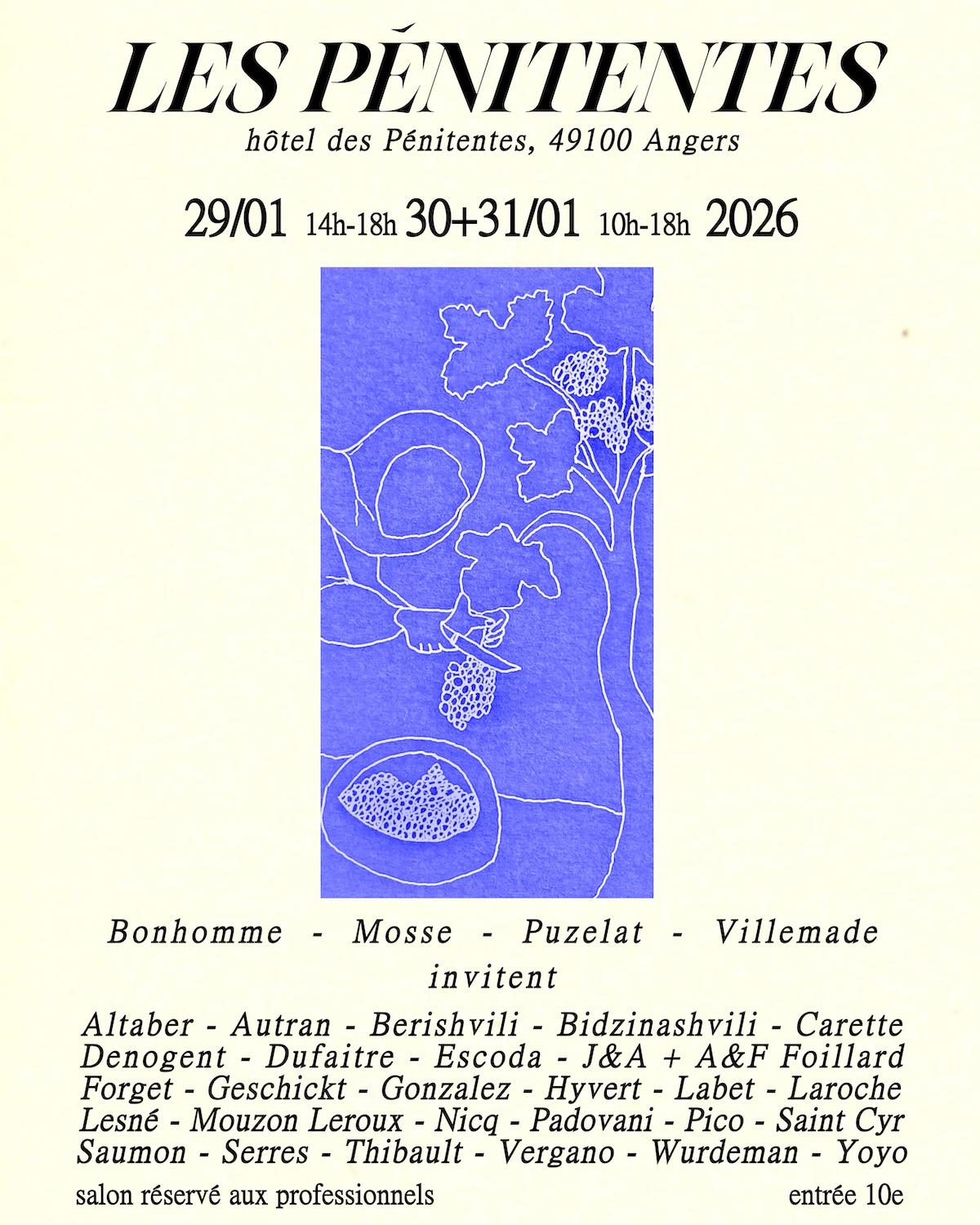
Thursday January 29 - Saturday January 31
Angers
6362 KM
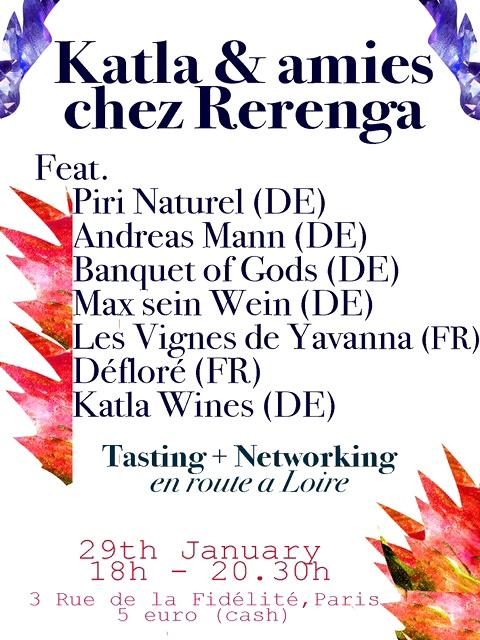
Thursday January 29
Paris
6489 KM

Thursday January 29
NiceFrance
7097 KM
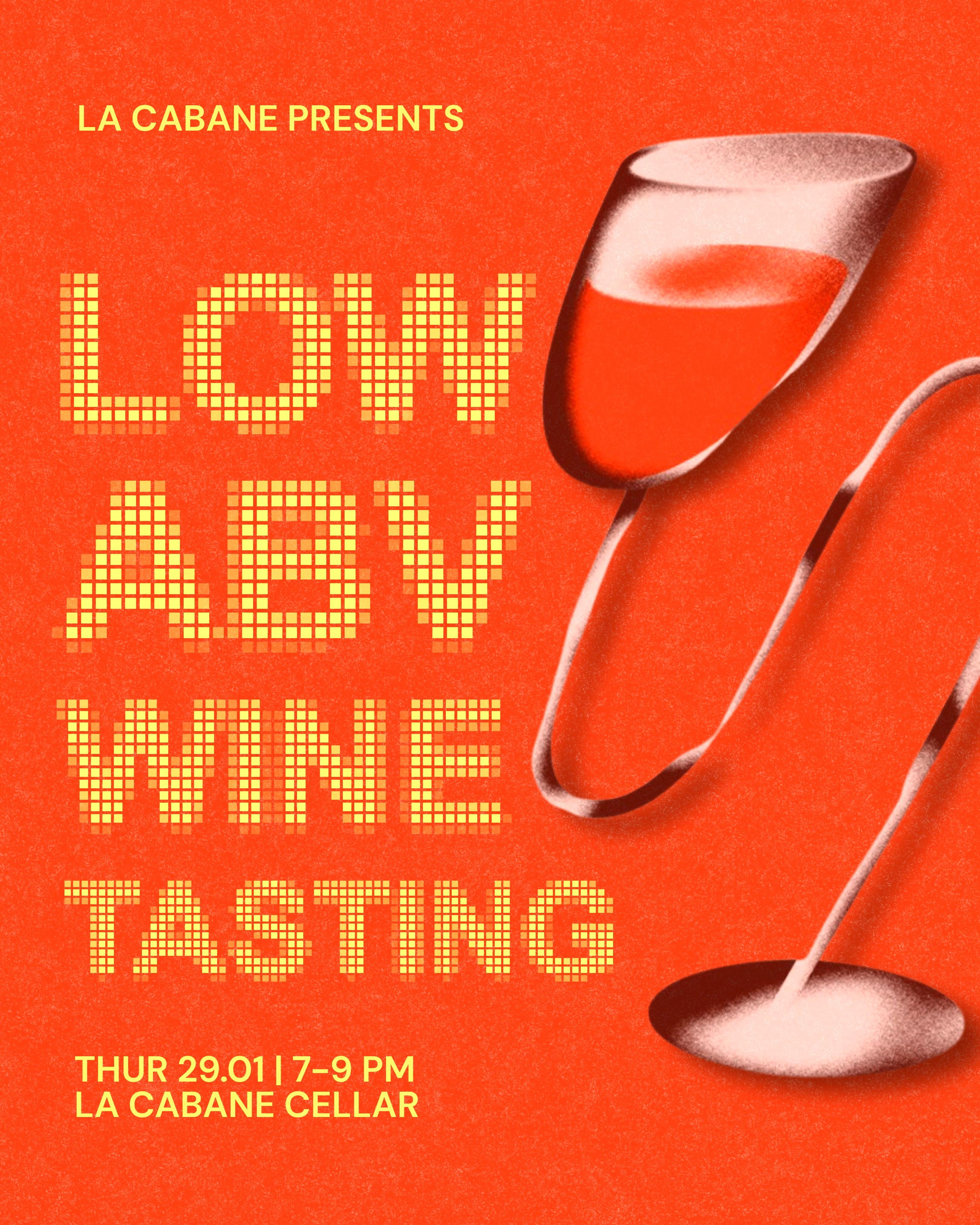
Thursday January 29
Hong KongChina
12869 KM
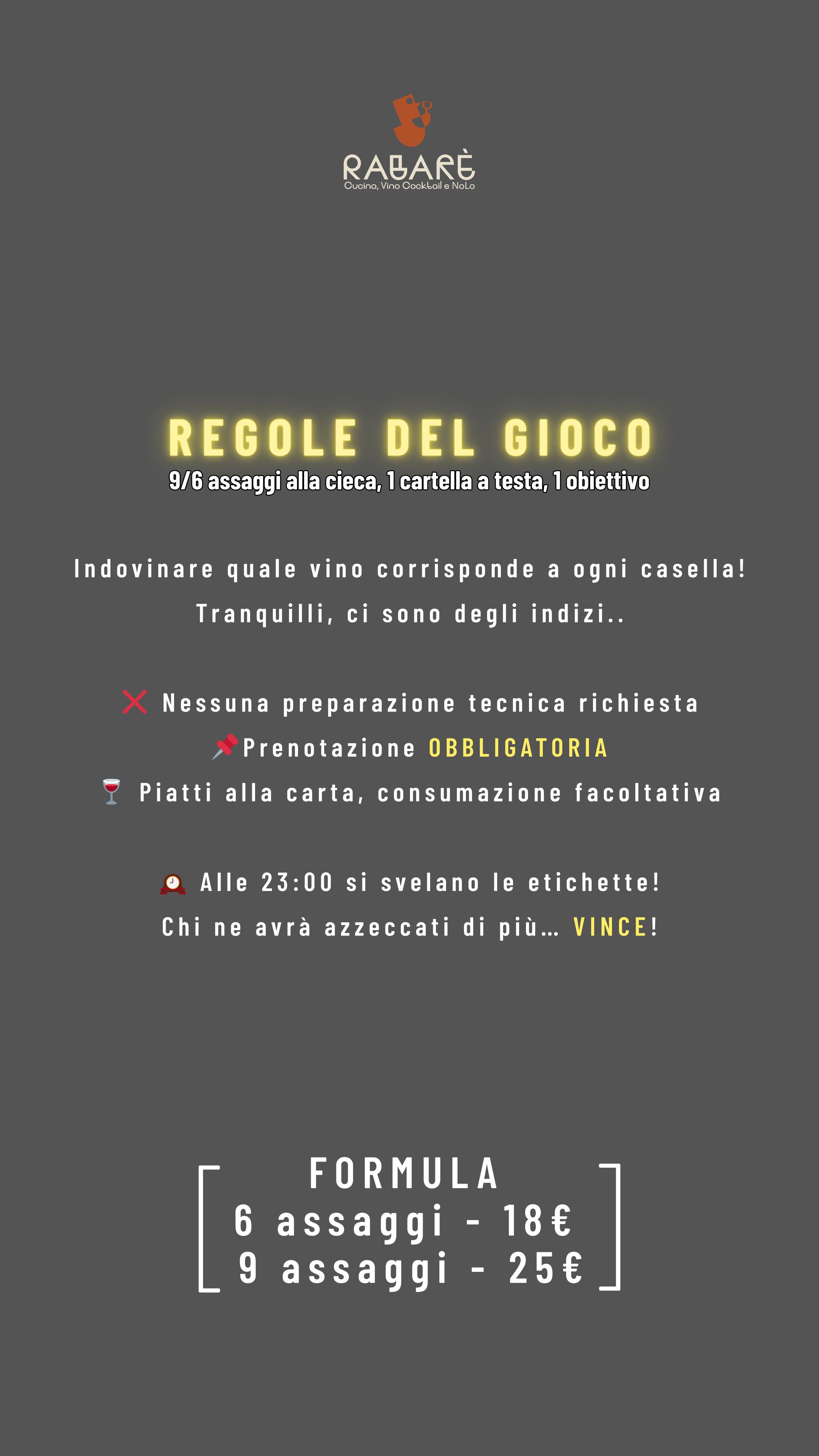
Thursday January 29
TurinItaly
7047 KM

Friday January 30
Bellevigne-en-Layon
6369 KM


6 4 6096 KM
Minot is a new restaurant that’s redefining dining. Located in the heart of the city of Porto, Minot is all about small, fla…2 0 6097 KM
Tábua Rasa is a Portuguese tapas place specializing in cheeses, charcuterie, traditional tinned fish, and wines. A place where…47 6 6097 KM
healthy food everyday. specialty coffee & natural wines. no processed ingredients or bad vibes ✌🏽33 3 6097 KM
Natural wine bar. Charcuterie and cheese. Speciality coffee, traditional desserts. Essentials clothing store. Cured by OEM Stu…14 0 6098 KM
Plant-based dining space offering an experimental menu of unique dishes. Ingredients sourced from regenerative farms, agrofore… Winemakers
 Restaurants
 Bars
Bars Wine Shops
 Accommodations
 Events