The best guide to wonderful natural wines & amazing food in Travel, drink, and eat well in Japan.!
Incredible Japan! Both familiar and completely unknown, Japan fascinates, captivates the imagination, and leaves a lasting impression. In this archipelago at the end of the world, full of contrasts and refinement, modernism and tradition coexist side by side. So make a date with this unique country for a great experience...
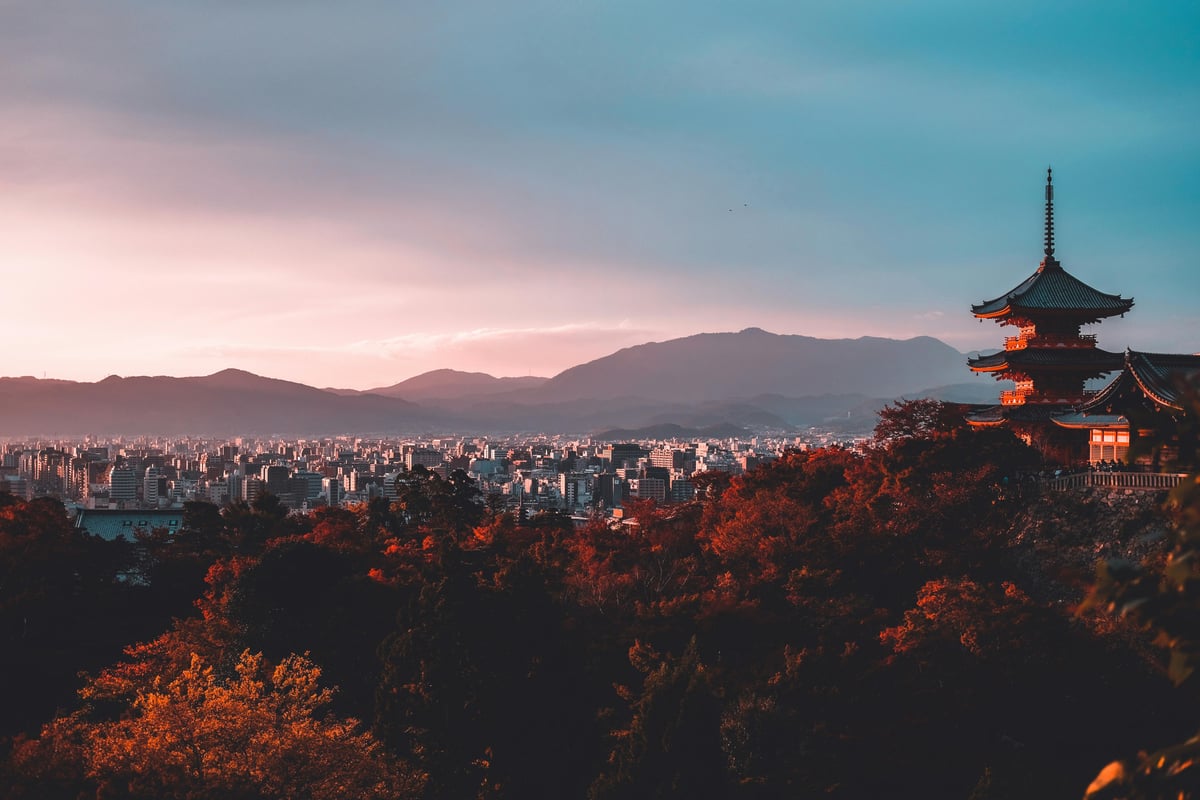
Kyoto, Japan
Between nature and urbanism
Stretching 3,300 km from Taiwan to Russia, Japan is a land apart. Its topography is unique: almost deserted mountains occupy three-quarters of the territory, while narrow coastal plains are highly urbanized and dotted with metropolises. Completely insular and distant from the Asian coast (nearly 400 km separate them), it is both isolated and yet one of the world's greatest powers. This state of affairs owes much to the Edo (1603-1868) and Meiji (1868-1912) eras, during which the country went from a period of stability and self-sufficiency due to a long and complete closure to foreign trade (the Japan of shoguns and samurai) to a period of widespread openness to the world and industrialization (modern Japan). What a contrast!
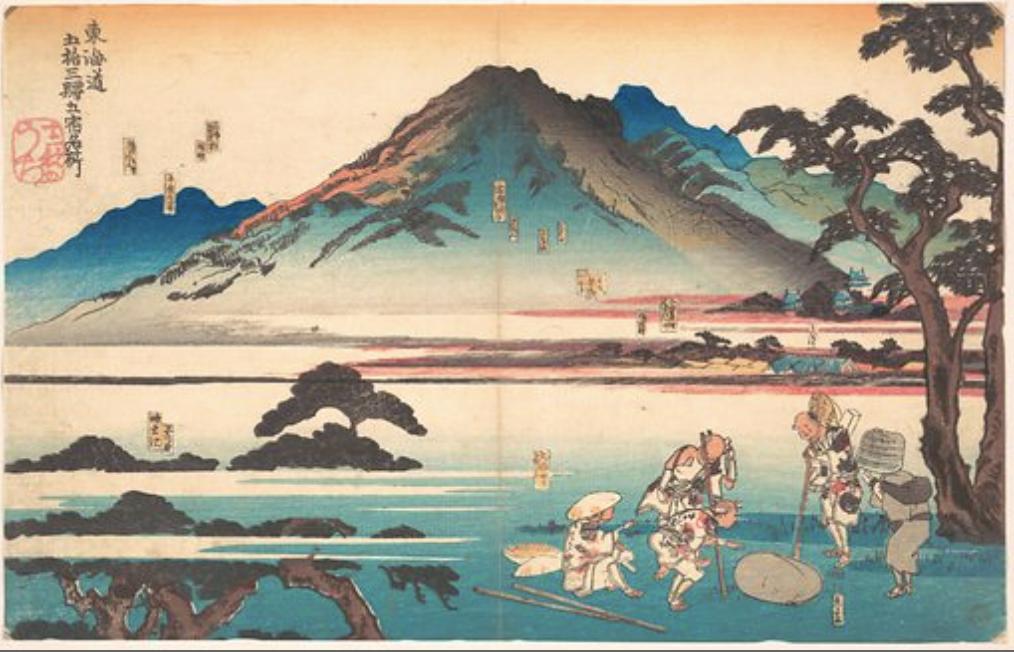
Art in the Edo Period
You can enjoy an enchanting break in an incredible natural landscape dotted with small villages (Japan has no shortage of them!) or experience a dense and bustling urban lifestyle. This is thanks to the bridges and tunnels that connect the four main islands (Japan has nearly 7,000!) and a highly developed transport network, including the famous Shinkansen (high-speed train). Even within Japan's super-cities, the heart is torn between forests of skyscrapers that touch the clouds and low houses, small shops, and tiny restaurants that seem to have come from another era.
Contrast again... As is always the case in Japan...
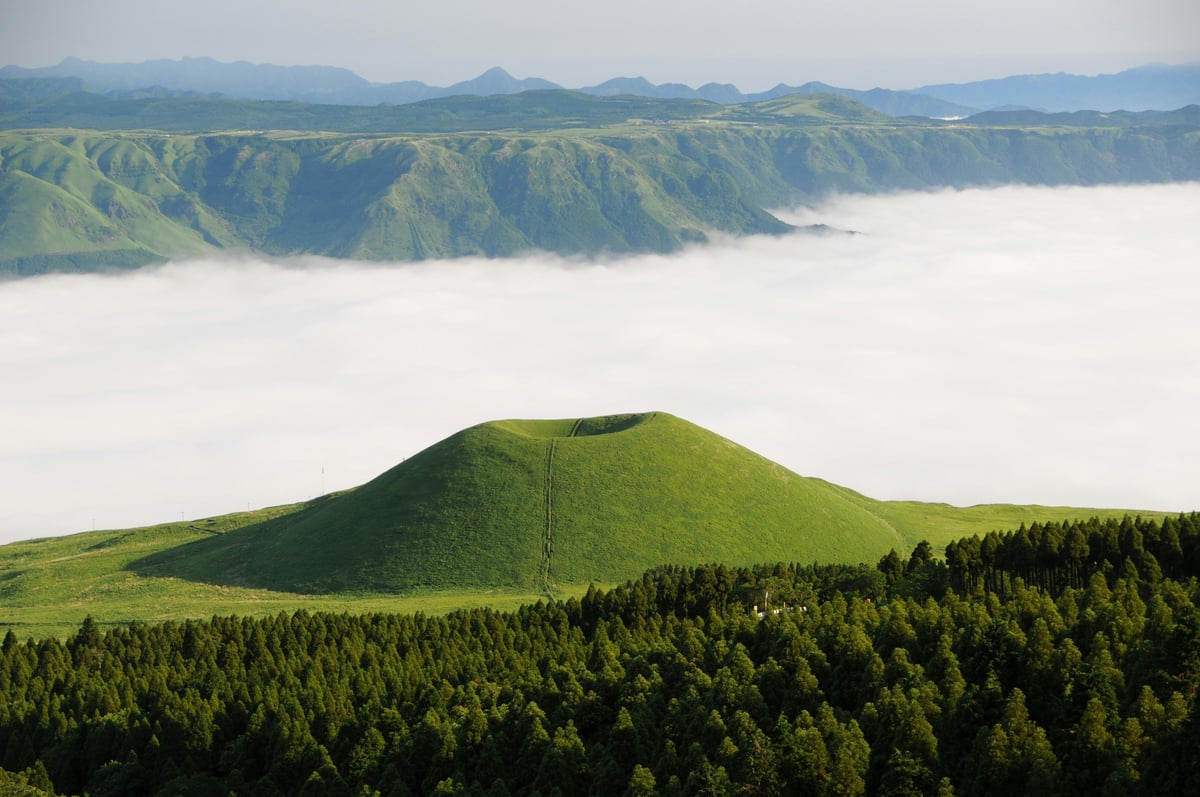
The entry point for influences from continental Asia and the first center of settlement, the island of Kyushu, in the far south, is the cradle of Japanese civilization. It combines two distinctive features: a subtropical climate (and the mildness that goes with it) and active volcanoes. These include the fascinating Mount Aso, with its spectacular landscapes and gigantic crater (which can be seen up close), as well as those of Kirishima-Kinkowan National Park. If hiking isn't your thing, you can quietly observe the Sakurajima volcano from the pleasant city of Kagoshima (the Japanese Naples). On the island of Yakushima, you'll be surprised by the intriguing, dense primary forest, which is home to, among other things, the thousand-year-old cedars celebrated by Hayao Miyazaki in Princess Mononoke. We also love the remarkable 17th-century architecture of Kumamoto Castle (currently undergoing restoration following the terrible earthquake that shook the region in 2016) and the peaceful Tenmangu Shrine in Dazaifu (near the dynamic city of Fukuoka). And then there is Nagasaki, with all the weight of memory that accompanies it in the various places commemorating the victims of the atomic bomb of August 9, 1945.
Mount Aso, Japan
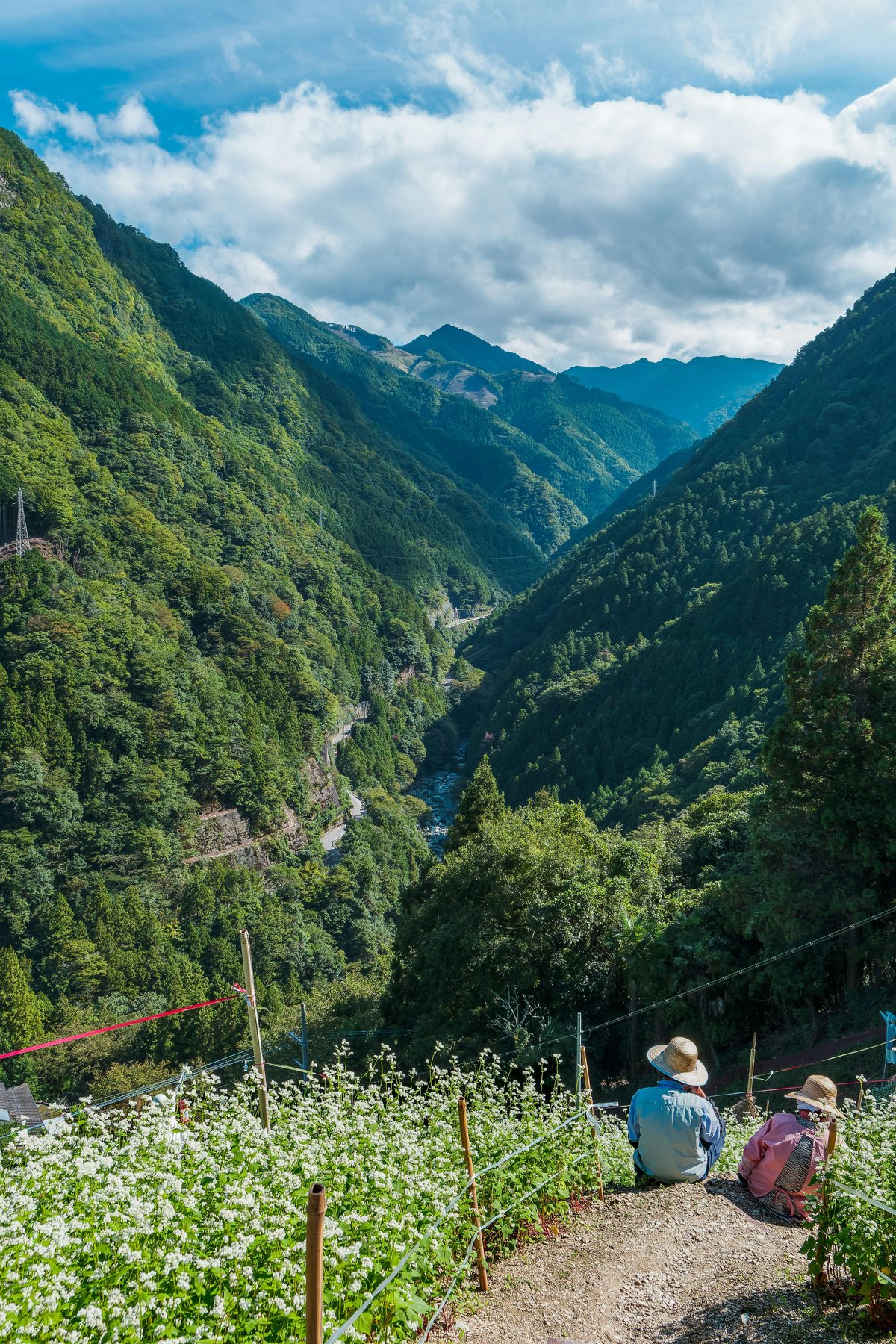
More intimate, the island of Shikoku is worth a visit. For its marine wildlife, beautiful beaches, and pretty coastline overlooking the Seto Inland Sea. For its turquoise water gorges lined with large rocks (Okobe and Koboke). For its Ryozenji Temple in Tokushima, the starting point of an ancient and popular pilgrimage connecting 88 temples. For its sublime Ritsurin Garden in Takamatsu. For its fortified castles (Matsuyama, Uwajima, Marugame, and Kōchi), which are among the 12 that have retained their original keep. For its wonderful dance festivals (Awa-Odori festival in Tokushima and Yosakoi festival in Kōchi) and contemporary art festivals (Setouchi Triennale). For its tranquility and spirituality...
Tokushima, Japan
Visiting Honshu is like taking a trip within a trip, as the island is so vast, diverse, and rich in discoveries (too many to list here).
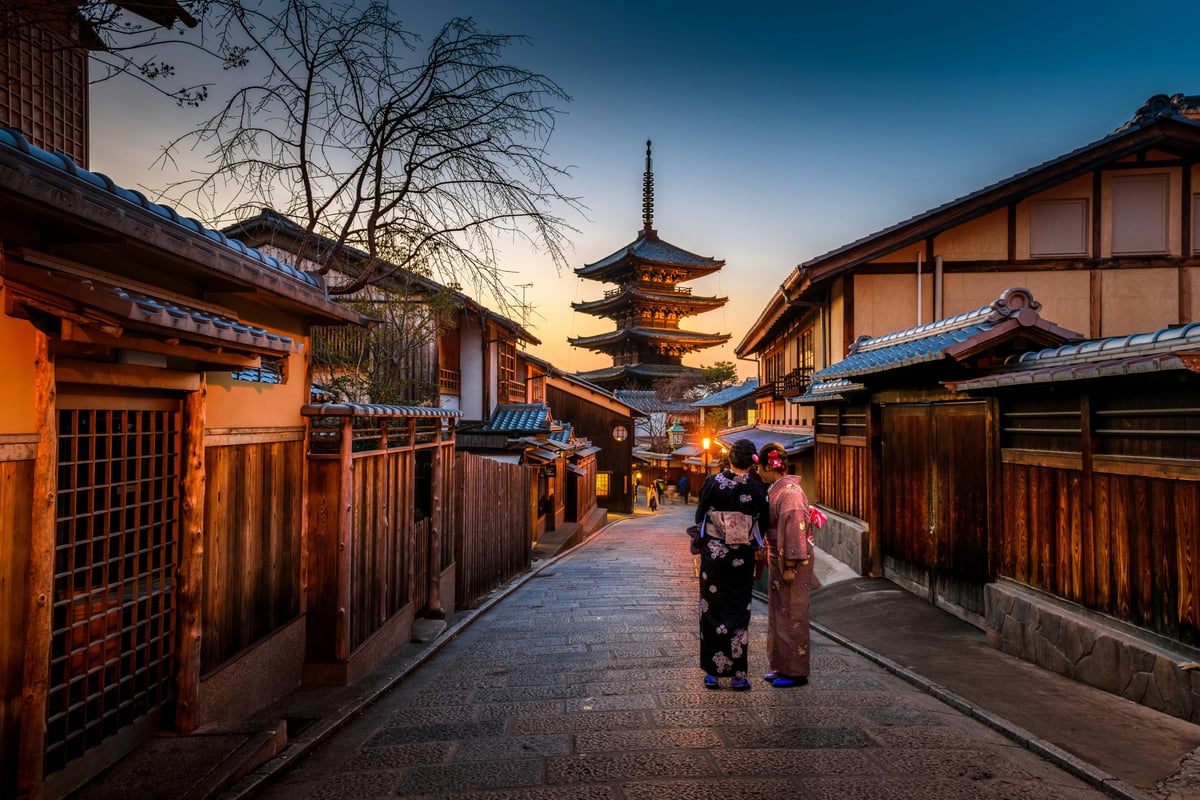
In the southern part of the island, you will be charmed by timeless Kyoto, the former imperial capital, with its wonderful gardens and unique temples (hence its nickname, the city of 1,000 temples). For example, the Kiyomizu-dera temple built on stilts; the impressive Fushimi-Inari; Kinkaku-ji, the Golden Pavilion; Ginkaku-ji, the Silver Pavilion; Tenryu-ji, adjacent to the bamboo grove in the green district of Arashiyama. Also worth seeing are the Katsura Imperial Villa, Nijo Castle (home to powerful shoguns for over 200 years) and the Imperial Palace. And lose yourself in its endless streets, looking for newlyweds in traditional dress or a geisha in wooden clogs.
Kyoto, Japan
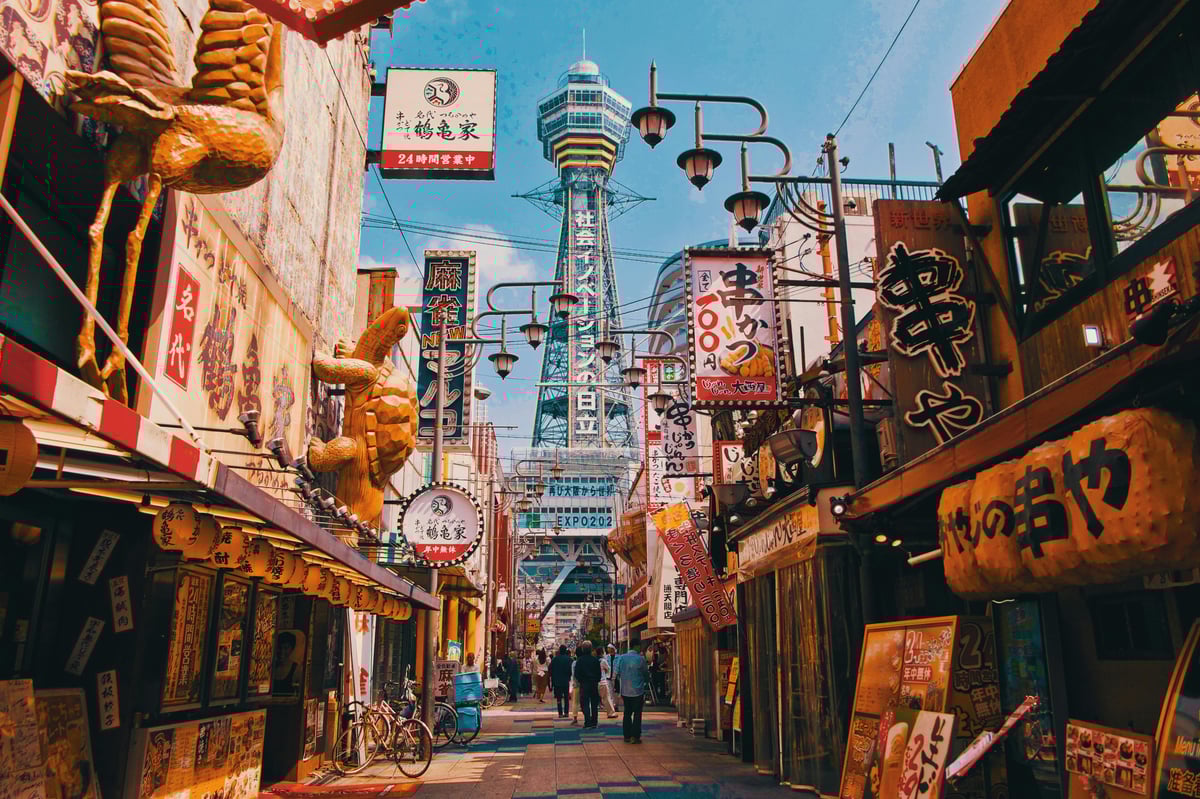
Juste à côté, Osaka la trépidante. On aime l’énergie qui s’en dégage, en particulier à Dotonbori, quartier vivant plein d’enseignes lumineuses et de restaurants. Mais aussi son iconique et un peu kitsch tour Tsutenkaku ou son château emblématique qui a traversé l’épreuve du temps. Il y a aussi la petite Nara et son grand parc où circulent librement des cerfs ; Himeji et son magnifique château fortifié ; l’île de Miyajima avec son sanctuaire flottant, célèbre pour sa grande porte torii rouge fichée dans l’eau à marée haute. Et puis il y a Hiroshima, avec son poignant Mémorial de la paix, seul bâtiment à être resté debout près de l’hypocentre de l’explosion de la première bombe atomique le 6 août 1945.
Osaka, Japan
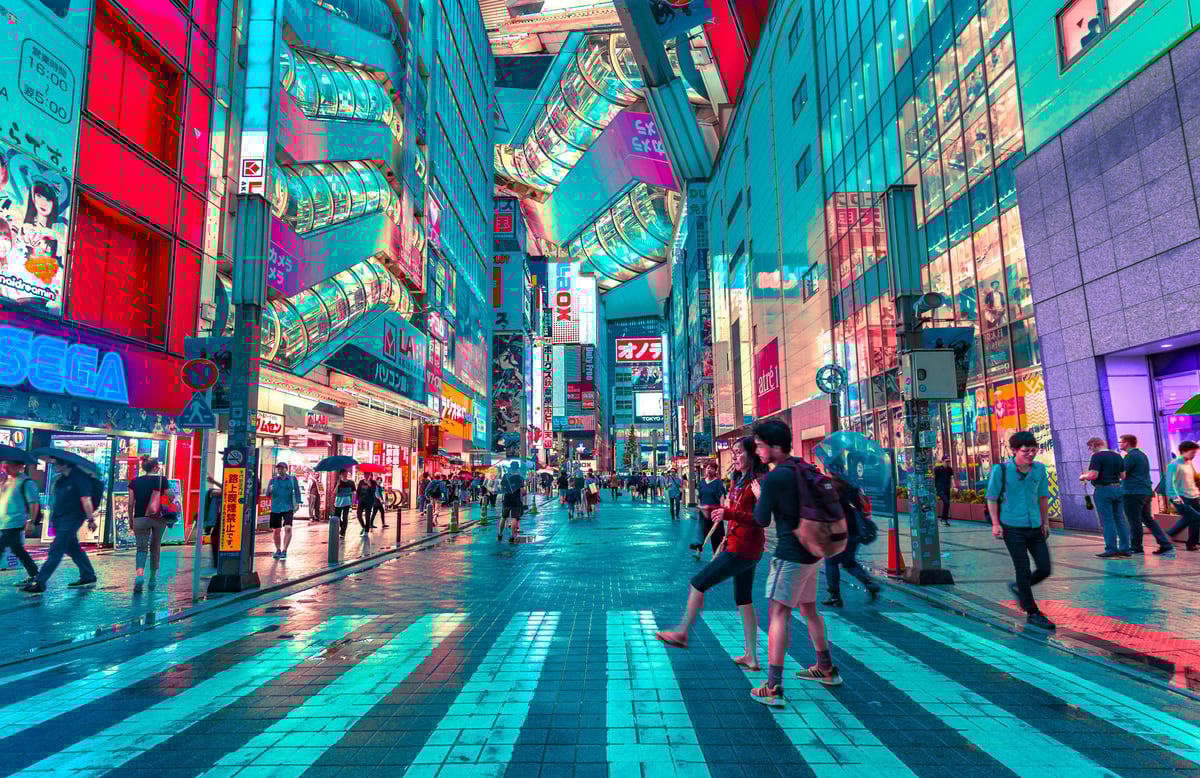
In the center of Honshu, you can admire the iconic Mount Fuji, a symbol of Japan that adventurers can climb. Don't miss the series of lakes that surround it, or the Chureito Pagoda. From there, the views are legendary! Matsumoto (and its well-preserved castle) is a great starting point for exploring the Japanese Alps, a mountain range with peaks over 3,000 meters high, popular in both summer and winter. But what will keep you busy for a while is Tokyo! Modern and ultra-lively, the capital fascinates with the contrasts (once again) of its neighborhoods. Shibuya and its famous crowded pedestrian crossing is a postcard scene where multicolored neon lights, giant screens, trendy shops, and an eclectic crowd mingle. There's also Harajuku, famous for its alternative fashion and street bands; Shinjuku with its impressive skyscrapers and shopping streets with flashy signs (a guaranteed change of scenery!); Kabuki-cho, for night owls; Asakusa and Yakana, with narrow streets lined with shops, pagodas, and gardens; Akihabara, the kingdom of video games; Odaiba and its futuristic architecture... And all the imagery behind the yakuzas, iconic figures covered in tattoos from the feared Japanese mafia (to be discovered in Michael Mann's excellent series Tokyo Vice, based on an autobiographical essay by American journalist Jake Adelstein). If you're in need of some peace and quiet, take a trip to Kamakura, an hour's train ride from Tokyo, to relax on the beach of this pleasant seaside resort or in front of its huge Buddha statue, one of the most famous in Japan.
Tokyo, Japan
The lesser-known northern part of Honshu is quite vast and wild. The Tohoku region offers some of Japan's most authentic rural landscapes, off the beaten track. We love its virgin forests, orchards, rice fields, hot springs, and lively folklore. On its Pacific coast, it is slowly recovering from the devastating 2011 tsunami and the nuclear accident at the Fukushima power plant.
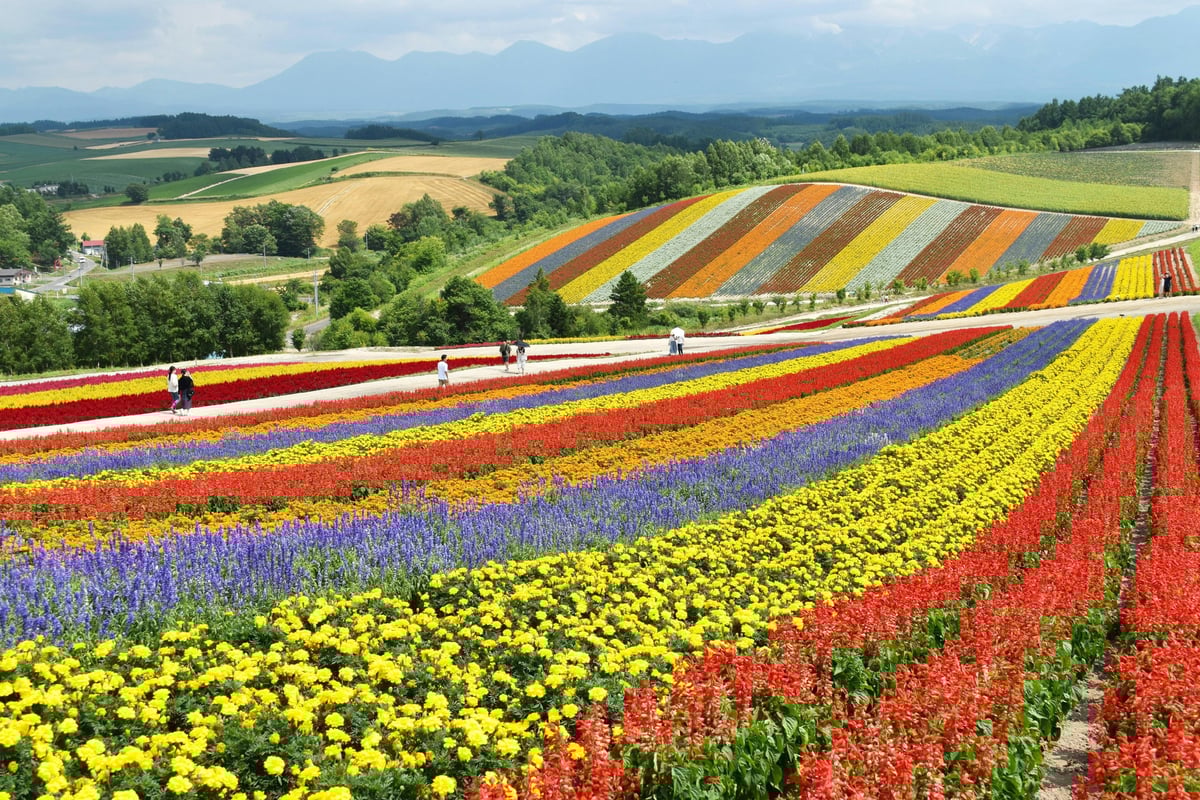
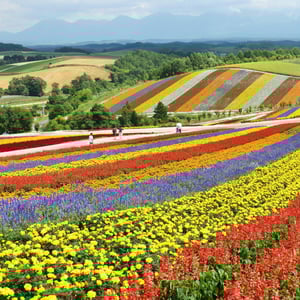
If you love nature, you'll adore the magnificent landscapes of the island of Hokkaido in the far north: green hills, unspoiled forests, lavender fields stretching as far as the eye can see... Take a stroll through Daisetsuzan National Park, with its volcanic mountains, hot springs, and brown bears. Venture to the remote, wild Shiretoko Peninsula, a hotspot for biodiversity. The island is also known for its ski resorts (Niseko, Furano, Rusutsu, etc.) and the spectacular ice sculptures of the Sapporo Snow Festival. For the record, Hokkaido has a culture that is different from the other islands, deeply linked to the Ainu, an indigenous people who were gradually colonized by the Japanese from the 12th century until 1869, when the island (then called Ezo) was officially integrated into Japan.
Hokkaido, Japan
Pop culture, art, and traditions
Immersing yourself in Japanese culture means checking off a long to-do list, as it is so rich and unique.
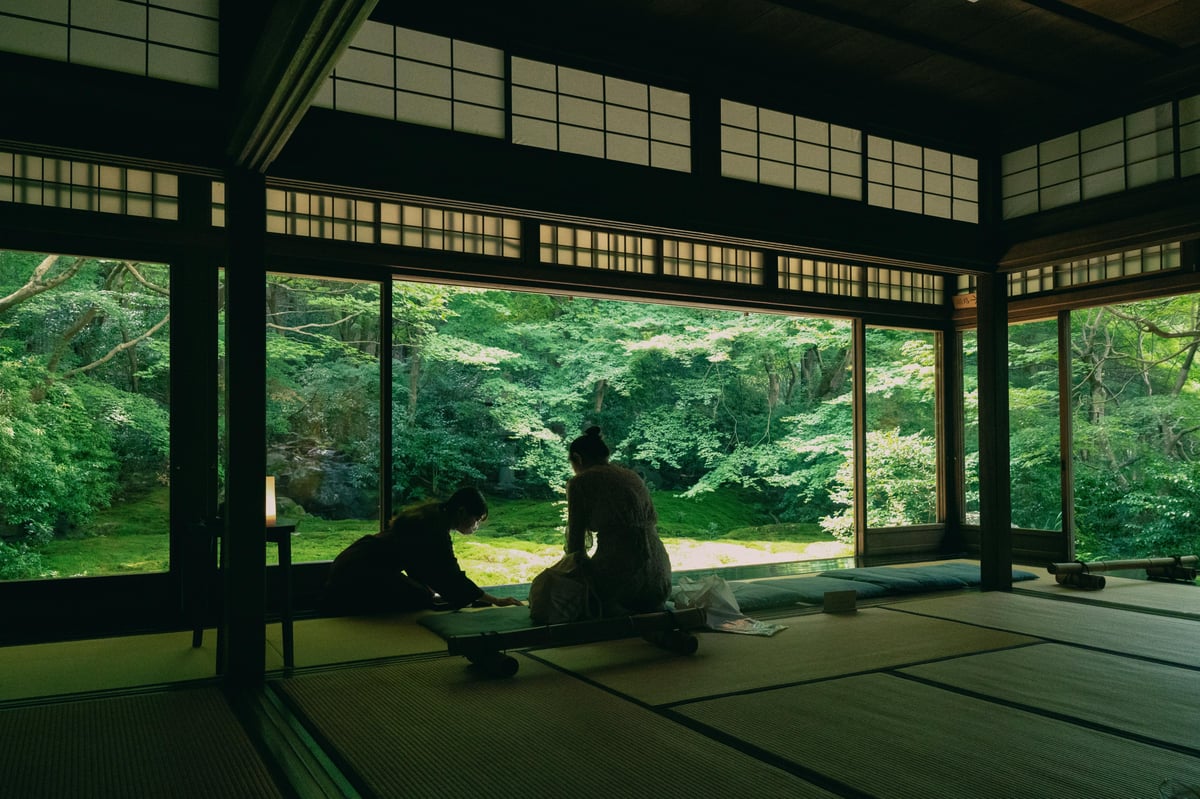
First, there are the traditional customs: the Zen garden, a symbolic and minimalist representation of nature (without water or flowering plants) designed to provide a space conducive to contemplation (for example, the Banryu-tei garden at Kongōbu-ji temple on Mount Kōya south of Osaka); the tea ceremony, which takes place in several highly codified stages in specially dedicated houses (you will find them everywhere in Japan); cherry blossom viewing (Hanami), a truly national event and a spectacle of great beauty; bathing in onsens (hot springs rich in minerals) to soothe the body and mind (for example, those in Beppu on the island of Kyushu, set in a splendid setting, which are definitely worth trying).
Sakyo-ku, Kyoto-fu, Japan
It is also important to note that religion is an integral part of everyday life in Japan, mainly through Shinto and Buddhism, and the majority of Japanese people claim to follow both! They inspire popular mythology through supernatural characters and spirits such as those seen in Spirited Away, My Neighbor Totoro, and Pompoko from the Ghibli animation studio.
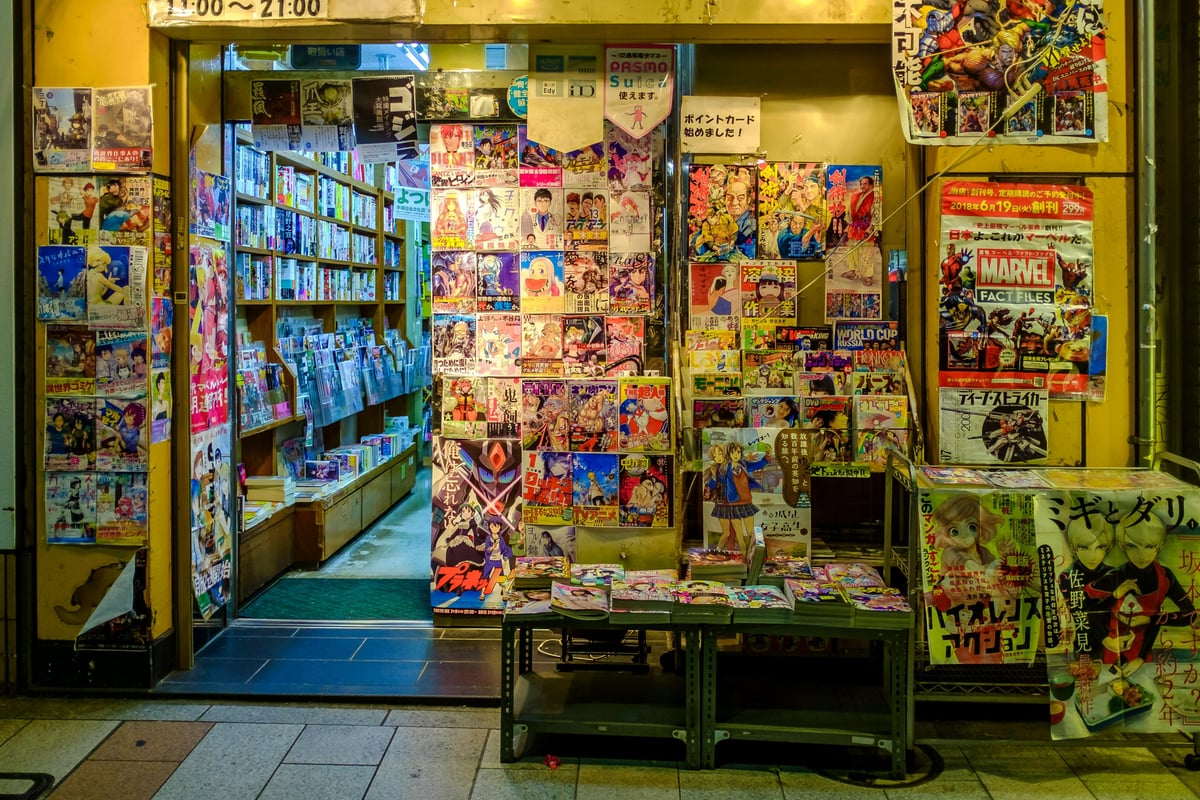
Animated films, along with video games, manga, J-pop(Japanese pop music), and street fashion (kawaii, cosplay, visual kei, etc., featuring extravagant clothing as a sign of rebellion against society's strict rules), make up the surprising and endearing Japanese pop culture, which is the polar opposite of traditional culture (here come the contrasts again!).
Comic Book Store, Tokyo
Japan also has a rich artistic history in fields as varied as painting, engraving, sculpture, architecture, theater (nō, kabuki, bunraku, etc.), ceramics, calligraphy, literature, cinema, fashion, and martial arts (karate, judo, kendo, aikido, sumo). There are countless internationally renowned names, such as Hiroshige and Hokusai (printmaking), Ando Tadao and Shigeru Ban (architecture), Haruki Murakami (literature), Akira Kurosawa and Hirokazu Kore-eda (cinema), Kenzo Takada and Issey Miyake (fashion), and many others.
A magnificent culinary adventure
There is no doubt that Japanese cuisine is infinitely rich and a world unto itself. From the very first bite, you are immersed in its unique identity, based on a deep respect for nature and the seasons and the freshness of the ingredients. The goal is to preserve the quality of the food and enhance its natural flavor.
Japanese cuisine also places great importance on nutritional balance and eating in moderation, particularly through the concept of small portions (ichijusansai, “one soup, three small dishes”) and the presentation of dishes, which should delight the eyes as much as the palate (including the aesthetics of the tableware in which they are served).
Tokyo Restaurant
It was in Japan that the fifth basic taste, umami, was identified. Capable of rounding out the flavor of a dish, it is central to Japanese cuisine, particularly thanks to broths (such as the essential dashi), shoyu (soy sauce), miso (fermented soybean paste), and ingredients rich in glutamate such as seaweed, dried fish, and mushrooms.
In other words, it's delicious, simple, refined, healthy, and authentic. We love it!
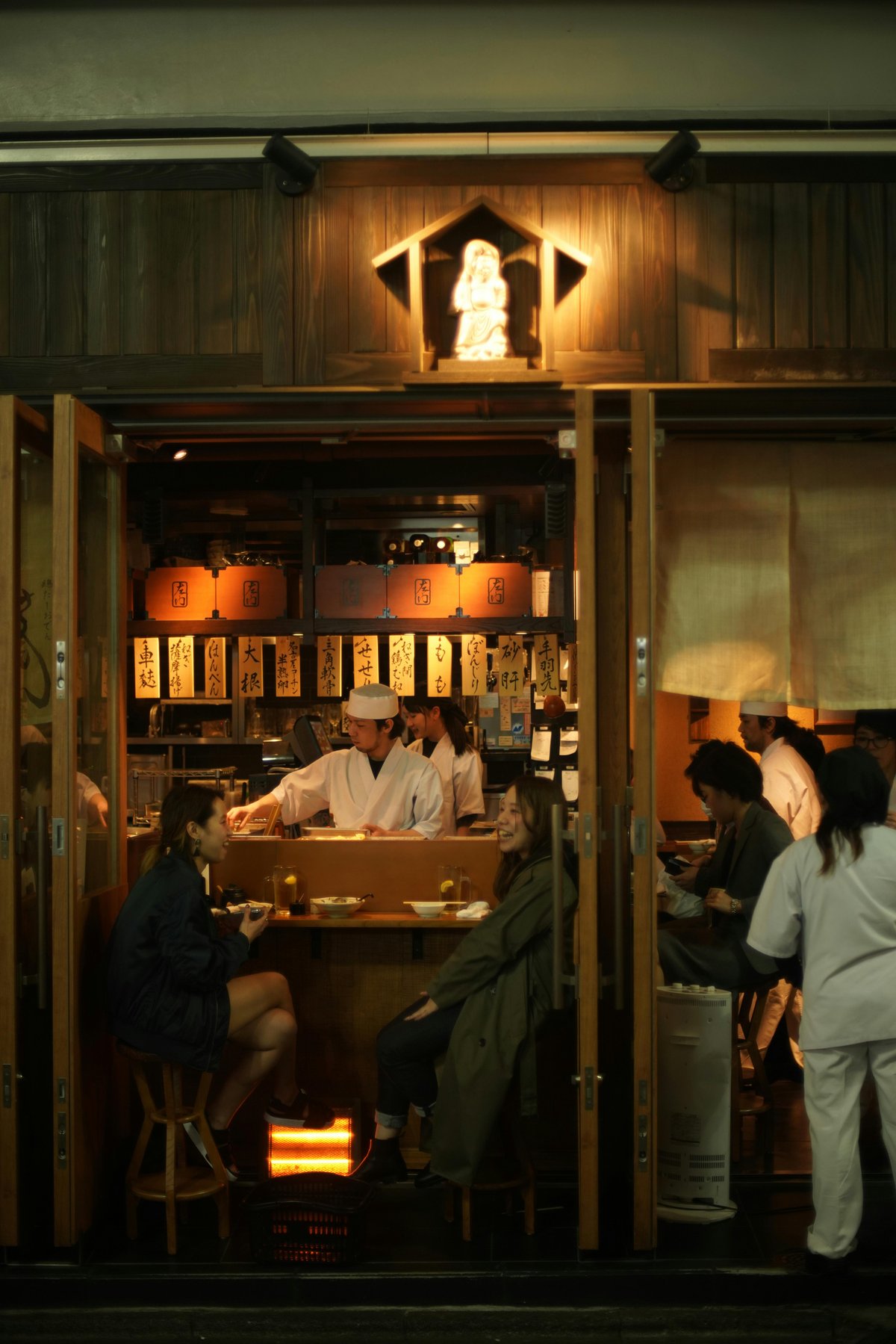
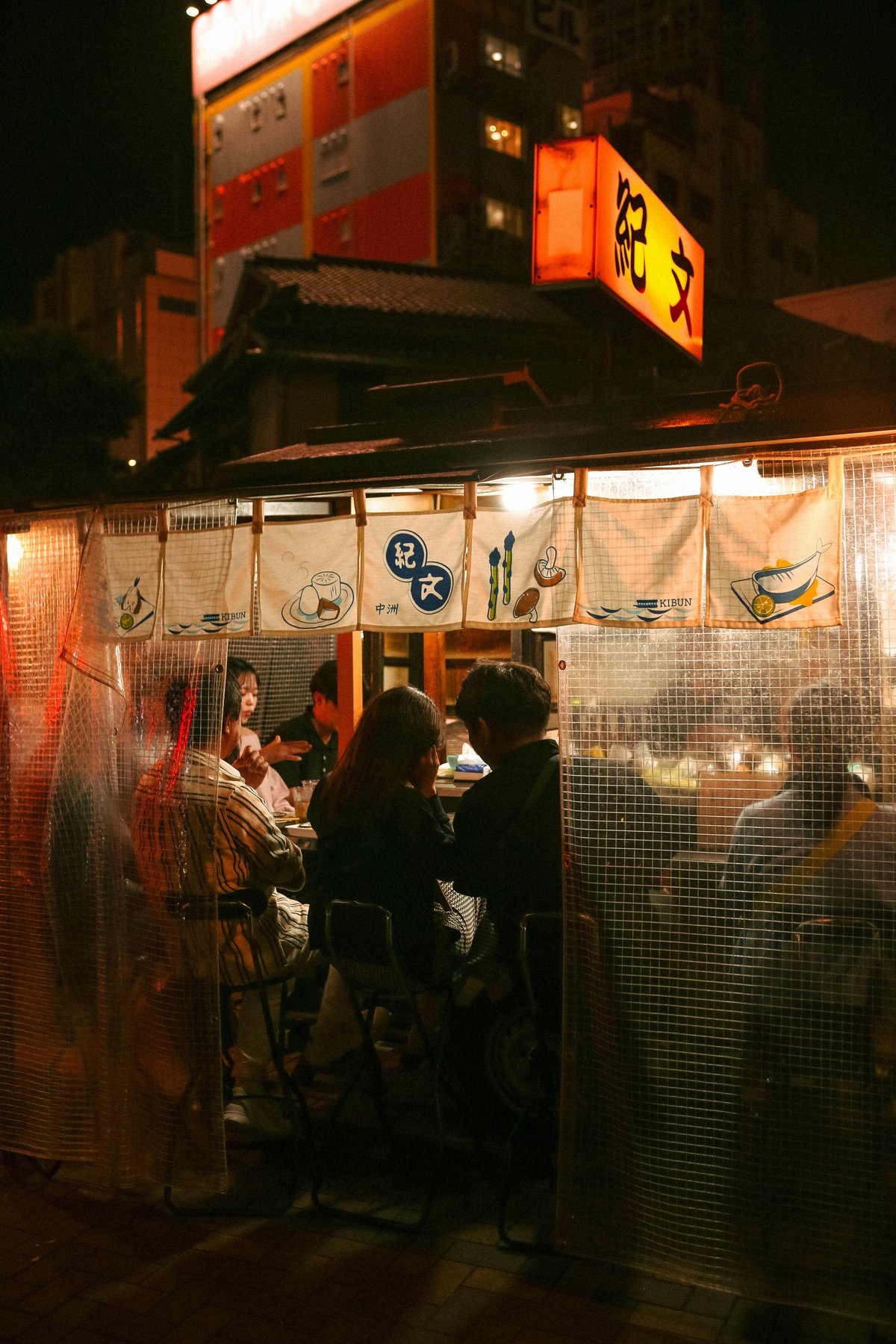
Small restaurants, inns (ryokan), pubs (izakaya), markets, Michelin-starred restaurants, street stalls (yatai), convenience stores (kombini)... wherever you eat, you'll find these common markers. It's no coincidence that the country's culinary traditions (washoku) are on UNESCO's list of intangible cultural heritage.
Japanese Pub
There are, of course, the iconic dishes that almost everyone knows.
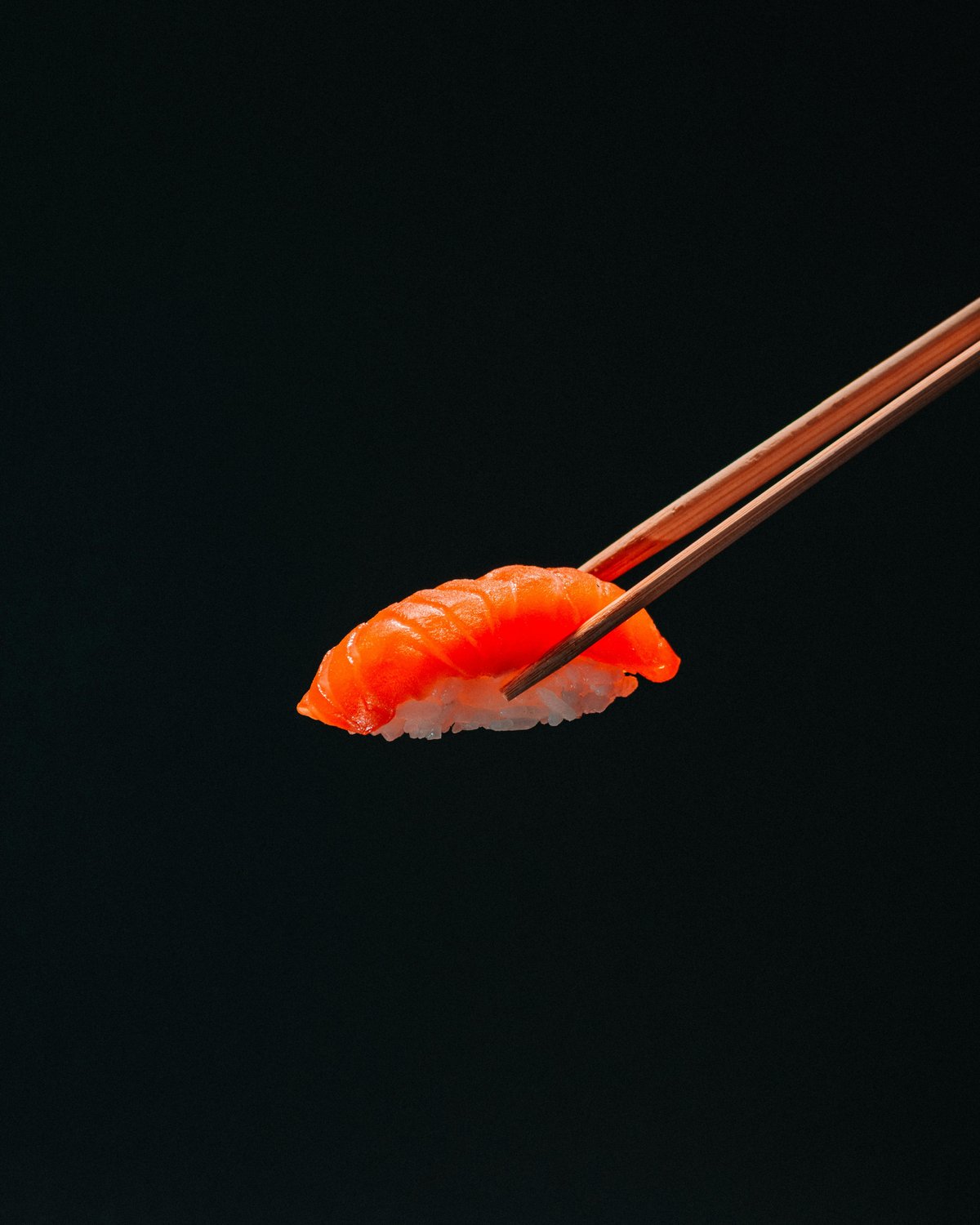
You can enjoy the famous sushi (raw fish served with vinegared rice) in all its forms, including nigiri, maki, temaki, chirachi, and oshi. There is also ramen (wheat noodles in a broth with meat, egg, and vegetables, which it is perfectly acceptable to slurp loudly); tempura (light fritters of vegetables or seafood), yakitori (skewers), gyozas (pork ravioli), and miso soup (made with miso and dashi).
World Famous Sushi
And while you're there, try some lesser-known, popular, or regional dishes, which this small sample will make your mouth water: onigiri (rice sandwiches), tonkatsu (breaded pork cutlets, fried and topped with a sauce of the same name), kaisendon (seafood on a bowl of steaming rice), okonomiyaki (pancake topped with various ingredients), takoyaki(batter balls stuffed with octopus), nabemono (vegetables simmered in fish broth), Kobe beef (so tender and with an unmatched flavor), unagi (grilled eel)... And for a sweet treat, try taiyaki (fish-shaped cakes filled with red bean paste, cream, or chocolate) or mochi (sticky rice balls filled with fruit or red bean paste).
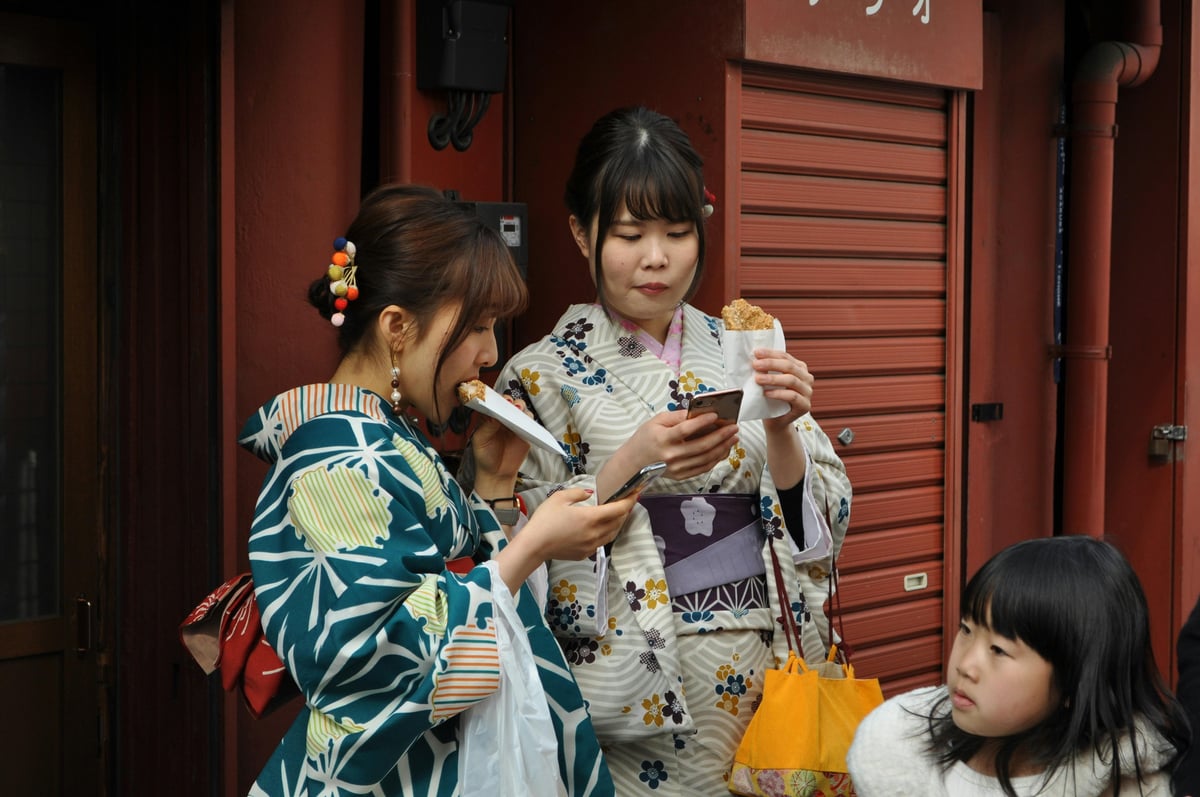
Japanese Women Eating Tonkatsu
Special mention goes to kaiseki, a sophisticated meal consisting of numerous small dishes artistically presented (a true sensory experience!), and ekiben, a type of bentō (lunch box) traditionally sold in train stations or on trains, which can be enjoyed during your journey and allows you to discover a whole range of regional dishes.
You can accompany all this with matcha (green tea), beer, or even (Japanese) whiskey if you're a fan, or sake! If you have the opportunity, try a tasting at a brewery. You'll be surprised by the range of flavors this drink offers. Like wine, when paired with the right foods, it can perfectly enhance the flavor of a meal.
Omotenashior the art of hospitality
Both a way of being and a way of doing, omotenashi is a typically Japanese philosophy.
Untranslatable, this concept based on generosity and selflessness manifests itself in all aspects of daily life: welcoming guests, anticipating needs, pleasing others, caring for others, being respectful, paying attention to the smallest details, giving the best of oneself, seeing beauty in the unfinished or imperfect...
But it also means allowing apparent contradictions to coexist harmoniously (particularly between what we show in public—tatemae—and what we really think and keep to ourselves or share only with a close circle of friends—honne), in other words, mastering the complexity of a society with well-established codes.
There is a particularly fascinating, almost magnetic spiritual force here that one cannot help but admire and which, when you take the time to get to know and experience it, makes you feel lighter, more peaceful, and more inspired too...
Now, forget everything you know and come and taste the fabulous ingredients that make up Japan. They will transport you far away, to another place, and you will leave feeling more zen...
Are you a natural wine advocate in Japan?
Write about the different places where you love to go to drink, eat!
Would you like to share your findings with the natural wine community?
Of course, you will be credited as the author with a photo + link to your website. If this is something you would be interested in, please let us know by sending an email to: ➜
[email protected].
We’ll follow up with more detailed information on what we’re looking for. Hope to chat soon!
MORE THAN 338 VENUES IN 38
regions WAITING FOR YOU!
38 regions and 88 cities in Japan WHERE YOU’LL
FIND NATURAL WINE & GREAT FOOD:
Regions:
No matter where you go in the world, this is your chance to discover the most exciting
regions and cities where you'll find great venues serving natural wine and great food, make a pick!
Natural winemakers, here's the information we need to register you on Raisin.
DESCRIPTION OF YOUR DOMAINE
Please provide the information about your estate including location, size, treatments used,
horses, tractors, harvests, etc. within 300-500 characters. This description will be added to your profile.
CERTIFICATIONS (ORGANIC, BIODYNAMIC) :
Please send us all certifications (organic, biodynamic, etc.). If your estate is not certified,
please explain why and describe your farming practices.
INFORMATION ON EACH OF THE WINES YOU PRODUCE:
wine name
color
grape variety(ies) by year(s)
appellation
sparkling
label photo (.pdf format - printer's proof)
volume of free and total sulfur
analysis of each vintage
Is your wine from Négociant activities?
PHOTOS :
a photo of you (the winemaker)
photos of the winery and cellar (between 6 and 12)
 Winemakers
 Bars
Bars Restaurants
 Wine Shops
 Accommodations
 Events