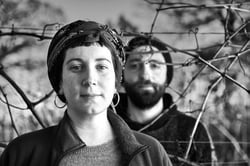
Malauva Casa Agricola - Elisa Cortese, Giovanni Adua
In 2017 we bought an old ruin to renovate together with 6 hectares of land
composed of vineyards, olive groves and woods, with the intention of reviving this ancient farm.
Our "farm house" is located in the Municipality of Castel Giorgio (TR) on the edge of the plateau
dell’Alfna, a splendid volcanic plateau that extends for thousands of hectares at an altitude of
about 550 above sea level, in an area on the border between Umbria, Lazio and Tuscany.
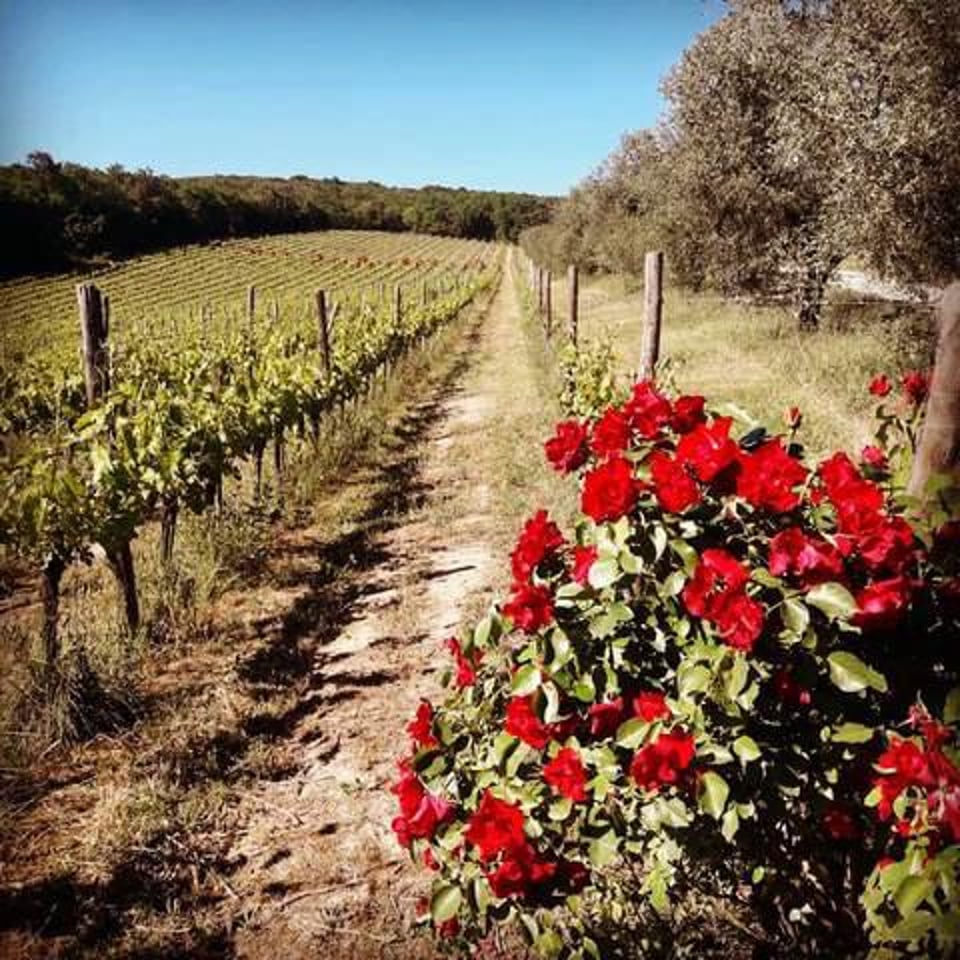
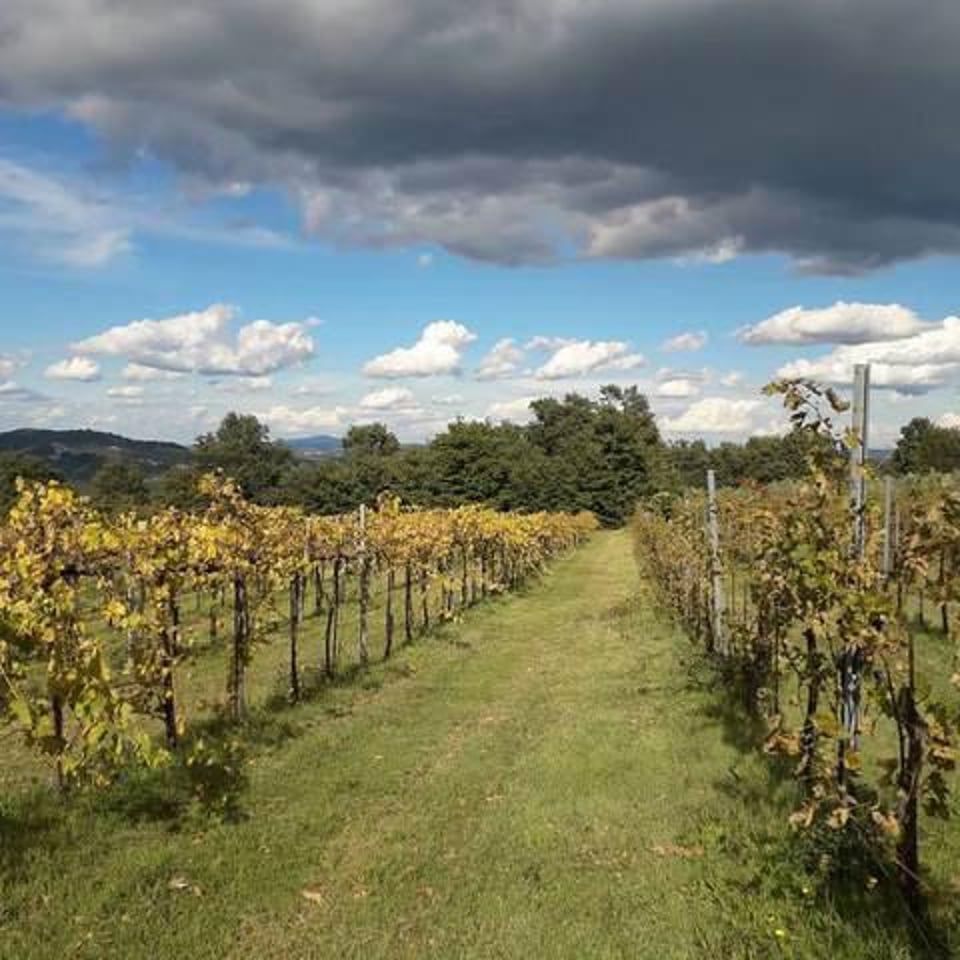
We currently cultivate about 4.5 hectares of vineyards according to the criteria of organic farming; 1.5
hectares are owned while the rest is rented.
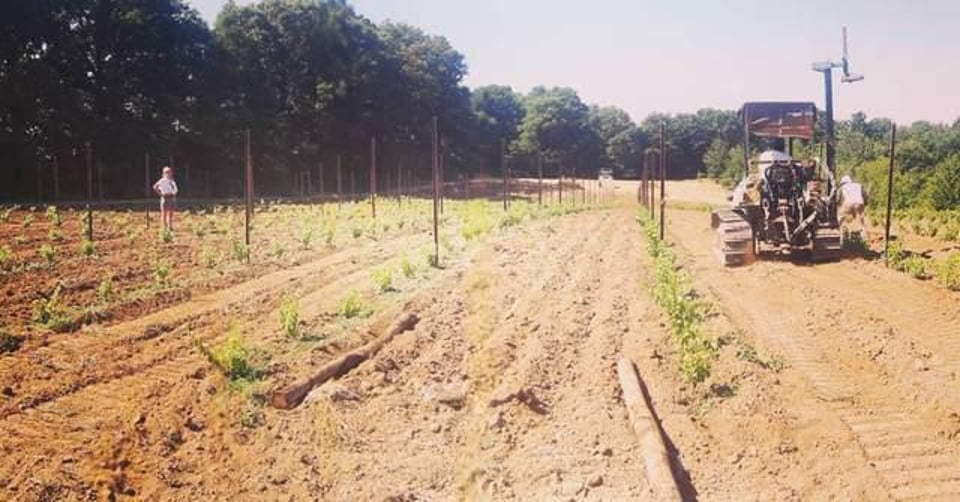
In March 2020 we planted about 0.5 hectares which we grafted onto the field thanks to the
massal selection in an ancient vineyard in which procanico plants can be found,
drupeggio, verdello and malvasia.
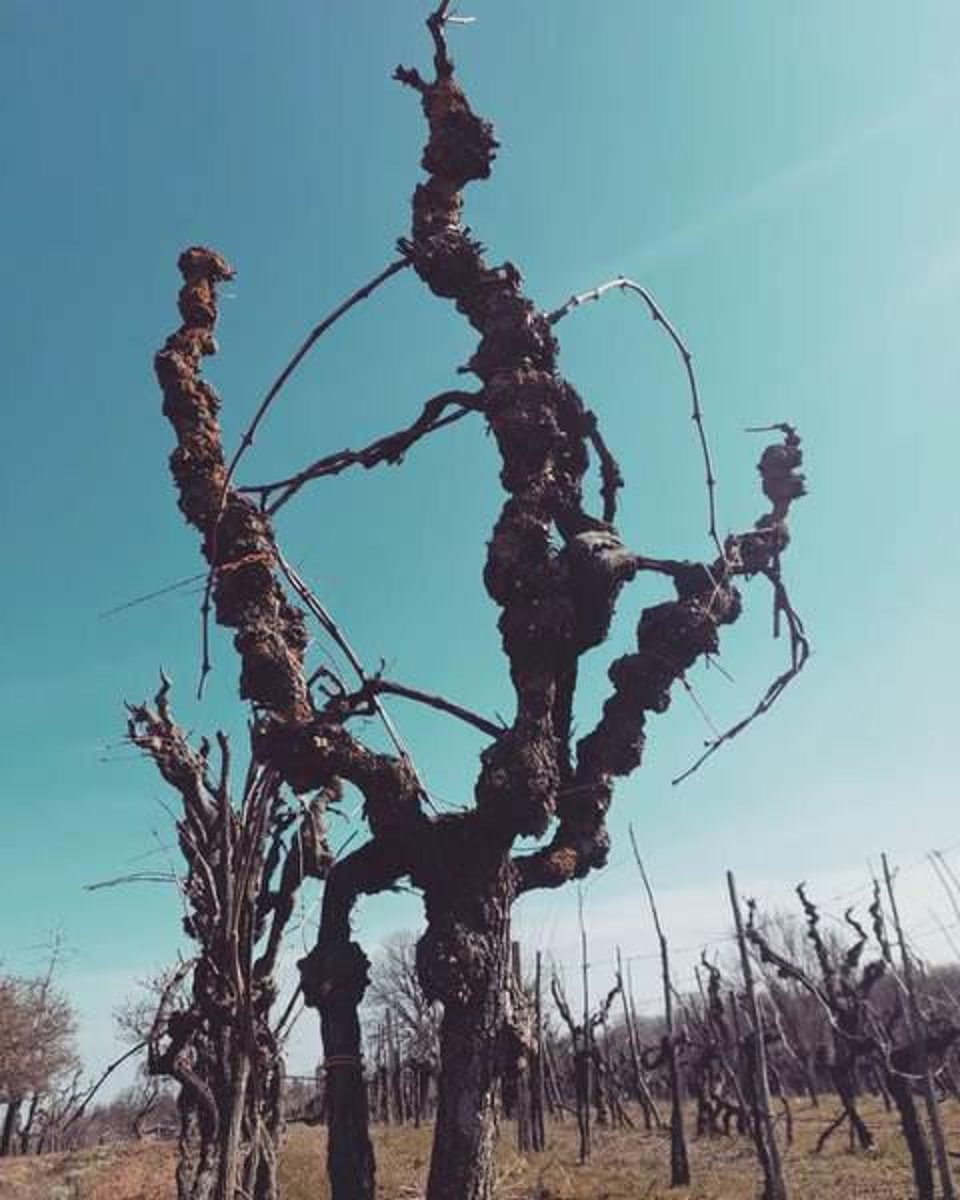
In autumn 2021 we rented an ancient married vineyard, in this small one
ecosystem coexist fruit trees, willows, ash trees and maples, which act as a support for the vines.
The varieties we cultivate the most are those typical of the area, such as Procanico,
Drupeggio, Verdello and Malvasia for the white wines and Sangiovese for the reds; we also have some
small plots of Montepulciano, Pinot Nero and Chardonnay.
Spontaneous stops, no filtering or chirification and no additions of any kind
enological product represent our philosophy in the cellar.
We currently produce 4 wines: Malauva Bianco, Osarella, Tierra and Rosarella.
Every year we also dedicate ourselves to studying new vinifications in order to expand the types of wine
produced and better understand what the different expressions of the varieties can be
we cultivate.
The harvest usually begins at the end of August with the earliest varieties and ends towards the end
September with red berried varieties.
The grapes are harvested exclusively by hand and a careful selection is made in the field for
bring only perfectly healthy grapes to the cellar.
Our project aims to create a small diversified ecosystem, in which vineyards, olive trees, vegetable gardens and animals are all related to each other in order to produce food in a natural and respectful way for nature.


 Winemakers
 Restaurants
 Bars
Bars Wine Shops
 Accommodations
 Events