26 1886 9758 KM
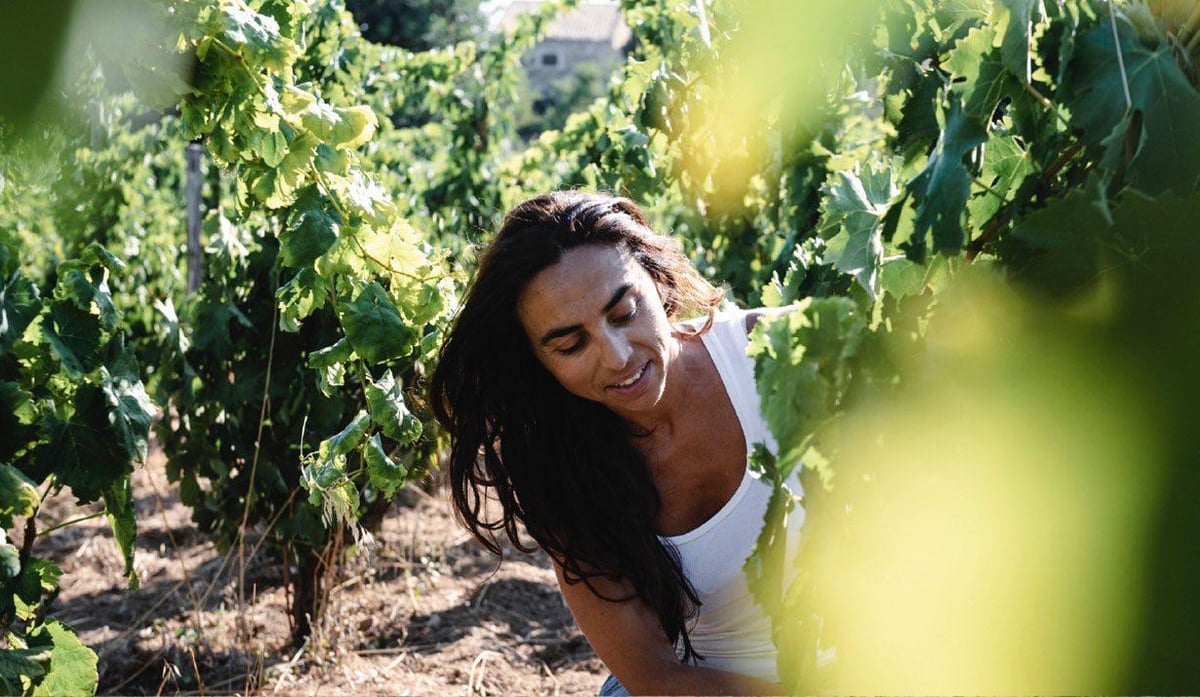
It all began eighteen years ago in Fossa di Lupo. A magical place where the earth, reddening in the evening and swept by the wind from the Iblei mountains, lies on one side alongside a road: the SP68. A regional road, like many others, but with a special history. It was once made of stone, reduced to little more than a path; three thousand years ago, it connected Gela to Kamarina, as it still does today, running alongside the roads to Cerasuolo di Vittoria. From Caltagirone, it continued towards Catania and Lentini. There, poised between heaven and earth, the line of this road also shaped the destiny of this enterprise. The first hectare of land, next to the Fossa di Lupo millstone, was followed by others. The enterprise also expanded into the districts of Bombolieri, Pettineo, Bastonaca, Santa Teresa, Serra d'Elia, and Santa Margherita.
A path we have traveled step by step, aware that beneath the red sands of Vittoria lies something rare and profound: layers of limestone, tuff and gypsum that, over the years, we have sought to bring out more and more clearly through our wines.
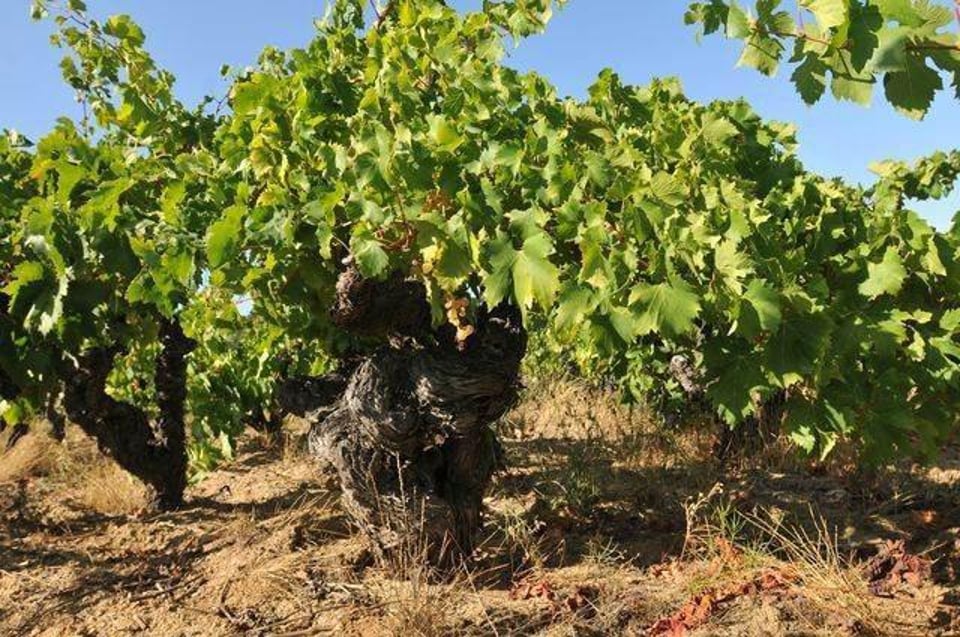
In Bombolieri, the vineyard stretches and winds along the limestone ridge of the contrada, with vines over twenty years old. The courtyard, which opens onto the cellar, captures and retains all the solar energy of the Iblei. Never before had I felt that our path was so coherent, so true to itself. And today, as we travel through the various contrade to Santa Margherita in Chiaramonte Gulfi, we feel as though we carry within us both the past and the future. Our SP68 is the oldest wine route ever recorded. For generations, farmers have used it to bring their wines to the coast. We see ourselves as the guardians of these agricultural landscapes, deeply aware of our farming tradition, while remaining focused on the future.

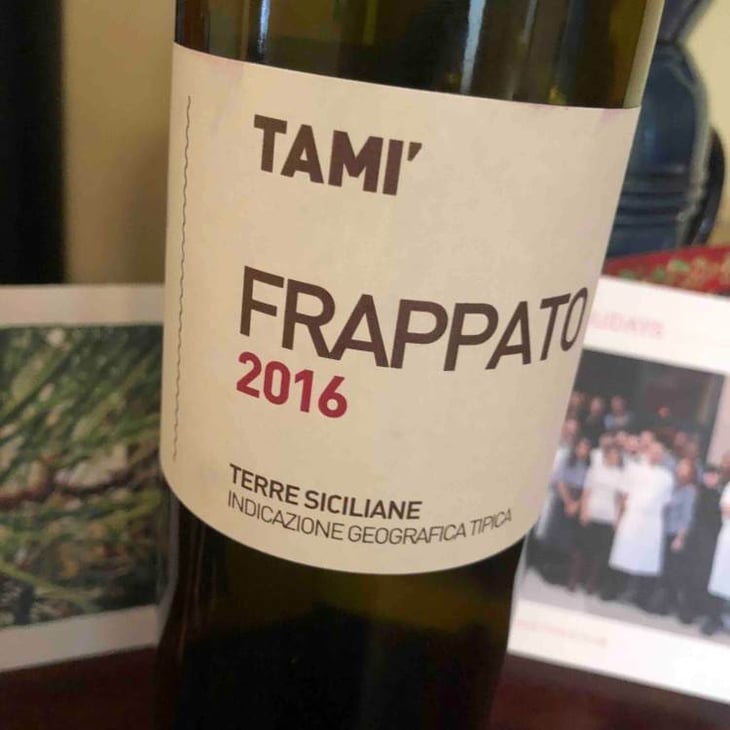
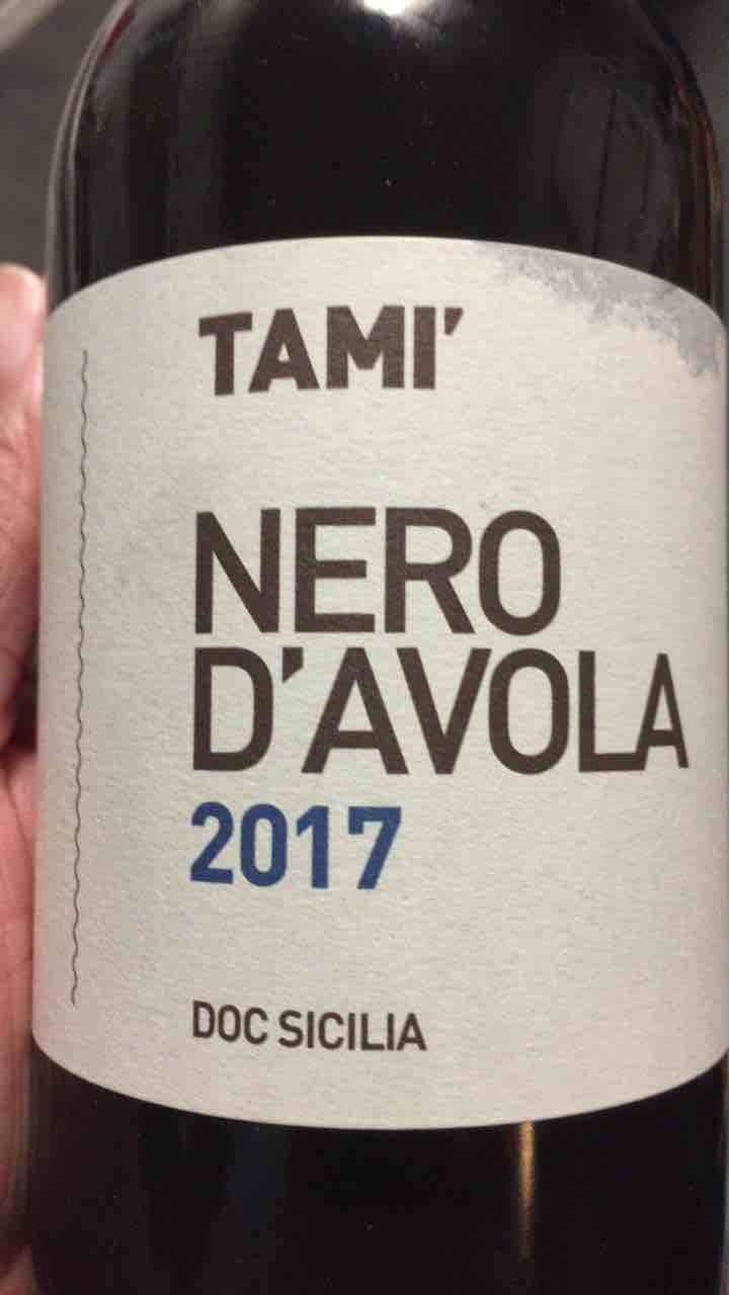
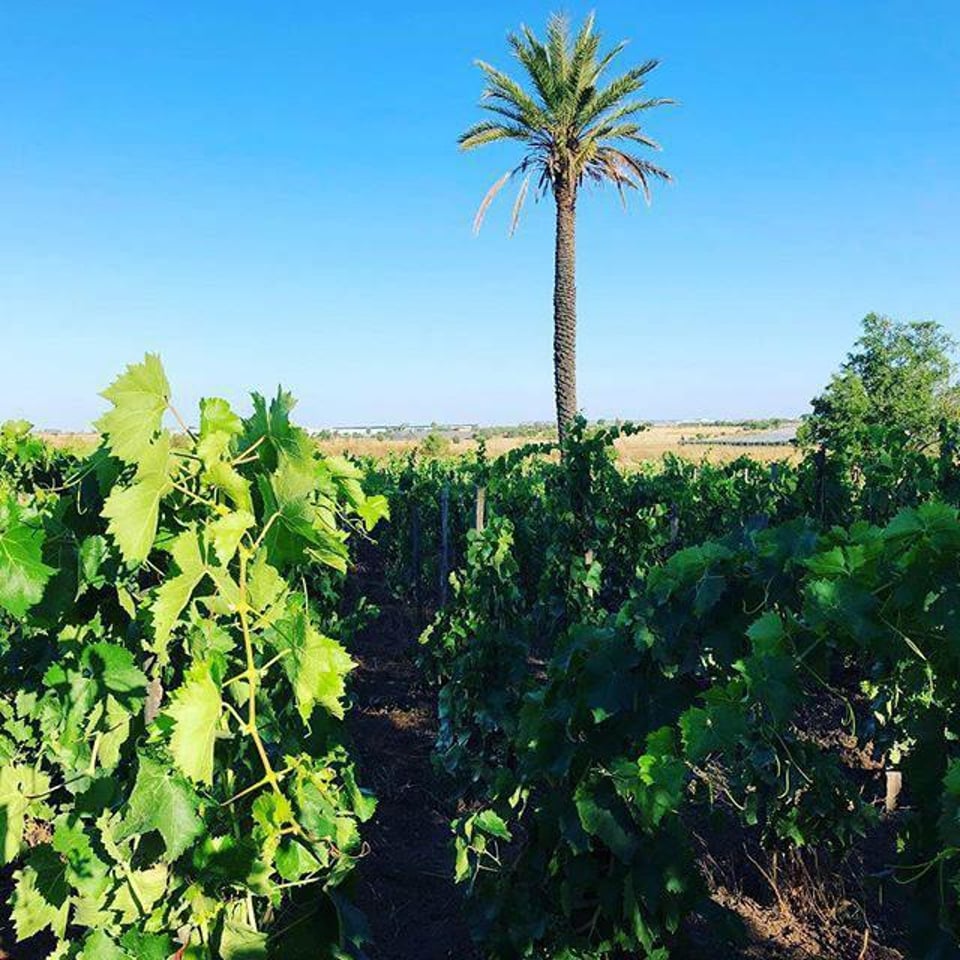
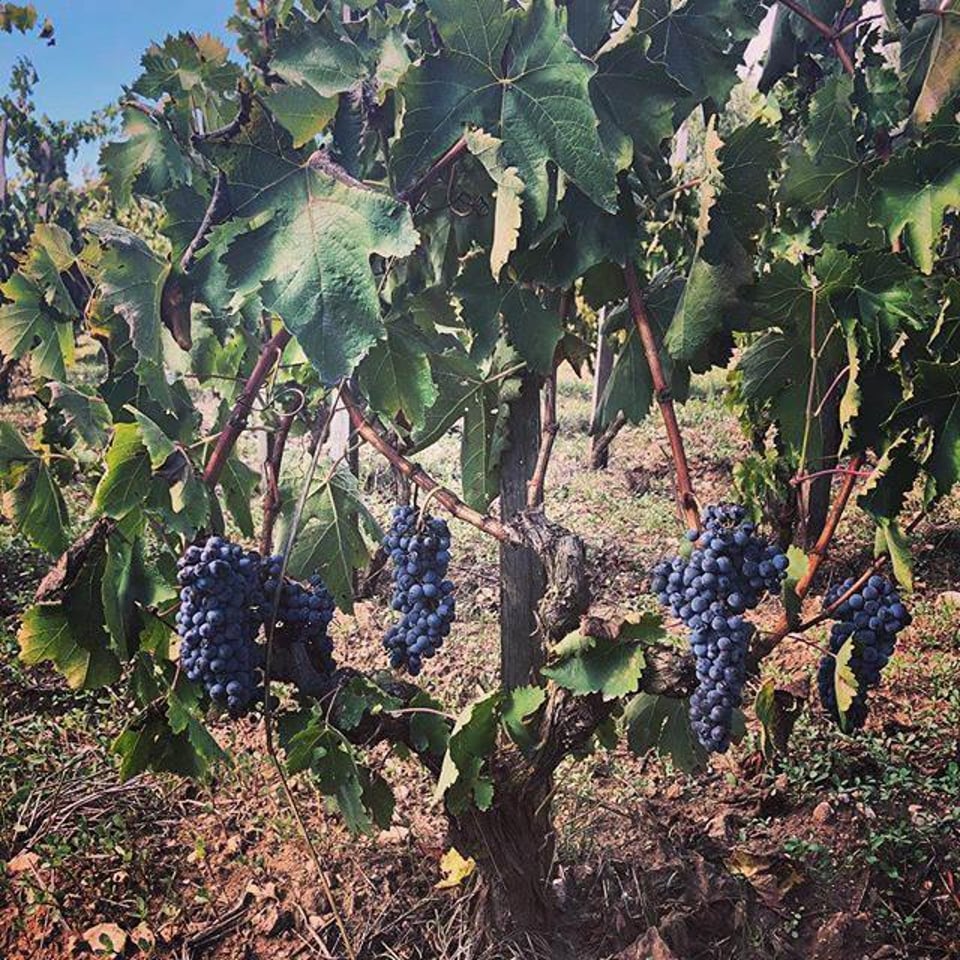
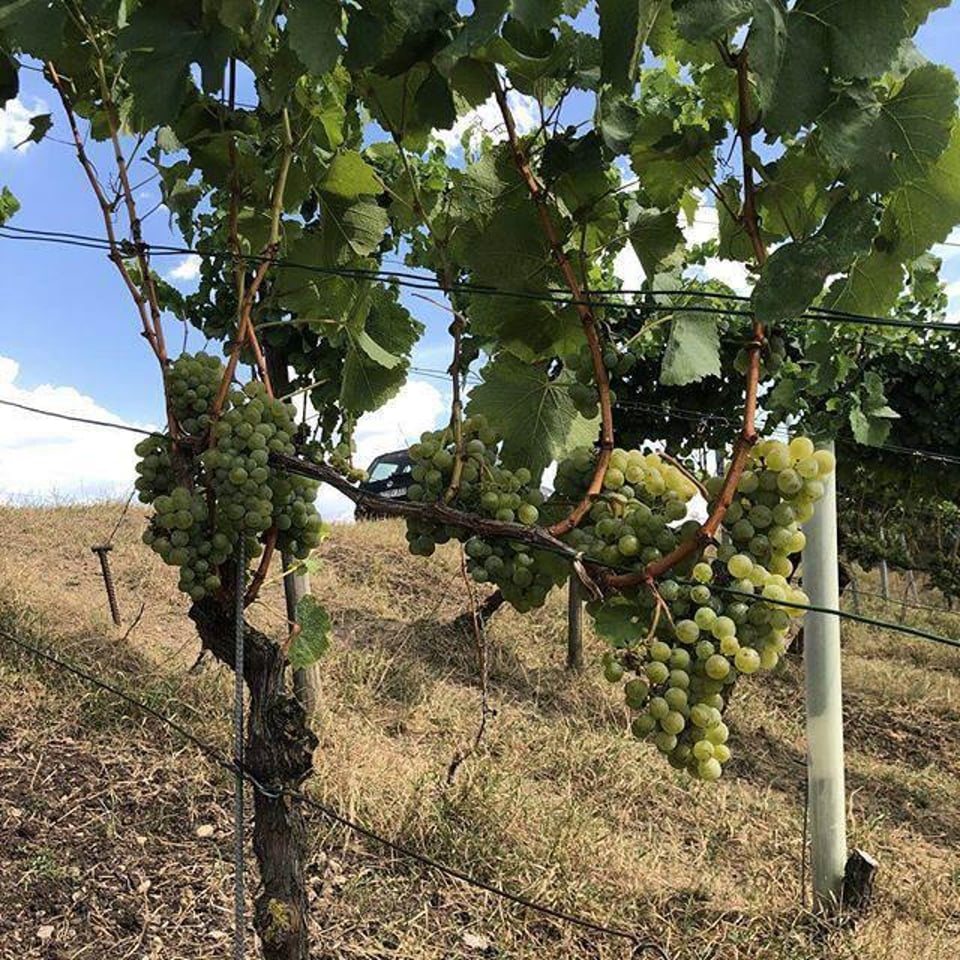
We produce wines from approximately 30 hectares of vineyards, including Frappato, Nero d'Avola, Zibibbo, Albanello and Grillo grape varieties. We cultivate 1 hectare of Coscia and Gentile pears, 10 hectares of Tumminia wheat, 16 hectares which we dedicate in rotation to Tumminia wheat and legumes, 15 hectares of olive trees, centuries-old Tonda Iblea and Nocellara del Belice trees, half a hectare of citrus trees, 1,500 square meters of vegetable garden, carob trees and other fruit trees.
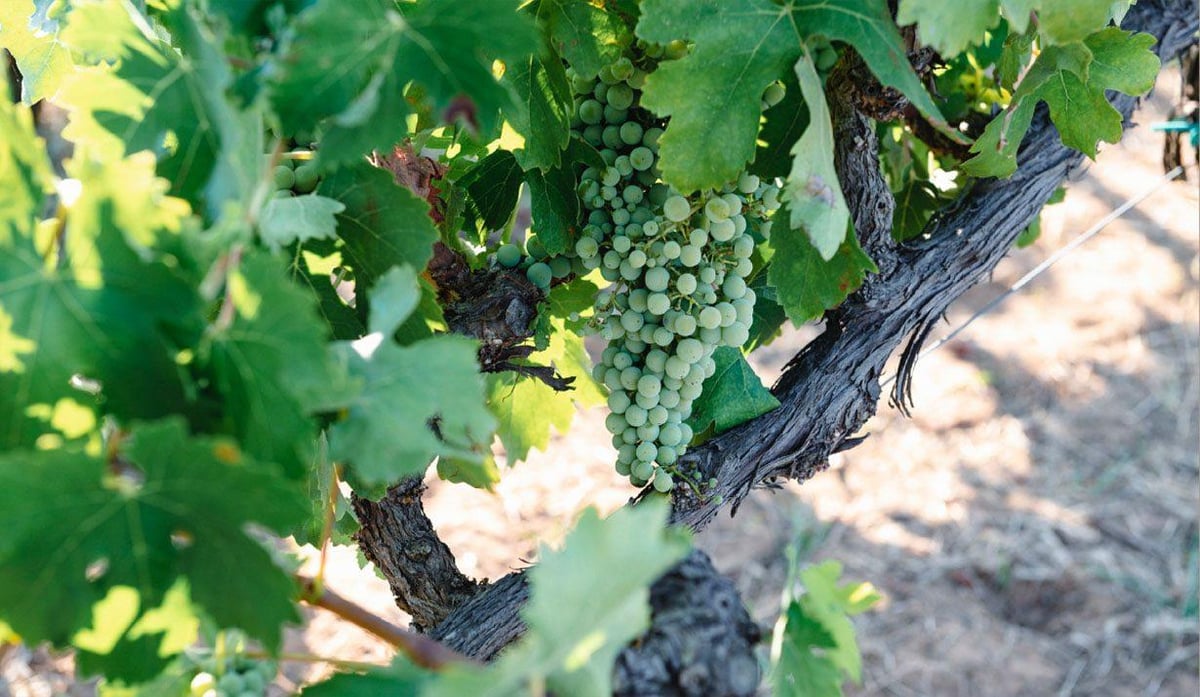
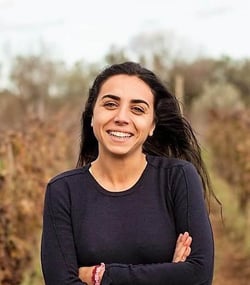
“ The first thing I learned about winemaking was acceptance. Accepting the diversity of the soils, the slope of the land, the altitude, and the unique character of a vineyard. Acceptance is synonymous with respect. Respecting the Earth and its balance. Respecting the vineyard through sensitive and expert farming practices. Respecting fermentation through the contribution of indigenous yeasts. Respecting the wine as if it were a person. A person who carries within it a world, a story, a soul that knows the land from which it comes.”
The wine I love to make isn't simply organic. It's a coherent wine, natural in its development. A wine born from sensitivity to real things, from attentive gestures, from listening, and from love. A wine that, in its harmonies and its rough edges, tells the story of the land where it was born, as well as those who cultivated it. That's why natural wine, in addition to being good wine, is also a human wine. I prefer not to label our wines according to specific methods. We work biodynamically in the countryside and naturally guide the wines as they develop in the cellar. It's a wine born from the constant love of those who produced it. Born from respect for the soil and the vineyard. From respected soil comes a respectful wine: respectful of its unique character and of those who will drink it, because it is a healthy and sincere wine.
Winemaking has been my lifelong pursuit. Today, I still have the same passion for making wine and, through it, promoting this region. Fortunately, over time, I've been able to surround myself with others whom I've tried to train. Working in these places, I've understood that everything can't be reduced to my personal experience. Today, the agricultural project takes on many other meanings: ethical, social, agricultural, and territorial. It's very different from what one usually finds in these latitudes. This project supports a fundamental part of our agriculture, without which the wine wouldn't be the same. It's a call I can't ignore: land that, without it, would be forgotten by careless hands. These small plots would no longer exist because they aren't viable individually. We are wine, but we are also biodiversity; we are agriculture and proof that you can believe in your dreams, even in less than ideal places. We are people who take on new challenges every day and are fascinated by the world around us, continually building our project, step by step.

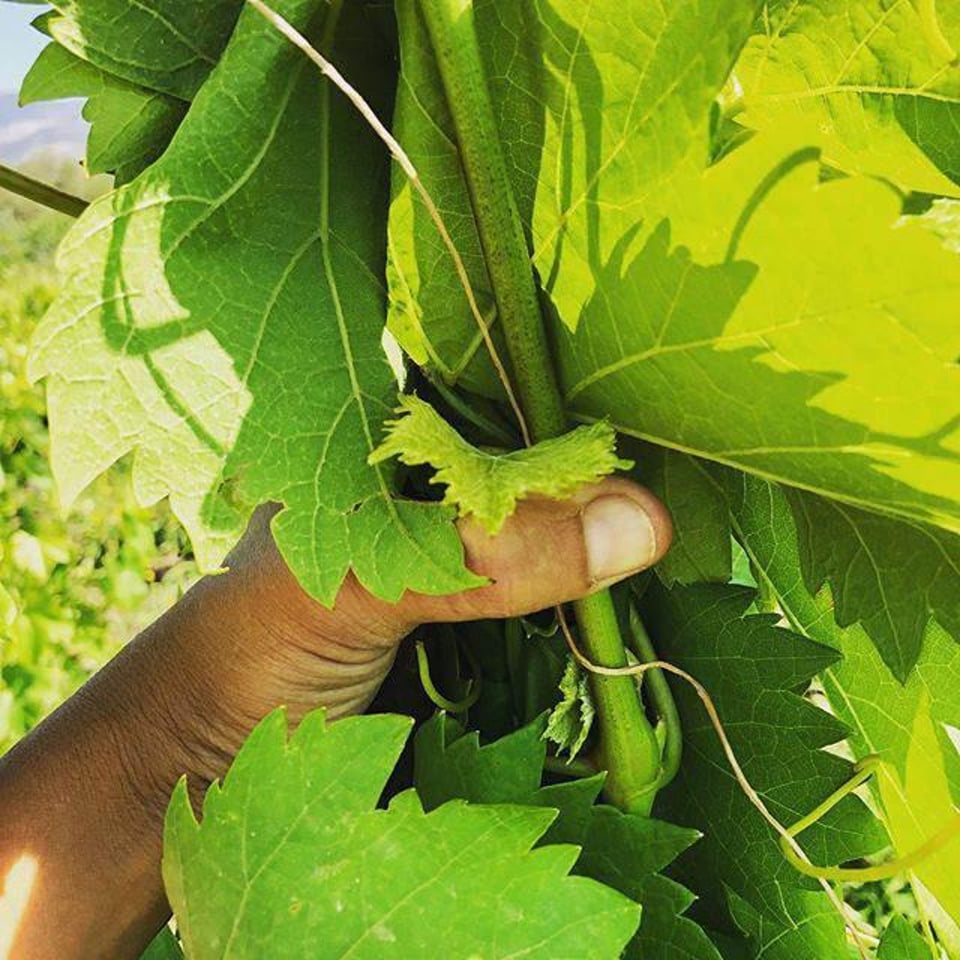
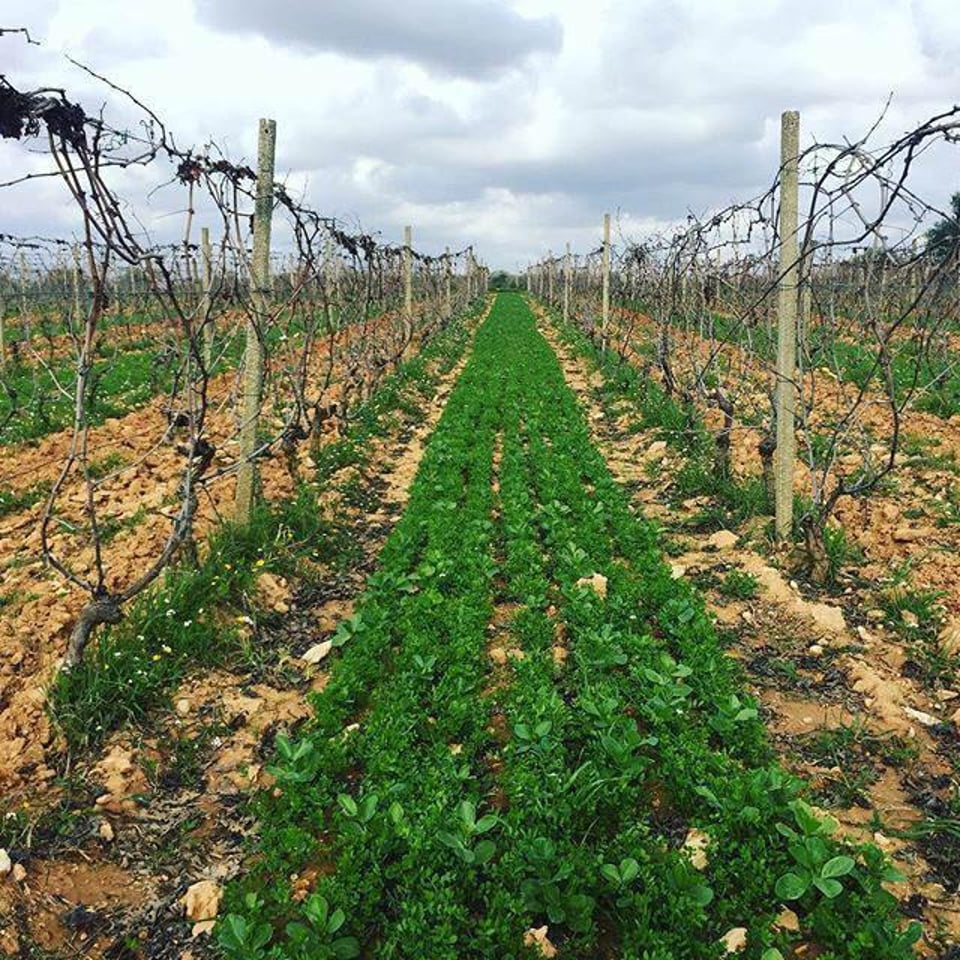
As the seasons change, the land speaks to us, listens to us, and responds. Our dialogue is silent and authentic. This is why there can be no "formula," only convictions born from experience. Above all, we believe in a respectful relationship with the land: a direct contact that transforms into profound knowledge. We believe that there is a balance, the balance of nature, to be respected in every action: from the birth of a vineyard to its cultivation, including pruning, which must be clean, precise, and well-budded, right up to the transformation of the fruit. This balance can be summed up as follows: good wine comes from good grapes. Our choice is first and foremost one of biodiversity. We prefer to work the land by hand and use only grapes from healthy soils, without resorting to pesticides, fungicides, herbicides, or chemical or synthetic fertilizers. We consider the spontaneous species that grow in the vineyard a treasure, as they help the soil to oxygenate and nourish itself. To these, we add mixtures of species other than green manure, which promote the development of organic matter and soil organisms. Legumes, grasses, and cruciferous plants are plowed under in the spring. In the vineyard, we strive to preserve the native flora, a precious resource. Our choice is first and foremost one of biodiversity. We prefer to work the land by hand and use only grapes from healthy soils, free from pesticides, fungicides, herbicides, and chemical or synthetic fertilizers. We consider the spontaneous species that grow in the vineyard a treasure, as they help the soil to oxygenate and nourish itself. To these, we add mixtures of species other than green manure, which promote the development of organic matter and soil organisms. Legumes, grasses, and cruciferous plants are plowed under in the spring. In the vineyard, we strive to preserve the native flora, a precious resource. The hedges and bushes, the Mediterranean scrubland, the wooded areas, and then the Tonda Iblae and Nocellara del Belice olive trees, to which we have added fruit trees, our vegetable garden, and Tumminia wheat. We preserve biodiversity by respecting the natural balance. In the vineyard, we maintain the old clones of our native grape varieties, while continuing to practice massal selection and field grafting. In this way, the vineyard is more resilient, more robust, and carries within it the texture of its past and the strength for its future. The harvest is also done by hand. The grapes are selected first in the vineyard, then in the cellar; only in this way can we work with the best, healthiest, and ripest bunches. If the vineyard is carefully maintained, the winemaking process becomes simpler and requires less intervention.

Sicily is a place of a thousand faces, but there is one Sicily we consider our own. It is made of streets, colors, and scents dispersed in the air. It is made of countryside and rocks, those of the Iblei Mountains, perhaps the least known part of the entire region. We love the spectacularly beautiful quarries that suddenly open up in the mountain landscape, the canyons, the caves; the fact that there are necropolises and catacombs hidden among the vegetation. We love the road that winds along the plateau between the oak and laurel woods of the Corrado, Pendente, and Selvaggi hills, and the view that stretches to the profiles of Bollarito and Patro. We are always amazed by the humble beauty of the dry-stone walls. These walls, like works of art, lend a geometric grace to the mountains, in contrast to the ephemeral nature of the limestone in these areas.
Similarly, we continue to marvel at the Baroque beauties, such as Ragusa, Modica, Scicli, Palazzolo Acreide, and the Val di Noto, which suddenly interrupt the ruggedness of the mountains with their architectural splendor. Here, we find holm oaks, olive trees, and carob trees. There is the raw power of nature and the rock that crumbles like "giuggiulena" (a type of brittle) as it descends towards the sea. Here, it transforms into rocky outcrops or impassable dunes, in whose shade vineyards once grew. Miles of sand and beaches transport us directly to Africa, so close after all. To that Saharan desert sand that reaches here on sirocco days. Here, there is the wind and the raw intensity of the scents and aromas. All these ingredients are found in our wines. And then there is the city of Vittoria. Born only in 1607 in the center of the fiefdom of Boscopiano, near the valley of the ancient river Ippari, which it overlooks with a magnificent viewpoint.
The town, founded by Vittoria Colonna de Cabrera, Countess of Modica and daughter of the Viceroy of Sicily during the Spanish rule (1558-1633), was created specifically for wine production. Vittoria Colonna de Cabrera initiated the construction of a new town, now known as Vittoria, located in the province of Ragusa. She invited settlers to populate and cultivate these then-uninhabited lands, and to encourage them, she promised each a hectare of land, provided they cultivated it as a vineyard. Thus, the production of wine, which later became Cerasuolo di Vittoria, continued until the 19th century, when phylloxera decimated the winemaking community. This wine disappeared for several decades and was only revived in the 1950s, a blend of Calaurisi and Rappato (Nero d'Avola and Frappato). 1600 is certainly not the year when vines began to be cultivated in this region. Indeed, numerous documents attest that vine cultivation was a well-established practice as early as the 3rd century BC. This history is inscribed in the land, in the countryside dotted with bagli and palmenti, and in this town with its few monuments (such as the Basilica of San Giovanni Battista and the Church of Santa Maria delle Grazie).
A city born to bring order to the countryside and itself created by the countryside, it has been inhabited over the centuries by people from everywhere, from all over Sicily, from Calabria, even from Malta, where the figure of the wine producer immediately emerged. As if the vine were something that had been breathed in the air since Antiquity. Oxygen, history, and ever-renewing life.
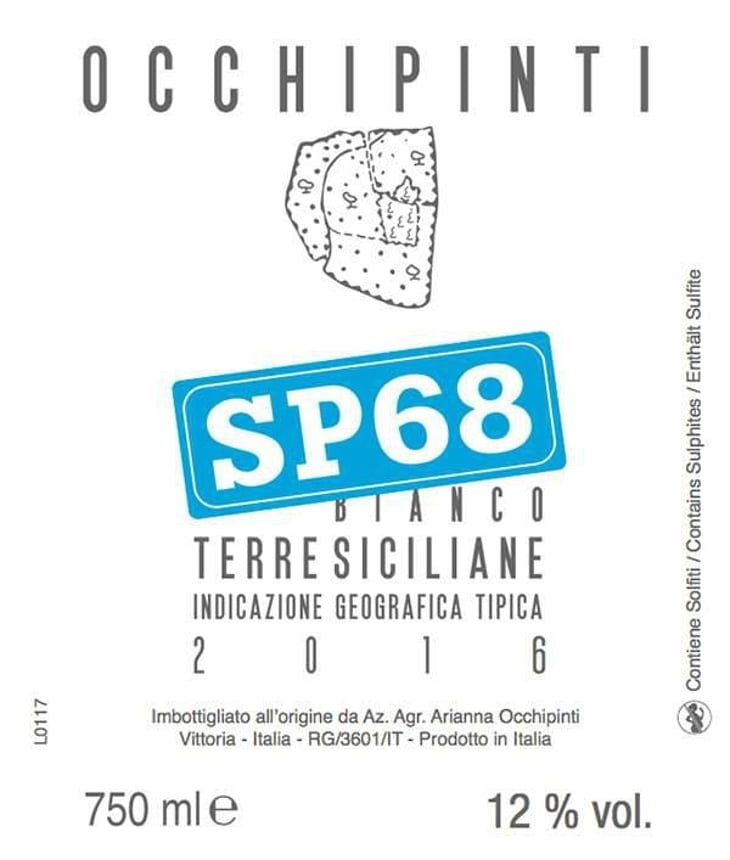
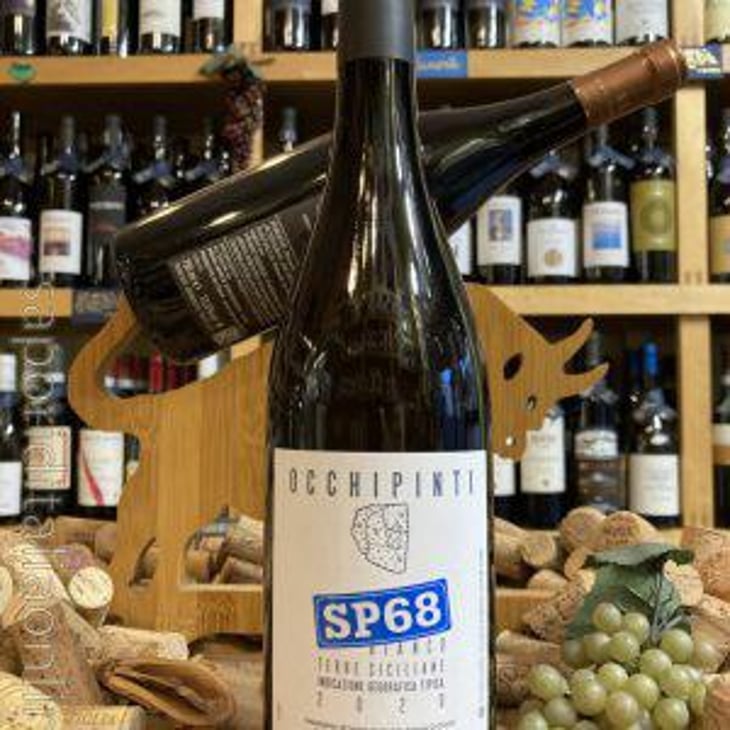
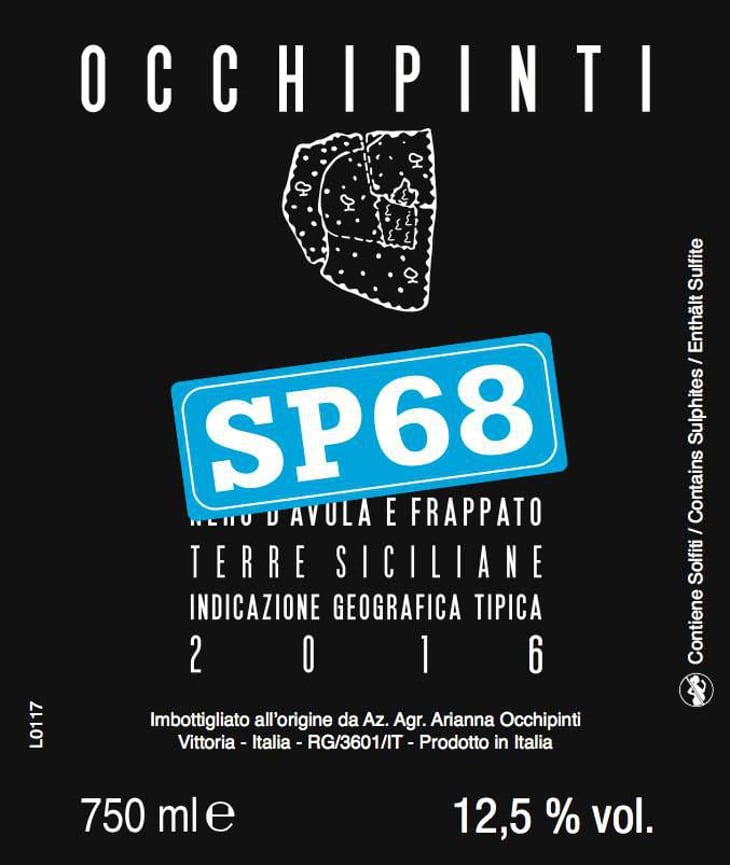
Vittoria, the wines, the vineyards, the dry-stone walls. This is my land. The sun rises early in the morning over the Iblei Mountains, while the sky is adorned with shades of pink and warm light spreads among the rows of cellars in Lupo, my neighborhood. I love the grapes of this place, Frappato and Nero d'Avola. I find myself in their expression, in their harmony and diversity. I love the strength of carrying within oneself both a past and a future. Our work in the vineyard is an inexhaustible source of observation. In recent years, I have been particularly interested in these exceptional grape varieties, Frappato di Vittoria and Nero d'Avola, as well as in the soils and the potential of Vittoria's terroirs and their influence on the wines. I realized that the vineyards thrive thanks to this interaction between sand and limestone, which translates in the wines into fruit and velvety texture on the one hand, and acidity and energy on the other. I tried to preserve these elements during vinification, supporting each vineyard. This ongoing research allowed me to identify four vineyards for SP68, located between Santa Teresa, Bastonaca, Spedalotto, and Bombolieri. Furthermore, I identified two vineyards for IL FRAPPATO, namely Bastonaca and Fossa di Wolf, and two for SICCAGNO, namely Bombolieri and Fossa di Lupo. This same research then inspired me to go further by considering one vineyard and one wine, or rather, four.
The estate's website: https://www.agricolaocchipinti.it/
Authentic and welcoming, Chaza is the ideal place for those who want to get lost and then find themselves again, to discover a Sicily far from the beaten track, with its flavors, its colors, its light and the vibrant soul of an ancient and unmissable land.
Chaza is a hospitality project born from the enterprise of Arianna Occhipinti, in the heart of the Cerasuolo dei Vittoria DOCG appellation. From the first hectare of land in the Fossa di Lupo contrada, Arianna has built a world of tenacity and respect, vision and passion for her land. Her vineyards now extend across six other contrada. The most recent addition is Santa Margherita, where Chaza is located.
An ancestral countryside that overlooks, like a terrace, the most authentic Sicily, in contact with the earth, the air and the vineyards that produce a wine to be enjoyed on site.
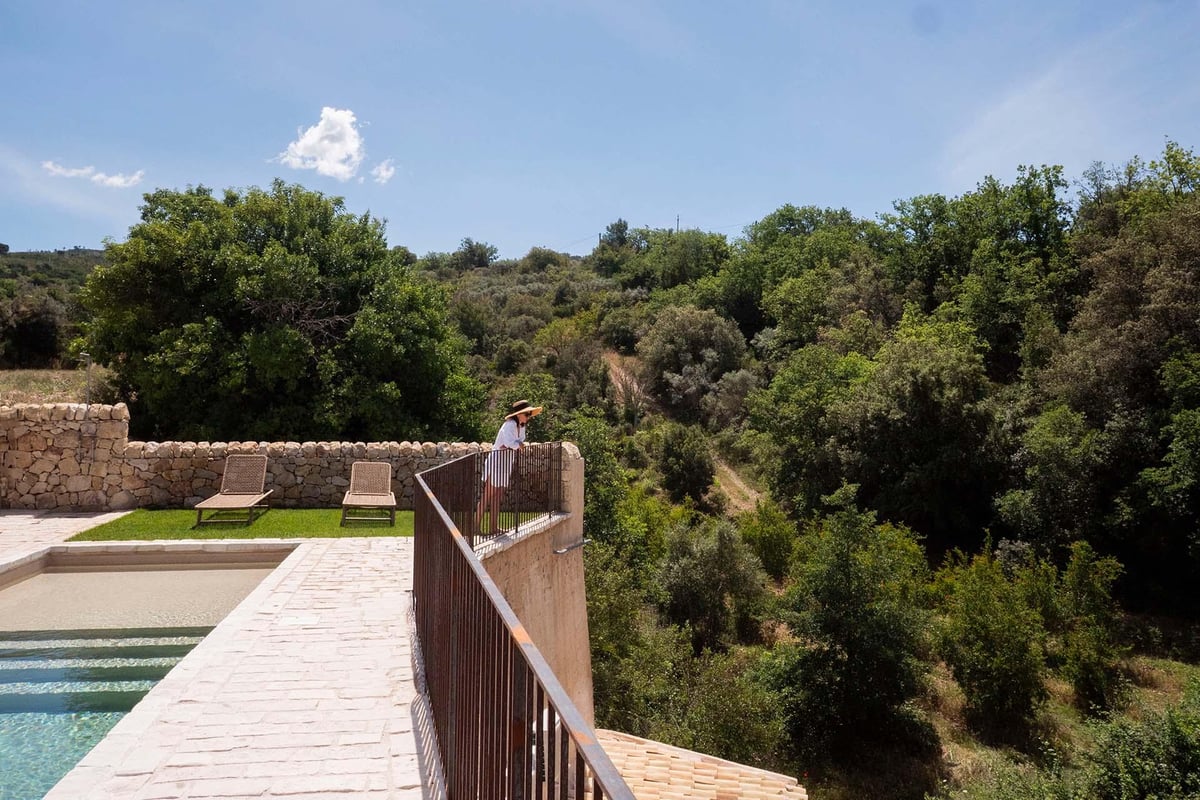
The materials used reflect a unique terroir: wood, ceramics, iron, and above all, the white stone of Iblei, which forms the base of the structure. The houses of Chaza were built according to the ancestral know-how of local artisans and designed according to the most modern architectural criteria, thus offering a comfortable living space immersed in the reality of the surrounding countryside.
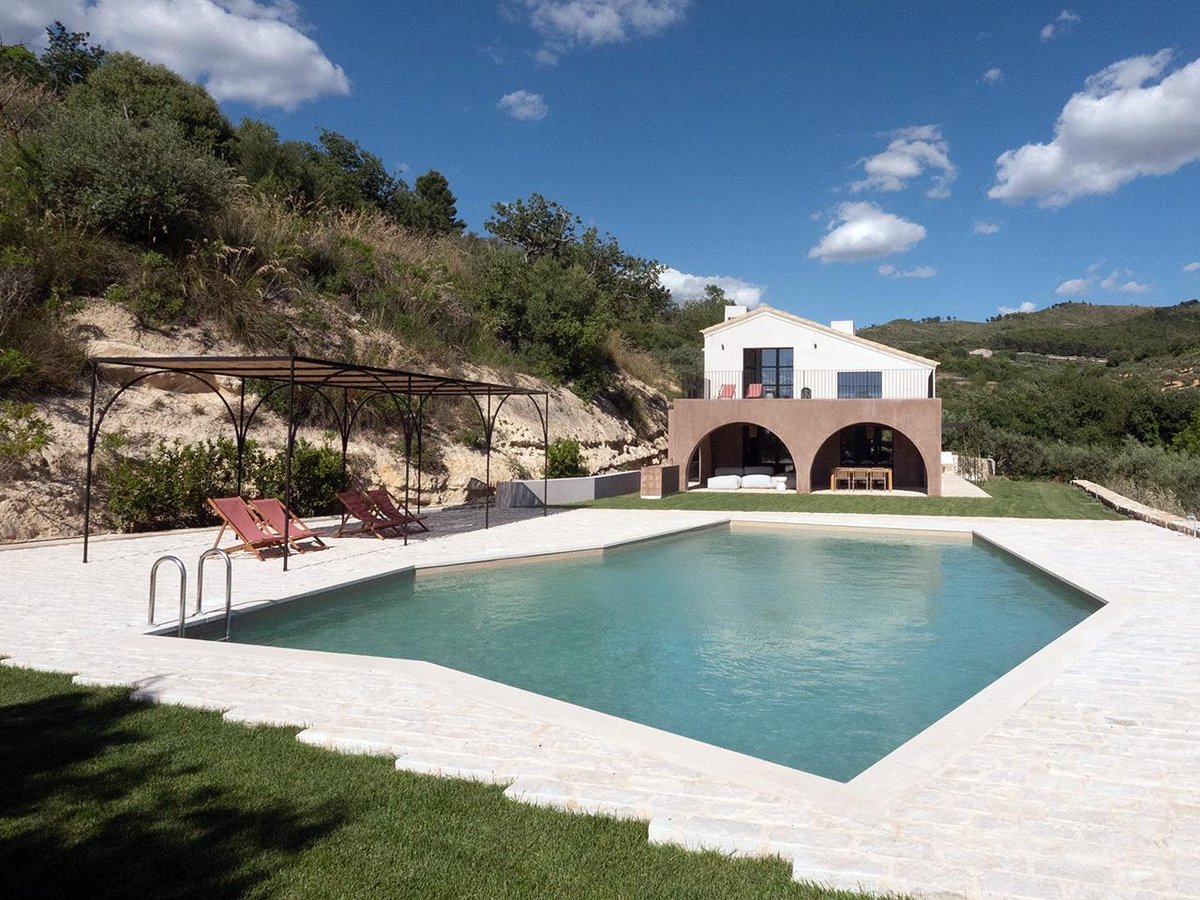
Surrounded by the agricultural landscape of Santa Margherita, Casa Grande is a contemporary home nestled in nature, designed to welcome families and groups of friends seeking shared moments. The heart of the house is the panoramic terrace: from here, the view opens onto the countryside, accompanying the days with moments of both conviviality and tranquility, with a private pool to make outdoor living even more enjoyable. The interiors offer spacious and well-distributed areas: four double bedrooms and two bathrooms ensure comfort and privacy, while on the ground floor, an additional bathroom completes the communal space. The bright and inviting living room combines the lounge, kitchen, and a fully equipped pantry into a single space designed for simple and natural conviviality.
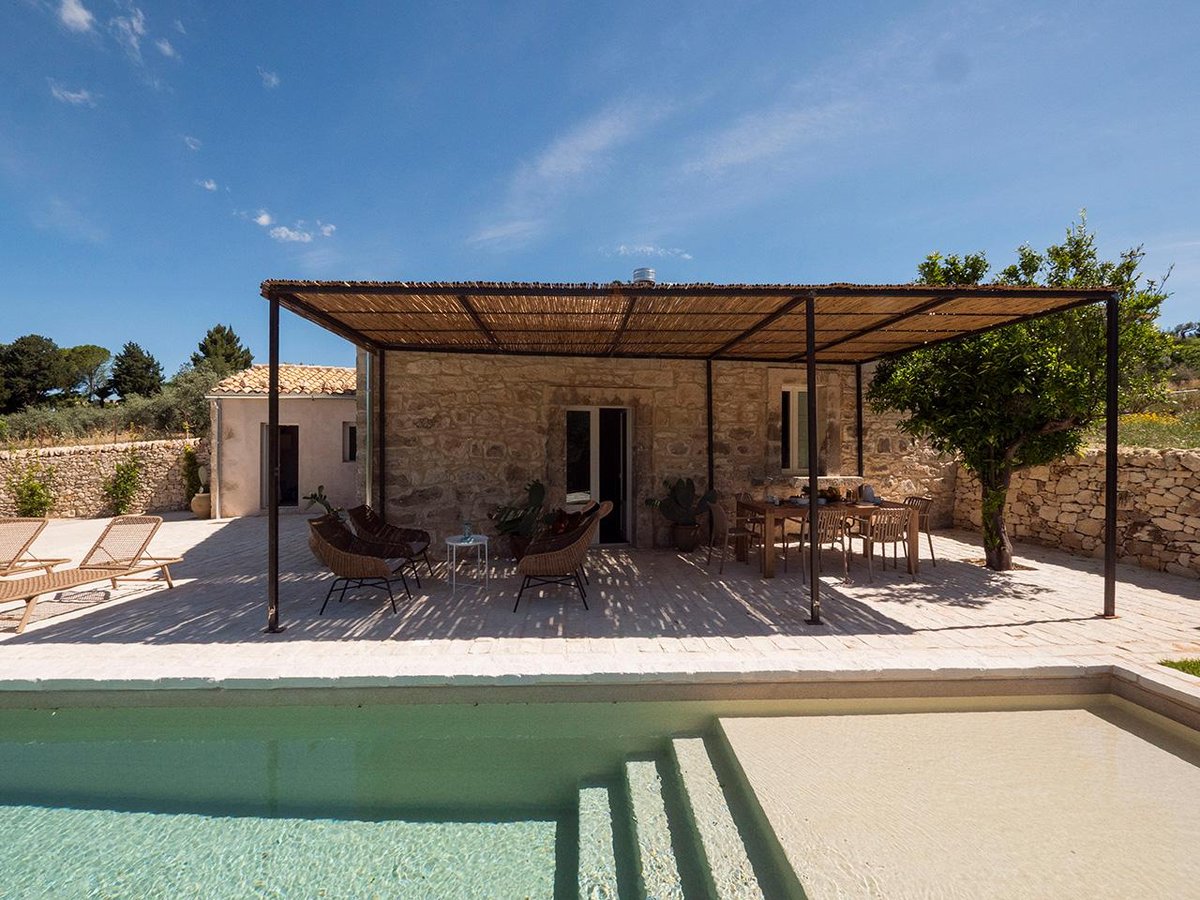
At Casa di Pietra, time seems to slow down, following the natural rhythm of the seasons and everyday routines. The main house opens onto a comfortable and bright living space, where the lounge and kitchen blend seamlessly into a warm and functional whole, enhanced by a fireplace that adds character. The two bedrooms, each with an en-suite bathroom (one with a shower), offer private spaces conducive to rest and tranquility. The spacious and well-equipped main bathroom completes the interior. Next to the house, a separate laundry room provides added convenience during your stay. Outside, a well-maintained garden features a private swimming pool surrounded by greenery: an open space, ideal for relaxing in the sun, reading in the shade, or simply enjoying the peace and quiet of the countryside.
Discover the website dedicated to local accommodation: Chaza - Occhipinti ( Sicily - Italy )
No rose wines at the moment.
No orange wines at the moment.
No sparkling wines at the moment.
FIND THE EVENT YOU ATTEND
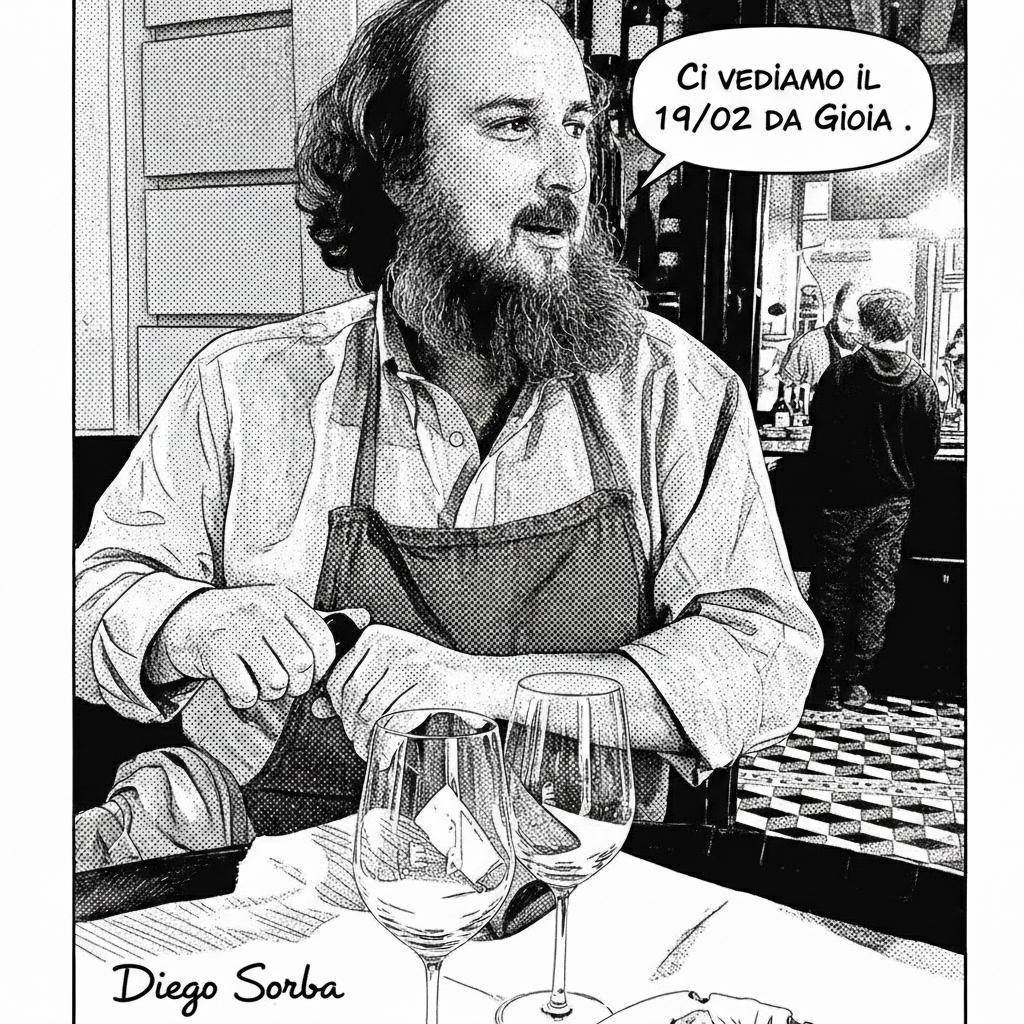
Thursday February 19
Genoa
7169 KM

Friday February 20
LyonFrance
6819 KM
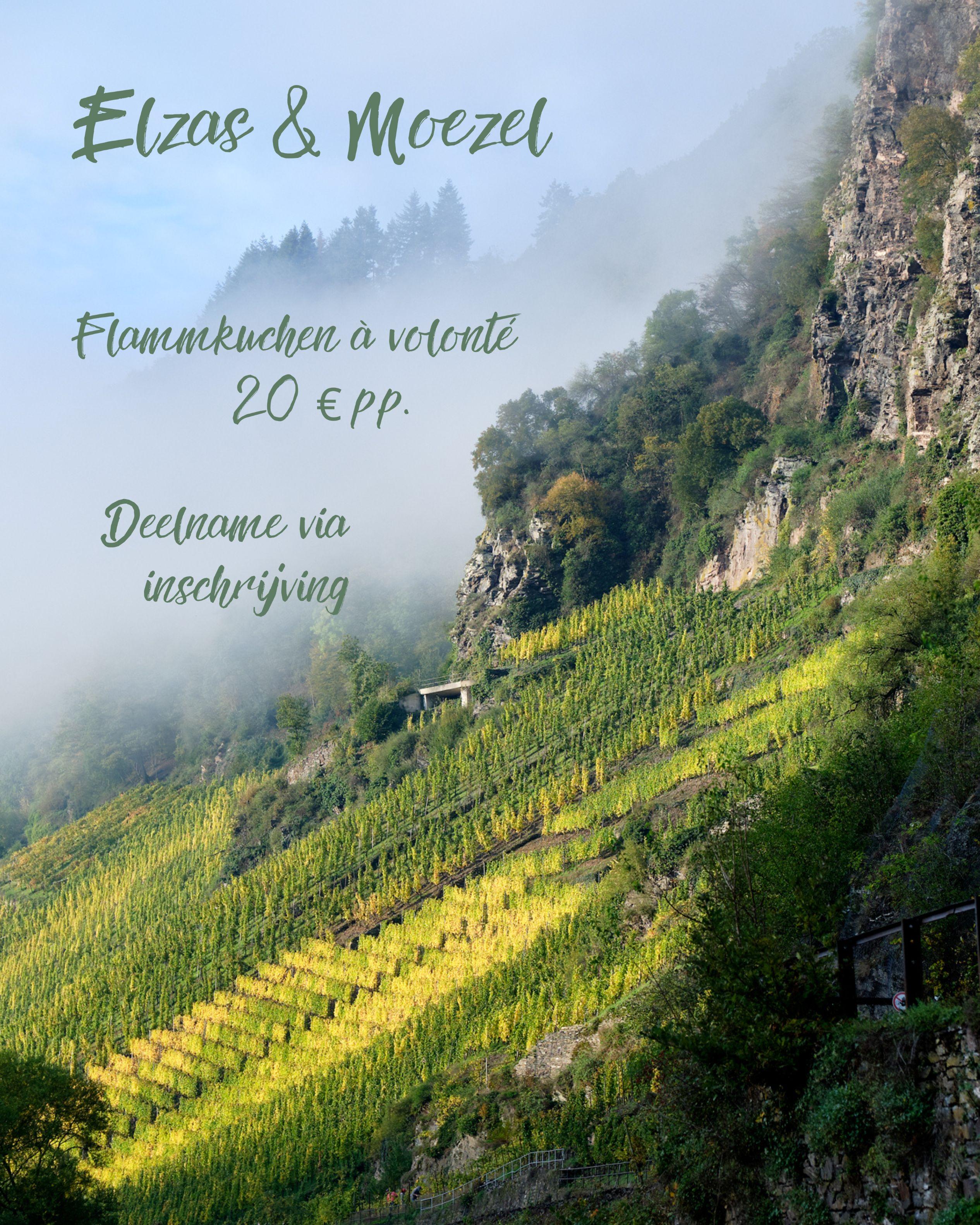
Saturday February 21
Sint-NiklaasBelgium
6485 KM
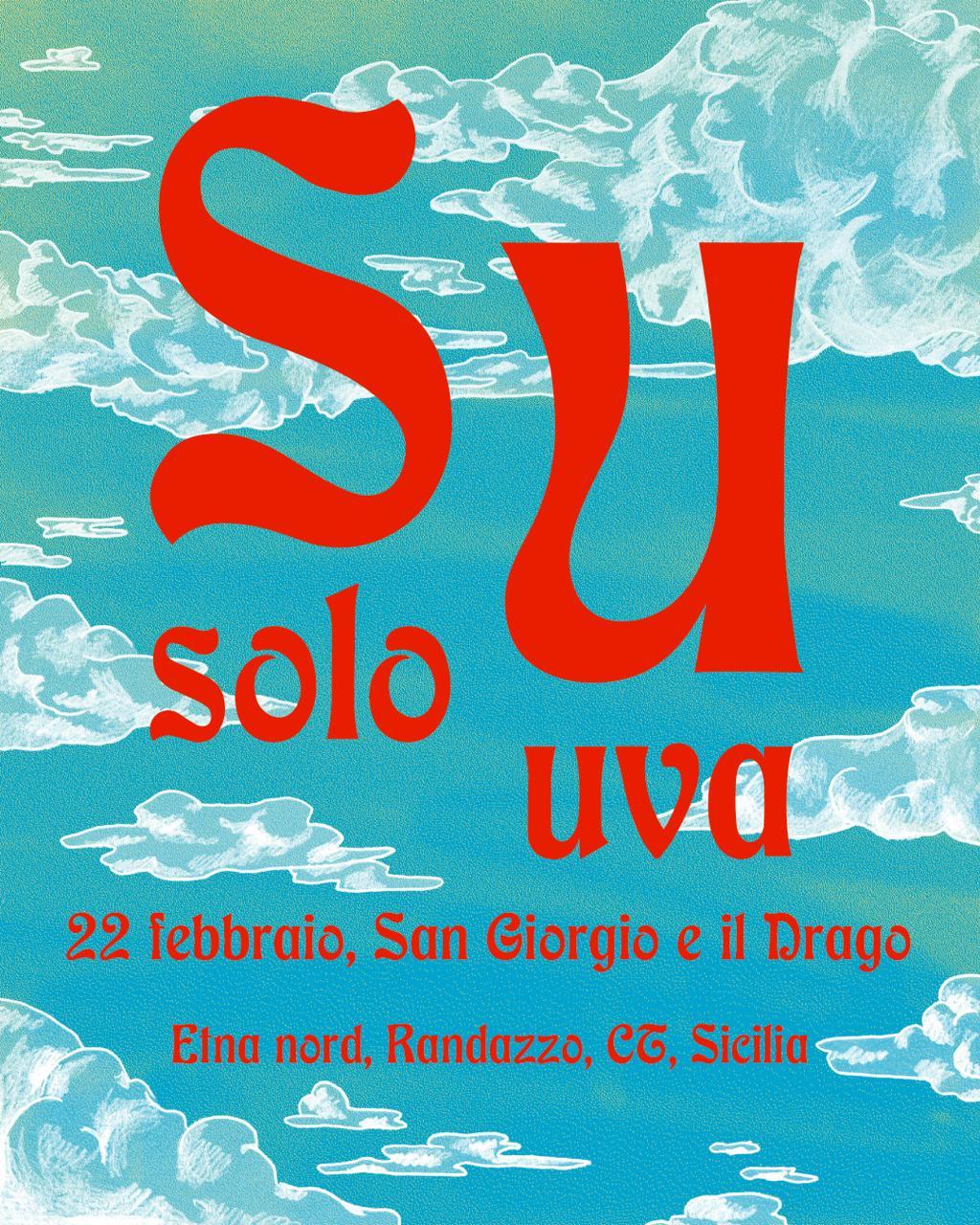
Sunday February 22
Randazzo
7995 KM
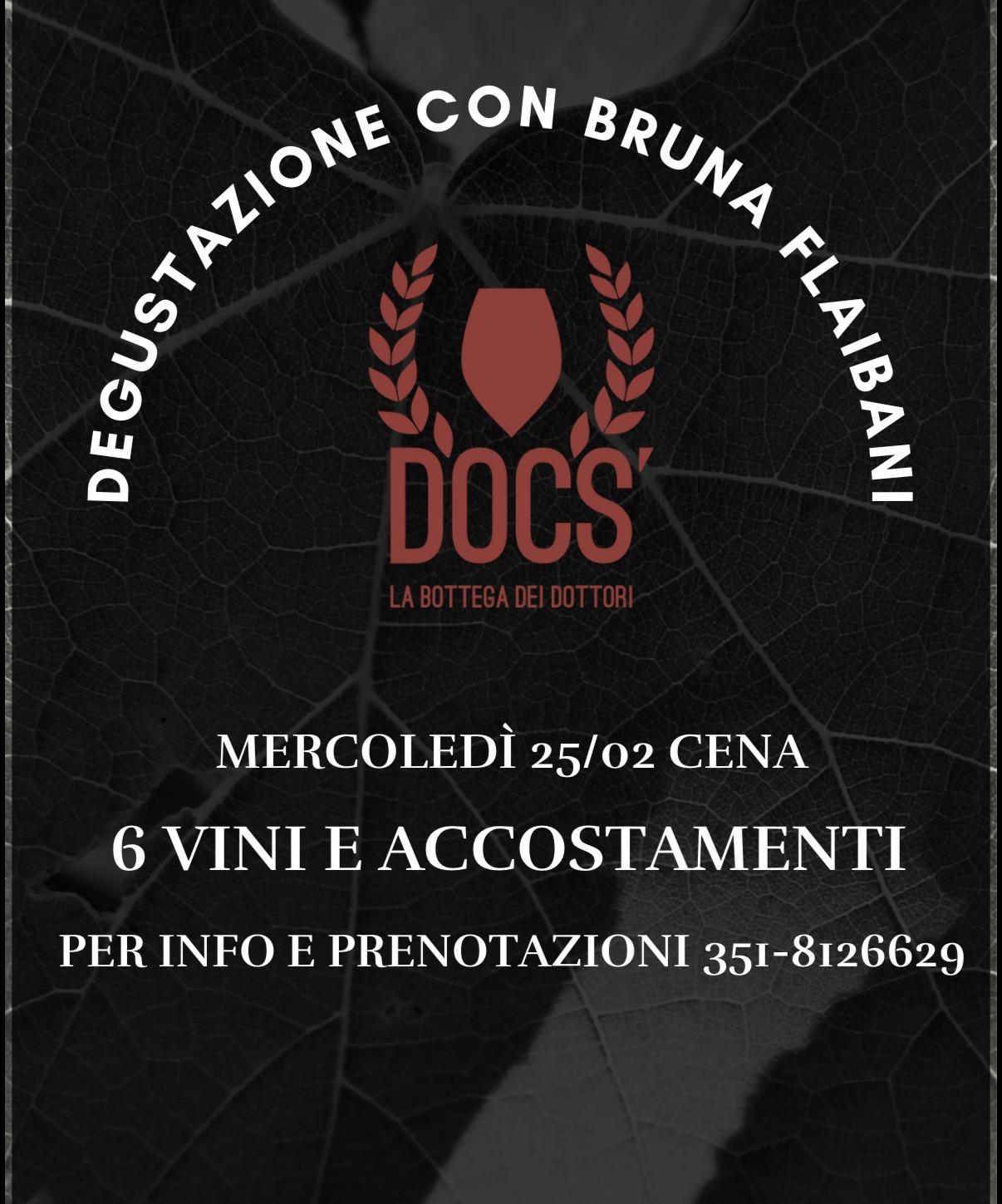
Wednesday February 25
SacileItaly
7312 KM

Thursday February 26
TurinItaly
7047 KM
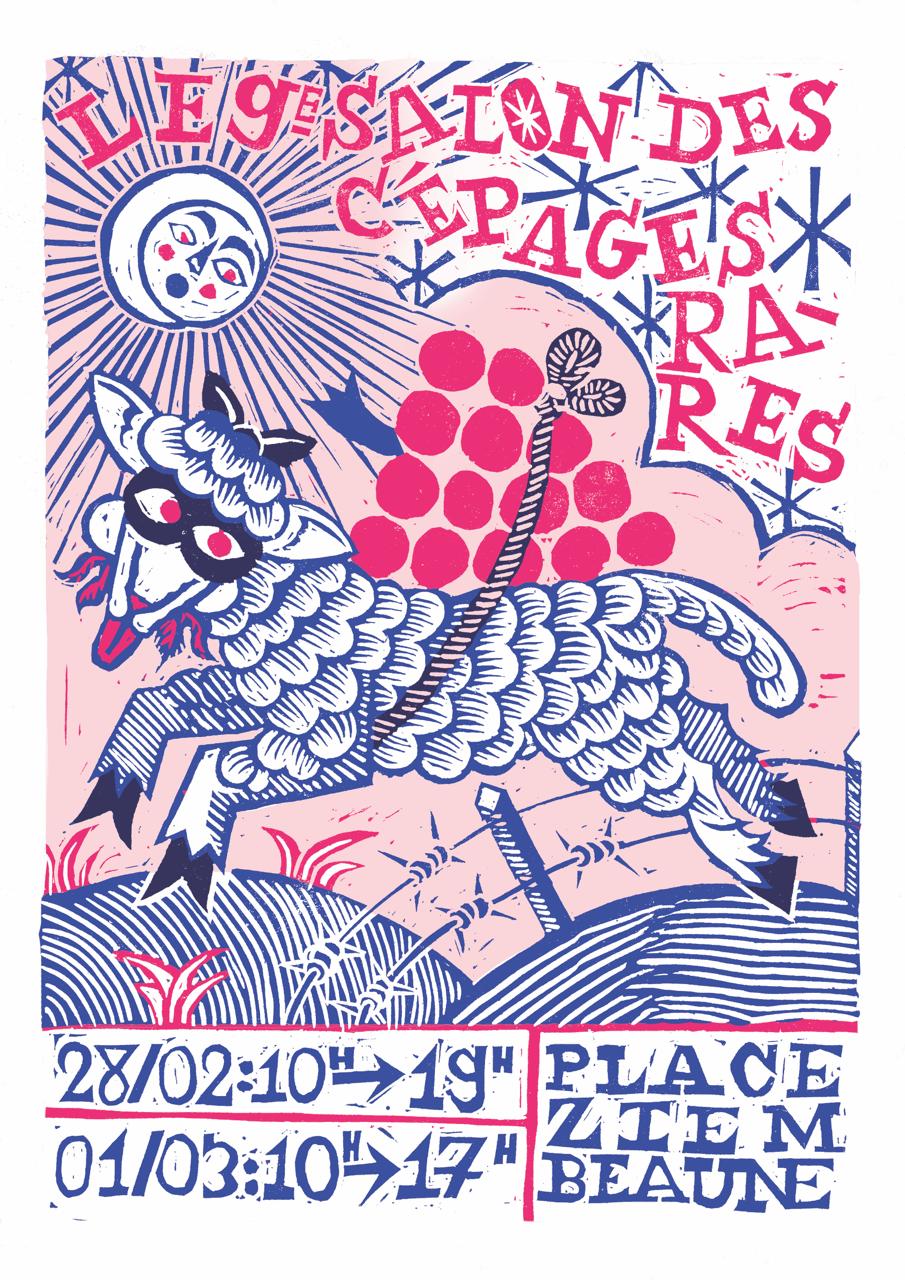
Saturday February 28
Beaune
6748 KM

Saturday February 28 - Sunday March 01
Ostheim
6852 KM
![Brasseurs & Vignerons - Autour [2.2] Verres](https://assets.raisin.digital/media/media/media/events/poster/brasseurs-vignerons-autour-22-verres-4322-2026-01-21.jpg)
Saturday February 28 - Sunday March 01
Quessoy
6176 KM
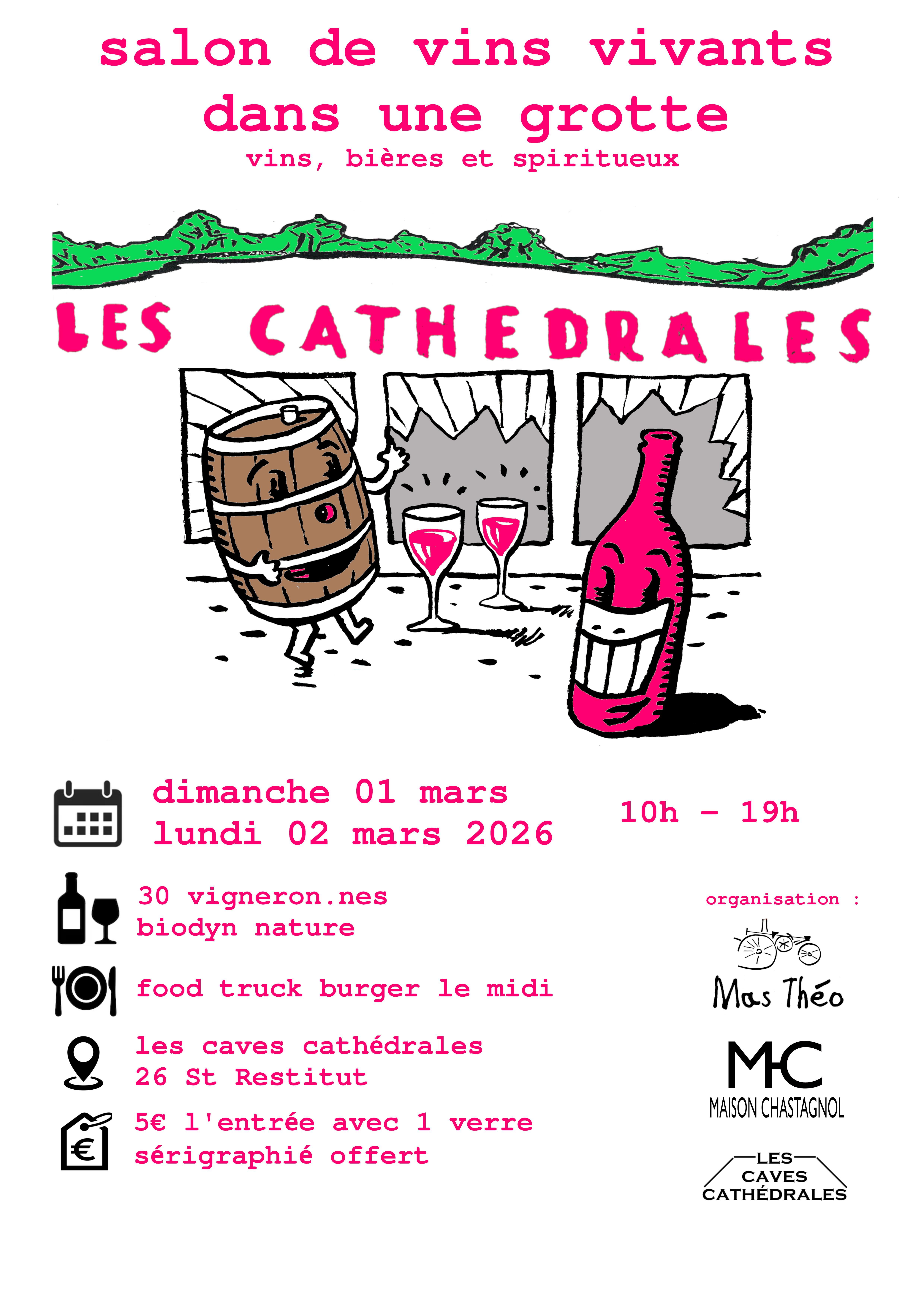
Sunday March 01 - Monday March 02
Saint Restitut
6889 KM
 Winemakers
 Restaurants
 Bars
Bars Wine Shops
 Accommodations
 Events