1 0 9150 KM
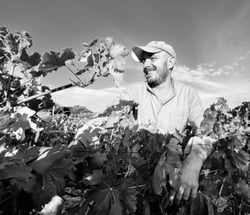
Both in the vineyard and in the cellar, I follow the principles of natural agriculture, avoiding any synthetic chemicals. In the fields, I use only sulfur, copper where necessary, and natural fertilizers based on manure.
After harvesting, the grapes are destemmed and pressed; within 2-8 hours, they are racked. After a lag period of approximately 48 hours, alcoholic fermentation begins, occurring spontaneously in stainless steel thanks to the yeasts naturally present on the grapes. In the cellar, I use only small amounts of sulfites (3 g/hl) on the must, only when necessary depending on the vintage. Once fermentation is complete, I rack the wine and let it stabilize until the first cold temperatures, then transfer it to chestnut or oak barrels that have been used for over 40 years. I use no fining or other oenological additives: the only ingredient is the grapes.
The barrels are left empty: the 500-liter ones hold approximately 400 liters of wine, the 225-liter ones approximately 190 liters, to allow the wine to come into contact with the air and develop the flor yeast . The Malvasia remains in wood for at least two and a half years before bottling.
My work follows the vintages: each bottle is the expression of that specific vintage, so a wine can change significantly from one year to the next.
Filet 2022 - IGT Isola dei Nuraghi Malvasia is currently available. It has an amber color and aromas of almond, walnut husk, and dried apricot. This vintage has a slight residual sugar content, due to the early October harvest, with overripe grapes as per tradition. However, due to the hot and dry summers, we are now forced to bring forward the harvest by 20-25 days. The bottles are 50cl.
No red wines at the moment.
No rose wines at the moment.
No orange wines at the moment.
No sparkling wines at the moment.
FIND THE EVENT YOU ATTEND

Saturday January 31 - Sunday February 01
Angers
6363 KM
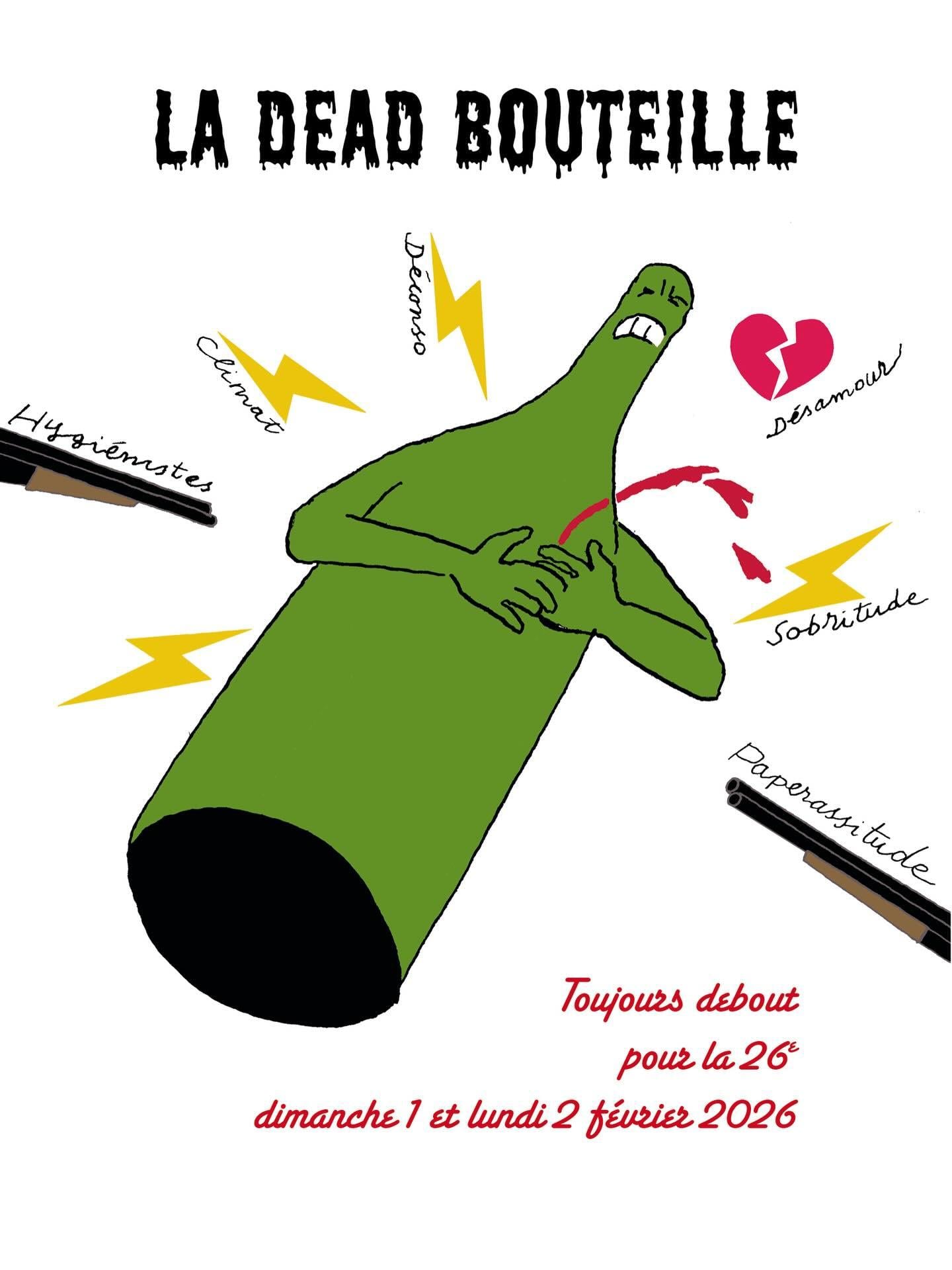
Sunday February 01 - Monday February 02
Saumur
6402 KM
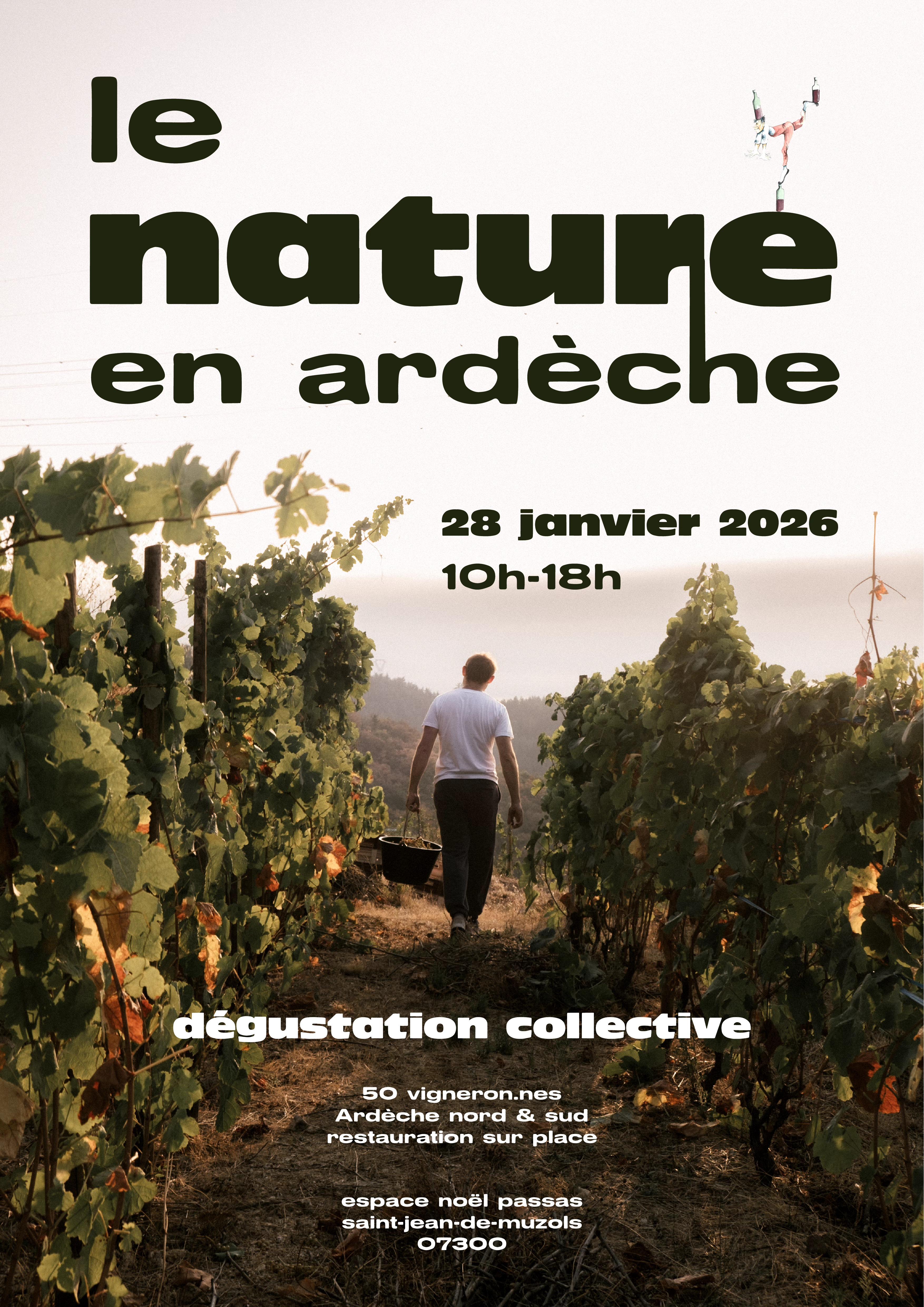
Wednesday January 28
Saint-Jean-de-Muzols
6851 KM

Thursday January 29 - Friday January 30
Les Ponts-de-Cé
6365 KM
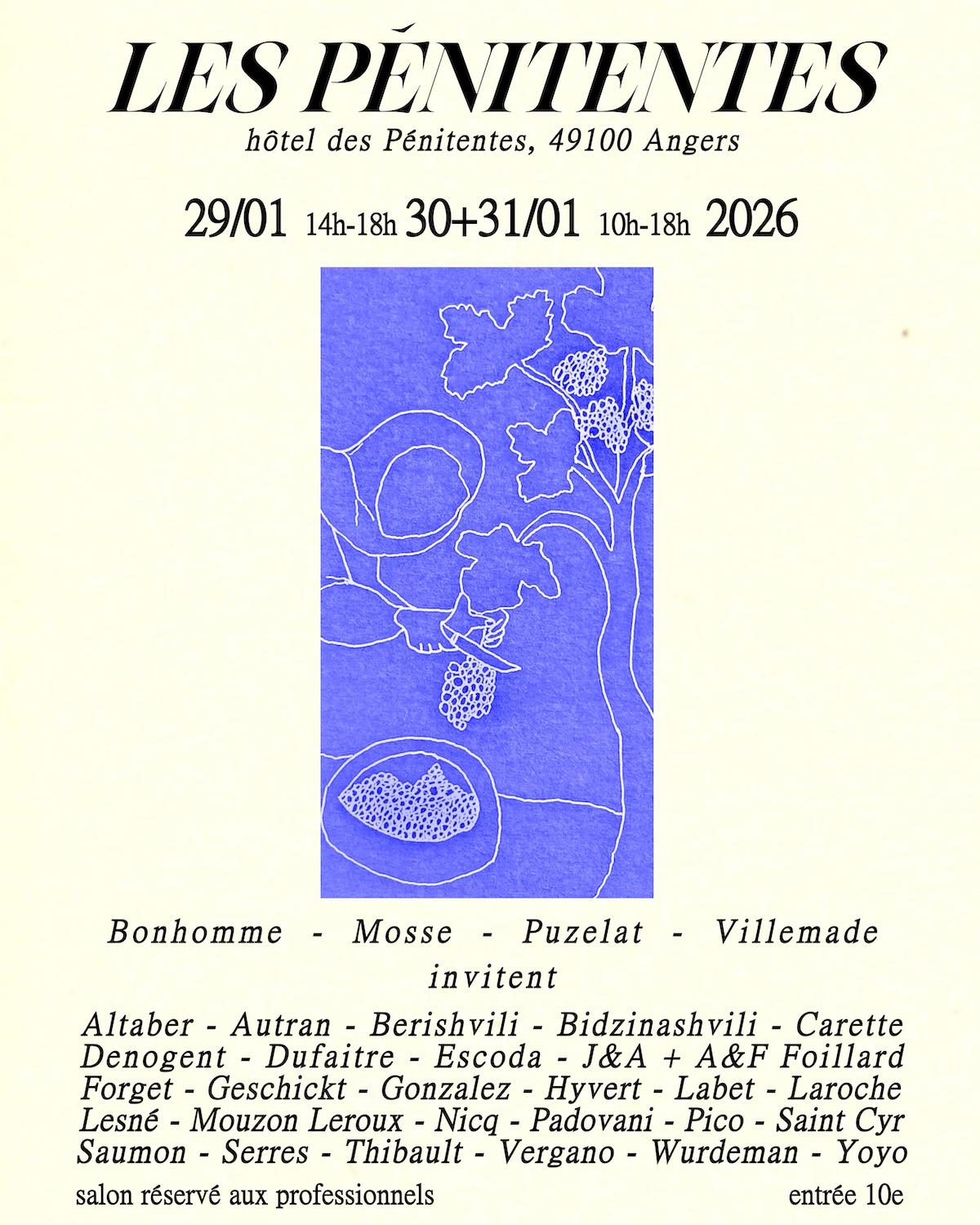
Thursday January 29 - Saturday January 31
Angers
6362 KM

Thursday January 29
Paris
6489 KM

Thursday January 29
NiceFrance
7097 KM
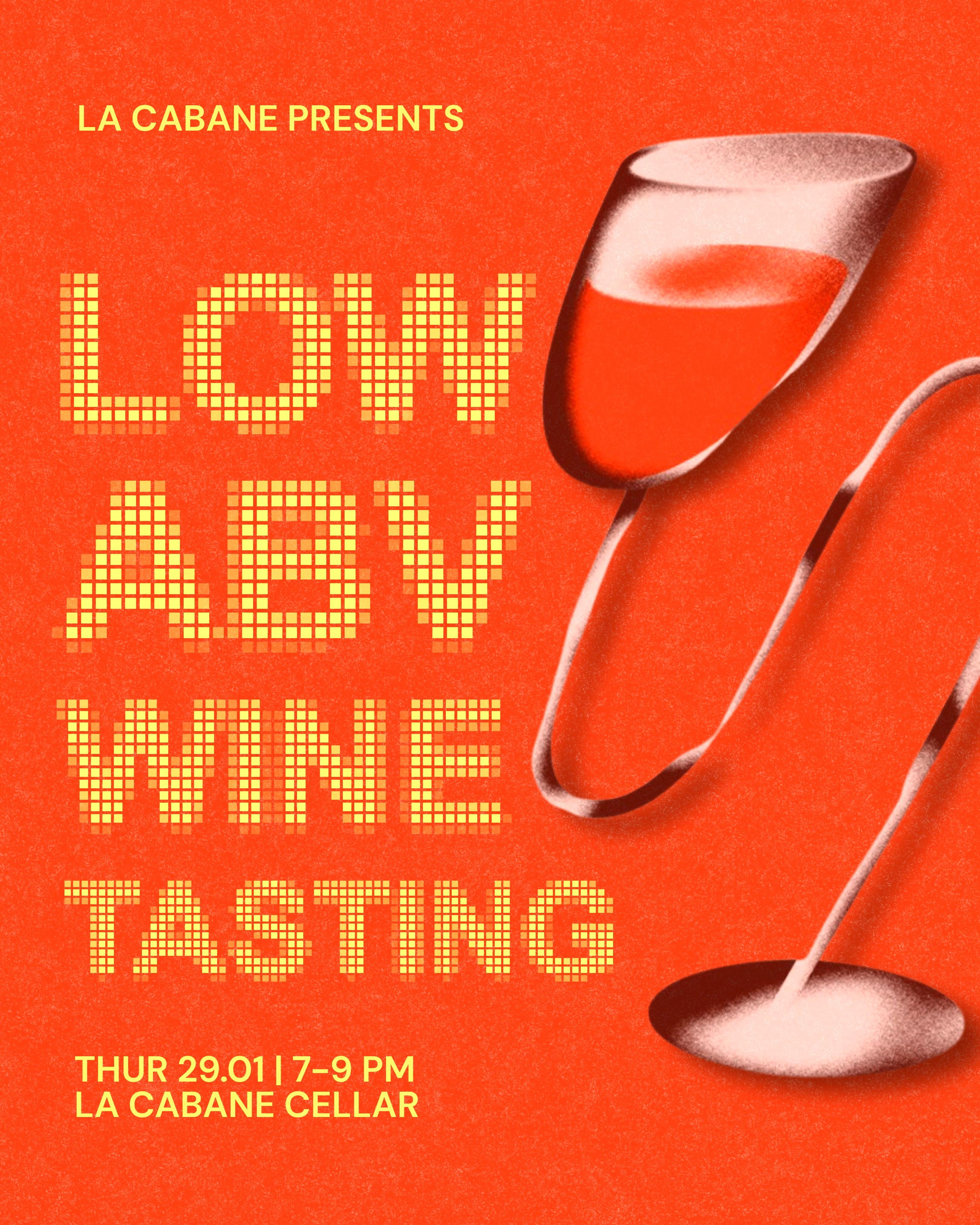
Thursday January 29
Hong KongChina
12869 KM
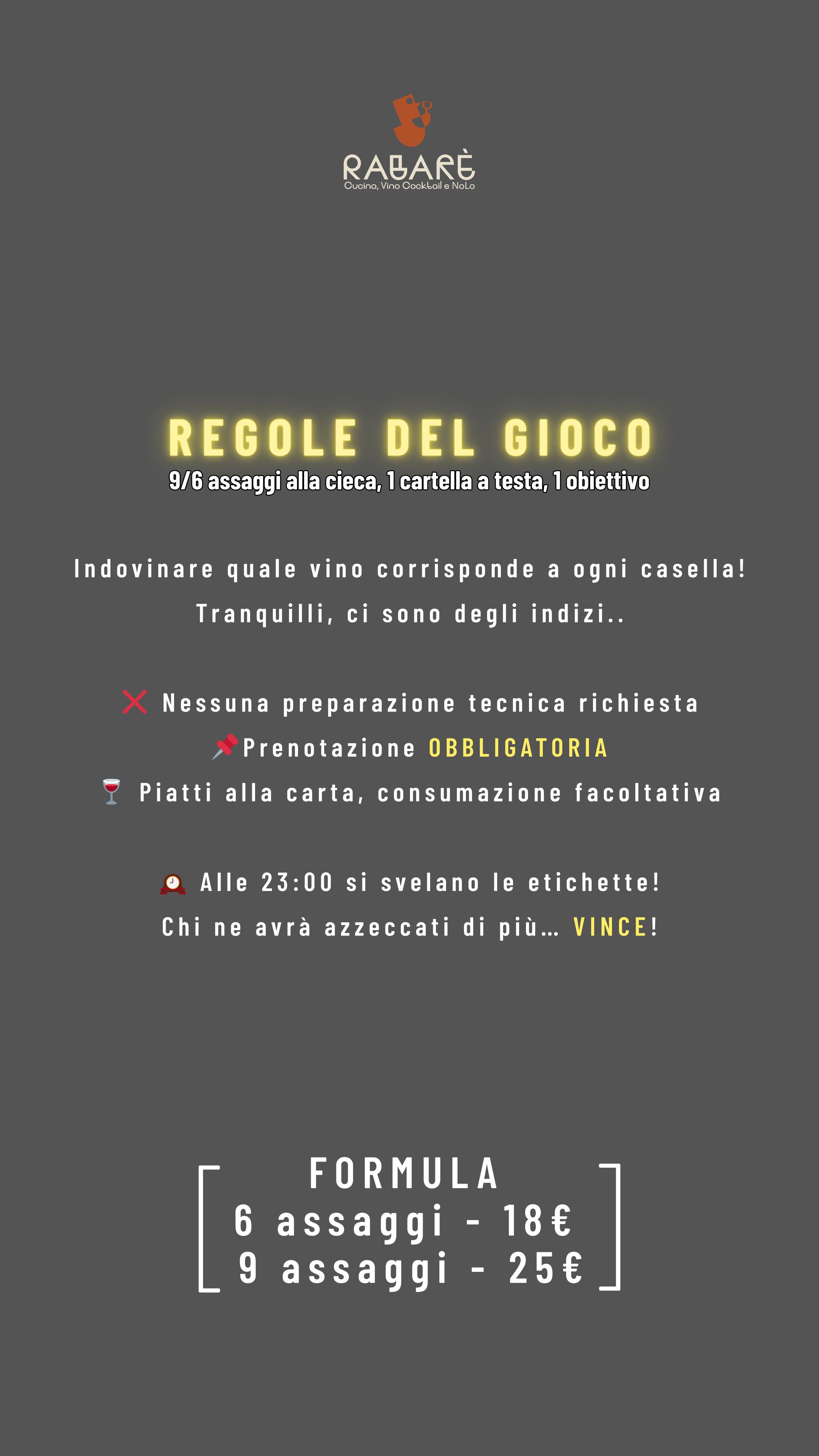
Thursday January 29
TurinItaly
7047 KM

Friday January 30
Bellevigne-en-Layon
6369 KM


 Winemakers
 Restaurants
 Bars
Bars Wine Shops
 Accommodations
 Events