
4 8 9217 KM
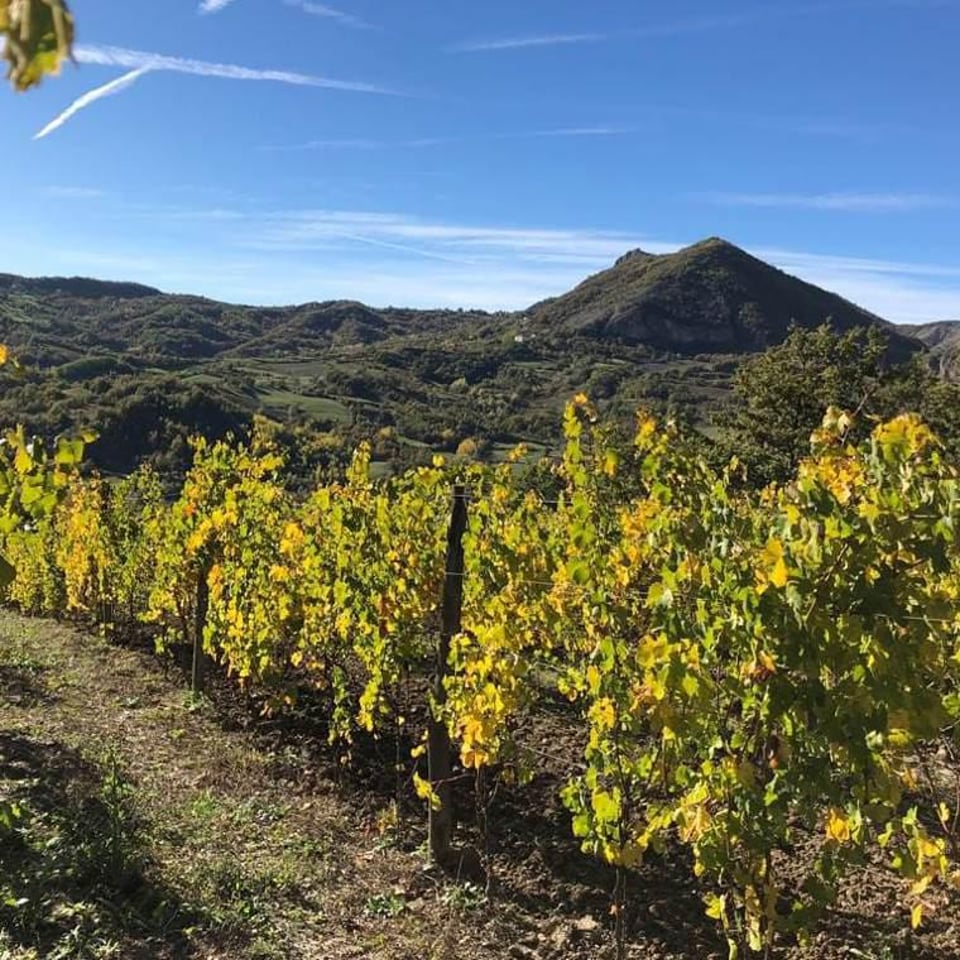
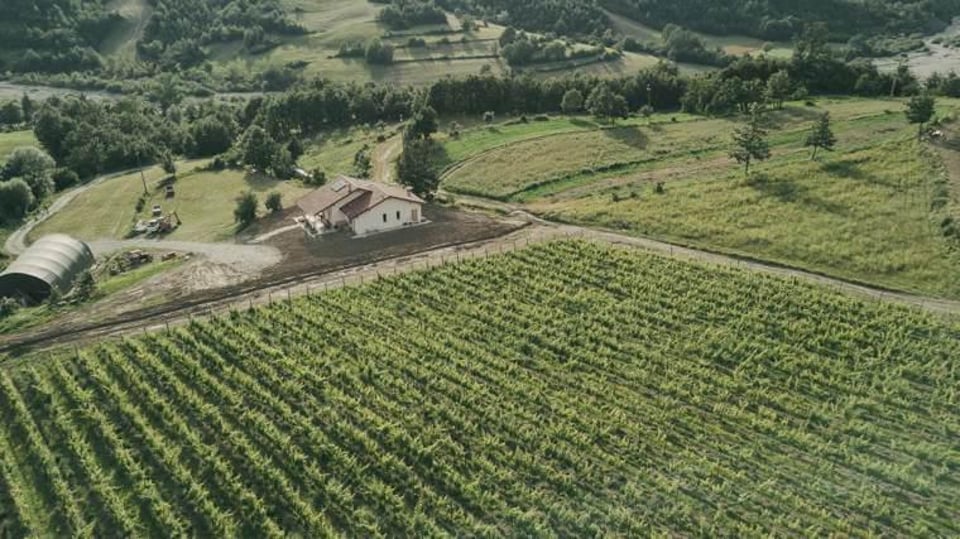
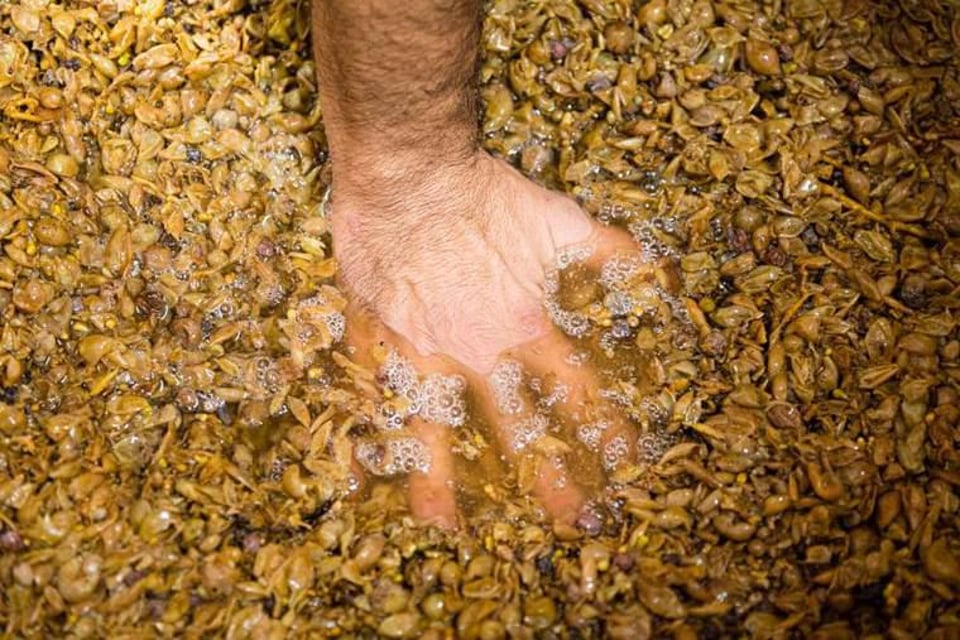
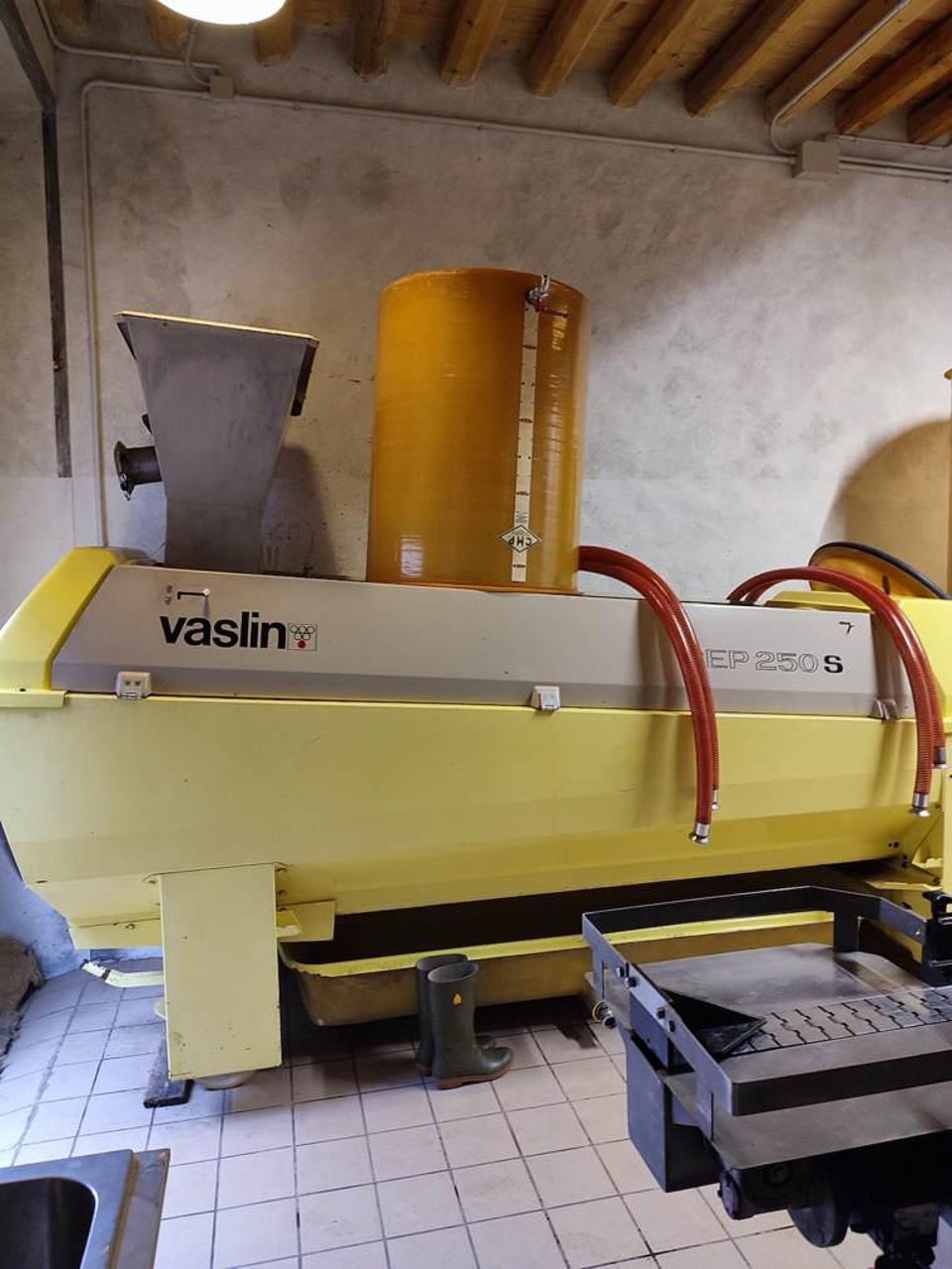
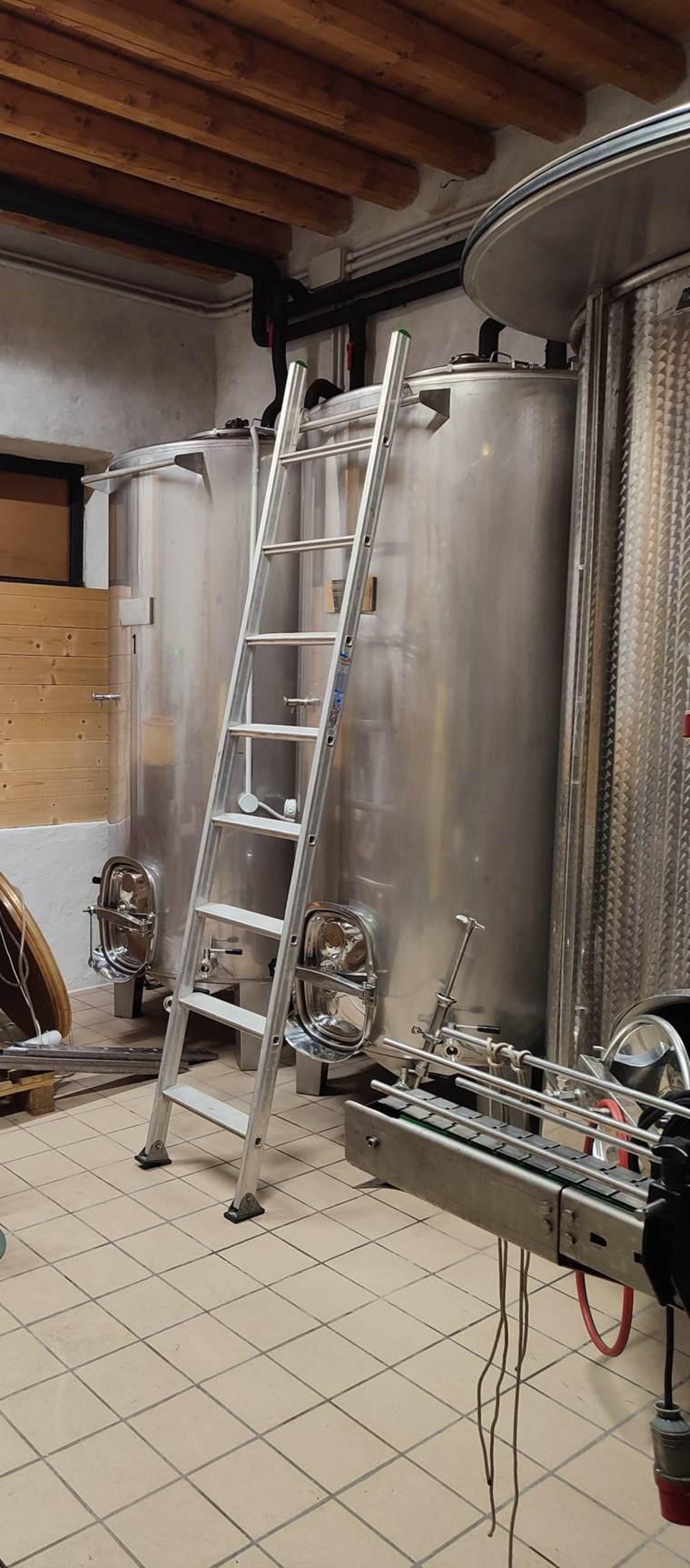
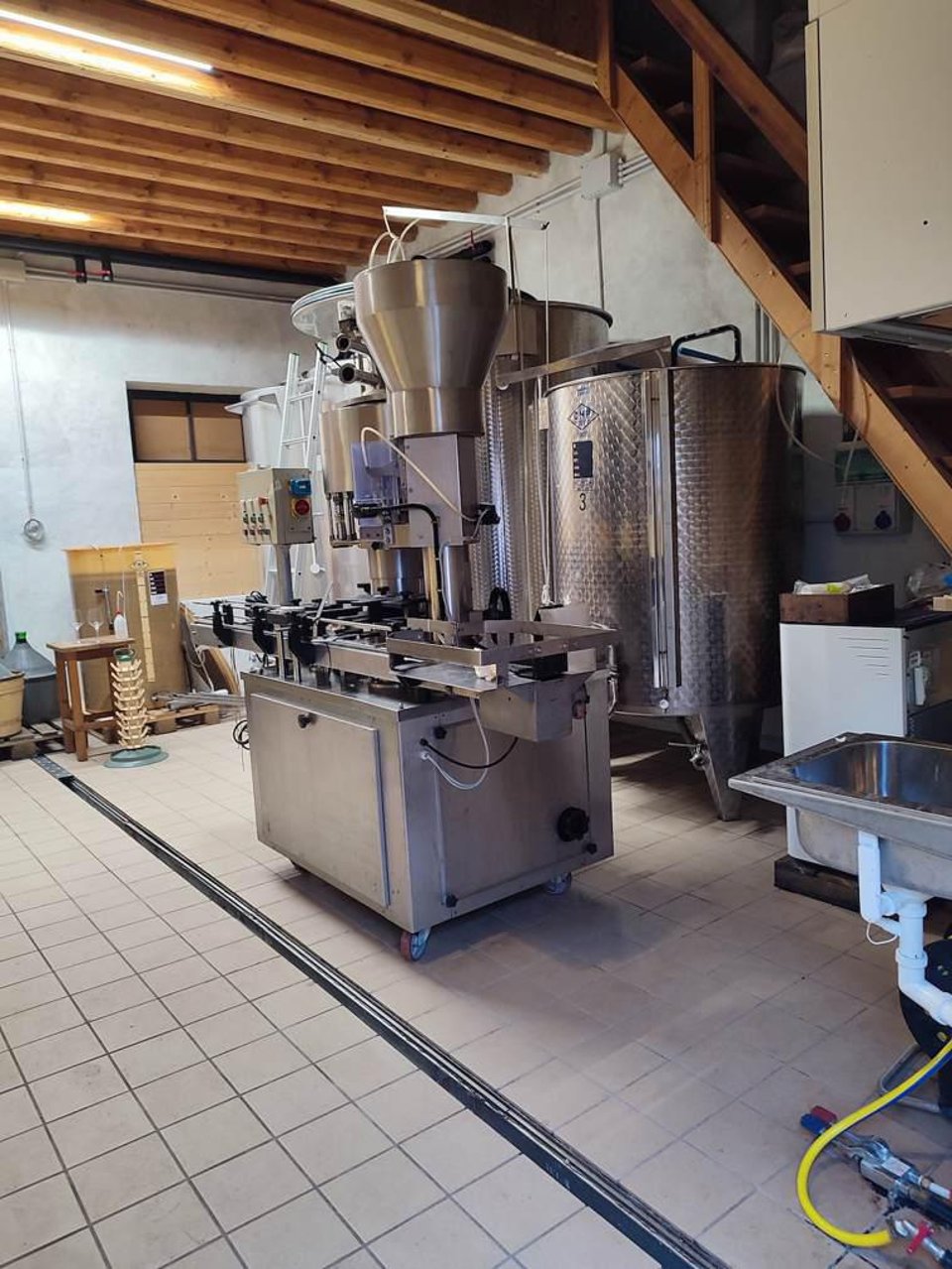
The company is located in the Borbera Valley, in the heart of the Ligurian Apennines, yet still in the province of Alessandria, at an altitude between 450 and 600 meters above sea level. The climate is characterized by cooler temperatures than the nearby hilly areas and frequent temperature swings. The area is breezy, and the sea breeze often appears, bringing with it mild sea temperatures. To promote biodiversity and life in all its forms, I host 30 beehives from a friend's company, which produce various types of honey: acacia, thyme, chestnut, and wildflower. The company's vineyard area is 4 hectares, divided into three plots, one of which, NEBRAIE, gives the farm its name. The Timorasso grape variety is planted in clay-loam soils with a significant presence of gravel and moderate limestone. The terroir is characterized primarily by the presence of reddish-gray schists and Savignone conglomerates, detrital masses composed of rounded clasts of varying sizes, in the subsoil. The vineyards are all located between 500 and 600 meters above sea level and face southwest. They are arranged in a straight line, with a planting distance of 0.9 x 2.4 meters, and are trained using the Guyot system. Soil management is of fundamental importance to me because to produce a true and natural wine, it is necessary to maintain the soil's humus and preserve biodiversity. I do this primarily through the distribution of organic manure pellets and the practice of green manure, that is, sowing legumes, home-grown ancient grains, and other naturally occurring species in alternate rows. I combine these practices with aeration and tillage of the unsown rows in spring and summer. During the season, I periodically mow the inter-row areas with a chainsaw, which further protects the soil from summer evaporation through a cover crop, a type of mulch. I then mechanically work the under-row areas with rotating inter-row mowers, both for cutting the grass and for working the soil. Beyond the soil, I pay close attention to plant management, starting with winter pruning: I use the Simonit and Sirch method, a gentle, branched pruning method that allows the plant to maintain greater balance over time. The work continues in spring and summer with green pruning, a term that summarises multiple, extremely important operations: selecting the right number of shoots and then supporting them along the row; thinning to aerate the area around the bunches; and, before harvest, to promote ripening; and finally, bunch thinning. Throughout the growing season until harvest, I carry out a series of spray-drying treatments consisting only of copper hydroxide and wettable sulfur, both in liquid form; flavescence, by law, is kept at bay with pyrethrum. A few days before harvesting, I select several baskets of grapes to create the pied de cuve. Without this ancient technique, natural alcoholic fermentation would be left to chance, with many risks. The grapes are then pressed. After a couple of days, the indigenous yeasts begin fermentation, and the must typically reaches full fermentation within a week. The harvest is then carried out by hand into crates in the vineyard. Trailer by trailer, I transport the grapes to the cellar, where they undergo gentle direct pressing to maintain their freshness and integrity. The resulting must is then transferred to stainless steel tanks where, if necessary, I can control the fermentation temperature. Fermentation occurs with indigenous yeasts, and a few days after starting, I add the fully fermenting must from the pied de cuve. At the end of fermentation, I rack the wine to retain only the fine lees, and if the vintage requires it, I add sulfur dioxide. From this point on, the wine ages on the lees until bottling. The wine is unfiltered and undergoes no other oenological processes.
No red wines at the moment.
No rose wines at the moment.
FIND THE EVENT YOU ATTEND

Saturday January 31 - Sunday February 01
Angers
6363 KM
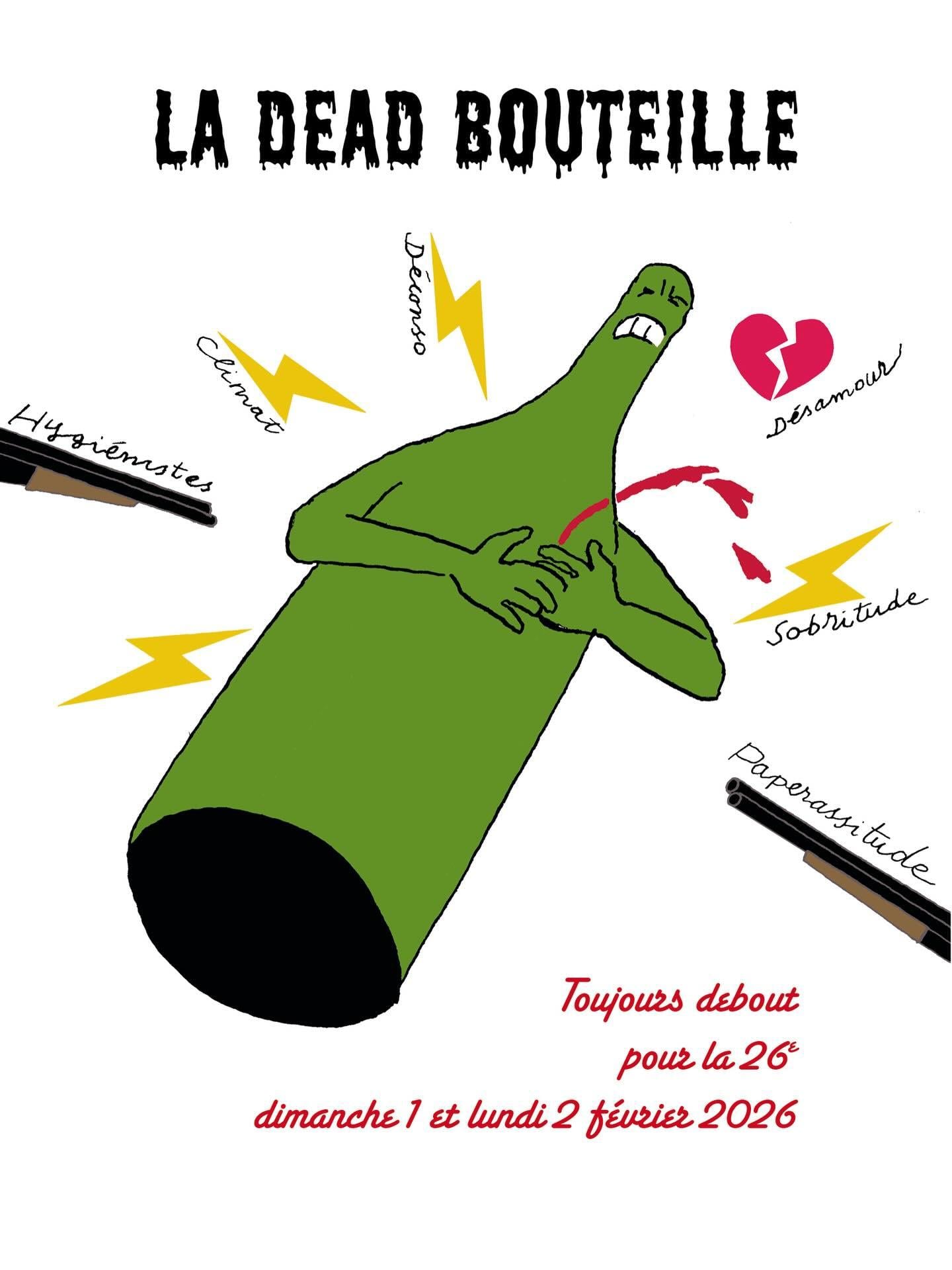
Sunday February 01 - Monday February 02
Saumur
6402 KM

Thursday January 29 - Friday January 30
Les Ponts-de-Cé
6365 KM
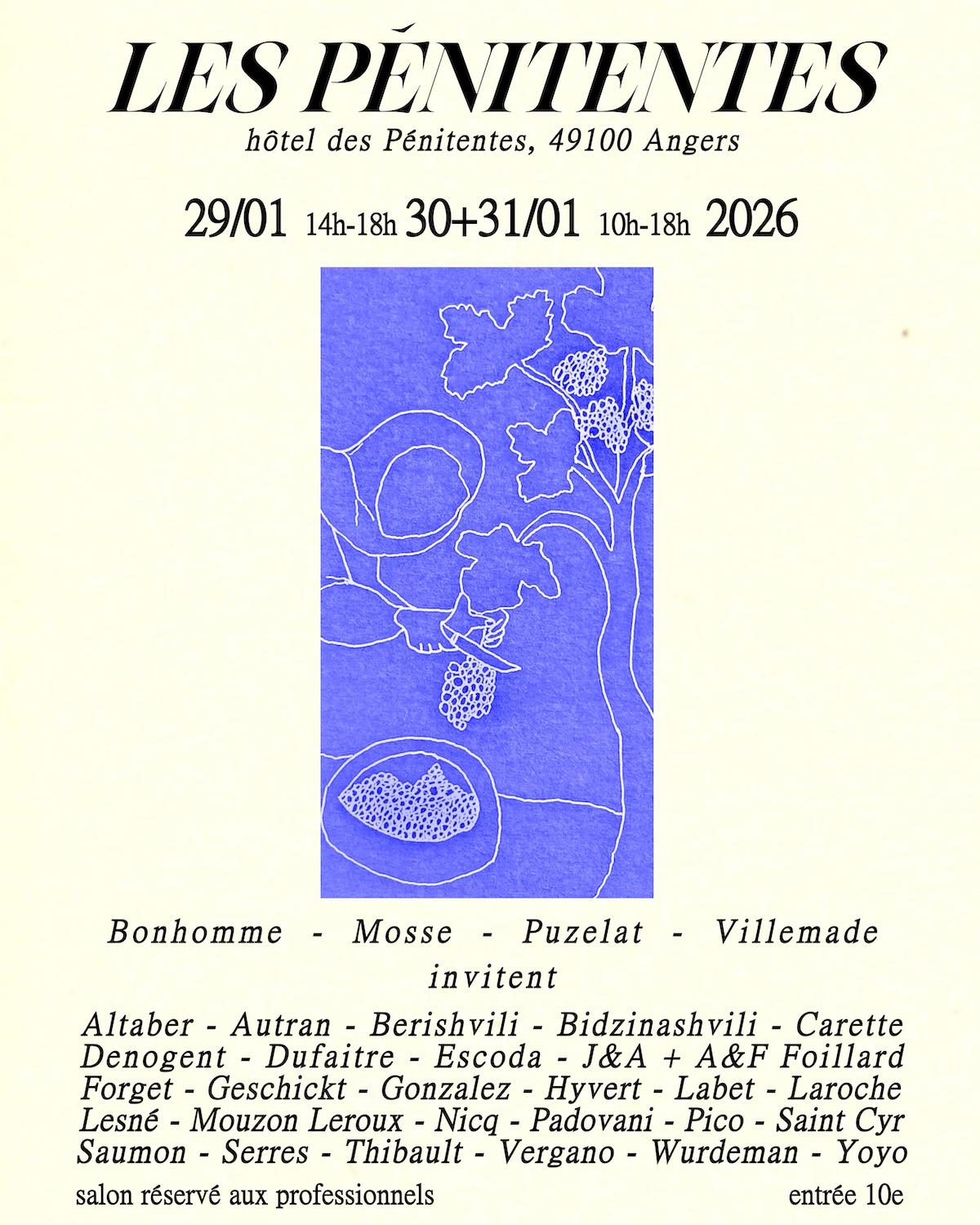
Thursday January 29 - Saturday January 31
Angers
6362 KM

Thursday January 29
Paris
6489 KM

Thursday January 29
NiceFrance
7097 KM
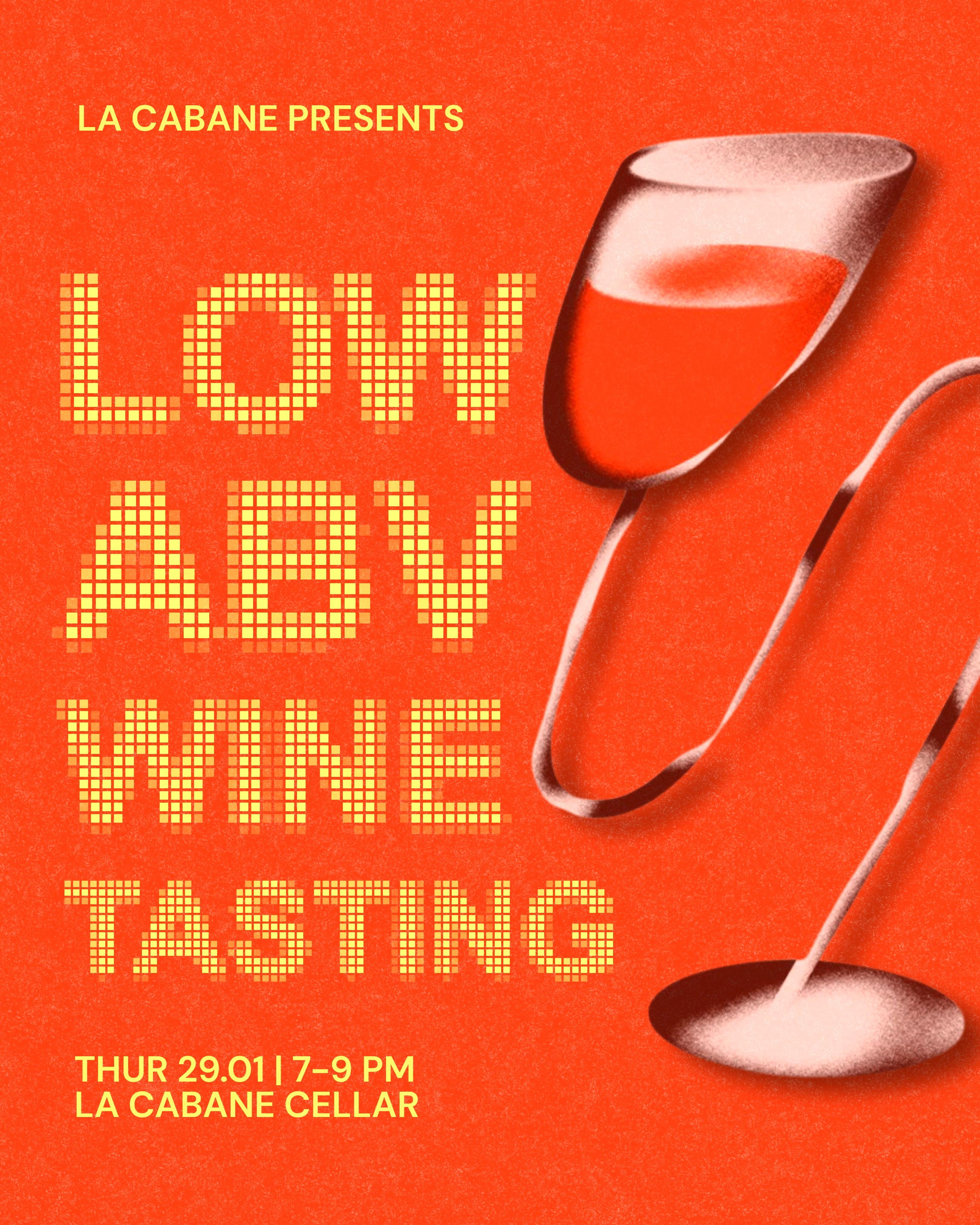
Thursday January 29
Hong KongChina
12869 KM
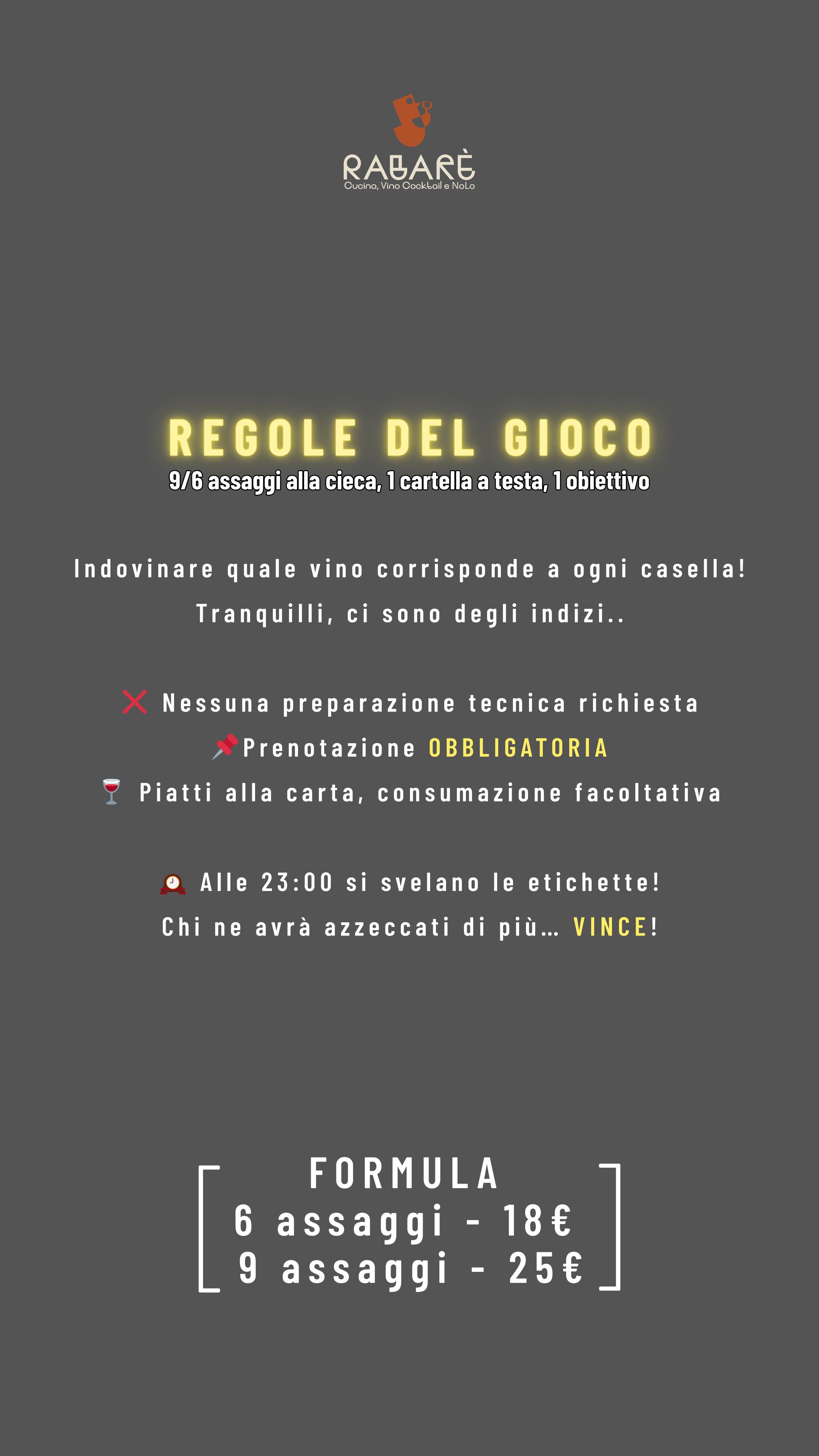
Thursday January 29
TurinItaly
7047 KM

Friday January 30
Bellevigne-en-Layon
6369 KM

Friday January 30
Beaulieu-sur-Layon
6368 KM
9 1 7117 KM
In our farmhouse we serve genuine dishes and local wines, in a welcoming environment surrounded by the beautiful hills of Lowe…29 4 7187 KM
Cibo che parla dialetto. Vino vivo, birre liguri, storie contadine. 📚 Osterie d’Italia & Slow Wine 202554 5 7187 KM
in front of the Teatro della Tosse "", in the splendid setting of the church of Sant'Agostino, in the historic center of Genoa…160 10 7382 KM
Natural Wines & Groove. Winemakers
 Restaurants
 Bars
Bars Wine Shops
 Accommodations
 Events