19 21 8275 KM
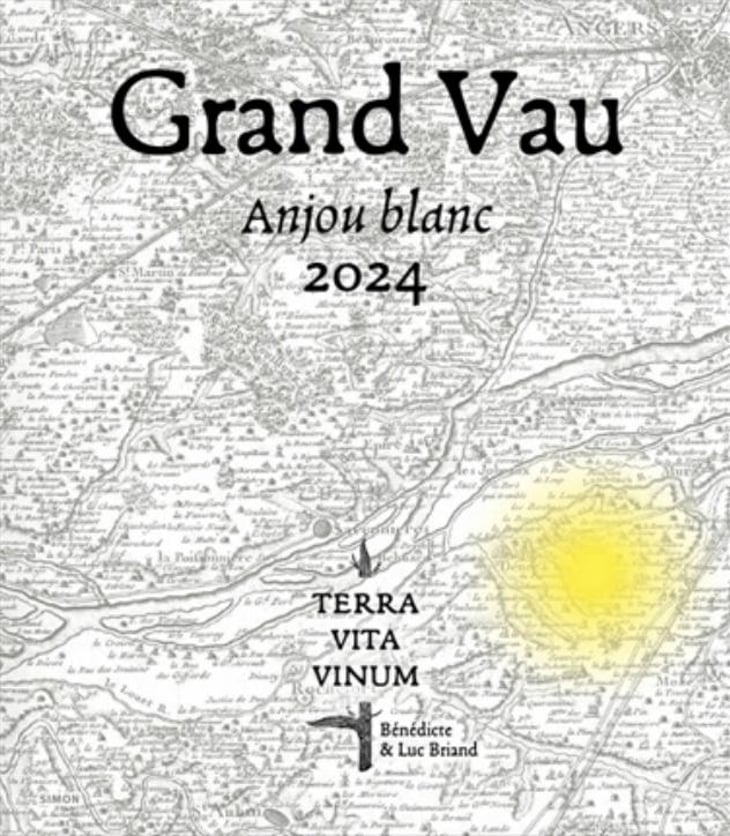
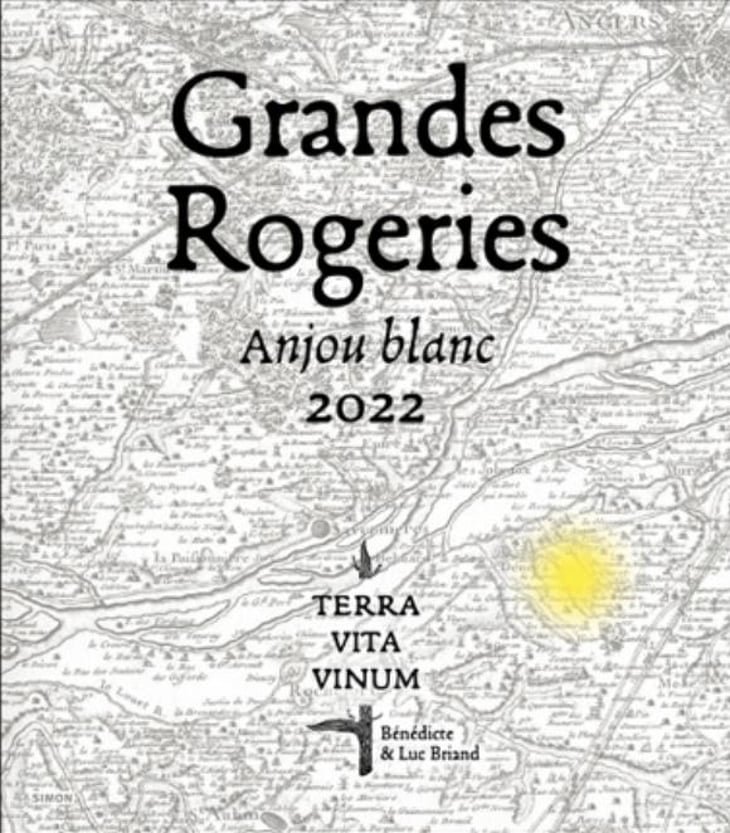
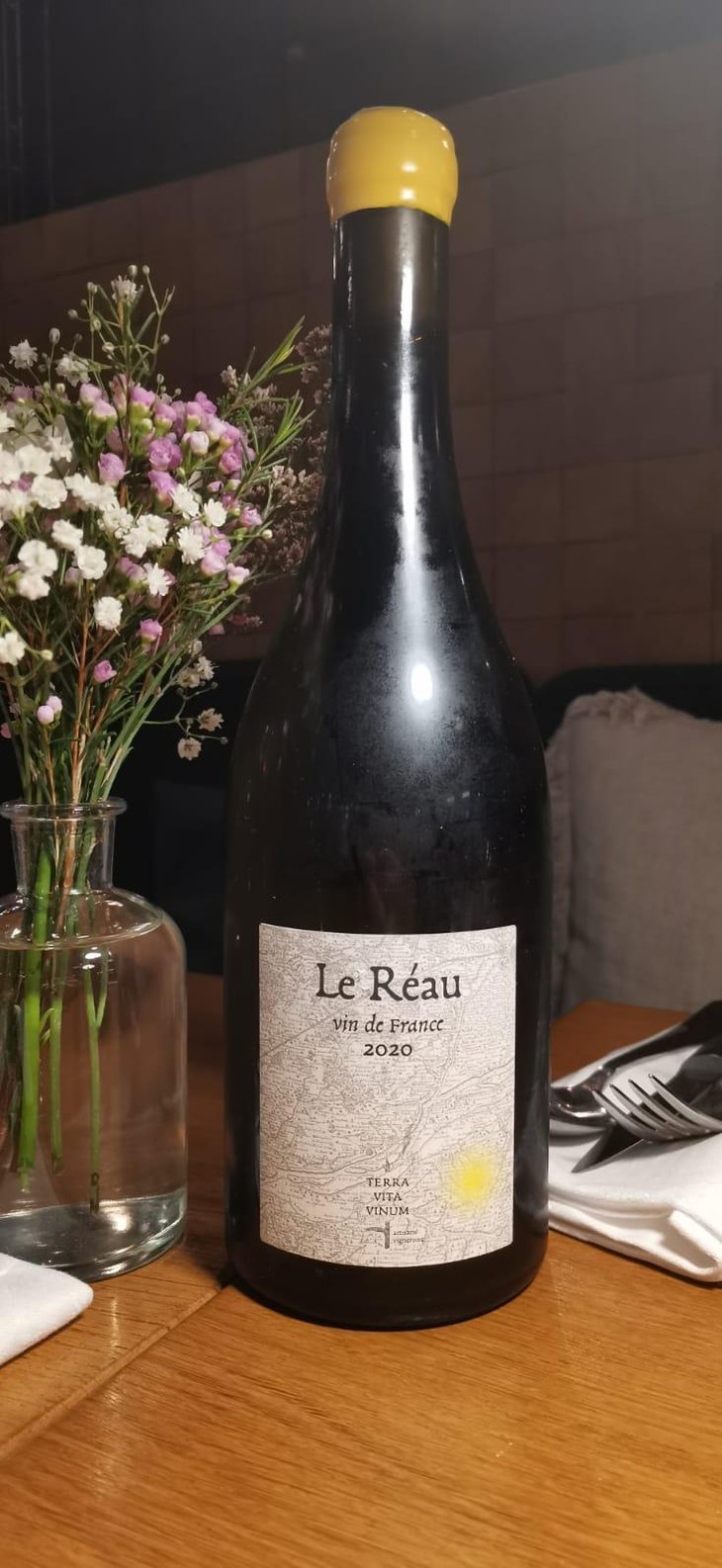
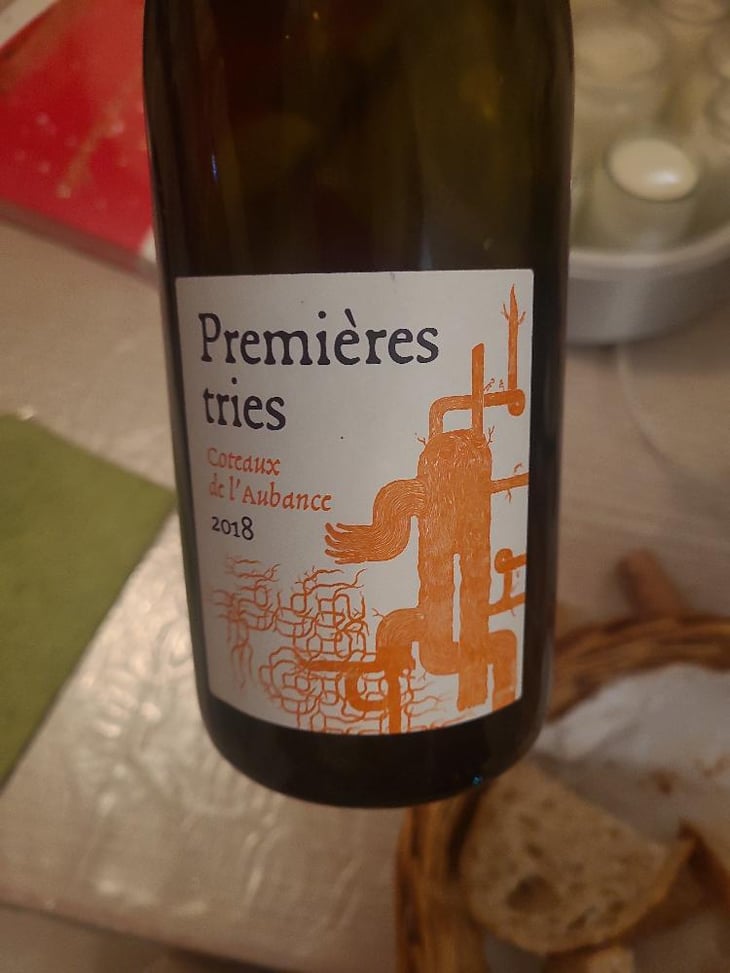
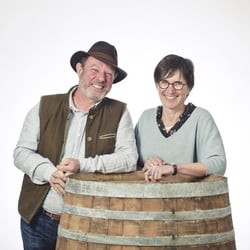
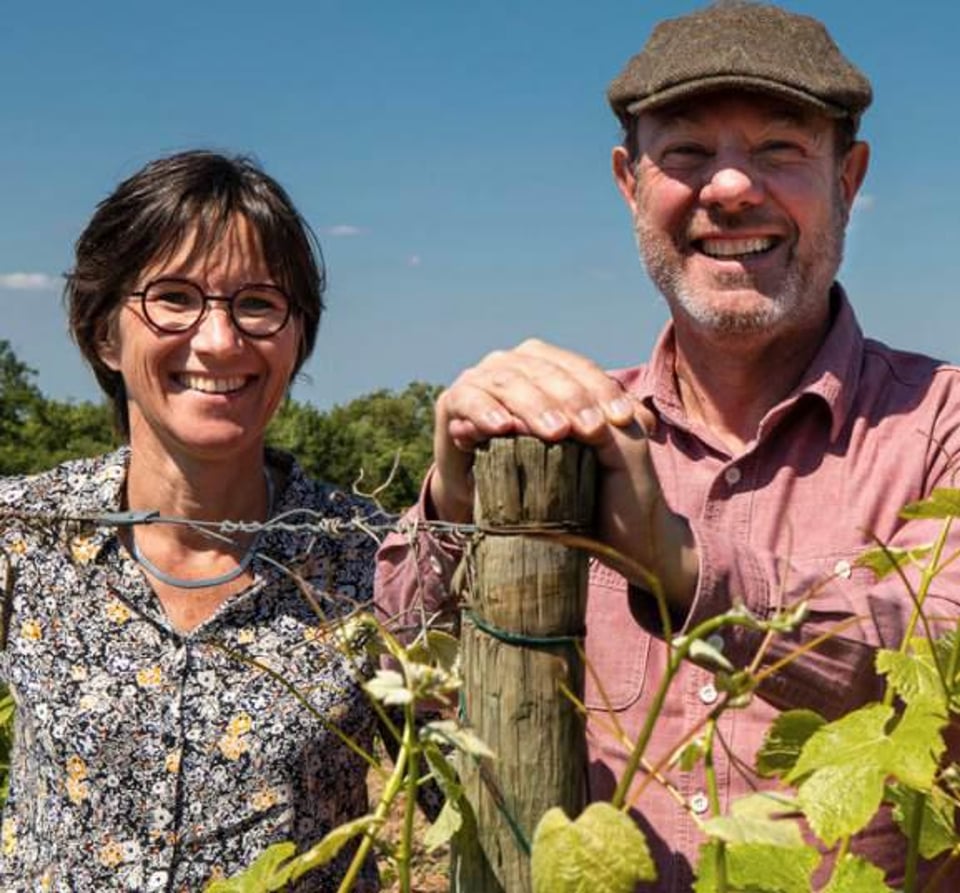
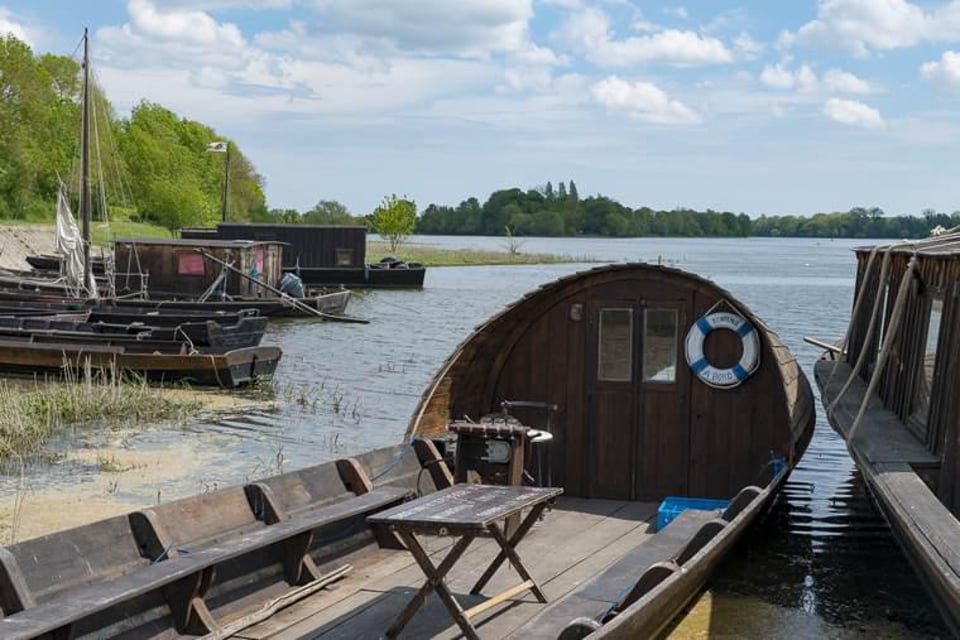
Luc is a local. And it was indeed the terroir that greatly influenced our choice of this estate. The proximity of the Loire, the Aubance, and the Layon rivers, as well as the diverse schist and volcanic rocks of this part of Anjou Noir, captivated us. To better express all these differences, we identified numerous distinct terroir units. We aim to showcase them more effectively by highlighting them through our expansion of single-vineyard wines, much like the Burgundians have long done with their climats.
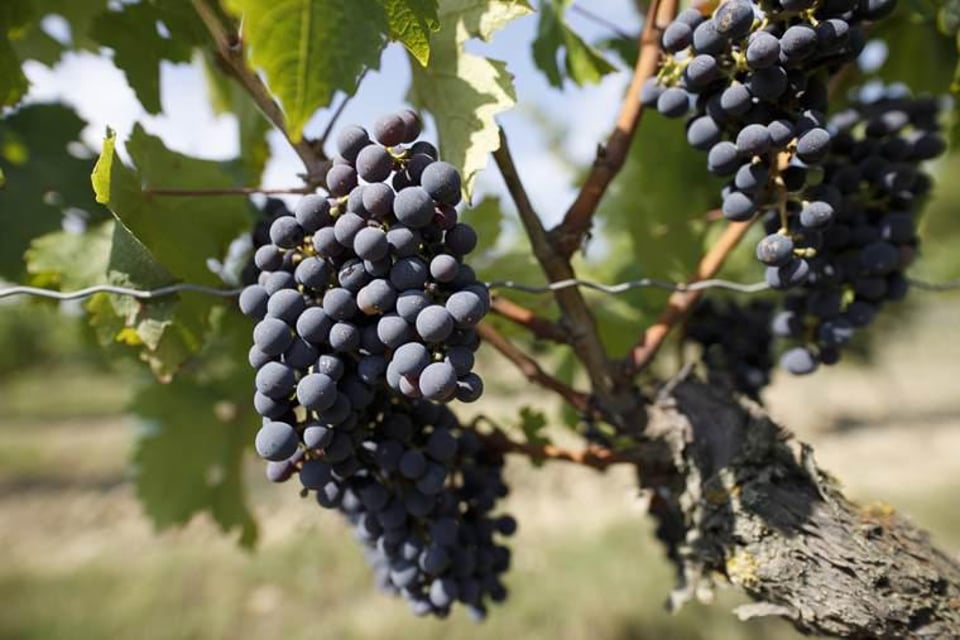
As we often say, the harvest is the culmination of a year's work in the vineyard. It is on this basis that we wish to guide our vineyard. Indeed, when one aspires to produce a great wine, one must have a passion for working the vines, respecting the different terroirs that make up the vineyard. We work in harmony with nature by taking into account the vine's growth cycle and the biodiversity that we cultivate and maintain day after day. This is also why we adhere to a certified biodynamic approach, respecting the lunar calendar. It is the famous common sense of the farmer that guides us every day, and certainly not the desire to manipulate minds for the sake of profit! Our plantings are based on highly diverse massal selections. This allows us to avoid the trap of genetic standardization and to achieve superior aromatic complexity while perpetuating varietal diversity that aligns more closely with our values. In terms of cultivation, we use neither chemical inputs nor herbicides. To protect the vines, we favor natural plants. For soil management, we adopt a selective approach, tailored to the terroir, grape varieties, and climatic conditions. We always strive to protect soil life. Depending on the plot, we minimize inter-row cultivation to encourage biodiversity, using fauna and flora as beneficial organisms. Of course, the ultimate goal remains winemaking. Our short pruning method respects the sap flow. On our individual plots, canopy management includes meticulous bud removal and shoot thinning. Depending on the plot, topping is infrequent and late, sometimes even replaced by braiding the shoots onto the last wire. We are gradually introducing animals into the vineyards. One plot is worked with horses, and we also use miniature cows to graze the vineyard grass in autumn and winter, enriching the soil with organic matter. For all these reasons, we don't buy grapes; we only vinify those we grow ourselves. This approach doesn't prevent us from having doubts. We share the sentiment of Alain Aspect—Nobel Prize in Physics in 2022—when he said, "Failure is part of the job, and sometimes discouragement too." Since the factors contributing to the quality of a vintage are multifaceted, we are convinced that each harvest will always bring surprises that must be addressed on a case-by-case basis. In this context, we often rely on the "competence network" of biodynamic winemakers and the international Raw Wine community, convinced that exchanging experiences fosters growth.
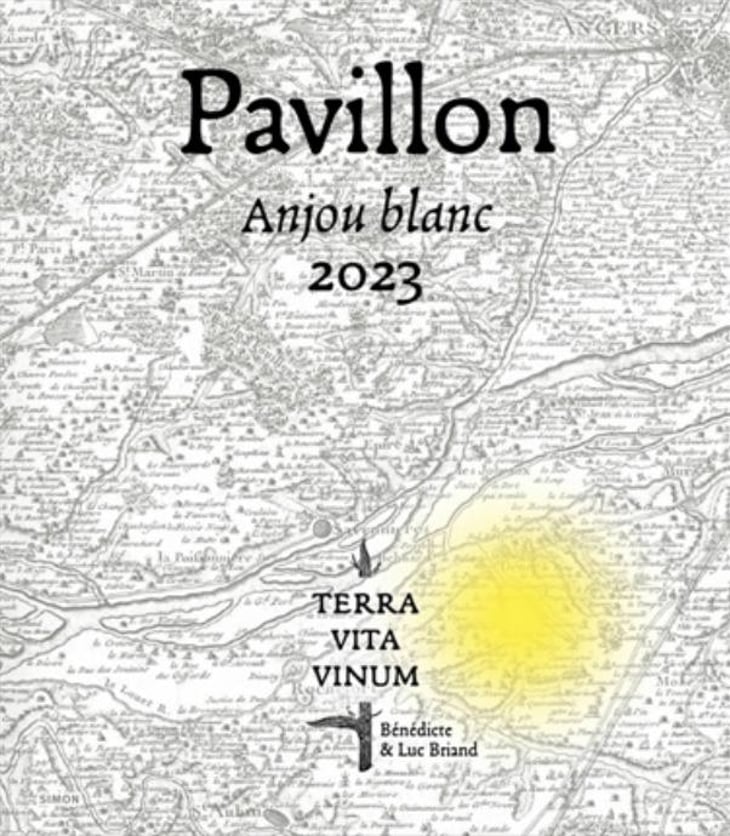
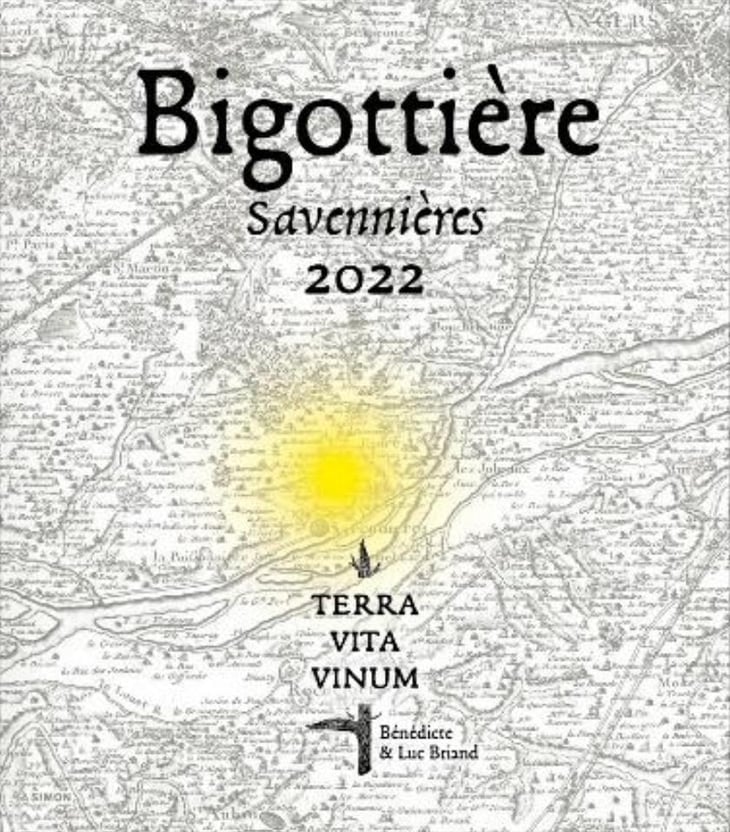
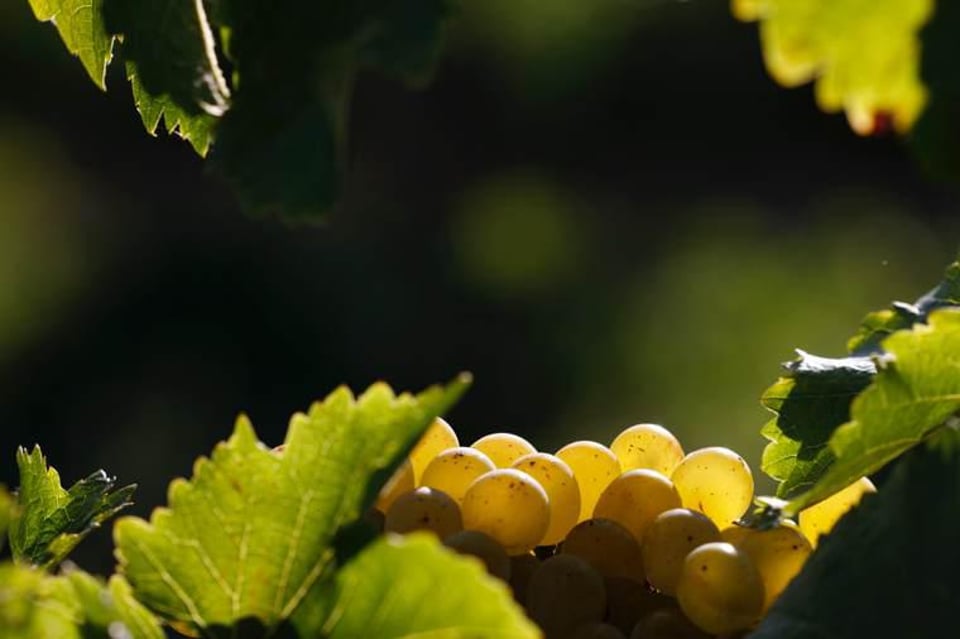
Our greatest emotion during tasting is linked to four factors that we consider essential: the nose, the mouthfeel, the precision, and the energy emanating from the wine. To achieve this, we protect the juice as naturally as possible. We also strive for extended aging to enhance complexity and deliver wines ready to drink. In accordance with our biodynamic principles, we minimize inputs in the cellar, in harmony with our work in the vineyard. On our single-vineyard plots, we are uncompromising during the harvest, which is, of course, done entirely by hand. For the white wines from these single-vineyard cuvées, the first sorting is done in the vineyard. Then, we favor harvesting in small, perforated trays of only 8-10 kg to supply the press with firm, juice-free grapes. The pressing cycles are long. For our single-vineyard wines Bigottière, Grandes Rogeries, and Pavillon, after settling, the juice is racked into its aging vessels, which contribute to micro-oxygenation (barrels, concrete eggs, and amphorae), for a minimum of two years. For the other single-vineyard wines, aging lasts 12 to 18 months. The same care is given to the vines for our reds. Depending on the soil, grape variety, and vintage, we may or may not initiate cold maceration, using whole or partial bunches, to preserve freshness and luscious fruitiness. Our red winemaking style prioritizes finesse and elegance over power and extraction. For Jules Chauvet, terroir is 45% soil and 55% indigenous yeasts. Therefore, we cultivate our yeasts in the vineyards (not in a laboratory) to encourage the annual expression of the terroir. Working with our indigenous yeasts, sourced from our own grapes this year, is a demanding process for us, but ultimately beneficial for the wine. No sulfites are added to the harvest in order to preserve the aromatic complexity of the juice. To protect the fruit and the precision of our meticulous work, we use very small doses of sulfites only when necessary, after malolactic fermentation and/or at bottling. Whenever possible, we complete the aging process in the bottle for at least half the time it takes in the cellar. With this in mind, a single-vineyard cuvée is released approximately two and a half years after harvest. In total, including the year the vines are cultivated, three and a half years of work are required to present a new vintage. It's a bit crazy, but we're proud of it! In conclusion, we hope that the respect we have for the vine and the winemaking process will be a source of unique emotions when tasting each of our cuvées. As Ted Lemon of Littorai Wines likes to say, "the job of winemakers is to craft wines that are the most honest and crystalline expression of their place of origin, and then let others decide whether they believe their efforts are worthwhile." We largely share this view.
No orange wines at the moment.
FIND THE EVENT YOU ATTEND
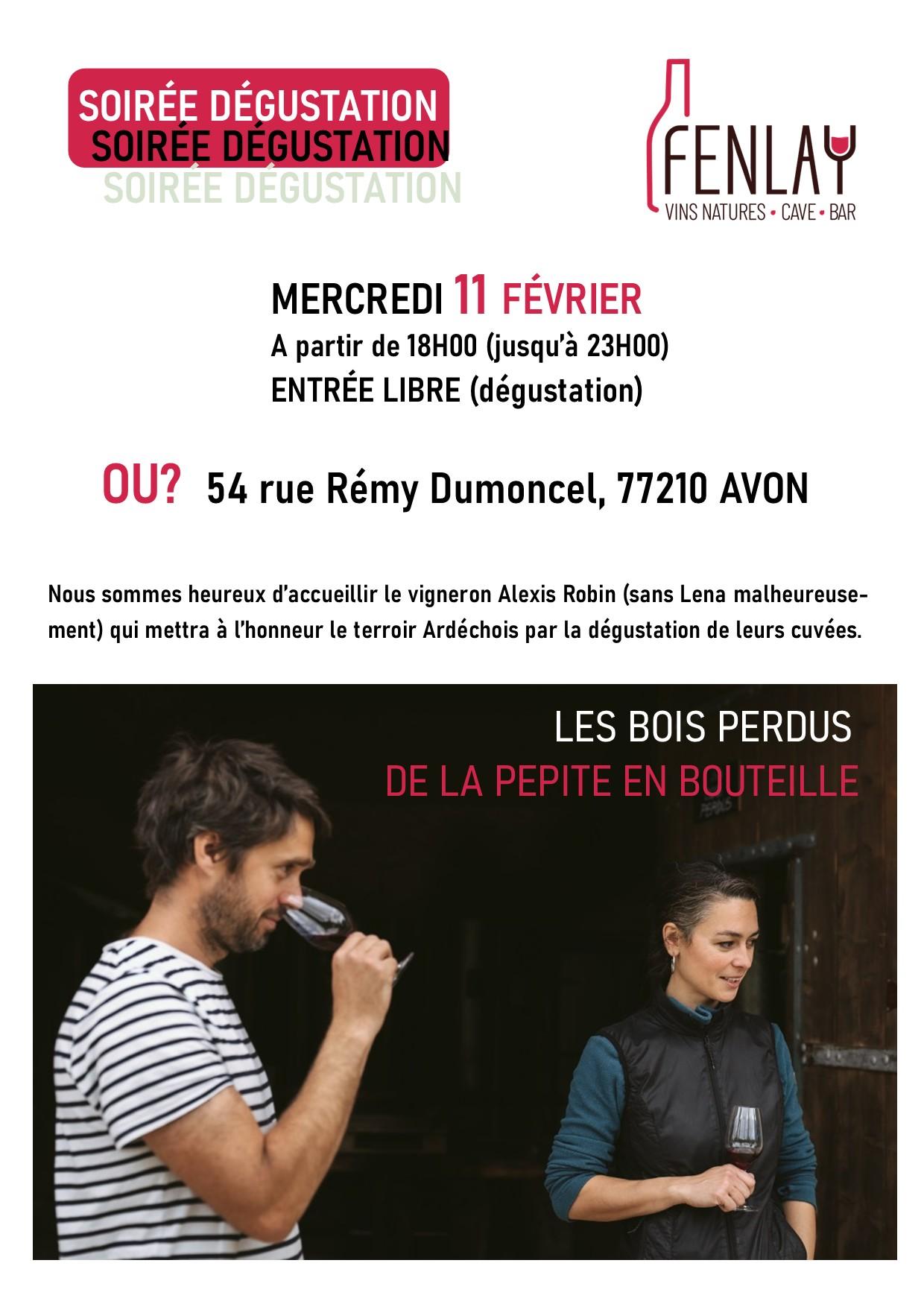
Wednesday February 11
AvonFrance
6536 KM
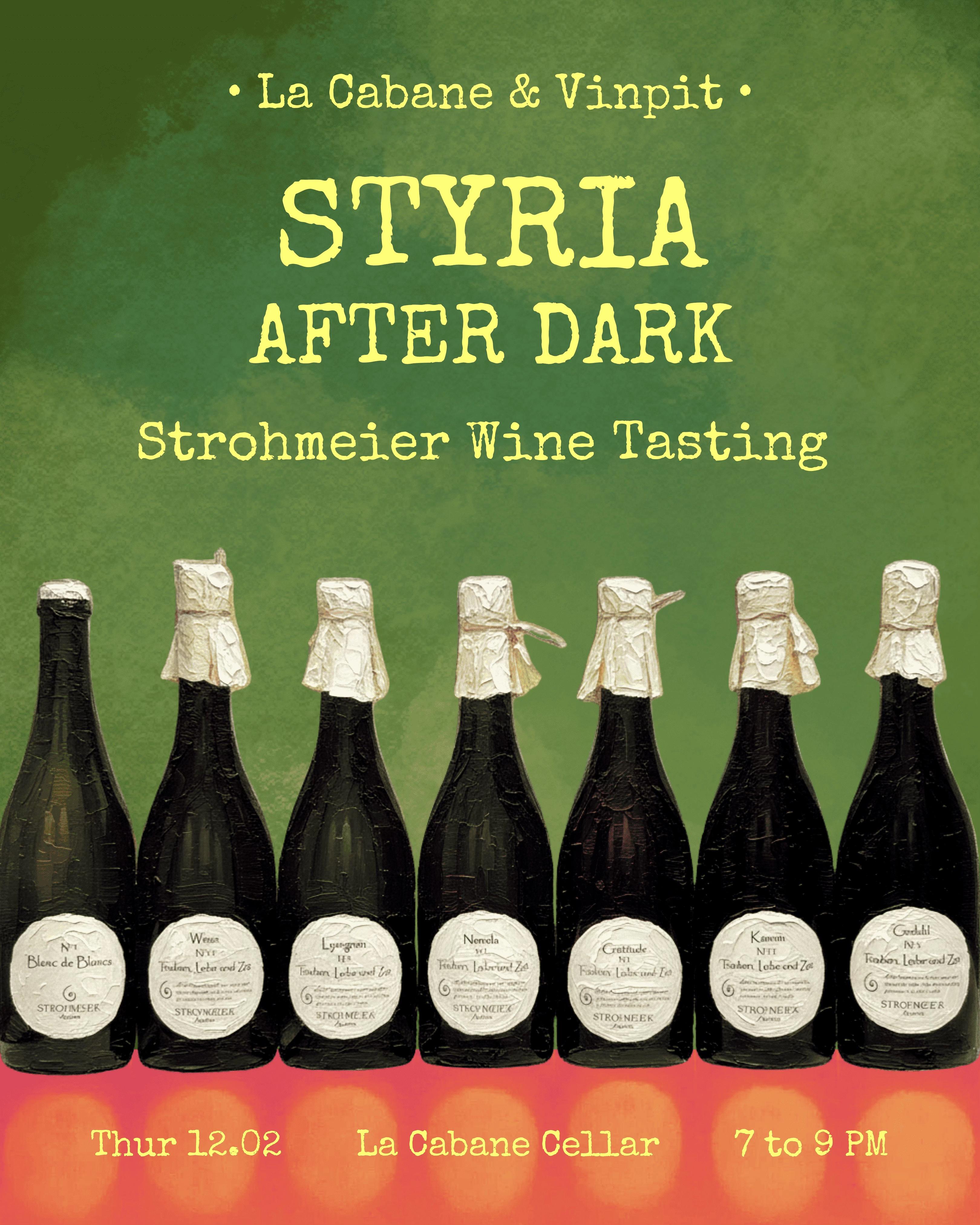
Thursday February 12
Hong KongChina
12869 KM
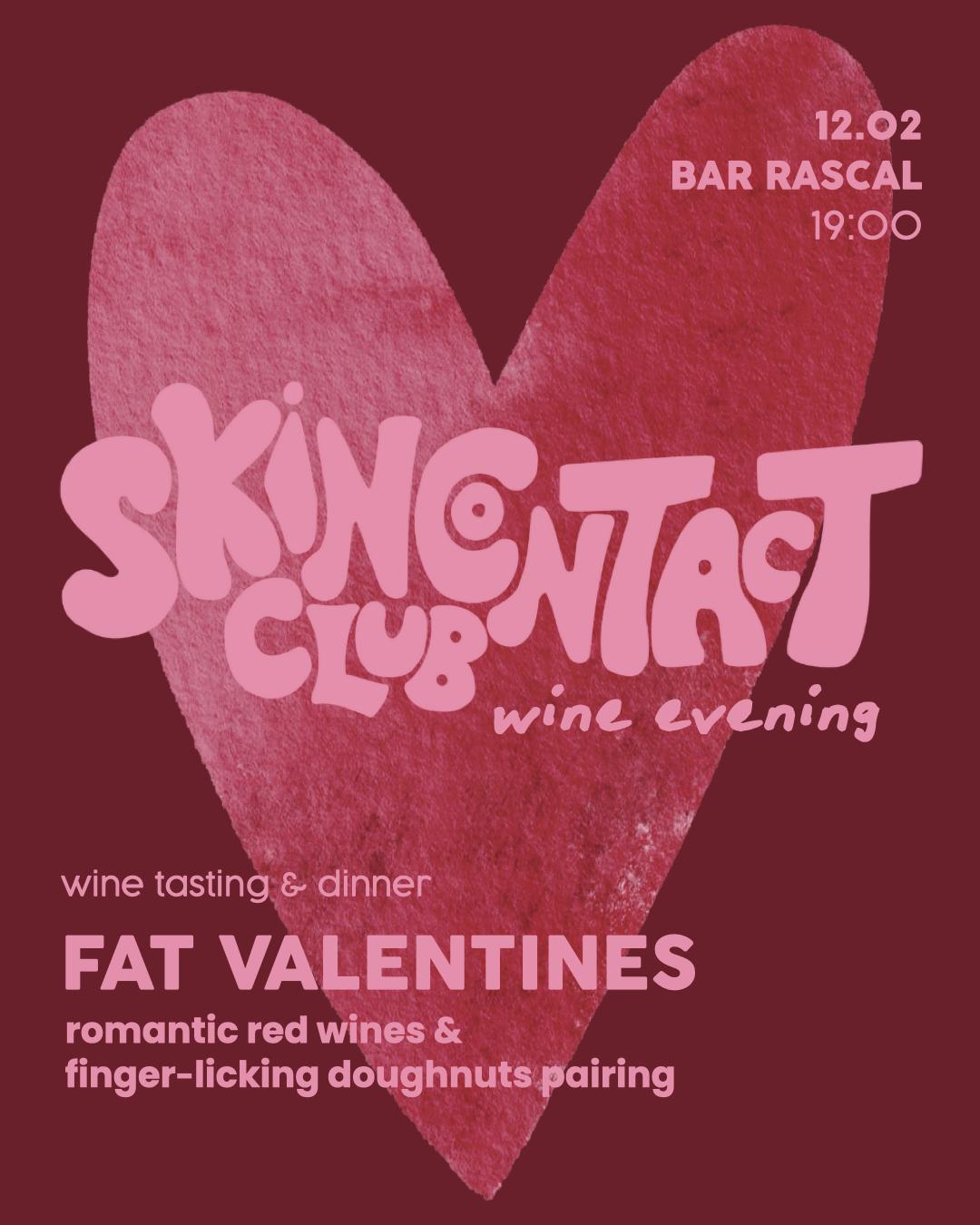
Thursday February 12
WarsawPoland
7427 KM
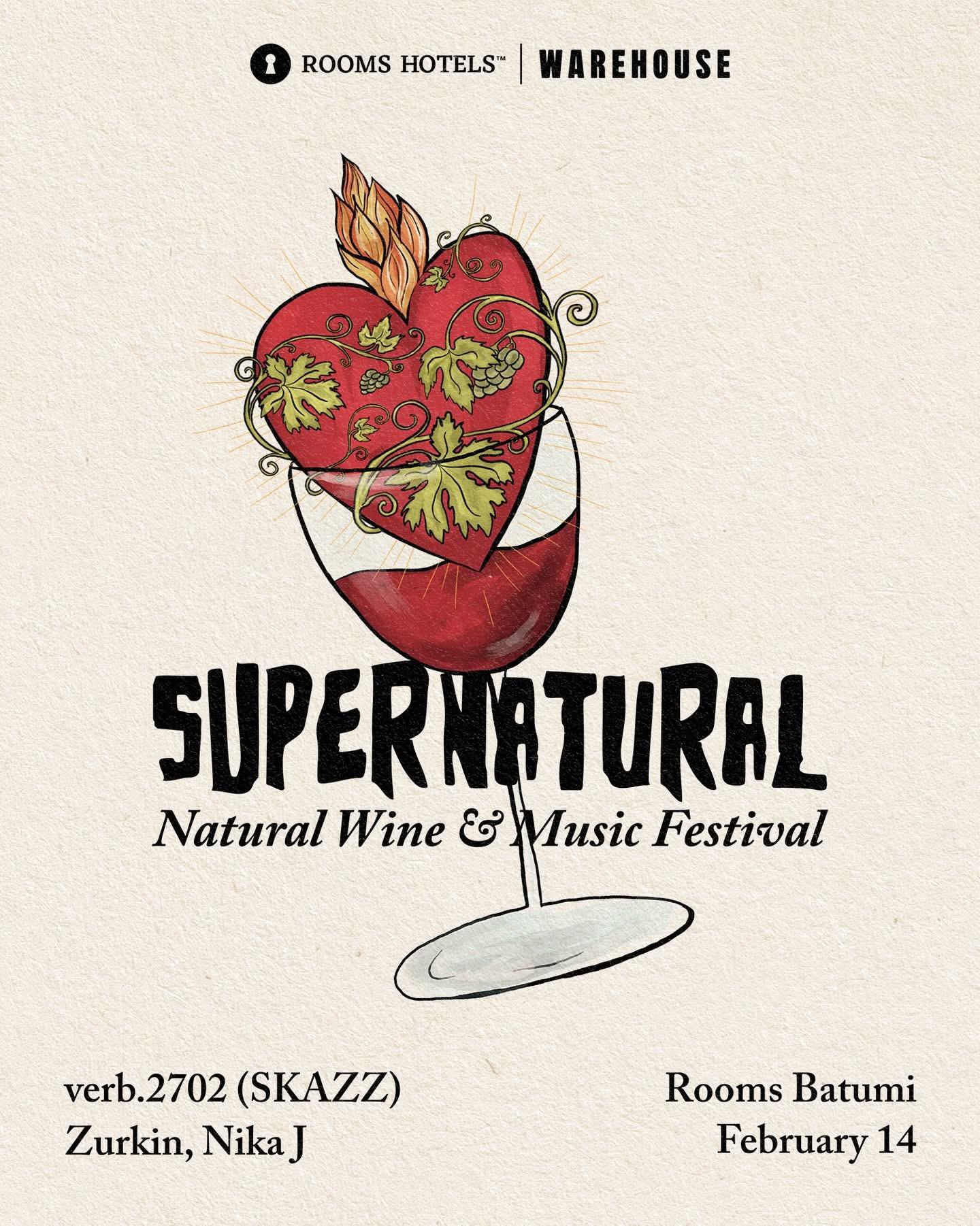
Saturday February 14
Batumi
9361 KM
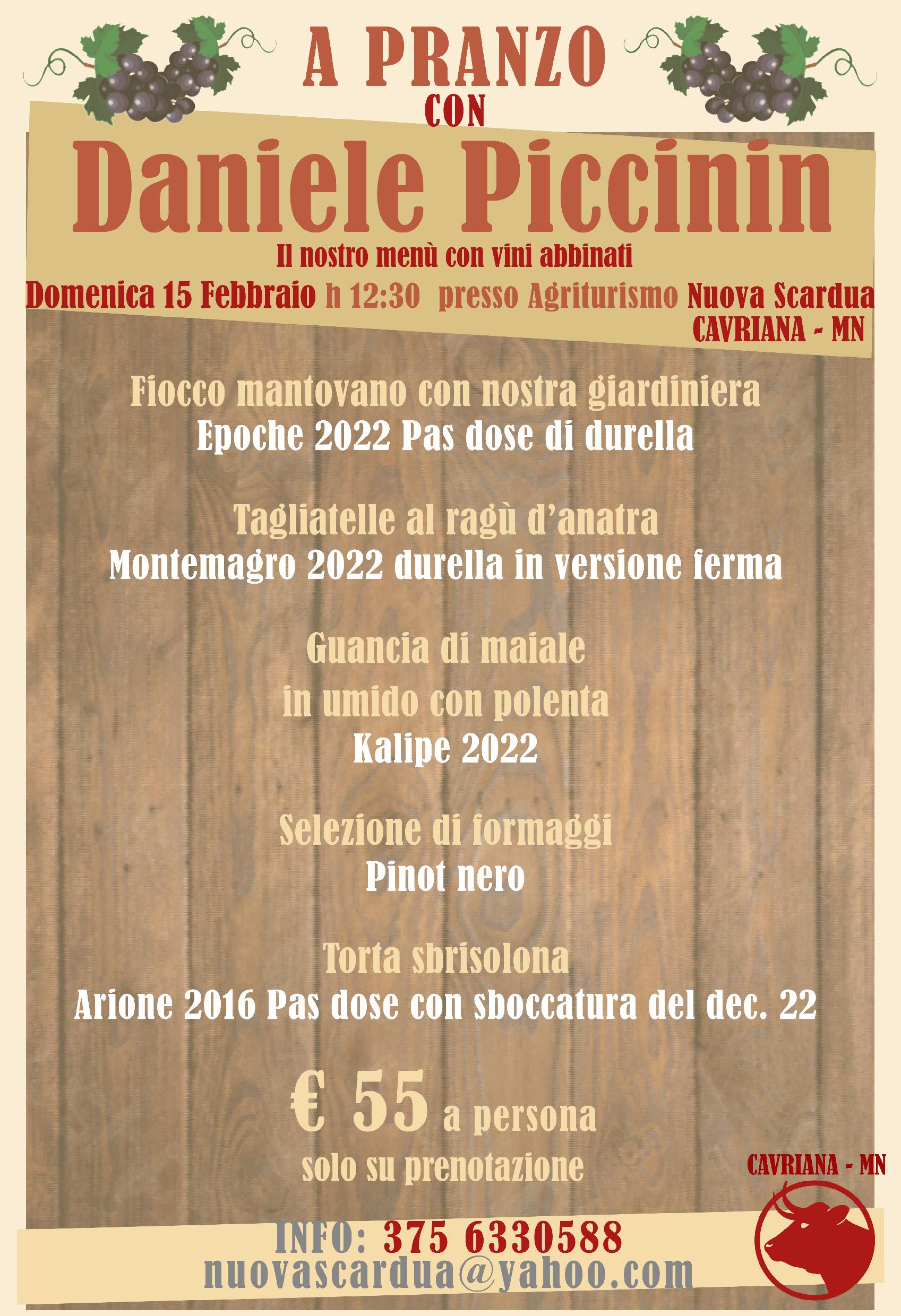
Sunday February 15
CavrianaItaly
7223 KM
Tuesday February 17
HamburgGermany
6724 KM
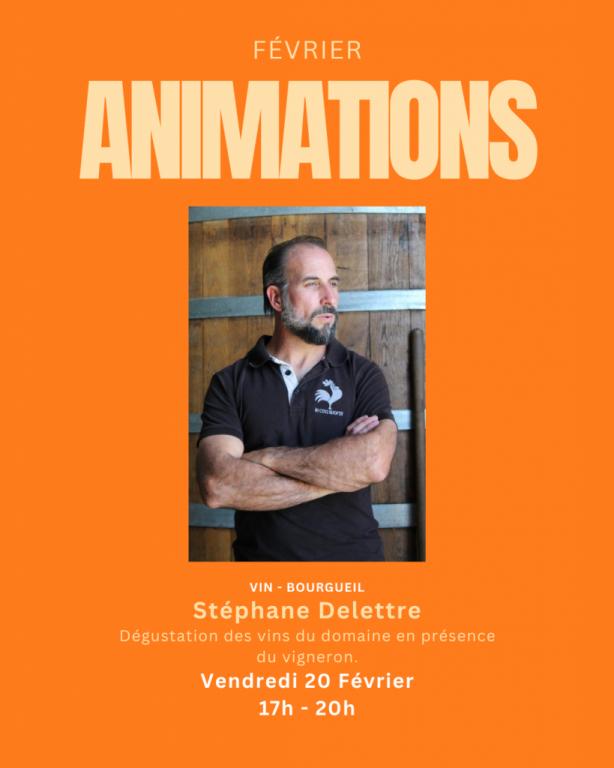
Friday February 20
LyonFrance
6819 KM
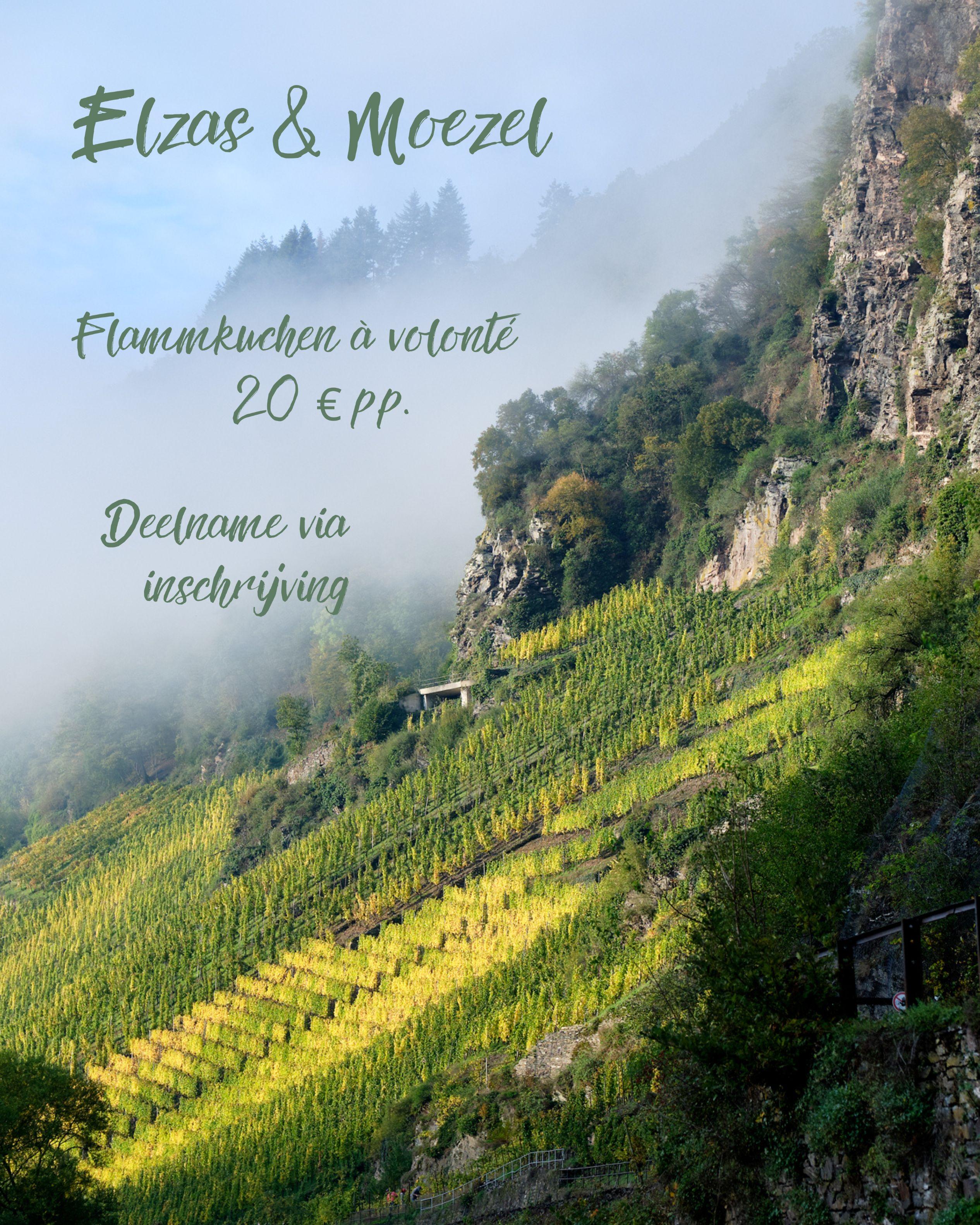
Saturday February 21
Sint-NiklaasBelgium
6485 KM
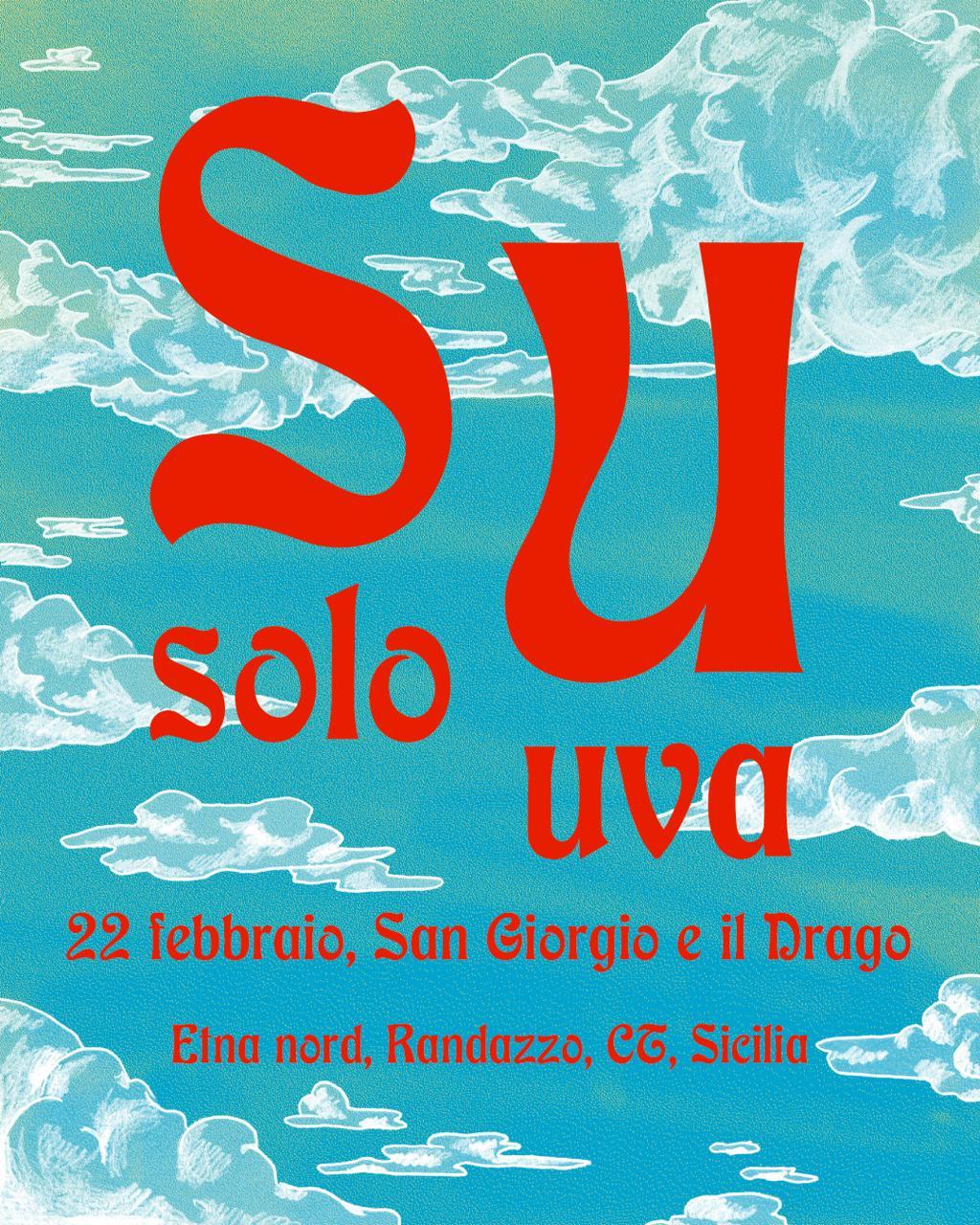
Sunday February 22
Randazzo
7995 KM
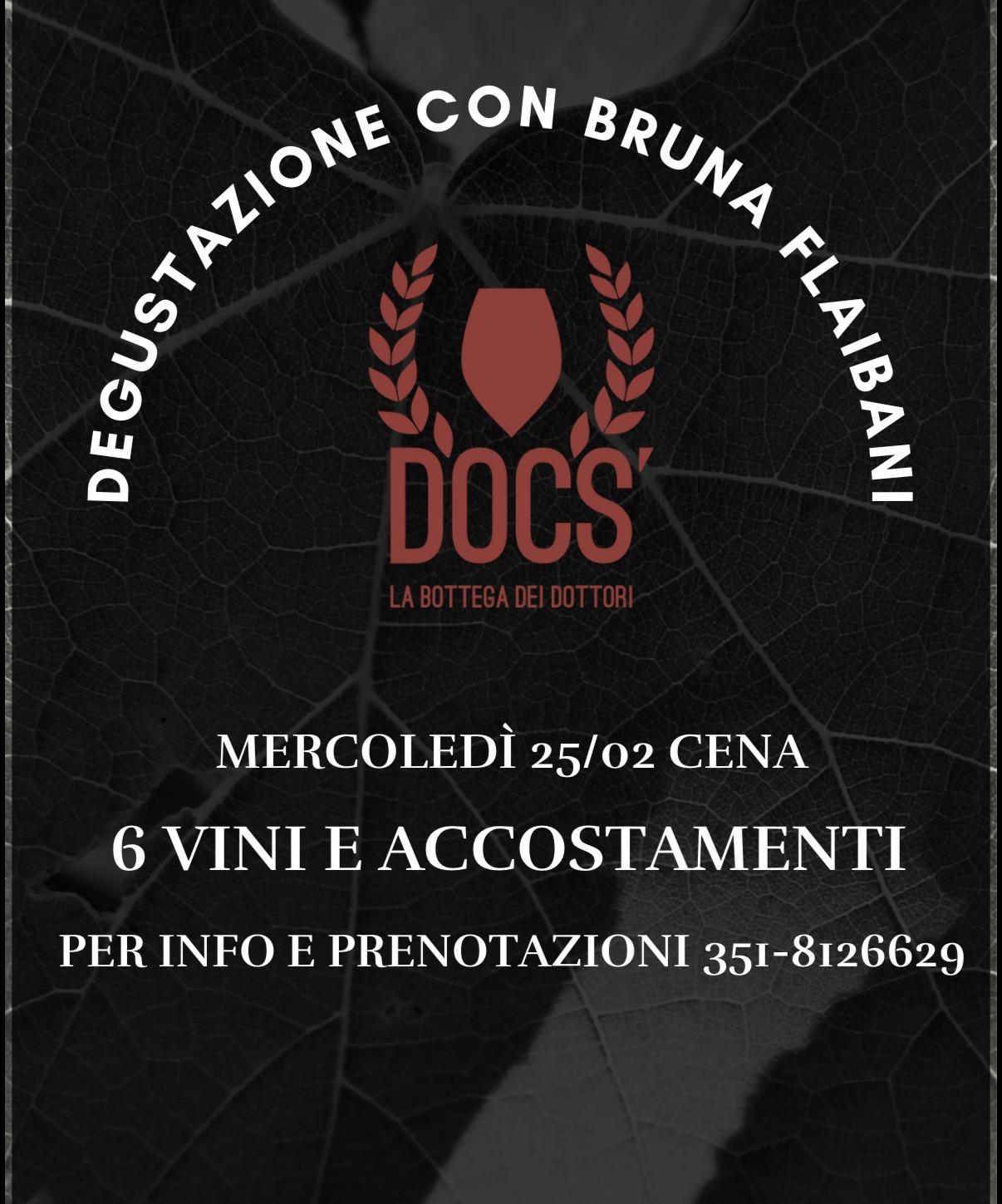
Wednesday February 25
SacileItaly
7312 KM


2 1 6132 KM
La Cave du Cabellou A wine shop Located In Concarneau with a selection of natural wines. Local, seasonal, organic food and natural wines.23 4 6220 KM
Crapule A Bar and a Restaurant in Vannes with a selection of natural wines. Local, seasonal, organic food and natural wines.4 2 6225 KM
"Petit club discotheque élégant , se transformant en comedy club / théatre de poche selon l humeur ! Belle carte d alcool , ch…17 2 6227 KM
Wine cellar located in the center of Paramé, Saint-Malo. A wide selection of organic, dynamic organic and natural designer win…8 0 6228 KM
Wine cellar located at the entrance to Saint-Malo, next to the Grand Aquarium. A wide selection of organic, dynamic organic an…4 1 6231 KM
Wine cellar located in the artisanal zone of Plouër-sur-Rance. A wide selection of organic, dynamic organic and natural design…14 2 6266 KM
Marie & Guillaume vous accueillent du mardi au samedi à partager cuisine et vins soigneusement élaborés. 400 références à la c…24 3 6321 KM
De la vigne au verre, naturellement !Nombreuses références en vins naturels, français ou étrangers. Spiritueux, bières bio et … Winemakers
 Restaurants
 Bars
Bars Wine Shops
 Accommodations
 Events