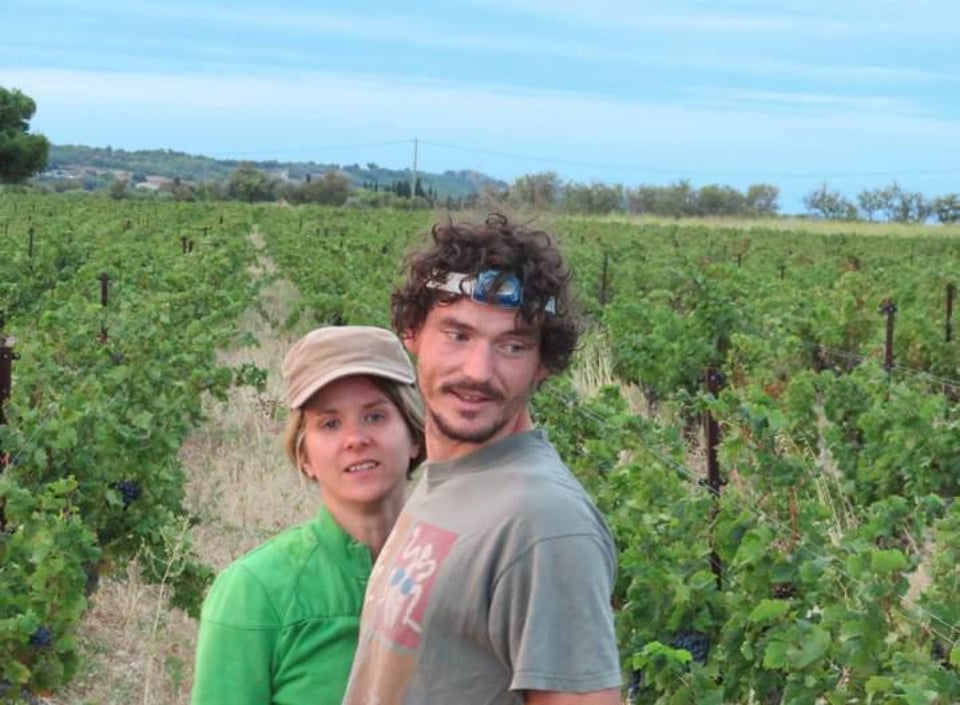
Le Clos Vagabond - Lucie Barral & Vincent Kolf
“When we visit today establishments that process large tonnages of red wine, and we see the importance of the mechanical means used and the energy consumed, we wonder how we could make wine during the past three or four millennia when this arsenal did not exist, and yet producing wines of high quality which have made the reputation of the great current vineyards.
In fact the method of winemaking that we say today classic, conventional or rational, is a recent invention and finds its source in the intensive and industrial methods that were used in North Africa before the First World War, and which were introduced in Europe from 1920 by the engineers of the Agronomic School of Maison-Carrée. "
Max Léglise
Because it is time that we reappropriate our productions in our natural spaces so that they can once again be in line with needs, territories and traditions and that they meet very real expectations. The productivist model seems questionable to us and we are embarking on an alternative approach. An approach in which Man regains his central place as a local player in agricultural production. We wish to opt for a long-term vision that is both global and collective.
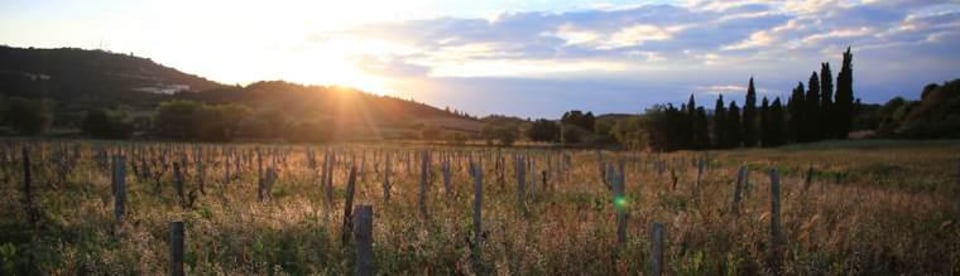
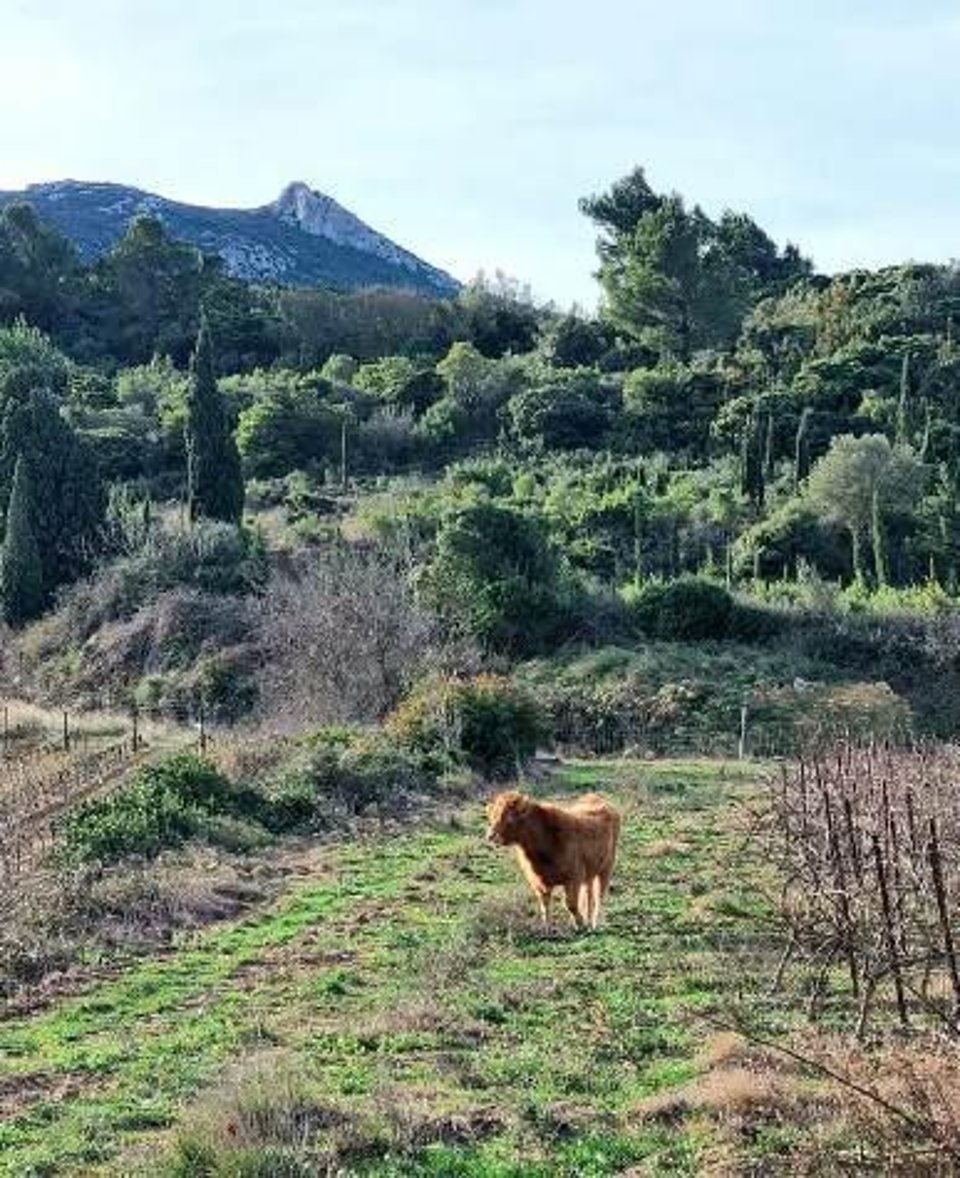
This approach is reflected in our vines by slow work aimed at reproducing ancestral gestures which tend to disappear. The tools used mainly are simple and never break down. In fact, motorized tools are limited and no "self-propelled" tool is used in the vineyard. Our priority is the good health of our soils and the re-introduction of a large and varied auxiliary fauna. We want hens, bats and ladybugs to work, each of which is ruthless pest hunters. Respect simple cultural principles such as introducing a diversity of species or even avoiding over-enriching the soils since we know that this favors the attraction of various "pests" for our vines ...
Le Clos Vagabond also wishes, through the creation of a wine tourism facility, to share with as many people as possible this vision which corresponds to renewal, to a slow, green and efficient evolution of the agricultural world.
So we believe that wine should be the fruit of passionate work.

 Winemakers
 Restaurants
 Bars
Bars Wine Shops
 Accommodations
 Events