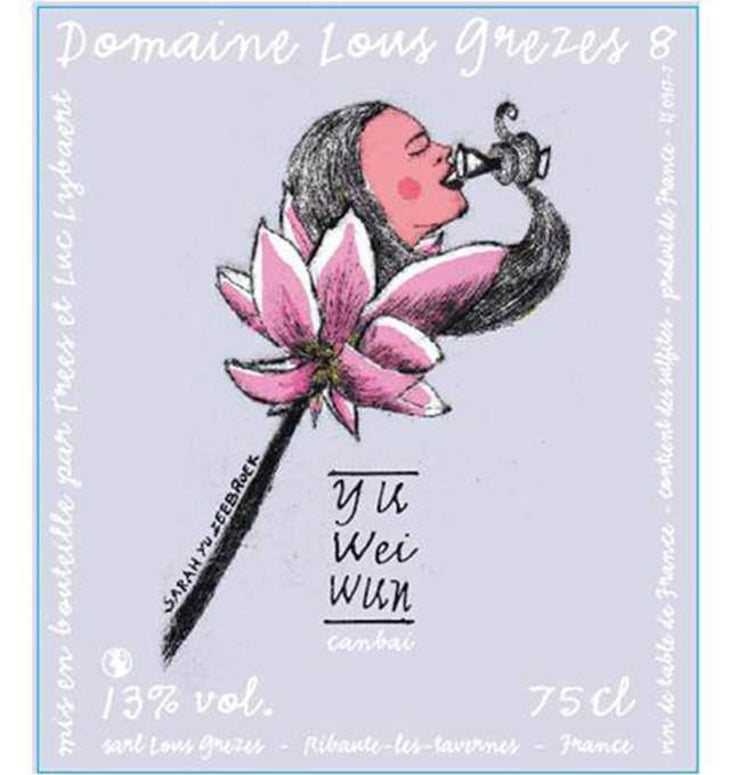
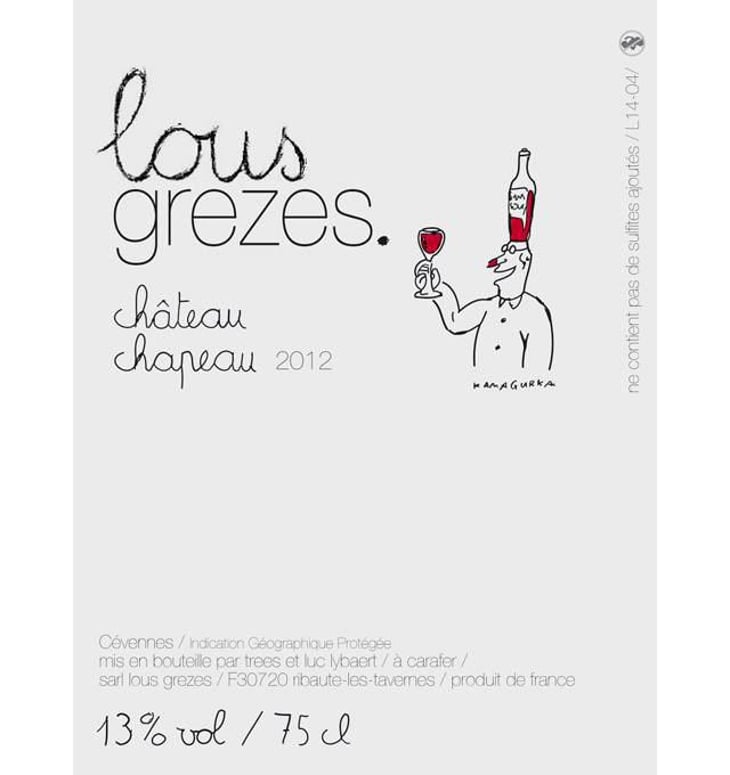
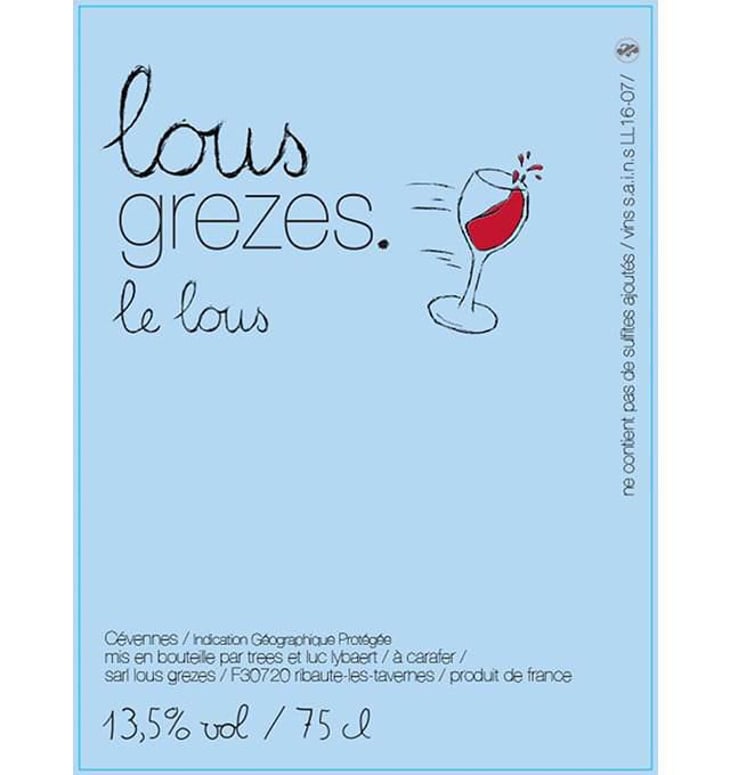
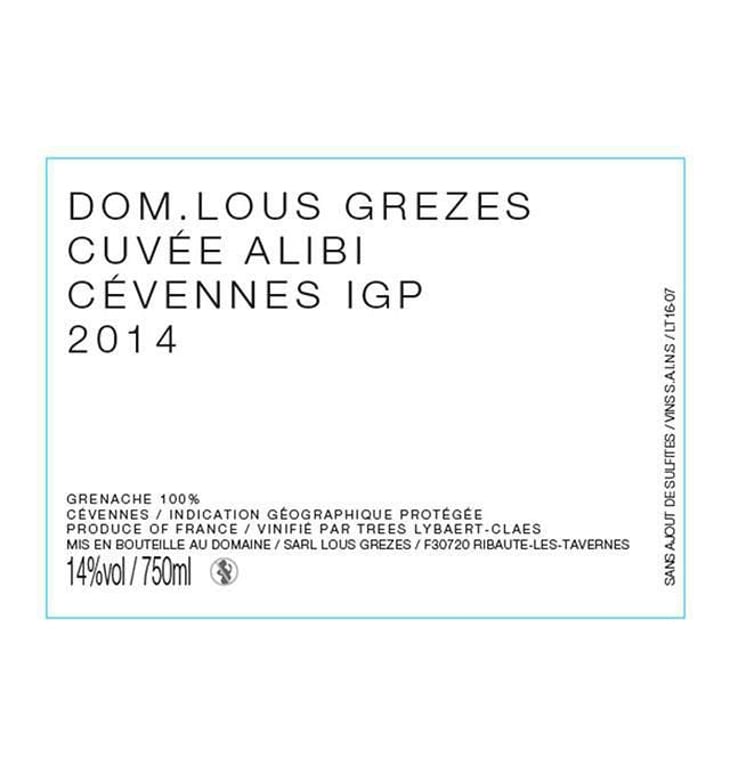
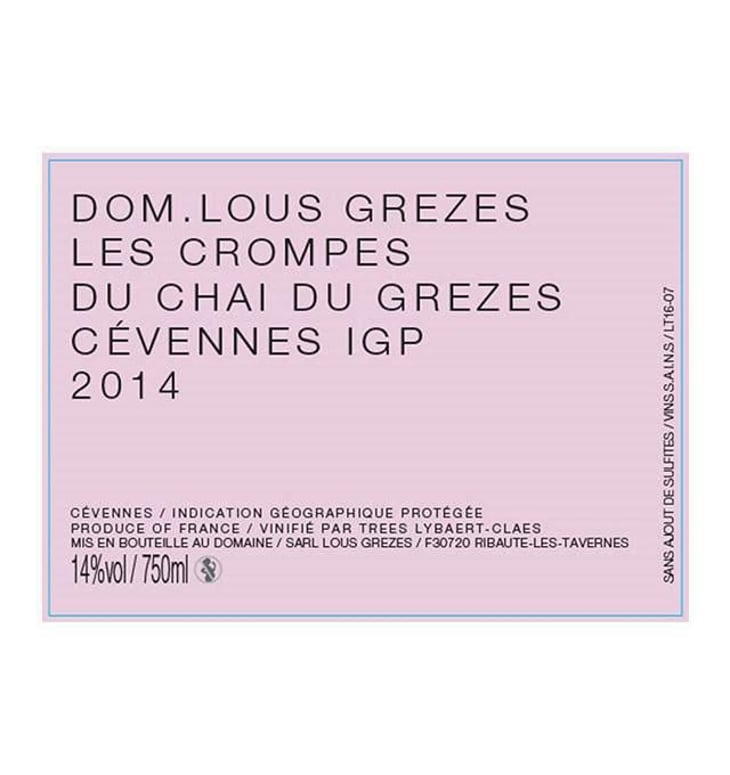
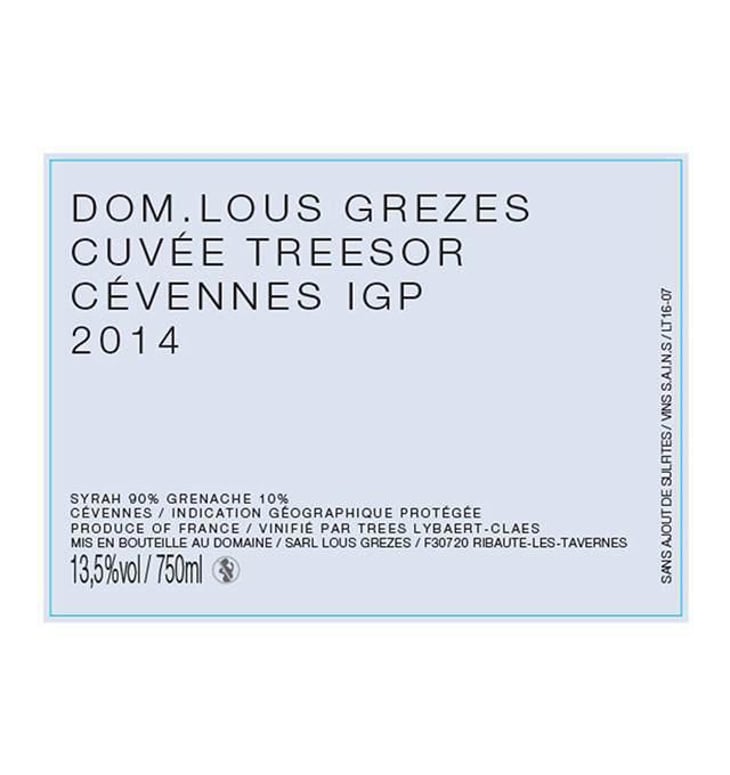
Domaine Lous Grèzes - Luc & Trees Lybaert
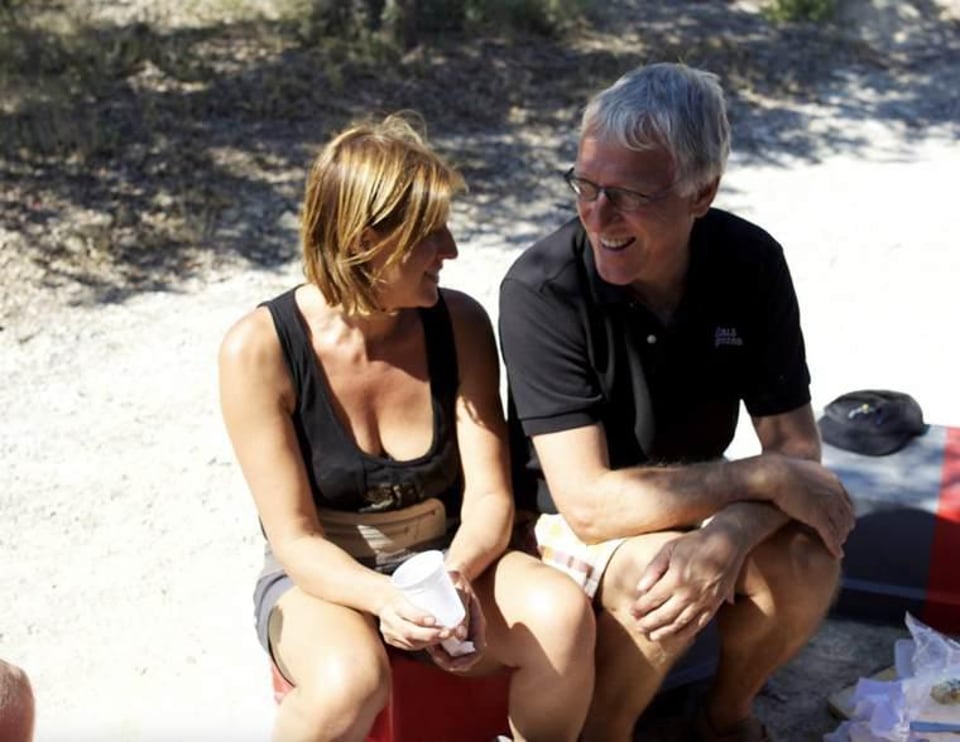
Luc (Lion) is a manual therapist (specialized physiotherapist, linked to the University of Ghent) who has a practice in Ghent, Belgium. As a member and president of several commanderies, he has been tasting wine for more than 35 years. Visiting the Cévennes Piedmont (Anduze region) since his childhood, and witness of a beautiful limestone terroir in the scrubland, he did not hesitate to start a new estate when he was offered superb vines in Domessargues in 2002. was the vine of the olivette (old grenaches) which tilted the decision towards the approach, the Alibi to make wine. Cfr The Alibi(!) cuvée already well renowned.
When Trees Lybaert-Claes (Libra) married Luc, she always knew she wouldn't be bored with him. She was a physical culture educator. It was Luc who transmitted the wine virus to him. She is an excellent cook who has the intuitive ability to combine the ingredients at her disposal. Being his host is an exceptional culinary experience. Trees has a particular and unusual sense of taste. This skill is the key to the success of the vinifications that she carries out today. The assemblies made by their noses and taste buds testify.
At an altitude of 135m, this clay-limestone soil with marl-valenginiens is the highest and poorest in Domessargues. Under the influence of the sun, a good acidity is thus guaranteed; the taste of chalk is often there when tasting. The vines have a southwest orientation and an average age of 40 years. Fertilizer is not allowed, at most a little compost is used if necessary. The work of the land is done in a totally mechanical way as well as the weeding under the vines using the specific inter stock. The natural maintenance of the vineyard is ensured by exposure to the Tramontana and especially to the Mistral, which favors organic farming. The proximity of the Cévennes explains the significant temperature variations between day and night. This empathetic approach demonstrates respect for the fruit and the plant.
The vine is pruned late in 'double Guyot', the branches are built in a palisade and have recently been raised to optimize photosynthesis. To control growth, the plant is no longer disbudded as before, since at flowering the yields are naturally controlled. The hearts are removed if necessary, it is a biological technique to avoid rot. But the current vegetation is calmer and benefits from treatments of manure of nettle, horsetail made at home. From there, the grapes can ripen until manual harvesting. The fruit cannot be overripe at harvest but must have enough ripe tannins, which requires perfect timing on the day of harvest to ensure fresh acids. During the manual harvest, a severe sorting will lead only the grapes in good health towards the tank.




 Winemakers
 Restaurants
 Bars
Bars Wine Shops
 Accommodations
 Events