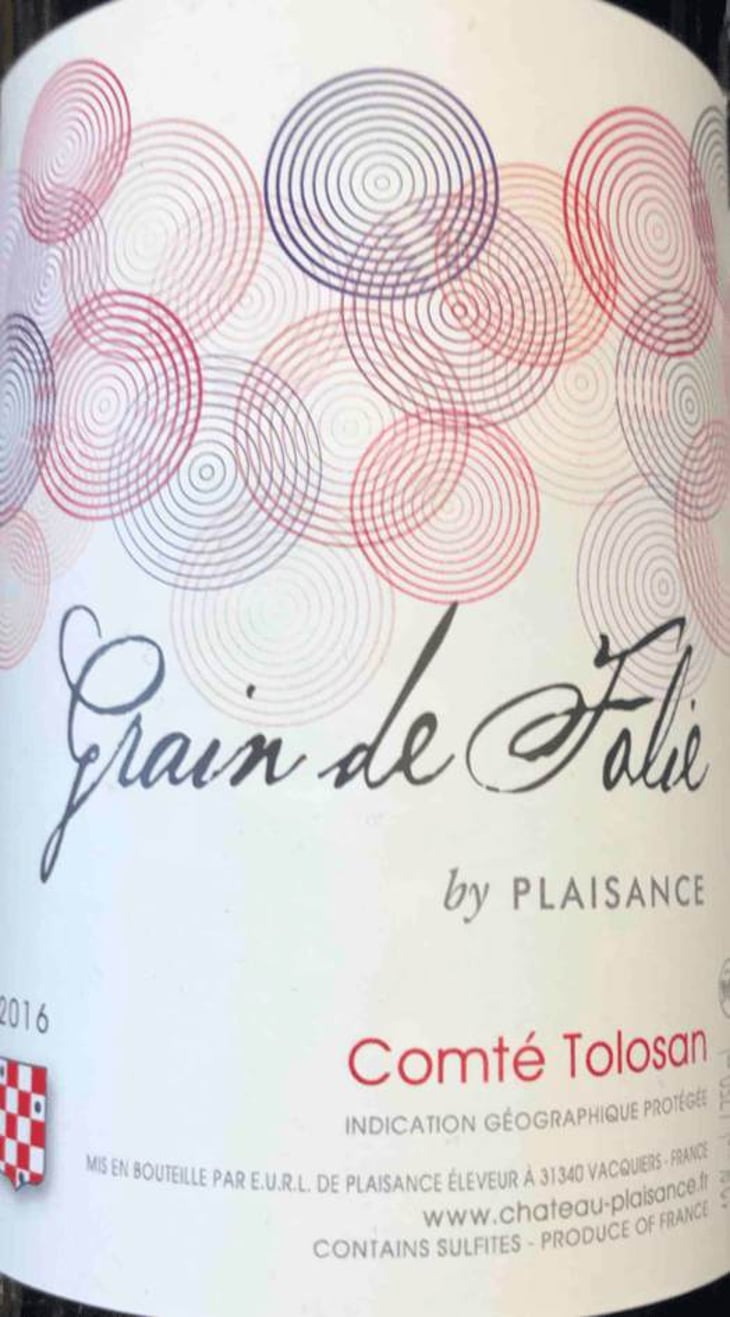
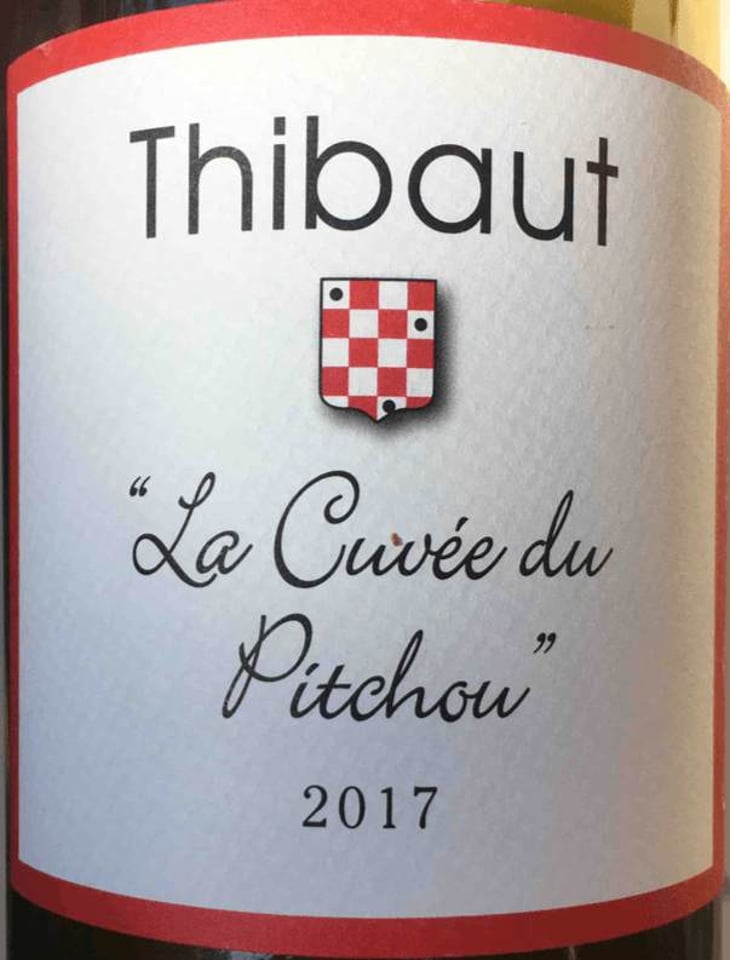
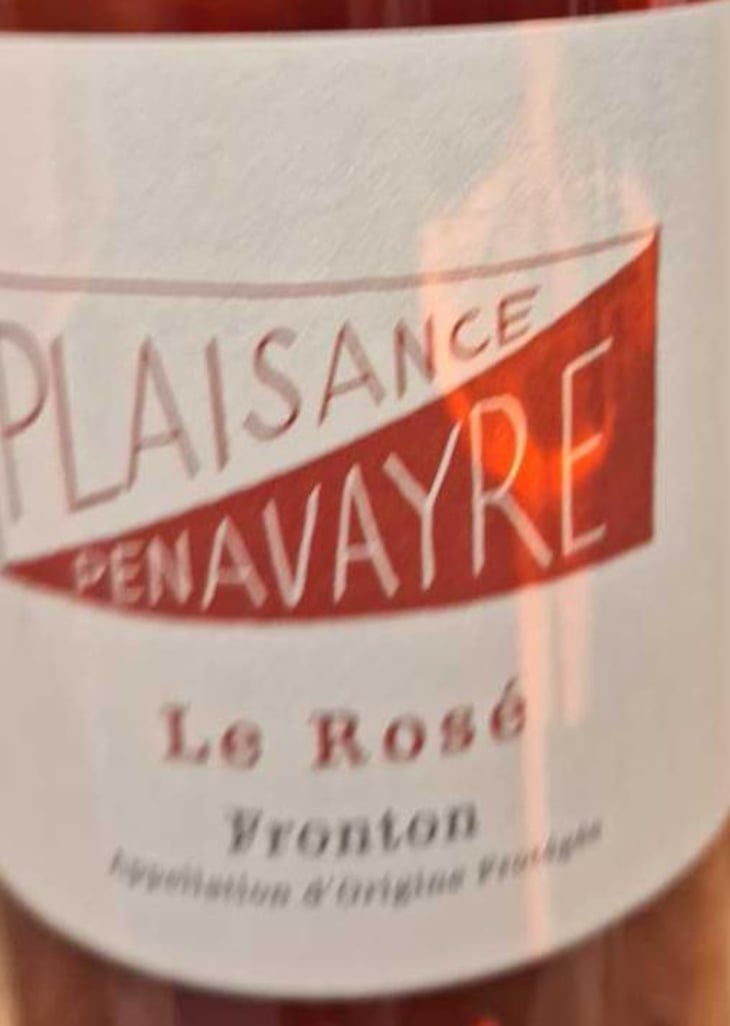
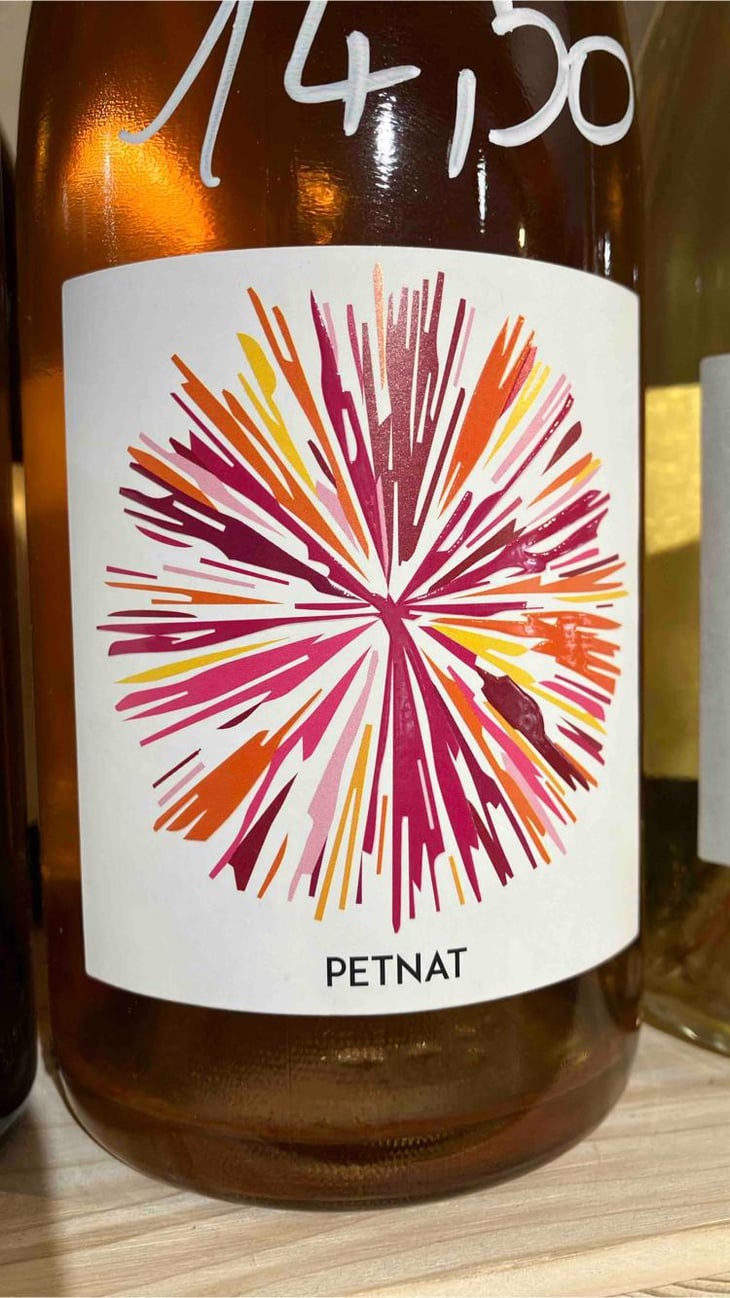
Domaine Plaisance - Penavayre - Louis, Marc et Thibaut Penavayre
The history of our domain
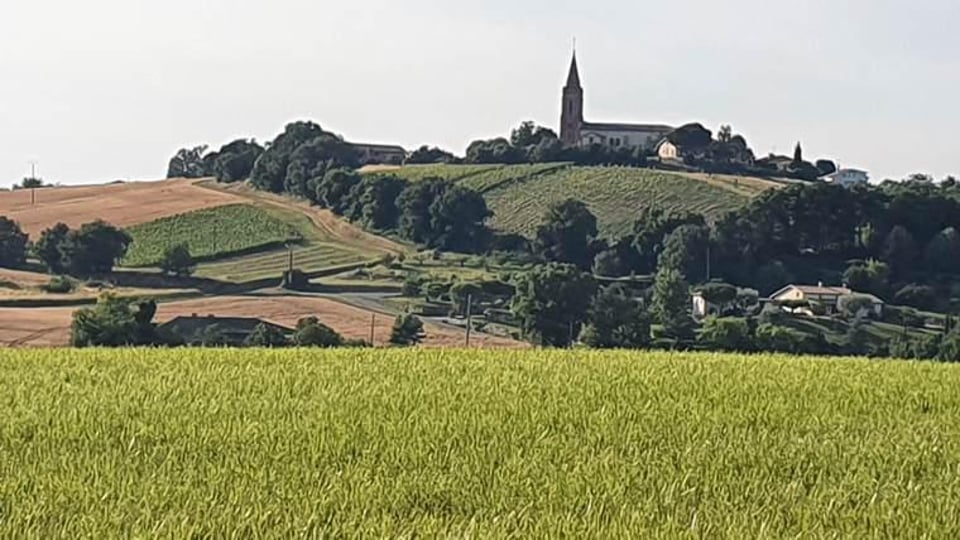
The love story between the vine and the Penavayre family dates back to the end of the 19th century. At that time, the wine-growing activity was not exclusive; the Penavayre ancestors divide their time between the vine, the breeding or even the fruit trees.
It was not until 1971 that Louis Penavayre decided to leave the cooperative cellar of Villaudric to devote himself entirely to the cultivation of vines and the production of wine. He was one of the first in the village of Vacquiers to make wine under the VDQS Fronton label. The first harvests are sold to local merchants, then Louis decides to start bottling in 1985.
1991 marks a turning point with the installation of Marc Penavayre, who has in the meantime obtained a degree in agricultural engineering and oenology. Father and son develop the estate with the desire to improve the quality of their grapes and their cuvées. This happened either through increases in surface area or through judicious choices of grape varieties.
The constant desire to progress pushes Marc to register in 2005 in the process of organic farming. After 3 years of testing to "get the hang of it", he officially committed to converting to Organic Farming in 2008 and obtained the label in 2011.
The first biodynamic trials began with the 2016 vintage, always with the idea of making the most precise wines possible and with a view to respecting the environment and the life of the soil.
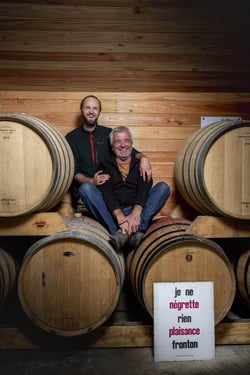
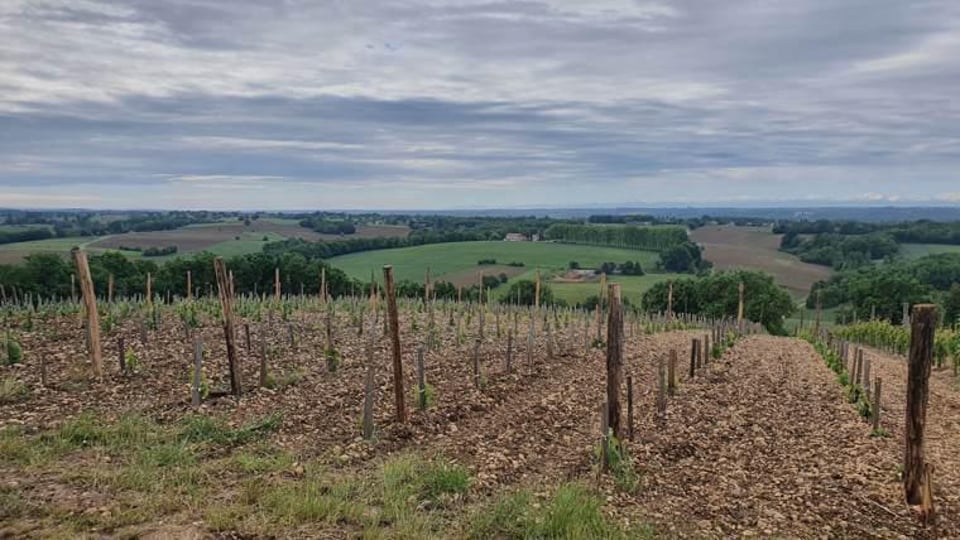
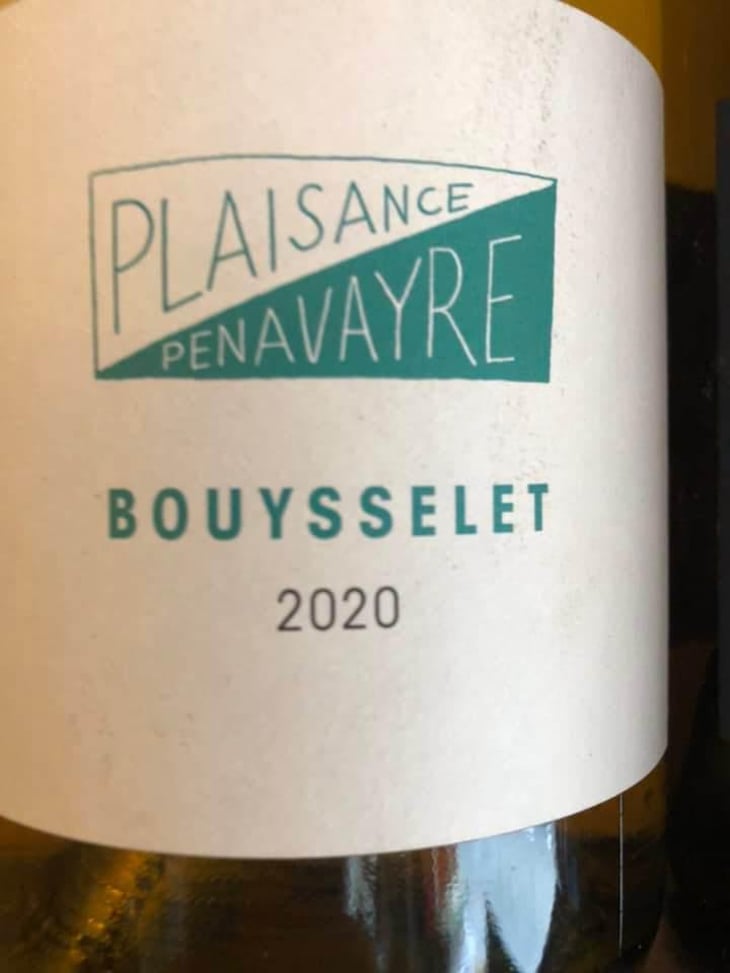
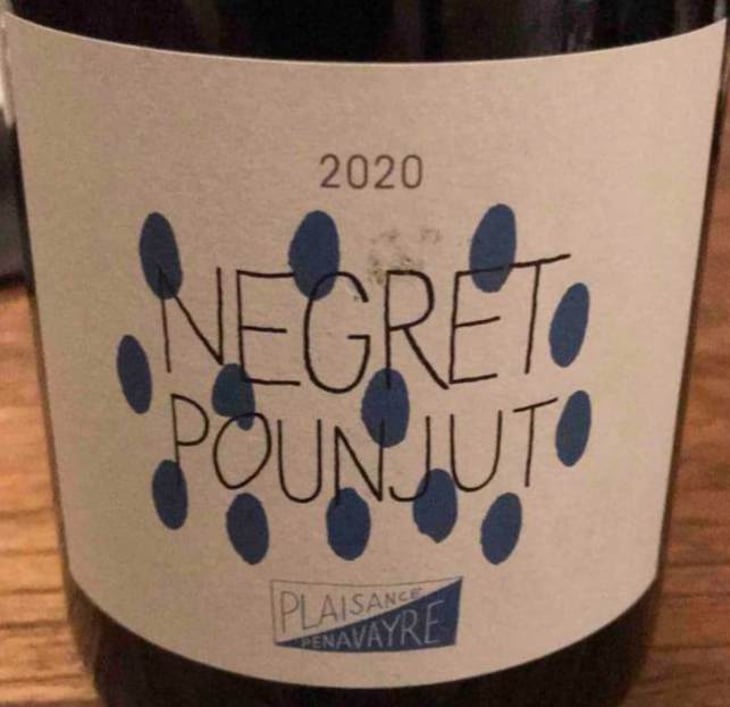
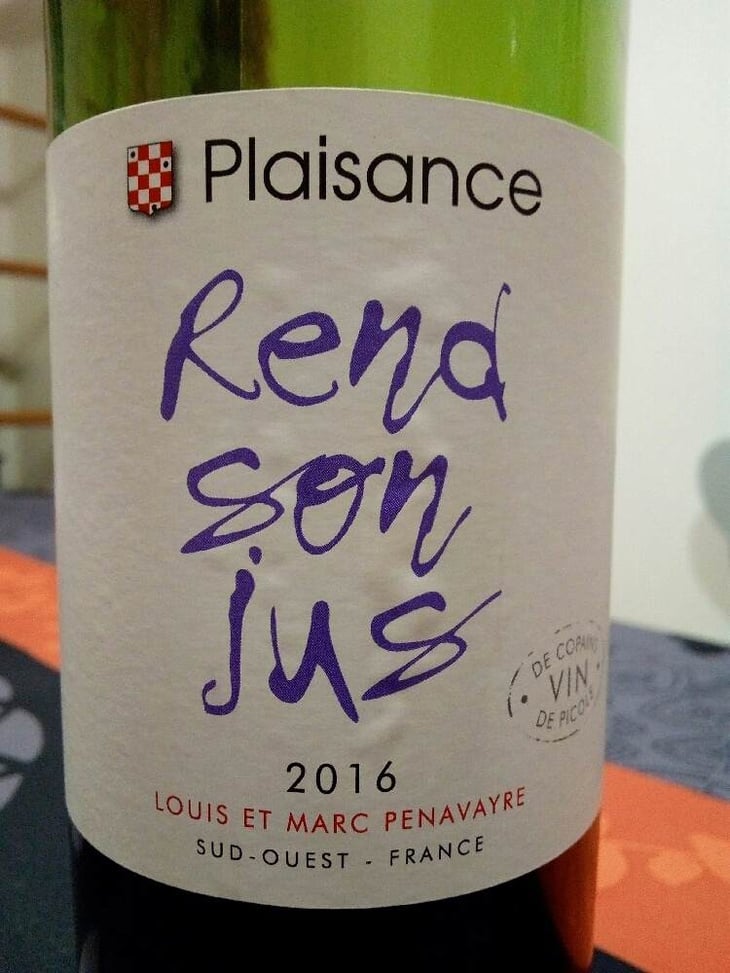
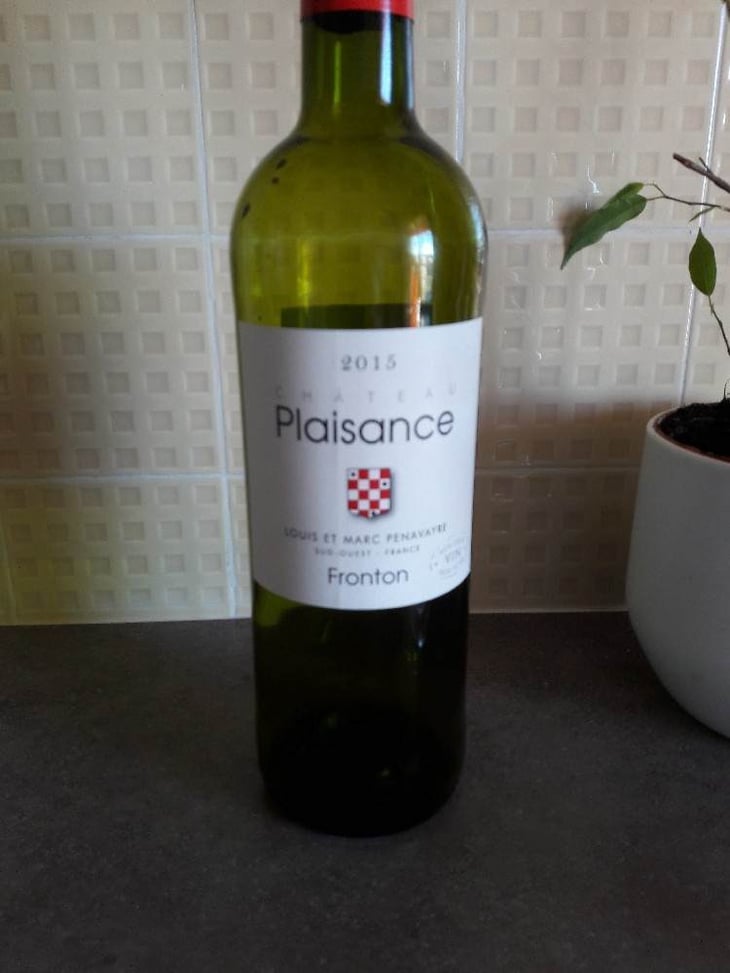
2019 represents a new stage for the estate. Thibaut, an agricultural engineer and oenologist too, officially settles down with his father and grandfather. They cultivate 25 hectares of vines for a production of 100,000 bottles per year. The arrival of Thibaut also marks a change of identity: from Château Plaisance the estate becomes Domaine Plaisance Penavayre.
Our philosophy
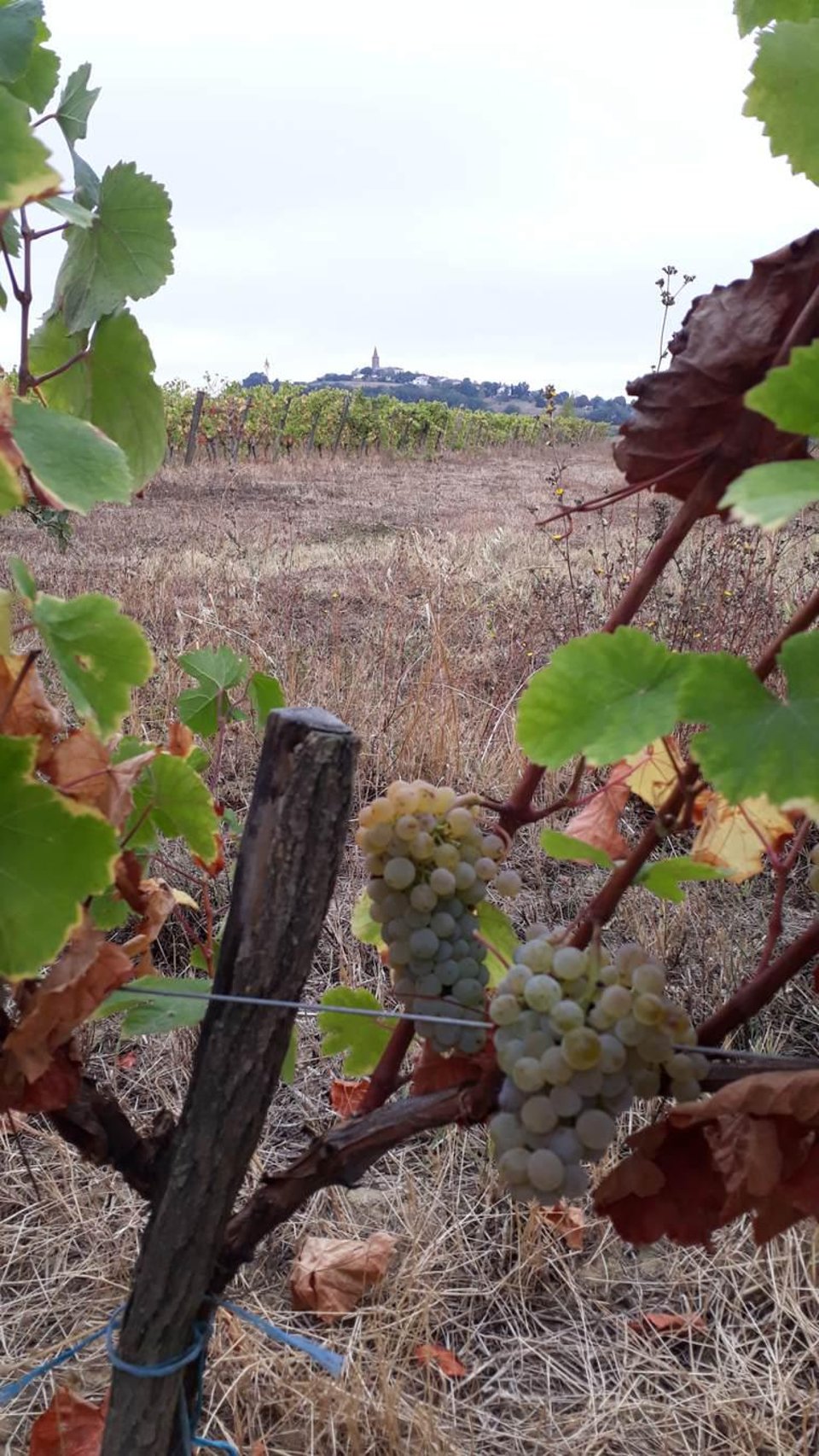
From the beginning, Louis and Marc have been careful to respect the adage "valiant in the field but lazy in the cellar". Their observation is simple: when you have good grapes, you have good wines.
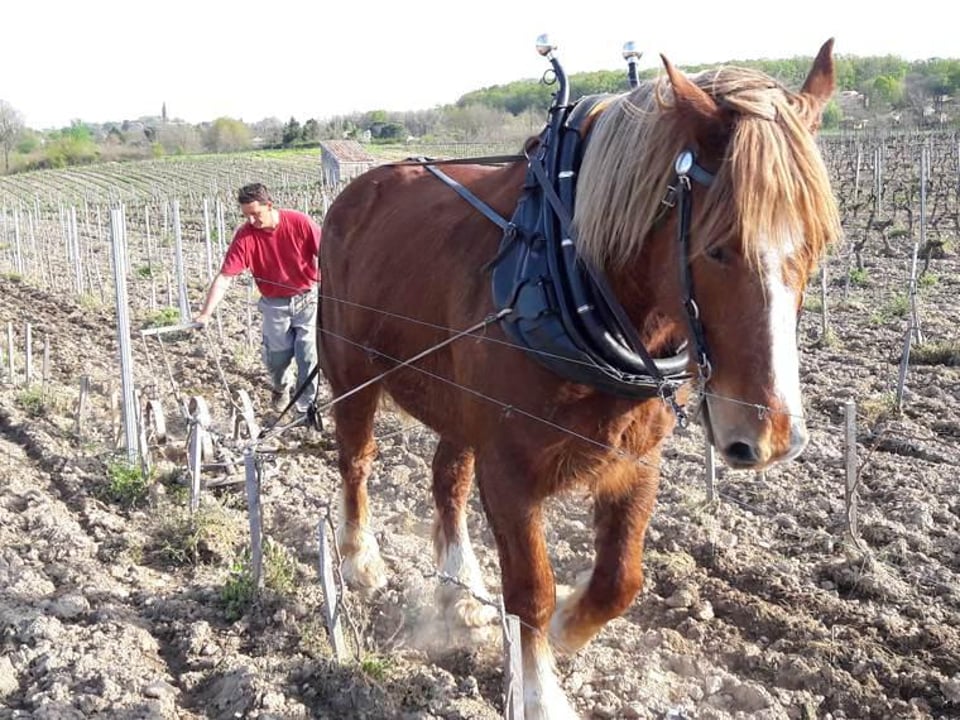
And to have beautiful grapes, you have to know your vineyard, its soils and its plants. This is why Marc subscribed very early on to a certified organic farming approach, and remained constantly attentive to biodynamic farming. The goal is to maintain a virtuous circle between the soil, the plant and our practices. To do this, the tillage is rational thanks to superficial plowing under the row and sowing of plant cover in the inter-row. Grass maintenance is entirely mechanical or manual. During the vegetative cycle of the plant, its observation and understanding are essential. They make it possible to guide orientations aimed at stimulating the immune defenses of the plant. We favor manual work as much as possible, from pruning to harvesting.
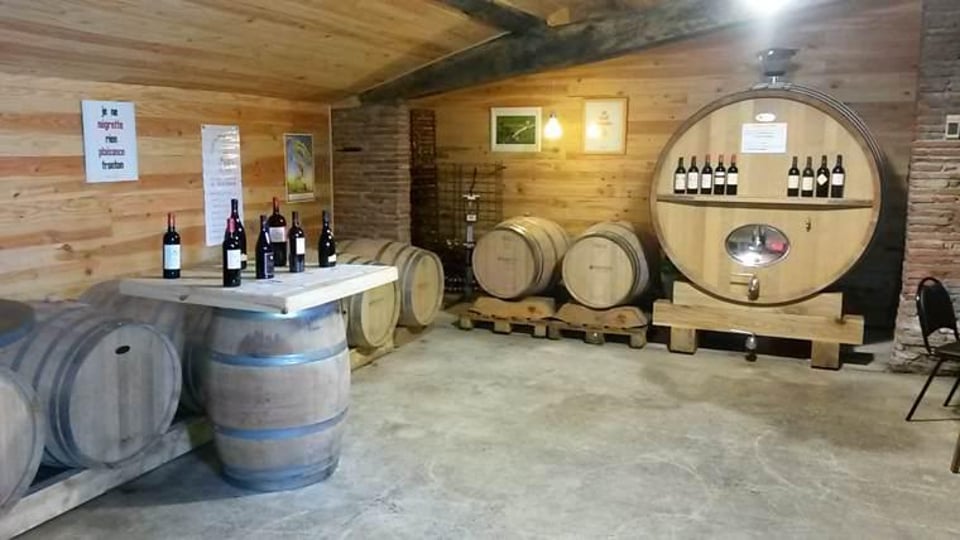
The work in the cellar is part of the same approach as that of the vineyard: making wines that express the terroir from which they come. Thus, the abandonment of commercial yeasts was a preamble for Marc. In addition, he has chosen a low interventionist vinification with few inputs. No modern oenology but the return, once again, to observation and understanding. The grapes, harvested manually, are vinified as much as possible separately according to the terroirs and the grape varieties. This allows to give sincere and frank cuvées, reflections of the vintage.



 Winemakers
 Restaurants
 Bars
Bars Wine Shops
 Accommodations
 Events



![Alabets [et alors ?] - Domaine Plaisance - Penavayre - louis-marc-et-thibaut-penavayre](https://assets.raisin.digital/cdn-cgi/image/fit=cover,width=730,format=auto/media/vuforia/14665--22345.jpg)