56 999 8352 KM
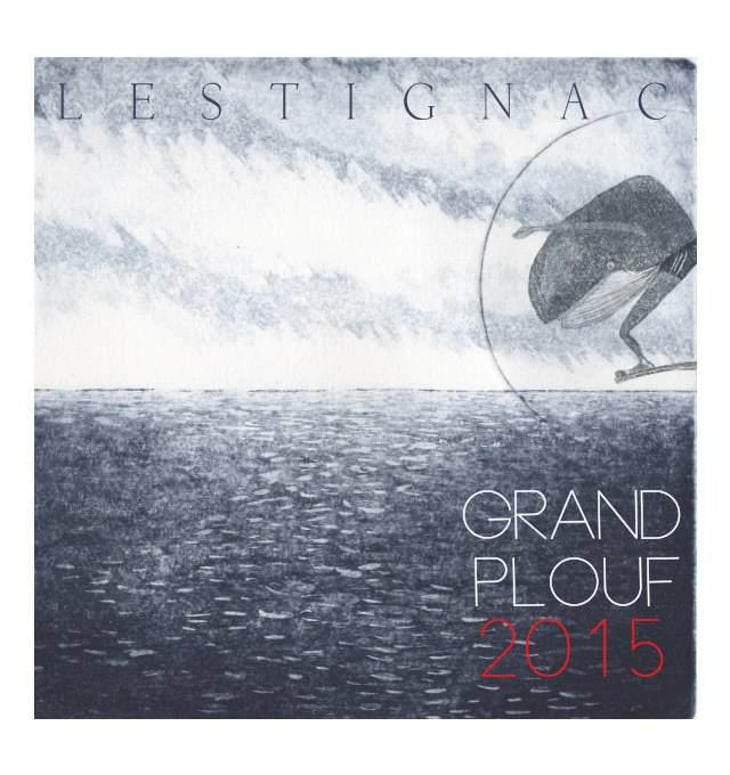
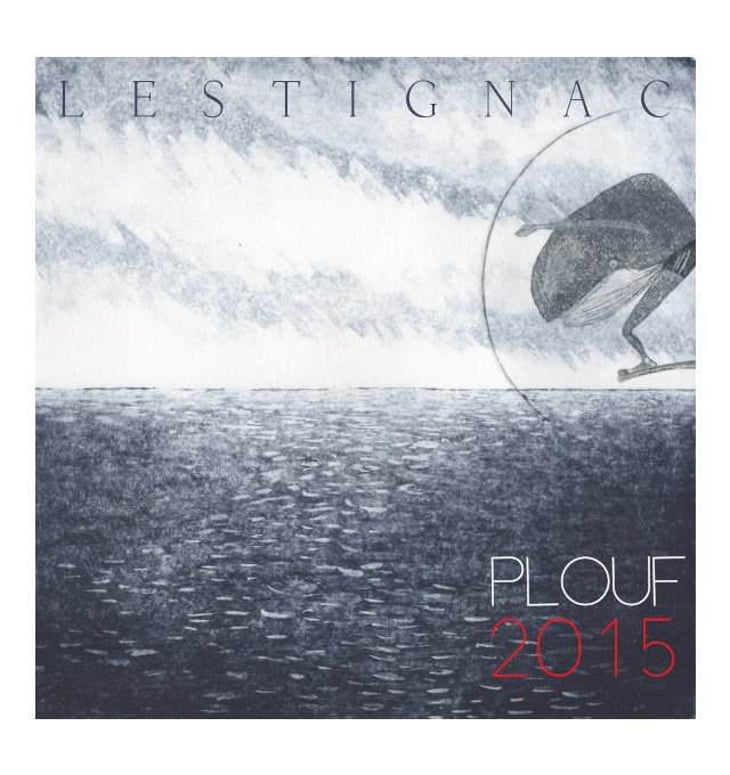
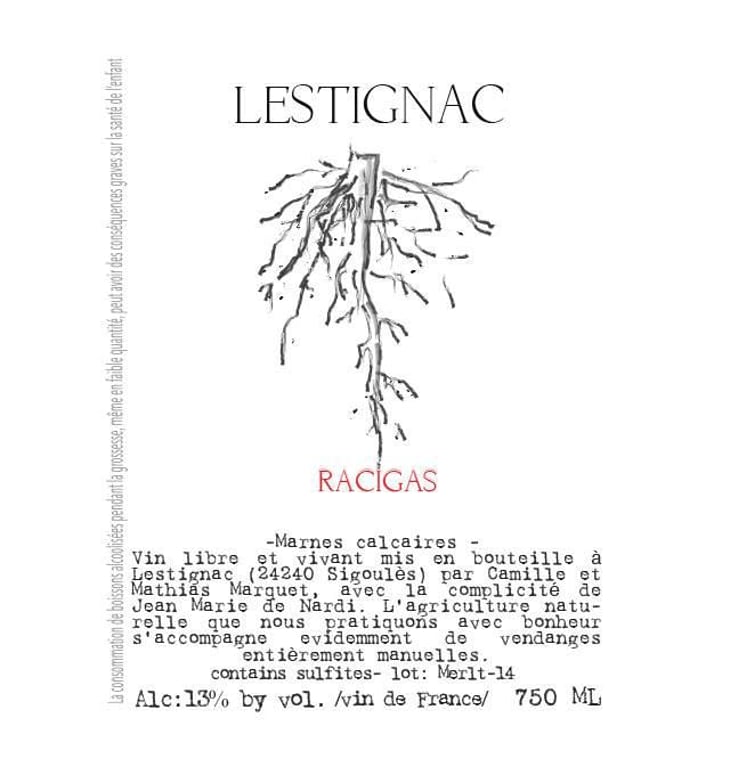
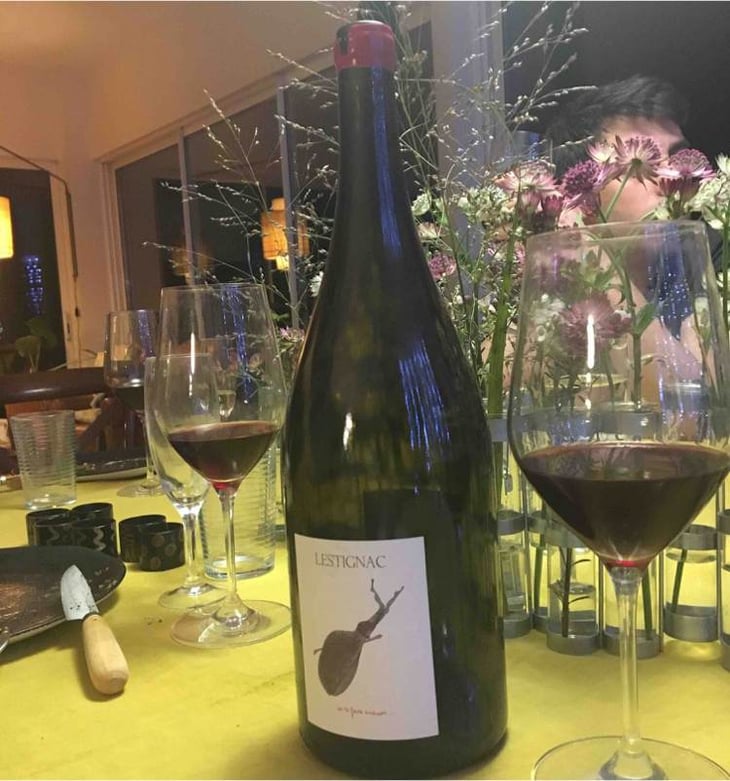
In Sigoulès, in the Périgord region, the vineyards of Domaine Lestignac look far back… and straight ahead. The Marquet family has been rooted here since 1617. But the story that Camille and Mathias have been writing since taking over in 2008 is anything but nostalgic. It is made of radical choices, constant questioning, and a daily commitment to a coherent, sensitive, and forward-looking agriculture.
They both readily call themselves " new winemakers ." Neither of them was born into the traditional winemaking tradition. A detour was necessary. Camille came from a different field of study, as did Mathias. Wine came to them as a late revelation, almost a personal conversion. They trained together, took over their grandfather's vineyards, which had lain dormant for a generation, and consciously decided to start from scratch.
Very quickly, the course was set: produce less, produce more. From the very first years, the estate was managed using organic farming methods, then biodynamic ones. A logical progression, because at Domaine Lestignac, everything begins and ends in the vineyard.
The plots, now grouped together in a deliberately smaller area, are based on three main types of terroir: silty clay, north-facing clay-limestone slopes, and flinty limestone. These differences are not leveled, they are embraced. Each cuvée is conceived as an interpretation, not a recipe. Here, the vines grow amidst a living landscape: mixed farming, trees, hedgerows, flowers, cereals, and animals. Agroforestry is not a vague concept but a reality planted every year, row after row. The objective is clear: to recreate a balance inspired by the forest, where the soil works for itself, where human intervention becomes more subtle, more targeted, sometimes even unnecessary. Animal traction, herbal teas, and the presence of goats and horses are part of daily life. Not for the sake of tradition, but because it makes sense. A healthy vine produces healthy grapes. The rest follows naturally.
In the cellar, the same exacting standards apply. No additives. No added yeasts. No corrections. Fermentation begins on its own; maceration occurs gently, without mechanical intervention or extraction. The wine takes its time. Contact with the lees is sought after, as it is protective and nourishing. Sulfur, when it appears, remains the exception. Very low. Always intentional. And sometimes entirely absent when the grapes allow. This "laissez-faire" approach is anything but passive. It demands constant attention, an ability to accept the unexpected, and to guide rather than control. The result? Wines that are honest, vibrant, and deeply marked by their vintage and terroir. Wines that don't cheat.
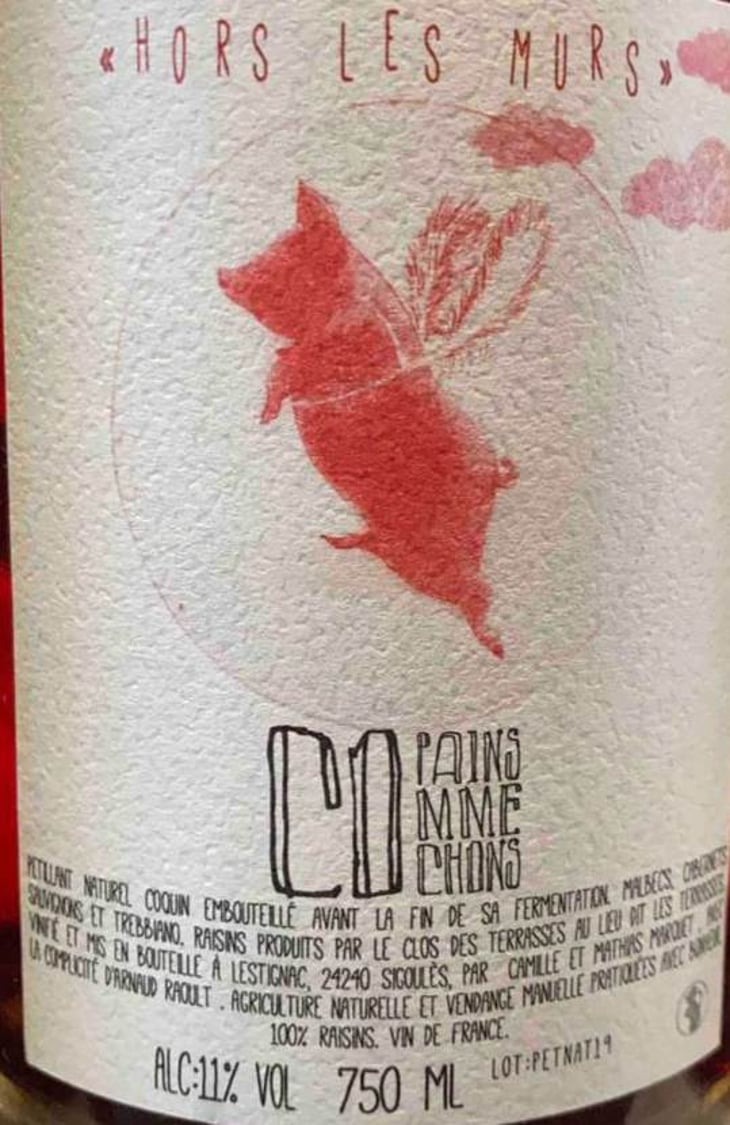
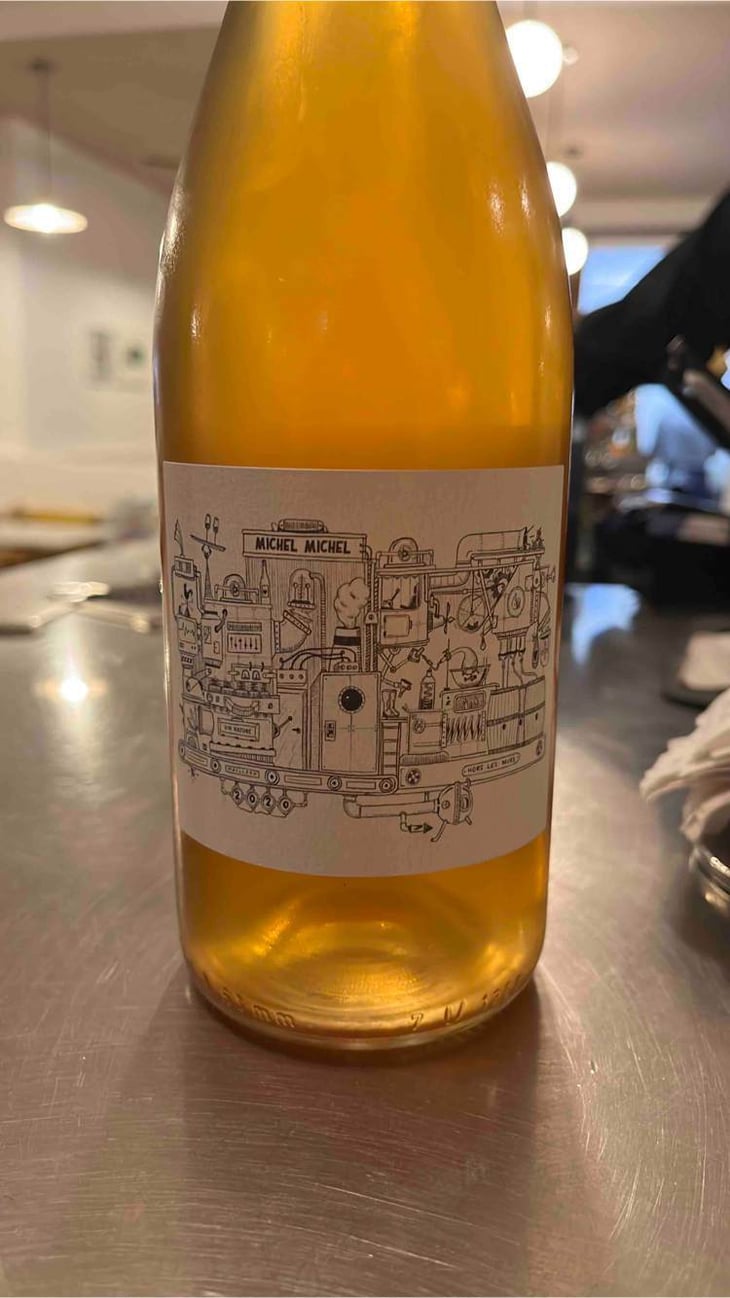
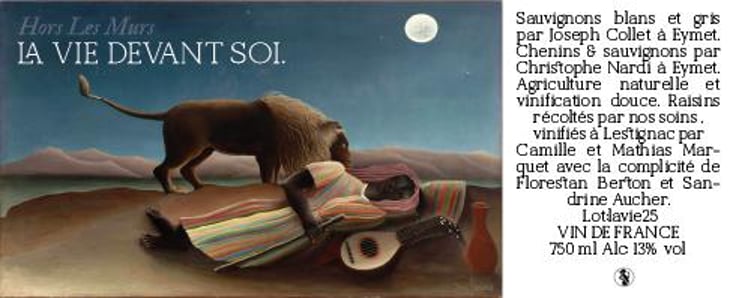
The 2017 frost marked a turning point. Like many, Camille and Mathias lost more than just volume. They gained a new perspective. From this ordeal was born Hors les Murs , a committed négociant business, true to their principles: only biodynamically grown grapes, winemaking at the estate, and thirst-quenching, approachable, joyful wines, uncompromising in their respect for nature. Domaine Lestignac doesn't seek to freeze an image. It evolves, refocuses, and cultivates its vines. Fewer hectares, more attention. Less certainty, more listening. This contagious energy must be found in every bottle.
Whether it's the estate's own wines or those produced outside the vineyards, a common thread emerges: generous yet precise wines, luscious without being simplistic, capable of both freshness and depth. Wines that make you want to drink them, certainly, but above all, to understand where they come from.
For Camille and Mathias Marquet, wine is never an end in itself. It's a connection. Between a soil, a landscape, a gesture, and those who take the time to listen to it.
No sparkling wines at the moment.
FIND THE EVENT YOU ATTEND

Saturday January 31 - Sunday February 01
Angers
6363 KM
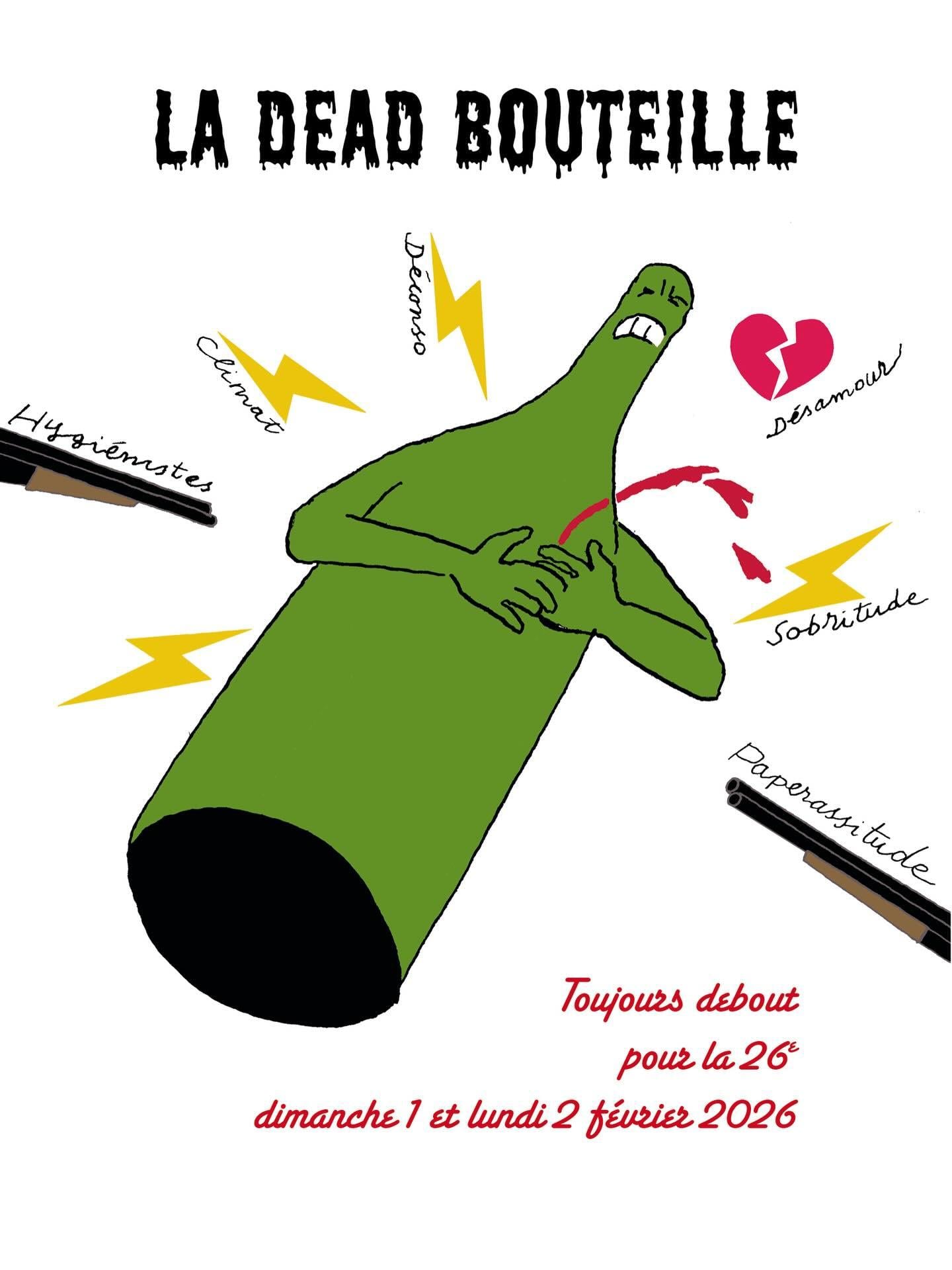
Sunday February 01 - Monday February 02
Saumur
6402 KM
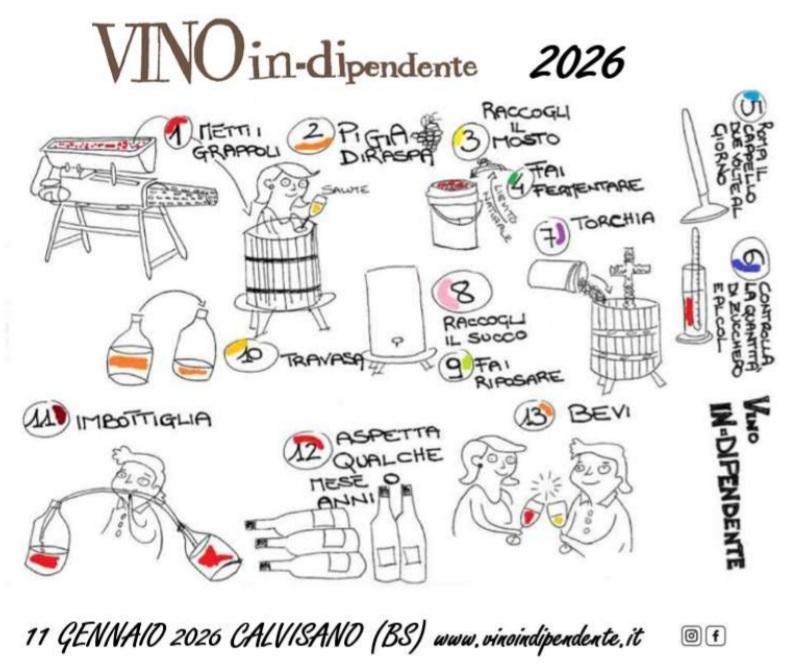
Sunday January 11
Calvisano
7207 KM
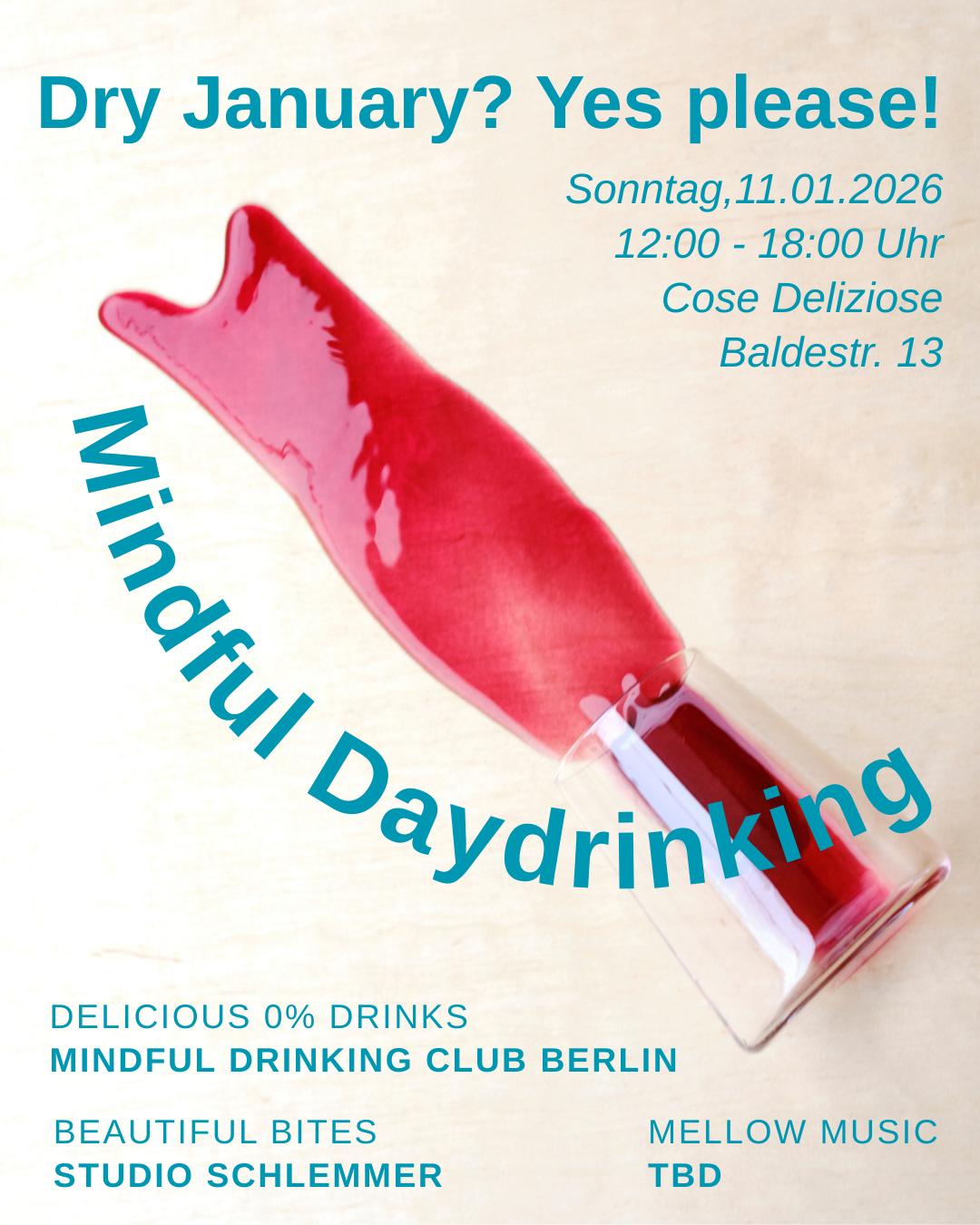
Sunday January 11
MunichGermany
7123 KM
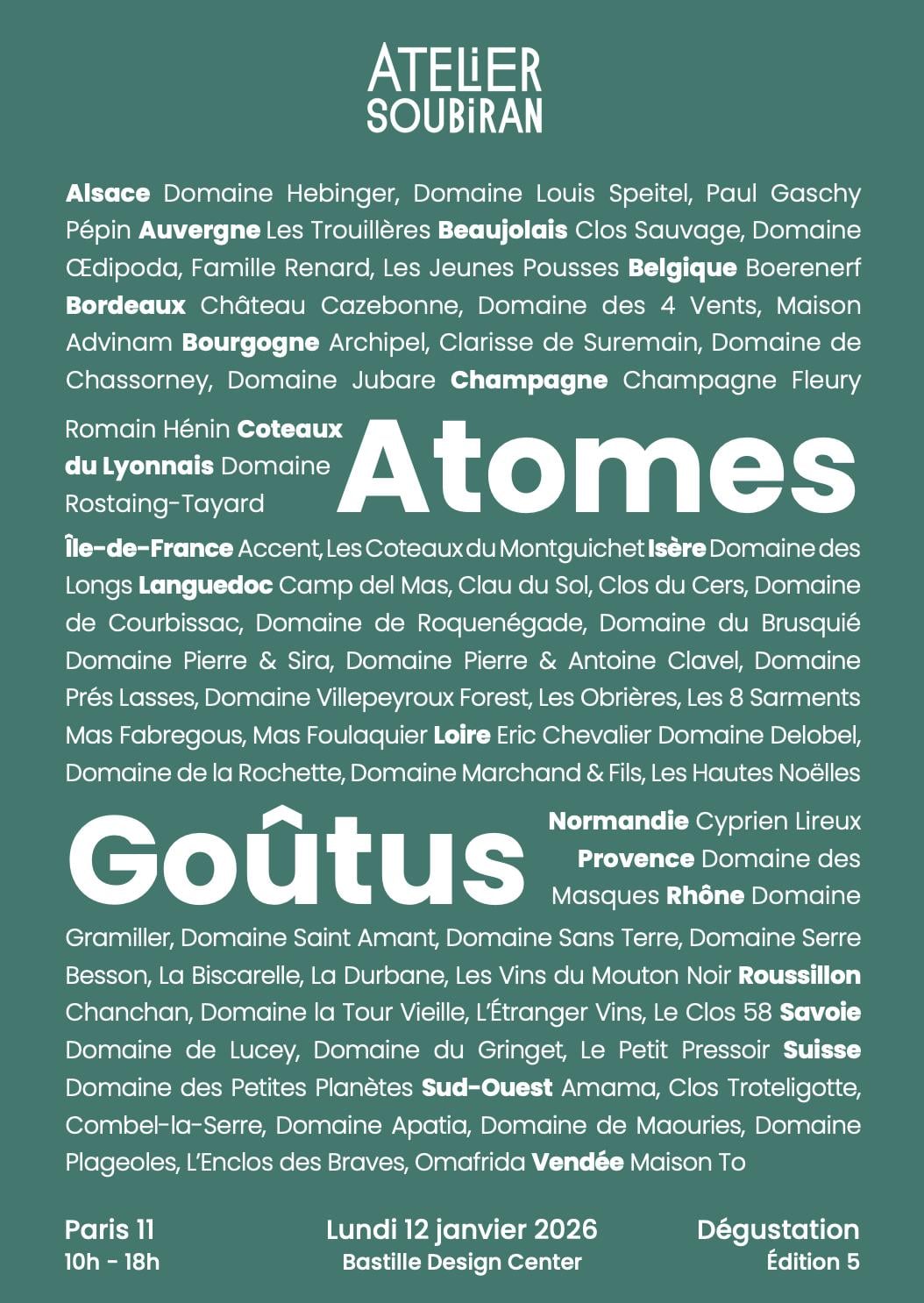
Monday January 12
Paris
6491 KM
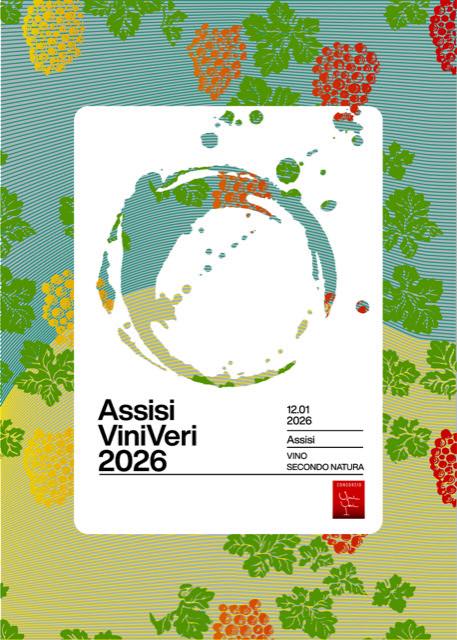
Monday January 12
Santa Maria degli Angeli
7496 KM
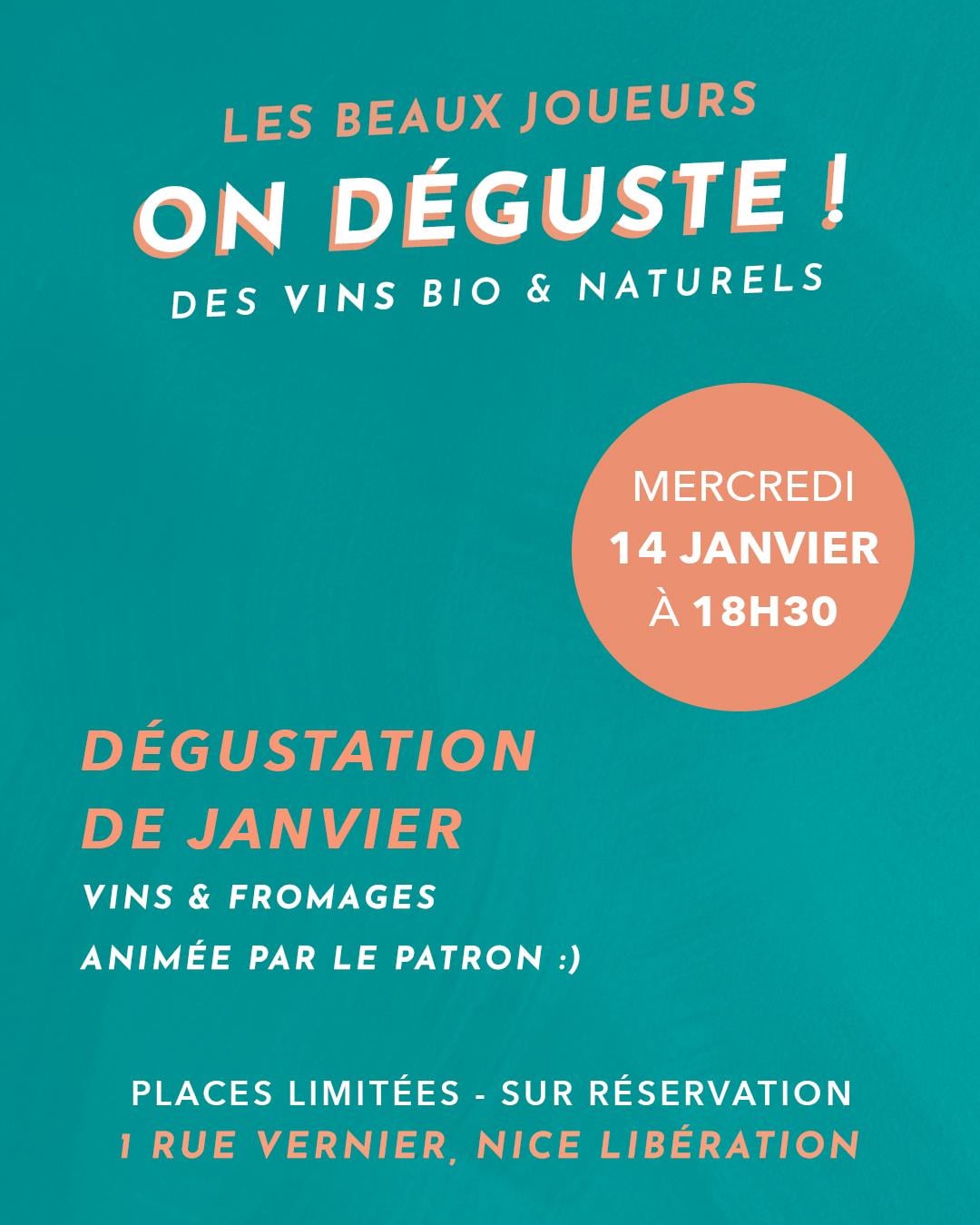
Wednesday January 14
Nice
7096 KM
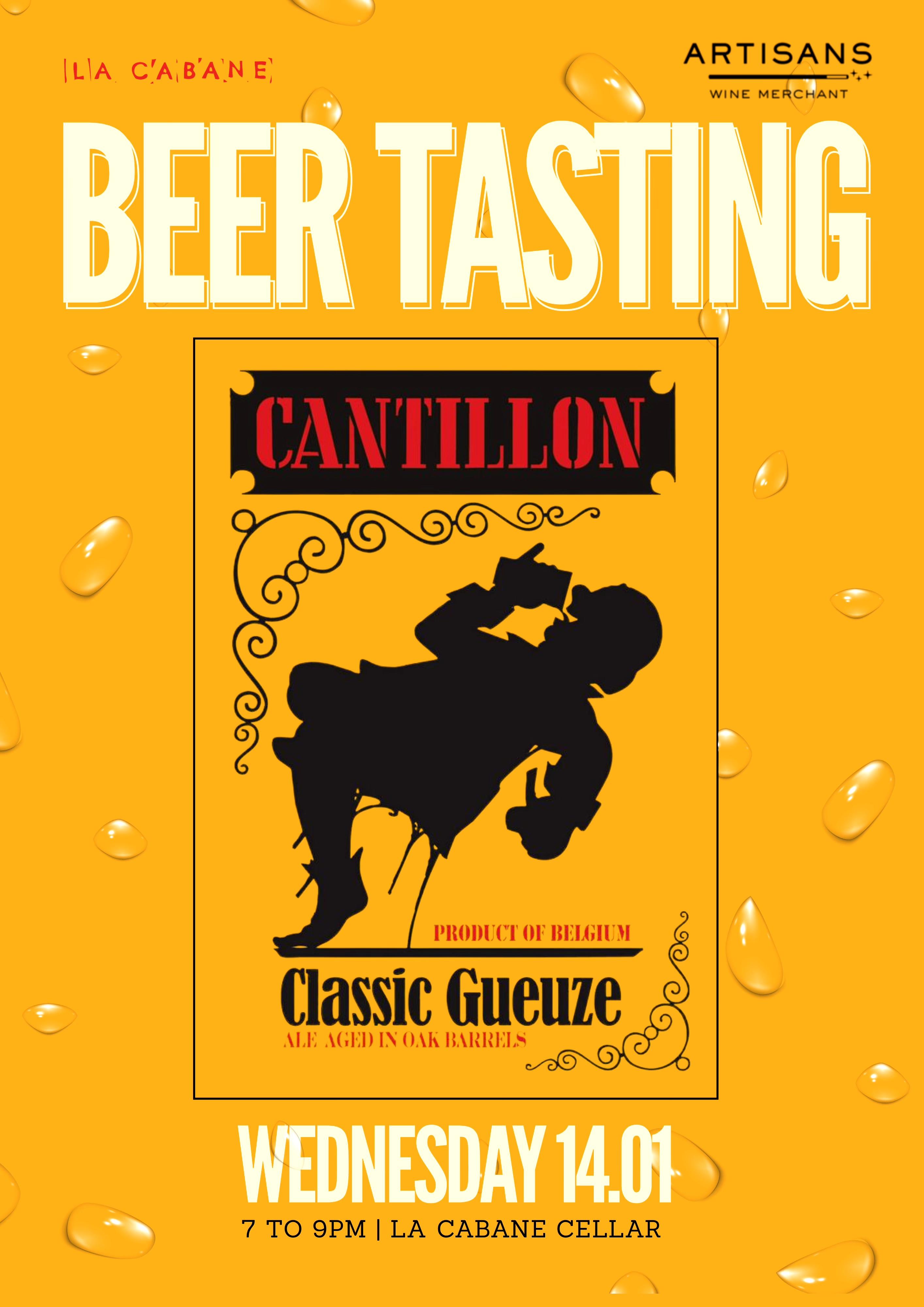
Wednesday January 14
Hong KongChina
12869 KM
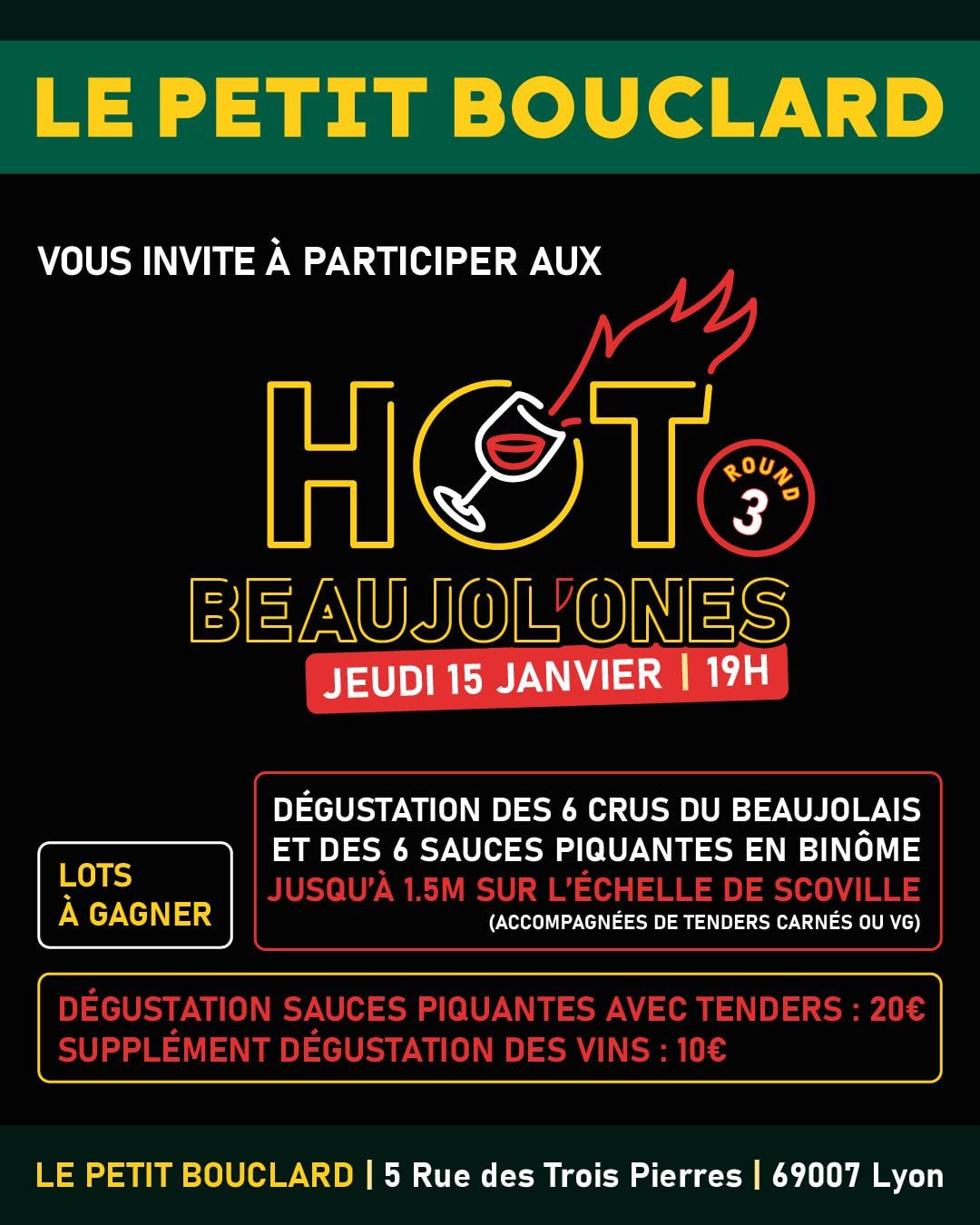
Thursday January 15
LyonFrance
6817 KM
Friday January 16 - Saturday January 17
Tábor
7237 KM
 Winemakers
 Restaurants
 Bars
Bars Wine Shops
 Accommodations
 Events