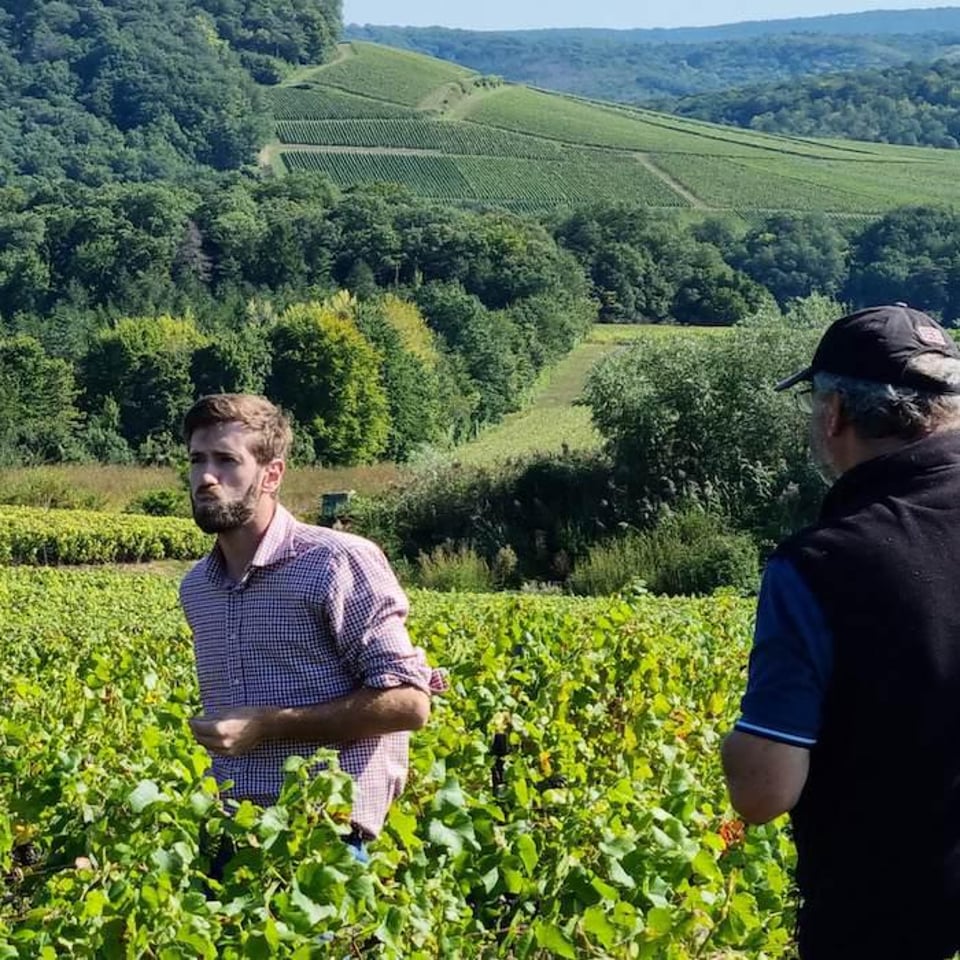
We tread with our feet an exceptional soil, where the vines thrive and where we enjoy drinking the wine produced. Our goal, and even our responsibility, as a winegrower is to take care of our terroir and let it transpire through the wine produced by regenerative viticulture and minimalist vinification, far from the standardization and the vicious search for consensus that we have. have pushed for the excessive use of chemicals and our energies. My father and I, both trained agro-food engineers (and oenologist), each realized in their respective times with their “issues” of that time (1991 for my father and 2020 for me) that '' human interventions, sometimes drastic, chemical or physical inventions were abused, to the detriment of ancestral methods, manual work, the sense of observation, a healthy and ethical economy, the life of our soils and the true taste quality of an authentic wine. Today, we are only going to reinvent the viticulture of the past, all the same with more in-depth knowledge. There is still a long way to go, but it is worth taking.
We work the vines classically, shall we say, always with a case-by-case reflection, banning systematization:
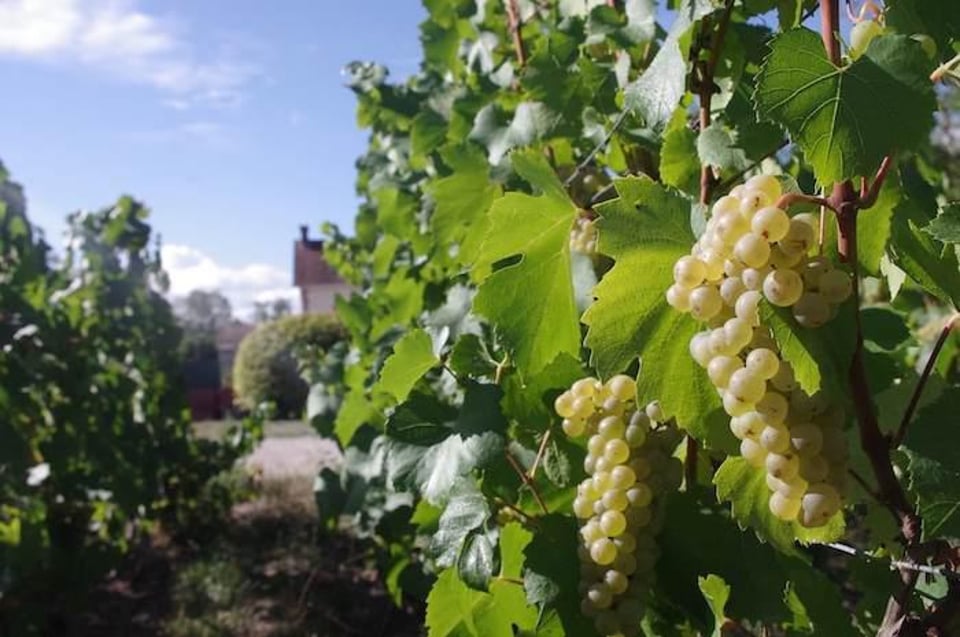
40 years of average age of the vines - Massal selections - Continuous complantations to preserve our genetic heritage and the typicality of the wines produced
Organic amendments - 500P - Fermented extracts to nourish and stimulate soil life.
Treatments for fungal diseases with copper - sulfur - essential oils - herbal teas or fermented extracts of plants found locally (plantation project in progress) - 501 (silica) if necessary
Spontaneous grassing all rows, mower maintenance 10cm from the ground. Use of seedlings only if there is an urgent need to bring back biodiversity in the canopy as this remains an energy-intensive intervention for an operation that is supposed to be natural. This year we started to welcome sheep to maintain the cover in winter.
Grass management with mechanical tools (intercept blades, discs on machines or hand pickaxes, etc.). We work to depend less on it because it consumes a lot of energy, is violent for us, the plants, and the soil.
Manual pruning - Post-flowering trimming with more and more braiding to limit plant stress and the passage of machinery - Manual harvest with sorting on the plot
In addition, efforts are made to replant and maintain trees / hedges on the edges of the plots in order to conserve cultivation aids and conserve as much biodiversity as possible.
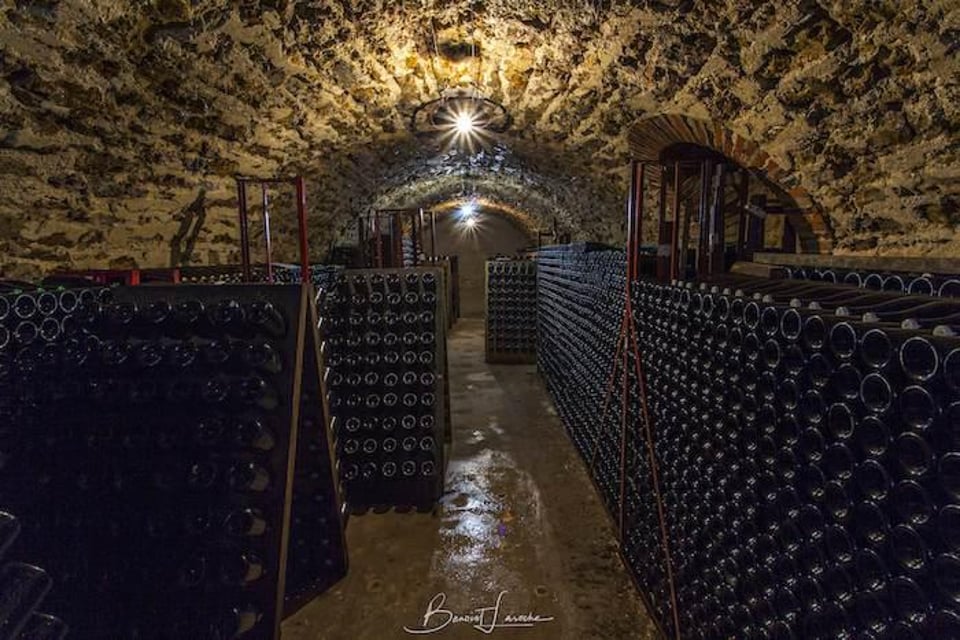
In the cellar, our job is not to spoil the one we have just done all year round in the vineyard, which is the most important in the process. To make great wine, authentic and flawless, we need ripe, healthy grapes.
This technically translates into:
- Frequent control of the maturity and health of each plot to ensure that the grapes are at their best potential
- Preparation of a fermenting starter in spontaneous fermentation from grapes from a vineyard where we have only used herbal treatments to keep as much yeast as possible on the grape skins, which we will use for sow the juice during the harvest and that we will take care to feed it with fresh juice throughout the harvest
- Manual harvest with sorting on the plot and on the quay if necessary in order to avoid as many grapes as possible affected by rotting
- Transport in non-overloaded boxes and pressing as quickly as possible. No artificial cold maintenance.
- Slow and gentle pressing, elimination of the first juices to “wash” the grape berries, continuous tasting of the juices to detect defects
- Static settling - No enzyme - Tasting of lees to potentially reintegrate
- Inoculation with the starter
- No inoculation with lactic bacteria, we take the risk of letting the malolactic reaction take place naturally during the year, when natural conditions are met
- Keep on lees until the post-summer solstice blend. We are not trying to do any intermediate racking.
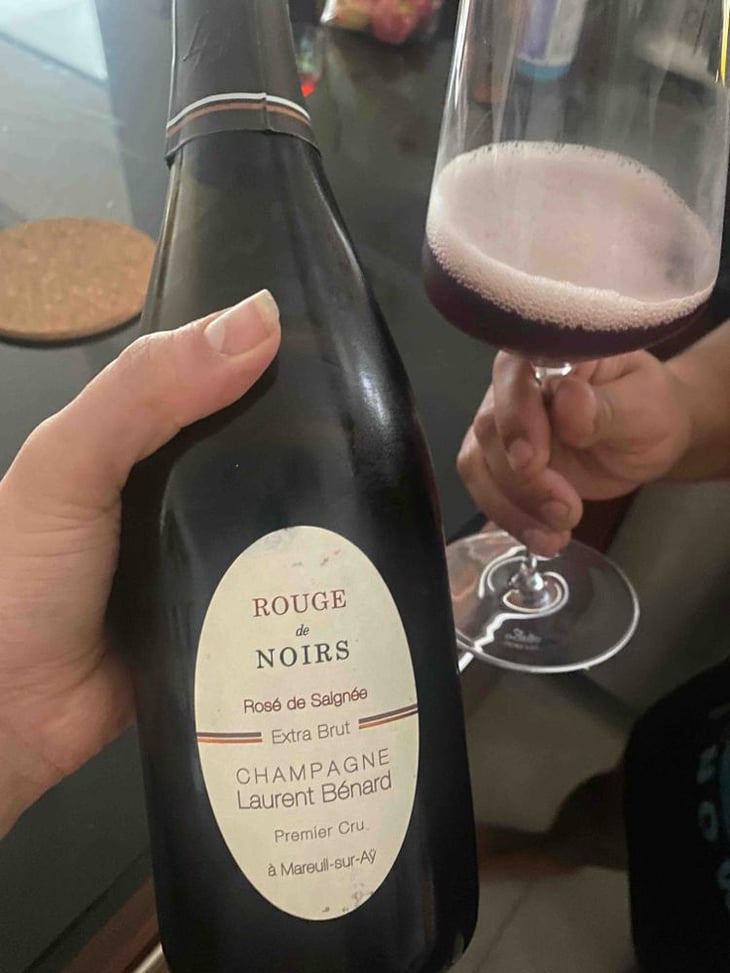
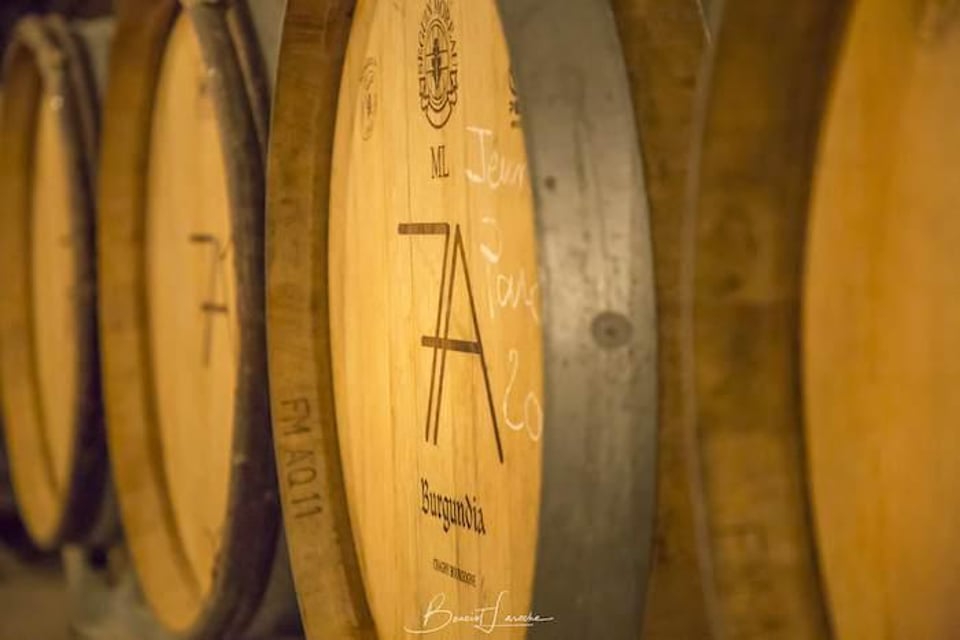
- Regarding sulphiting: trying sulfur-free since 2009, we do not use it on almost all wines during vinification. Our exceptions are the Réserve Perpétuelle (wines that we keep from year to year, difficult to stabilize naturally), and basic unstable wines such as rosé de saignée and press releases (we continue to experiment and learn !). We only bite the barrels if the previous wine has been contaminated. We still disinfect with steam.
No sulphiting at bottling
- No fining, no filtration, no wine products, no alternative to energy-consuming sulphites (dry ice, gas inerting, etc.).
Once again, our choice is to make pure wines, made from healthy and ethically produced grapes, where you can feel the terroir when tasting. We don't want scientific cooking, but we don't want vinegar either. And that implies accepting, producer as consumer, to have wines which live, whose taste evolves but also losses, wines which we cannot bottle because they passed to a form of evolution which does not. it's more wine. It is a choice that we make, for wines that are assumed.




 Winemakers
 Restaurants
 Bars
Bars Wine Shops
 Accommodations
 Events