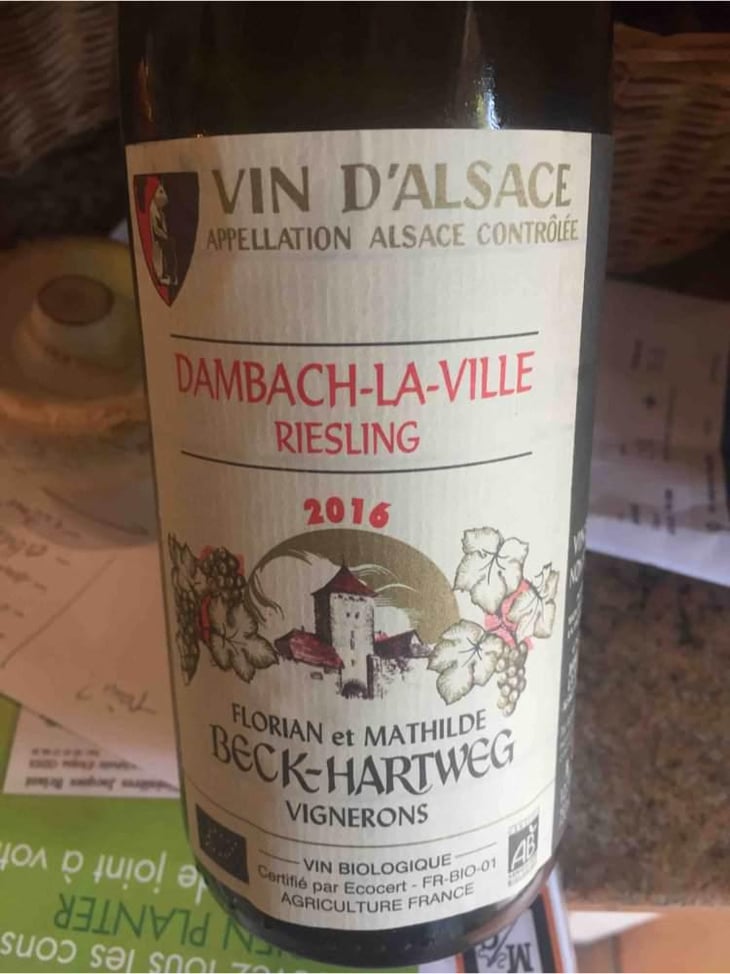
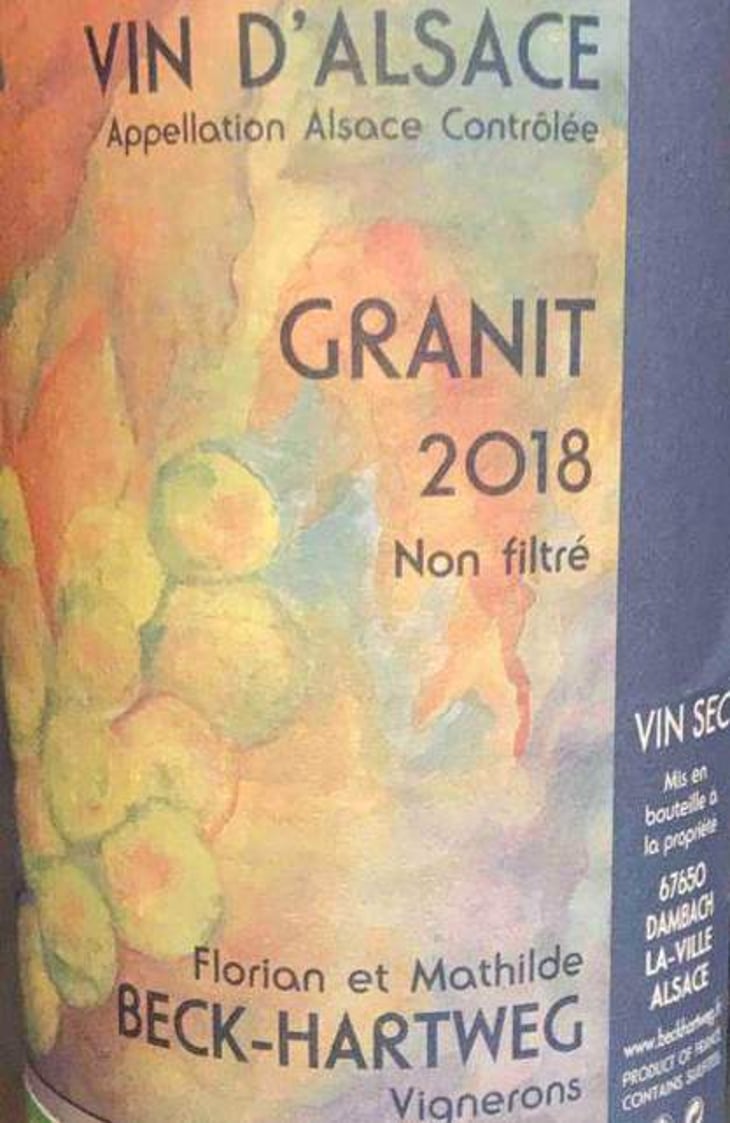
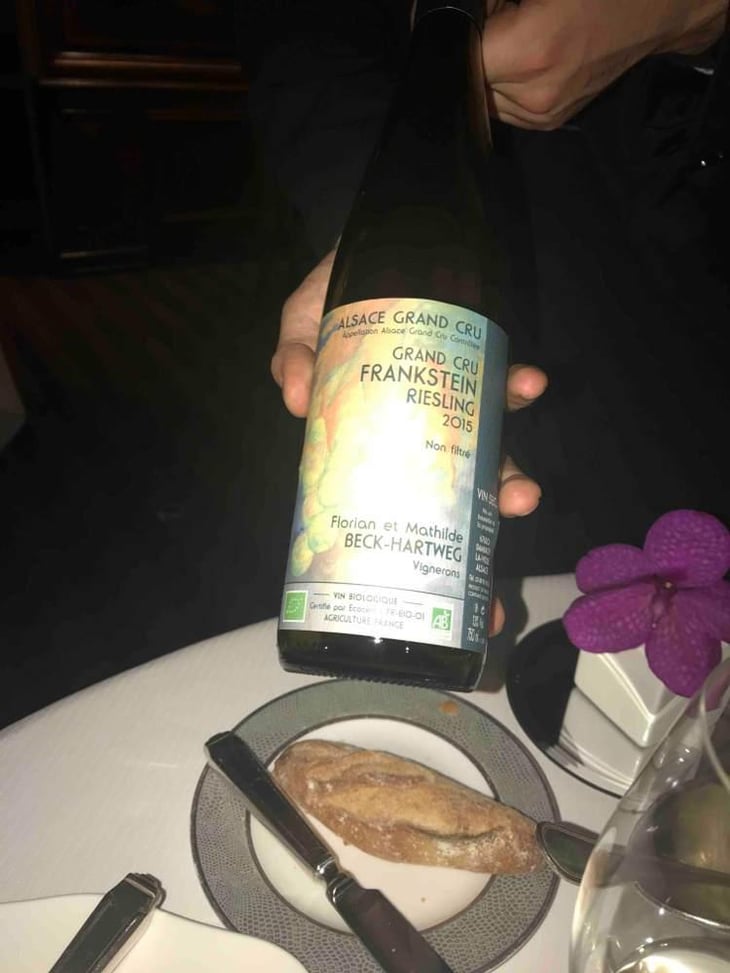
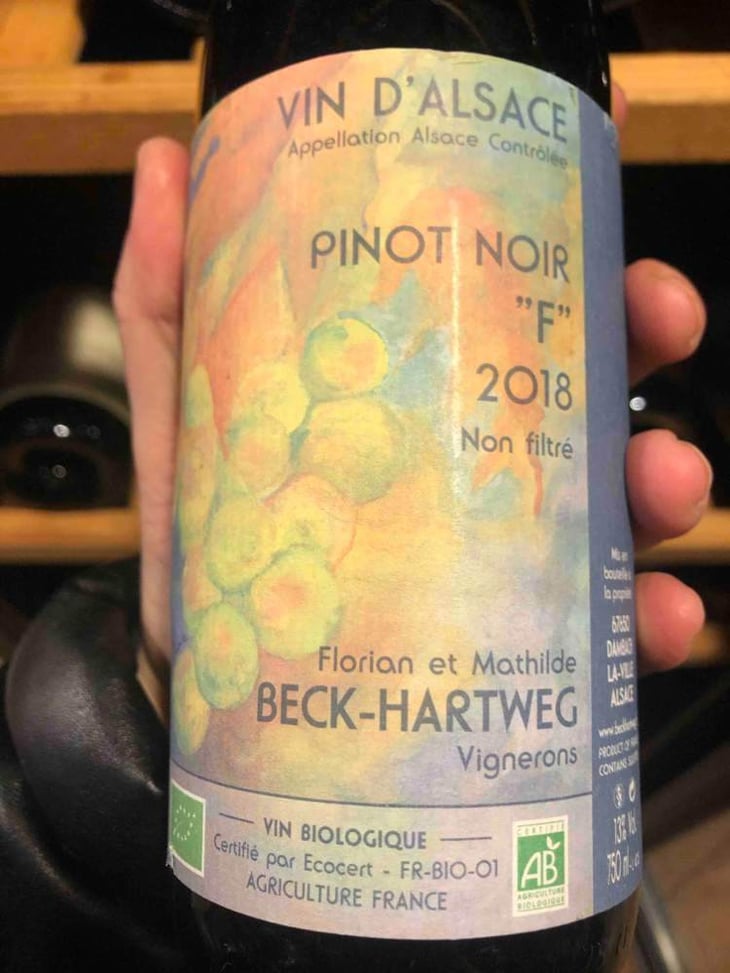
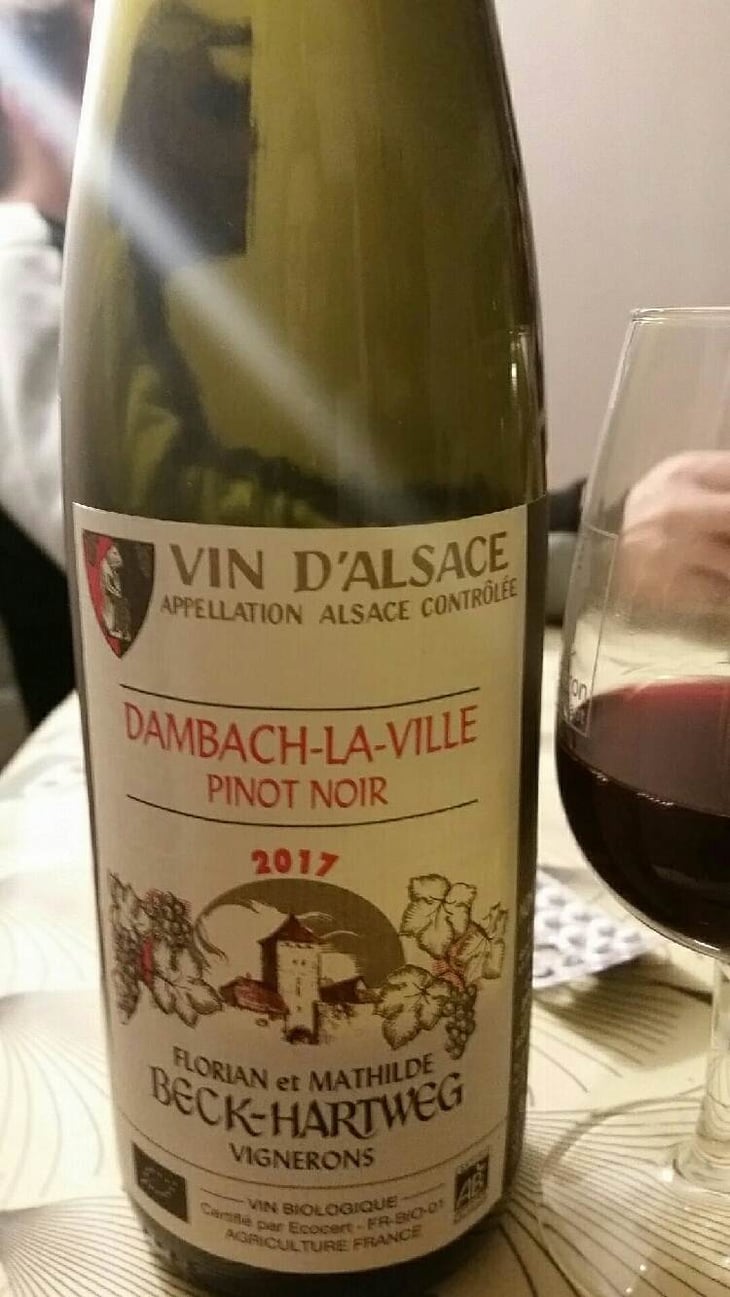
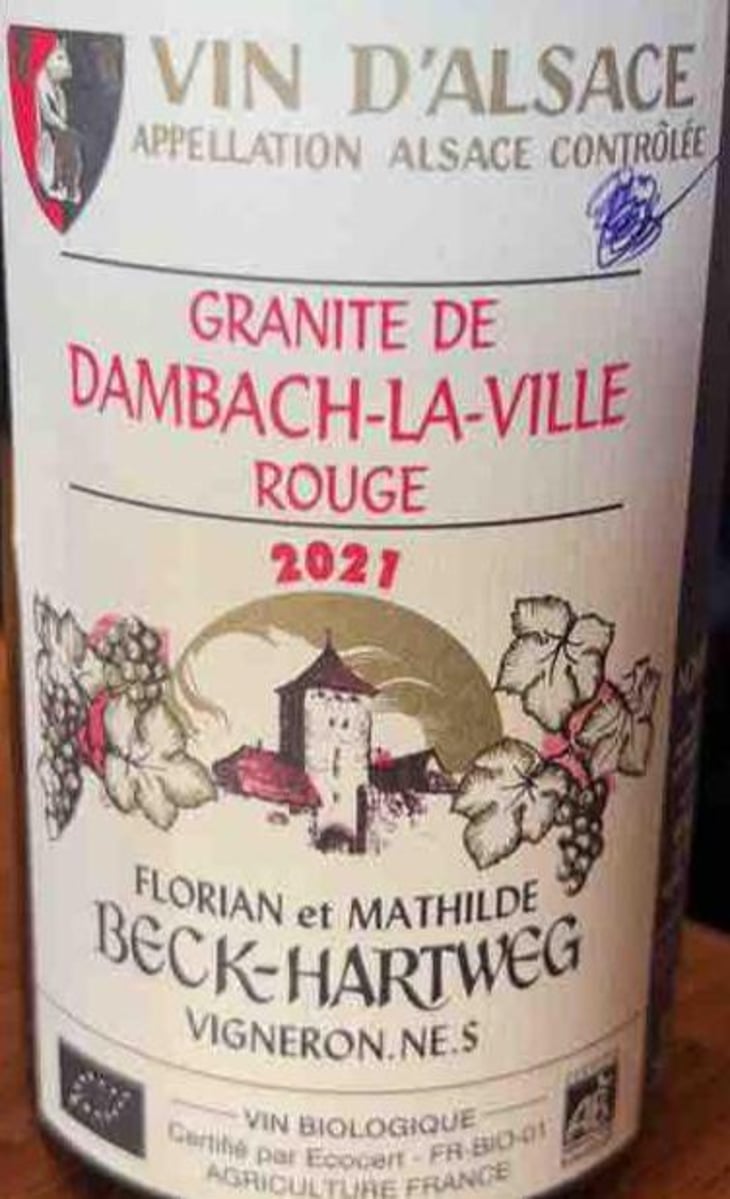
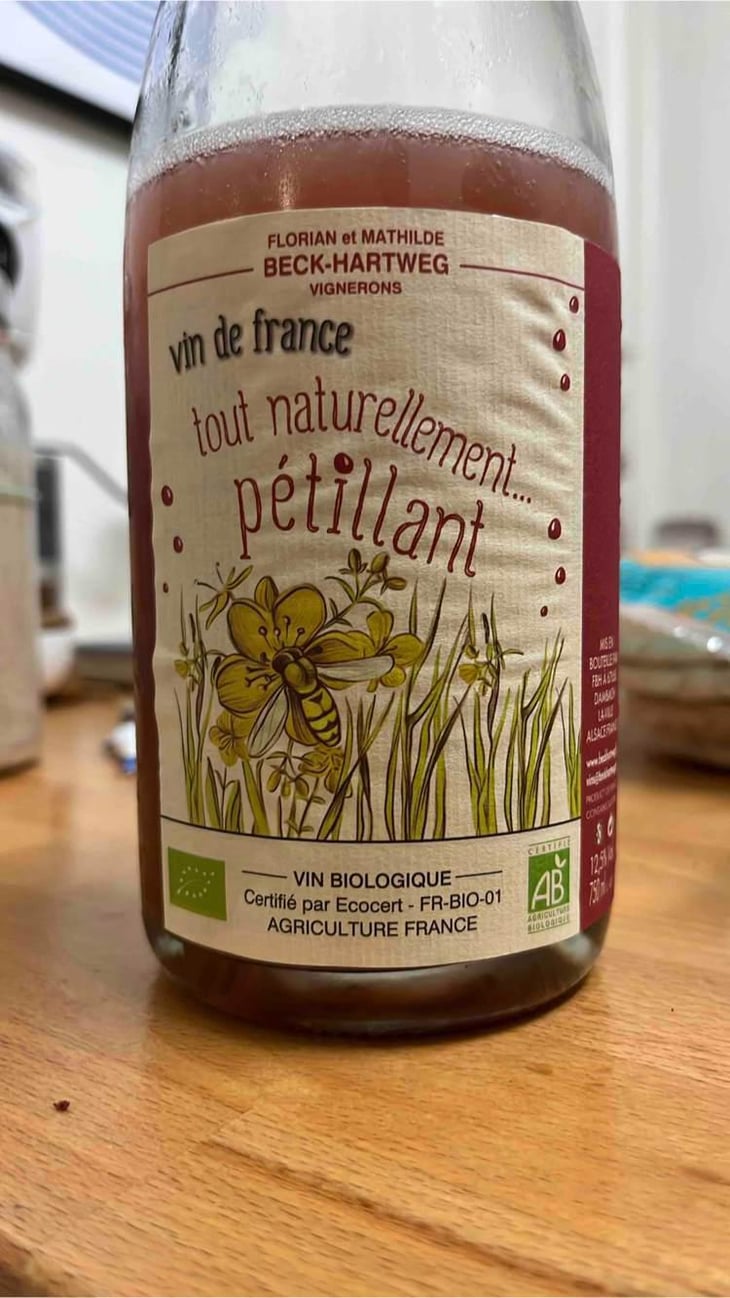
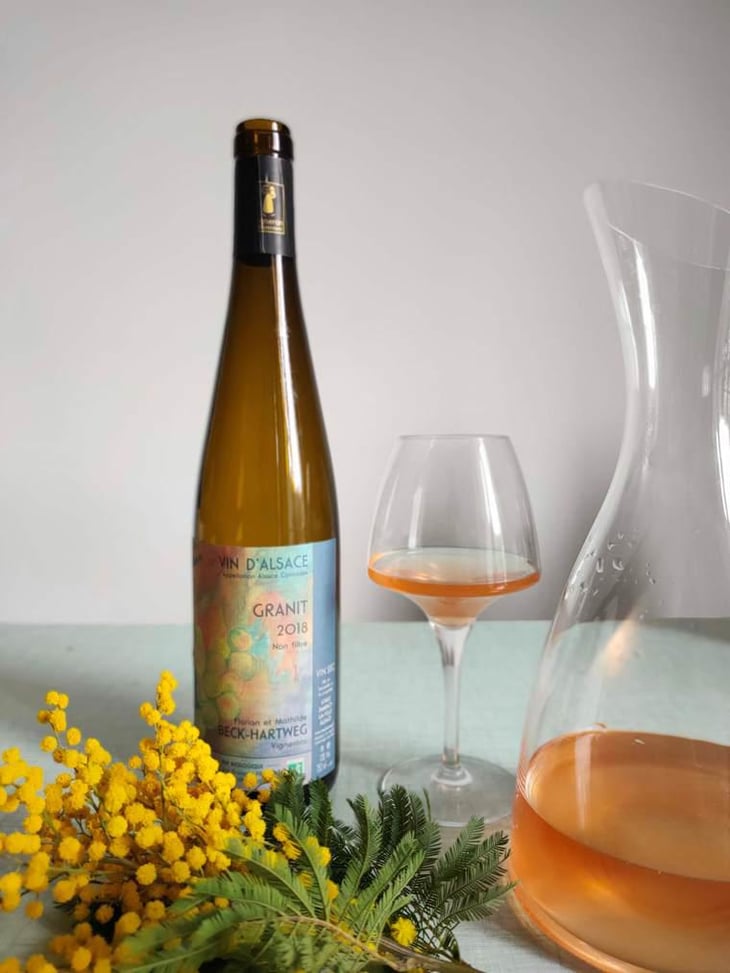
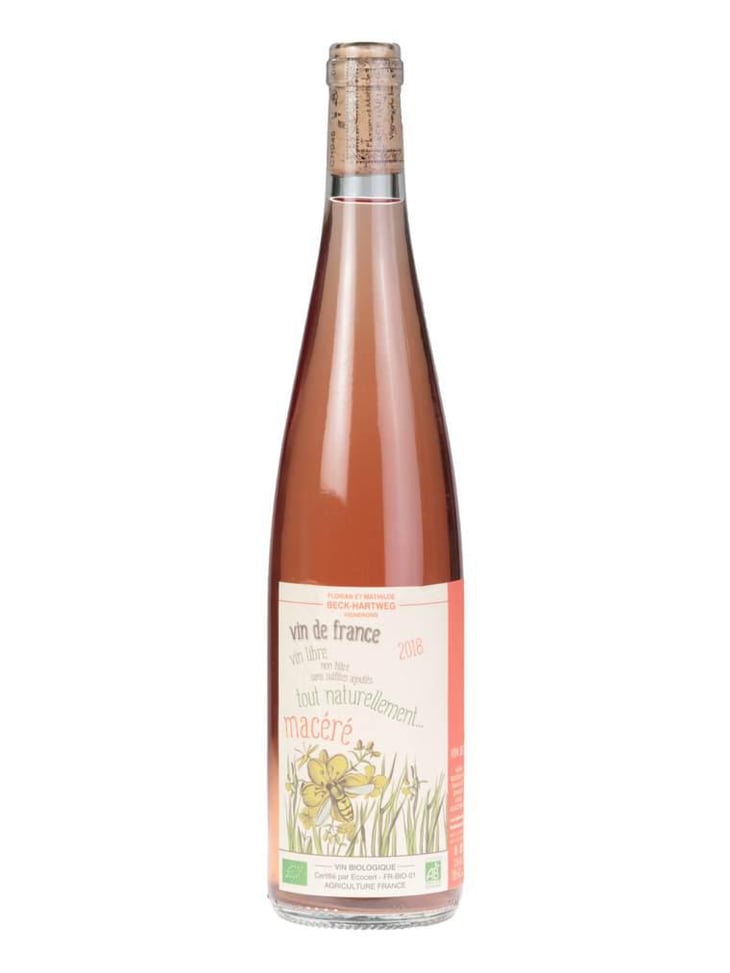
Florian & Mathilde Beck-Hartweg
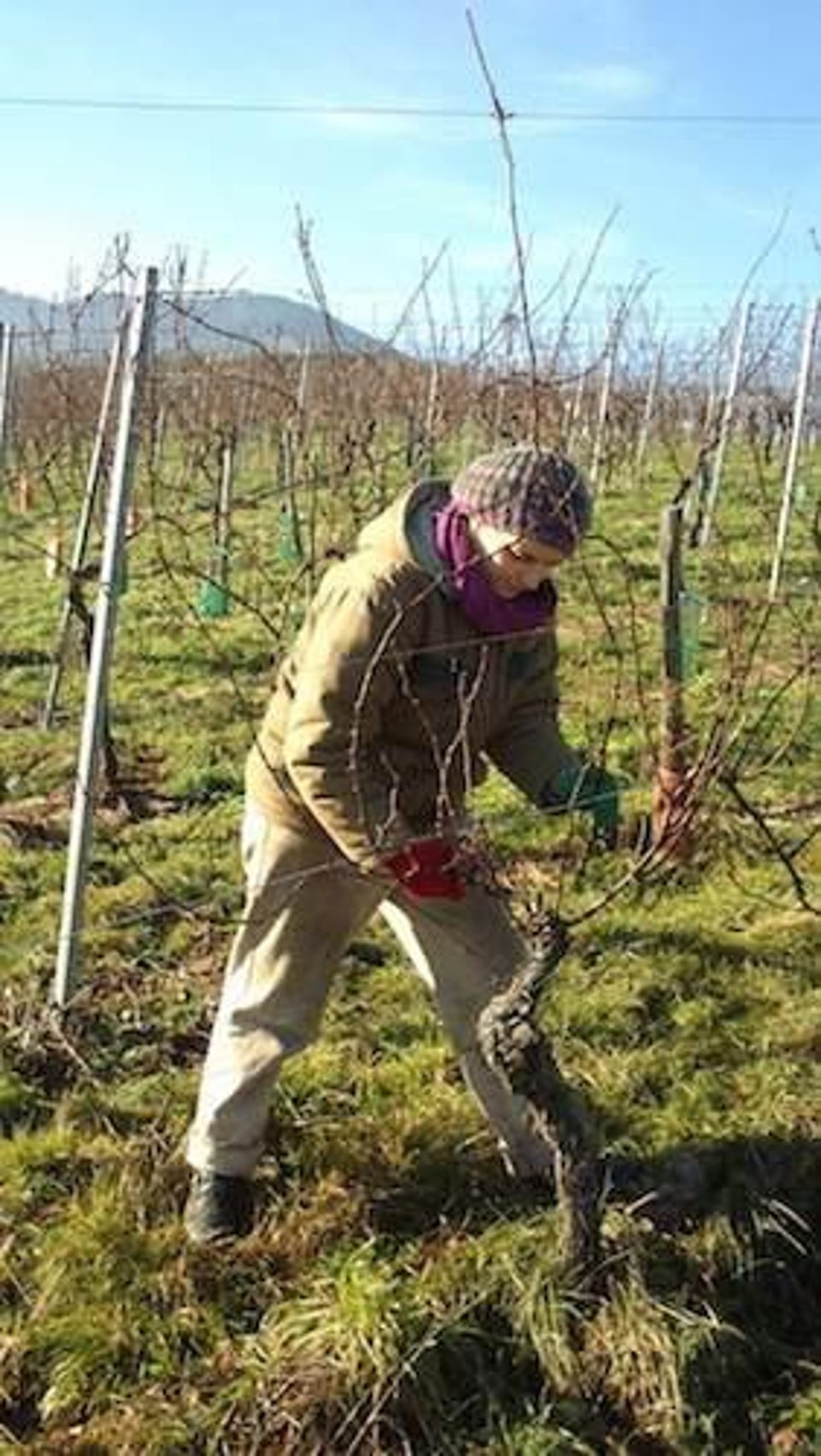
At Beck-Hartweg, viticulture has been a family story since 1525. We keep a vineyard area on a human scale (8 hectares in production), which allows us to do most of the family work. It is extremely important for us to carry out the work manually and personally. It is by being in daily contact with our vines, our soil, our terroirs that we change our way of working by having a precise knowledge of these elements.
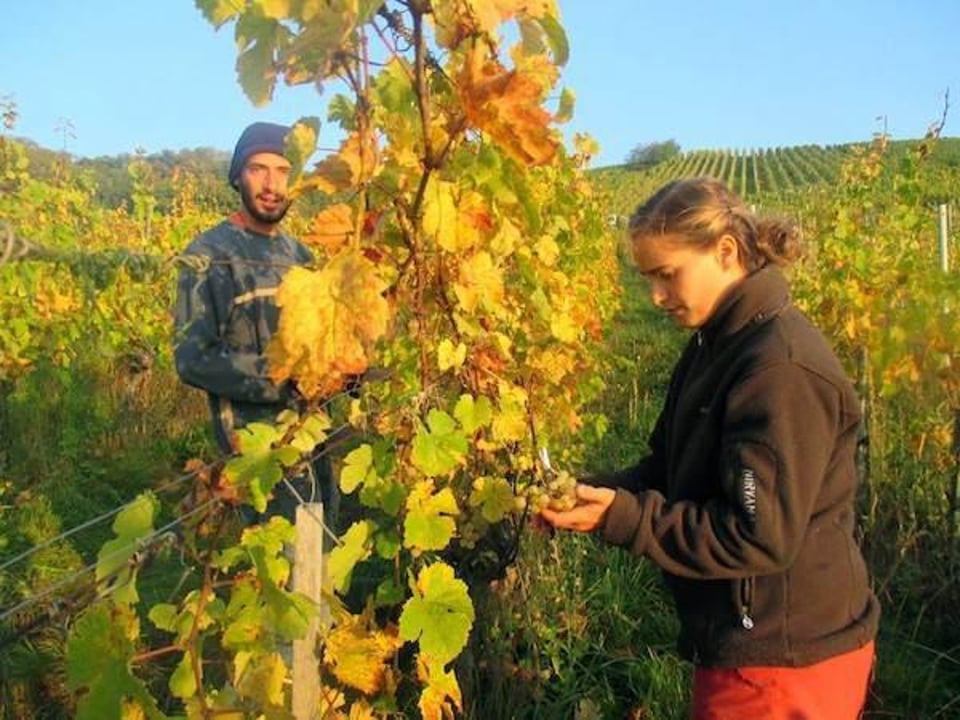
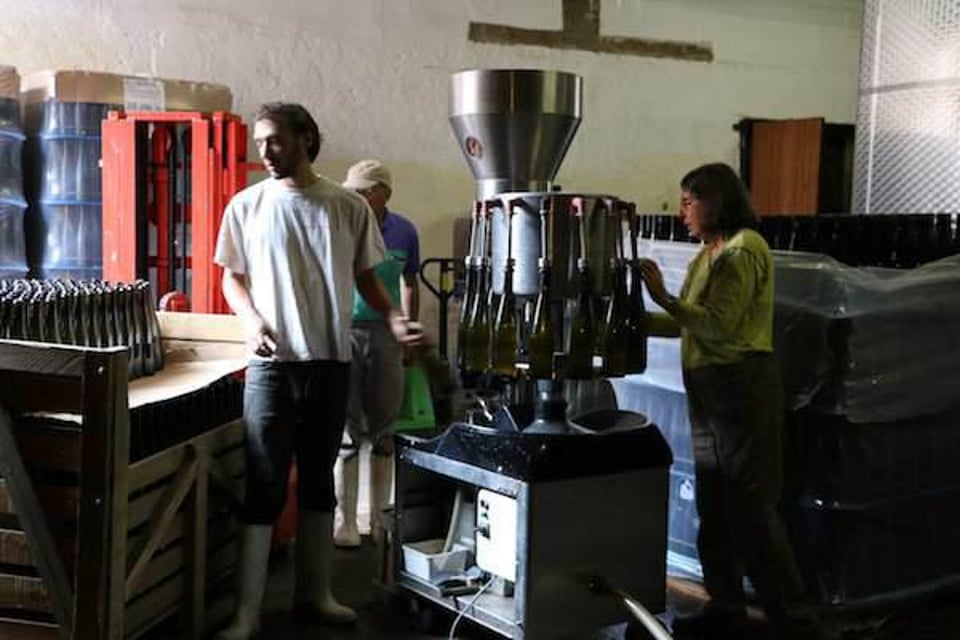
Florian Beck Hartweg, born in 1987, has worked in the vineyard full time since 2009. He takes care of the work of the vineyard with great passion for soil life and biodiversity. He loves to share his passion by explaining his work to visitors. It is he who manages the administrative part. He devotes a good part of his time to the collective life of the Alsatian vineyard (Vice President of the Syndicat des Vignerons Indépendants d'Alsace, Vice President of the UGV (University of Great Wines), responsible for the management of Frankstein Grand Cru among many other commitments). Mathilde (his wife), Yvette and Michel (his parents), as well as Nicolas (employee in the domain) work together on a daily basis in the vineyard of the domain.
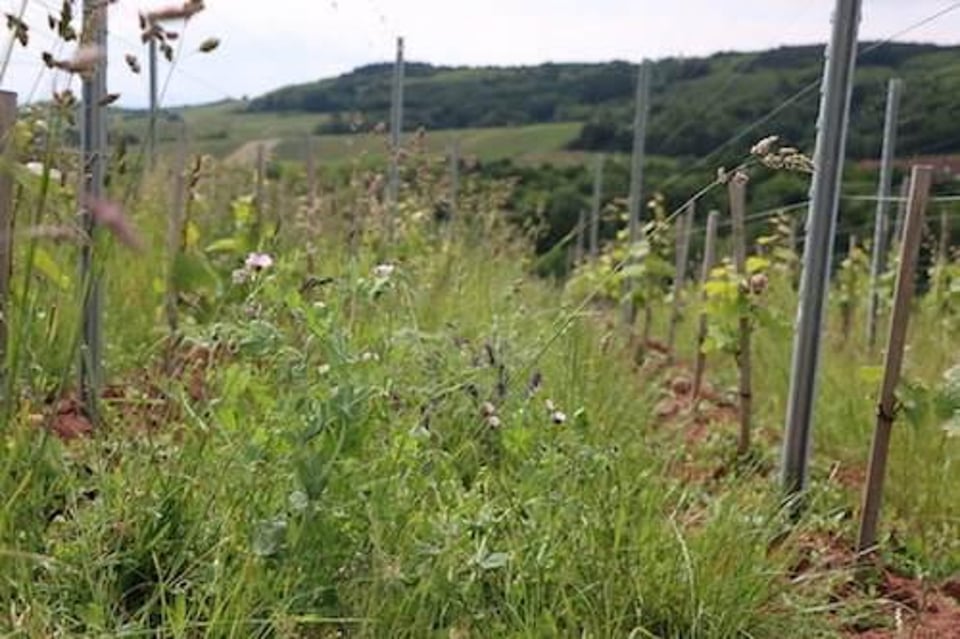
For us, the basis necessary for the production of great terroir wines is living soil. The first condition necessary for the life of the soil is the total absence of chemicals. It is for this reason that we work in organic viticulture certified by Ecocert.
It is therefore the flora and fauna that will do most of the soil structuring work. We use the tractor very little to avoid disturbing these balances by compacting the soil. Manual picking is carried out on young plants to avoid plowing, which disrupts life in the soil. Trellising, harvesting and other work in the vineyard are done exclusively by hand.
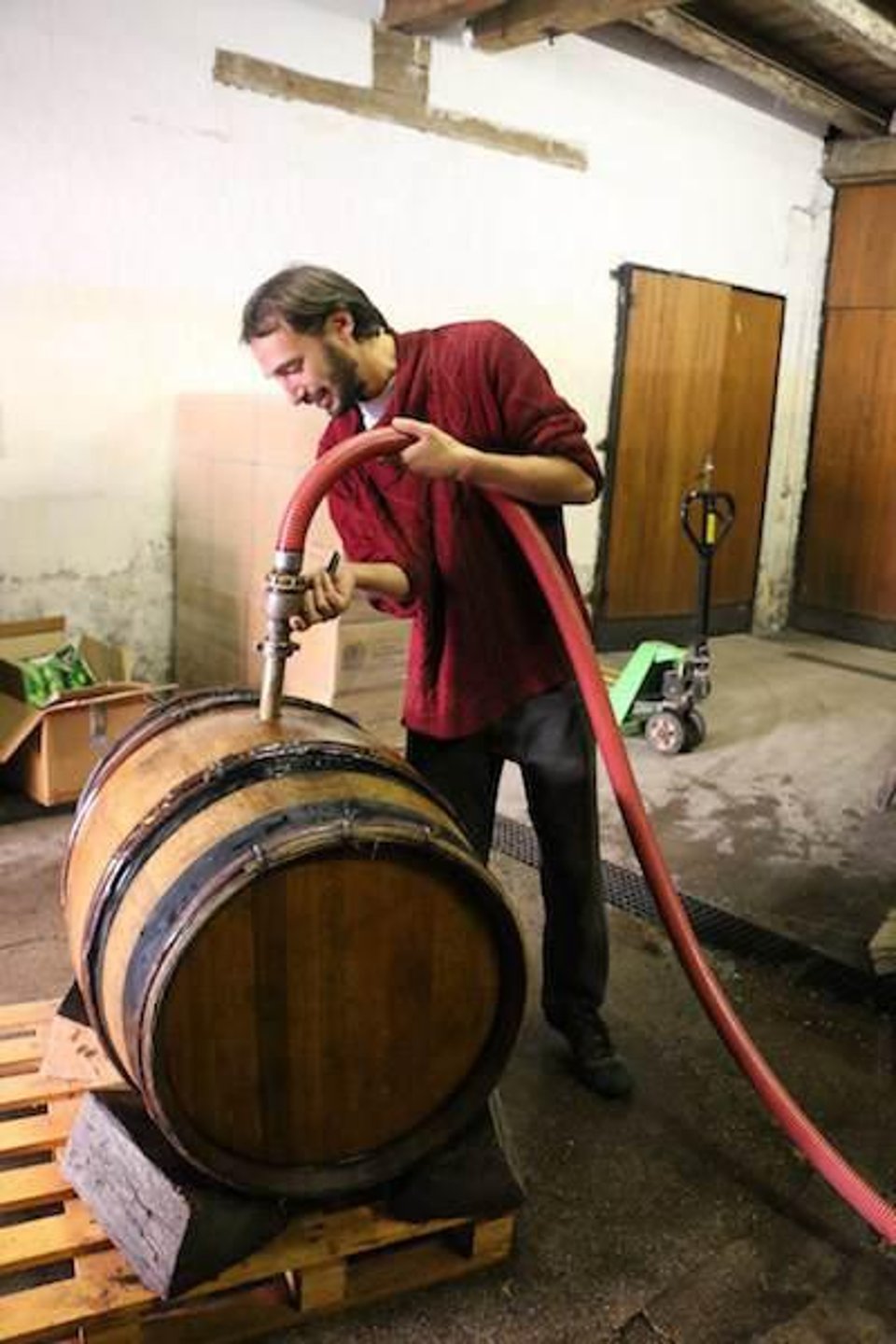
For us, it is above all the work done upstream in the vineyard that must give quality and personality to our wines. Our goal is to intervene as little as possible in the cellar, which, paradoxically, is much more complicated and technical than more "interventionist" vinification. After a work adapted to the vine (see Vineyard), we obtain perfectly ripe, balanced, and healthy grapes in both senses of the word: without rotting and without chemicals.
All this allows us to consider wine making in a more relaxed way: no need to correct or "master" the material, we will simply play the role of guide, let the wine live while keeping an impeccable hygiene and monitoring of the wines to avoid any deviation.
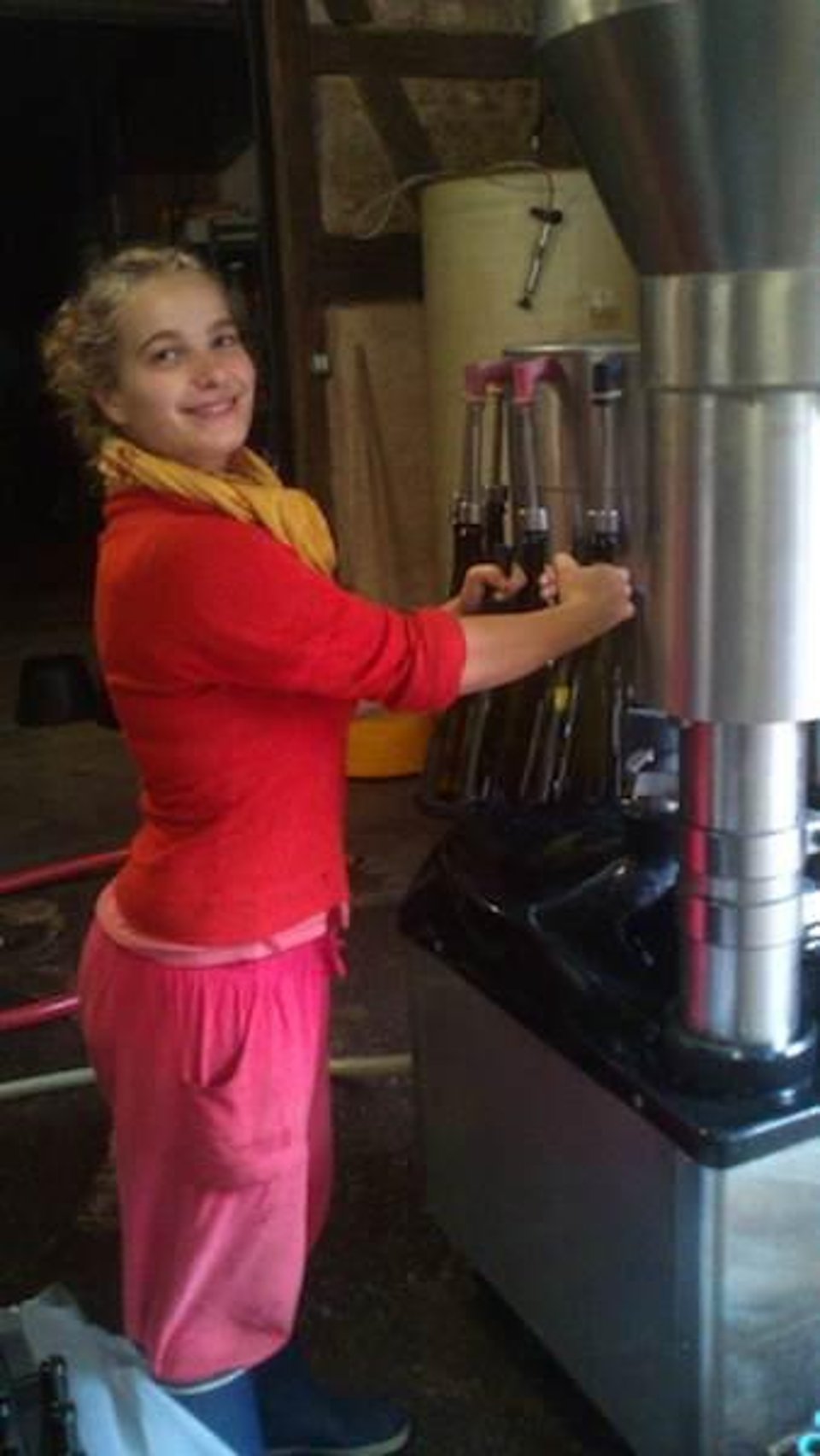
Fermentation starts with the action of yeasts naturally present on our grapes. The addition of sulfites is only rarely necessary, but if necessary a very small amount can be added during bottling.




 Winemakers
 Restaurants
 Bars
Bars Wine Shops
 Accommodations
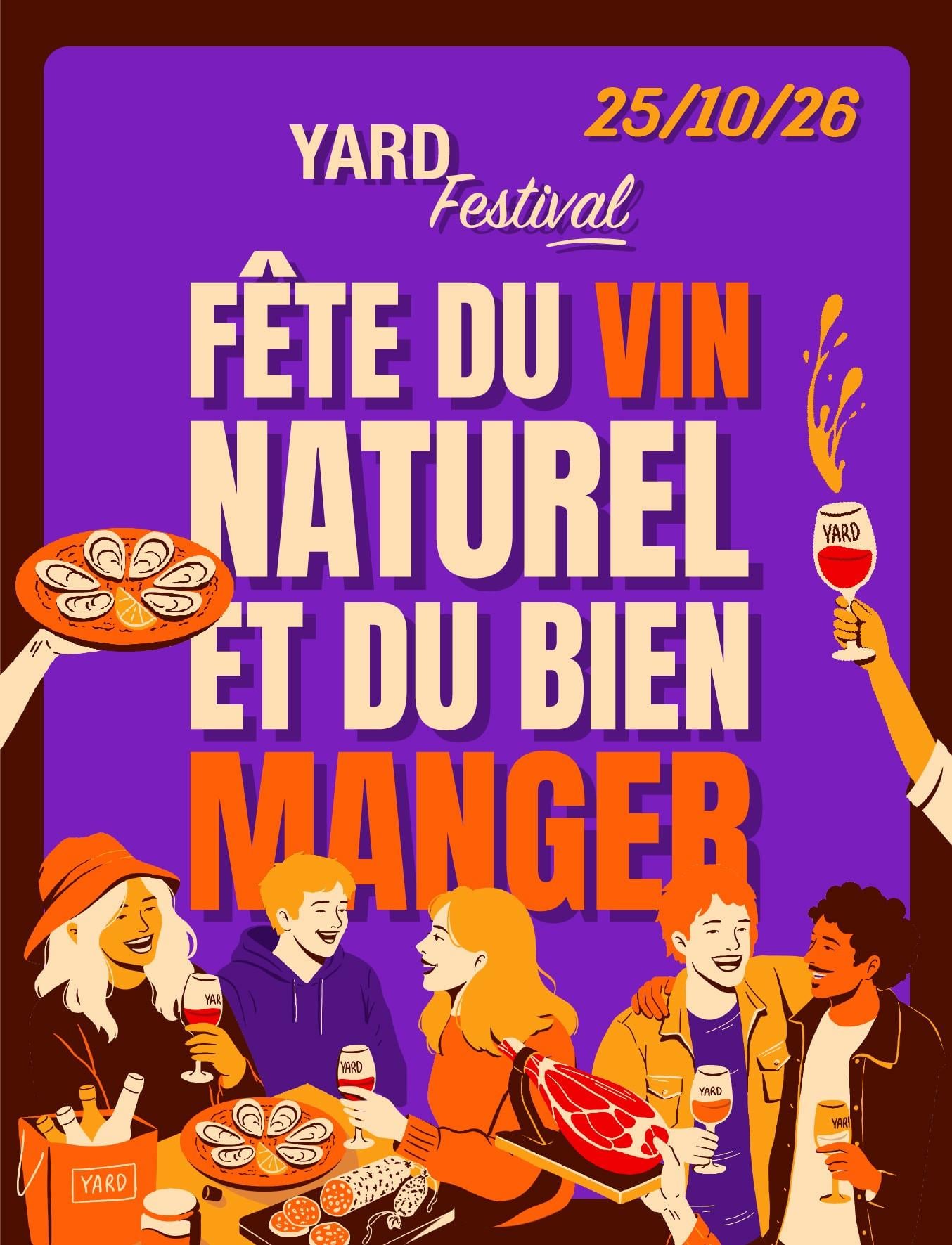
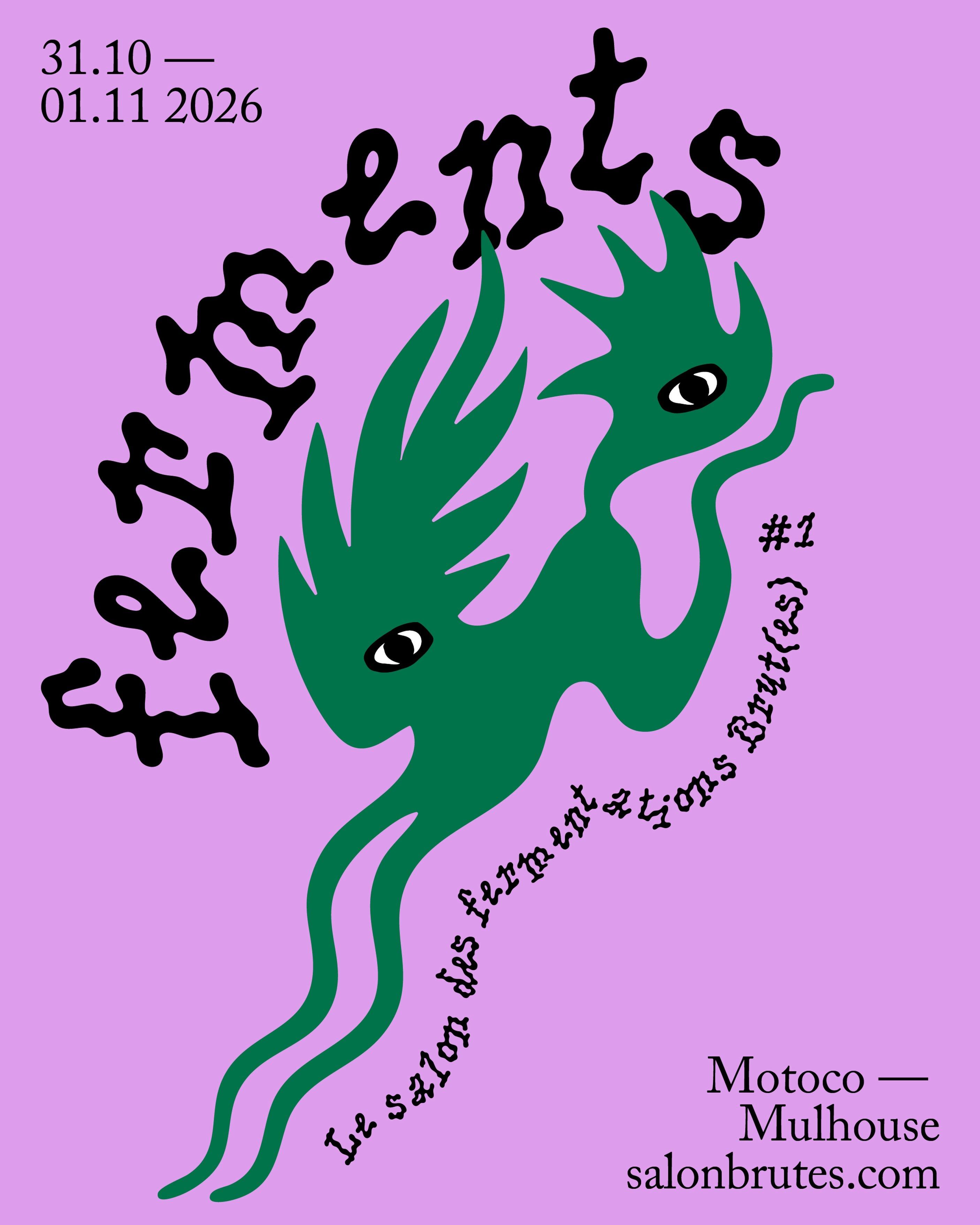
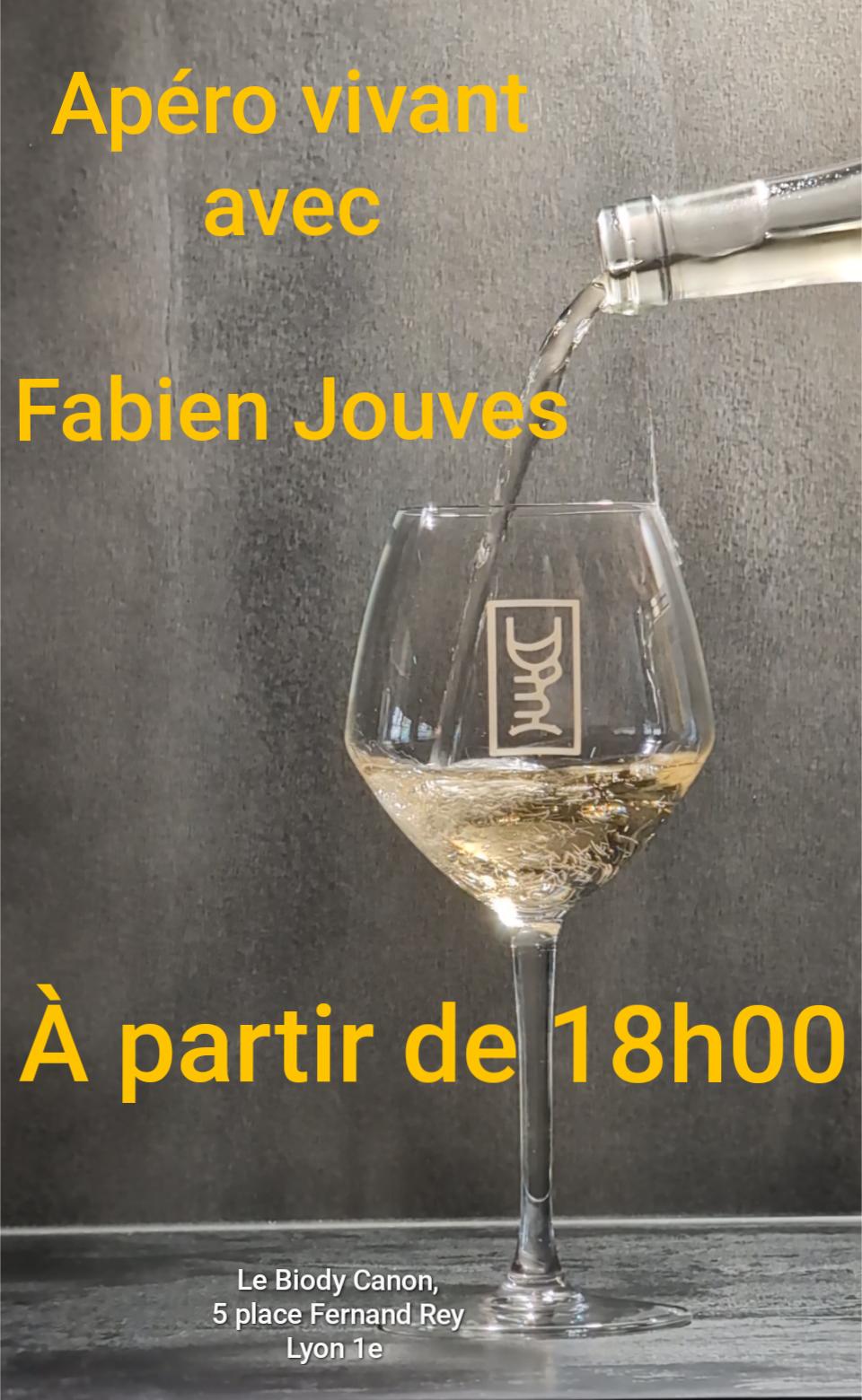
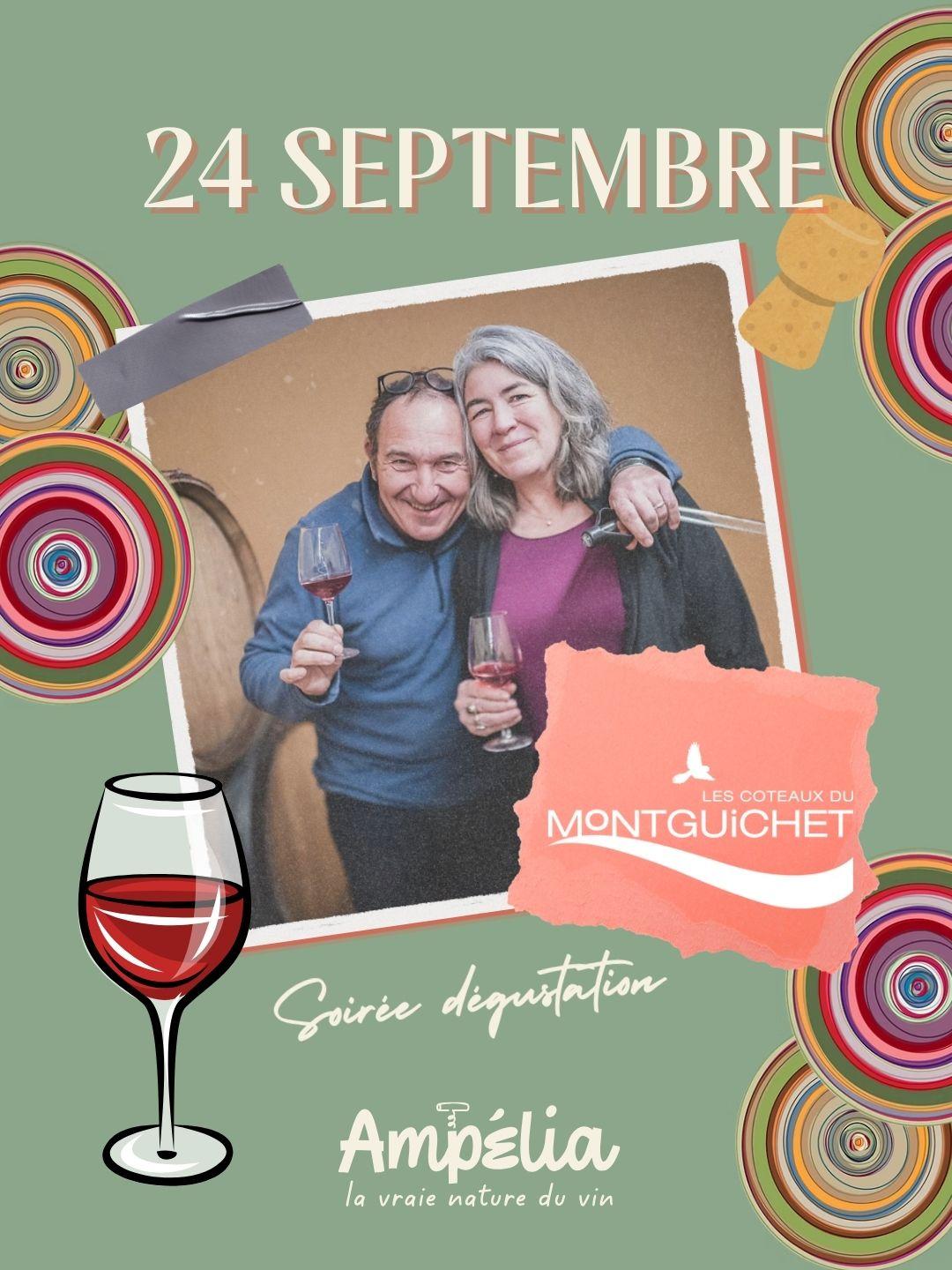
 Events