11 17 8356 KM
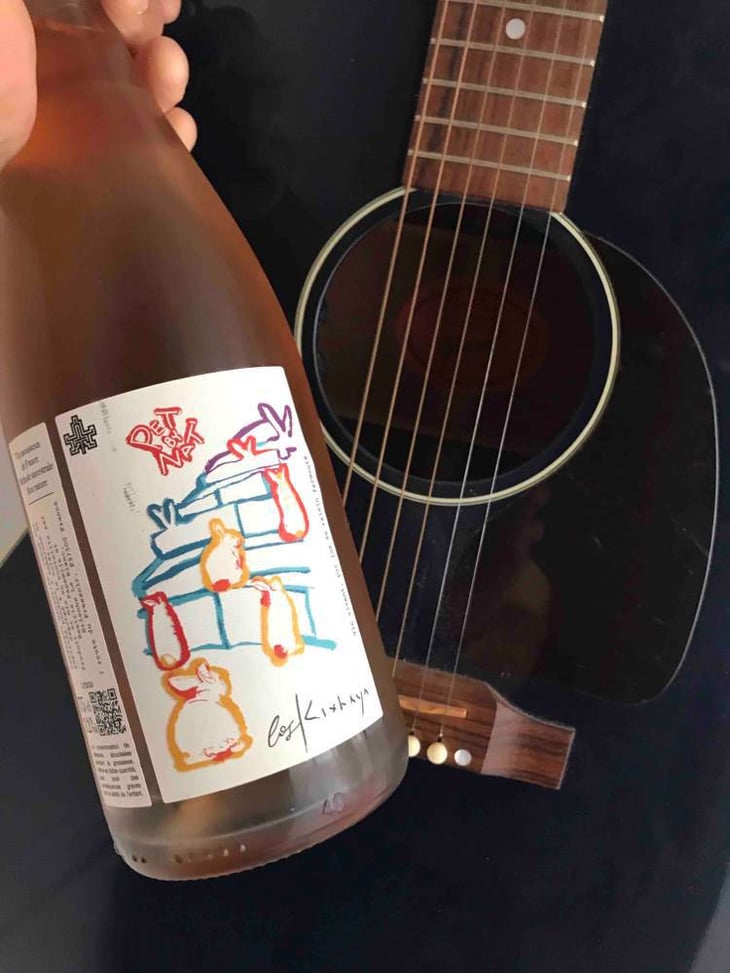
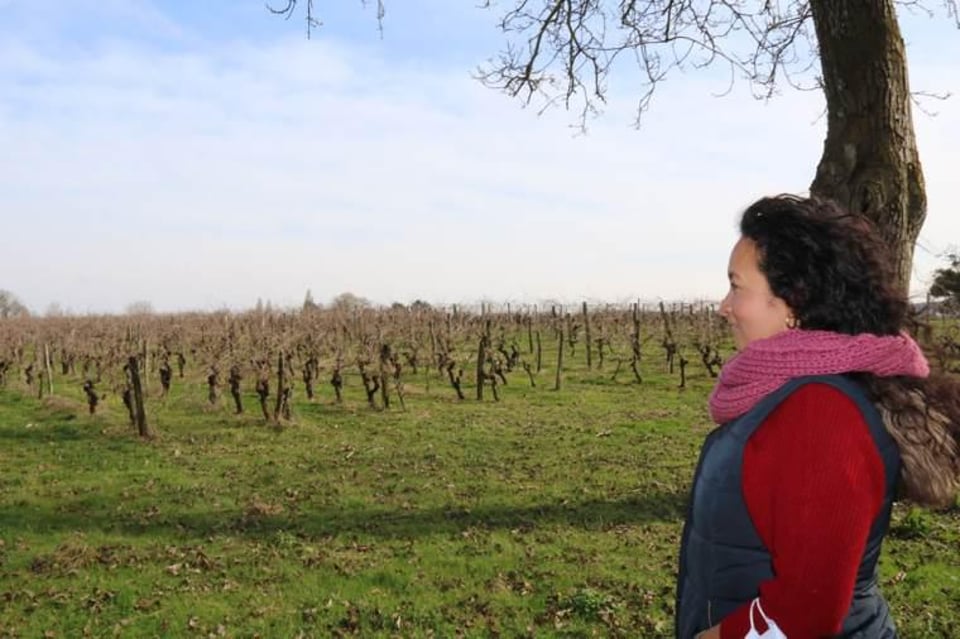
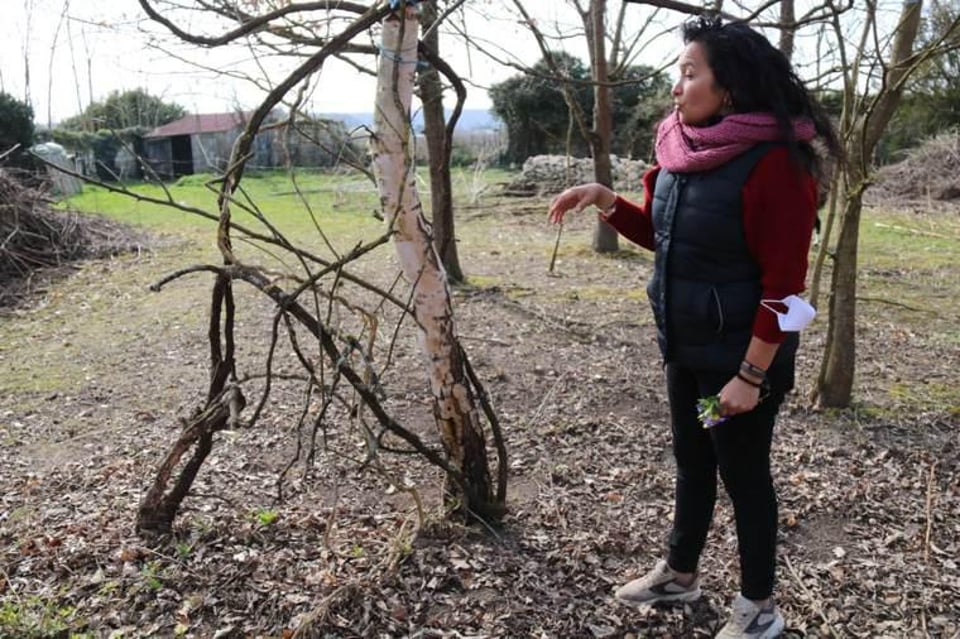
Clos Kixhaya No, don't bother looking, the name of this new estate isn't some obscure reference to Rabelais. The people of Chinon are certainly masters in the art of arranging it in every way, but not this time. To name her sleepy estate, Beatriz—call her Béa—drew from her roots: kixhaya is a compound word in the Nasa language, the Amerindian people of her Colombian grandfather, of two words meaning " vine " and " water ." A delicate way of evoking the origin of her lovely accent. Colombian, she met her partner Etienne Leblanc in Spain, and they started their family in England. An architect specializing in renewable energy, Bea always wanted to work the land, but " in Colombia, it wasn't possible ." " At architecture school, they told us 'architect is not a profession, but a way of life.' " I only really understood this phrase when I became a winemaker. " The journey " I wanted a job where you experience the whole process ," explains Bea. And that's what wine is. You can be in the vineyards and touch the plant. And there's the winemaking, and finally the marketing, it's a lot of jobs in one." The couple wanted a change of life, to leave the city for the countryside. Étienne is from Pas-de-Calais, "no way" for Bea. The same for the South, "too arid." "I discovered the Loire and I fell into the pot. It's incredible, this diversity, this richness! " A BPREA in Montreuil-Bellay later, here she is, a winemaker.
Clos Kixhaya is truly a couple's adventure: Bea and Etienne are pursuing this dream of autonomy together, of a self-sufficient little Eden. For the winery, Etienne manages the administrative and financial side, but it's Bea who makes the wines, and who sets the tone. And it's worth remembering this, for all practical purposes. "I can't help but notice that I have to prove every day that I'm a winemaker. Whereas Etienne, who hasn't done any training or internships, sets foot in the vineyards, and that's it, he's a winemaker in the eyes of the world..." Sleepy house.
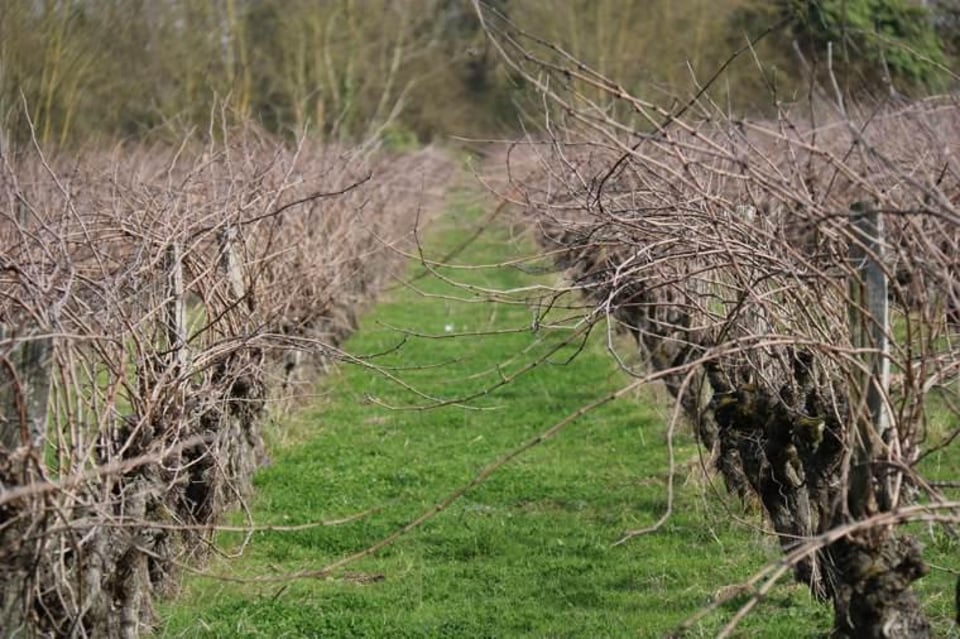
Finding the vines took a stroke of luck and a fair amount of audacity. Their 4.5-hectare "clos," surrounded by partially collapsed walls, came with a house, just across the street. Well, a house... A tuffeau stone ruin, with brambles up to the roof and just the right amount of faded splendor to make you dream. While waiting for the major renovations, the little family moved into the caretaker's cottage and everyone, grandparents included, set about the titanic task of reviving this sleeping beauty. The vines: Cabernet Franc only. Well, it's very simple: Cabernet Franc and Cabernet Franc and more Cabernet Franc. Are you wincing? " I also dreamed of having lots of different grape varieties," Bea remembers. "But that's not possible." And the more I discover Cabernet Franc, the more I am amazed by everything you can do with it! ” Sparkling wines, rosés, light reds, less light reds… It all suits her. “ And me,” the winemaker says, “I’m a bit irresponsible, I test everything, including things you shouldn’t do, like whole bunch macerations… ”
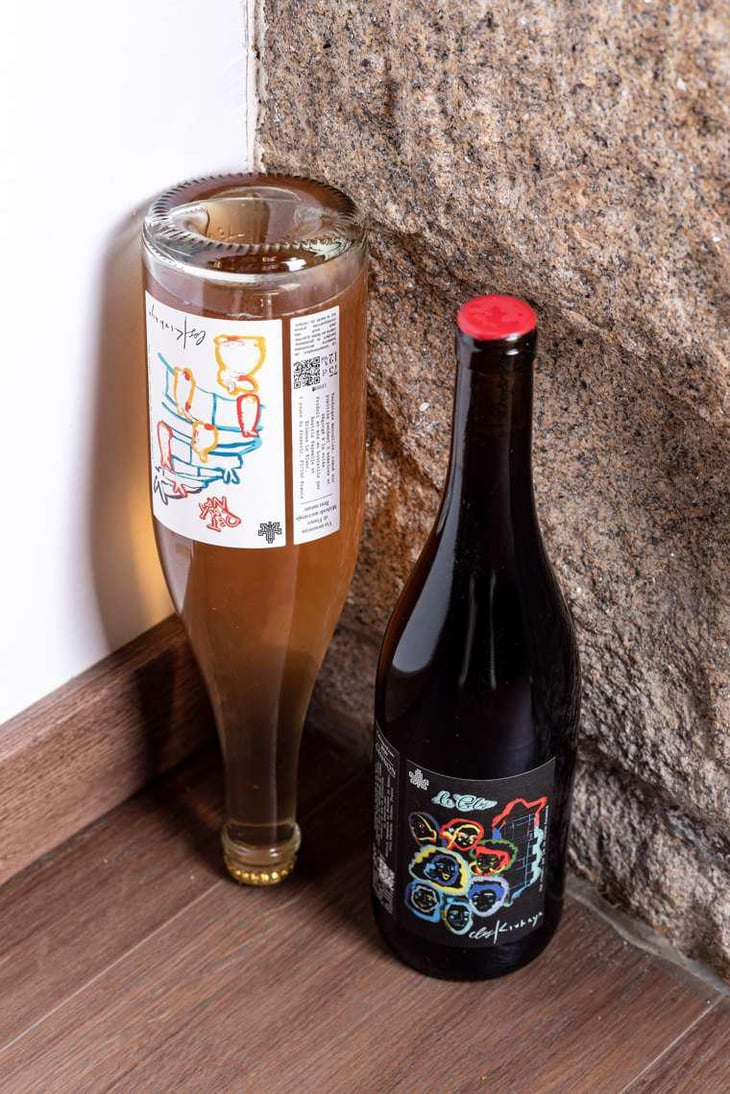
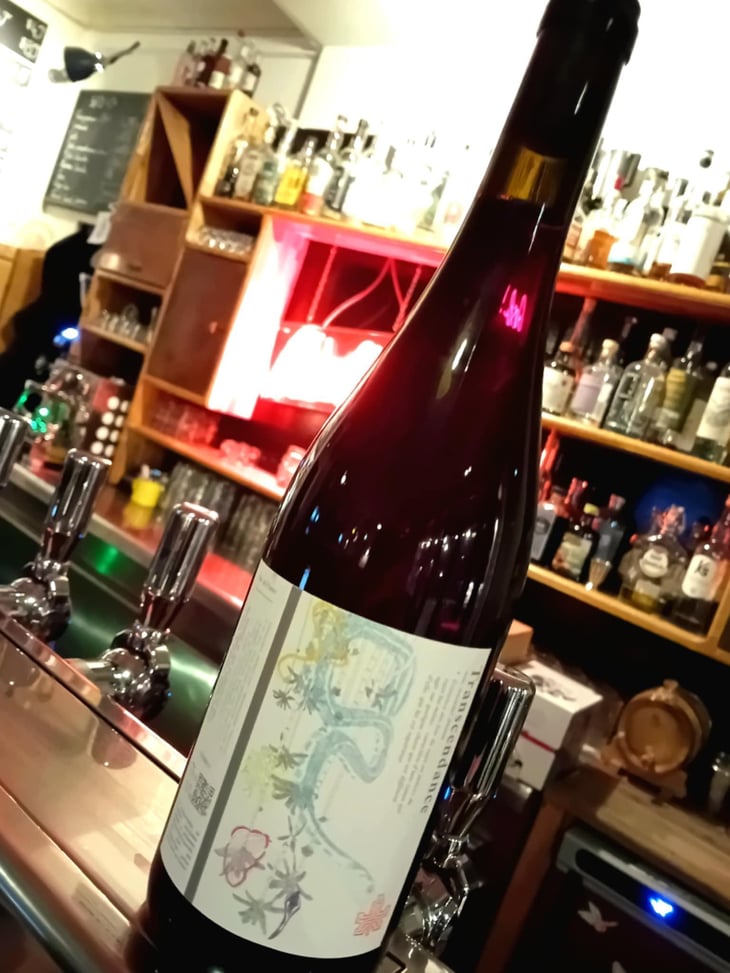
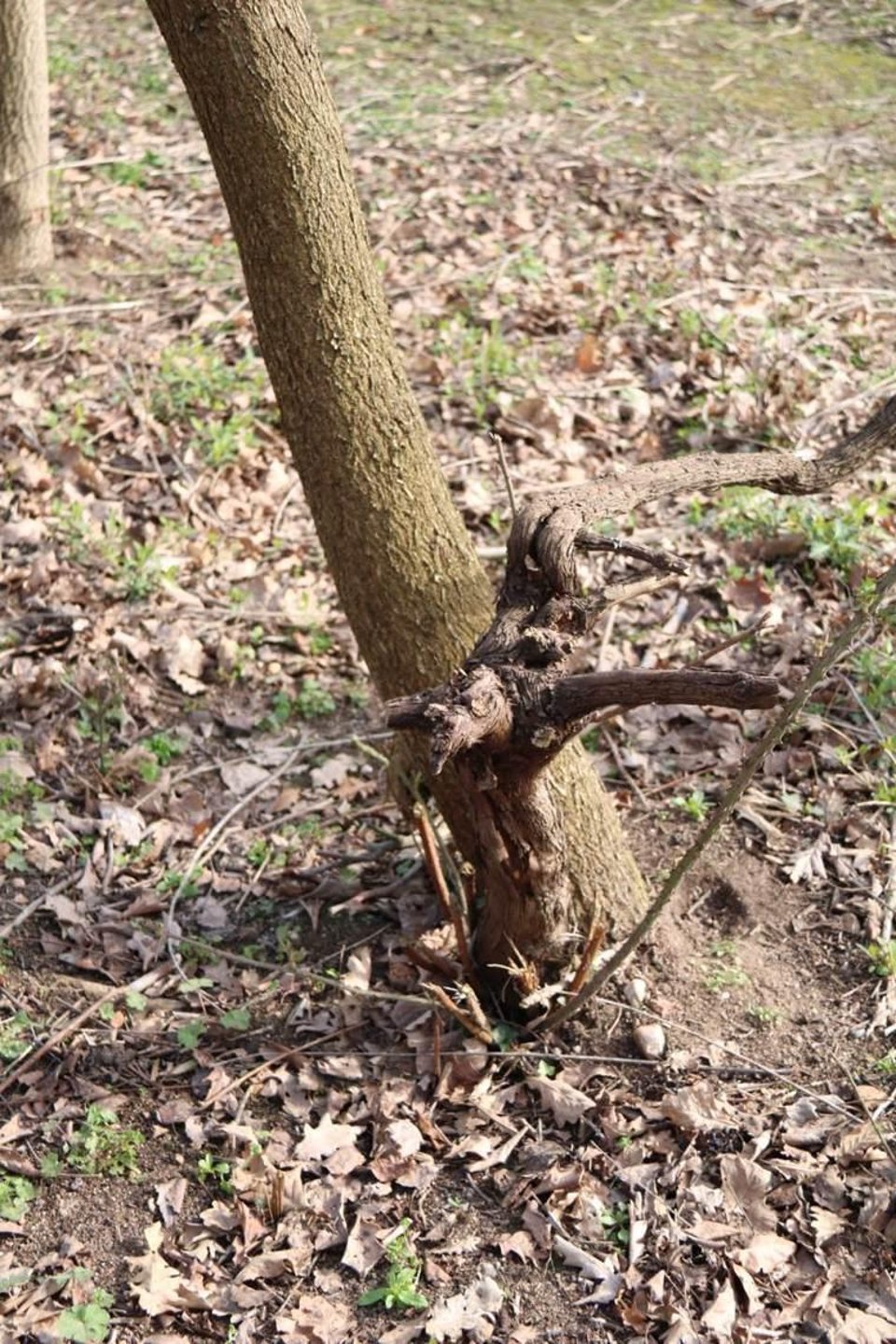
As for the soil, think "sand" and limestone underneath. In other words: cool and shallow. The plot is located on the left bank of the Vienne (the historic hillsides of Chinon are more on the right bank). Conversion to organic farming was immediately launched, as was gentle pruning of the vines, a technique intended to be more respectful of the vines and therefore more sustainable. A small area of vines was uprooted, and Bea wants to replant Gouais, an old, historic white grape variety from the region. " To avoid frost, we prune as late as possible, and with two people to go faster. It's our only protection. " For everything else, Bea does the work, perched on her tiny tractor, which she carefully chose so she could repair and handle it alone. #autonomy The wines: freshness and delicacy. With her Cabernet Franc and her contiguous plot, Bea makes five different vintages:
- A pét'nat', a white wine (black), a rosé and two red wines.
- Blanc de noir is made with grapes harvested earlier, to guarantee acidity, by direct pressing.
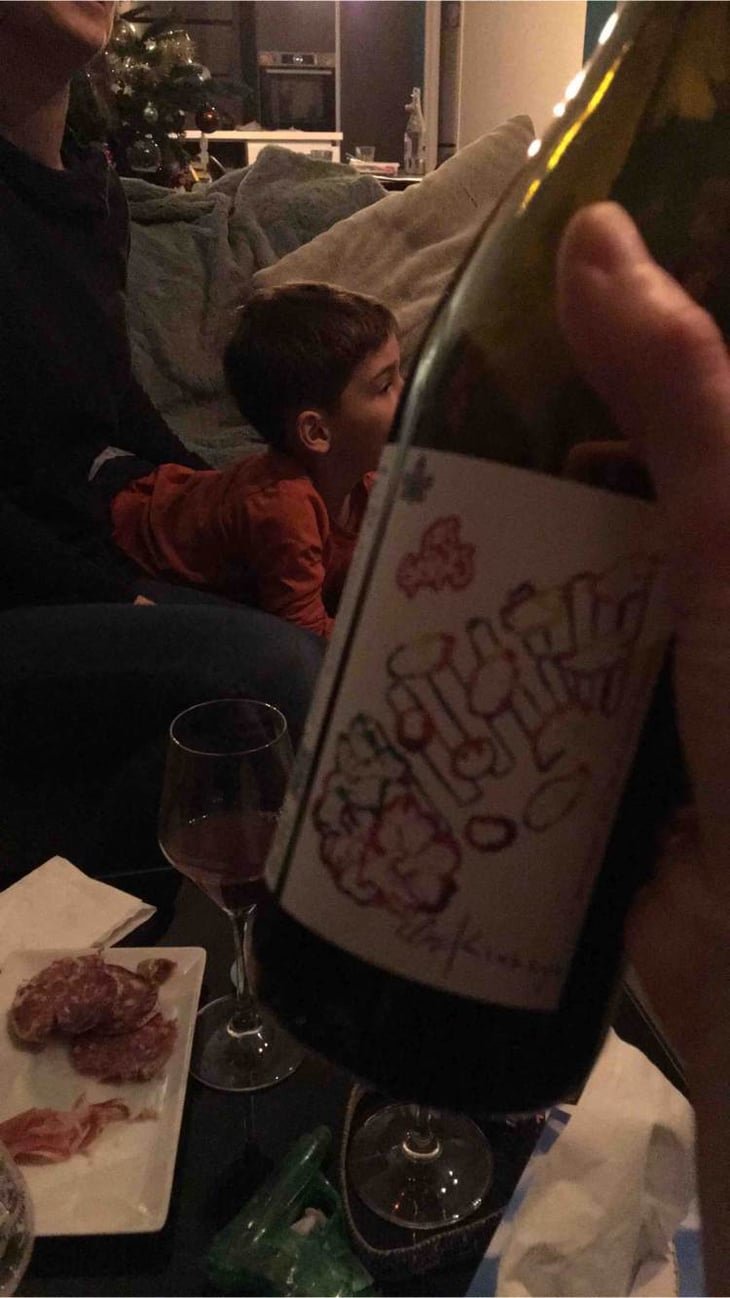
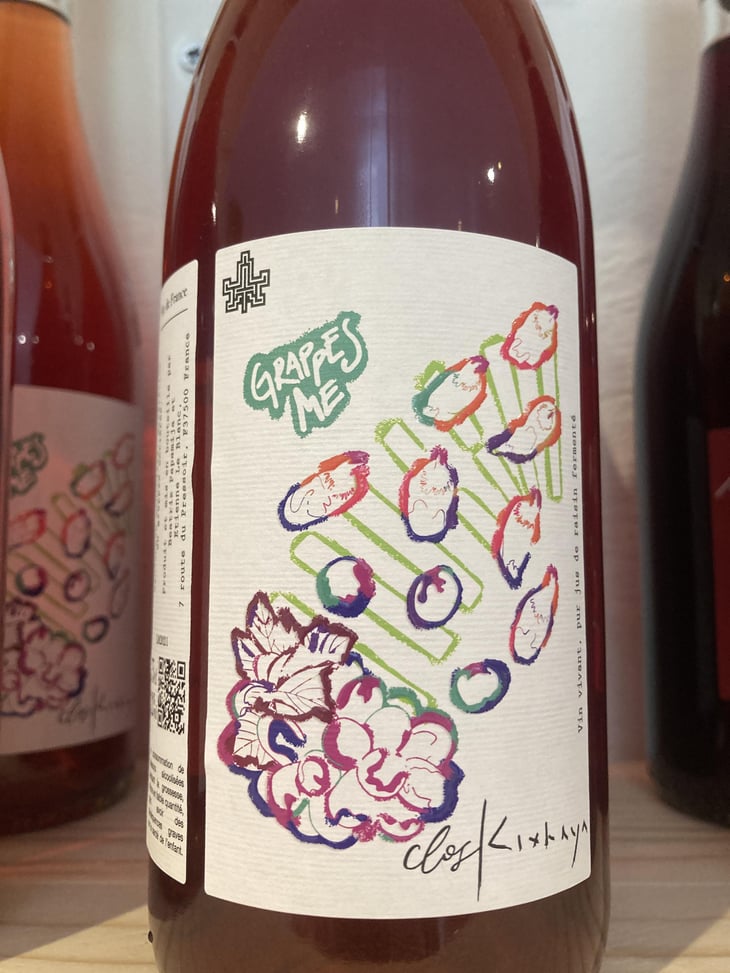
- The Les Grappes cuvée (one of the reds) comes from the youngest vines; the grapes are pressed very slowly after a ten-day maceration; and the wine is aged for seven months in vats before bottling. “For me, it’s the purity of Cabernet,” explains Bea.
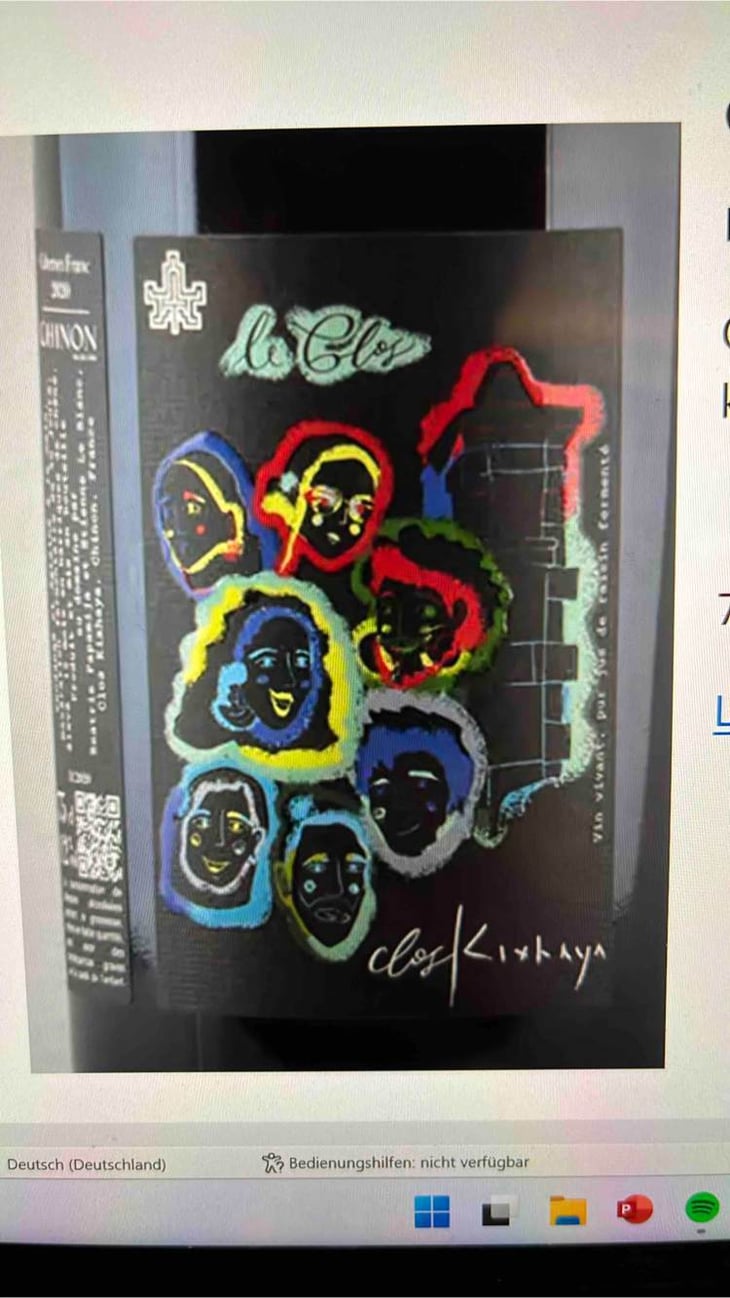
- For the other red, the 2020 Le Clos cuvée, the grapes are destemmed by hand, macerated for 40 days, and foot-crushed, for a richer, more structured, but still delicate, substance. "It doesn't exist, but we did a fermentation maceration. When we went to the press, the juices were dry, except in the grapes."
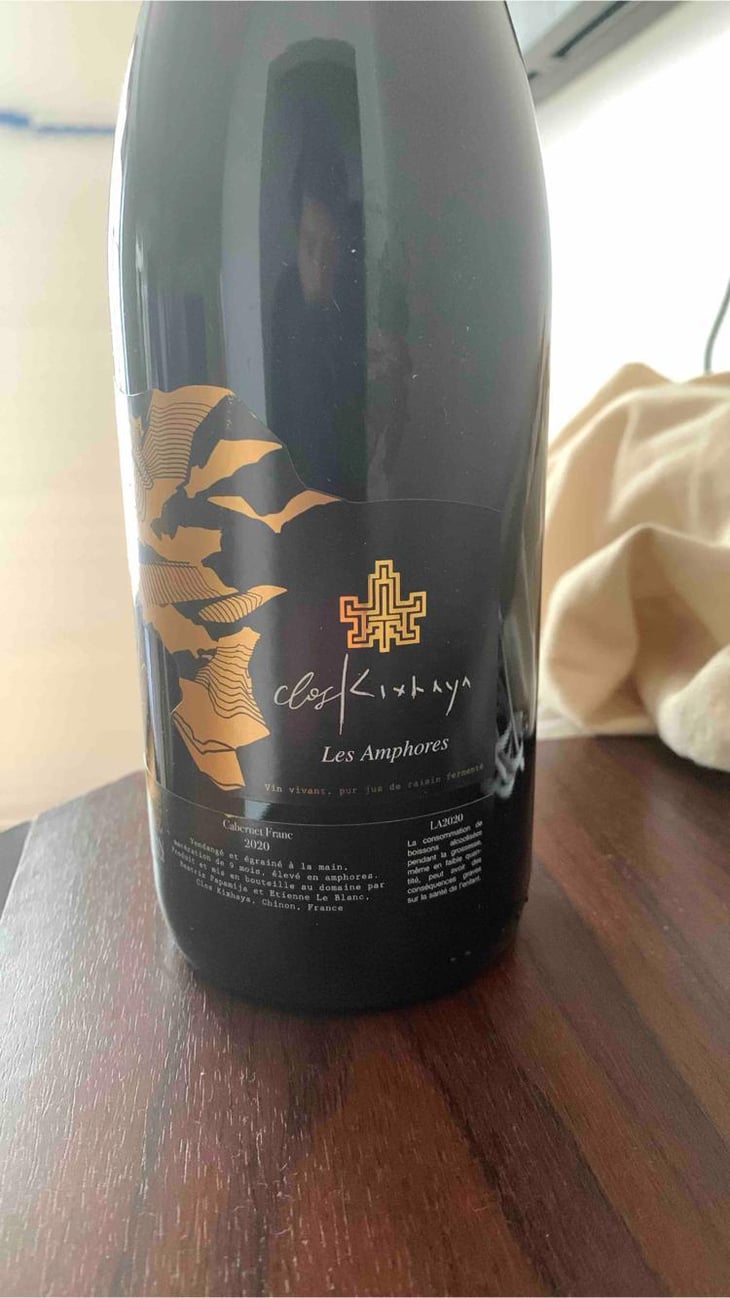
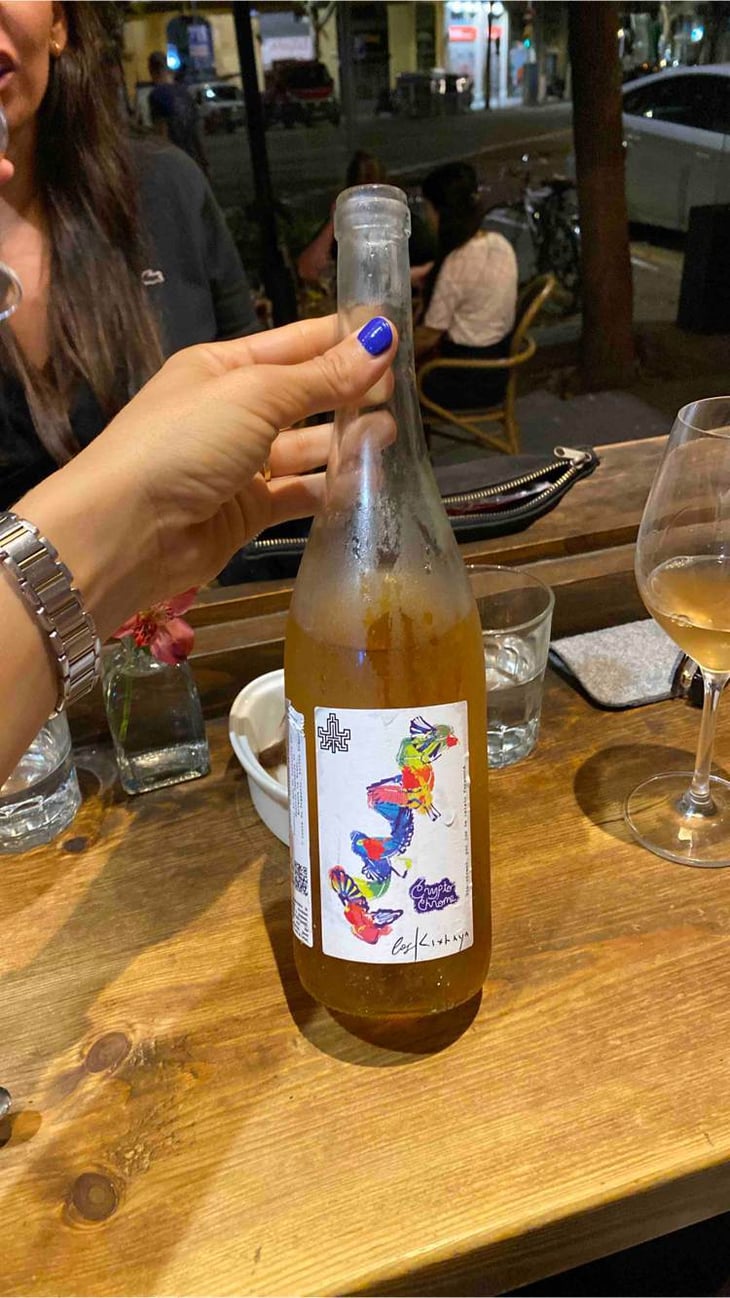
- Besides the Cryptochrome rosé, there is finally the Amphores cuvée. "I really wanted some amphorae, but not the terracotta ones, which are too porous, nor the stoneware ones because they come from China. The ones I chose come from Italy; they are a mixture of clays, with the porosity of a barrel. This gives a chalky texture to the wine, a warm and cold side at the same time, an almost mineral structure."
It was during her training that Bea discovered the " miracles " of modern oenology. " When I learned that you could use up to 400 products to make wine, I was shocked," she recalls. "You don't pay all that attention to the raw material and then put chemicals in it! " she still marvels. Extracted gently and delicately and with as few machines as possible, matured with patience, all of her wines are so far sulfur-free. Text and Photos: Julie Reux
No white wines at the moment.
FIND THE EVENT YOU ATTEND

Saturday January 31 - Sunday February 01
Angers
6363 KM
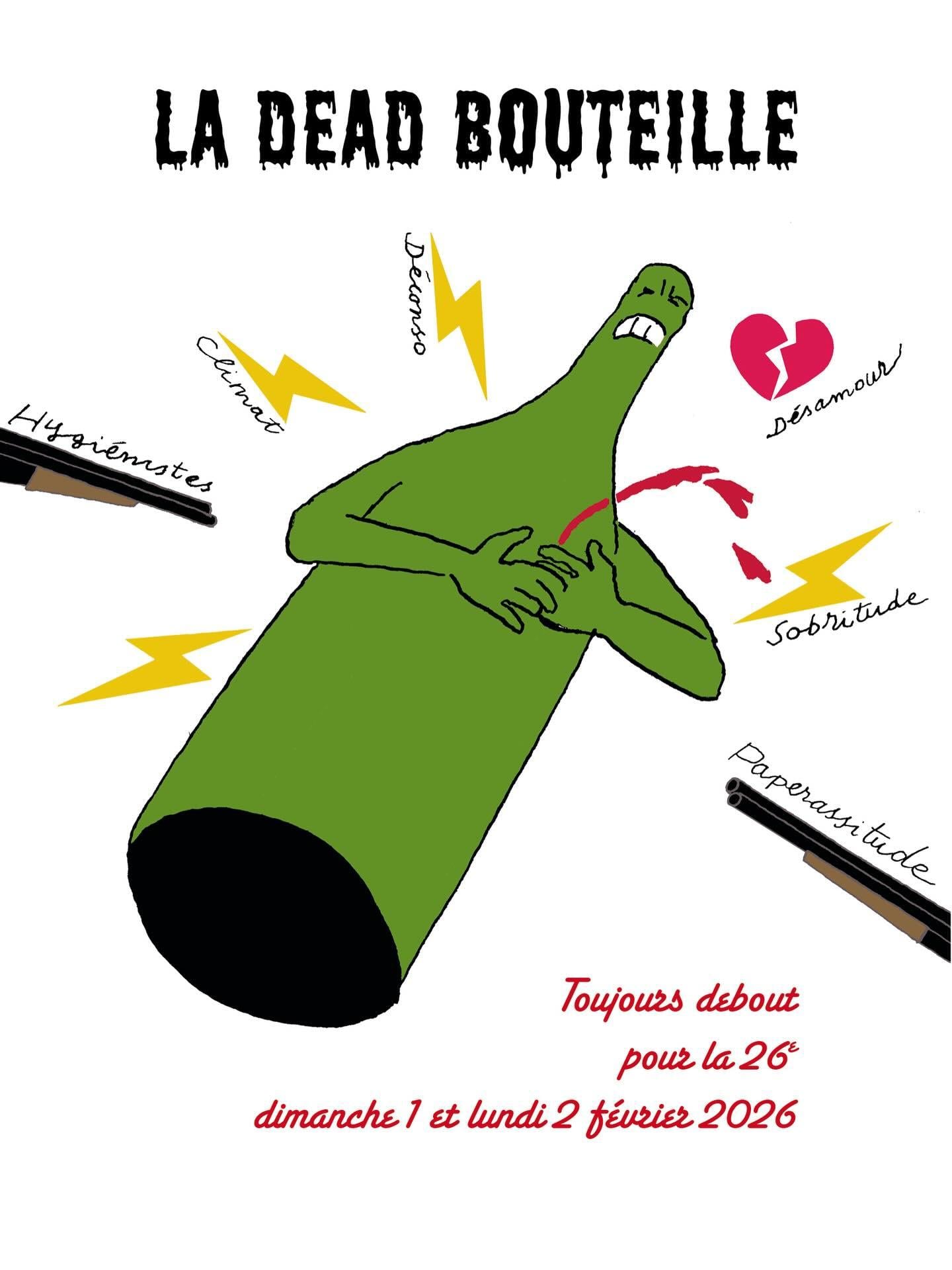
Sunday February 01 - Monday February 02
Saumur
6402 KM
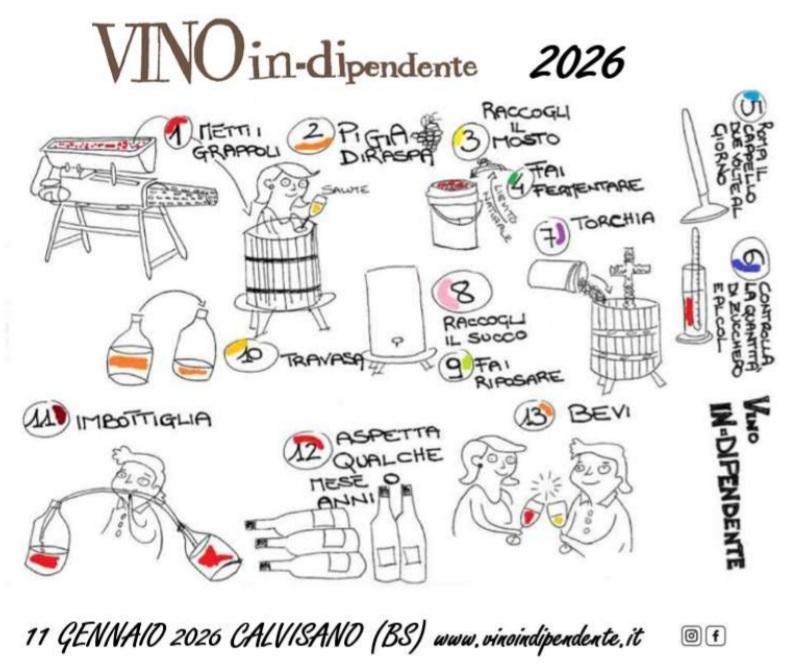
Sunday January 11
Calvisano
7207 KM
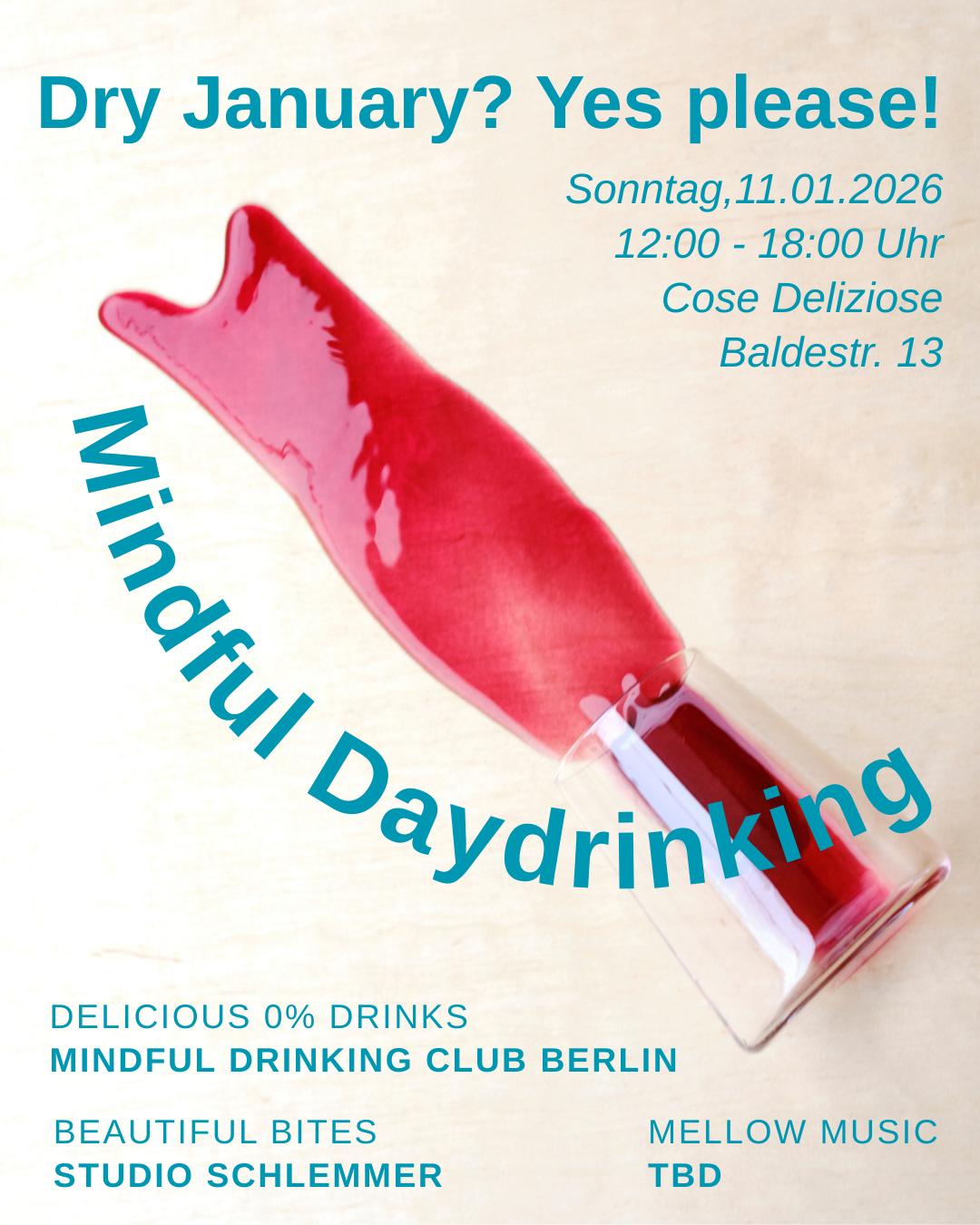
Sunday January 11
MunichGermany
7123 KM
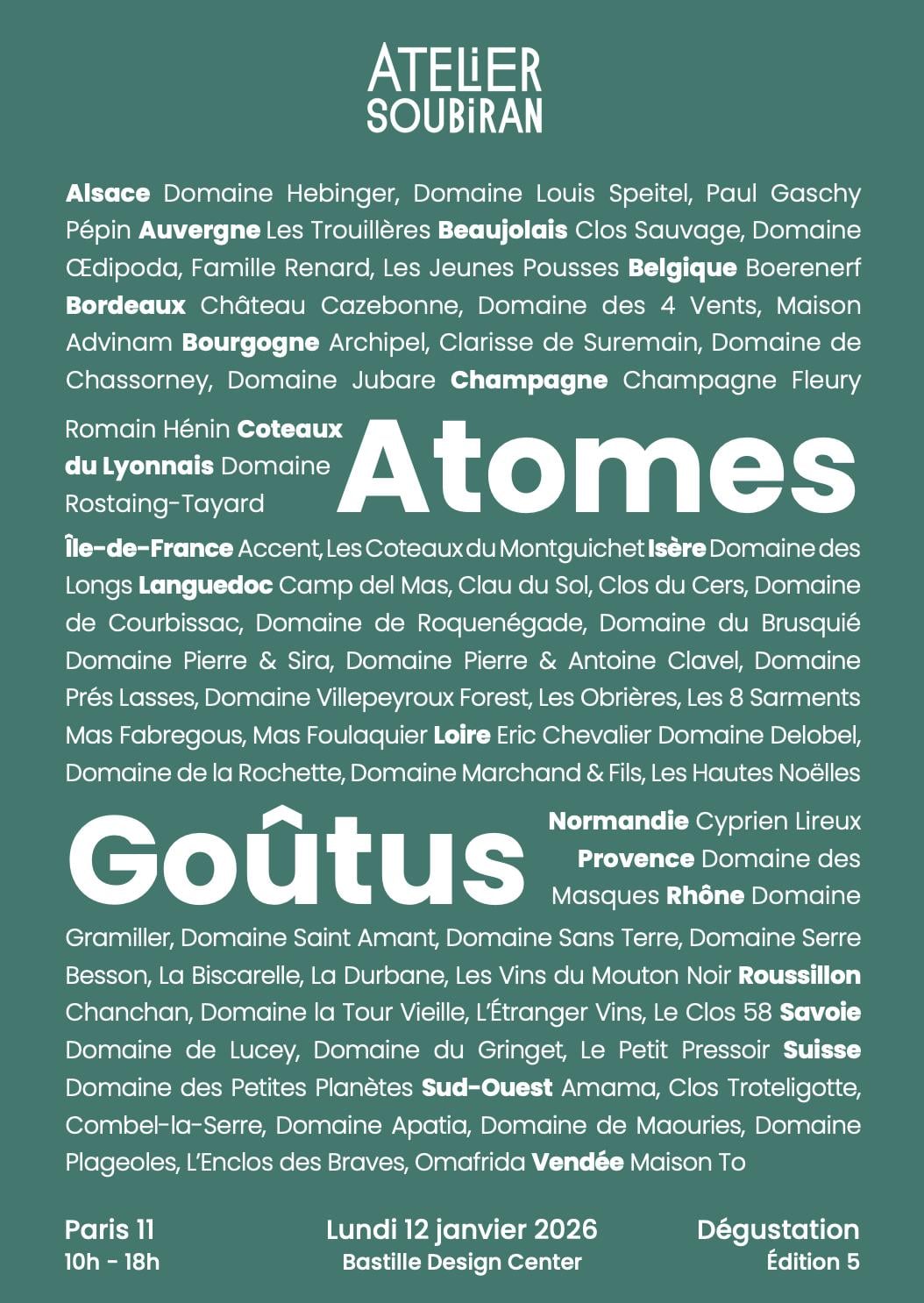
Monday January 12
Paris
6491 KM
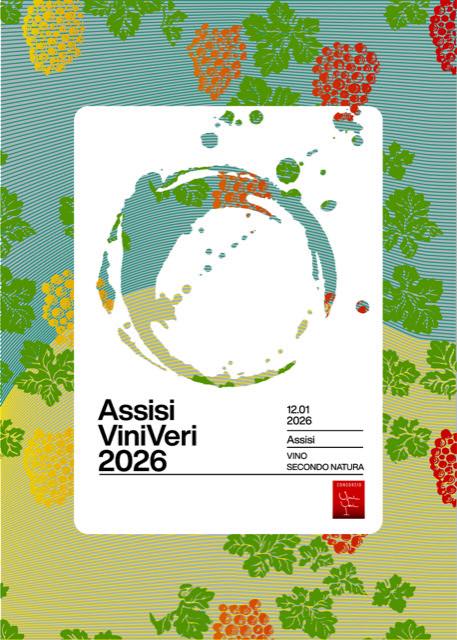
Monday January 12
Santa Maria degli Angeli
7496 KM
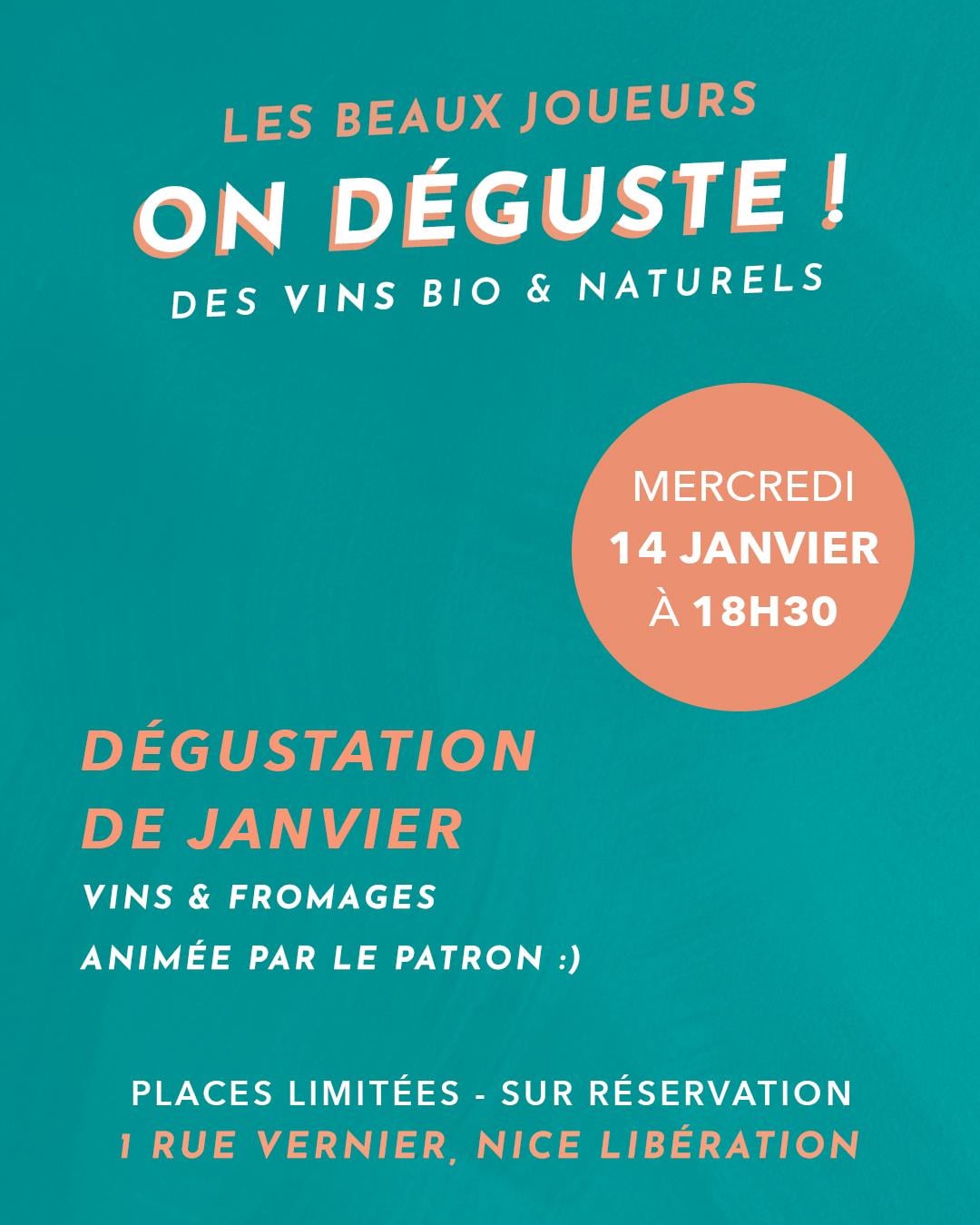
Wednesday January 14
Nice
7096 KM
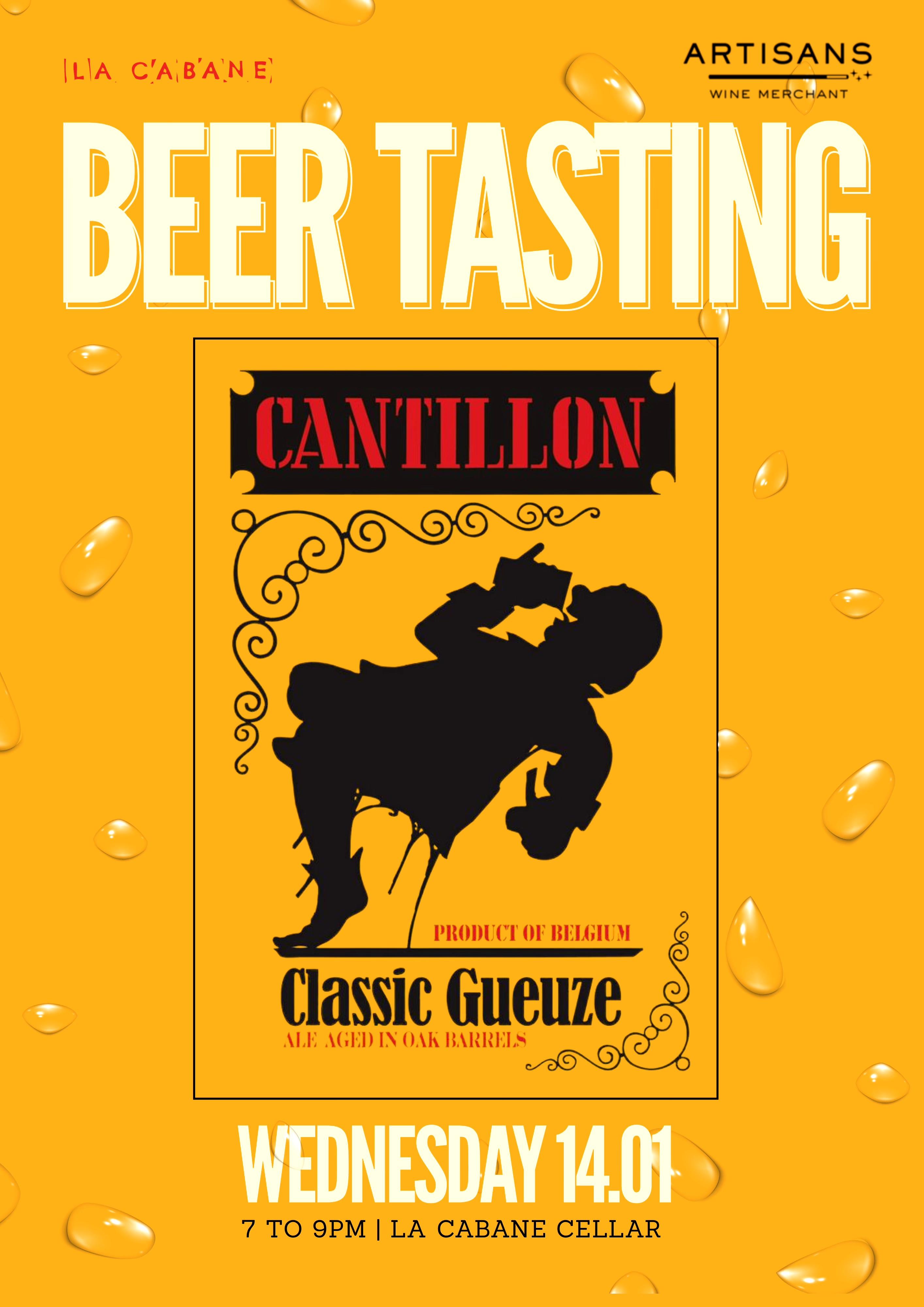
Wednesday January 14
Hong KongChina
12869 KM

Thursday January 15
LyonFrance
6817 KM
Friday January 16 - Saturday January 17
Tábor
7237 KM


 Winemakers
 Restaurants
 Bars
Bars Wine Shops
 Accommodations
 Events