Domaine Labet, Rotalier, Chronicle of a Living Jura
There are estates that make a bold statement, and others that silence the room with a simple whisper. Domaine Labet clearly belongs to the latter category: a soft, joyful, and remarkably precise voice that makes heads look up and glasses rise. In the cool valley of Rotalier, in the southern Revermont region, the Labet family hasn't just planted vines; they've sown a way of being in the world, a human-scale viticulture, a winemaking process based on listening, and a tenacious attachment to detail and to the land. The result: wines that seem to speak the language of the terroir in the present moment, with clear diction, vibrant energy, and delightful refinement.
This portrait is not a dry inventory. It's a journey. We wander through the vineyards, descend into the cellar, taste, compare, and marvel. We meet a family: Julien, Charline, and Romain, who took over from Alain and Josie, refining the momentum without breaking it. Above all, we see how a mosaic of micro-plots can become a true language. And we understand why words sometimes overused—"plot-by-plot," "topping up," "mass selection," "indigenous yeasts"—reclaim their full power here, because they are experienced, patiently, vintage after vintage.
- One family, one village, one continuity
- The South Revermont: blue marls, Bajocian limestone, slope breeze
- A balanced viticulture: organic, patient, tenacious
- The wine cellar: the music of time, not pyrotechnics
- The whites with ooze: Labet grammar
- Blended wines, the gateway
- The parcels, precision down to the scalpel
- The reds: finesse first, depth second
- Wines aged under a veil of flor: the other side, the same high standards
- Sweets and bubbles: indulgence well kept
- Vintages & readings of the vintage (educational approach)
- Service, agreements & custody: the user manual that hits the mark
- Why the Labet family fascinates (and reassures)
- Focused parcels, mini-portraits of places
- Transparency & labels: education is good
- Visit, taste, understand
- For sommeliers & wine merchants: how to tell your customers about Labet
- A short FAQ without jargon
- For geeks (and curious amateurs)
- Why the Labet style appeals to lovers of “living” wines
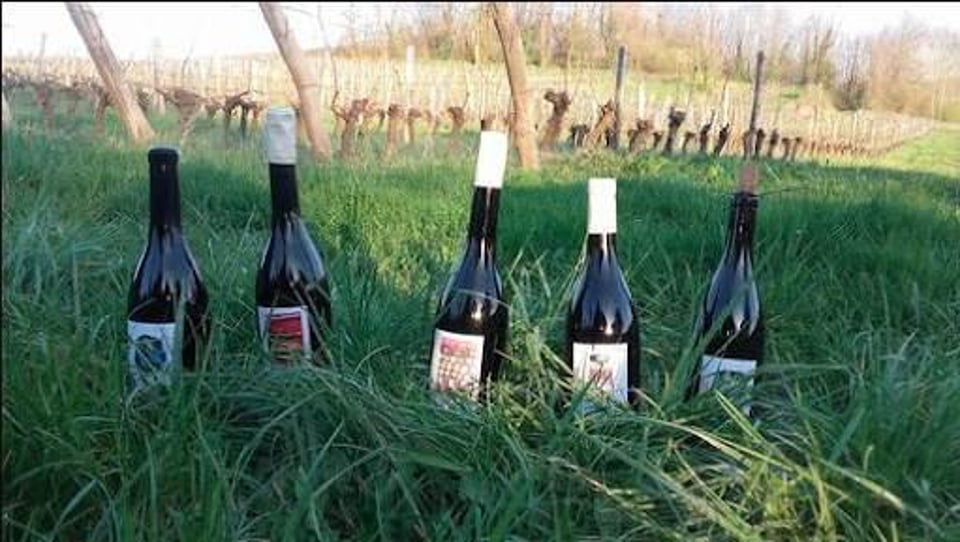
- Three tasting experiences to enjoy at home (5 bottles, 5 themes)
- A word about scarcity: patience, respect, sharing
- What Domaine Labet says about the Jura region today
- Quick guide to vintages (smart cheat sheet)
- A gourmet itinerary around Rotalier (because you never drink alone)
- In summary (but without simplifying)
- So, what do we open now?
- Final word
1) A family, a village, a continuity
The story begins simply: a couple, Alain and Josie, in the 1970s, determined to make something good with little, in a still relatively unspoiled Jura region . Over time, Alain established himself as a pioneer of topped-up white wines: these wines are aged without a veil of yeast, regularly topped up, to express the purity of the fruit and the terroir. At Rotalier, the guiding principles became clear: work cleanly, respect life, listen to the old vines, and avoid imposing formulas.
Then came the children. First came Julien, who started in 2003 with a few hectares, developing the concept, refining the techniques, and producing numerous single-vineyard wines. Charline and Romain naturally followed in this footsteps of precision. In 2013, the merging of the family plots and Julien's into a single entity clarified everything: one team, one vision, one vineyard: approximately 13 to 14 hectares, spread across 45 plots, located in several communes around Rotalier.
The word "garden" is not a mere flourish. It speaks to the method: working as one gardens, that is to say, observing, anticipating, delaying when necessary, and daring when it's right. Here, we don't cultivate a brand, we cultivate places named after them: La Bardette, En Chalasse, Les Varrons, Les Champs Rouges, La Reine, En Billat, Le Monceau… Each name resonates like a landmark, a small chapter in a larger book.
2) The South-Revermont: blue marls, Bajocian limestones, slope breeze
The South Revermont is the southern, verdant part of the Jura vineyards. The geology here is a vibrant tapestry: blue and grey marls of the Lias period, Bathonian and Bajocian limestones, decalcified clays, scree, chert… in short, soils with diverse personalities. The landscape is gently rolling: hillsides facing east or west, small plateaus, and sheltered hollows. Altitude plays a significant role, ranging from 230 to 350 meters depending on the plot, resulting in slow ripening and temperature variations that contribute to the wines' freshness.
This patchwork is not only charming; it provides structure. The Chardonnays grown on deep marl soils take on a chalky, saline, sometimes almost smoky character as they ripen further. The Savagnins stretch out like bows, with the noble bitterness that defines the varietal. The reds—delicate Poulsard, lively Trousseau, precise Pinot Noir, and a touch of Gamay—gain in directness and drinkability, without losing any depth.
3) A balanced viticulture: organic, patient, tenacious
The company's specifications can be summed up in a few lines, but they require ironclad discipline:
- Certified organic : soil cultivation, controlled grass cover, low doses of copper and sulfur, and herbal teas (nettle, horsetail, willow, etc.) as a boost. The rows aren't "clean" like a parking lot; they're alive.
- Mass selection : old vines, sometimes a century old, are not clones but a population. This makes the wine more complex, yes, but above all it protects the vineyard against risks: diversity = resilience.
- Reasoned yields : variable depending on age, vintage, plot; we prefer to lose ten hectoliters and gain in precision.
- Hand-harvesting : no negotiation on that; it's the starting point for everything else.
The key isn't orthodoxy, it's balance. You can be demanding without being dogmatic, firm without being rigid. Here, we don't fetishize "zero" anything; we seek the right balance: minimal inputs, maximum care. Sulfur? A little if necessary, certainly not if it's unnecessary. This pragmatism, far from weakening the narrative, lends it credibility. The wines are clean, precise, stable, and vibrant.
4) The wine cellar: the music of time, not pyrotechnics
Entering the cellar, one understands: it's a place of timelessness . Fermentation is spontaneous , driven by the indigenous yeasts of each plot. Aging takes its time: 12 to 24 months for most of the wines, sometimes much longer for certain Savagnins, and of course, a very long aging under a veil of yeast for Vin Jaune. The barrels? Old casks (most often 228 liters), no noisy new oak, but vessels that breathe and gently impart their character.
- Oiled : replenished every week, they retain their chiseled shape, their straightness, their light. They are the beating heart of the estate.
- Under the veil : another score, spicier, deeper, a definite Jura signature.
- Without fining, often without filtration : letting the grain through, not the turbidity.
- Minimal sulfur : a safety net, not autopilot.
The winemaker here doesn't " manufacture ." He nurtures . He chooses the silences, the pauses, the breathing. He lets gravity do its work, rarely racks, and makes few changes. And when bottling comes, often in the spring with the wine cold, the aim isn't to "clean" the character; it's simply dressed.
5) Whites with ooze: Labet grammar
If an emblem is needed, it is these: the topped-up Chardonnays and Savagnins . They make no noise, they make space. Space for the soil, for the light, for the sap.
5.1 Blended wines, the entry point
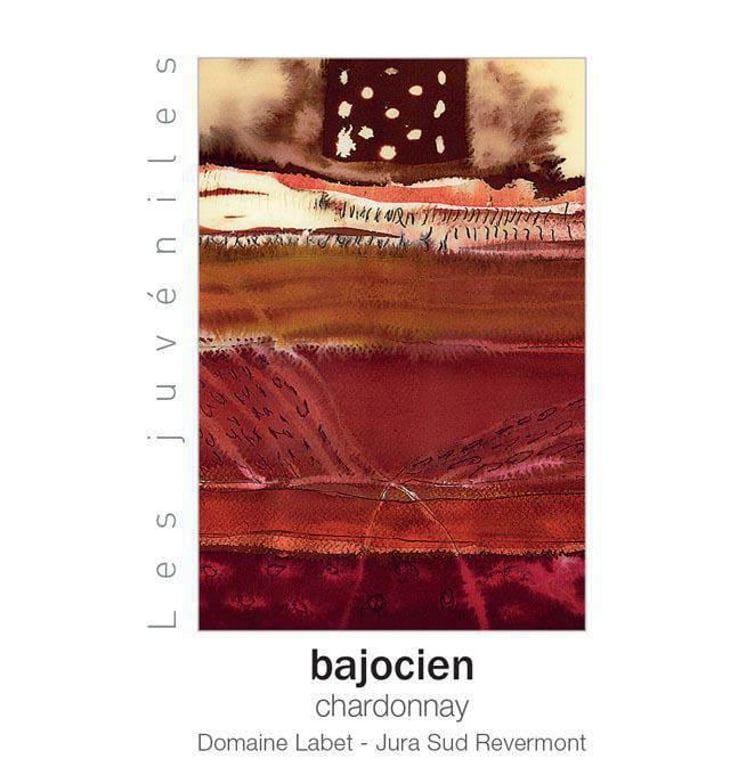
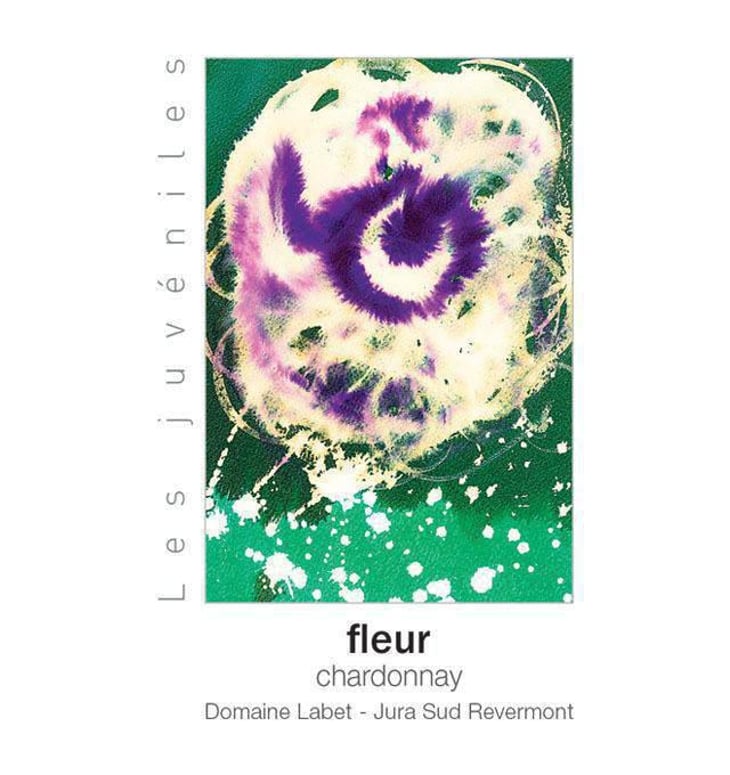
- Fleurs (Chardonnay) : several plots on Lias marl, vinified separately and then blended. The idea is not to dilute; it's to compose. The signature "blue marl" character is evident: soft texture, delicate salinity, ripe citrus, and a lingering finish.
- Fleur de Savagnin : same principle, different accent. Yellow citrus, light gentian, invigorating and noble bitters, a taut, wire-like structure. Ideal for understanding what Savagnin can express without pretense .
These two wines are key. They demonstrate the approach: clean ripeness, gentle extraction, respectful aging. It's not about showing off, it's about clarity.
5.2 Parcel divisions, precision down to the scalpel
The estate comprises numerous micro-plots, sometimes ranging from 15 to 80 ares, and each one tells a story of a place. One doesn't drink " a Chardonnay from the Jura ," one drinks Les Varrons , Les Champs Rouges , En Billat , La Bardette , En Chalasse , La Reine , Le Monceau …
- Les Varrons (Chardonnay) : ancient plant material, east-facing exposure, decalcified clays on Bathonian/Bajocian faults. Clean attack, satiny mid-palate, saline finish. A touch of Burgundy in structure, but with Jura vibrancy.
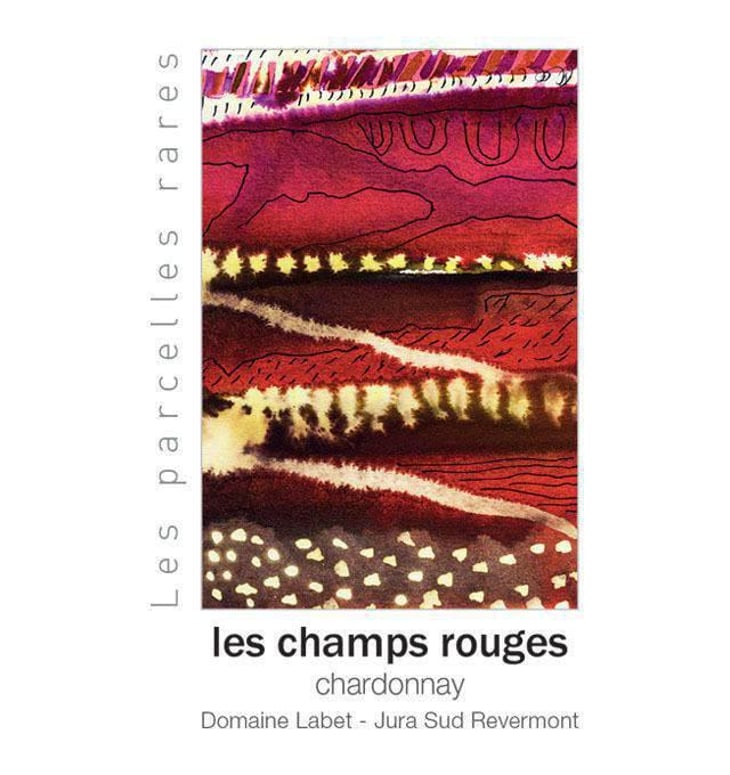
- Les Champs Rouges (Chardonnay & Melon à Queue Rouge) : sloping plateau, thin layer of red clay on a limestone slab. Sunnier on the attack, stonier on the finish; a wine that unfolds broadly, then tightens.
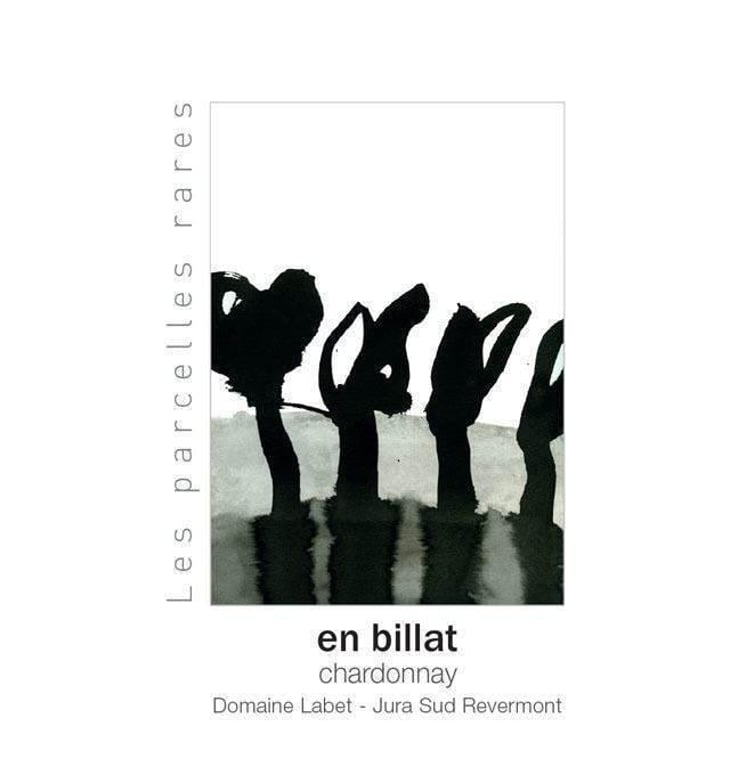
- En Billat (Chardonnay) : old vines (1898/1940), marl in cardboard schist. Chisel and depth, a delicious paradox: flesh and nerve.
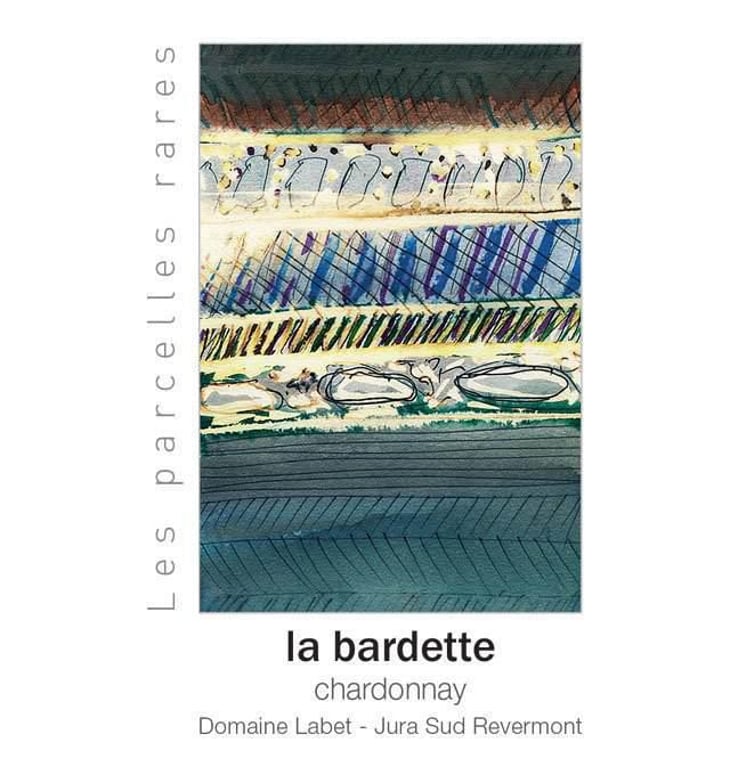
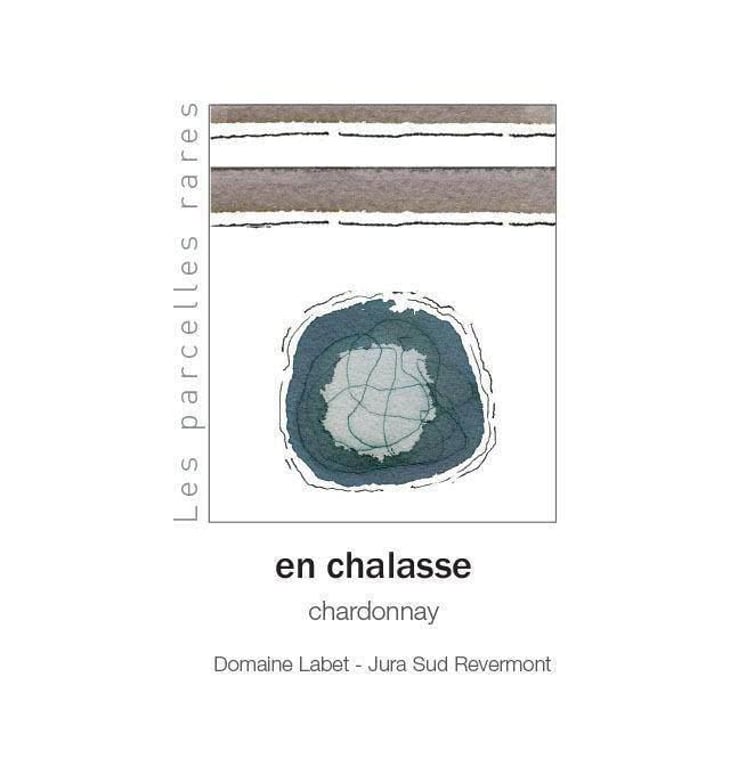
- La Bardette / Le Monceau / En Chalasse (Fleurs de Marne) : a trilogy of massal Chardonnays grown on Lias marl. La Bardette for its mouthwatering precision, Le Monceau for its generous, wind-protected character, and En Chalasse for its broader vibrancy and sensation of damp stone.
- In Chalasse (Savagnin) : one of the signatures. Savagnin with a crisp, broad, and direct character, almost architectural. Noble bitterness (zest, gentian, fresh walnut skin), luminous depth.
These plot descriptions aren't just gimmicks. They're tools for understanding . At the table, you can pour Les Varrons and Les Champs Rouges side by side and demonstrate how 200 meters and a different soil type can make all the difference, even with the same grape variety . You can taste En Chalasse, first as Chardonnay and then as Savagnin, and grasp the impact of the grape variety in the same location . It's fascinating, and it's delicious. A double win.
6) Reds: finesse first, depth second
Jura red, when well made, has this magic: it retains the drinkability of a good friend while speaking seriously when you listen to it.
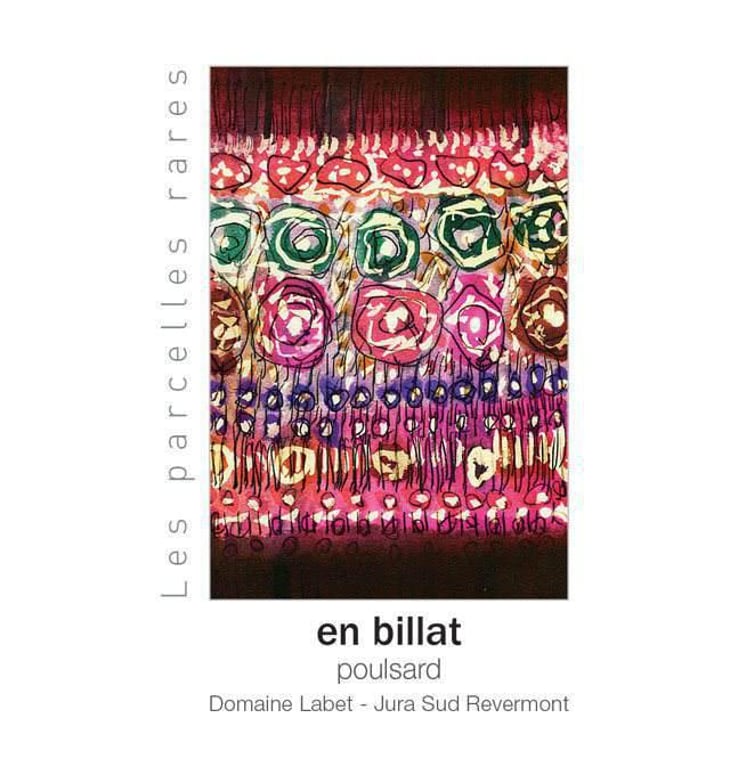
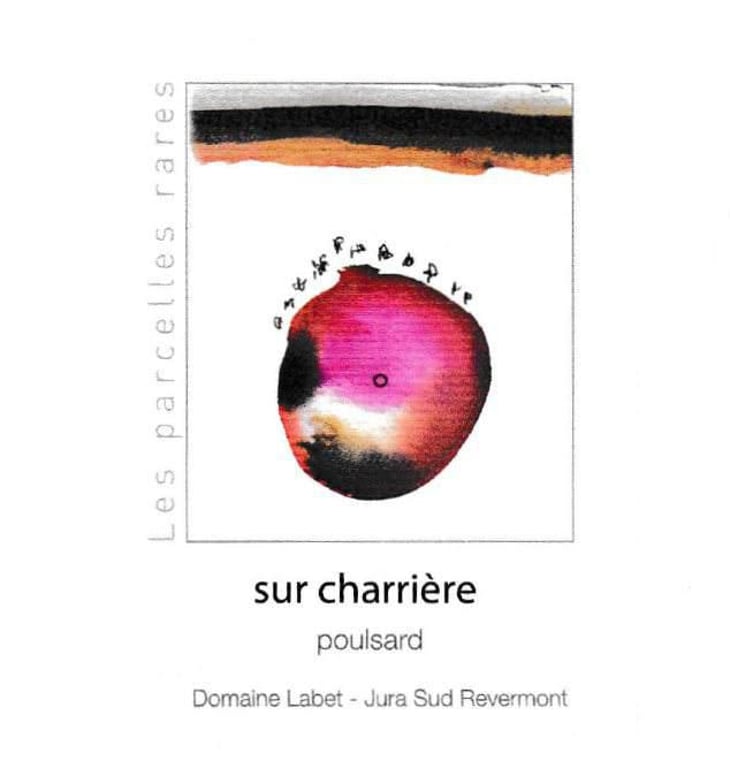
- Poulsard (Sur Charrière, Le Pré du Bief, En Billat): pale color, nose of pomegranate, wild strawberry, peony, sometimes a touch of anise. Light but not thin on the palate, powdery tannins, great ability to sustain sips.
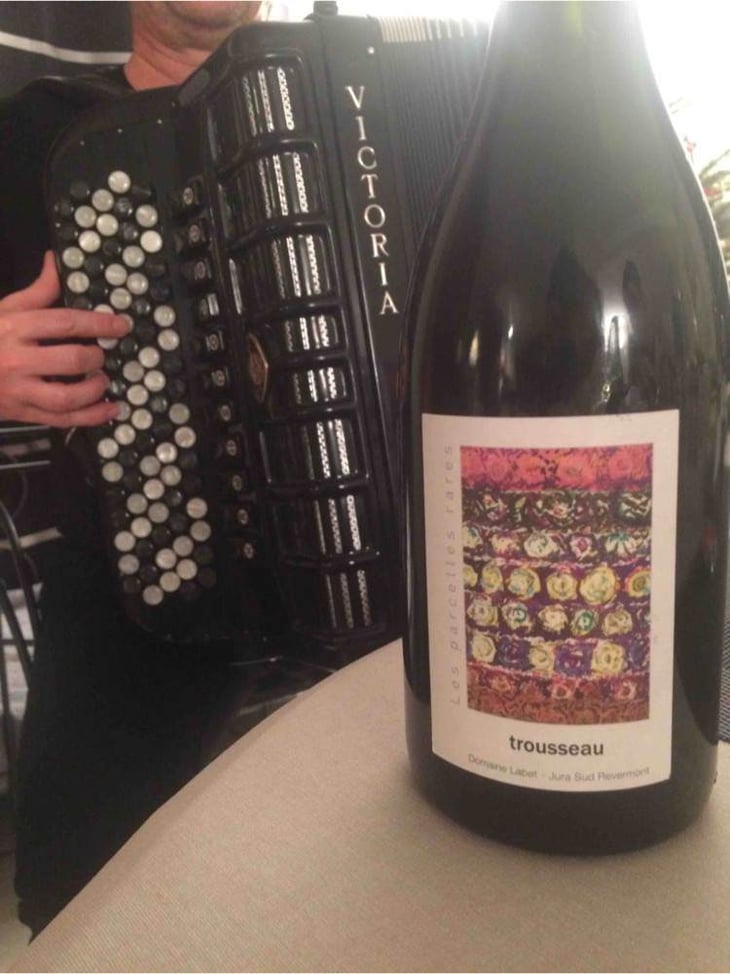
- Trousseau (Le Pré du Bief, En Chalasse): crisp black fruits, violet, mild pepper, juicy length. Needs a little aeration to open up, then becomes expressive.
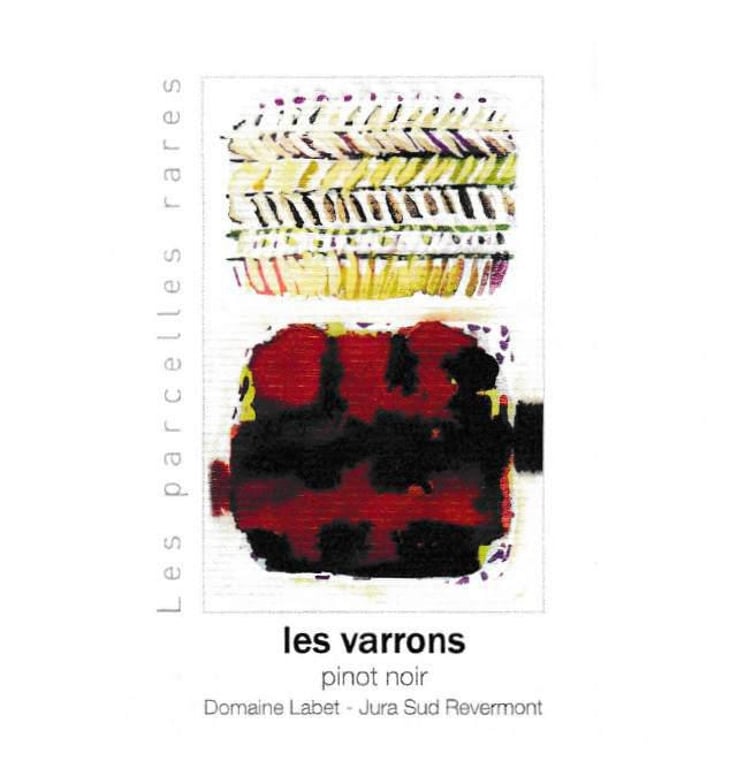
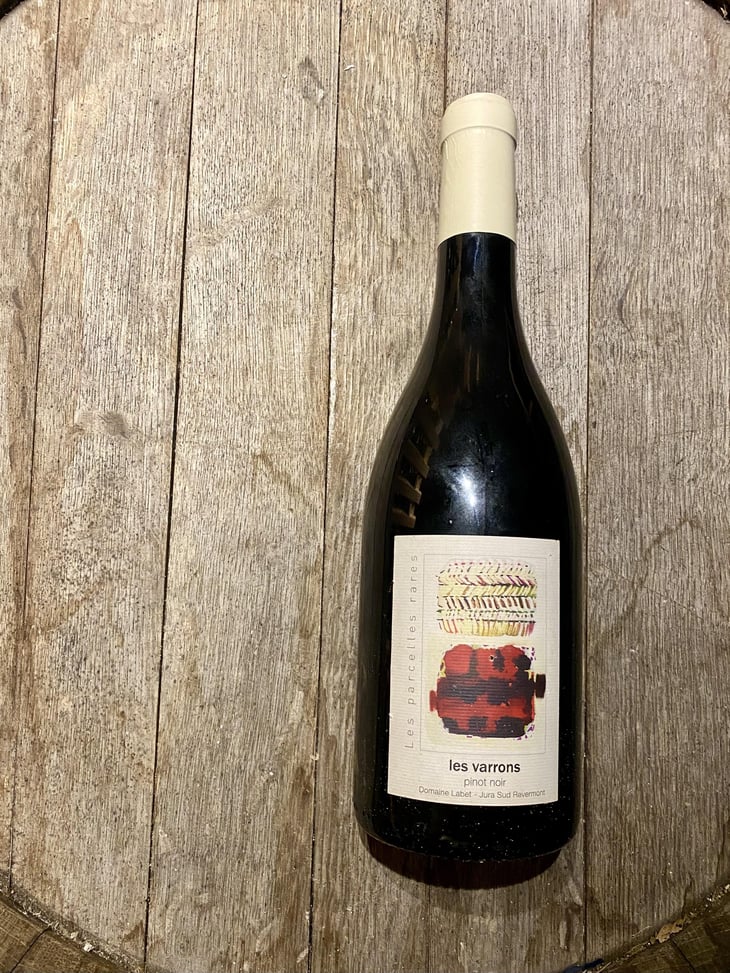
- Pinot Noir (Les Varrons) : straightforward, precise, with a very fine grain. A Pinot Noir "in the Jura style": fresh, elegant, with no jammy notes.
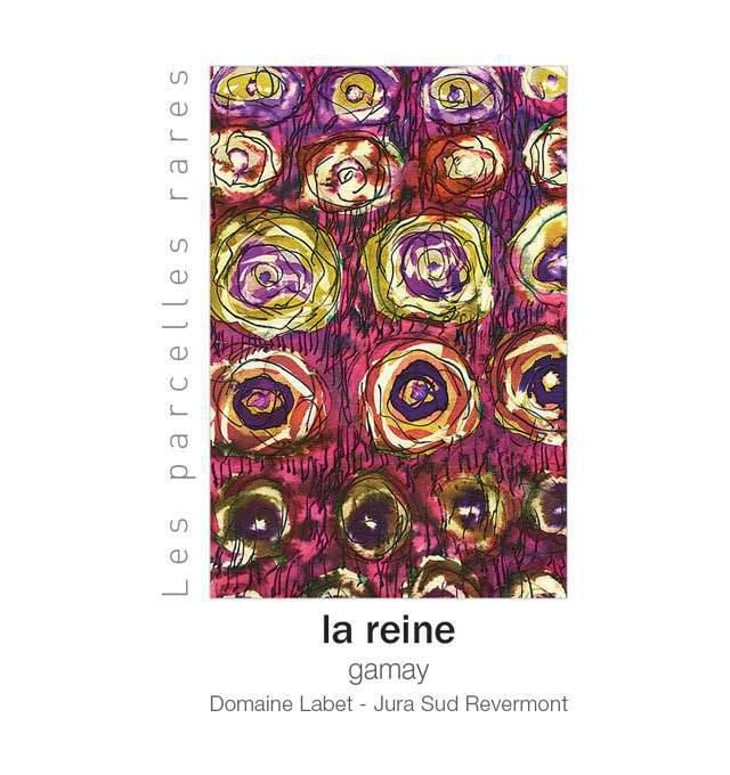
- Gamay (La Reine) : a delightful, juicy, spicy, straightforward wine, perfect with charcuterie and gratins.
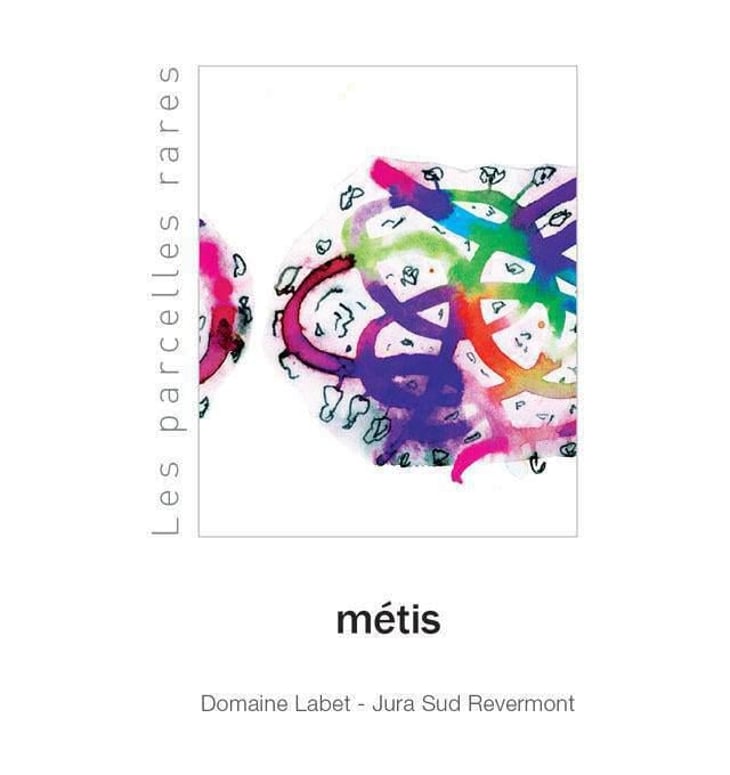
- Métis : a blend of equal parts Poulsard, Pinot Noir, and Trousseau. Each grape variety is vinified separately and blended just before bottling. The wine of happy consensus: luscious, vibrant, floral, a common thread that links the estate's red wines.
Consistency? Steadiness . Even in sunny vintages, the wine retains its structure. Even in cooler years, the fruit remains ripe. This is the benefit of precise viticulture and delicate extractions: no need for embellishment.
7) Wines under a veil of flor: the other side, the same requirement
Because the Jura region would be incomplete without them, the Labet family also produces wines under a veil of yeast : Chardonnays, Savagnins, blends, and even Vin Jaune. The principle: not to top up the wine, allowing a veil of yeast to form on the surface in barrels that aren't completely full, and letting time develop its aromas. Hazelnut, walnut, mild curry, blond spices, balsamic notes: a familiar array, but here handled with finesse.
- Chardonnay under a veil of yeast : depth, breadth, a smooth, patinated finish, very gastronomic.
- Cuvée de Garde (Chardonnay/Savagnin) : 20 to 30% Savagnin depending on the vintage. A superb combination of Chardonnay's body and Savagnin's backbone.
- Cuvée du Hasard : the finest veils of Chardonnay, long aging; the kind of bottle that makes the table talk more than the life of the party.
- Savagnin de voile : the clear blade in the structure, an enlightened classicism.
- Vin jaune : time as a compass (75 months and more in old barrels). A yellow wine focused on purity rather than aromatic overload: great distinction.
Here again, Labet's style is evident: never heavy-handed , always refined, with clean balances. Jura cuisine applauds, but not only that: characterful cheeses, vegetable curry, well-aged Comté, poultry in cream sauce, the table is illuminated.
8) Sweets and bubbles: indulgence kept in check
Because life is too short to deny oneself pleasures:
- Macvin : a historic Jura liqueur (must fortified with marc). At Labet, the marc is made in-house, distilled in an old still, aged in barrels, then blended with the juice. The result: a Macvin that avoids being overly sweet, retains its vibrancy, and is perfect chilled as an aperitif or with a dark chocolate dessert.
- Passerillés (Passerillé d'Ambre, La P Perdue): grapes dried on straw, in the traditional way, for many months. Slow fermentations, infinite patience, fine results: fruit liqueur, notes of fig and dried apricot, a hint of rancio for Ambre (not topped up), more freshness for La P Perdue (topped up).
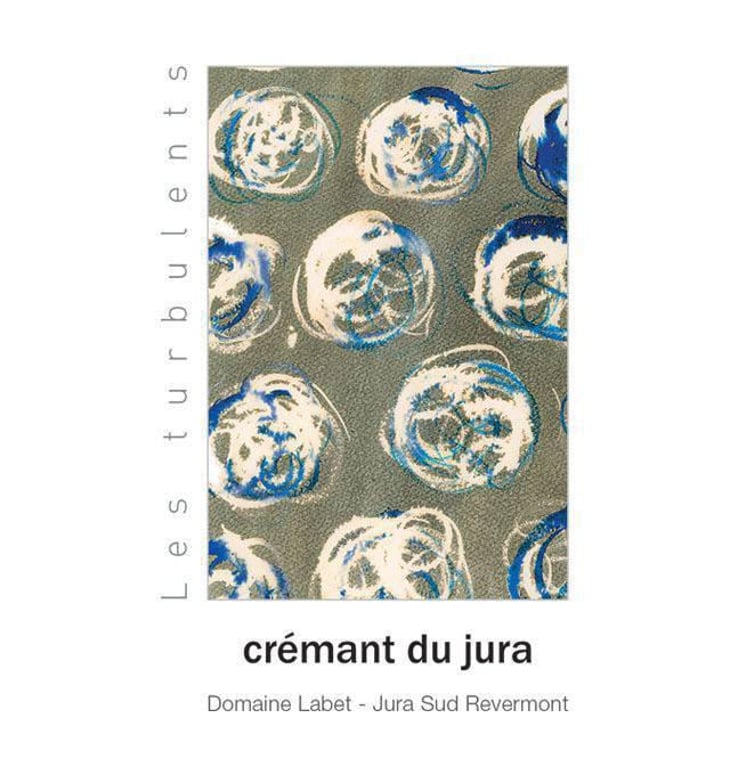
- Crémants (white and rosé): traditional method, secondary fermentation in the bottle, aging on lees. Low dosage (extra-brut or brut nature), Chardonnay base for the white, predominantly Pinot Noir for the rosé. Bubbles that don't overwhelm; they awaken .
9) Vintages & readings of the vintage (pedagogical approach)
Each vintage is a book; some pages are brighter, others more subdued. The important thing is knowing how to read it. At Labet, the structure is always clear; the variation lies in the breadth and the aromatics.
- Cool years : increased tension, chiseled acidity, bright fruit (citrus, green apple), marked salinity. Chardonnays seem more linear, Savagnins more vertical, reds more vibrant.
- Sunny years : generous ripeness, yellow fruit, sometimes a more pronounced natural richness; but the winemaking and viticulture maintain the focus. The reds gain in body without losing their drinkability.
The key takeaway: never judge a vintage in isolation , and taste each plot individually. In a warm year, Les Champs Rouges might seem even more refined; in a cool year, Les Varrons will reveal an added touch of elegance. This is the beauty of an estate with multiple vineyard sites: you can create your own perfect pairing for each vintage and your mood.
10) Service, agreements & custody: the user manual that hits the mark
Temperatures
- Topped whites: 10–12 °C when opened, let rise gently.
- White wines under a veil of yeast & Vin Jaune: 13–15 °C, not chilled!
- Reds: 14–16 °C, slight cooling in summer.
- Bubbles: 8–10 °C, without freezing the aromatic soundtrack.
- Sweetness: 10–12 °C, to avoid heaviness.
Aeration
- White single-vineyard wines: a gentle decanting can do some good (20–30 min).
- Reds: do not hesitate to decant young trousseaux and pinots (30–45 min).
- Veil & yellow: small, careful decanting, or simply wide glasses.
Agreements
- Fleurs (Chardonnay) : trout meunière, pike quenelles, sweet tomme cheese, lemon risotto.
- Fleur de Savagnin : sushi, ceviche, asparagus, mild Thai cuisine, aged Comté cheese (signature pairing).
- Les Varrons (Chardonnay) : roast poultry, morels in cream sauce, gnocchi with brown butter and sage.
- Les Champs Rouges : roasted monkfish tail, seared scallops, lemon/olive tagine.
- In Chalasse (Savagnin ouillé) : yellow vegetable curry, mature cheeses, chicken in yellow wine (yes, even without a veil: the pairing works by resonance of aromas).
- Poulsard : fine charcuterie, margherita pizza, roasted vegetables, tomato fondue.
- Trousseau : grilled veal chop, lamb tagine, roasted butternut squash.
- Pinot Noir : pink duck breast, beef tataki, sautéed mushrooms.
- Cuvée de Garde / voiles : Comté cheese aged 24–36 months, cauliflower curry, vanilla lobster, morels in cream.
- Vin jaune : the legend: Comté cheese, but also try the chicken with tarragon, the hot oysters, the turbot with beurre monté.
- Macvin : dark chocolate tart, Roquefort cheese, melon and cured ham (as an aperitif).
- Passerillés : blue cheese, tarte Tatin, candied fruit cake.
- Crémant : gougères, seafood, vegetable tempura.
Guard
- Small parcels of topped whites: 8–12 years without forcing, longer for large marls.
- Savagnin ouillé: 10–15 years with superb development.
- Reds: 5–8 years for immediate fun, 10 on serious keychains.
- Sail & yellow: 20 years and older, obviously.
- Sweetness: a joyful decade, more if things go well.
- Macvin: timeless in a cool cellar.
- Crémant: 2–4 years to retain its liveliness, although some gain in complexity.
11) Why the Labet family fascinates (and reassures)
Because everything seems to be in its place . The aesthetic is clear, but it's the ethics that underpin it. They don't chase trends; they forge their own path. The estate does what the Jura does best: hold opposites together . Wines that are both luminous and profound, luscious and serious, immediate yet capable of aging. A style that, in today's world, brings peace: no grandiloquence, no artificial brilliance, no overdone aromas. Just fruit, place, and time.
Add to that the intelligence of the plot. Nothing is more concrete than letting a place speak for itself. It is educational (we learn by drinking), it is emotional (we become attached to a place name as to a character), and it is collectively useful: it values agricultural diversity, encourages the preservation of old vines, and invites the public to see viticulture as something other than a grape variety factory.
12) Parcel plots in focus, mini-portraits of places
- La Bardette (Chardonnay – Fleur de Marne) : gentle west-facing slope, fine blue clay over limestone. Straightness and salinity. The "tuning fork" wine.
- Le Monceau (Chardonnay – Fleur de Marne) : small, warm, sheltered basin. Ample, textured, with appetizing yellow fruit and a tonic finish.
- In Chalasse (Chardonnay and Savagnin) : deep blue marl, geodes, southwest exposure (Chardonnay) or south exposure (Savagnin). The key word: vibration .
- Les Varrons (Chardonnay & Pinot Noir) : east-facing slope, ochre/red clay, fault line. Understated elegance; well-crafted wines.
- Les Champs Rouges (Chardonnay & Melon à Queue Rouge) : an airy plateau, red clay on a slab. The Chardonnay takes flight, without losing its course.
- In Billat (Chardonnay, Poulsard) : schist, higher altitude. The fine line, the tight grain.
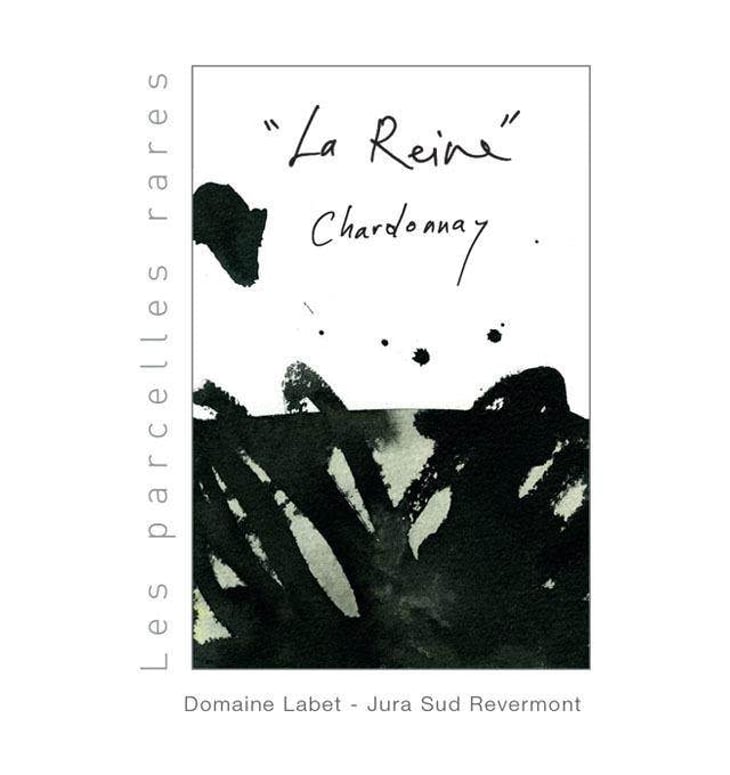
- La Reine (Chardonnay, Gamay) : northwest exposure, red clay and silica: intrinsic freshness, juiciness.
These places are like characters; you recognize them by their voice. And the more you experience them, the more you learn to hear them.
13) Transparency & labels: education is good
The Labet winery likes to explain . The back labels often include technical data (plot, soil, planting, aging, total sulfur, etc.). This isn't a fetish for numbers; it's a way of inviting the drinker to truly understand their wine. At a time when communication hides behind empty adjectives, this transparency feels like an open window.
14) Visit, taste, understand
The estate welcomes visitors by appointment only . This isn't snobbery, it's realism: when you're a winemaker, you're often out in the field or in the cellar. Saturdays are often preferred for group tastings, because a proper tasting takes time (allow two hours if you do it right). And frankly, you'll want to ask questions.
Practical advice: come with curiosity, not in a hurry. Taste a wide range of wines, take notes. If you can, compare two Chardonnay plots (for example, Les Varrons vs. Les Champs Rouges), then a topped-up Savagnin, then a veiled Savagnin. You'll leave with a compass.
- The plot-based approach as a teaching method : " We taste a place, not just a grape variety. " It's concrete and it makes the customer an active participant.
- Topped up vs. under a veil : compare the two styles on the same grape variety (Chardonnay). Guaranteed " aha " effect.
- Old vines & massal selection : talk about diversity, not nostalgia. Explain agronomic resilience and aromatic complexity.
- Gastronomy : prepare two clever pairings (Savagnin ouillé + mild Asian cuisine; single-vineyard Chardonnay + morels). Your customers will come back to recreate the pairing at home.
- Clear ethical practices : organic, minimal inputs, hand-harvested, long aging. Explain that this is what gives the wine its crispness on the palate.
16) Short FAQ without jargon
- What is an "ouillé" wine? It's a wine aged in oak barrels that are regularly topped up to prevent oxidation and the formation of a yeast film. The result: purity of fruit and soil, tension, and precision.
- And what about a wine "under a veil"? You don't top it up . A veil of yeast forms on the surface, protecting the wine while giving it notes of walnut, curry, spices, and Comté cheese. It's the other side of the Jura.
- Why so many cuvées? Because each plot tells a story. The plot system is a geography to be savored . If that seems daunting, start with Fleurs (Chardo) then Fleur de Savagnin; then delve into the specific vineyard sites.
- Can I keep the white wines? Yes. Large, topped-up vineyards age well (8–12 years and more), Savagnins even more so. Keep them cool and away from light.
- And the reds, are they light? Jura isn't the caricature of a "boastful wine": here, it's all about structured finesse . Powdery tannins, a fresh finish. Magnificent at the table.
17) For geeks (and curious amateurs)
- Indigenous yeasts : a leavening agent of place rather than an industrial standard; fine variation from one plot to another.
- Total sulfur : low, sometimes zero at bottling depending on the cuvée and vintage; the objective is not "zero at all costs", it is accuracy .
- Filtration : rarely. What you see is what you drink.
- Wood : always old; oak is a container , not a taste.
18) Why the Labet style appeals to lovers of “living” wines
Because these are joyful wines that don't compromise on rigor . Life isn't an excuse here; it's a requirement . The bottles are straightforward, easy to drink, and expressive, yet possess a complexity that unfolds layer by layer. You can drink a glass without thinking, or you can spend two hours pondering a glass. Pleasure doesn't sacrifice thought; thought doesn't diminish pleasure. Where do we sign?
19) Three tasting experiences at home (5 bottles, 5 themes)
“Trigger” Program
- Crémant blanc (extra-brut)
- Flowers (Chardonnay)
- Savagnin Flower
- Poulsard (Le Pré du Bief)
- Trousseau (En Chalasse)
Promise: to understand the home line in 90 minutes flat.
“Marnes en lumière” trail
- Flowers (Chardonnay)
- Les Varrons (Chardonnay)
- Les Champs Rouges (Chardonnay)
- En Billat (Chardonnay)
- In Chalasse (Savagnin ouillé)
Promise: to feel the transition from soil to mouth, with the same grape variety.
“Two Faces of the Jura” Trail
- Les Varrons (Chardonnay, topped up)
- Chardonnay under a veil of yeast
- Cuvée de Garde (Chardo/Savagnin)
- Vin jaune
- Macvin
20) A word on scarcity: patience, respect, sharing
Yes, some vintages are hard to find. No, it's not a marketing strategy; it's the logical consequence of a human-scale estate, old vines in tiny plots, and meticulous work in the cellar. The moral of the story: buy responsibly, drink, share, and avoid speculation. Wine tastes better on the table than on an Excel spreadsheet.
21) What Domaine Labet says about the Jura region today
It is neither a museum nor a hype-driven start-up nation. The Jura of today, as seen from Rotalier's perspective, is a patient territory that has taken its time to develop a unique and accessible winemaking style. The Labet family proves that tradition (mass selection, vine training, parcel-based zoning) and modernity (precise mulching, geological analysis, transparency) can be reconciled . They prove that high standards are not austere, but can be joyful . And they prove that a family estate can have a far-reaching influence without compromising its identity.
22) Quick guide to the vintages (smart reference guide)
- Flowers (Chardonnay) : entry key, blue marl, candied lemon, wet stone, saline finish.
- Fleur de Savagnin : yellow citrus, gentian, classy bitters, clear tension.
- Les Varrons (Chardo/Pinot) : straightness and elegance, decalcified clays; in white, superb "Burgundian style with a Jurassian touch".
- Les Champs Rouges (Chardo) : red plateau, vastness and stone.
- In Billat (Chardo/Poulsard) : fine line, tight grain, altitude.
- La Bardette / Le Monceau / En Chalasse (Fleurs de Marne) : three faces of the same family of marls; salinity, width, vibration.
- La Reine (Chardo/Gamay) : northwest freshness, juiciness, controlled carefree spirit.
- Savagnin En Chalasse (ouillé) : clear cut in the flesh, noble bitters, very great table.
- Métis (P+Pn+T) : the blend that smiles, without being saccharine.
- Under a veil / Cuvée de Garde / Hasard / Yellow : blond spices, nuts, depth, the Jura that tells stories by the fireside.
- Macvin / Passerillés / Crémant : the trilogy of unbridled pleasures.
23) Gourmet itinerary around Rotalier (because you never drink alone)
- Cheeses : Comté (different aging processes to play with pairings), Morbier, Bleu de Gex.
- Cured meats & smoked meats : Morteau sausage, smoked shoulder; Poulsard and Trousseau say thank you.
- Morels & mushrooms : in season, it's a mad love affair with Les Varrons.
- River fish : Arctic char, trout; topped-up Chardonnays = obvious choice.
- Mild curry & Asian cuisine : Savagnin ouillé as a surprising (but devilishly effective) ambassador.
This region is an ecosystem : what the local cuisine loves, the wine supports; what the cellar offers, the table embraces. You never tire of it.
24) In summary (but without simplifying)
Domaine Labet is:
- A family that works together, consistently.
- A village , Rotalier, and a South Revermont that can be read bottle after bottle.
- Organic viticulture , patient, without posturing.
- A thriving patchwork of plots that makes sense, not just for show.
- Top-notch, slightly oxidized whites , clear as spring water but deep as a well.
- Fine, juicy, precise reds , never thin.
- Elegant, gastronomic, well-maintained sails , more "conversation" than "demonstration".
- Sweet treats and bubbles that broaden the palette without blurring it.
- Reassuring and essential educational transparency .
- A joyful and demanding style , exactly what we need.
25) And now, what do we open?
If it's your first time: Fleurs (Chardonnay) and Poulsard Le Pré du Bief . You'll have the light and the dance.
If you already know: Les Champs Rouges and En Chalasse (Savagnin ouillé) , the duo that makes you get up from the table to go and get a second bottle.
If it's a special occasion: Cuvée de Garde followed by a Vin Jaune with aged Comté cheese. The Jura region in its wide-angle version.
Whatever you choose, one promise: nothing shouts, everything speaks . And in this noise-saturated world, that is undoubtedly the most beautiful rarity.
Final word
Domaine Labet doesn't need superlatives; it needs ears, eyes, and taste buds. It's an estate of listening . Listening to the soil, the vines, the vintages; listening to the weather; listening to the glass. In return, it offers us wines that don't impose themselves, but rather illuminate . Positive and joyful wines, yes!, but never "blissful": they are joyful because they are true to themselves .
If you enjoy wines that teach you something without lecturing you, that make you want to invite people over rather than stay indoors, then Rotalier is waiting for you. Make an appointment, stroll between the rows, and listen closely. You'll see: the vine speaks, the wine translates, and the Labet family smiles.
Related articles:

 Winemakers
 Restaurants
 Bars
Bars Wine Shops
 Accommodations
 Events