46 2464 8657 KM
" To produce without appropriating, to act without expecting anything, to guide without constraining, this is the primordial virtue " — DAO DE JING, Chap. 51.
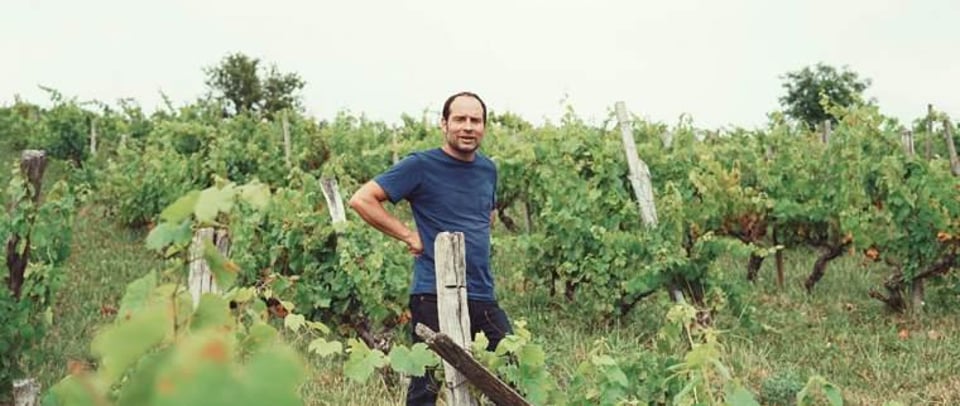
The vineyards are fragmented, in search of the best-known or forgotten terroirs of the Puy-de-Dôme. In 2010, they were mainly spread across Égliseneuve-près-Billom, Chauriat, and Corent. They are mostly old vines with high planting densities (10,000 vines/ha), and the oldest vine is 116 years old.
These vineyards boast astonishing biodiversity, with numerous grape varieties, including Limberger, Mirefleurien, Gamay Fréau, Gamay de Bouze, and many small- and large-berried Gamay varieties. In these times of homogenization, these grape varieties are an invaluable asset.
These vines are cultivated with great respect for nature. The vineyards are grassed over. For treatments, copper and sulfur-based products, as well as fermented plant extracts or herbal teas such as nettle, horsetail, and comfrey, are used to strengthen the vines' natural defenses. No herbicides or synthetic chemicals are used. The majority of vineyard work is done by hand.
The plots are vinified separately to highlight the unique characteristics of each terroir, according to the soil type. Production is achieved through low yields and long extractions to create wines with character.
Respecting the vineyard's flora and fauna allows us to vinify with the indigenous yeasts of each terroir. Intervention during vinification is minimal. With healthy, concentrated grapes, the balance naturally emerges.
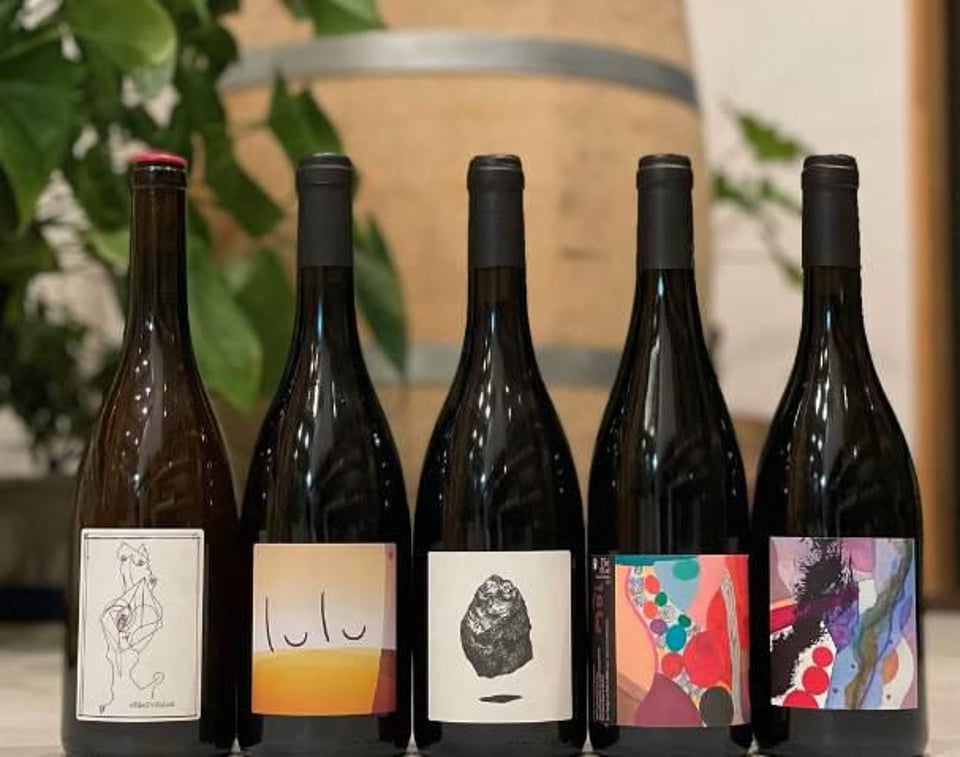
There are no sulfites during vinification or bottling; therefore, these are living wines.
FIND THE EVENT YOU ATTEND

Saturday January 31 - Sunday February 01
Angers
6363 KM
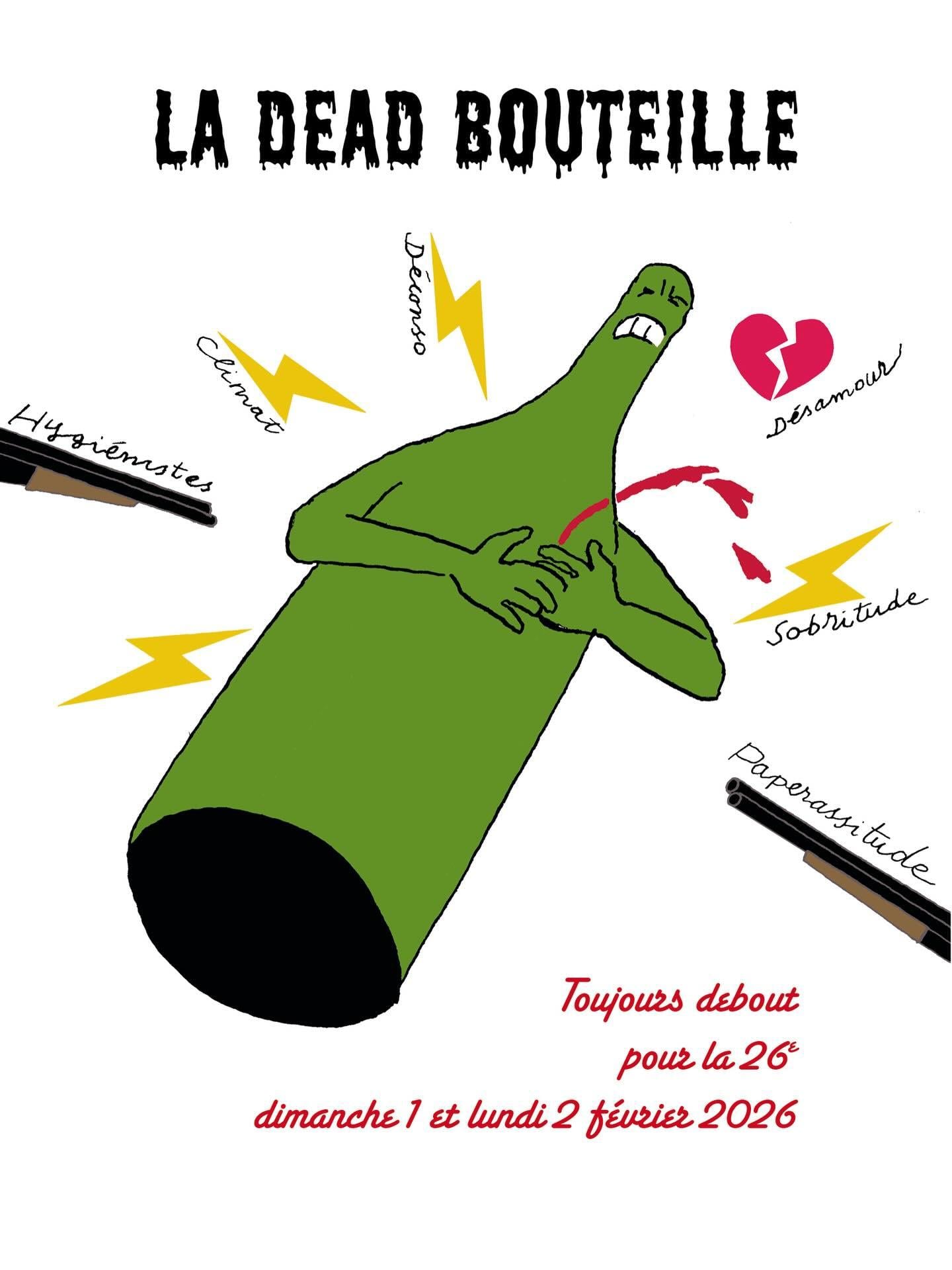
Sunday February 01 - Monday February 02
Saumur
6402 KM
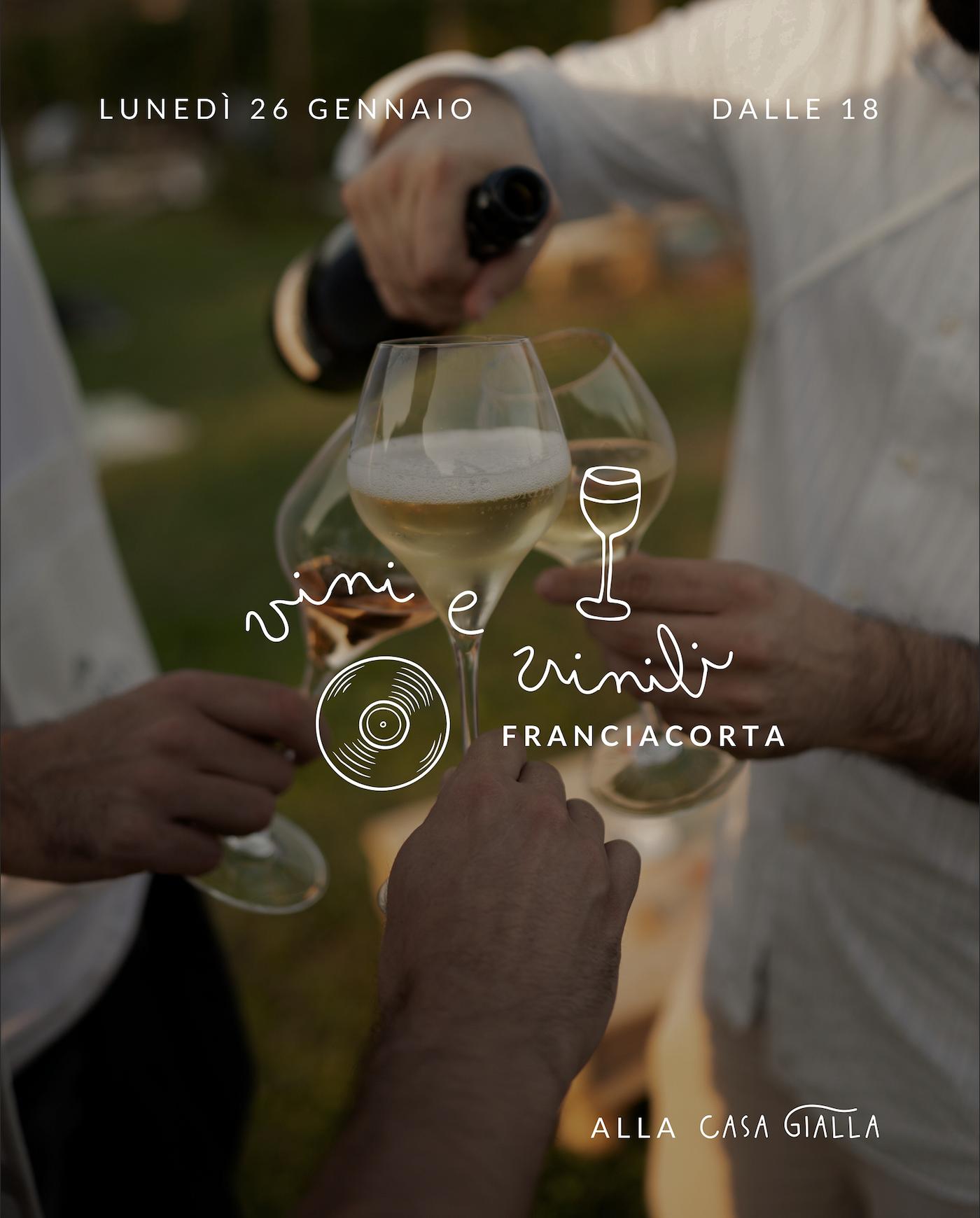
Monday January 26
BresciaItaly
7176 KM

Wednesday January 28
Saint-Jean-de-Muzols
6851 KM

Thursday January 29 - Friday January 30
Les Ponts-de-Cé
6365 KM
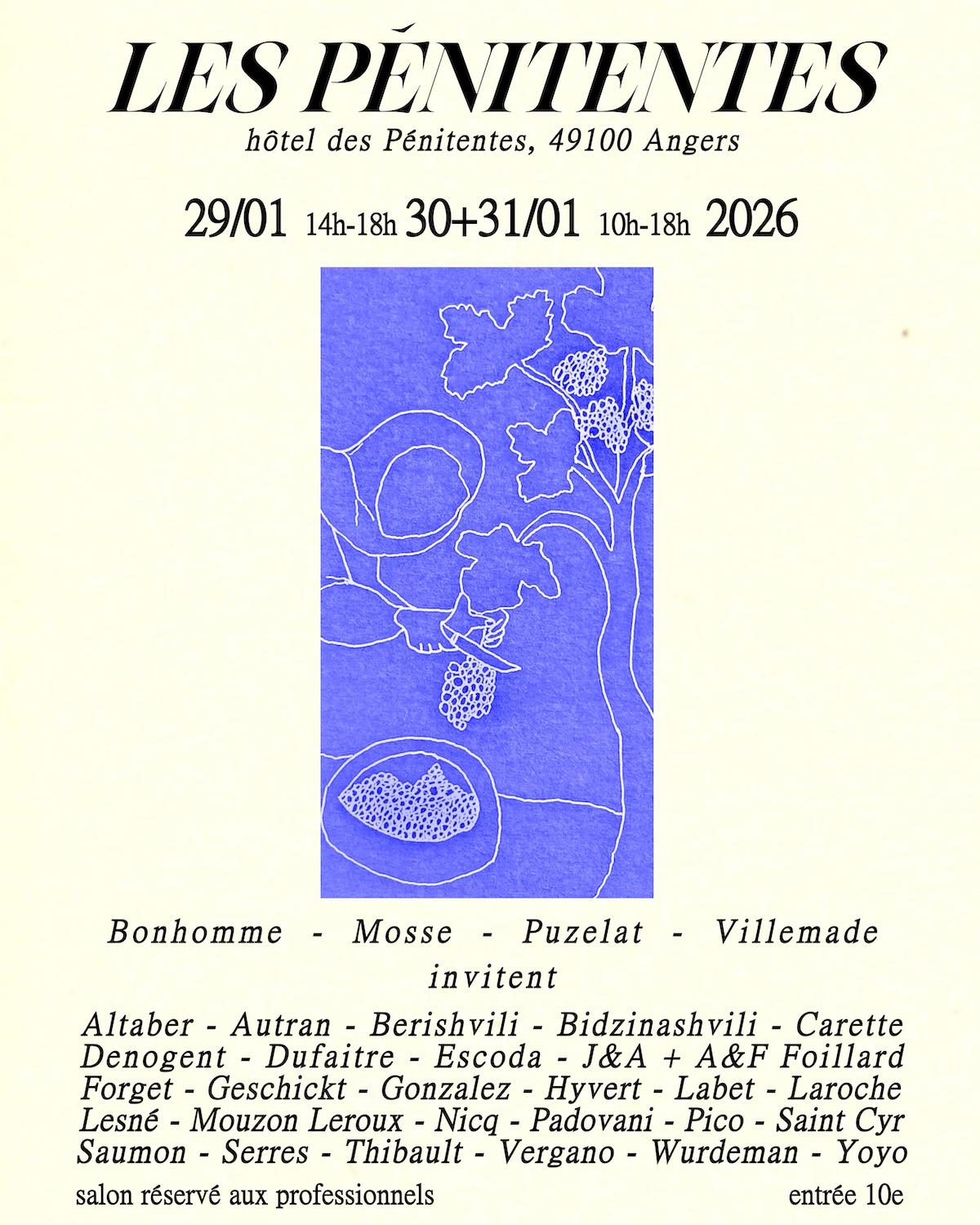
Thursday January 29 - Saturday January 31
Angers
6362 KM

Thursday January 29
Paris
6489 KM

Thursday January 29
NiceFrance
7097 KM
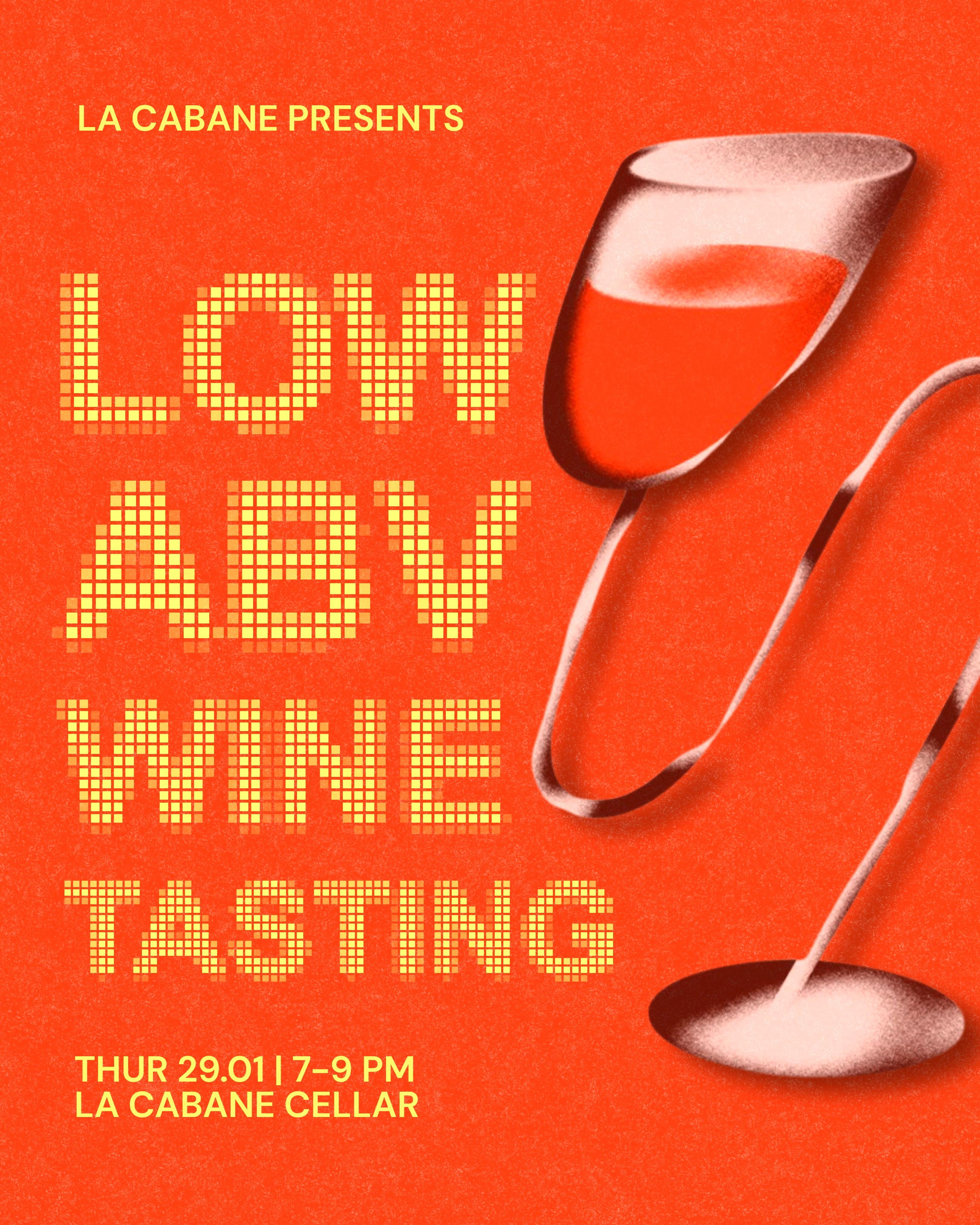
Thursday January 29
Hong KongChina
12869 KM
Thursday January 29
TurinItaly
7047 KM
 Winemakers
 Restaurants
 Bars
Bars Wine Shops
 Accommodations
 Events